Low maintenance short haircuts for straight hair solve a problem most styling routines create — you’re spending 20 minutes every morning fighting a cut that isn’t working with your texture. Straight hair has a natural advantage here: its smooth surface means structure lands clean, shine reads immediately, and the right cut requires almost zero product to look intentional. I’ve worn short straight hair for six years across three different cuts, and the difference between a high-effort and a no-effort morning comes down entirely to which shape your stylist chose.
You’ll notice that the most flattering options share one thing: they use the hair’s weight and fall rather than fighting it. A blunt bob at chin length drops perfectly on its own. A cropped pixie with a clean side part stays in place through a full day without a single pin. These aren’t accidents of styling — they’re structural decisions made at the scissor stage. The cuts in this post cover three distinct shapes, each with a different vibe, and every single one of them was chosen because straight hair makes them look sharper, not flatter.
My go-to rule before any salon visit: if the stylist describes the haircut with the word “manageable,” walk out. You want a cut that’s specific, not one that hedges. Straight hair doesn’t need managing — it needs a strong shape and then it handles itself.
- The blunt bob is the lowest-maintenance cut on this list — air-dry is enough, no diffuser needed
- Straight pixie cuts stay polished all day with zero product if the shape is cut correctly
- Layered crops need trims every 6–7 weeks to prevent the feathering from going limp
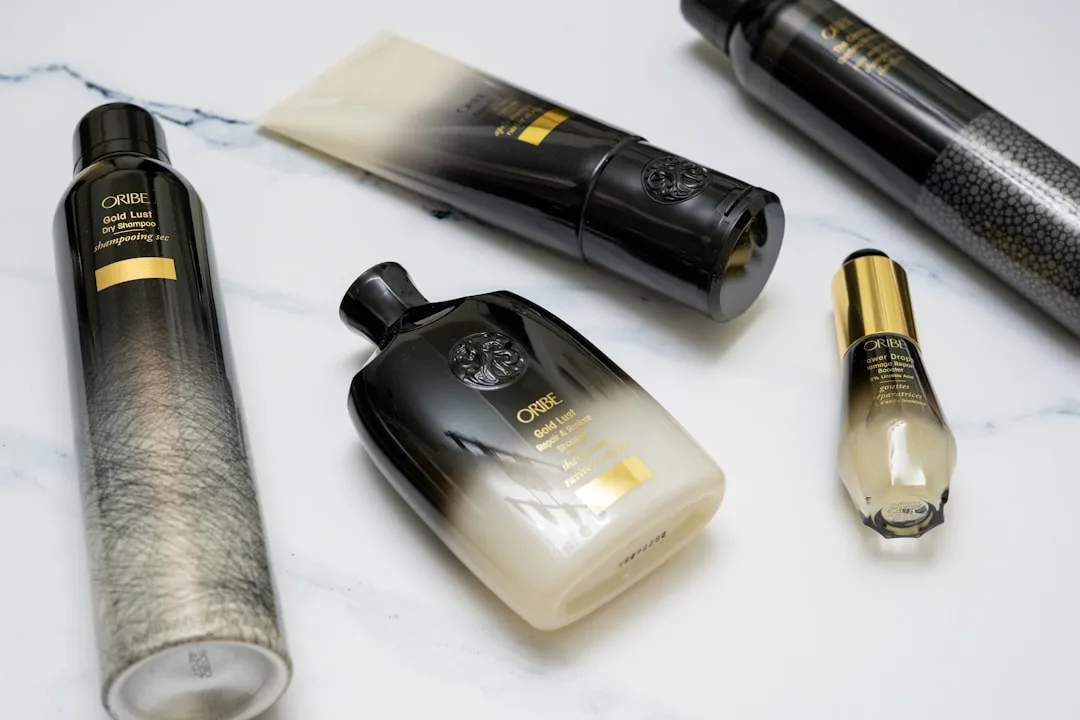
- Oribe Superfine Hair Spray ($46) is the only hold product you need for all three styles
- The number-one mistake with straight short hair: adding too many layers, which creates work instead of removing it
Blunt Bobs on Straight Hair — Where Precision Does All the Styling for You
Low maintenance short haircuts for straight hair don’t get more efficient than the blunt bob — it’s the cut where the geometry literally does the work for you. The even hemline at chin length or just below creates enough visual weight that the hair falls flat and sharp without any heat. I had mine cut at a Bumble and bumble salon in late 2023, paid around $85 for the initial cut, and since then it air-dries into a polished state I used to achieve only with a round brush and 15 minutes of blow-drying. Does that sound too good? It is — but only if your stylist cuts it at exactly the right angle at the nape.
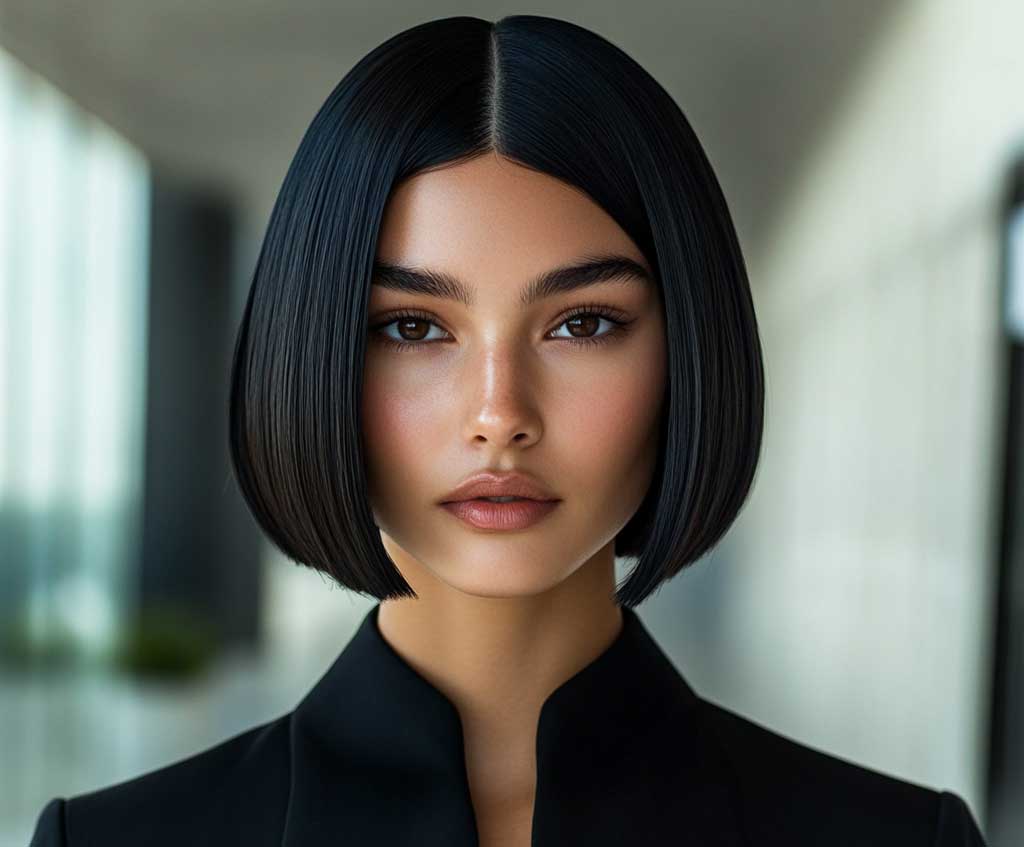


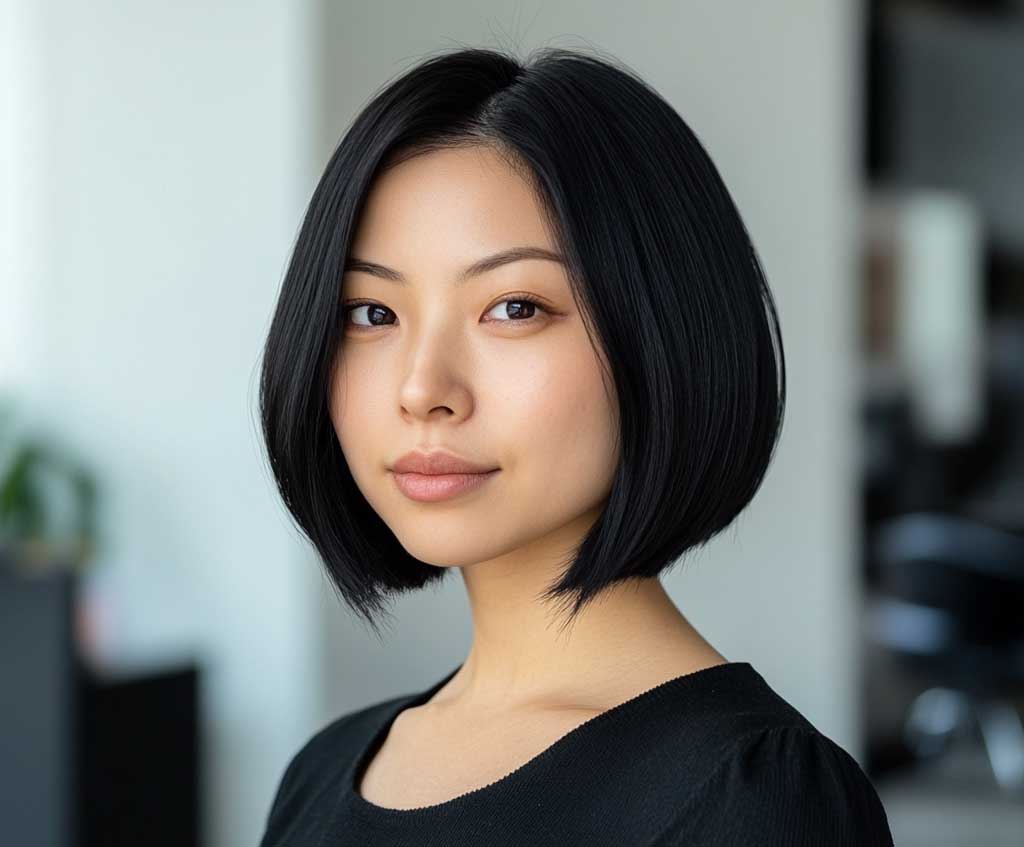
The real test for a blunt bob is how it behaves on day two. If you wake up and it looks better slightly lived-in — which straight hair absolutely does — you’ve got the right cut. The blunt line at the ends prevents split-end fraying from being visible, which is the reason you can skip trimming longer than you should and it still reads as intentional. For shine, I reach for the Kenra Platinum Silkening Mist ($24) instead of a serum — serums on straight short hair tend to read greasy before noon. A light mist applied from 8 inches away adds reflection without weight.
What doesn’t work is a blunt bob cut below the collarbone. You need the chin-length anchor. The moment the line drops below the jaw on straight hair, it loses tension and starts to cave inward at the ends — what stylists call “cupping.” That cupping then requires daily heat to correct, which defeats the purpose entirely. Keep it between the earlobe and two inches below the chin, and this cut earns its low-maintenance reputation. For women considering how this shape interacts with facial structure, the guide to short straight hairstyles by face shape breaks down exactly where the hemline should land for each face geometry.
Round faces do need a caveat here — a perfectly symmetrical blunt cut at chin length on a round face reads as a helmet, not a haircut. The fix is a one-centimeter graduation at the sides so the volume is concentrated at the front rather than wrapping all the way around. Your stylist should offer this automatically, but if they don’t, ask specifically for “point cutting at the sides to remove perimeter weight.”
- Don’t layer a blunt bob — adding layers to straight hair for “volume” creates an enormous styling bill you pay every morning with a round brush
- Don’t use heavy serums before air-drying — they drag the ends down and make a clean hemline look greasy
- Don’t skip the nape angle — if your stylist cuts the nape perfectly horizontal on straight fine hair, the back will flip outward and require constant flat-ironing to lie flat
- Don’t go between trims longer than 8 weeks on a pixie — the shape collapses and nothing except another appointment fixes it
Straight Pixie Cuts — Low Maintenance Short Haircuts That Run on Structure Alone
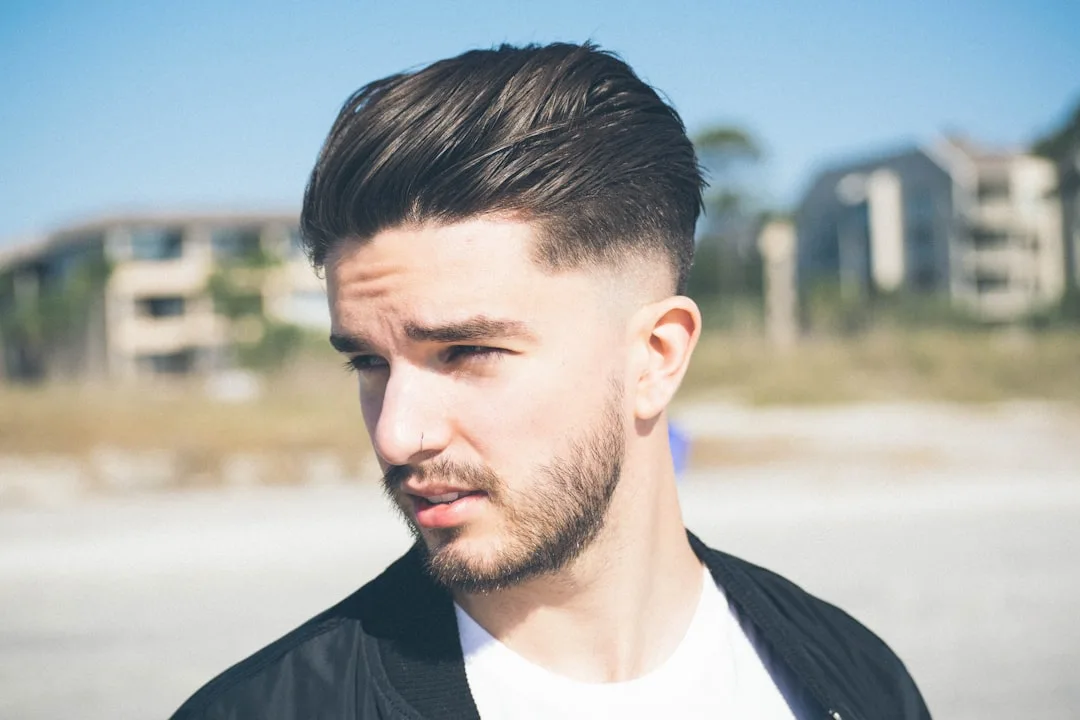
Low maintenance short haircuts for straight hair reach peak efficiency with the straight pixie — a cut where the structure itself is so strong that styling time rounds down to about ninety seconds. I stole this from watching my stylist at a John Paul Mitchell salon: she cut the top slightly longer than the sides, angled the sideburns just slightly forward, and the whole shape clicked into place like a key in a lock. That was one year ago and I have not used a flat iron on it since. The straight side-swept version you see here keeps the fringe to one side, which frames the eye without requiring any product to hold the part.

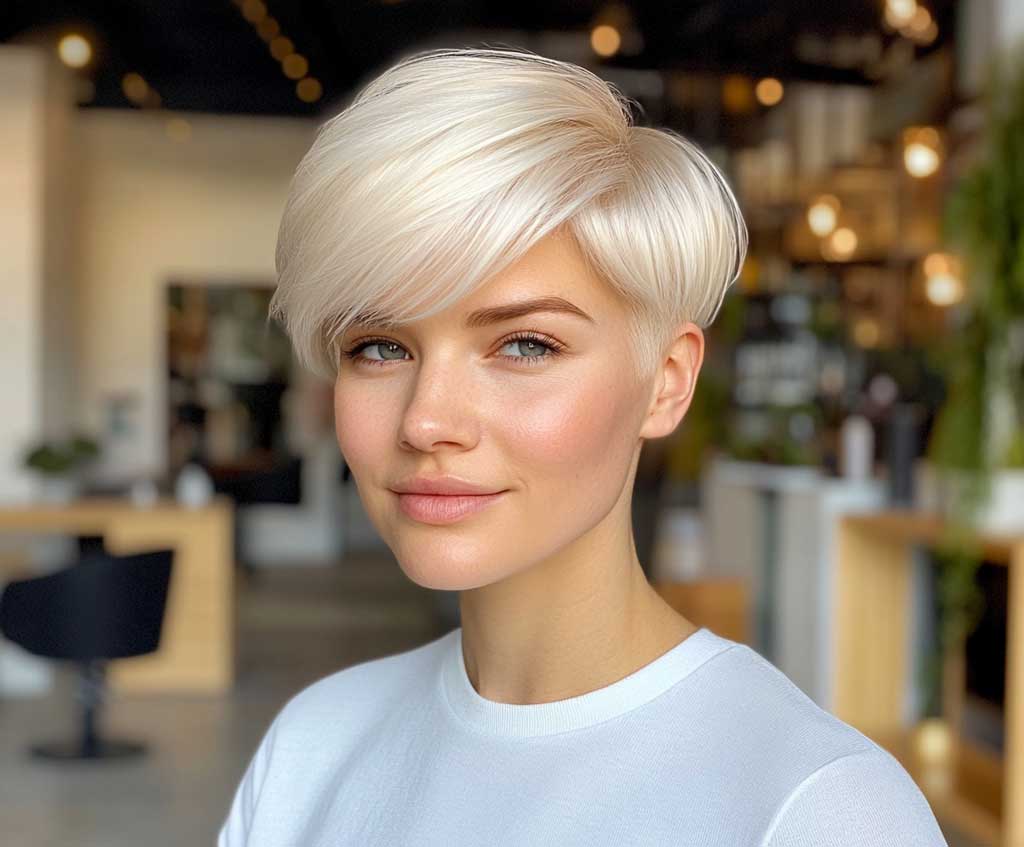

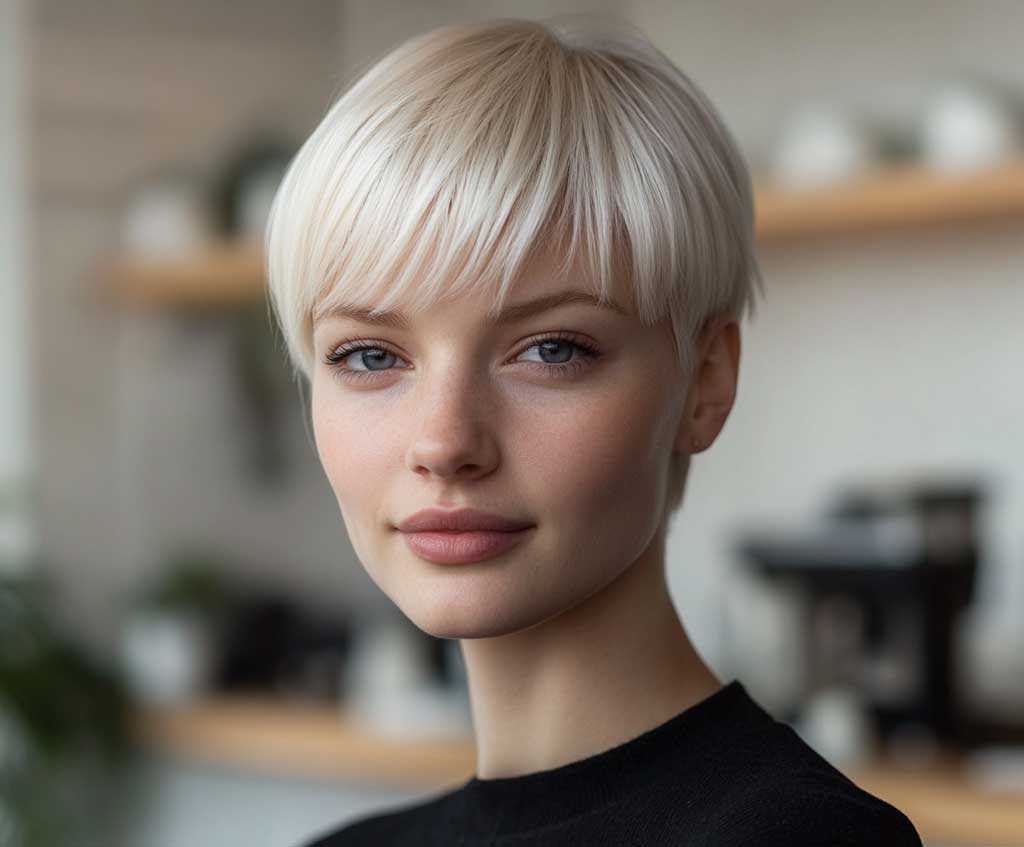
Platinum blonde on a straight pixie is the color that makes the most logical sense structurally — the icy tone creates contrast at the roots that reads as intentional movement, even when the hair lies completely flat. You’ll notice that dark pixies can look slightly heavy or blunt on fine straight hair because there’s no light-catching variation to suggest texture. American Crew Fiber ($18 at most drugstores) works on straight pixies when you want to separate the top slightly without making it stiff — apply it to dry hair with fingertips, not palms, using about a pea-sized amount.
The maintenance schedule is the honest part nobody talks about: a straight pixie demands a trim every five to six weeks or it loses its shape entirely. That is not negotiable. I’ve pushed it to seven weeks exactly once and spent two weeks afterward with an overgrown nape that no amount of pinning solved. Budget $50–$70 per trim at a mid-range salon. What you save on styling products — I went from $30/month on products down to $8 — partially offsets that. The breakdown of cute short haircuts by color and personality type shows exactly how different color choices affect the pixie’s perceived texture on straight hair.
Active lifestyle? Straight pixie. You can swim, run, and air-dry this cut and it looks better at the end of the day than it did in the morning — damp straight hair on a well-cut pixie develops a slight natural weight that actually sharpens the shape. That is the opposite of what happens with longer straight hair, which goes limp after humidity exposure. The pixie is one of the few cuts where weather works in your favor rather than against it.
Layered Crops for Straight Hair — Texture Without the Styling Tax
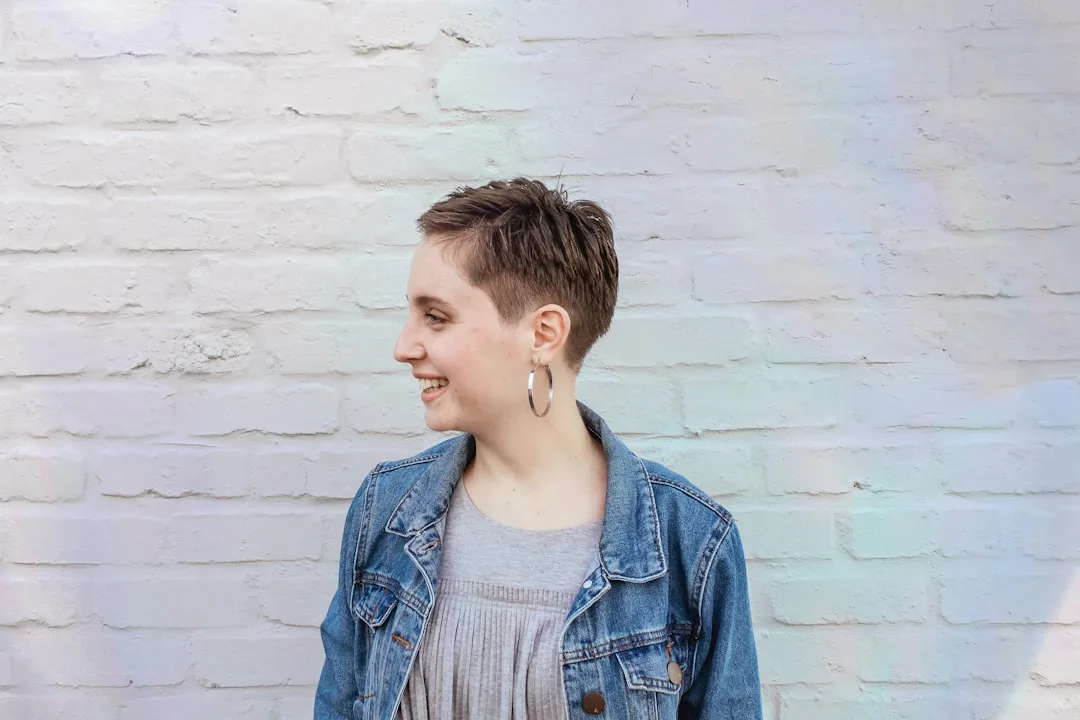
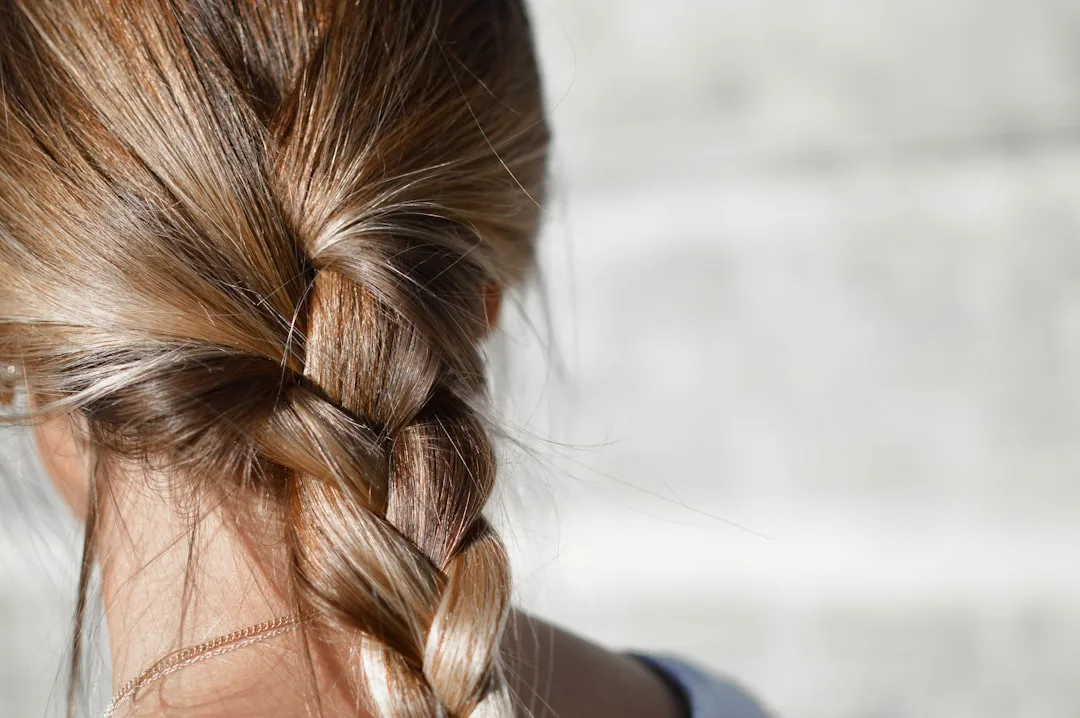
Layered crops on straight hair offer the one thing blunt cuts don’t — movement — without adding any meaningful styling time to your morning. The feathered layers here sit just above the ears, and the key detail is that they’re cut with point-scissors rather than straight-across: that technique prevents the layers from looking choppy or jagged, which is what happens when a less experienced stylist attempts texture on straight hair. I’ve seen this cut go wrong and it looks like bad 2005 scene hair. Done right — soft, graduated feathering in two or three lengths — it looks like the hair simply decided to move that way on its own.


Light brown is the color doing most of the heavy lifting in this specific cut — the natural tonal variation in medium brown shades creates the visual impression of depth between layers, so the hair looks dimensional without any highlights. Think of it like a watercolor wash versus a flat coat of paint: the same shape reads richer with variation built into the color. If your natural hair is dark or cool-toned, ask your colorist for a $30–$45 gloss treatment rather than full highlights — it adds translucency without the six-week color appointment cycle.
What’s the styling reality day-to-day? You need exactly one product: a smoothing cream like Living Proof Perfect Hair Day 5-in-1 Styling Treatment ($30). Work a dime-sized amount through damp hair, air-dry, and the layers fall into place without frizz. For a polished version — date, interview, anything requiring effort — a single pass with a 1-inch barrel brush while blow-drying takes four minutes. The layered crop lives in the middle ground between the blunt bob and the pixie: it looks more finished than a pixie from a distance, carries more movement than a blunt bob, and takes slightly more product than both. That’s the honest trade-off. Board-certified dermatologists at the American Academy of Dermatology also note that straight hair should be allowed to partially dry before combing — a step that prevents breakage at the layers’ tips, where fine straight ends are most fragile.
Trims matter more for the layered crop than for the other two cuts — every six to seven weeks, or the feathering starts to grow into a shapeless mid-length that reads as neither short nor long. That’s a specific visual failure: overgrown layered crops on straight hair look exactly like a haircut you gave up on. Keep the appointment. At $55–$75 at a reputable salon, it’s the most reliable investment in this style.
Final Verdict
Short and straight is the lowest-overhead hair combination in existence — the cut just has to be right.
The blunt bob is the zero-effort option: air-dry, done. The straight pixie is the boldest structural choice and the one that ages best through a busy week. The layered crop lives between them and rewards the one person who wants polish without rigidity.
Every single one of these works because straight texture holds a precise line cleanly. No other texture does that. You’re not overcoming a challenge with these cuts — you’re using an advantage most women don’t recognize they have.
Save this post before your next salon appointment so you have the exact language to describe what you want.