Aesthetic pet spaces had their moment. What’s replacing them in 2026 is more precise — and more serious. The leading edge of pet & home trends has shifted from “does this look good” to “does this actually reduce cortisol in a 40-pound anxious dog.” That is not an exaggeration. That is where the market is moving.
Interior designers working with pet-owning clients are increasingly drawing on veterinary behaviorism, not just material palettes. Brands like Molly Mutt, West Paw, and P.L.A.Y. have all expanded their 2026 lines around therapeutic positioning — orthopedic support, breathable organic cotton, and acoustically calmer enclosures — rather than color coordination alone. The shift is real, and it’s showing up in briefs from architecture studios on both sides of the Atlantic.
Calming Materials Have Moved From Wellness Boutiques Into Mainstream Pet Design
Wool, dense-weave cotton, and temperature-regulating linen are now the materials of choice for premium pet bedding — not because they photograph well, but because they regulate body temperature and reduce tactile overstimulation. The neutral palette shift that began in accessories has matured into a full material philosophy. It’s no longer about what matches the sofa.
Pantone’s 2026 Color of the Year, Cloud Dancer, arrived at exactly the right moment for this movement. The soft off-white has become a kind of shorthand for the therapeutic interior — calm, non-stimulating, grounded. Pet accessory brands adopted it almost immediately, aligning collars, beds, and enclosures with a palette that reads as visually quiet for both human and animal occupants.
Veterinary Behaviorism Is Now Writing the Design Brief
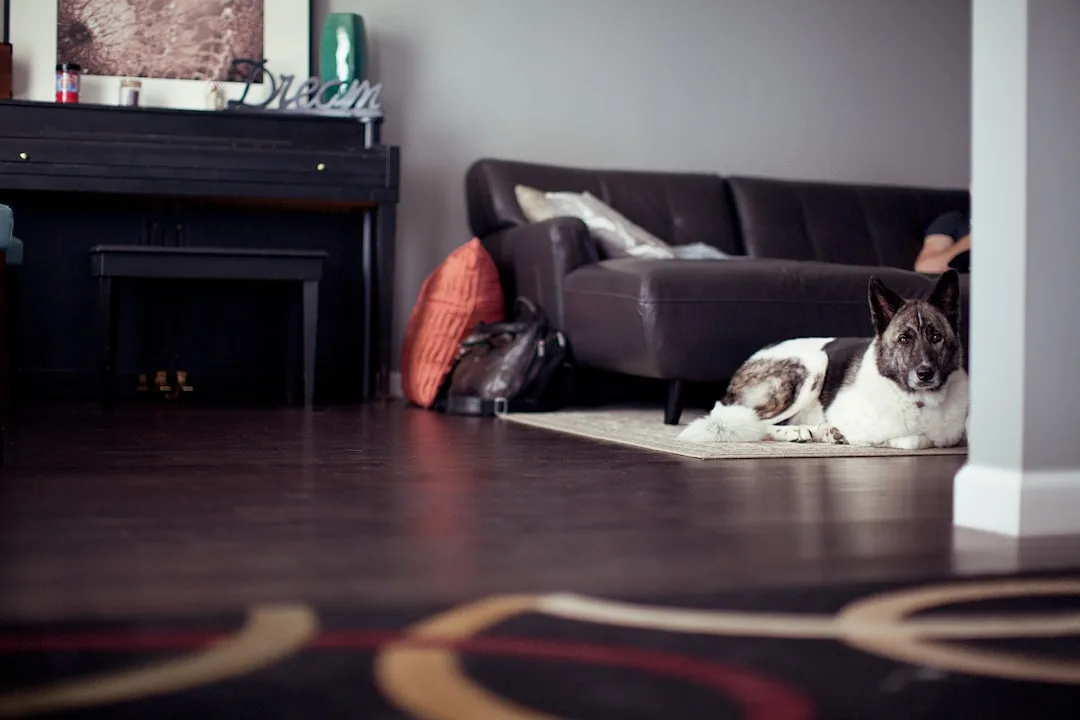
This is the turn that separates 2026 from every prior year in pet & home trends. Designers are consulting certified animal behaviorists before specifying furniture layouts. The question being asked isn’t “where should the dog bed go” — it’s “where does the dog’s nervous system need the bed to be.” Corners with single sightlines. Away from high-traffic corridors. Near but not adjacent to the primary human gathering space.
UK-based bespoke studio The Pet Carpenter has noted a marked increase in clients requesting spaces designed around behavioral support rather than visual integration. The brief has evolved: clients are no longer asking what is available off-shelf. They are asking what can be built specifically for how their animal moves, rests, and recovers.
This also explains the rise of acoustic consideration in pet spaces — a development almost unheard of three years ago. Open-plan homes that were once celebrated for their spatial generosity are now being assessed for how hard surfaces and echo amplify stress responses in dogs and cats. Soft wall treatments, heavy-weave rugs, and sound-dampening panels near pet zones are appearing in renovation scopes that would never have included them before.
The Sensory-Controlled Pet Zone Looks Nothing Like a Pet Corner
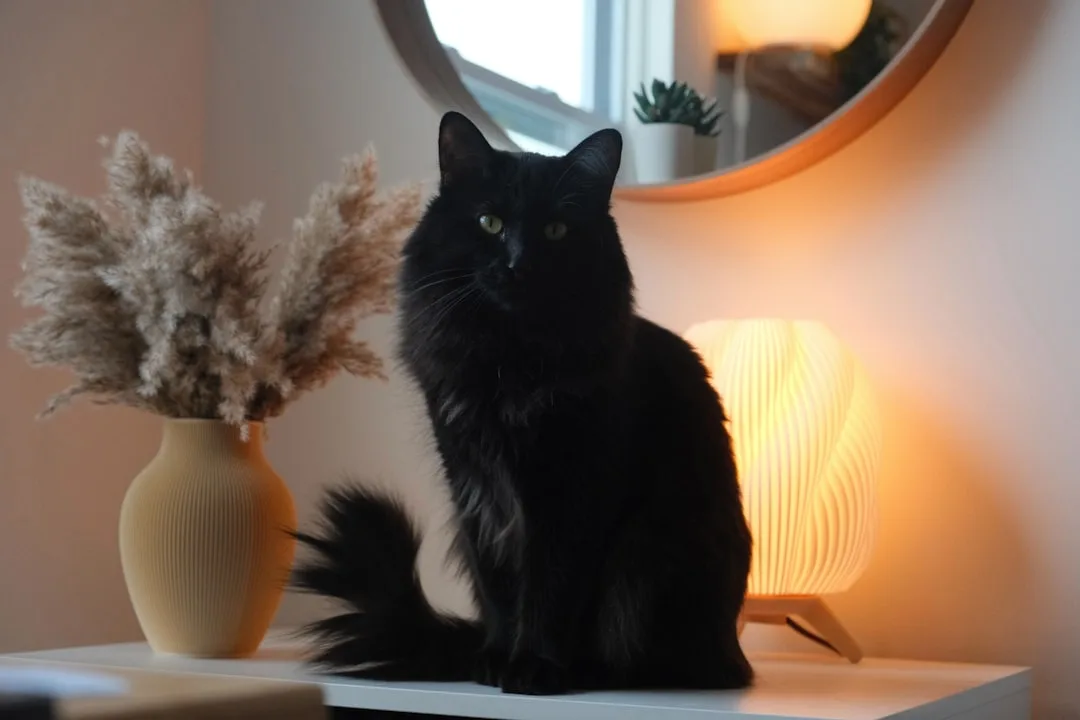
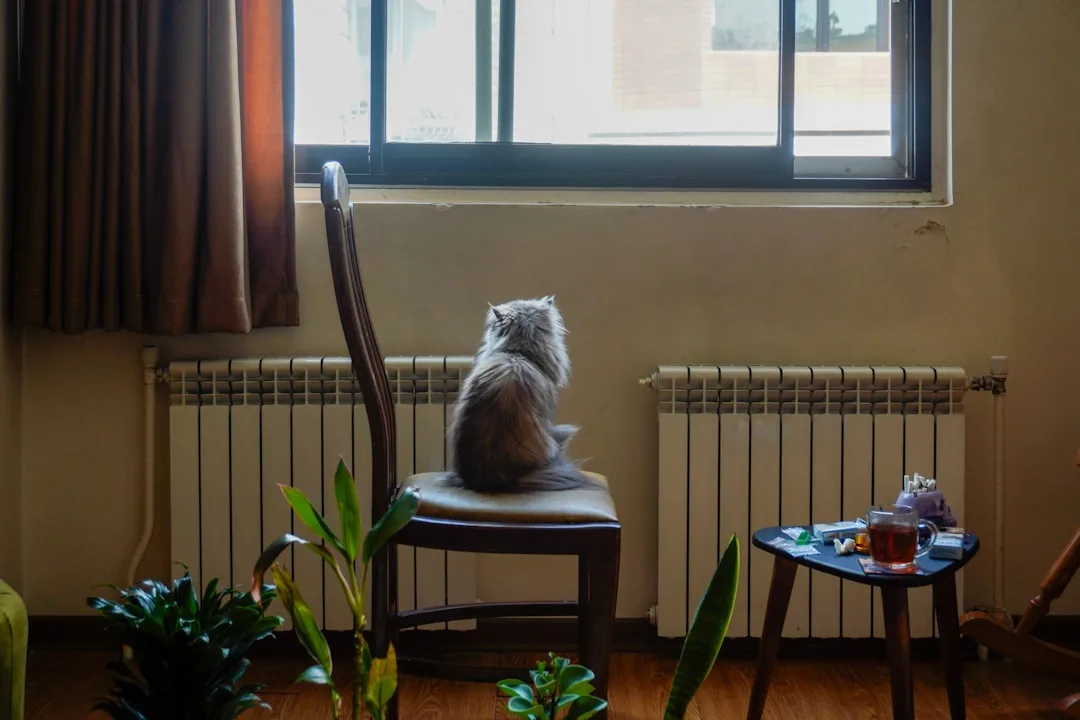
What a therapeutic pet space looks like in practice is deliberately understated. There are no branded pet labels, no novelty shapes, no primary colors. What you see instead is a recessed alcove with a low-profile orthopedic base, a dimmable ambient light source overhead, and wall surfaces in matte, sound-absorbing finish. It reads as part of the home. It functions as a recovery environment.
Lighting is the detail most overlooked. Circadian lighting systems — already normalized for human wellness interiors — are being extended to pet zones by studios like Nook Pet Design in Los Angeles and independent specifiers in Scandinavia. Blue-spectrum light that mimics daylight during active hours and shifts to amber in the evening supports the sleep-wake cycle in dogs and cats in the same way it does in humans. The technology has existed for years. The application to pet spaces is new.
This connects directly to where Bespoke Pet Spaces Are Being Built Into Homes at the Architecture Stage Now — because the therapeutic brief only works when the space is planned from the structure up, not retrofitted around a crate after the fact. Acoustic isolation, lighting infrastructure, and material substrate decisions happen at framing stage, not furnishing stage.
Pet Parents Treating Animal Anxiety as a Design Problem Worth Solving
The cultural driver underneath all of this is the normalization of pet mental health as a legitimate domestic concern. Veterinary anxiety diagnoses in dogs and cats have risen sharply through the early 2020s. By early 2026, the conversation has moved beyond medication and behavioral training into the physical environment itself — which is where interior design enters.
This is also where pet & home trends intersect with the broader human wellness interior movement in the most coherent way yet. The same principles that drove the biophilic design wave, the circadian lighting adoption, and the acoustic treatment of home offices are now being applied, with equal rigor, to the spaces animals occupy. It turns out the design principles that help humans feel calmer also help dogs and cats feel calmer. The overlap was always there. Designers are just acting on it now.
The practical takeaway for anyone building or renovating in 2026: the therapeutic pet zone is not a luxury add-on. It is a considered specification decision — materials, position, light, and acoustics — that costs very little more than an unconsidered one, and performs measurably better for every occupant in the home.