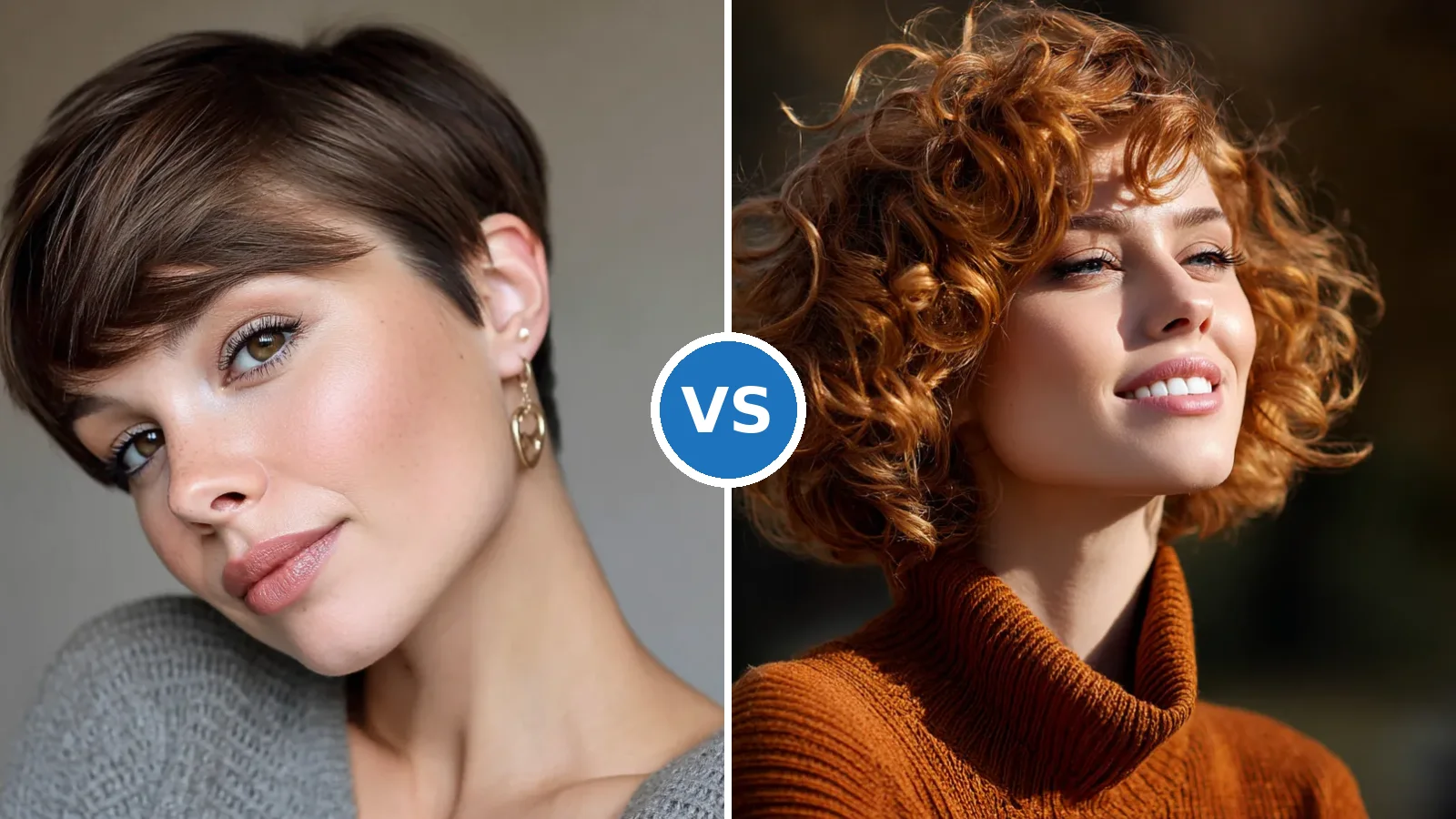
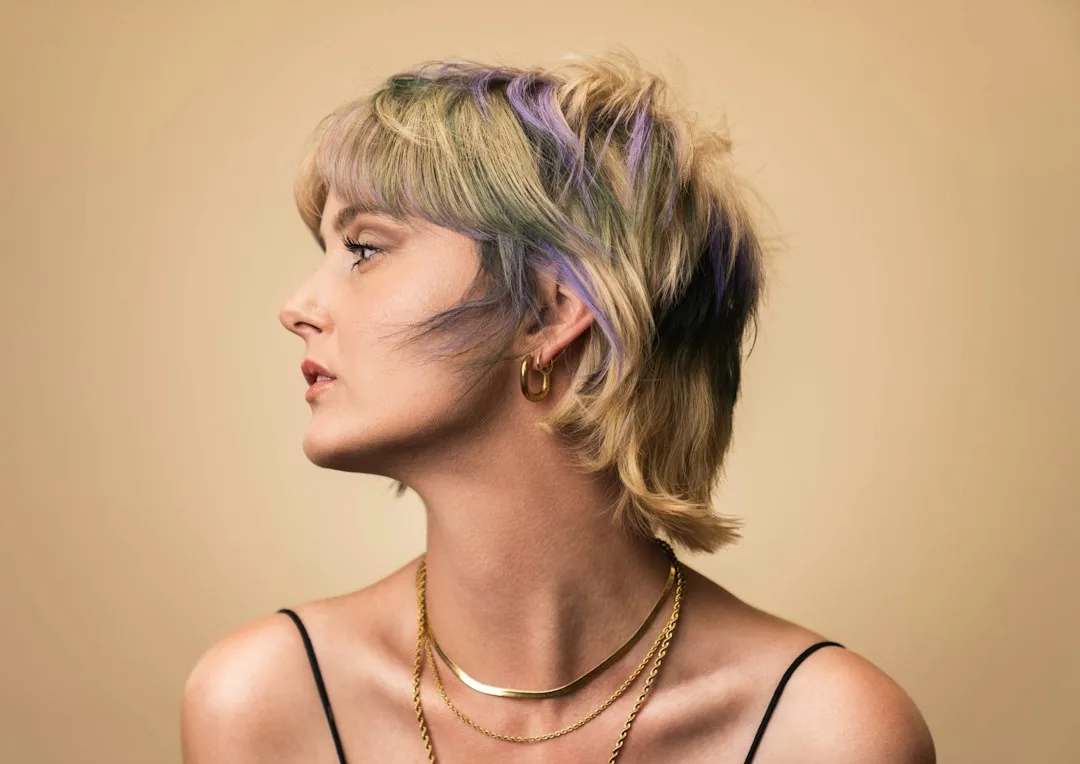
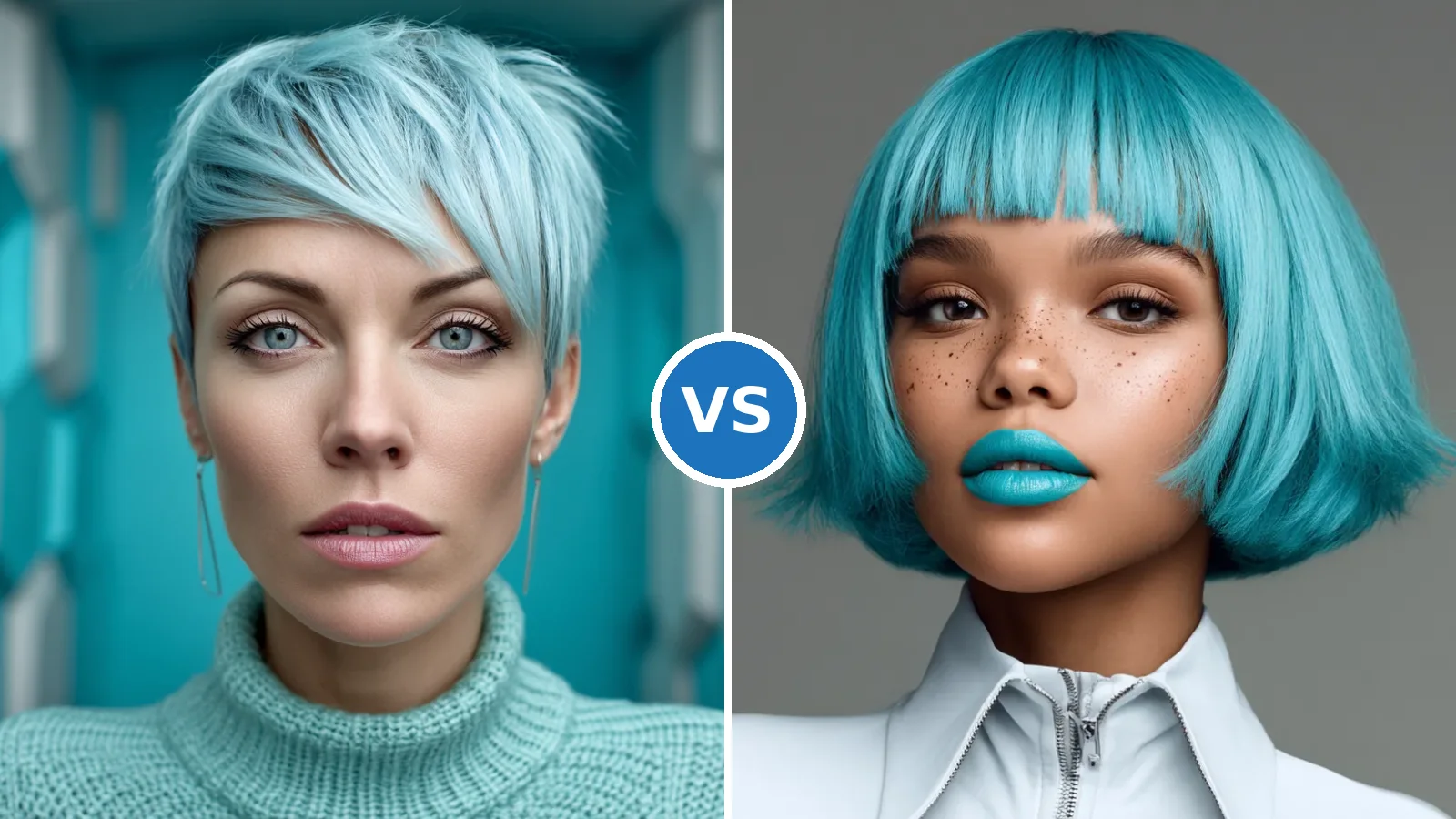
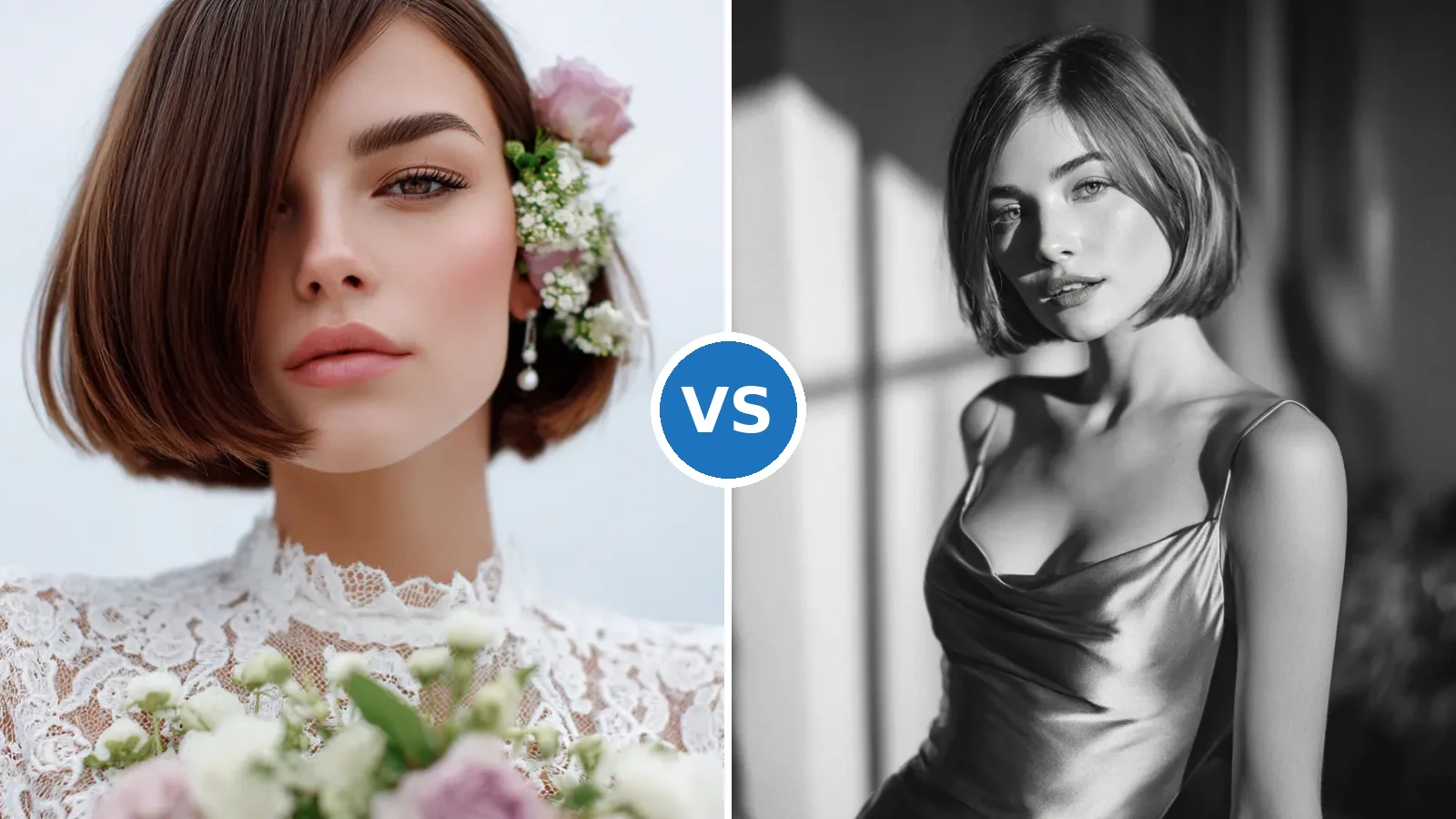
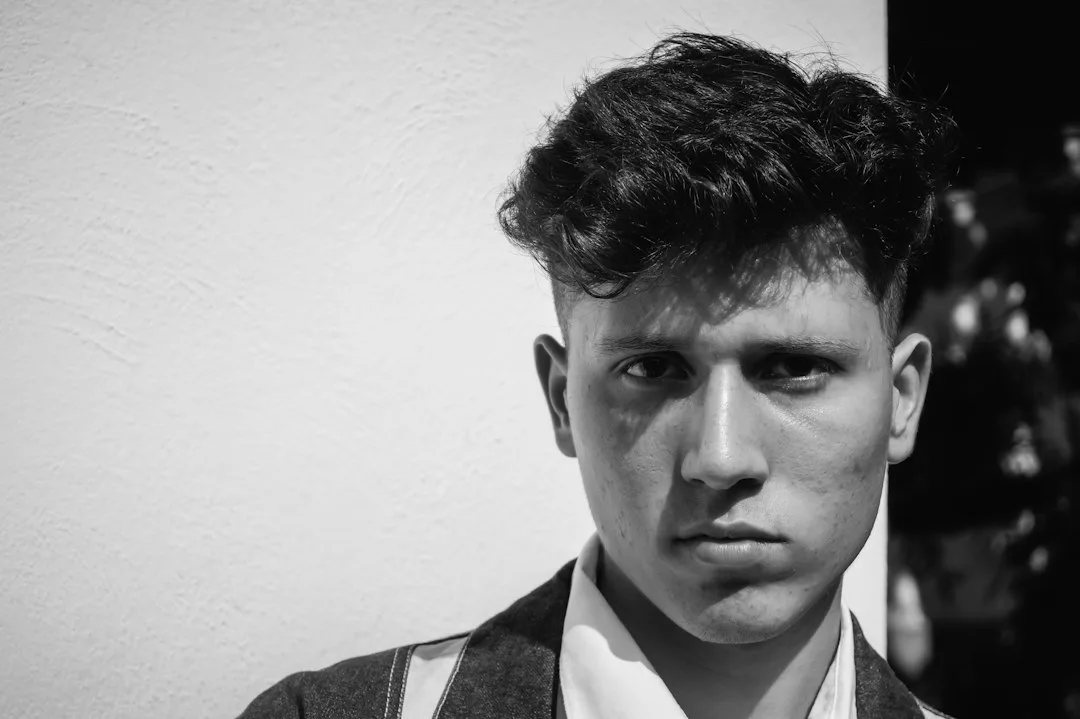
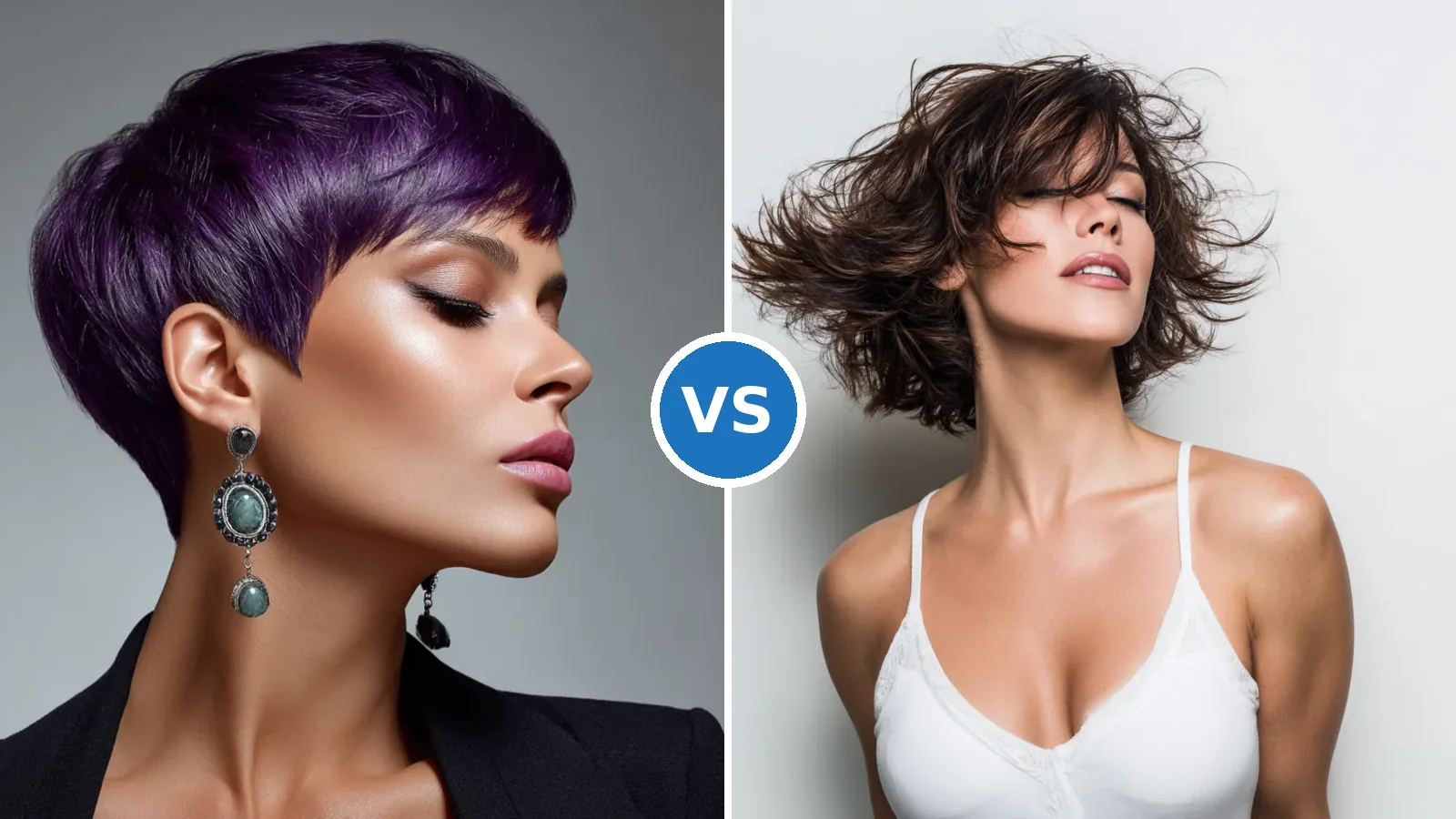
A haircut can either erase your personality or amplify it. Most people walk around with styles that flatten their bone structure, shadow their best features, and confuse the balance of their face. The right shape can instantly sharpen the jaw, lift the eyes, soften harsh angles, or add power where it’s missing. This is where the face frame haircut completely takes over modern beauty rules. It doesn’t change your length unless you want it to. It doesn’t demand extreme styling. It simply reshapes how the world sees your face. Once you understand how framing works, normal haircuts start to look unfinished.
How Face Framing Reshapes Your Entire Look
The most underestimated power in hair design is optical illusion. Not length. Not color. Not volume. Shape. The face frame haircut is built entirely around illusion — bending light and shadow to sculpt how your facial features are perceived within seconds of eye contact.
Most people believe their face shape is permanent and limiting. That belief is false. A properly designed face frame haircut can make a round face appear longer, a long face appear balanced, a square jaw appear elegant, and soft features appear chiseled. It is not about hiding — it is about redirecting attention.
The defining feature of a face frame haircut is the strategic cutting of shorter layers that surround the face while allowing the rest of the hair to retain its original length or flow. These pieces become visual arrows. They pull the eye exactly where you want it to go — toward the cheekbones, lips, or eyes.
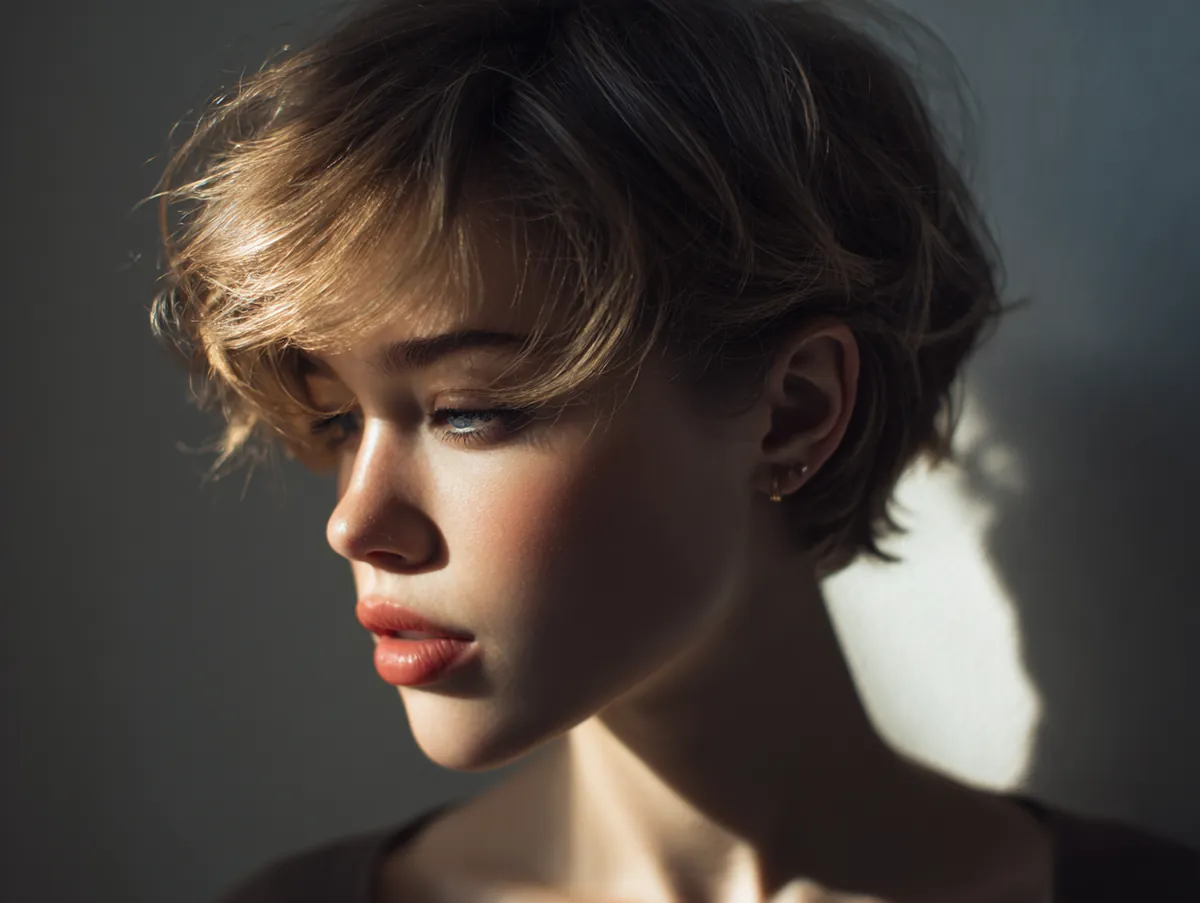


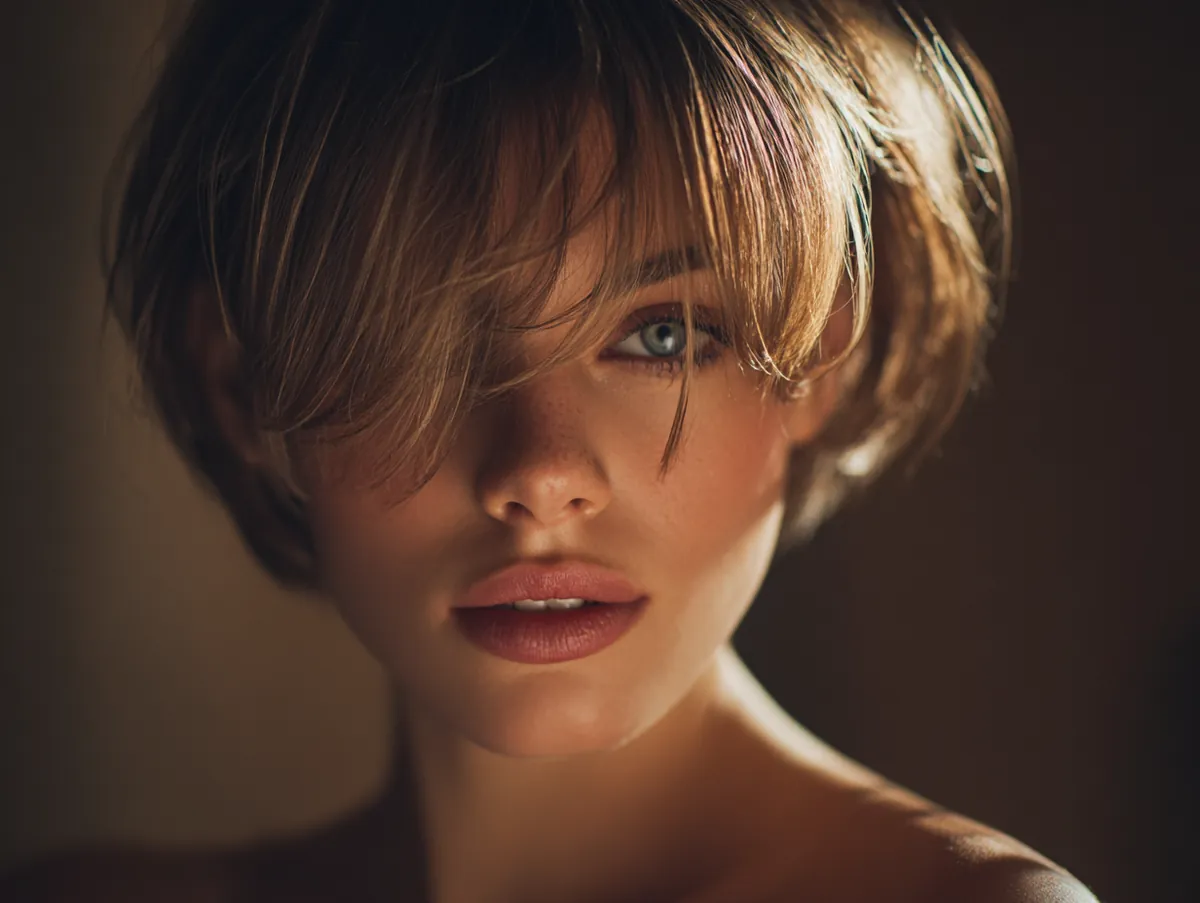
When framing is done incorrectly, it creates heaviness at the jaw, collapses volume at the crown, and draws attention to areas you would rather soften. When done correctly, the face appears instantly lifted even without makeup.
What makes this haircut revolutionary is adaptability. It works on straight hair, wavy textures, fine strands, dense hair, and even curls with the right precision. Instead of forcing one rigid style, it adapts to bone structure and growth pattern.
Another reason the face frame haircut dominates modern demand is its low styling effort. Unlike blunt bobs or razor-edge silhouettes that collapse without tools, face framing enhances natural movement. Even when air-dried, the layers create direction and definition.
This haircut also transforms how hair grows out. Traditional cuts lose their shape within weeks. Framing layers soften the regrowth phase, allowing the style to remain visually balanced far longer.
Curtain-style fronts, tapered cheek layers, and jaw-length framing all behave differently. Cheek-length framing sharpens cheekbones. Jaw-length framing narrows the lower face. Collarbone framing softens the neckline.
People often think bangs are required for face framing. They are not. A face frame haircut can exist without any true fringe while still shaping the front silhouette.
This is why it works for professional environments, glamorous styling, and everyday life through the same structural base.
The psychological effect is just as powerful. When the front of your hair naturally directs toward your face, the brain reads symmetry, balance, and health. These signals trigger subconscious attraction.
This is not trend-driven design. This is structural design rooted in visual physics.
Once you experience a correctly executed face frame haircut, standard straight-across cuts begin to feel lifeless. The difference is not dramatic chaos. It is refined control.
This cut does not compete with your face. It collaborates with it.
Why This Cut Instantly Makes You Look More Expensive
There is an invisible line between looking styled and looking intentionally styled. The face frame haircut lives on that line. It creates the impression that your hair was designed for your face alone — not pulled from a template.
Luxury in beauty is rarely loud. It is precise. Framing layers provide that precision with quiet impact.
Expensive hair always moves well around the face. It never hangs stiff. It never collapses forward. It never overwhelms the jaw or shadows the eyes. This is exactly what framing controls.
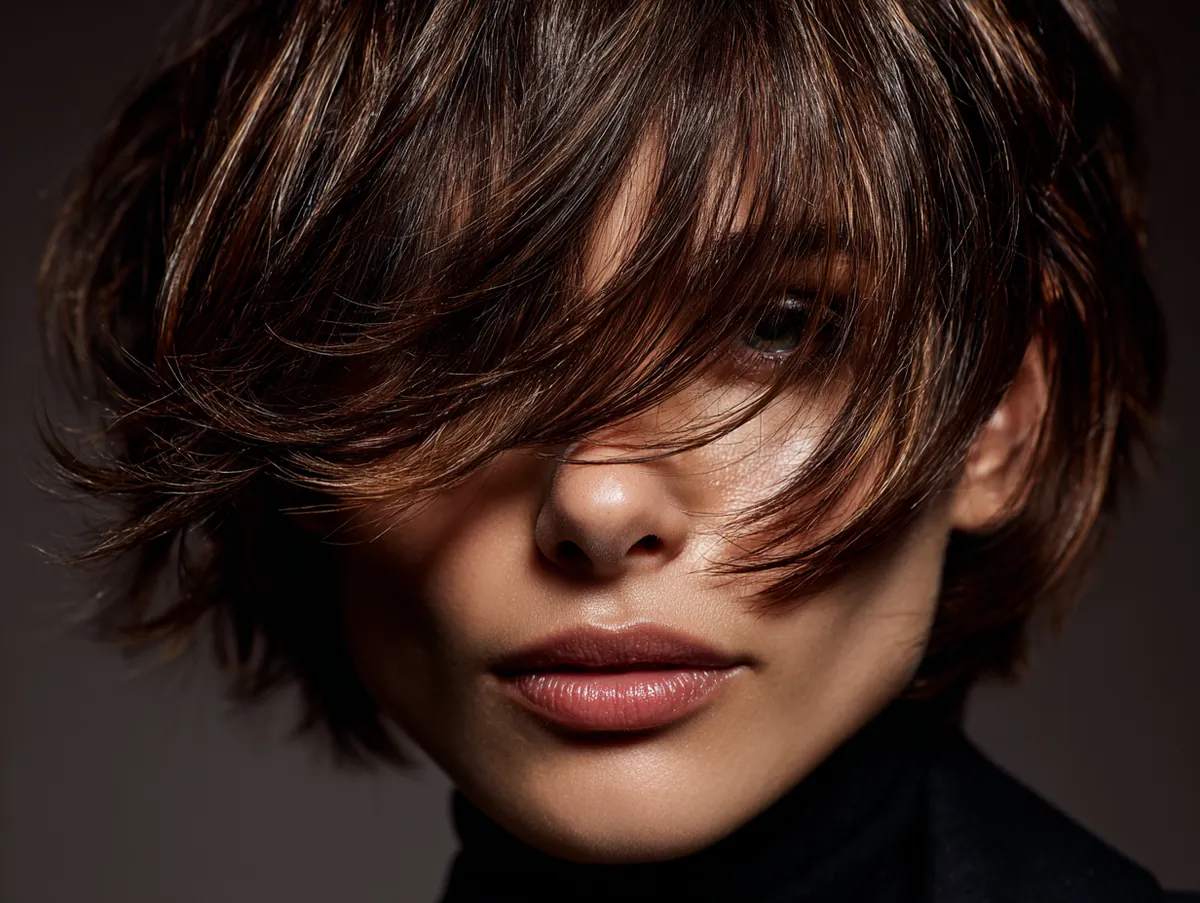
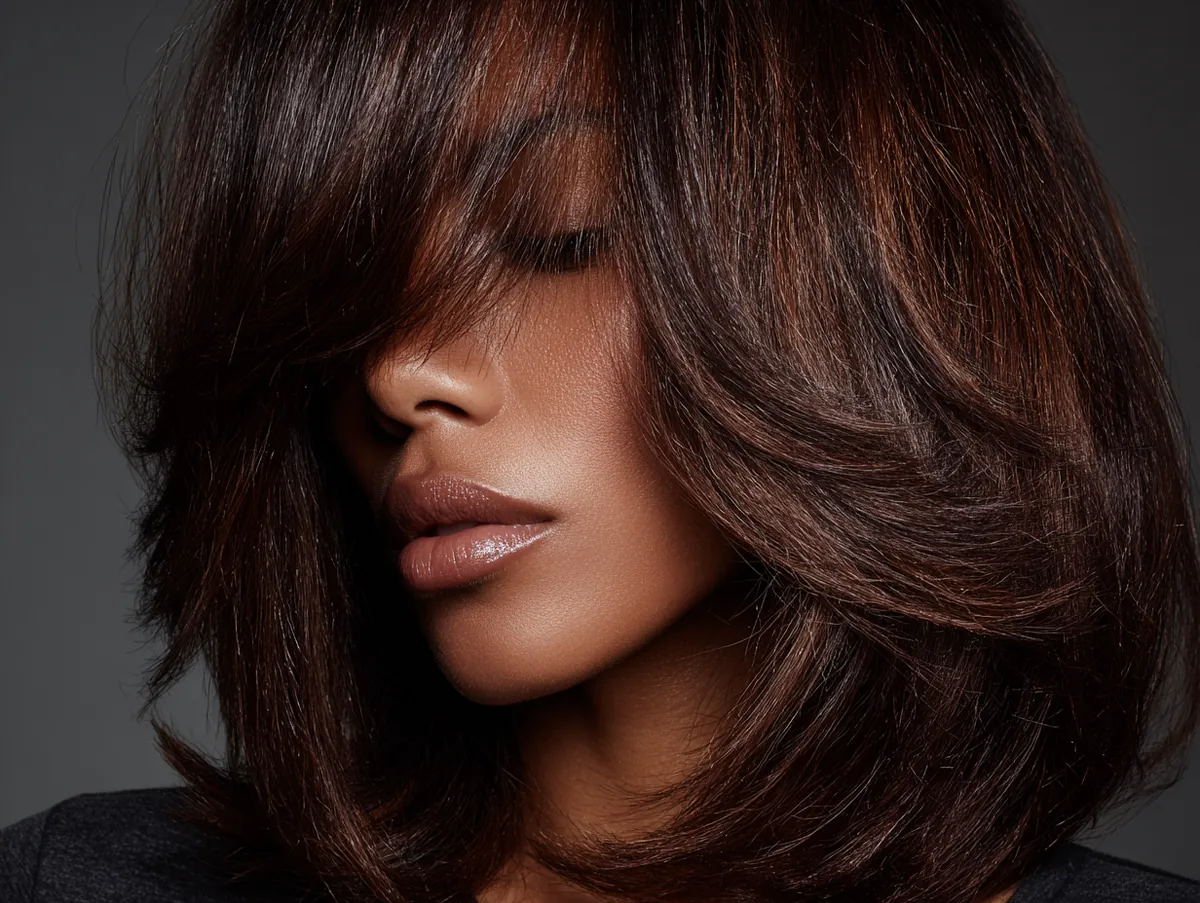
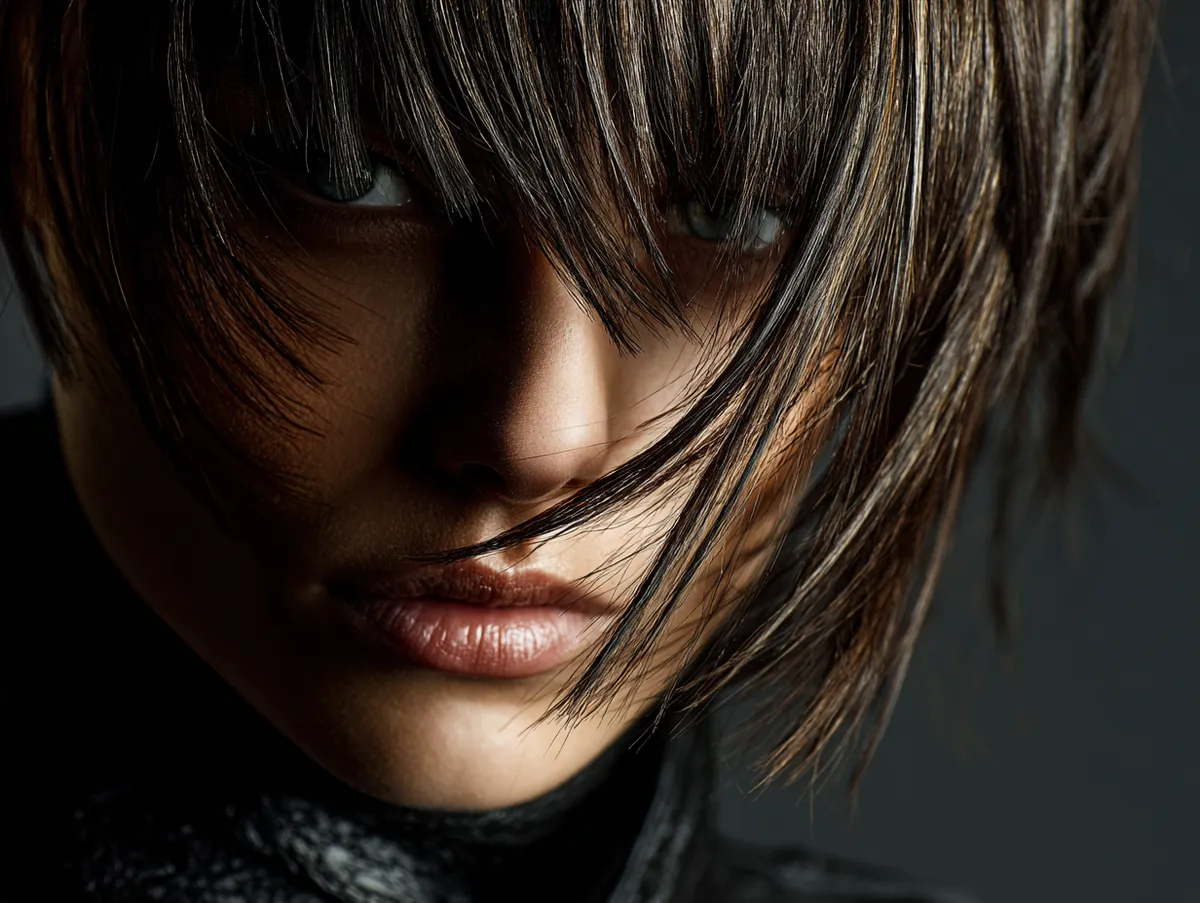
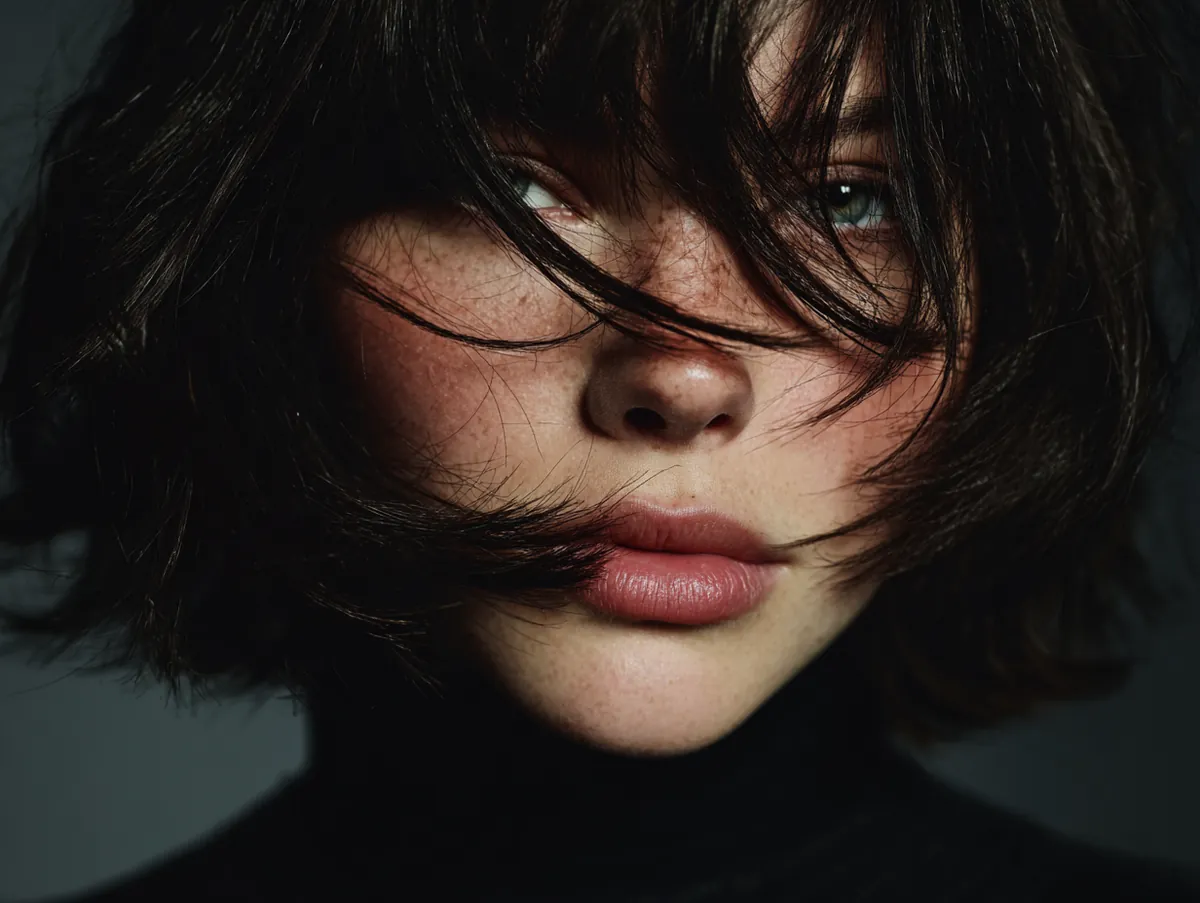
When hair is left blunt around the face, light hits it evenly and removes dimension. When layering is introduced with intention, light breaks across multiple angles — creating gloss, depth, and dynamic softness.
This is why celebrities rarely rely on blunt face silhouettes anymore. Even when the cut appears sharp, the front always carries hidden framing.
Another luxury signal is proportion. Framing adjusts proportion instantly. A heavy forehead becomes lighter. A narrow chin becomes stronger. A long mid-face becomes shortened.
These micro-adjustments change the perceived economic value of your appearance. That may sound strange, but the brain is trained to associate symmetry, balance, and polish with power and status.
A face frame haircut also elevates styling results. Curls appear more dimensional. Waves appear more sculpted. Straight hair looks intentional instead of flat.
Even ponytails become sharper. When the front pieces fall forward with structure instead of randomness, the entire look upgrades.
This haircut also allows color to perform better. Highlights placed around framing layers amplify brightness without overwhelming the rest of the hair. Dark hair gains depth through layered shadow placement.
In fashion photography, framing is a non-negotiable tool. It controls how the face interacts with garments, necklines, and accessories. Without it, even couture can look disconnected.
Another luxury factor is how the cut ages with time. Cheap-looking hair collapses between appointments. Framed hair evolves elegantly because the structure is distributed rather than concentrated.
The confidence effect is immediate. When your face is clearly defined by your hair, posture shifts. Eye contact deepens. Presence increases. These reactions happen subconsciously but alter how people respond to you.
True refinement is felt before it is seen. The face frame haircut creates that sensation instantly.
This is why so many people feel like they suddenly look “put together” without changing anything else. The haircut finally matches the face’s architecture.
The Secret Geometry Behind Perfect Framing
Every successful face frame haircut begins with geometry, not scissors. The stylist maps the width of the cheekbones, the projection of the nose, the slope of the jaw, and the distance between chin and collarbone before cutting a single strand.
The front of the hair is treated as an architectural border. Its job is to outline, not overpower.
The shortest framing point is chosen with precision. Too high and it creates sharp disconnection. Too low and it becomes weight instead of contour.

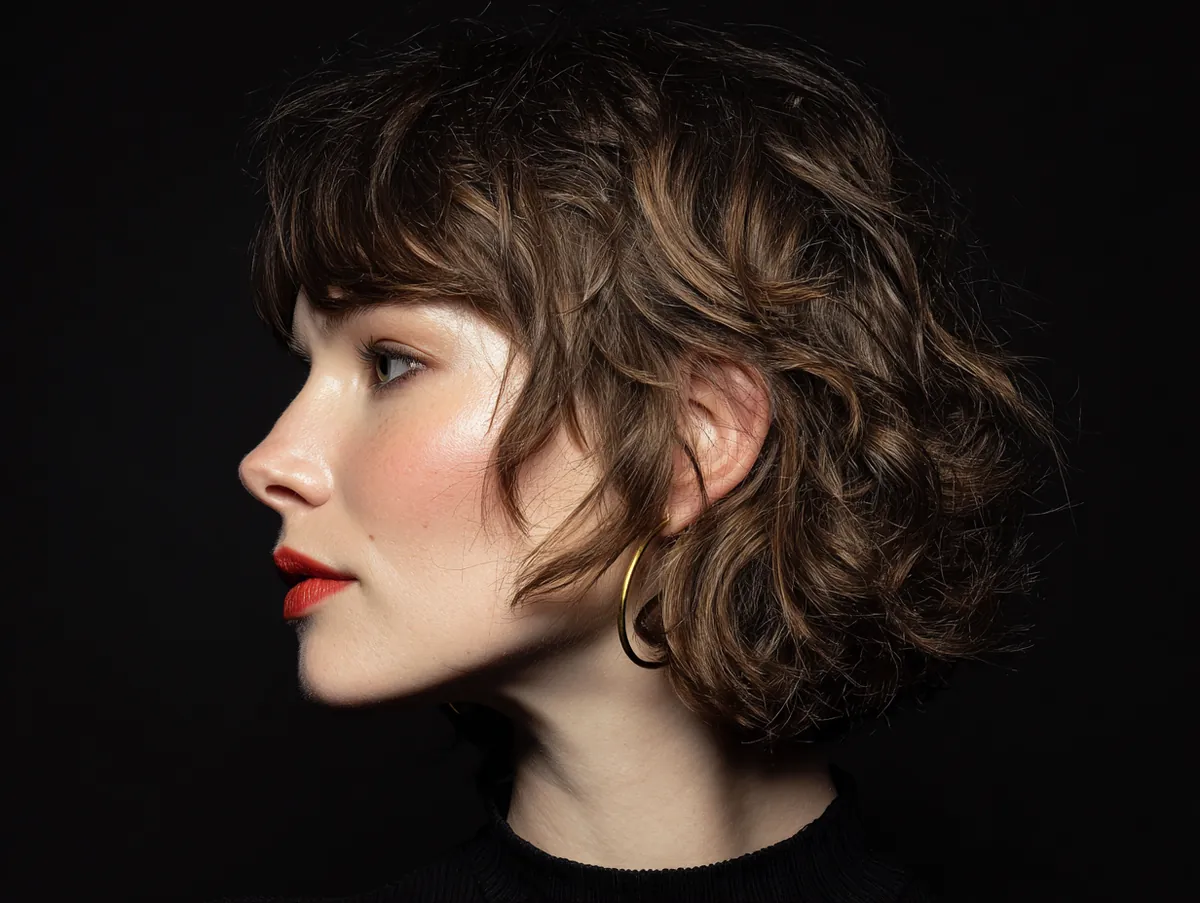
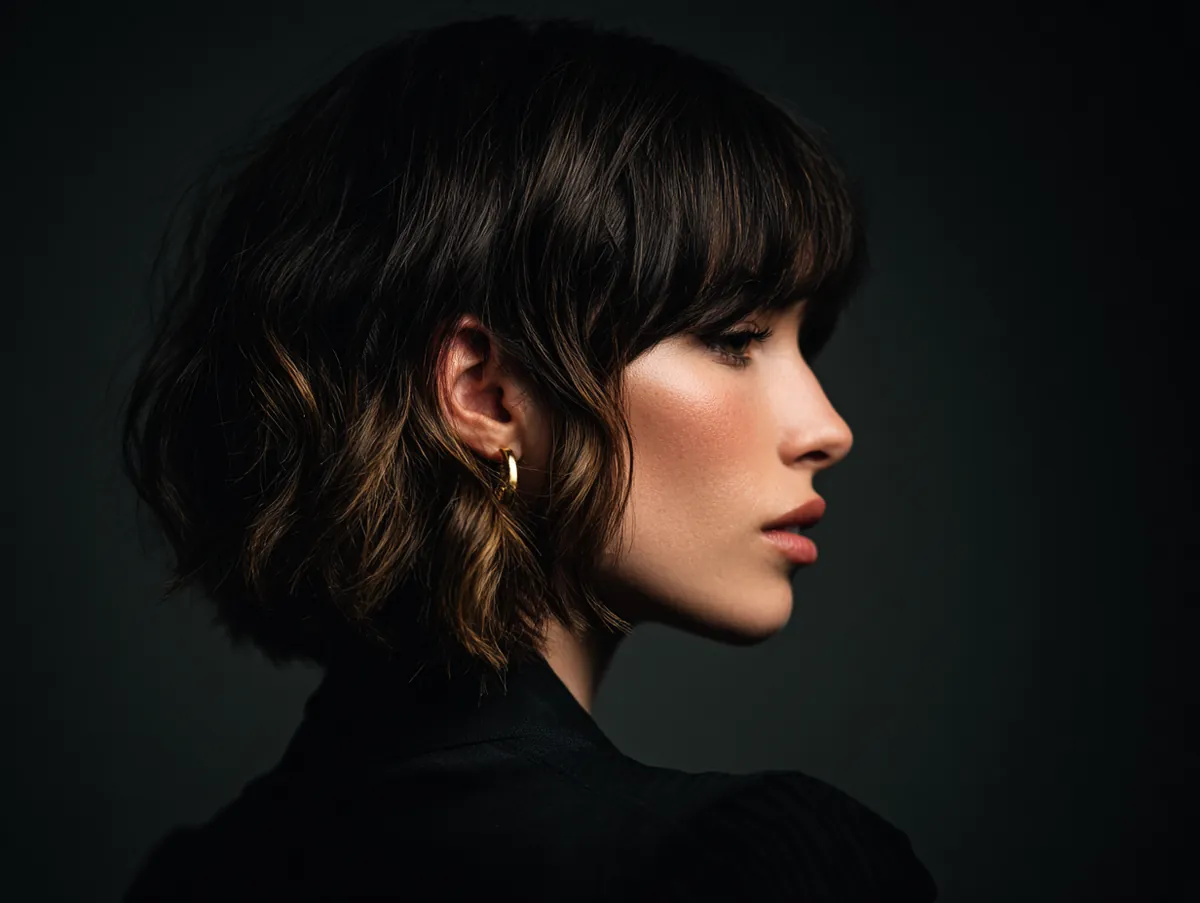
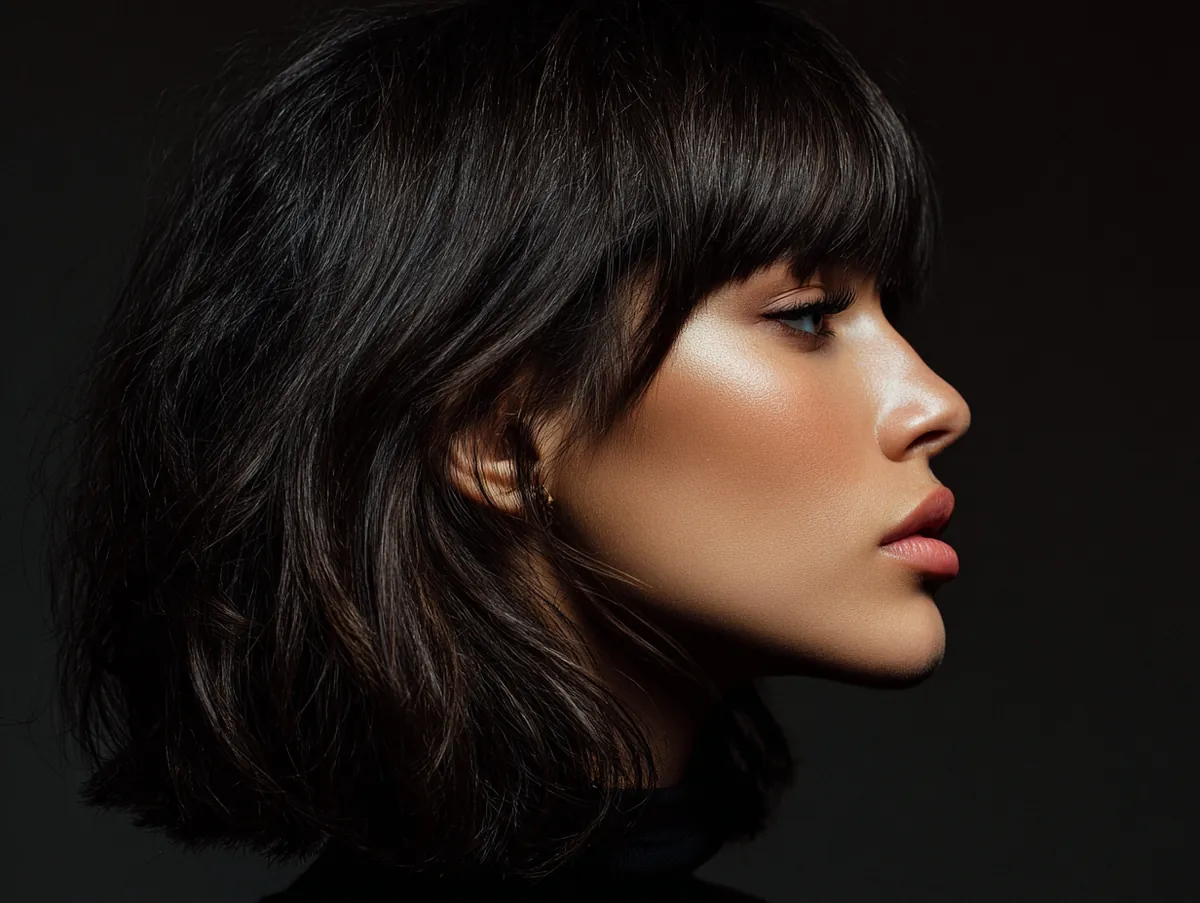
The transition length between layers matters more than the final length itself. Smooth transitions create elegance. Abrupt transitions create chaos.
Angles are also critical. Vertical lines elongate. Diagonal lines lift. Horizontal lines widen. Every framing layer uses these principles whether consciously or instinctively.
For round faces, vertical framing is prioritized. For angular faces, diagonal softness is introduced. For heart-shaped faces, chin-length balancing becomes essential.
Density control is another hidden factor. Removing weight near the cheeks without hollowing the sides requires technical execution. Over-thinning destroys luxury texture. Under-thinning creates heaviness.
This is why not every stylist produces clean face framing even if they attempt it. The technique is controlled sculpture, not casual trimming.
Framing also affects how hair moves with air. With correct graduation, the front pieces lift instead of clinging. This lift is what creates that polished bounce seen in beauty campaigns.
Face framing also interacts with parting. Middle parts need symmetrical control. Side parts require asymmetrical balance. The framing must obey the natural fall of hair rather than fight it.
Maintenance remains simple when geometry is correct. Styling time drops because the hair naturally falls into harmonious lines.
Even when hair is tucked behind the ears, the cut’s influence remains visible through volume distribution.
This haircut is not about trends. It is about timeless proportional control that adapts to any era.
When geometry aligns with growth pattern and bone structure, the haircut becomes invisible in the best way. You stop thinking about the hair and start seeing the face.
That is the final goal of real framing.
Related Topics