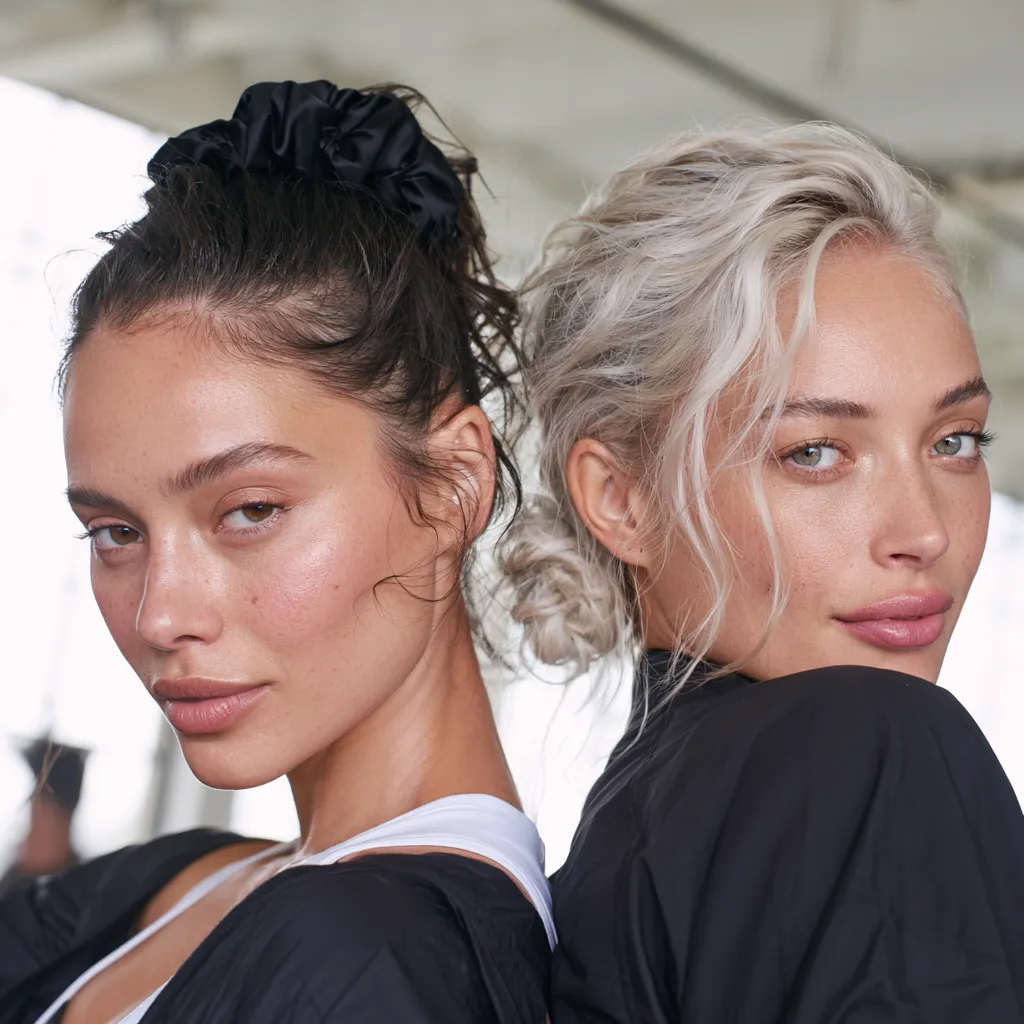
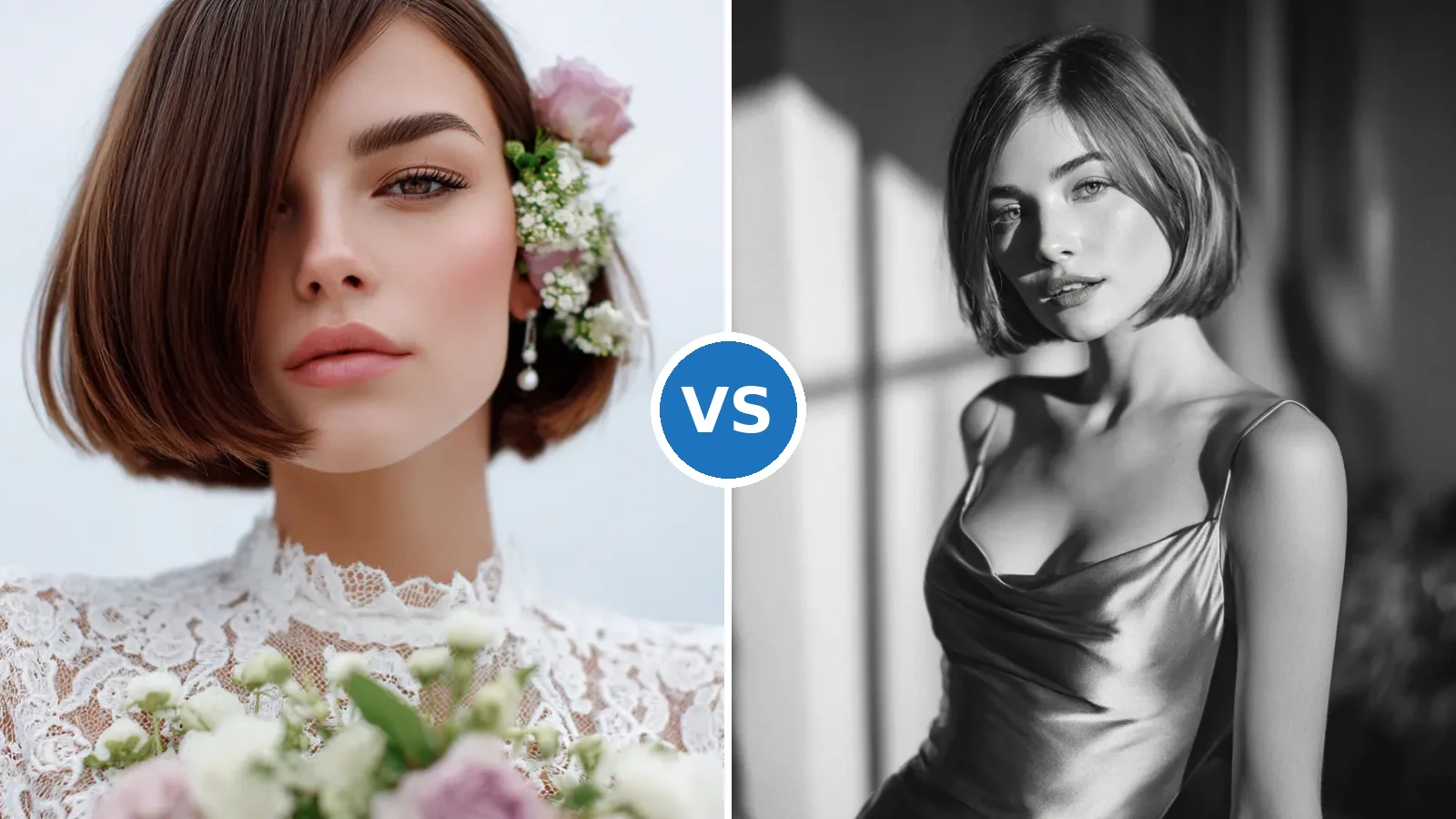
Fine thin hair styles require a smart balance between visual density, movement, and structure. When hair lacks natural thickness, every detail of the cut, layering, and styling technique directly affects how full and dynamic the hair looks. The right approach can completely change the perception of volume, texture, and even face shape. This guide dives into powerful styling directions that transform fine thin hair into bold, expressive, and confident looks without relying on heavy products or artificial tricks. Each section below reveals strategic methods that work with natural texture and modern styling logic.
Fine Thin Hair Styles That Create Instant Density
Fine thin hair styles focused on instant density rely on smart visual weight distribution rather than actual thickness. The illusion of fullness is created through structured layering, directional movement, and precise shaping that builds volume where the eye naturally looks first. This approach transforms soft, lightweight hair into a fuller-looking, sculpted form that holds shape throughout the day.
One of the most effective foundations for volume is strategic layering. Unlike heavy, traditional layers that thin the ends, modern techniques focus on invisible internal layers that lift the hair from within. These hidden layers reduce flatness at the roots while preserving density at the perimeter. The result is hair that moves freely but still looks weighty and structured. For fine thin hair styles, this method prevents that see-through effect at the ends while creating a solid silhouette.
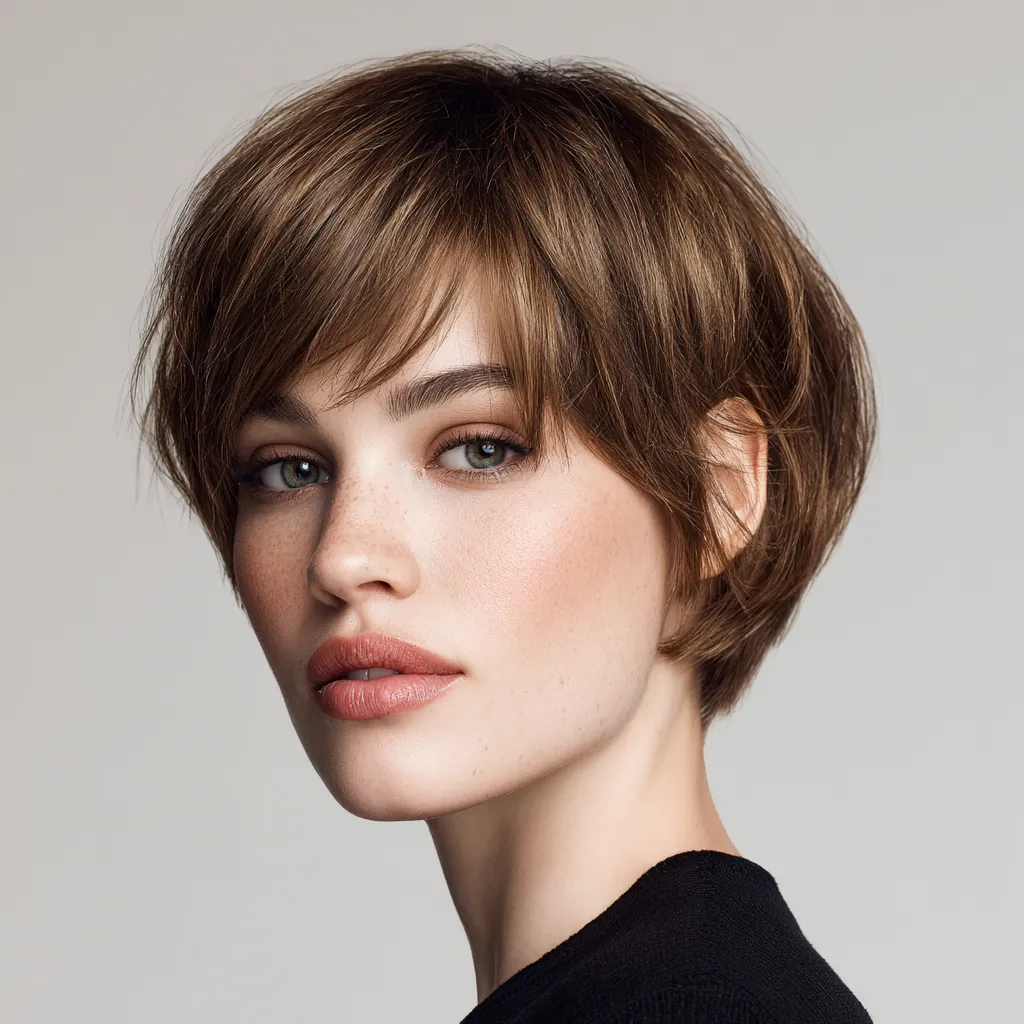
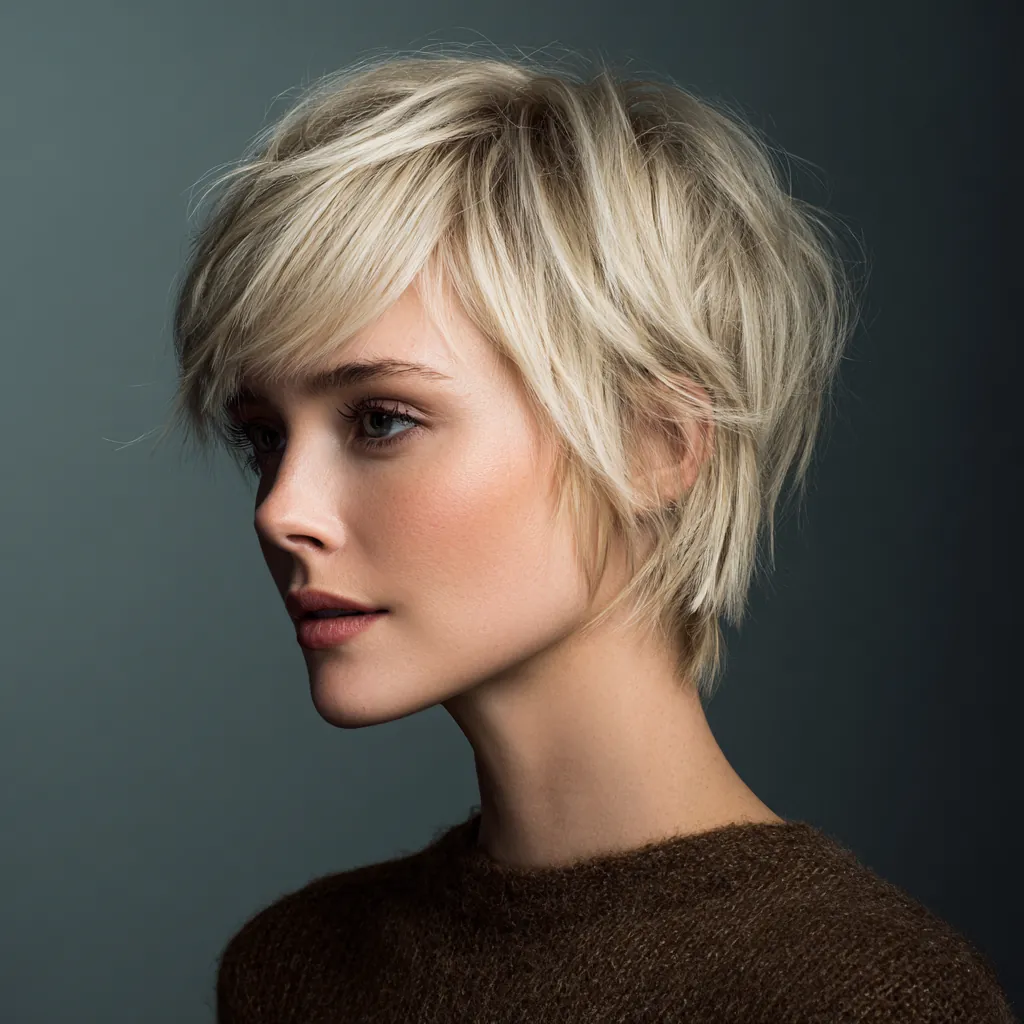
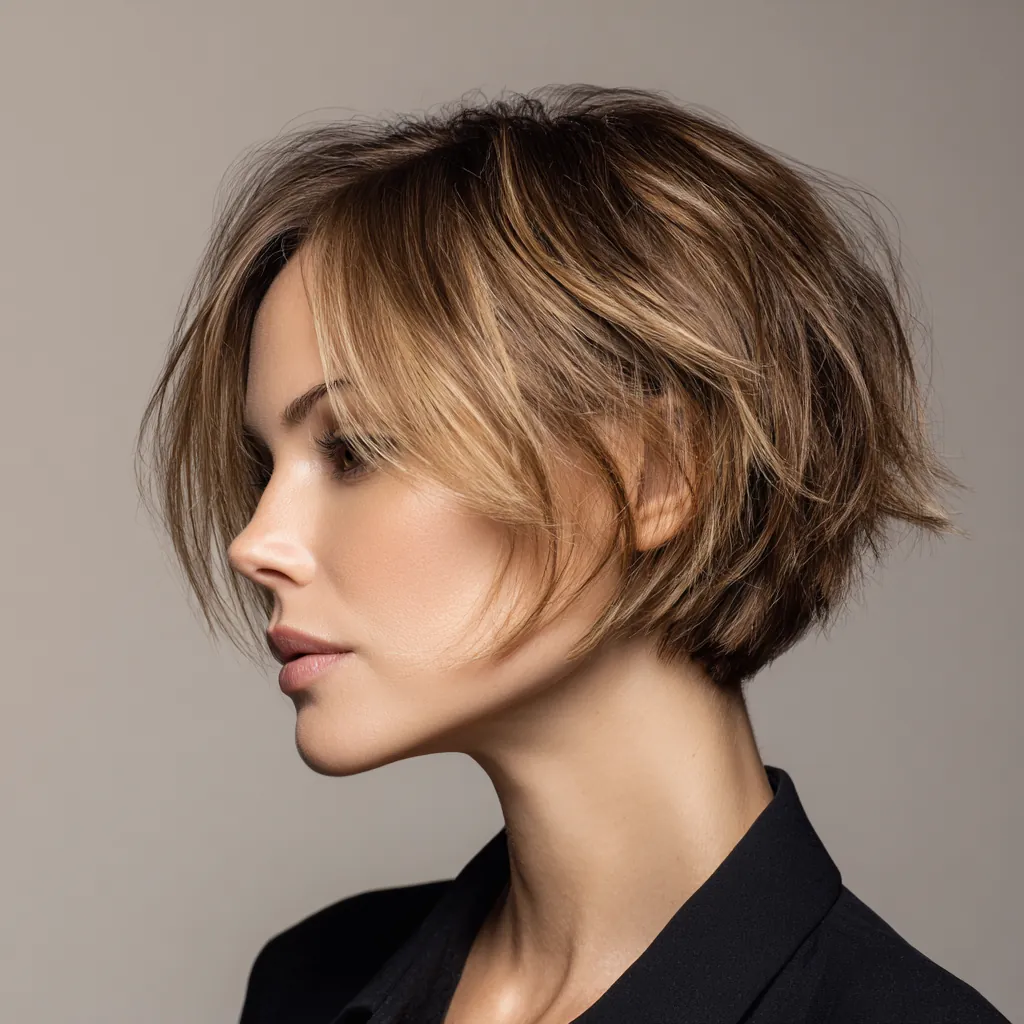
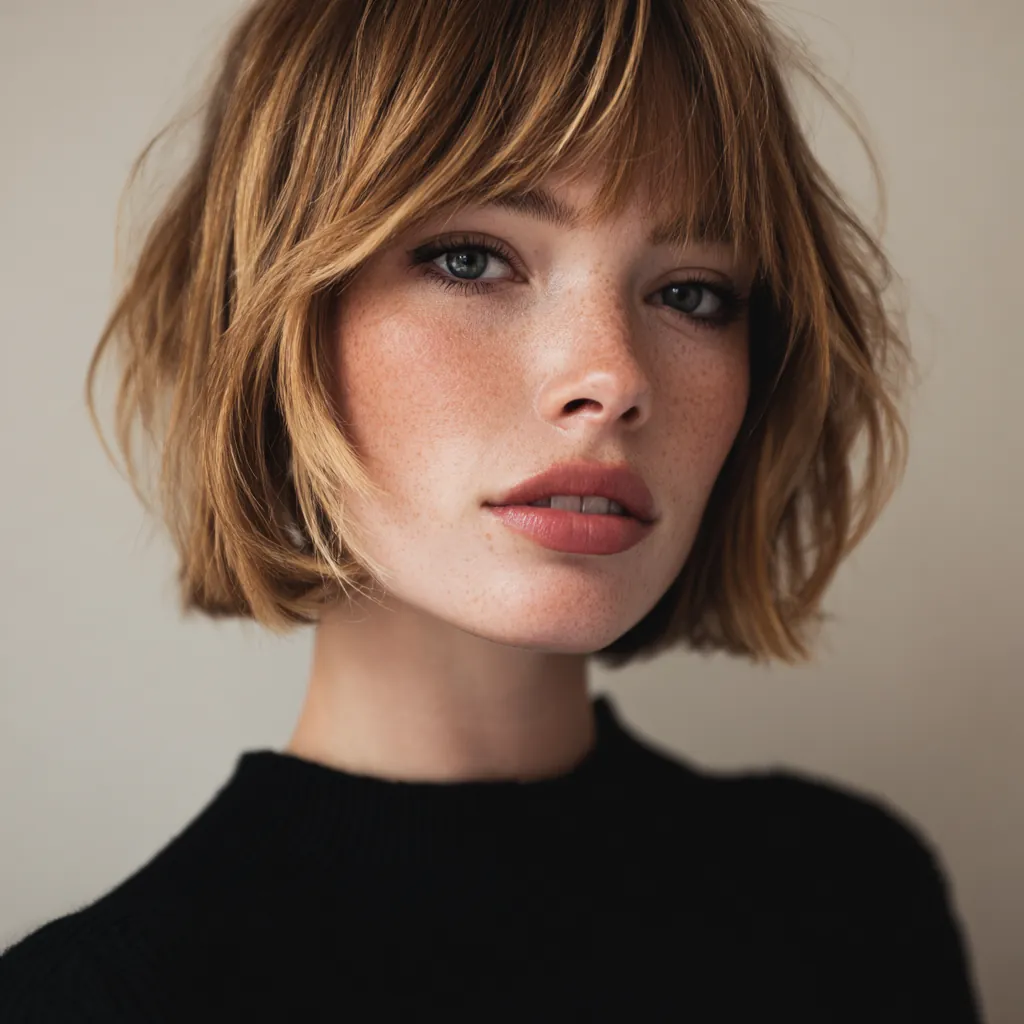
Another powerful density tool is the perimeter shape. Blunt or semi-blunt edges visually thicken hair instantly. Even when internal layers exist, keeping a compact outline creates the impression of stronger hair fibers. This is why many fine thin hair styles lean toward structured bobs, elongated lobs, and controlled shoulder-length cuts. These shapes trap volume inside the form, making hair appear fuller with minimal effort.
Parting direction also plays a critical role. A deep side part changes how light reflects off the hair surface, instantly doubling the appearance of density in the heavier section. By shifting the natural fall of the hair, fine strands overlap more tightly, creating richer texture and visual mass. Alternating the part occasionally also prevents long-term flattening at the roots.
Styling products for fine thin hair styles must support lift without collapse. Lightweight volumizing sprays, root mists, and airy mousses enhance structure without weighing down individual strands. The goal is never stiffness but controlled expansion. When hair remains flexible, it reflects light more evenly, which increases the appearance of fullness.
Heat styling techniques also influence density perception. Blow-drying with directional tension at the roots creates long-lasting lift that defines the overall shape. Using a round brush only at the crown while keeping mid-lengths relaxed prevents over-smoothing, which often makes hair look thinner. Texture must remain present to maintain a dense look.
Fine thin hair styles that emphasize instant density often incorporate subtle internal waves or bend patterns. These bends break up flat reflections and add dimensional shadowing. Even barely visible movement multiplies the illusion of thickness. This is why many stylists avoid ultra-straight finishes on fine hair unless combined with dense shaping at the ends.
Color placement also contributes to visual density. Soft dimensional tones placed strategically around the face and crown create contrast that tricks the eye into seeing deeper layers. Lighter tones lift the surface while deeper tones beneath create shadow, making hair appear stacked and full.
The psychology behind dense fine thin hair styles is simple: the eye reads overlapping shapes as volume. Every cut, wave, and color placement is designed to encourage that overlap. When done correctly, even the finest hair can project strength, movement, and fullness without any sign of weakness in the structure.
Fine Thin Hair Styles That Maximize Movement Without Flatness
Fine thin hair styles that focus on movement redefine how light, flow, and softness interact with structure. Movement is the secret weapon against flatness. When hair shifts naturally with every step, it creates constant micro-changes in shape that add the illusion of fullness. The challenge with fine texture is achieving this motion without losing control or collapsing the shape.
The solution begins with directional layering. Instead of classic horizontal layers, modern fine thin hair styles rely on diagonal and curved layering patterns. These patterns encourage hair to move forward, backward, and sideways naturally. Movement becomes part of the cut itself rather than something forced through styling. Each strand supports the next, maintaining lift through motion instead of weight.
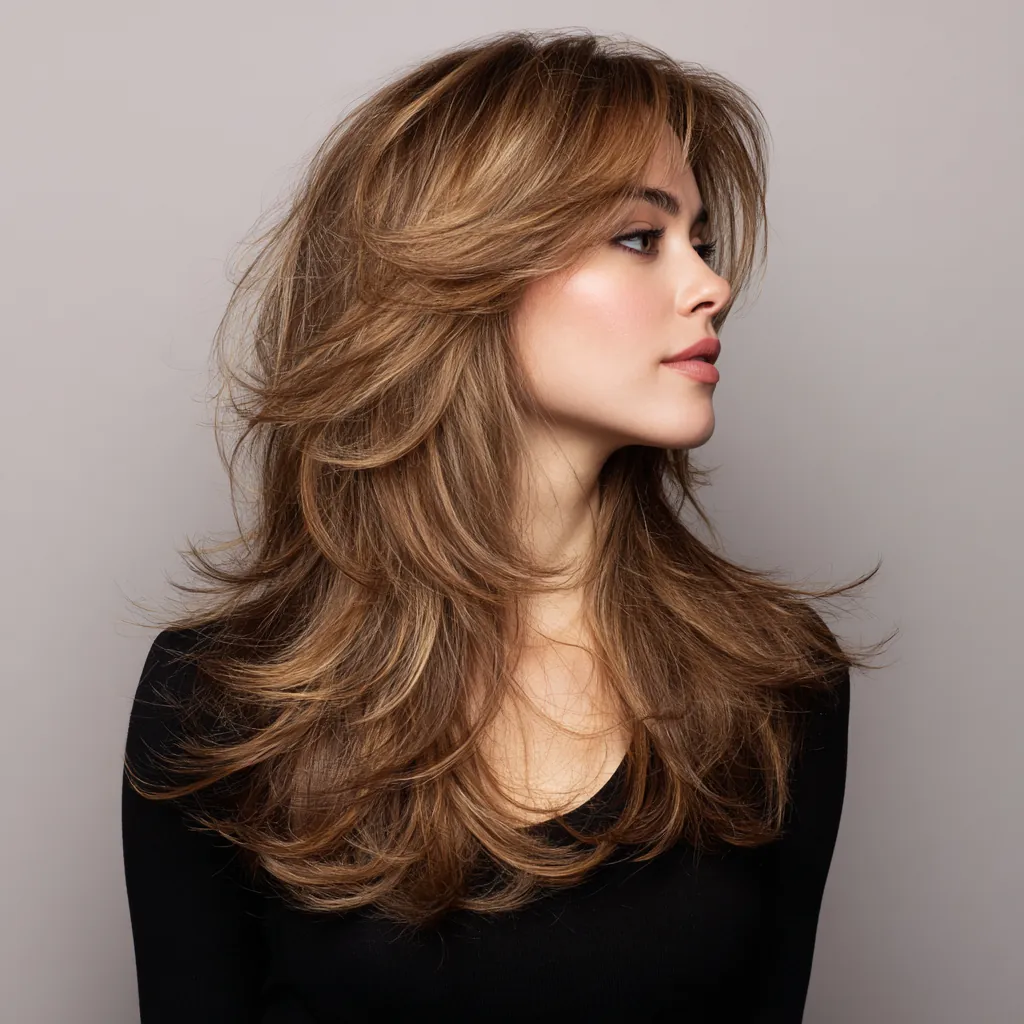
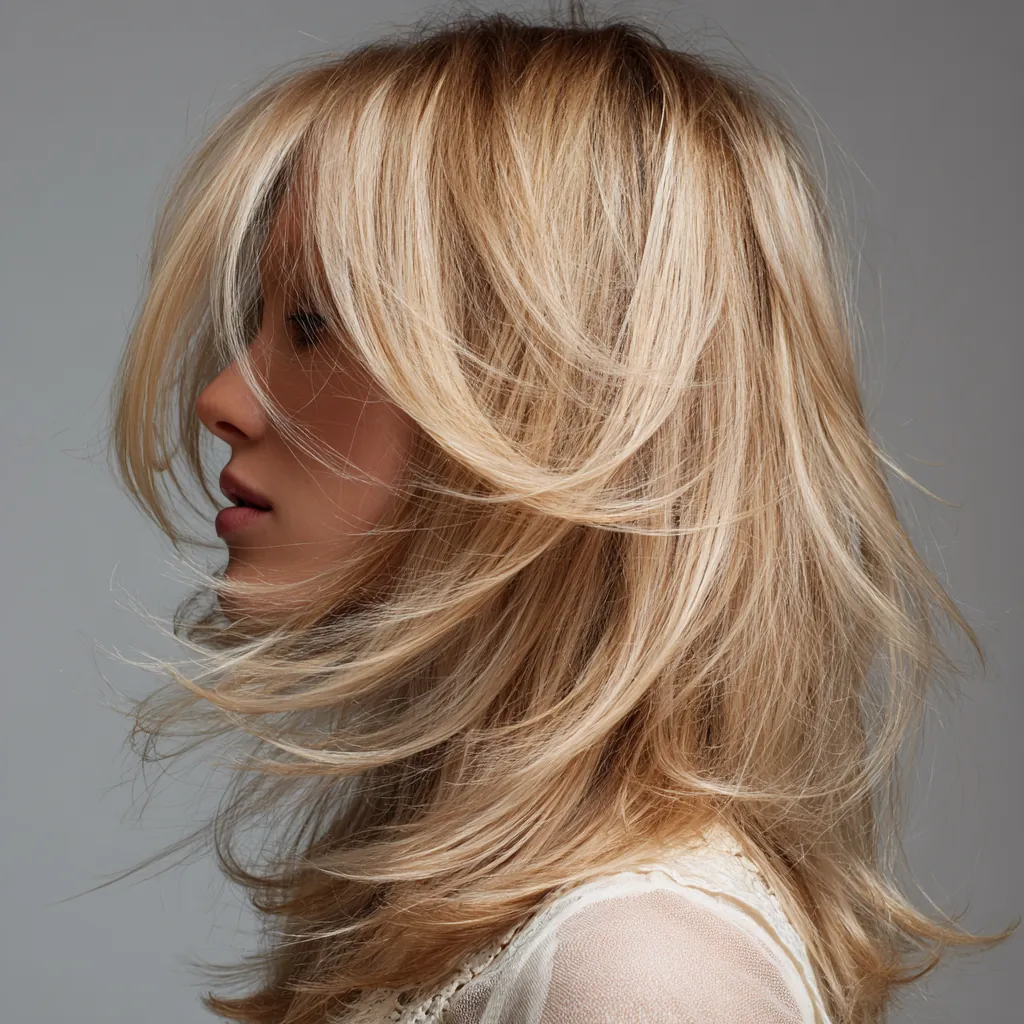
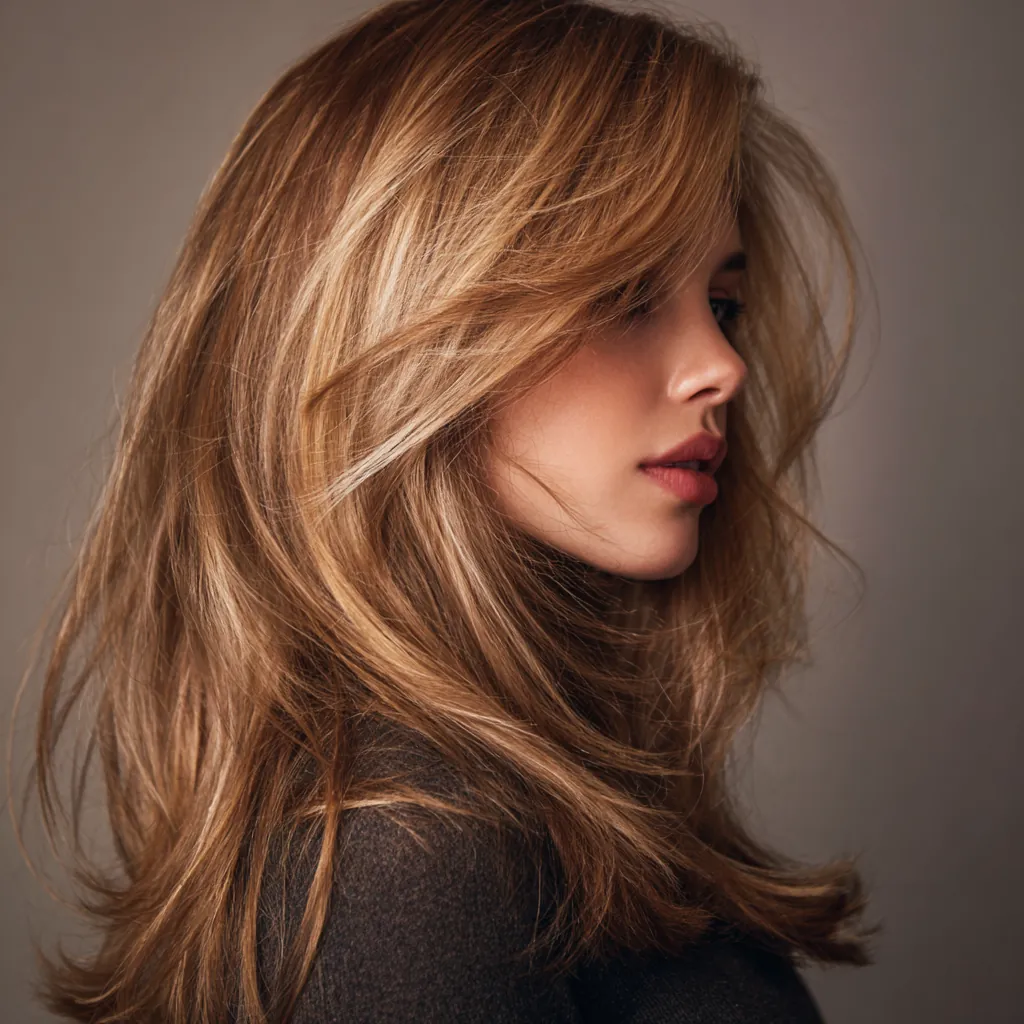
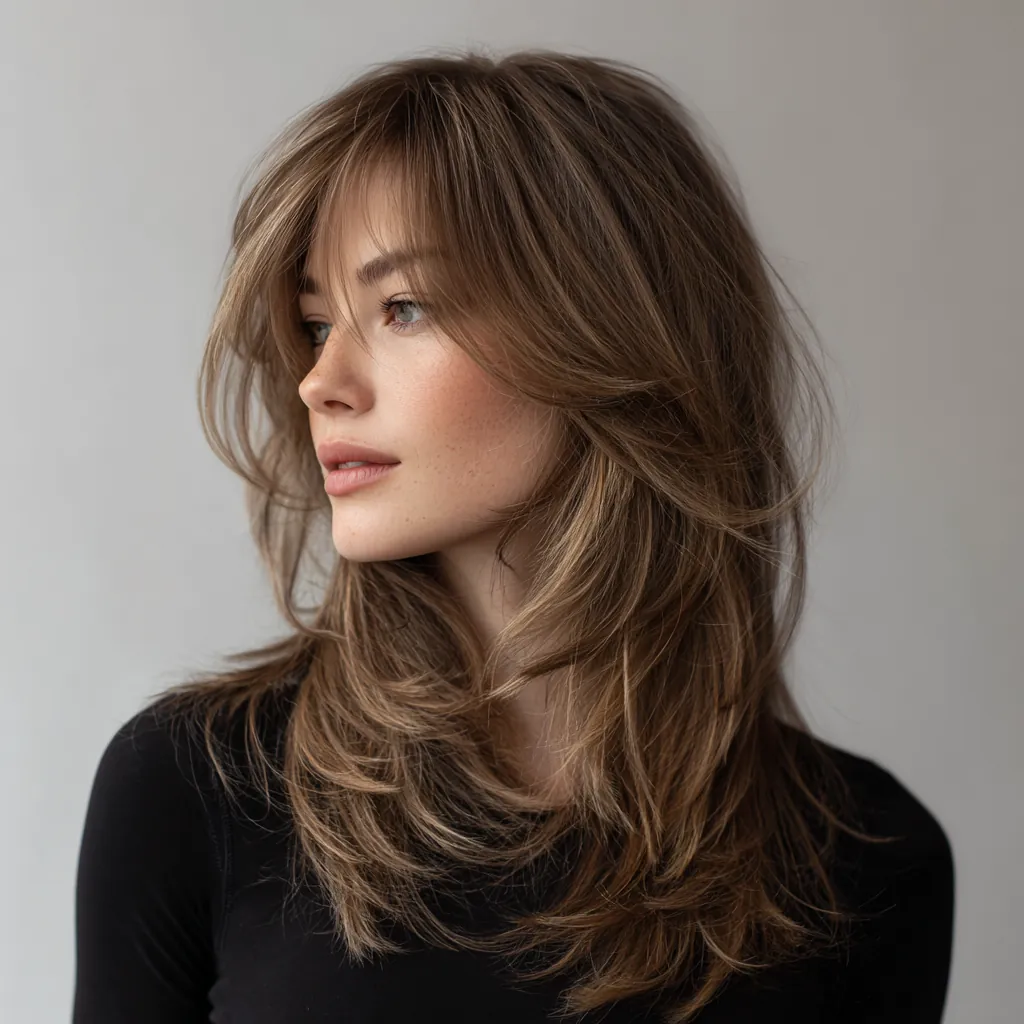
Length selection is also critical. Hair that sits just below the collarbone often delivers the best balance between movement and density for fine textures. At this length, strands are long enough to flow but not so long that gravity pulls volume flat. This sweet spot allows fine thin hair styles to swing, bounce, and shift with natural energy.
Texture refinement is another essential component. Razoring techniques, when done with precision, soften interior bulk without thinning the overall silhouette. This controlled softening lets the hair glide rather than stick together. The result is fluid texture that doesn’t collapse into flat sheets.
Movement-driven fine thin hair styles also benefit from layered fringe designs. Soft curtain bangs or feathered front sections introduce forward motion that frames the face dynamically. These elements constantly shift, reflecting light at multiple angles and creating a sense of fullness even when the back remains simple and clean.
Air-dry styling techniques can play a surprising role here. When fine hair dries naturally with minimal interference, it often retains more organic texture than when overly polished with heat. Scrunching damp hair with a lightweight enhancer encourages natural bends that add unpredictable volume and flow.
Blow-drying techniques that support movement avoid heavy brushing. Instead of pulling hair taut, stylists use diffused airflow and light brush contact at the crown only. Mid-lengths are allowed to settle naturally, preserving texture rather than erasing it. This approach is the opposite of traditional smoothing and is far more effective for fine thin hair styles focused on motion.
Product layering remains minimal. Heavy creams kill movement instantly. Instead, stylists rely on micro-mists, airy sprays, and texture-boosting powders used sparingly at the roots. These products grip the hair just enough to hold direction while allowing the rest to move freely.
Wind exposure, humidity, and daily activity all work in favor of movement-centric fine thin hair styles. Unlike rigid shapes that collapse when disturbed, these styles actually improve as they shift. Each step, breeze, and touch adds new dimension instead of destroying the design.
The key visual benefit of movement-focused fine thin hair styles is that the hair never appears static. Flat hair always looks thinner than hair in motion. By controlling how the hair shifts rather than freezing it in place, the illusion of density becomes continuous throughout the day.
Fine Thin Hair Styles That Build Long-Lasting Lift
Fine thin hair styles built around long-lasting lift focus on engineering volume at the root level without sacrificing softness through the lengths. Root collapse is the most common problem for fine hair. The solution lies in combining structural cutting methods with intelligent styling patterns that reinforce elevation rather than fight gravity.
The foundation of lasting lift begins with vertical elevation during the cutting process. When hair is cut while lifted away from the scalp at specific angles, it naturally springs upward when released. This technique builds internal support that doesn’t depend entirely on products. Fine thin hair styles that use this method keep lift even after hours of wear.
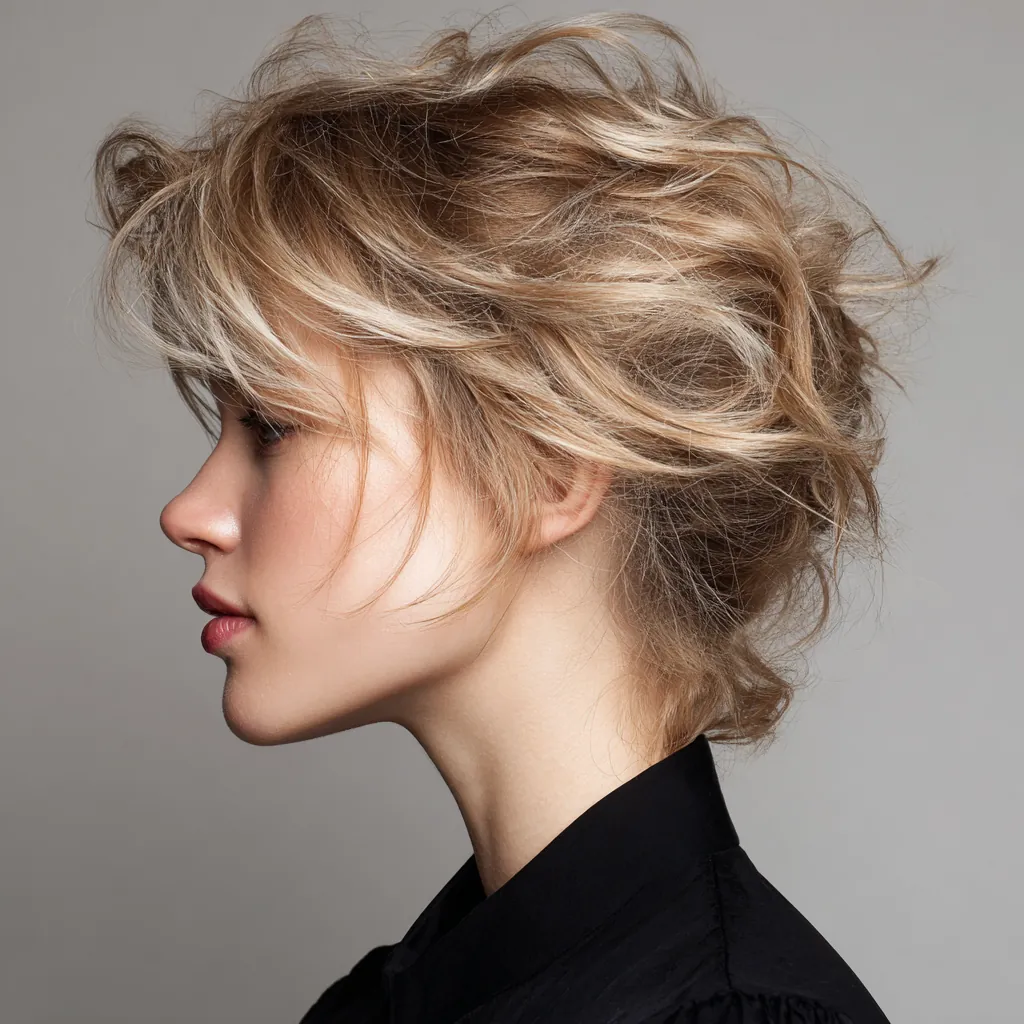
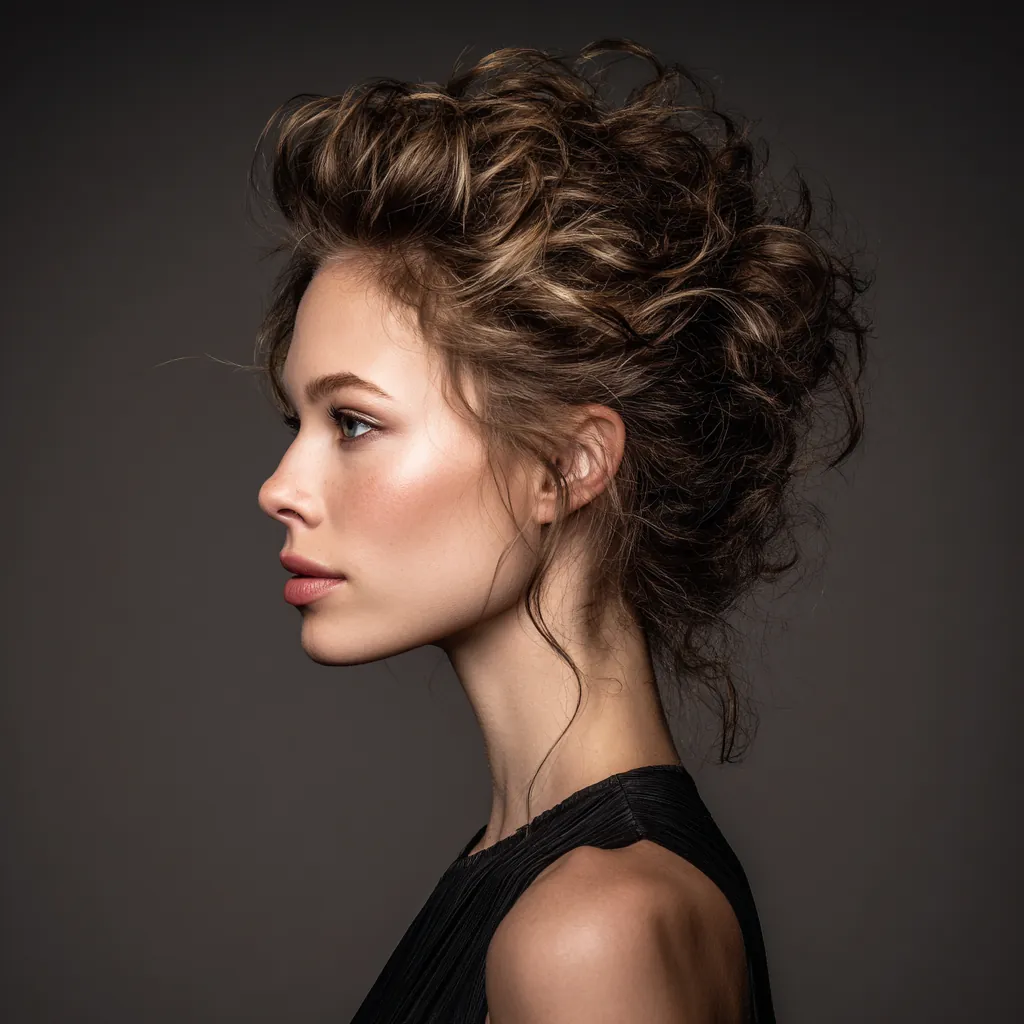
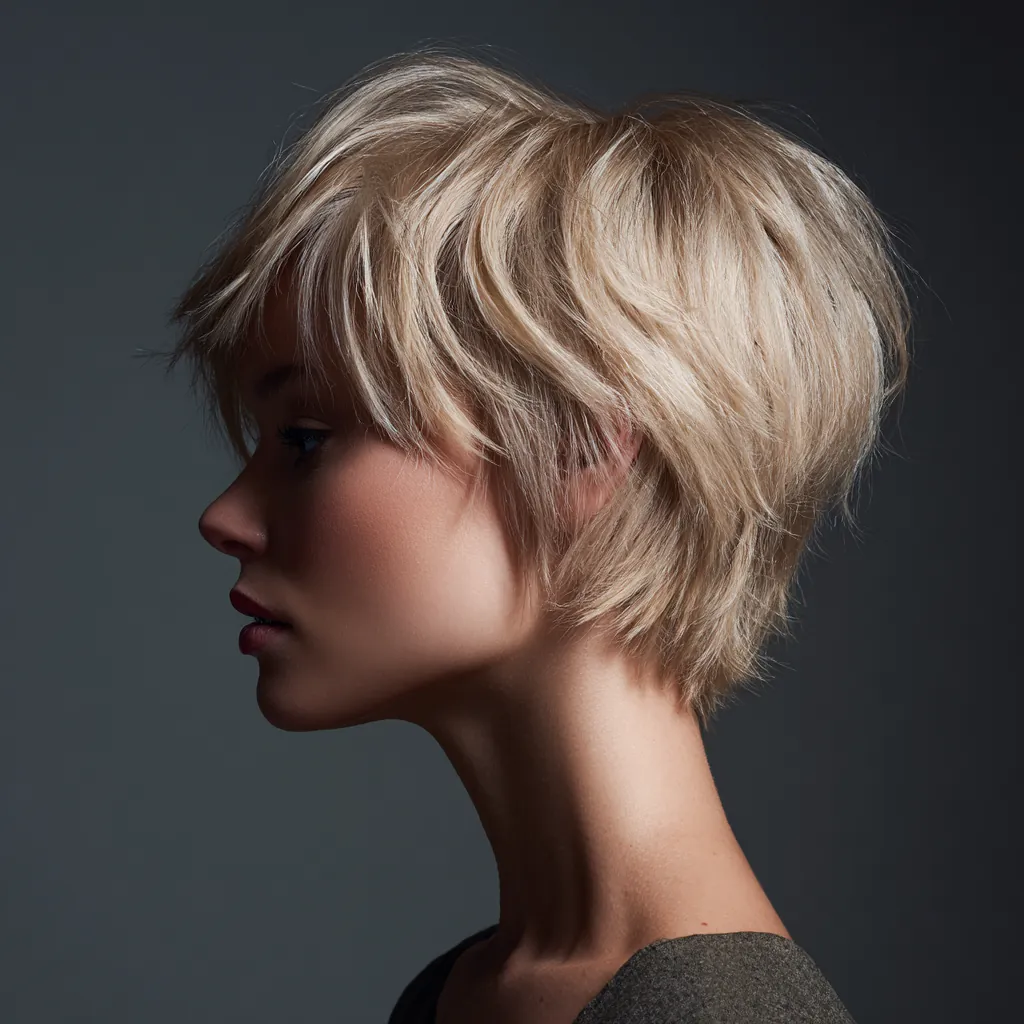
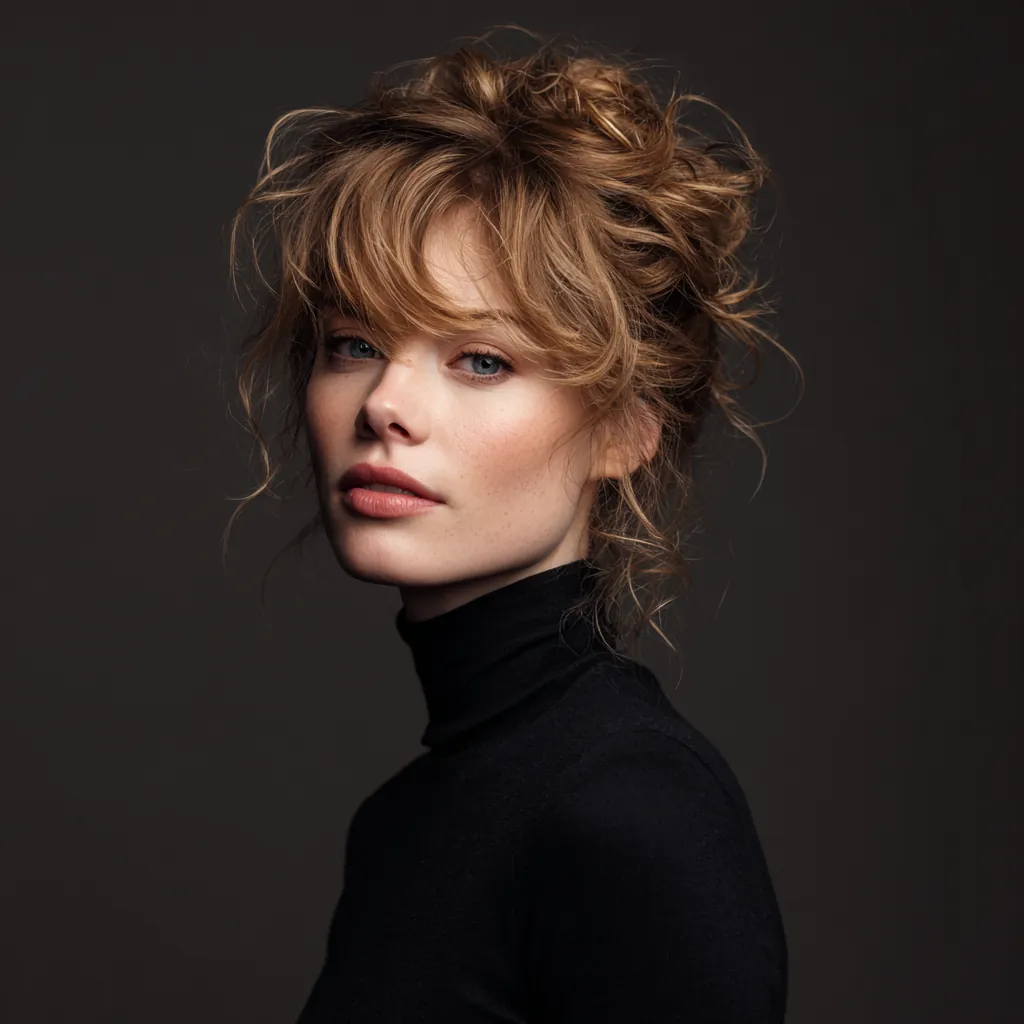
Crown shaping plays a vital role as well. A slightly shorter internal crown zone creates an invisible stacking effect under the surface layers. This internal support acts like a scaffold that pushes the visible layers upward. The result is natural volume that doesn’t look teased, rigid, or artificial.
Drying technique determines whether lift survives beyond the mirror. For fine thin hair styles, the scalp must be dried completely before mid-lengths. If roots remain damp while the rest is styled, gravity pulls the hair flat as it finishes drying. Focused airflow at the scalp, combined with gentle directional brushing, locks in elevation early.
Cooling the roots after heat styling is another powerful trick. Once volume is created, a brief shot of cool air seals the cuticle and stabilizes the shape. This technique dramatically extends the lifespan of root lift without extra product.
Product placement also determines longevity. Instead of coating the entire hair shaft, volumizers should be concentrated near the scalp where lift is needed most. Applying products lightly in sections prevents overload and maintains airiness. Heavy distribution flattens the very structure that fine thin hair styles depend on.
Sleeping habits even influence next-day volume. Loosely gathering hair at the crown before rest preserves root elevation and prevents full collapse. Fine hair easily memorizes flattened shapes during sleep, so protecting lift overnight drastically reduces the need for restyling.
Long-lasting lift also benefits from subtle surface texture. Overly smooth finishes reflect light evenly and reveal every dip in volume. A softly textured surface scatters light and hides minor deflation. This is why ultra-polished styles often appear flatter over time compared to styles with gentle movement.
Fine thin hair styles built for endurance are not about aggressive teasing. Teasing damages fine strands and causes uneven collapse later. Modern lift is built from inside the cut rather than forced from the outside. When the internal architecture is correct, volume becomes self-supporting.
Humidity resistance is another factor. Lightweight sealing sprays protect the root structure without adding weight. This prevents moisture from penetrating the hair shaft and dragging it down. Fine thin hair styles that maintain lift in varied environments always include this protective step.
True long-lasting lift feels effortless. The hair remains soft, touchable, and flexible while retaining elevation. When fine hair is supported invisibly, it behaves like naturally thick hair instead of constantly fighting gravity. This is the highest level of engineering in fine thin hair styles.
Related Topics