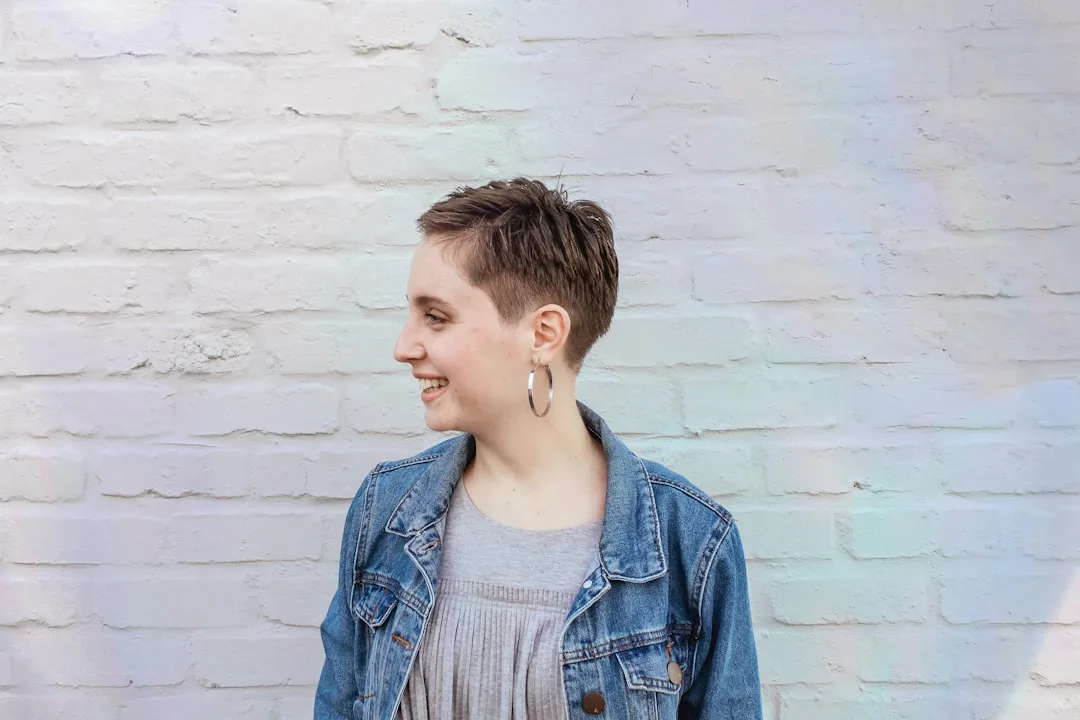
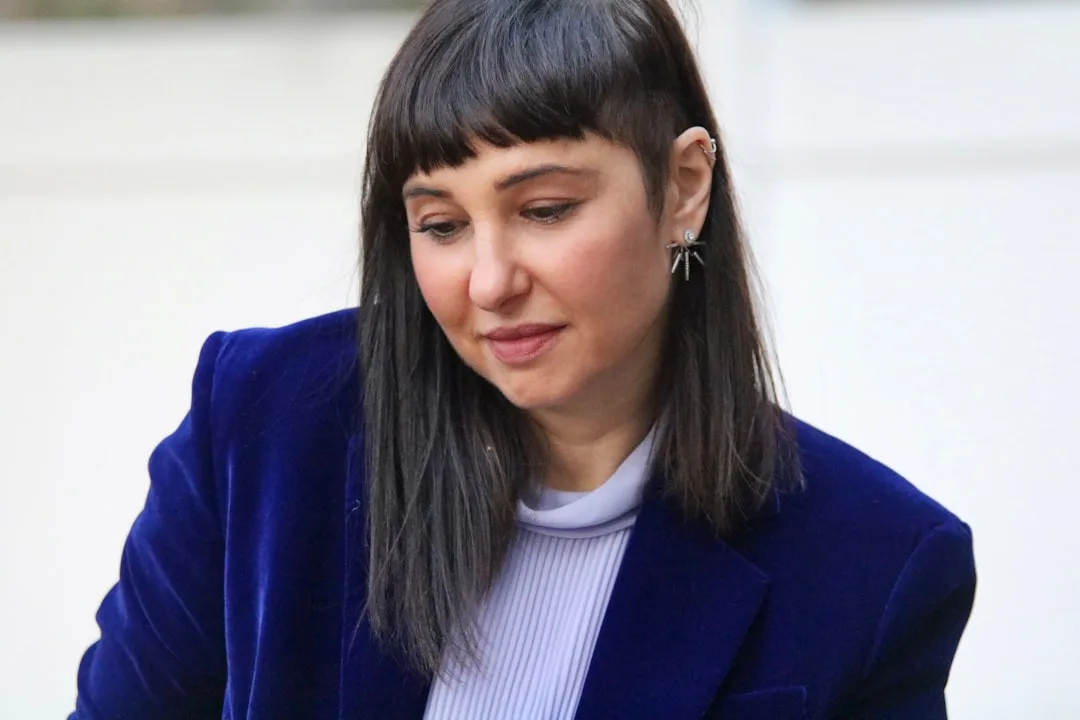
Walk into any high-end salon from London to Los Angeles right now, and you’ll hear the same request: cherry cola. This warm, dimensional red-brown—somewhere between Coca-Cola in a glass bottle and fresh cherries—has become the defining hair color of spring 2026, marking a decisive shift away from the cool, ashy tones that dominated the previous three years.
The numbers confirm what colorists already know. Google search interest for “cherry cola hair” has increased 340% since January 2026, while Pinterest saves for the shade jumped 520% in Q1 alone. Salons including Spoke & Weal in New York and Josh Wood Atelier in London report that cherry cola requests now account for roughly 40% of their color bookings, up from virtually zero in late 2025.
Why Cherry Cola Works Now
This isn’t random nostalgia. Cherry cola’s resurgence reflects three converging forces in both fashion and beauty. First, the broader return of Y2K aesthetics has matured. Where 2024 brought back butterfly clips and zigzag parts, 2026 is embracing the more sophisticated elements of early 2000s style—rich textures, dimensional color, and a general warmth that feels optimistic rather than ironic.
Second, the technical execution has evolved significantly. The cherry cola of 2003 was often flat, single-process color. Today’s version incorporates balayage, babylights, and strategic toning to create depth. Colorist Tracey Cunningham, whose Los Angeles salon Mèche has perfected the technique, describes the approach as “layering mahogany, burgundy, and auburn in a way that catches light differently depending on angle and texture.” The result looks natural and expensive—crucial factors for a generation fatigued by obviously artificial color.
Third, cherry cola flatters an unusually wide range of skin tones. Unlike the stark platinum or jet black that require careful matching, this warm red-brown works on cool, warm, and neutral undertones. Colorist Matt Rez at New York’s Serge Normant salon notes that “the burgundy reads cool while the auburn reads warm, so there’s inherent versatility built into the shade itself.”
The Technical Breakdown
Cherry cola isn’t a single formula—it’s a family of warm, dimensional reds. The base typically sits at a level 4 or 5 (medium brown to light brown), with tones pulled toward red-violet and copper. The key is maintaining translucency rather than opacity, which is why most colorists build it through multiple techniques rather than all-over color.
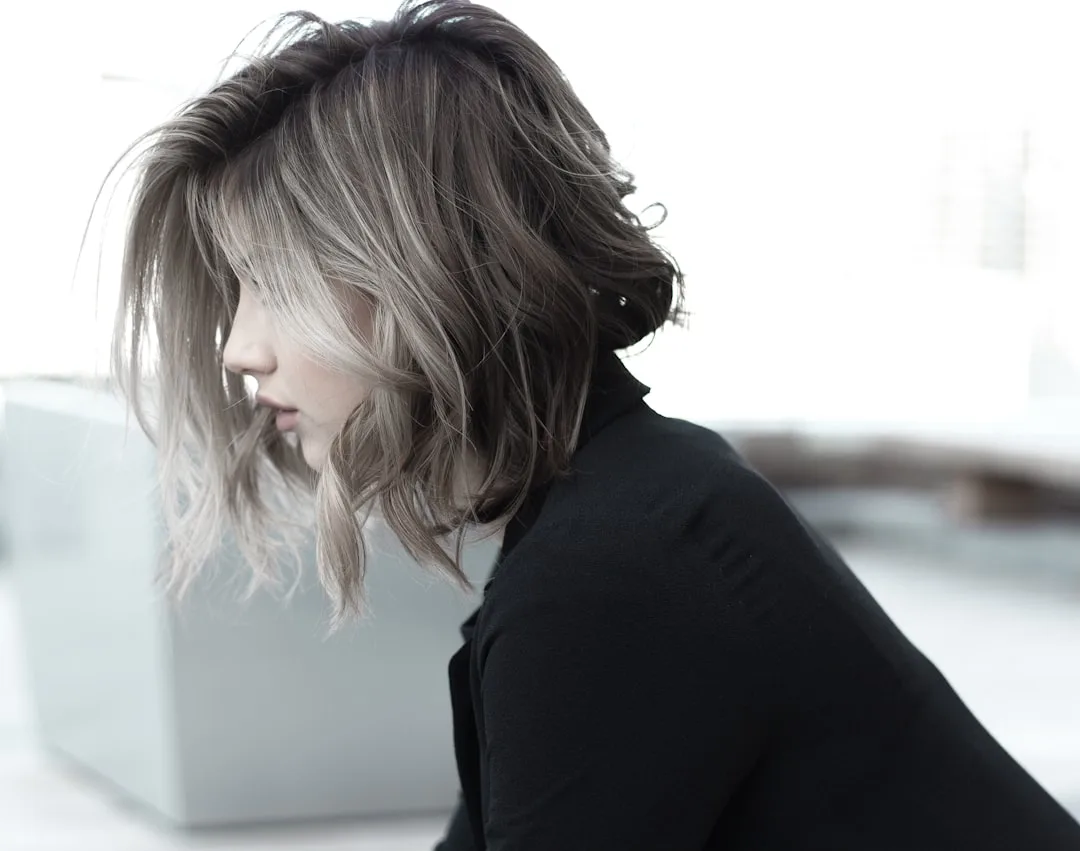
At Spoke & Weal, the process usually starts with a gloss or toner on naturally dark hair, adding depth without lifting. For lighter starting points, colorists apply a combination of foils and hand-painted sections, concentrating the richest burgundy tones around the face and crown while keeping the underneath slightly deeper. This creates movement that reads beautifully on curly bob hairstyles and smooth, straight styles alike.
Maintenance matters. Cherry cola fades faster than most brunette shades because red molecules are larger and wash out more easily. Weekly color-depositing masks—R+Co’s Sunset Blvd and Kristin Ess Signature Gloss in Midnight Cherry are the most-mentioned products among salon clients—extend vibrancy between appointments. Most colorists recommend refresh visits every 6-8 weeks rather than the 10-12 weeks typical for traditional brunette.
Who’s Wearing It
Celebrity adoption has been swift and widespread. Hailey Bieber debuted a cherry cola balayage in late March 2026, credited to colorist Matt Rez. Dua Lipa’s colorist showed the shade at London Fashion Week on multiple models. Sydney Sweeney went cherry cola for the Met Gala earlier this month, and the decision generated more beauty press than her custom gown.
But the trend isn’t celebrity-driven so much as celebrity-affirmed. Social search data shows cherry cola gaining traction among non-famous users first, particularly women 25-40 seeking a sophisticated color change that doesn’t require platinum maintenance or black-dye commitment. The shade offers drama without requiring lifestyle upheaval—you can have cherry cola hair and still look professional in a corporate environment, which wasn’t true of many 2024-2025 color trends.
Styling Considerations
Cherry cola reveals its full dimension through styling that creates movement and light refraction. It looks particularly striking on textured styles—loose waves, slope hairstyles with subtle layers, and anything with body. Sleek, straight styles also work, but they require higher-shine finishing products to prevent the color from reading flat under certain lighting.
Gloss is non-negotiable. Colorists universally recommend high-shine finishing products—Living Proof’s High Shine Gloss, Oribe’s Gold Lust Nourishing Hair Oil, or even a light mist of shine spray before leaving the house. The goal is glass-like reflection that showcases the color’s complexity rather than matte texture that obscures it.
What This Signals
Cherry cola’s dominance points to a broader shift in color philosophy. After years of extreme ends—icy platinum, blue-black, vivid fantasy colors—the market is moving toward what might be called “elevated natural.” These are colors that could theoretically occur in nature but are refined and intensified through technique.
This also reflects changing color psychology. Cool tones dominated during uncertain times; warm tones emerge as cultural mood shifts toward optimism. Cherry cola feels confident, polished, and intentional—qualities that resonate in 2026’s design landscape across categories from interiors to fashion.
The trend will likely peak in summer 2026 before evolving into related warm tones—expect to see espresso cherry, cola brown, and burgundy variants as colorists riff on the formula through fall. But for now, cherry cola is the color of the moment, representing both technical sophistication and an emotional pivot toward warmth that extends far beyond hair.