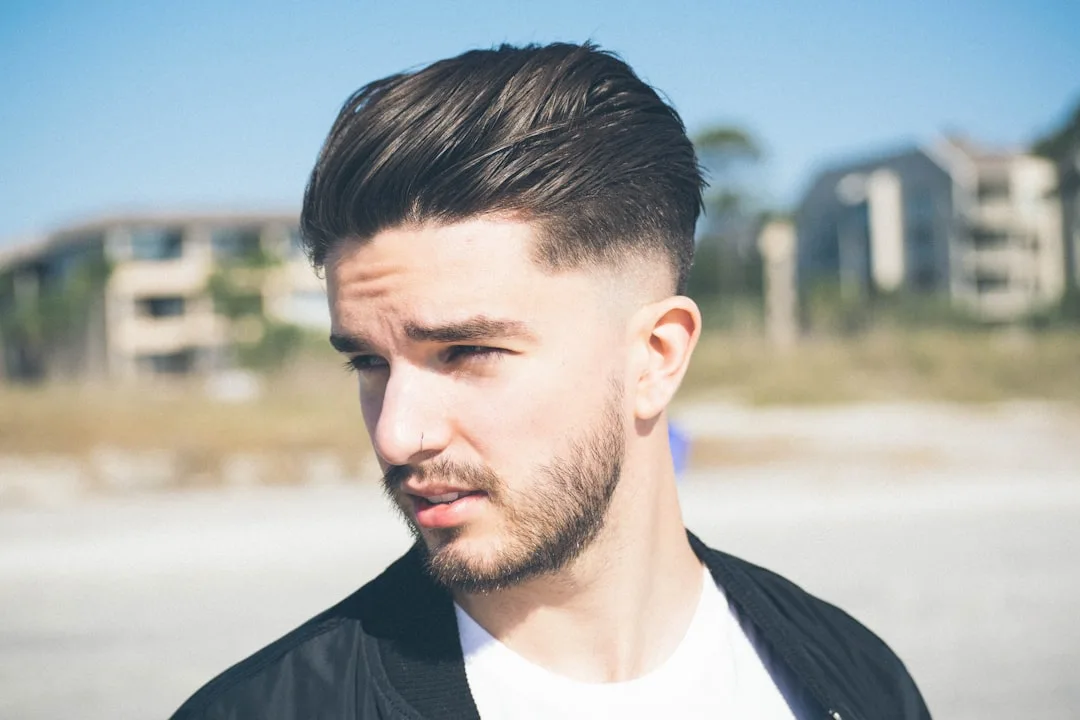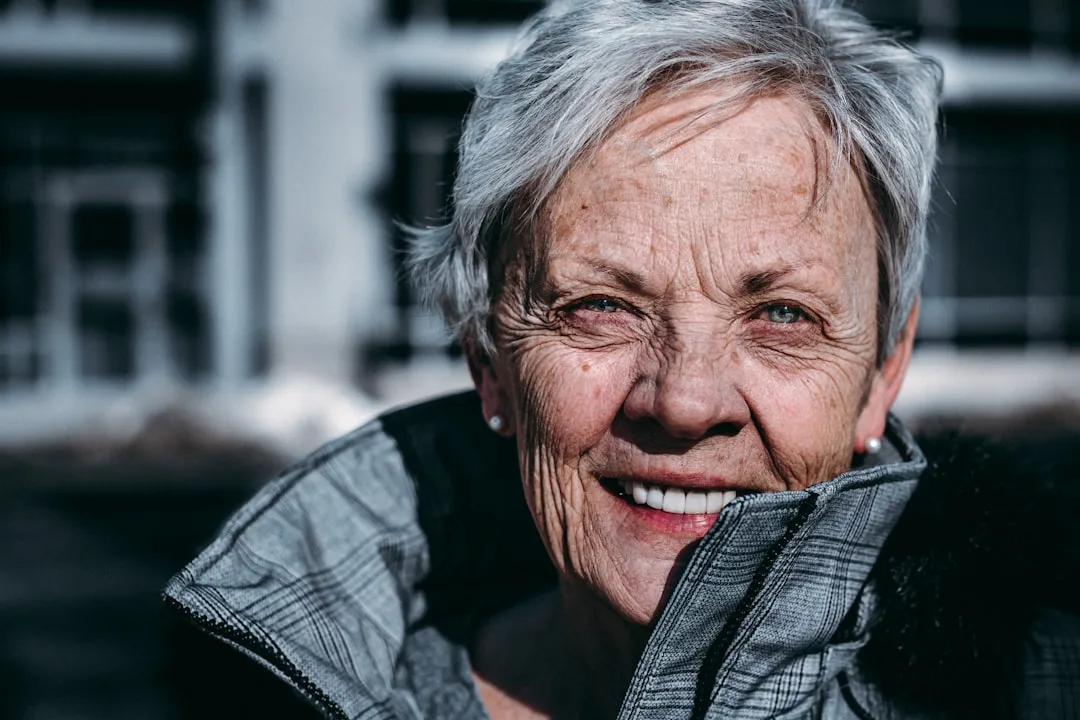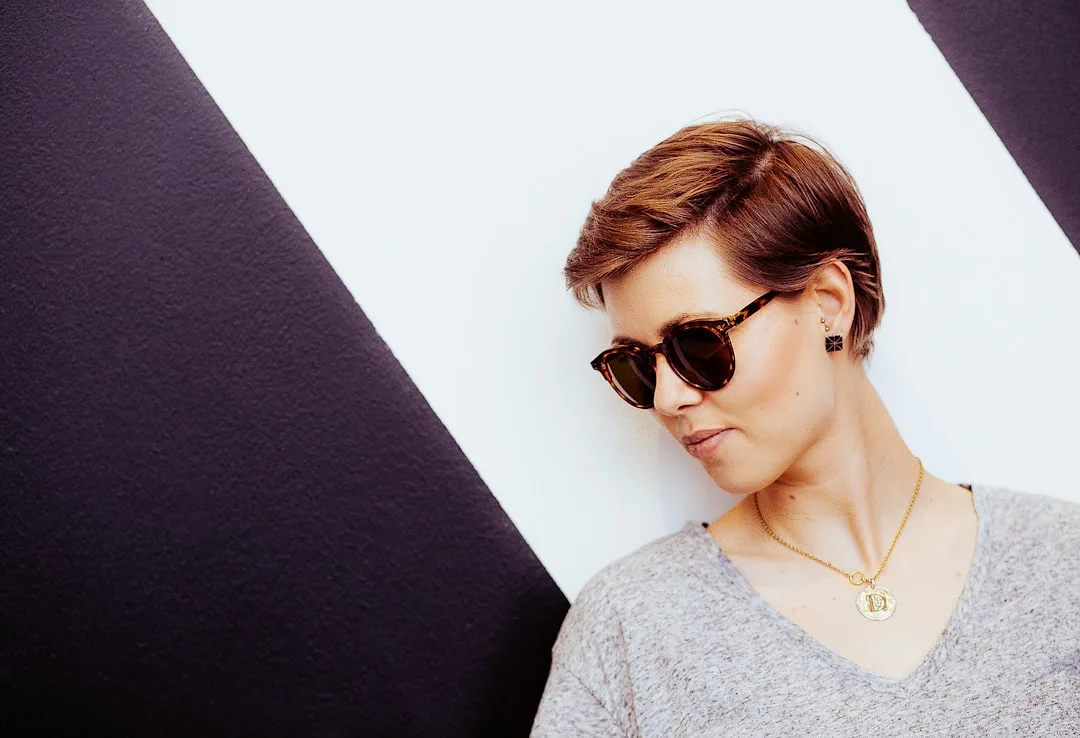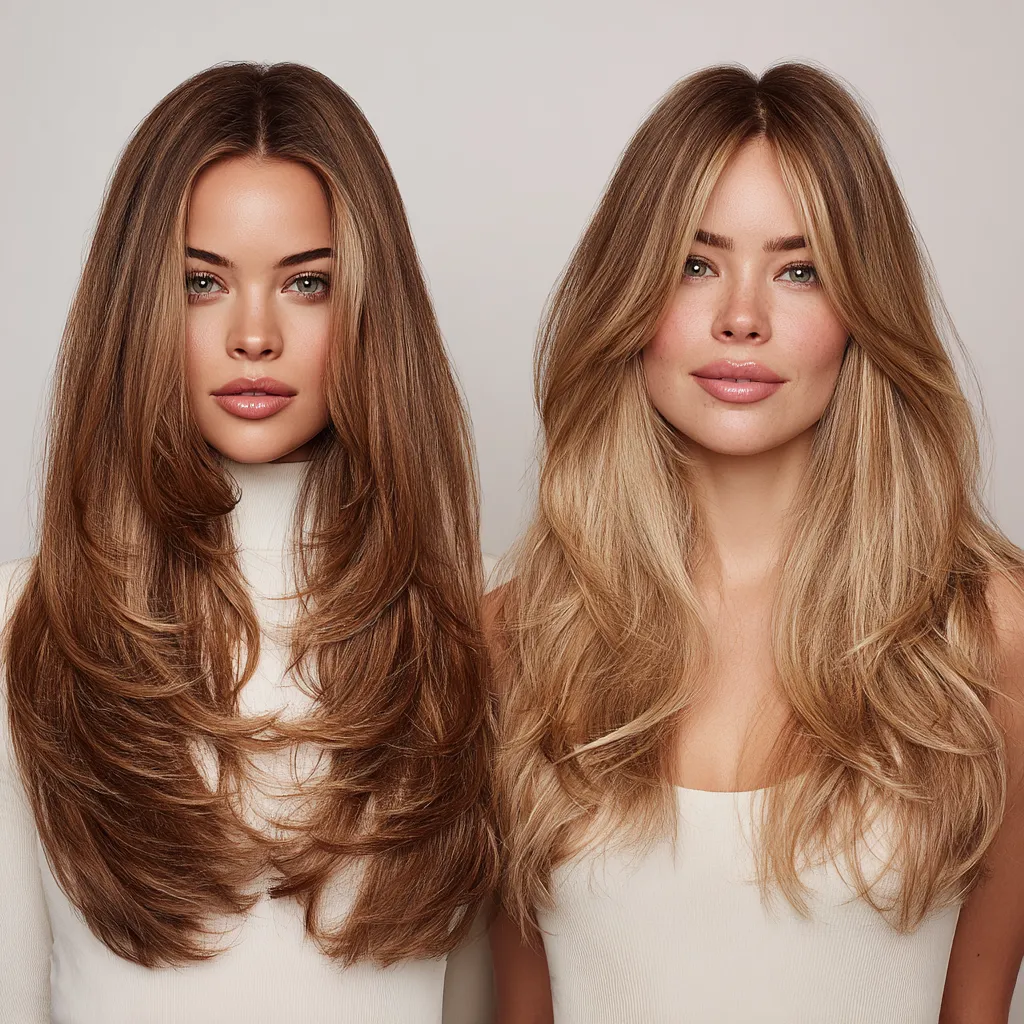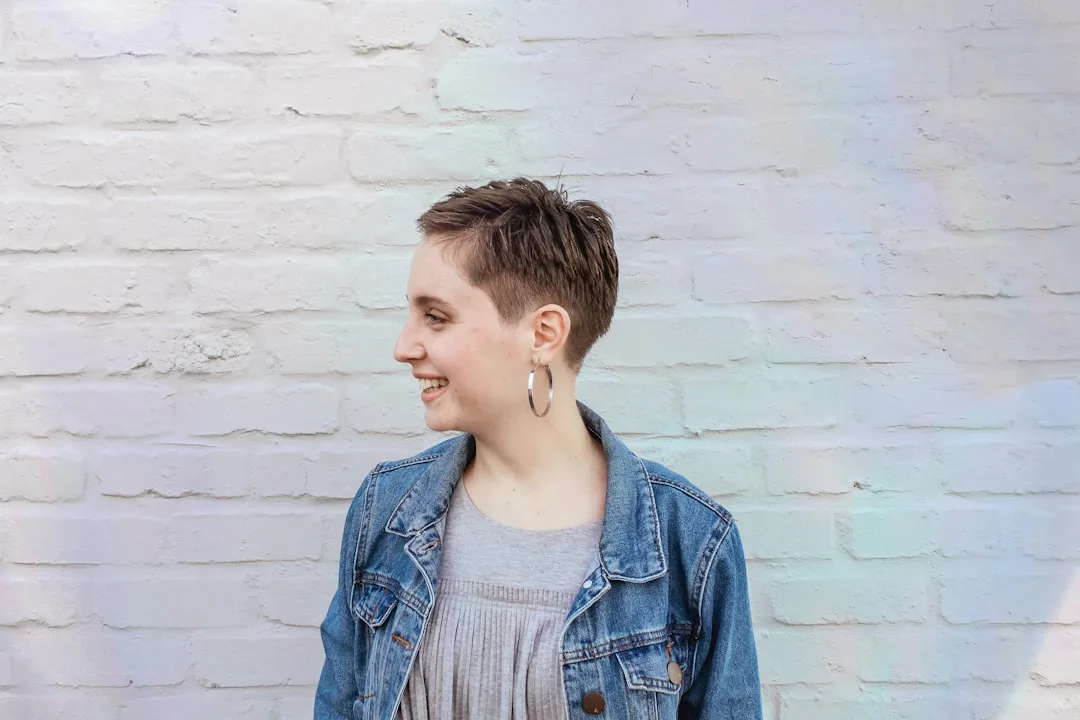
Textured pixie cuts have displaced sleek, blunt versions as the dominant trend entering May 2026, with salon bookings for layered, movement-driven pixies up 47% year-over-year according to StyleSeat data. The shift reflects a broader move away from one-dimensional short hair toward pieces that integrate dimension, irregular layers, and tactile surface interest—particularly among women aged 25–45 seeking low-maintenance cuts that still read as intentional and modern.
Why Textured Pixies Are Trending Now
The textured pixie addresses a persistent frustration with traditional pixie cuts: they can appear flat or severe without daily styling. Layering creates pockets of movement and allows hair to fall at varying lengths, reducing the need for blow-drying or product dependency. Stylists cite influence from Korean and Japanese hair movements, where texture-first cutting—prioritizing how layers interact rather than overall shape—dominates.
Celebrities including Zendaya and Timothée Chalamet have worn variations of textured pixies on red carpets, legitimizing the look for mainstream audiences. The trend also aligns with sustainability messaging: shorter, textured cuts require fewer products and less frequent trims than maintaining a perfectly blunt pixie, appealing to eco-conscious consumers.
Quick Tips
- Ask your stylist for choppy, uneven layers at the crown to maximize texture.
- Use a light sea salt spray (Bumble and bumble Surf Spray, $28) on damp hair to enhance movement.
- Diffuse-dry rather than blow-dry straight to encourage natural texture.
- Schedule trims every 4–6 weeks to maintain layer definition.
- Request point-cutting or razor-over-comb techniques rather than blunt scissors.
Cutting Techniques That Define the Textured Pixie
The textured pixie employs three primary methods: point-cutting (using scissors vertically into the hair to create irregular edges), undercut layering (shorter internal layers beneath longer surface hair), and choppy disconnected sections. Top stylists at New York salons including Ramirez|Tran Salon and London’s Neville Hair and Beauty report that clients now explicitly request “choppy texture” rather than “clean lines.”
Undercut pixies feature clipper work on the sides and back—typically grades 0.5–1.5—with scissor-textured layers on top, creating contrast and preventing the style from appearing uniformly short. Point-cut crowns encourage hair to separate and move rather than sit as a solid mass. Average salon pricing for a textured pixie ranges $65–$150 depending on location and stylist expertise; salons specializing in texture (such as Bumble and bumble in Los Angeles, known for choppy pixies starting at $95) often charge premium rates.
| Cutting Method | Maintenance Level | Best Hair Type |
|---|---|---|
| Point-Cut Layering | Moderate (5–6 weeks) | Fine to medium, wavy |
| Choppy Undercut | High (4–5 weeks) | Medium to thick, straight |
| Razor-Cut Texture | Moderate (5–6 weeks) | Curly, coily, textured |
| Blended Choppy Layers | Low (6–8 weeks) | All types |
Product Essentials for Textured Pixie Styling
Styling products make or break a textured pixie. Dry texturizing sprays, lightweight mousses, and matte pomades are non-negotiable. Oribe Dry Texturizing Spray ($52 for 5.3 oz) creates grip and separation without greasiness; applied to damp roots before diffuse-drying, it emphasizes choppy layers. For hold, Olaplex Bond Styling Serum ($50 for 3.3 oz) provides shine without weighing down texture, critical for short hair where product buildup appears immediately.
SheaMoisture Raw Shea Butter Restorative Shine Serum ($10 for 3.2 oz) offers a budget alternative for curly-textured pixies, delivering moisture without stiffness. For matte finish, Hanz de Fuko Claymation ($22 for 2 oz) is industry-standard among stylists; a dime-sized amount worked through damp hair creates piece-y separation that defines choppy cuts. Apply all styling products to damp hair, then diffuse on low heat or air-dry for best results.
Face Shapes and Textured Pixie Compatibility
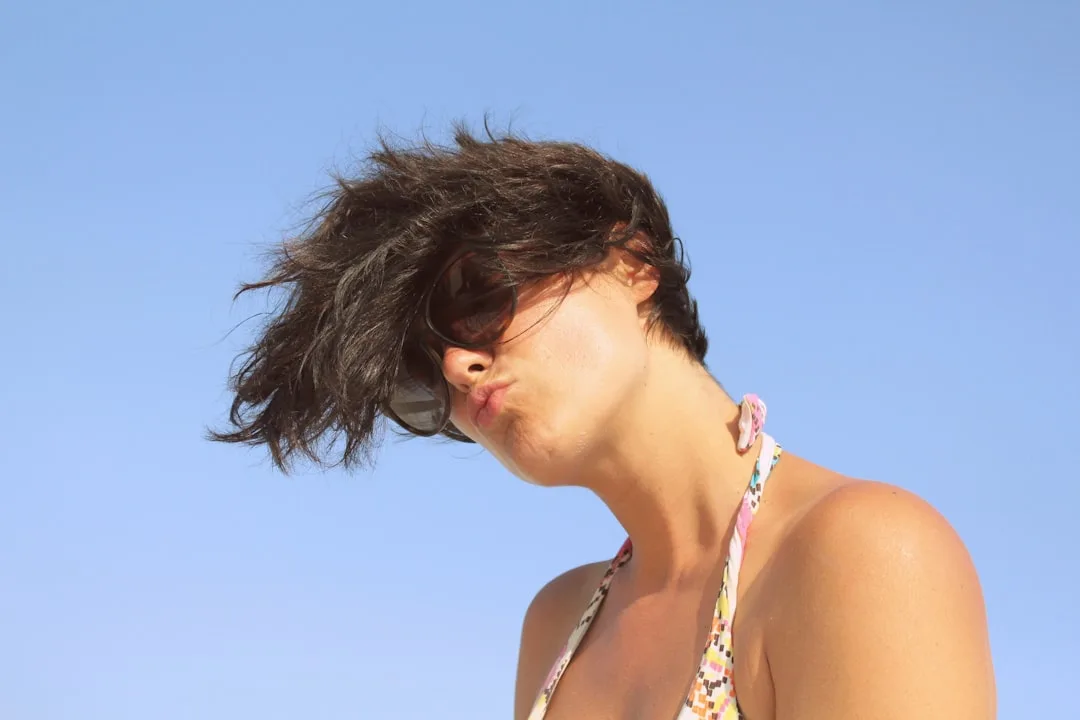
Unlike blunt pixies, textured versions work across more face shapes because movement softens hard angles. Longer layers on top suit square and rectangular faces, while tighter texture throughout flatters round faces by creating vertical line breaks. Oval faces accommodate any texture placement—crown density, side length, or bang integration can be customized.
Clients with diamond-shaped faces benefit from side-swept longer layers that minimize cheekbone prominence, while heart-shaped faces suit fuller crowns balanced by tapered sides. As noted in our Elegant Silver Pixie Haircuts for Older Women, texture paired with silver or ash tones becomes particularly flattering for mature clients, adding movement that counteracts fine hair thinning.
Where Textured Pixies Are Dominating
Urban centers including New York, Los Angeles, London, and Toronto report highest textured pixie adoption, with suburban adoption following 4–6 months behind. Instagram and TikTok accelerate trends; creators and stylists with 100k+ followers posting choppy pixies drive mainstream interest. Korean beauty influencers popularized texture-heavy cuts in late 2025, making the look aspirational across Gen Z and millennial audiences.
Salons emphasizing Korean beauty techniques—such as Seoul-based methods now franchising in North America—have waiting lists extending 6+ weeks for textured pixie appointments. Conversely, salons still advertising “classic” or “clean” pixies report declining demand, suggesting a permanent market shift rather than temporary trend. This transition reflects broader preference for “lived-in” aesthetic over perfection-focused styling across fashion, makeup, and interior design.
Maintenance and Real-World Application
Textured pixies require commitment to regular trims—every 4–6 weeks to preserve choppy definition, versus 8–10 weeks for blunt pixies. Budget approximately $260–$900 annually for maintenance alone, not including product expenses. However, daily styling time decreases significantly: most textured pixies look acceptable with dry texture spray and finger-ruffling, eliminating 15-minute blow-dry routines.
Sleeping on textured pixies often enhances them; bedroom dishevelment reads as intentional layering rather than bad hair. For special events, stylists can amplify texture with pomade and directional blow-drying, or soften it with smoothing cream for polished occasions. Pixie Haircuts for Older Women in Warm Blonde demonstrates how texture works across age ranges and color palettes, proving versatility beyond age demographics.