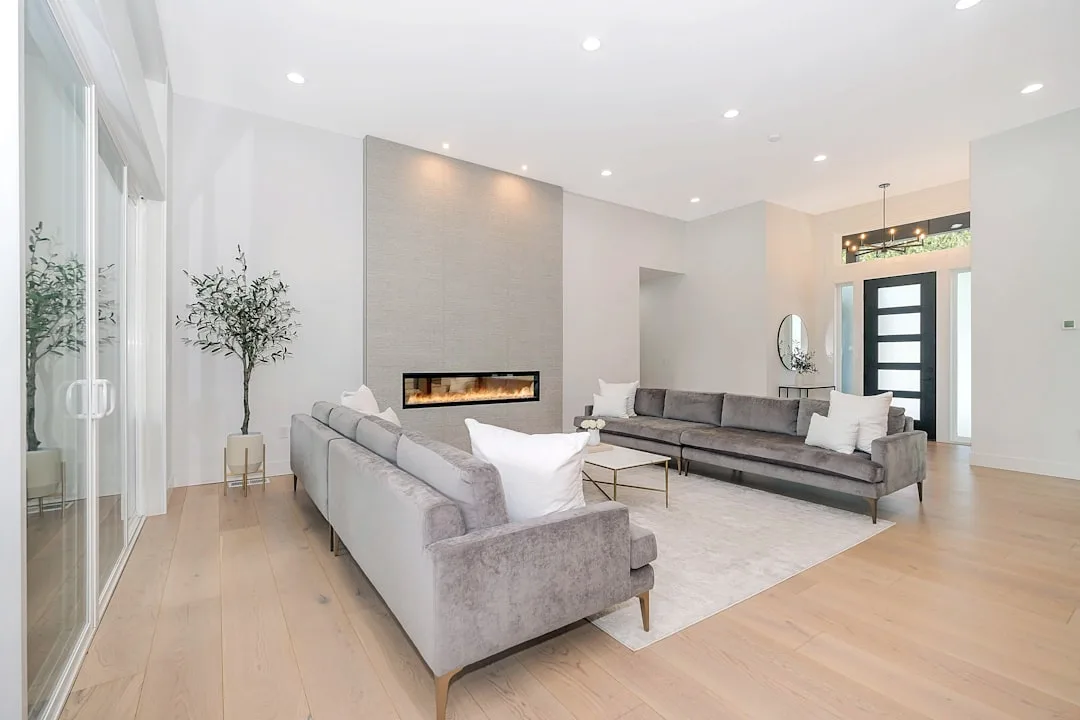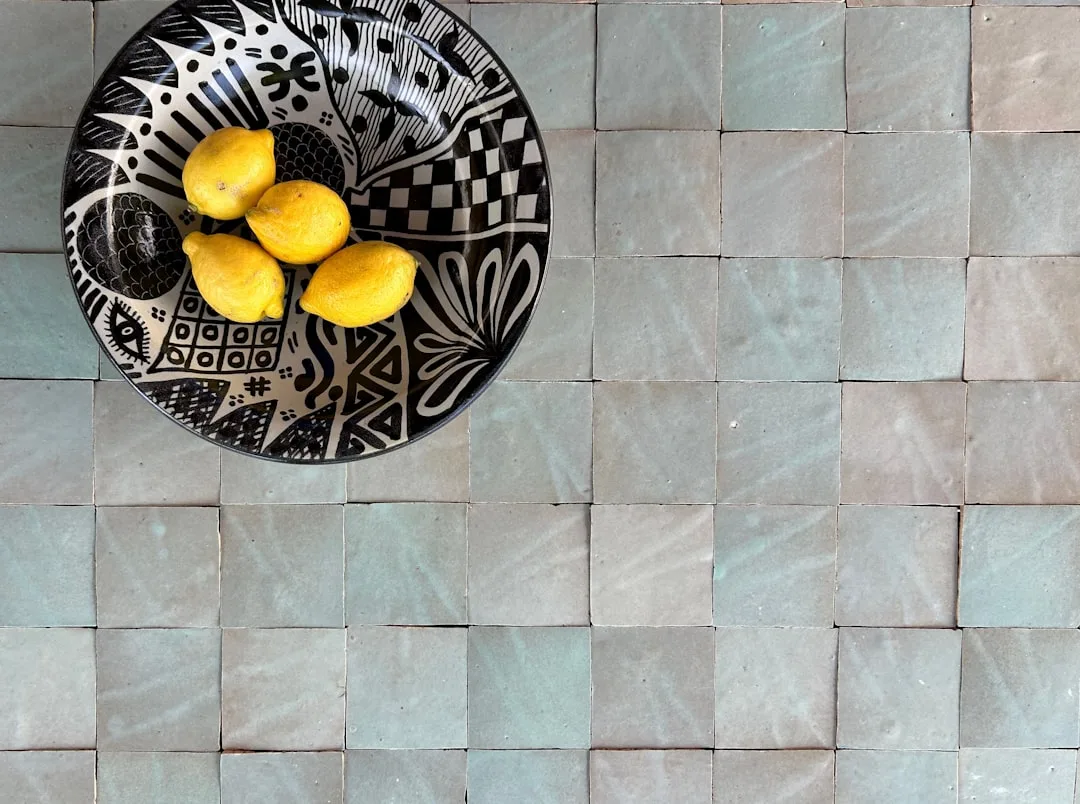
The backsplash has become the most expressive surface in residential kitchens, and the material driving that shift is definitively handmade tile. After nearly fifteen years of Carrara marble slabs and glossy white subway tile dominating high-end kitchen renovations, designers are specifying irregularly shaped zellige, hand-pressed terracotta, and pigment-rich encaustic cement tiles at rates we haven’t seen since the early 2000s Arts and Crafts revival.
This isn’t nostalgia. It’s a material correction. The difference now is that clients aren’t asking for perfection—they’re specifically requesting visible variation. The wave patterns inherent in Moroccan zellige, the tonal shifts across a single batch of Spanish terracotta, the slight dimensional inconsistencies of Portuguese azulejos: these aren’t tolerated imperfections but the entire point of specification.
What’s Driving the Shift
Three converging forces explain why handmade tile is ascendant in April 2026. First, fatigue with algorithmic aesthetics. Instagram-perfect kitchens with flawless surfaces have become visually predictable, and homeowners commissioning $80,000 renovations want spaces that feel authored, not templated. Handmade tile delivers immediate visual differentiation because no two installations look identical.
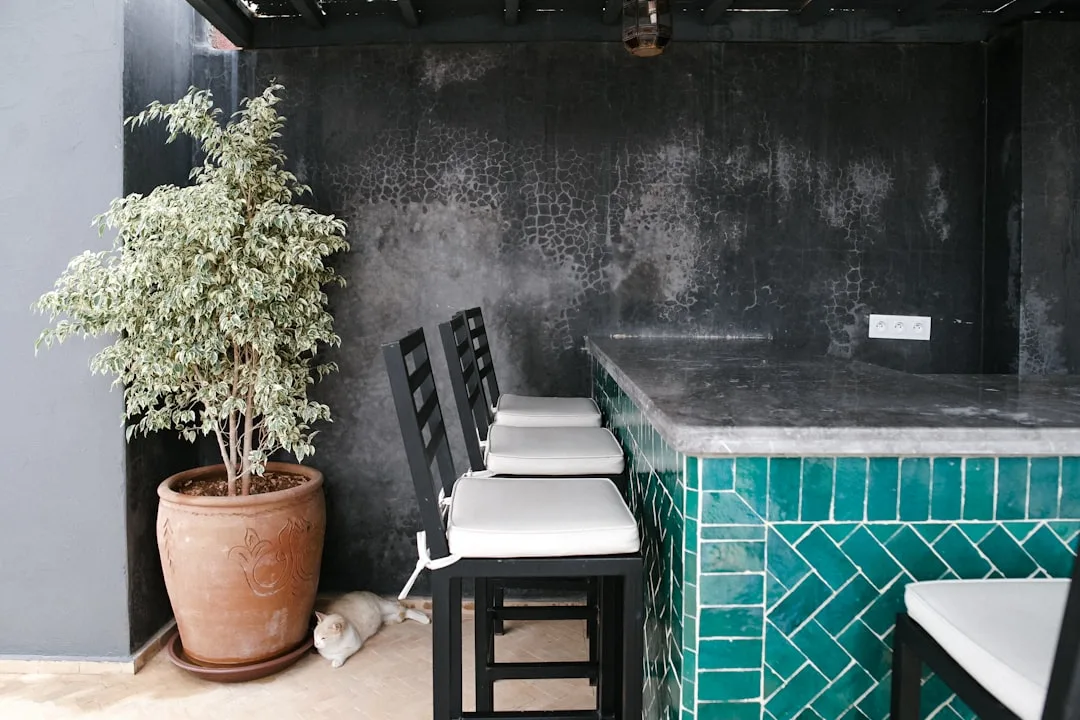
Second, the broader cultural rehabilitation of maximalism. After years of Marie Kondo minimalism and Scandinavian restraint, there’s a documented appetite for pattern, color saturation, and surface complexity. Tile companies like Fireclay, Cle Tile, and Granada Tile report that their most ornate, chromatic options are outselling neutrals by significant margins. Clé’s creative director Deborah Osburn noted in a February 2026 industry panel that their Moroccan zellige orders have increased 340% since 2024, with jewel tones—emerald, sapphire, amber—leading requests.
Third, the resurgence of cooking as a primary domestic activity. Kitchens aren’t staging areas anymore; they’re workshops. Homeowners spending serious time at the stove want environments that reward prolonged attention, and handmade tile provides the kind of optical texture that reveals new details across years of daily use.
Material Specifics: What’s Actually Being Installed
Moroccan zellige remains the category leader, but application has evolved. Rather than uniform field tile, designers are combining multiple glaze colors within single installations—six to eight hues is now standard for a residential backsplash. Studio Shamshiri’s recent Hancock Park kitchen renovation featured fourteen custom zellige colors arranged in a gradient from charcoal to cream, a approach that’s been widely replicated.
Spanish and Mexican encaustic cement tiles are claiming significant share in floor applications, particularly in kitchens opening to outdoor spaces. The material’s inherent porosity and matte finish create visual continuity between interior and exterior tile, and the geometric patterns—historically Moorish or Art Deco references—provide the graphic intensity that flat-color porcelain can’t deliver.
Italian terracotta is appearing on vertical surfaces, not just floors. Designers like Athena Calderone and Brigette Romanek have installed terracotta tile on kitchen walls and range hoods, sealed with matte polyurethane to preserve the clay’s organic texture while meeting contemporary performance standards. The effect reads as warmth without rusticity—a critical distinction for urban clients.
The Anti-Flip Aesthetic
There’s an economic dimension worth naming. Handmade tile is expensive—$40 to $180 per square foot installed, compared to $8 to $25 for standard porcelain. But buyers commissioning these installations aren’t planning to sell in five years. They’re signaling permanence, or at least medium-term commitment. This contradicts the house-flipping logic that dominated renovation decisions from 2010 to 2022, where every finish was evaluated against theoretical resale value and broad market appeal.
The clients specifying handmade tile are explicitly rejecting that calculus. They want spaces that reflect specific aesthetic positions, even—especially—if those positions won’t appeal to everyone. It’s the design equivalent of buying a painting rather than a print: the point is singular character, not universal palatability.
How to Specify Handmade Tile Without Costanza Syndrome
The risk with artisan materials is veering into theme-park authenticity or over-designed eclecticism. Successful handmade tile installations in 2026 share several characteristics. They’re used on single focal planes—one wall, not all four. They’re paired with restrained countertop materials; handmade tile works best against honed stone or matte solid surface, not competing patterns. And they’re lit properly, with dedicated task lighting that emphasizes surface texture rather than washing it out.
Proportion matters significantly. Small-format zellige (2×2 or 2×6 inches) delivers more visual intensity than larger formats and better showcases glaze variation. For encaustic cement tile, 8×8-inch formats generally read better in residential kitchens than the 12×12 sizes common in commercial installations.
Grout selection deserves more attention than it typically receives. Handmade tile almost always benefits from wider grout joints—⅜ inch rather than the ⅛ inch standard for porcelain—which emphasizes each tile’s individuality and accommodates dimensional variation. Grout color should contrast enough to define individual tiles but not so much that the grout itself becomes the dominant visual element.
What This Means for Kitchen Design in 2026
The handmade tile trend signals something larger than material preference. It represents a philosophical shift toward embracing evidence of process, toward legibility of making. In an era when most consumer goods arrive as seamless products with invisible production histories, handmade tile makes labor visible. You can see the hand that shaped it, the kiln that fired it, the artisan’s calibration of glaze thickness.
This aligns with broader 2026 design values: materiality over image, durability over trendiness, specificity over scalability. The kitchens being designed now aren’t trying to photograph well for resale listings. They’re trying to reward daily inhabitation for years, possibly decades. Handmade tile—with its inherent irregularity, its resistance to industrial replication, its insistence on being physically present rather than merely photographable—is the material logic of that ambition.