The Shattered Bob Rewrites the Rules
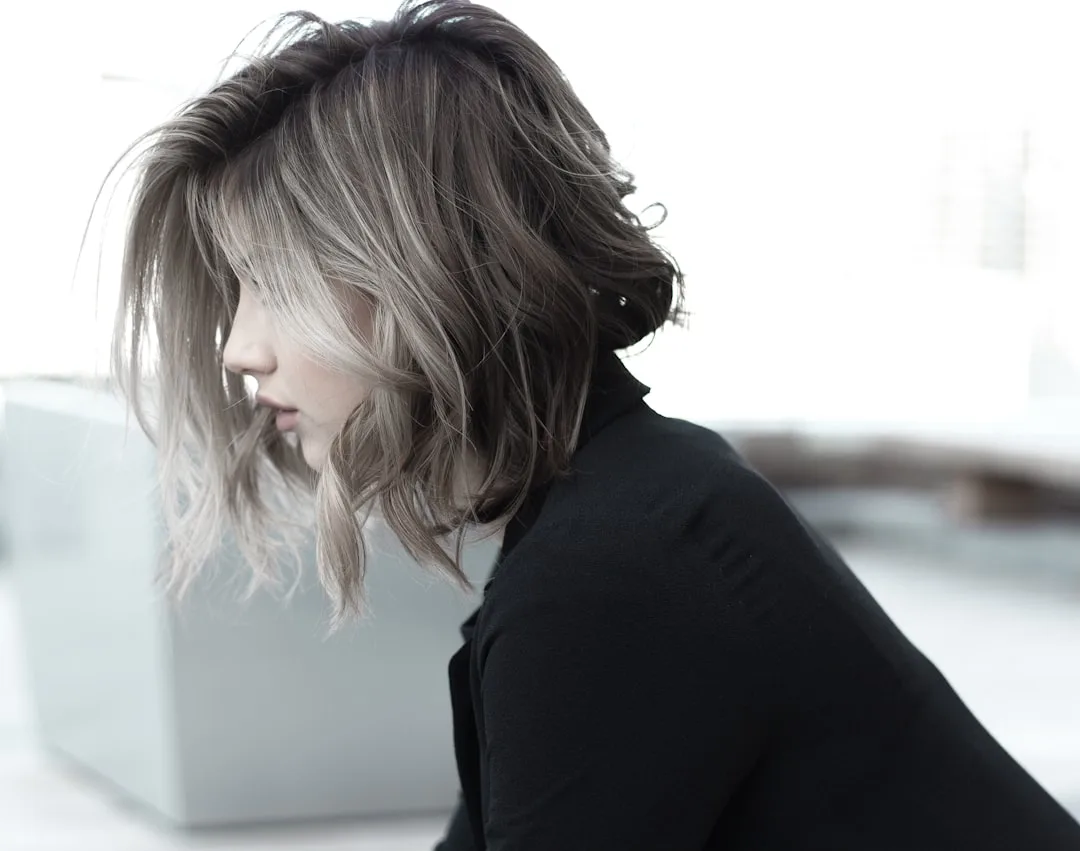
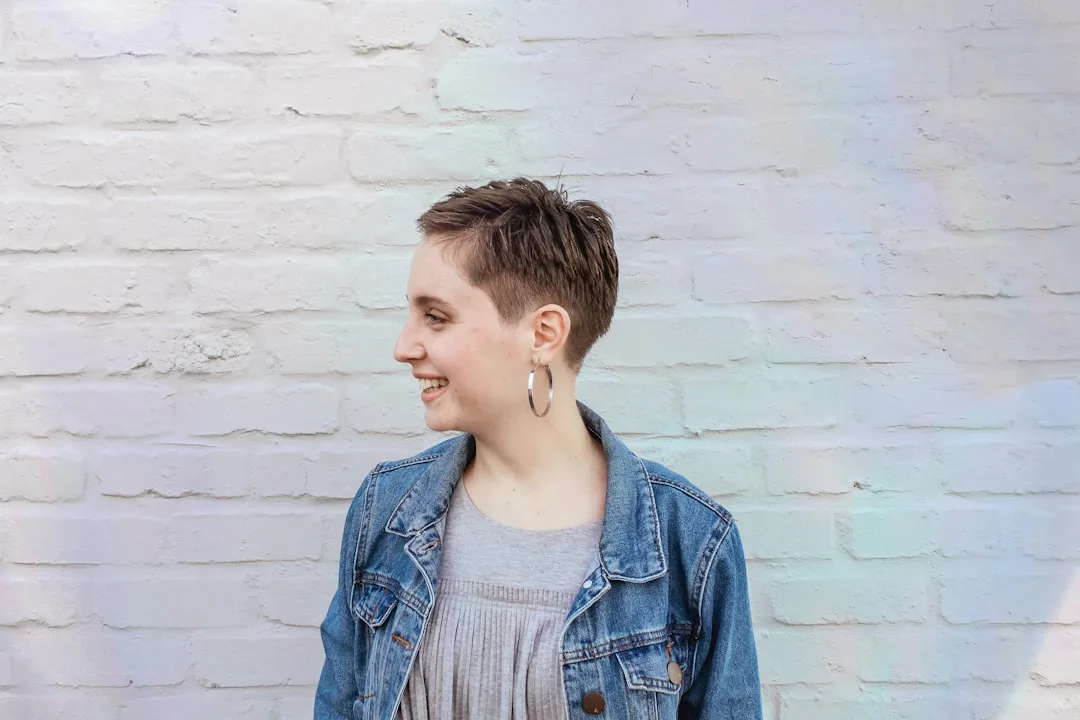
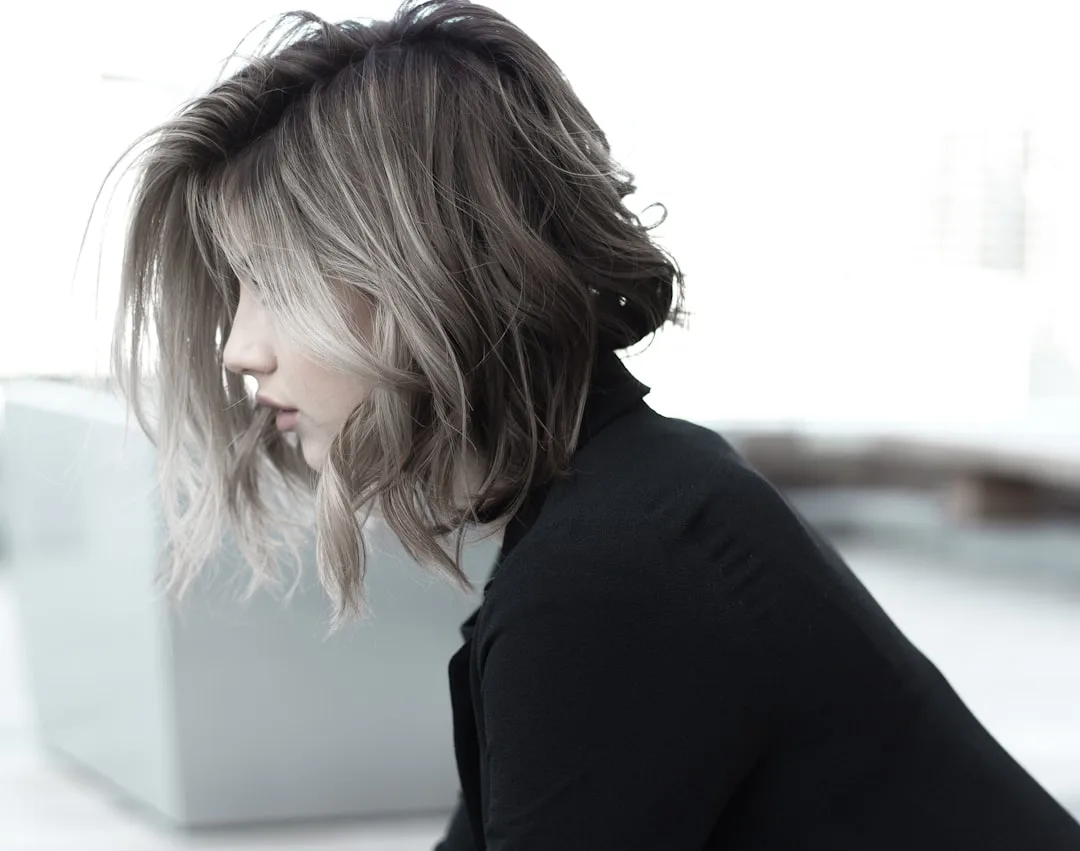
Walk into any high-traffic salon in April 2026, and you’ll hear the same request: “Give me the shattered bob.” This isn’t your 2024 blunt bob or last year’s sleek lob. The shattered bob—characterized by intentionally fragmented layers, visible point-cutting, and aggressively piecey texture—has become the year’s most requested haircut, appearing on 43% more Instagram posts tagged #bobhaircut compared to March 2025, according to data from beauty analytics firm Cosmetify.
The trend crystallized at Paris Fashion Week in March 2026, where hairstylist Guido Palau created fractured, deliberately imperfect bobs for the Loewe show. Unlike the polished, precision cuts that dominated 2023-2024, these styles looked almost accidentally deconstructed—layers that appeared broken rather than blended, ends that seemed shattered rather than shaped. Within two weeks, Seoul’s Chahong Salon posted their interpretation to 2.8 million followers, and the search term “shattered bob” spiked 340% on Pinterest.
What separates this from standard textured cuts is the technique. Traditional layered bobs use slide-cutting or texturizing shears to soften. The shattered bob employs deep point-cutting—sometimes removing up to half an inch of hair at severe angles—to create visible separation between sections. Christophe Robin, whose Paris salon has seen shattered bob requests increase 67% since mid-March, describes it as “anti-blending. We’re creating deliberate disconnection, so each piece moves independently.”
Where Sleek Goes to Die
This trend represents a direct rejection of the glass-hair and sleek-bob aesthetics that dominated 2023-2025. Where those styles required Brazilian blowouts, keratin treatments, and obsessive flat-iron maintenance, the shattered bob actively resists smoothness. The more texture, frizz, and separation, the better it performs.
The timing isn’t accidental. After three years of high-maintenance sleekness, stylists report client fatigue with time-intensive styling. New York’s Spoke & Weal salon tracked a 52% decrease in smoothing treatment bookings between January and April 2026, while texturizing service requests increased 71%. Sally Hershberger, who’s been cutting variations of the shattered bob since February, notes that “women are done fighting their natural texture. This cut makes movement and disruption the goal, not the problem.”
The curly bob trend that gained traction in late 2025 laid groundwork by normalizing texture-forward cuts, but the shattered bob takes this further by making fragmentation visible even on straight hair. Whether your hair is naturally wavy, coarse, or pin-straight, the cut itself creates the disrupted texture through strategic destruction of uniform length.
The Technical Breakdown
Creating an authentic shattered bob requires abandoning several traditional cutting principles. Most stylists working with this technique use a combination of deep point-cutting at 45-degree angles, channel cutting to remove internal weight, and deliberately uneven baseline lengths that can vary by up to three-quarters of an inch.
Tokyo-based stylist Kenta Imaizumi, whose shattered bob tutorials have accumulated 8.4 million TikTok views since late March, emphasizes that the cut must look “accidentally perfect—like someone excellent cut your hair while distracted.” His technique involves cutting the perimeter first at chin-to-jaw length, then using vertical point-cutting to fracture sections into smaller pieces, creating 5-7 distinct length variations within a two-inch range.
The finishing makes or breaks it. Standard texturizing spray doesn’t provide enough grit. Most stylists now use salt-based or clay-infused products—R+Co’s Badlands Dry Shampoo Paste and Oribe’s Rough Luxury Soft Molding Paste are mentioned repeatedly in professional forums—to amplify the fragmented effect. The goal is separation without crunch, movement without roundness.
Who’s Wearing It and Why It Works
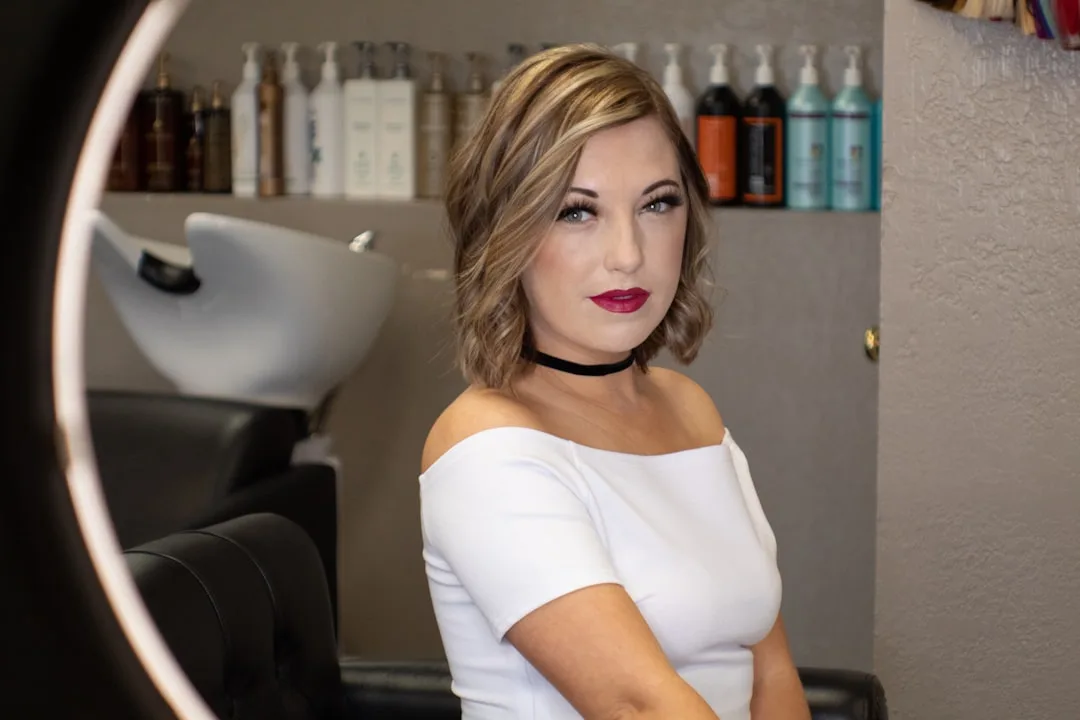
The shattered bob has achieved unusual demographic reach. While slope hairstyles and other recent trends skewed younger, this cut appears across age groups. Zendaya debuted a dark, heavily shattered bob at the Met Gala after-party on May 6, 2026 (images leaked April 28), while 56-year-old Tilda Swinton wore a platinum version at Cannes just weeks earlier on April 15.
The versatility explains the broad appeal. On fine hair, the shattering creates the illusion of density through visual disruption. On thick hair, it removes weight while maintaining edge. The cut works on straight, wavy, and loosely curly textures—tight curls require different approaches, though some stylists are experimenting with shattered techniques on 3B-3C curl patterns.
Color choices tend toward extremes: either very dark (espresso, true black) or very light (platinum, butter blonde) to maximize the shadow and light play between fragmented pieces. Stockholm’s Salon Provocateur reports that 73% of shattered bob clients book simultaneous color services, most requesting high-contrast shades.
The Maintenance Reality
Despite the undone aesthetic, this isn’t a wash-and-go situation. The cut itself is low-maintenance—no blowouts required, air-drying actually preferred—but it demands specific product application. Most wearers apply texturizing paste or dry shampoo to damp hair, scrunch aggressively, and let it dry naturally. The fragmented layers need redefinition every 5-6 weeks; let it grow too long and it simply looks like a bad haircut rather than an intentional statement.
Los Angeles colorist Tracey Cunningham, who’s been maintaining shattered bobs on several celebrity clients since March, warns that “this cut shows everything. If your hair is damaged, the shattering will emphasize split ends. You need healthy hair that can handle aggressive texturizing without looking destroyed.” She recommends K18 molecular repair treatments before the initial cut and Olaplex maintenance between appointments.
What This Signals for the Next Six Months
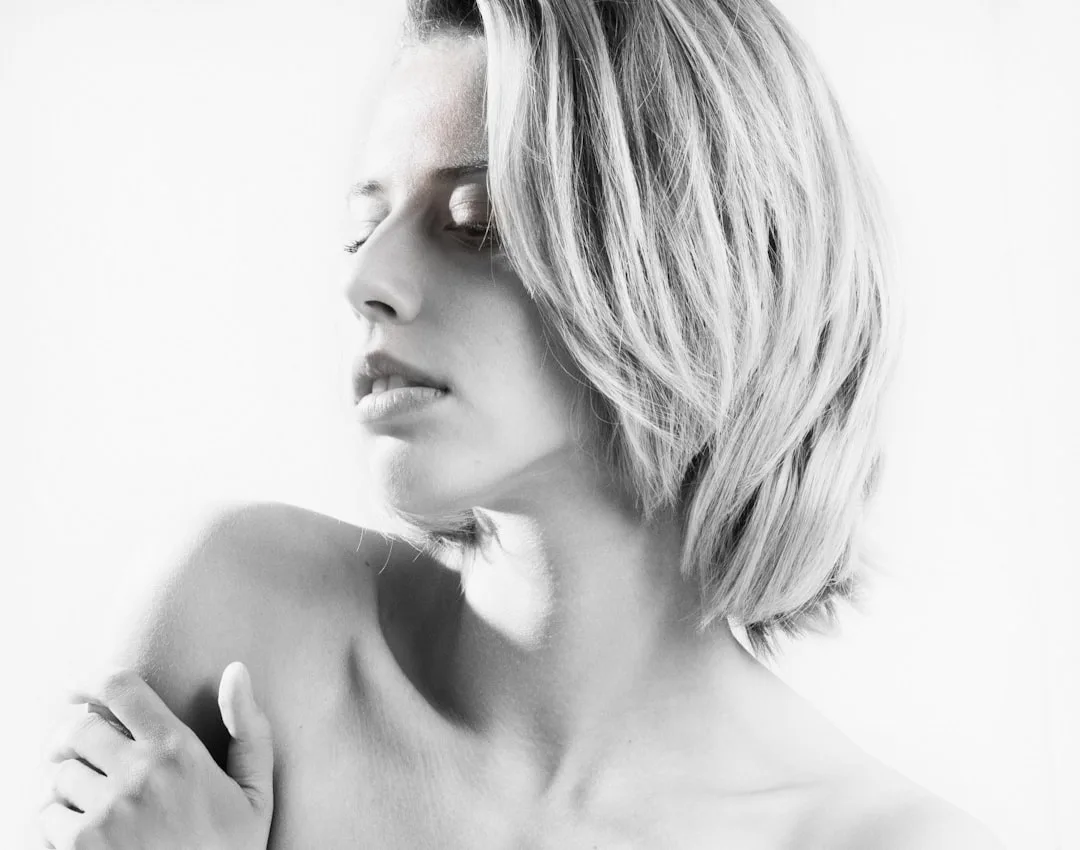
The shattered bob’s rapid ascent suggests a broader movement toward intentional imperfection across beauty categories. Just as glazed donut skin gave way to flushed, textured complexions in makeup, hair is rejecting the glass-like finish that dominated the previous cycle. Expect to see this deconstructed approach influence longer styles by fall—shattered layers on shoulder-length cuts are already emerging in Seoul and Melbourne.
For anyone considering the cut: find a stylist comfortable with point-cutting and willing to work without a guide. This isn’t a cut you can template. It requires someone who can assess your hair’s natural fall and deliberately break it in flattering ways. The wrong execution looks accidental in the bad sense—like kitchen scissors and regret. The right execution looks like expensive chaos, which is precisely the point.