
The Numbers Behind the Shift
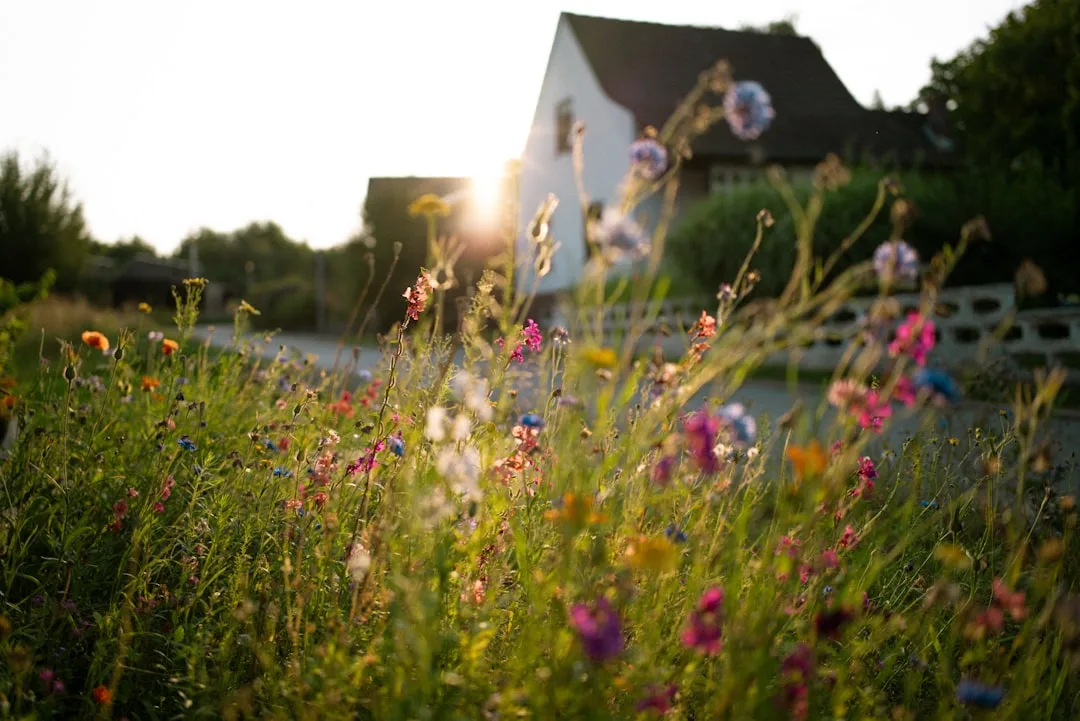
Between January and March 2026, sales of native wildflower seed mixes increased 340% compared to the same period in 2025, according to data from the National Garden Bureau. Companies like American Meadows and Prairie Nursery report waiting lists extending into June for their curated regional pollinator blends. This isn’t the slow-burn adoption of a fringe gardening philosophy—this is a fundamental reconsideration of what a yard should be.
The catalyst? A combination of regulatory pressure and financial incentive. As of April 2026, 127 municipalities across the United States offer direct rebates for lawn replacement projects, up from just 43 in early 2025. Denver’s program, which launched in February 2026, provides up to $3 per square foot removed—enough to offset the entire cost of transitioning a typical suburban lot. Similar initiatives in Minneapolis, Austin, and Portland have created a financial argument that even lawn traditionalists can’t ignore.
What Makes Pollinator Lawns Different
Unlike the ornamental wildflower gardens that appeared sporadically in the 2010s, today’s pollinator lawns are designed for functional yard use. The dominant approach combines low-growing native species—typically fescues, clover varieties, and region-specific wildflowers—that tolerate foot traffic while requiring mowing just three to four times per season instead of weekly.
Landscape architect Sarah Bergmann, whose Seattle-based firm Pollinator Pathway pioneered scalable residential templates, emphasizes the distinction: “We’re not asking people to let their yards go wild. We’re offering a cultivated alternative that serves both human use and ecological function.” Her firm’s residential projects increased 280% year-over-year as of March 2026.
The aesthetic has evolved significantly. Early adopters in the 2020-2023 period often created what neighbors perceived as “messy” spaces. Current iterations feature defined edges, intentional color palettes, and seasonal interest that rivals traditional landscaping. This polish matters. A March 2026 study from the University of Vermont found that neighborhood acceptance of pollinator lawns increased dramatically when installations included clear boundaries and visible maintenance patterns.
Regional Variations and Plant Palettes
The movement’s success stems partly from its regional specificity. In the Northeast, mixes dominated by fine fescues, white clover, and native violets create a lawn-like appearance that stays green without irrigation. Midwest versions incorporate black-eyed Susans, prairie dropseed, and nodding wild onion. West Coast blends emphasize drought-tolerant species like California poppy, yarrow, and blue grama grass.
Brand offerings have become remarkably sophisticated. Ernst Seeds, a Pennsylvania-based supplier, now offers 23 different regional formulations calibrated to specific USDA hardiness zones and soil types. Their “Urban Meadow-Lite” blend, released in January 2026, specifically targets homeowners transitioning from traditional lawns, with species selected for their tolerance of compacted soil and partial shade.
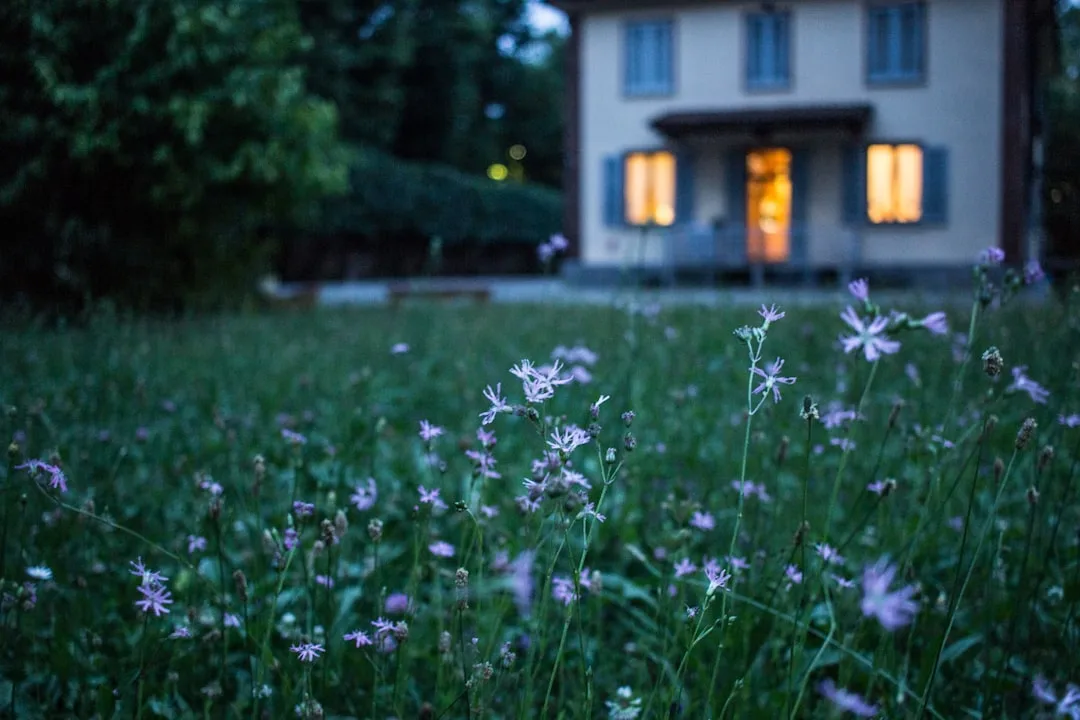
For those considering the aesthetic integration with home exteriors, the color variation in pollinator plantings offers surprising flexibility. White and yellow flowering species complement the neutral palettes explored in 101+ Exterior House Colors Combinations & Best Paint Color Ideas, while purple and blue varieties enhance contemporary homes with bold exterior treatments.
The Maintenance Reality
The appeal isn’t purely ecological or financial—it’s practical. Traditional lawns demand approximately 60 hours of maintenance annually, according to data from the Lawn Institute. Pollinator alternatives typically require 15-20 hours, with most work concentrated in spring establishment and fall cleanup.
This reduction in labor coincides with broader lifestyle shifts. The same demographic cohort driving design changes like Modern Style Bedroom Trends You Need to See for Your Next Renovation is reconsidering outdoor space priorities. For homeowners under 45, yard maintenance ranks consistently as the least desirable weekend activity, per a February 2026 survey from the American Society of Landscape Architects.
Water consumption presents the most compelling practical argument. The EPA estimates that traditional lawns consume 9 billion gallons of water daily nationwide. Established pollinator lawns require virtually no supplemental irrigation after their first growing season. In drought-stressed regions like Southern California and the Southwest, this isn’t an aesthetic choice—it’s increasingly mandated.
Neighborhood Politics and HOA Evolution
Perhaps nothing signals the movement’s mainstream arrival more than HOA capitulation. Historically fierce defenders of lawn uniformity, homeowners associations have begun revising landscape requirements. As of April 2026, approximately 2,300 HOAs nationwide have amended bylaws to explicitly permit pollinator lawns, according to the Community Associations Institute.
This shift follows several high-profile legal challenges. In February 2026, a Maryland court ruled in favor of a homeowner fined by their HOA for a native plant lawn, citing state environmental legislation that supersedes association rules. Similar rulings in Illinois, Oregon, and Connecticut have established precedent that’s accelerating policy changes.
How to Implement Successfully
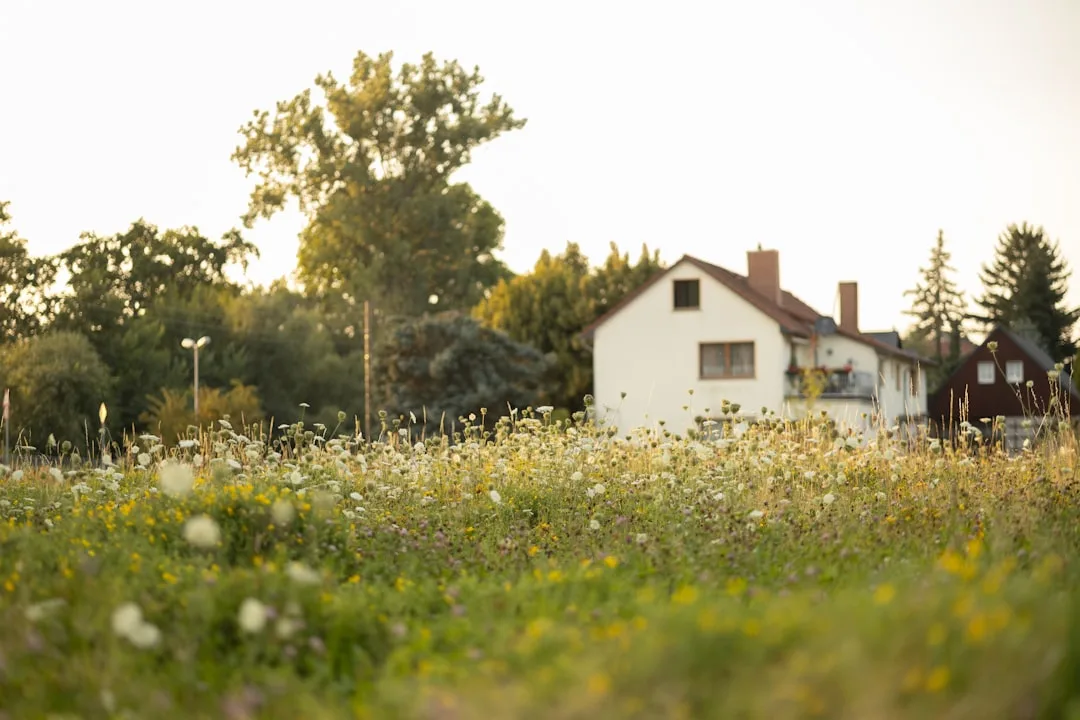
For those ready to transition, timing matters critically. Fall seeding (September through October in most regions) produces the most reliable establishment. The process requires killing existing grass, typically through solarization or smothering rather than herbicides, then seeding into prepared soil.
Initial appearance remains the biggest homeowner concern. Pollinator lawns look sparse and unimpressive during their first growing season. This “awkward phase” lasts approximately 12-18 months before plantings fill in. Setting neighborhood expectations early—through signage or conversation—prevents the complaints that derailed earlier adopters.
Cost varies significantly by region and existing conditions, but typically ranges from $2-6 per square foot for professional installation, or $0.40-1.50 per square foot for DIY approaches. Most homeowners report breaking even on the investment within 3-4 years through reduced water, fertilizer, and maintenance equipment costs.
What This Means for Design
The pollinator lawn trend represents more than plant selection—it signals a fundamental recalibration of the relationship between private property and ecological responsibility. As these landscapes become standard rather than exceptional, expect corresponding shifts in hardscape design, outdoor lighting choices, and garden structure approaches. The conventional suburban yard template, largely unchanged since the 1950s, is finally being rewritten.
Complete guide
Green Home Color Ideas for Every Room and Every Shade
Sage, emerald, olive, mint — interiors, exteriors, gardens — all in one place
Complete guide
Exterior Decor Ideas Every Homeowner Should Know
Facade trim, moldings, patio design, garden, hardscape, outdoor living — all in one place
Complete guide
Garden Design Ideas That Actually Transform Your Outdoor Space
Landscaping, planting, patios, walls, structures, ecological design — all in one place
You Might Also Like
Related Topics