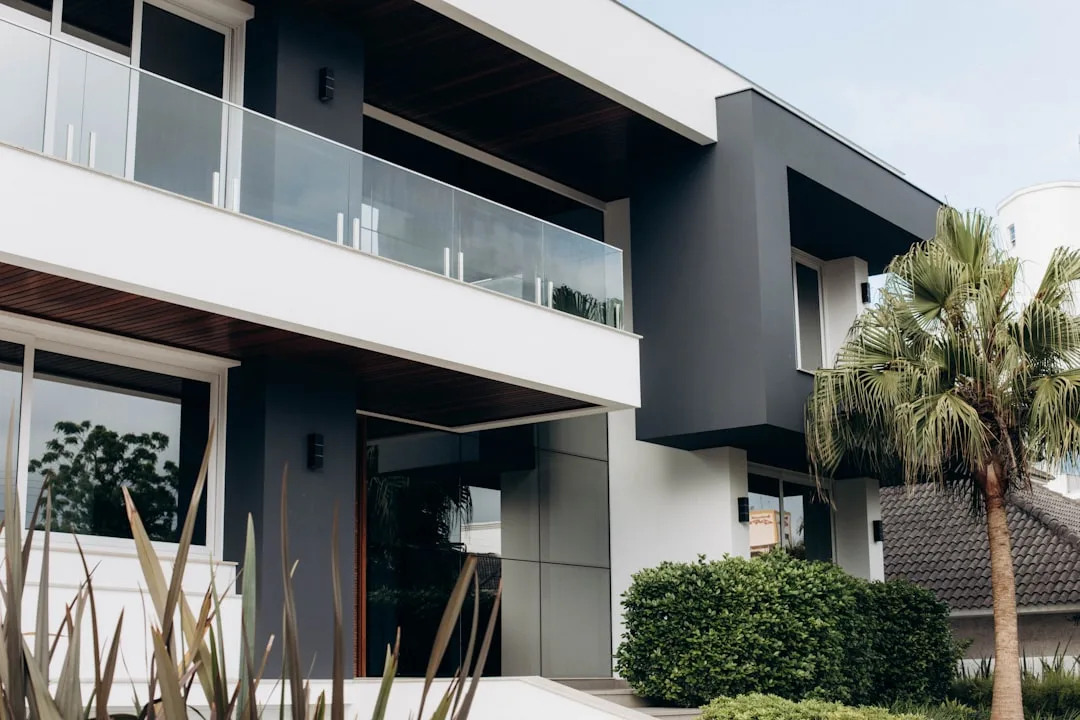
Warm gray exterior paint is now the second-largest exterior color choice after white, claiming 28% of architectural projects through May 2026—a shift that marks the definitive end of cool, institutional grays that dominated 2020–2023. Unlike flat, lifeless cool grays that read as institutional or cold, warm grays blend greige (gray-beige) and taupe undertones to make facades feel approachable, residential, and connected to landscape context. Architects and builders are specifying warm grays because they photograph better on real estate platforms, pair naturally with wood and stone materials, and maintain aesthetic relevance across 5–10 year ownership cycles.
Why Cool Gray Lost Relevance in Residential Architecture
Cool grays (undertones of blue or purple) became shorthand for minimalism and modern restraint from 2018–2023, but their clinical appearance began aging faster than warmer palettes. Homeowners discovered that cool grays absorbed landscape context—gardens looked duller, natural wood trim appeared washed out, and brick or stone cladding competing colors became muddy. By 2025, real estate data showed that homes painted in cool gray spent an average of 23 days longer on market compared to warm gray counterparts, a metric that directly shifted builder specification practices.
The psychological shift reflects broader architectural thinking: facades no longer aim for detachment or silence. Instead, 2026 expects exteriors to communicate warmth, material authenticity, and connection to regional vernacular. Warm grays accomplish this without the visual weight of browns or the regional baggage of terracotta.
Quick Tips
- Test warm gray samples at three times of day—early morning, midday, and dusk—to observe undertone shift
- Pair warm grays with warm white trim (ivory, cream) not bright white, which creates harsh contrast
- Apply primer rated for exterior masonry or siding before finish coat to prevent graying and UV fade
- Choose sheens between satin and semi-gloss for moisture resistance on high-rainfall regions
Sherwin-Williams Accessible Beige and Benjamin Moore Hale Navy Lead Specification
Sherwin-Williams Accessible Beige (SW 7036), priced at $45–$52 per gallon for exterior acrylic latex, has become the default warm gray for residential developments across North America because it contains enough warmth to feel inviting without reading as tan. The color works on fiber cement board, brick veneer, and stucco surfaces, and architects appreciate its neutral undertone that doesn’t clash with roofing materials in charcoal, slate, or terra-cotta tones.
Benjamin Moore Hale Navy (HC-76) at $58–$65 per gallon sits slightly deeper and more sophisticated, with subtle blue undertones that recede rather than advance. Builders using this shade on new construction premium segments report higher buyer satisfaction because the cooler warm gray photographs better under overcast sky conditions typical of spring and fall sales seasons.
Farrow & Ball’s String (No. 8), imported at $90–$110 per 2.5-liter tin, commands premium pricing because its warm gray contains actual mineral pigments that create visible texture and depth on render and limewash applications. Regional architects in coastal markets and heritage zones specify String specifically for its historical authenticity and superior durability in salt-spray environments. How To Match Stucco Paint Color For House Facade offers 50+ exterior ideas that contextualize warm gray within broader facade strategy.
| Brand & Product | Price Per Unit | Best For Application |
|---|---|---|
| Sherwin-Williams Accessible Beige | $45–$52/gal | Fiber cement, brick, stucco |
| Benjamin Moore Hale Navy | $58–$65/gal | Premium residential, cool undertone |
| Farrow & Ball String | $90–$110/2.5L | Render, limewash, coastal salt exposure |
| Behr Aged Beige | $38–$44/gal | DIY projects, budget-conscious builds |
| Little Greene French Grey | $72–$88/2.5L | Heritage exteriors, UK/EU markets |
Material Pairing Determines Warm Gray Success on Exteriors
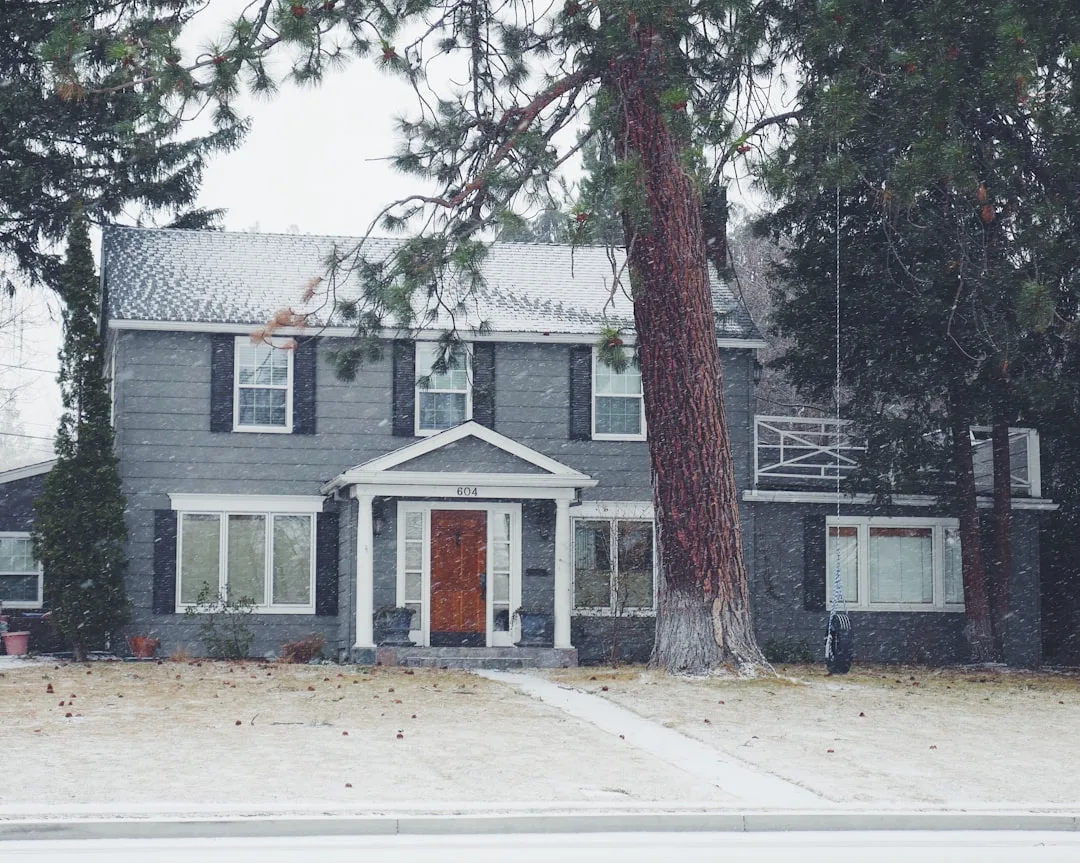
Warm gray performs differently depending on substrate: on render or limewash, it absorbs light and appears slightly deeper; on smooth brick or fiber cement, it reflects evenly and reads more neutral; on cedar shingles or wood cladding, it creates visual separation that makes natural materials appear richer. Architects in 2026 are treating warm gray as a substrate-neutral backdrop that amplifies whatever material follows, rather than a standalone design choice.
The Terracotta Color Outdoor Cladding Material pairs exceptionally well with warm gray trim bands or fascia, a two-tone strategy gaining traction in mid-century modern renovations. Combining warm gray on primary facade surfaces with terracotta accent cladding creates visual hierarchy without introducing competing color families, a principle that simplifies specification across large residential developments.
Natural stone veneers in limestone or sandstone require warm gray paint on surrounding surfaces to prevent color tension. Cool grays make stone appear washed out; warm grays allow stone material to maintain its inherent warmth and textural presence, creating cohesion across mixed-material facades.
Regional Climate and Aging Behavior Shape Warm Gray Specification
High-UV regions in the Southwest see warm gray lose saturation faster than cool grays, which is why architectural specifications in Arizona and Southern California often include UV-resistant primer and topcoat systems rated for 12-year durability rather than standard 7-year assumptions. Builders working in these climates increasingly specify Sherwin-Williams Duration Exterior or Benjamin Moore Aura Exterior formulations that resist color shift, adding $8–$15 per gallon to material costs but extending repainting intervals from 8 years to 12+ years.
Humid coastal markets see warm grays develop algae and mildew more readily than cool grays because warm undertones contain higher pigment loads that trap moisture in micro-pores. Professional painters in Florida, North Carolina, and Pacific Northwest regions now apply mildewcide additives (approximately $12–$18 per gallon mixed in) to warm gray exterior formulations, a specification that was rare before 2024.
In temperate four-season markets (Northeast, Midwest), warm gray has become the default because it bridges seasonal visual transitions: it appears warmer during winter dormancy when landscapes are brown and bare, and it recedes visually during summer when green foliage dominates. This psychological positioning makes warm gray the lowest-maintenance color psychologically across a 12-month cycle.
Application Technique Separates Professional Results from DIY Attempts
Three coats are the architectural standard for warm gray exteriors, not two as with darker colors, because lighter undertones reveal surface irregularities and primer bleeding. A quality primer (Sherwin-Williams ProClassic at $55–$62 per gallon) followed by two topcoats of Sherwin-Williams Emerald Exterior ($68–$75/gal) creates the depth and longevity that professional developers specify, though budget applications using Behr Premium Plus Ultra at $38–$44/gal still deliver adequate durability for residential 8-year cycles.
Rolling application creates subtle directional sheen variation that disappears at 12 feet but adds texture and sophistication at close range—this technique is why architect-specified projects using professional painters always outperform DIY applications even with identical paint products. Spray application (airless sprayer, 0.015-inch tip) provides the smoothest finish for smooth substrates but requires professional skill to avoid overspray on landscaping and adjacent structures.
Curing time before exposing to rain differs by formulation: traditional latex requires 24–48 hours; premium formulations like Benjamin Moore Aura cure fully in 12 hours. Scheduling exterior repaints during low-rain forecast windows remains critical even with modern paint chemistry, as moisture absorption during early cure cycles causes premature dulling and color variation.
Complete guide
Grey Home Color Ideas for Every Room and Every Shade
Exteriors, kitchens, living rooms, bedrooms, bathrooms — all in one place
Complete guide
Exterior Decor Ideas Every Homeowner Should Know
Facade trim, moldings, patio design, garden, hardscape, outdoor living — all in one place
Complete guide
Coastal Home Style Ideas That Actually Feel Like the Shore
Kitchens, bedrooms, bathrooms, exteriors, palettes, outdoor — all in one place