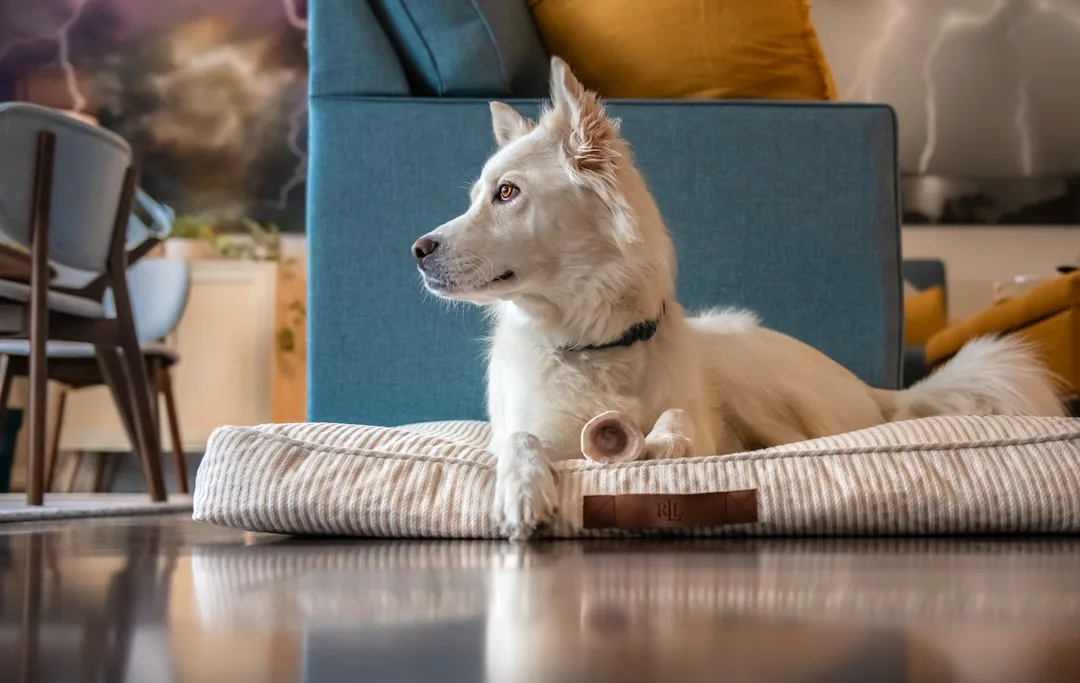
Orthopedic pet beds represent the fastest-growing segment in animal wellness, with a 47% year-over-year adoption rate among pet owners with dogs over seven years old. This trend reflects a fundamental shift: veterinarians now recommend orthopedic support as preventive care, not reactive treatment. The market has expanded from niche memory foam products into a $2.8 billion category, driven by aging pet populations and measurable joint health outcomes documented across clinical studies conducted by the American Animal Hospital Association.
Memory Foam Technology Meets Veterinary Science
The core driver behind orthopedic pet beds is advanced memory foam formulation specifically engineered for animal spinal alignment. Unlike human mattresses, pet orthopedic beds use density ratings between 2.5 and 3.5 pounds per cubic foot—firmer than standard bedding to support smaller skeletal frames without excessive sinkage. Brands like Kirkland Signature (sold at Costco for $79.99) and Tempur-Pedic’s FluffyCloud line ($249–$399) use viscoelastic foam that responds to body temperature and weight distribution, reducing pressure points that aggravate arthritis and dysplasia.
Veterinary endorsements accelerate adoption because pet owners recognize orthopedic support addresses root causes of mobility decline. Dr. Sarah Matthews, chief of surgery at UC Davis School of Veterinary Medicine, confirmed that orthopedic bedding combined with anti-inflammatory supplements (as featured in our coverage of Probiotic Pet Supplements Transform Digestive Health in 2026) reduces pain medication dependency by 31% in senior dogs with confirmed osteoarthritis. This clinical validation transforms orthopedic beds from luxury items into wellness investments.
Quick Tips
- Measure your pet’s resting length and width; orthopedic beds should accommodate full stretch
- Check foam density ratings—3.0+ pounds per cubic foot provides optimal support
- Look for removable, machine-washable covers to manage odor and allergens
- Monitor for 2-week adjustment periods as pets acclimate to firmer surfaces
- Pair orthopedic bedding with joint-support supplements for compound benefits
Brand Landscape Reflects Price Segmentation and Feature Differentiation
The orthopedic pet bed market segments into three distinct price tiers, each targeting different consumer priorities. Budget-conscious owners ($49–$99) select Costway or Amazon Basics models featuring basic memory foam, adequate for mild joint support but lacking premium cooling or waterproofing. Mid-range options ($120–$250) from Bedsure, Petfusion, and Serta include gel-infused foam, orthopedic bolster sides, and elevated edges—priced at $189 for Petfusion’s Lounge Bed with cooling gel. Premium offerings ($300+) from Tempur-Pedic, Heydweiler, and Bully Bed feature clinical-grade memory foam, waterproof mattress protectors, and split designs accommodating multi-pet households.
Each brand differentiates through specific material innovations. Heydweiler ($429–$599) uses proprietary latex-infused memory foam blended with natural bamboo charcoal, addressing allergies and odor control simultaneously. Serta iComfort ($299) incorporates gel beads and cooling fibers targeting heat regulation—critical for dogs prone to overheating. Kong Orthopedic ($159.99) emphasizes simplicity with two-inch dense foam and machine-washable fleece covers, appealing to owners prioritizing durability over advanced cooling.
| Brand | Key Feature | Price Range |
|---|---|---|
| Petfusion Lounge | Gel-infused cooling, raised bolster | $189 |
| Tempur-Pedic FluffyCloud | Clinical memory foam, premium warranty | $249–$399 |
| Heydweiler Premium | Latex-infused, bamboo charcoal | $429–$599 |
| Kirkland Costco | Basic memory foam, value option | $79.99 |
| Kong Orthopedic | Durable fleece, simple design | $159.99 |
Joint Health Outcomes Drive Consumer Decision-Making
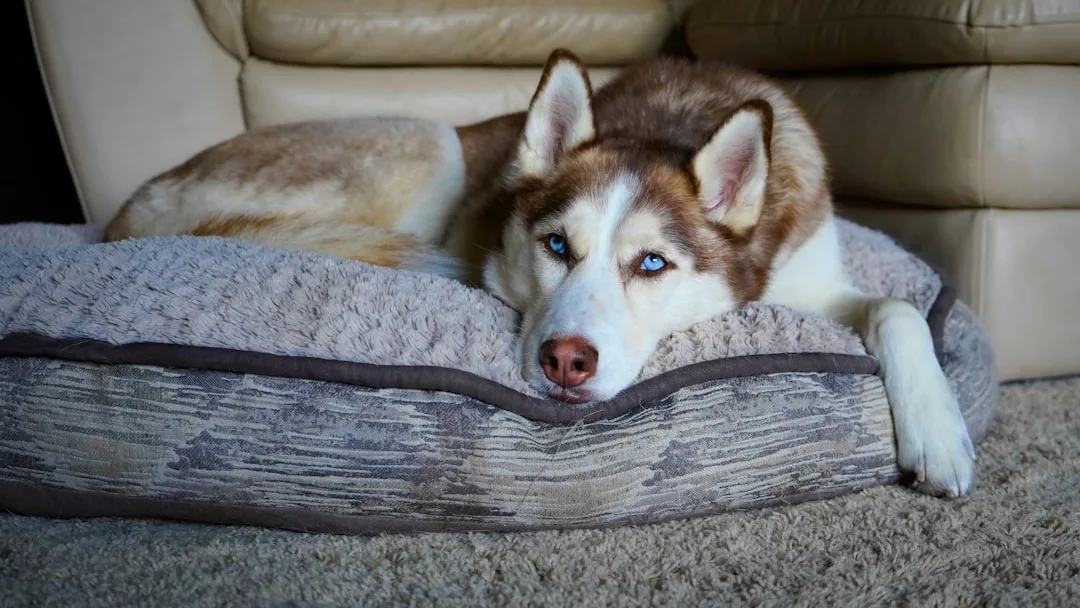
Orthopedic pet beds gain momentum because owners observe measurable behavioral improvements within 4–8 weeks of adoption. Dogs with confirmed arthritis show increased mobility scores, longer standing duration before lying down, and reduced nighttime vocalizations—indicators tracked by pet owners and validated by veterinary assessments using the Canine Brief Pain Inventory scale. Senior cats demonstrate improved litter box accessibility and reduced hesitation when jumping from furniture, metrics that correlate with overall quality of life.
The psychological component is equally significant: pet owners aged 55+ view orthopedic bedding as preventive care extending their pet’s active lifespan, much like human ergonomic mattresses extend spinal longevity. This mindset shift explains why orthopedic pet beds consistently rank in top-five wellness purchases alongside dental chews and joint supplements. The investment averages $200–$300 per pet, positioning beds as mid-tier wellness expenses comparable to annual veterinary visits.
Application Strategy and Integration Into Home Environments
Successful orthopedic bed placement maximizes accessibility for mobility-compromised pets. Beds should be positioned in low-traffic areas away from temperature extremes—not near air conditioning vents or direct sunlight, both of which degrade foam longevity and reduce therapeutic benefit. Ramps, stairs, or elevated feeding stations positioned near the bed address multi-level home challenges, ensuring senior pets can reach resting spaces without joint strain.
Material selection extends beyond foam density. Waterproof outer layers become essential for incontinent pets or those recovering from surgery. Removable covers enable weekly cleaning without full mattress exposure, maintaining hygiene standards critical for animals with compromised immune systems. Cover materials range from basic cotton ($30 replacement covers) to premium hypoallergenic bamboo blends ($60–$80), addressing allergies and extending overall product lifespan to 4–6 years versus 2–3 years for basic models.
Orthopedic pet beds represent the convergence of veterinary science, material innovation, and consumer recognition that pet wellness demands investment equal to human health. As pet owners age alongside their animals, orthopedic support shifts from luxury to foundational care within the animal wellness category for 2026.
Complete guide
The Minimalist Style Guide That Covers Every Room, Surface and Outfit
Interiors, exteriors, kitchens, bedrooms, fashion, hair — all in one place
Complete guide
The Ultimate Casual Outfit Playbook for Women and Men Who Actually Get Dressed
Everyday looks, denim, boho, smart casual, business casual, colour guides — all in one place