The shift in interior design toward warmer, more optimistic palettes has brought a surprising contender to the forefront of modern aesthetics. Butter yellow, a soft and creamy hue that sits perfectly between a vibrant primary and a muted cream, is rapidly replacing the stark grays and cool whites of the previous decade. This color serves as a gentle embrace for any space, acting as a versatile backdrop that feels both nostalgic and refreshingly current. When applied to a living room, especially one blessed with ample natural light, this shade transforms the atmosphere into a sanctuary of warmth and cheerfulness. It is a sophisticated choice that offers the safety of a neutral while providing a distinct personality that invites comfort and conversation.
Designing Bright Spaces With Soft Yellow Palettes
The concept of a neutral has traditionally been limited to shades that disappear into the background, but the rise of soft yellow palettes challenges this notion by providing a foundation that actually enhances the architectural features of a room. In a bright space, the way light interacts with the walls is paramount. Unlike a flat white, which can sometimes look blue or gray in the shadows, a buttery tone maintains its warmth regardless of the angle of the sun. This consistency is what makes it such a powerful tool for designers looking to create an environment that feels perpetually bathed in the golden hour. The secret lies in the pigment’s ability to reflect light without overwhelming the eye, creating a glow that seems to emanate from the walls themselves.
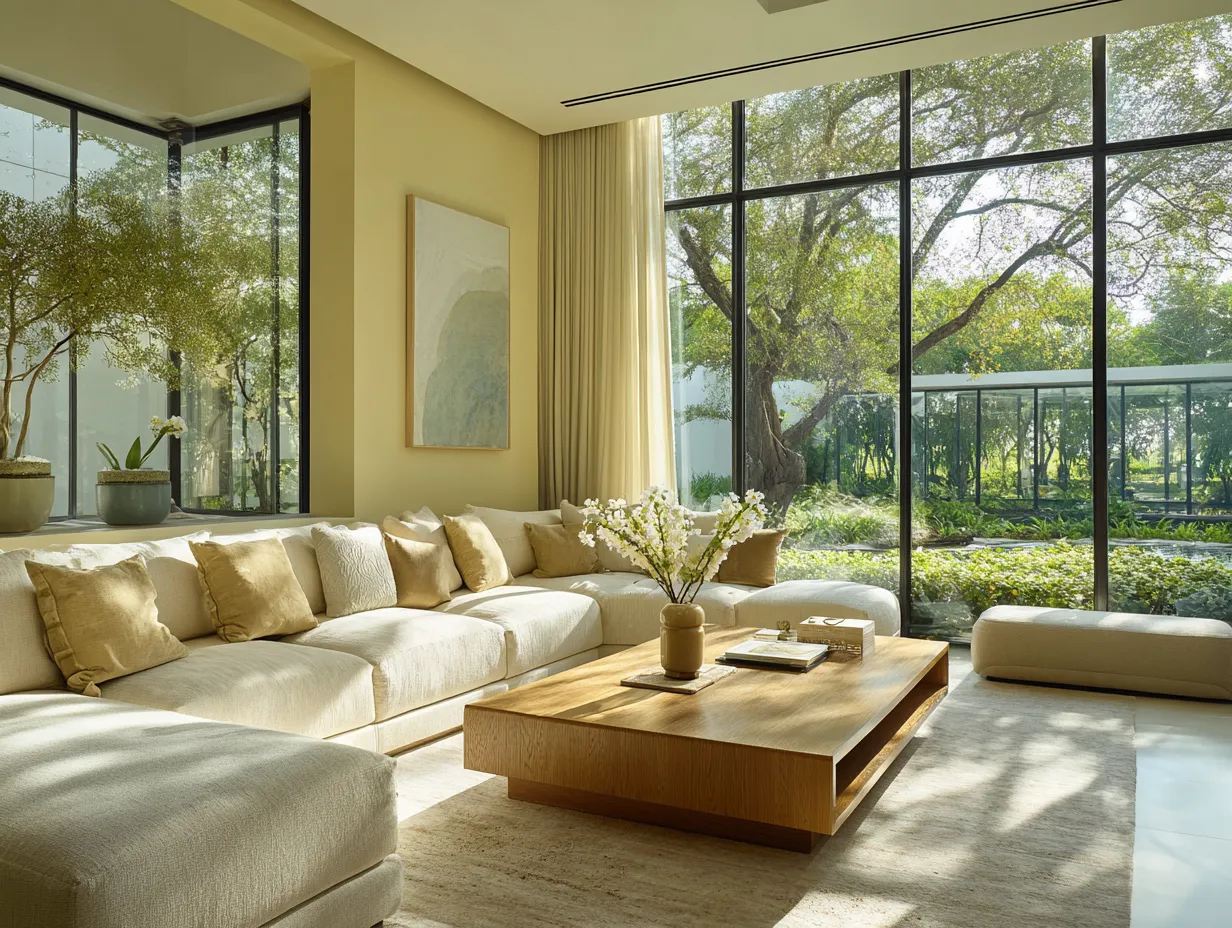
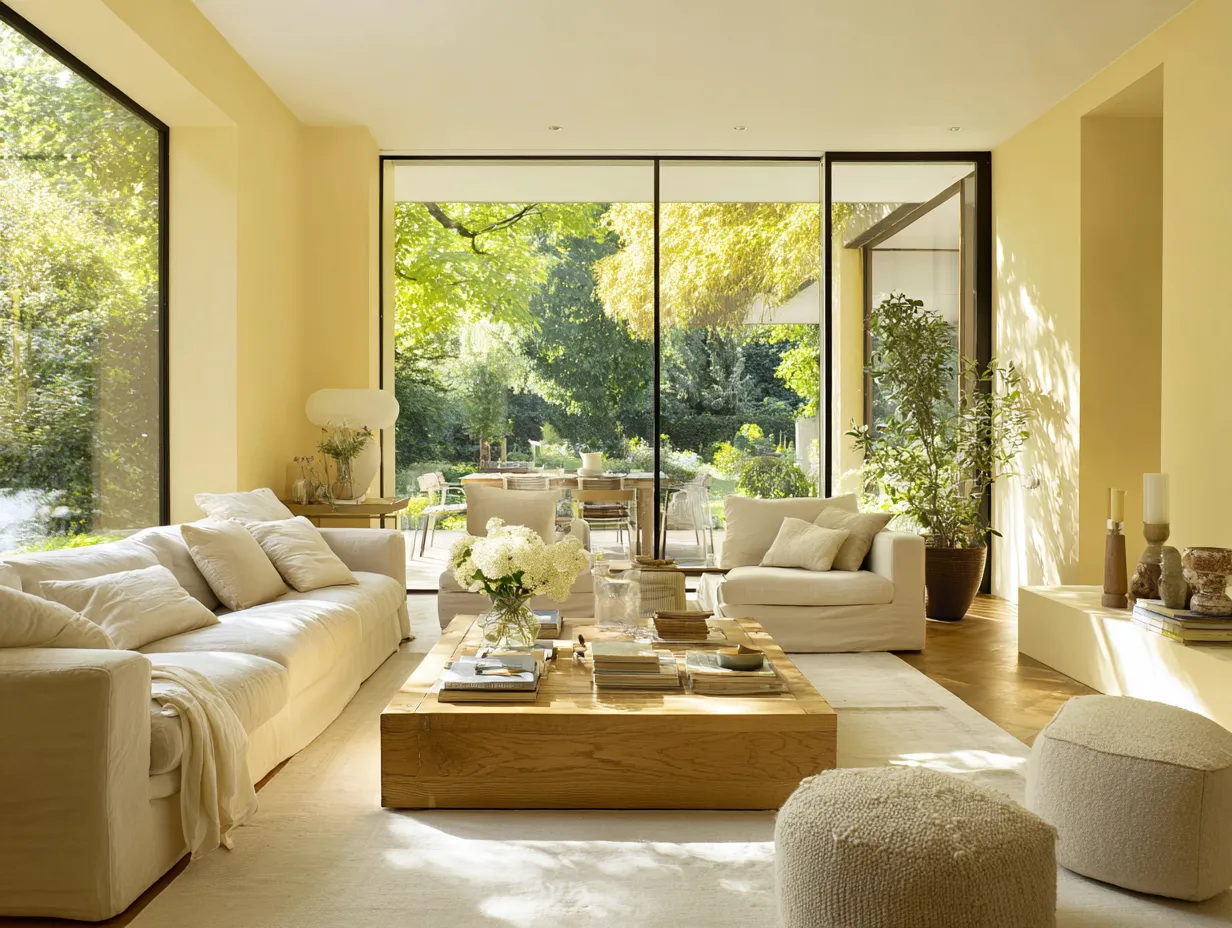
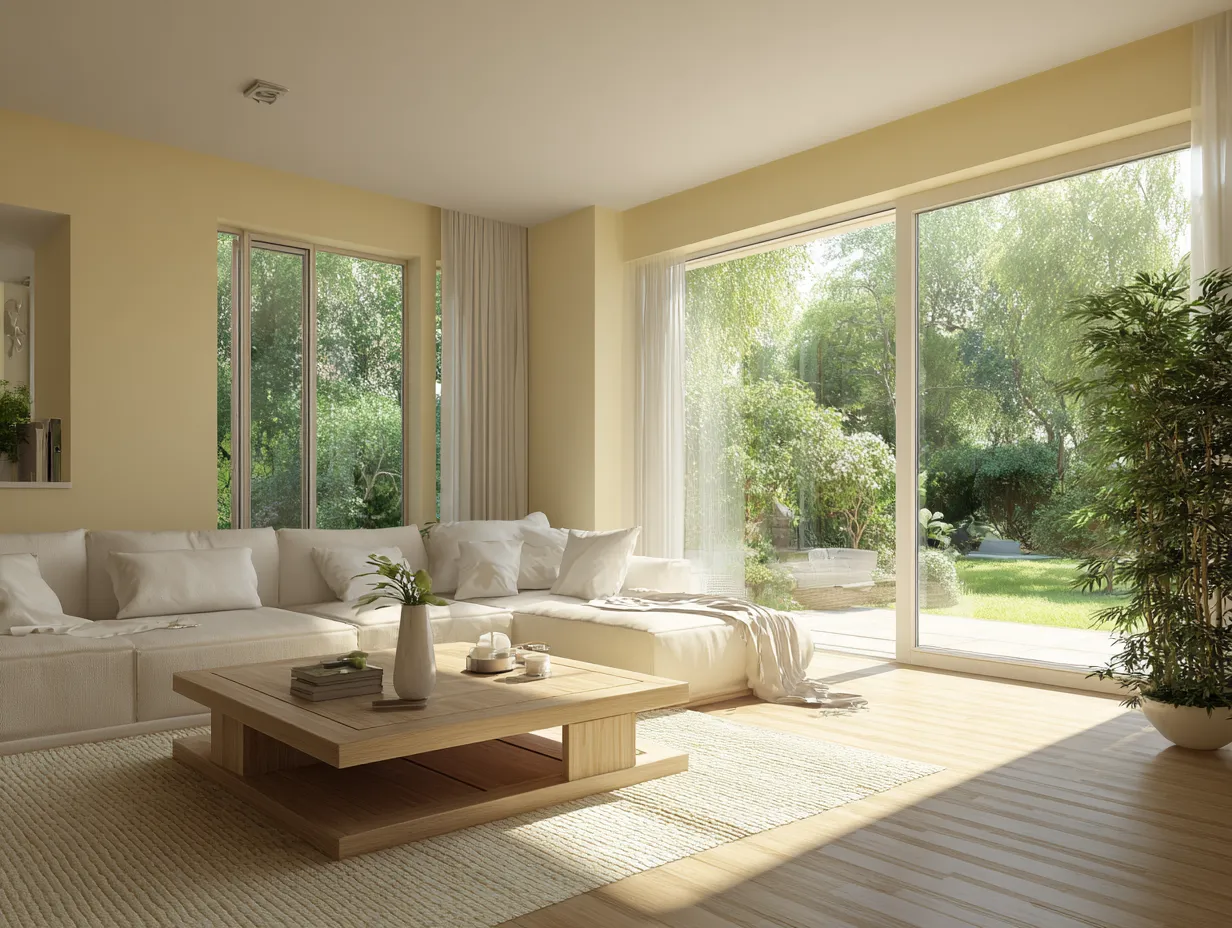
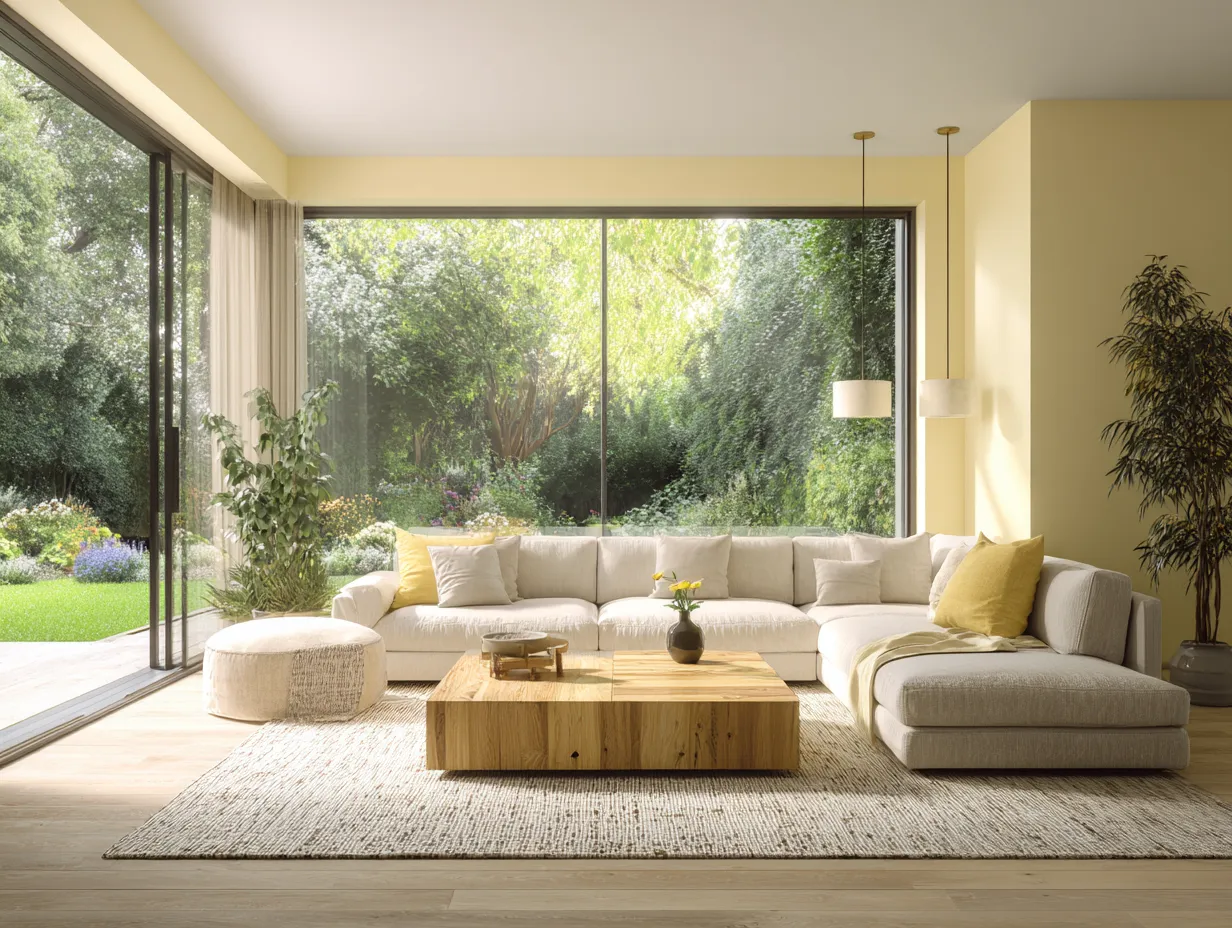
When we consider the layout of a contemporary home, the living room often serves multiple purposes—from a quiet reading nook to a lively entertainment hub. Incorporating a soft yellow palette allows these various functions to coexist within a unified aesthetic. This specific hue pairs beautifully with natural materials such as light-toned woods, woven rattan, and organic linens. These textures ground the color, preventing it from feeling too whimsical or childlike. Instead, the result is a sophisticated layering of tones that feels curated and intentional. By keeping the ceiling a crisp white and the flooring a pale wood, the yellow walls act as the middle ground that bridges the gap between the structure and the decor.
Furthermore, the psychological impact of yellow cannot be overstated. It is a color associated with happiness, energy, and clarity. In a domestic setting, these attributes translate into a space that feels welcoming and safe. As we move away from the “sad beige” trend that dominated social media for years, homeowners are seeking ways to inject joy back into their surroundings without sacrificing the elegance of a neutral base. Soft yellow palettes provide exactly that. They offer a sense of renewal and freshness that is particularly effective in northern-facing rooms where natural light might be limited during certain times of the year. By choosing a shade that mimics the sun, you are essentially guaranteeing a bright and airy feel regardless of the weather outside.
Incorporating Warm Butter Tones In Contemporary Interiors
Modern design is often characterized by its clean lines and functional approach, but it can sometimes lack the “soul” that makes a house feel like a home. Incorporating warm butter tones is an effective strategy to introduce a sense of heritage and warmth into even the most avant-garde spaces. This color does not demand attention through loudness; rather, it earns it through its creamy, rich depth. When used in contemporary interiors, it often appears in the form of statement furniture or high-quality textiles. A plush velvet sofa in a deep buttery shade serves as a magnificent centerpiece, offering a tactile richness that invites one to sit and stay for a while.
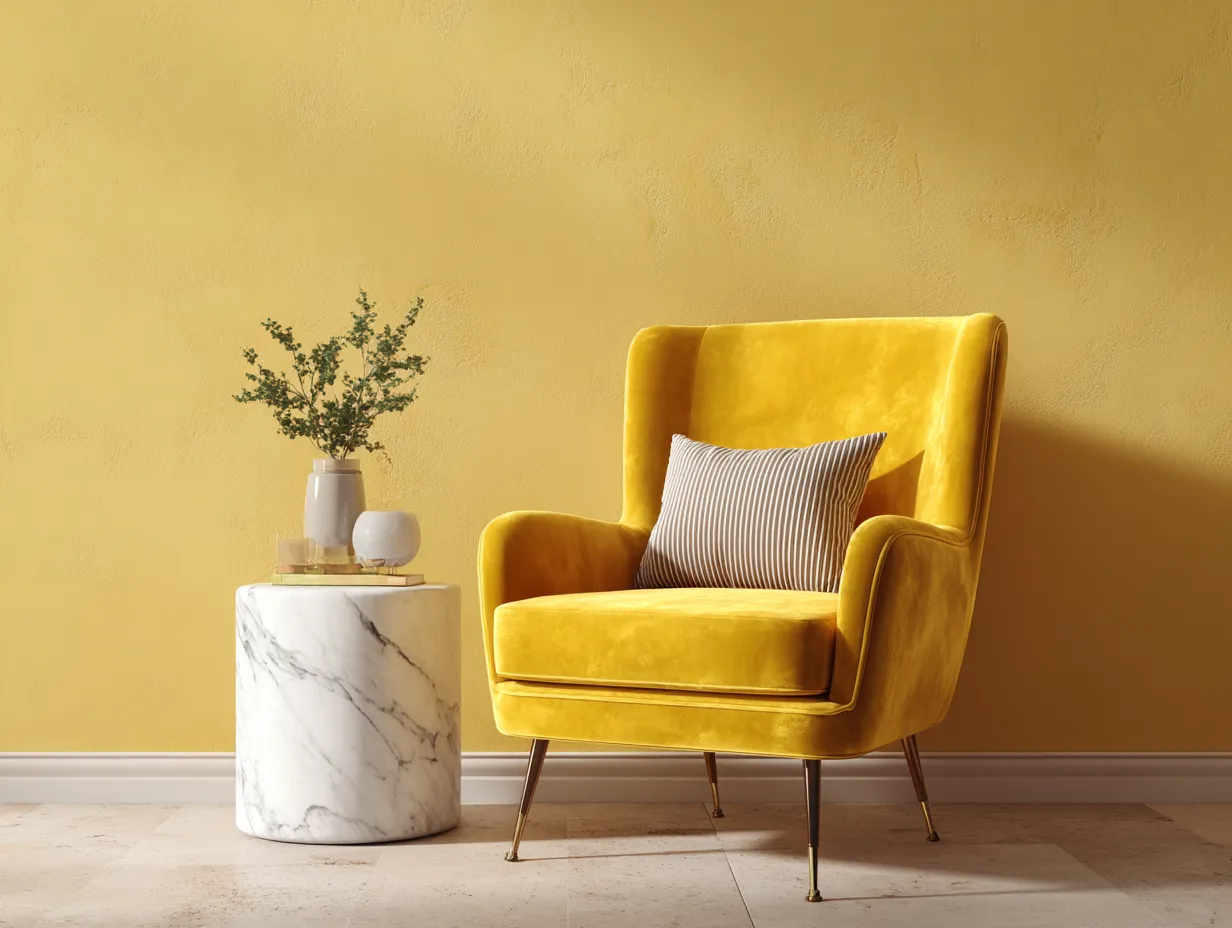
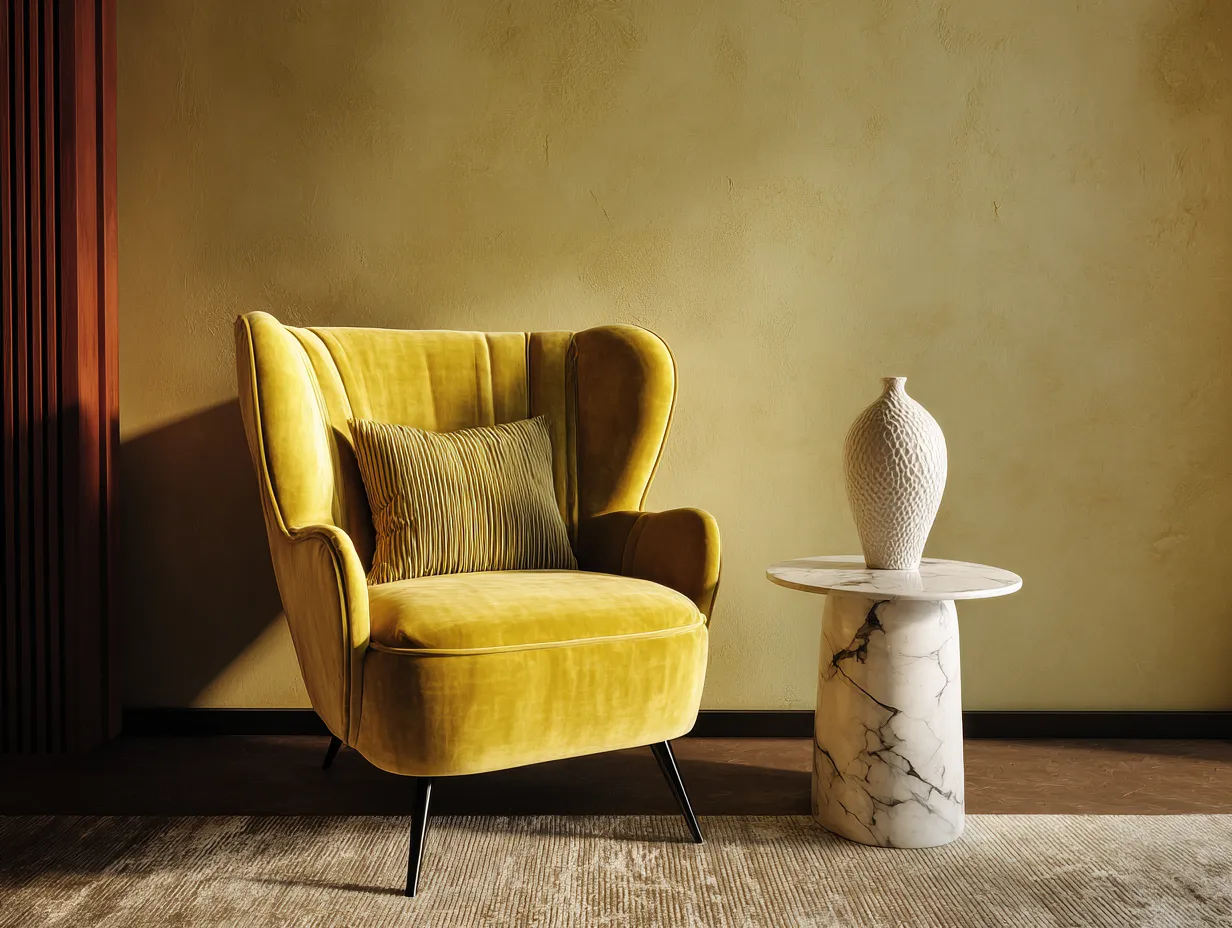
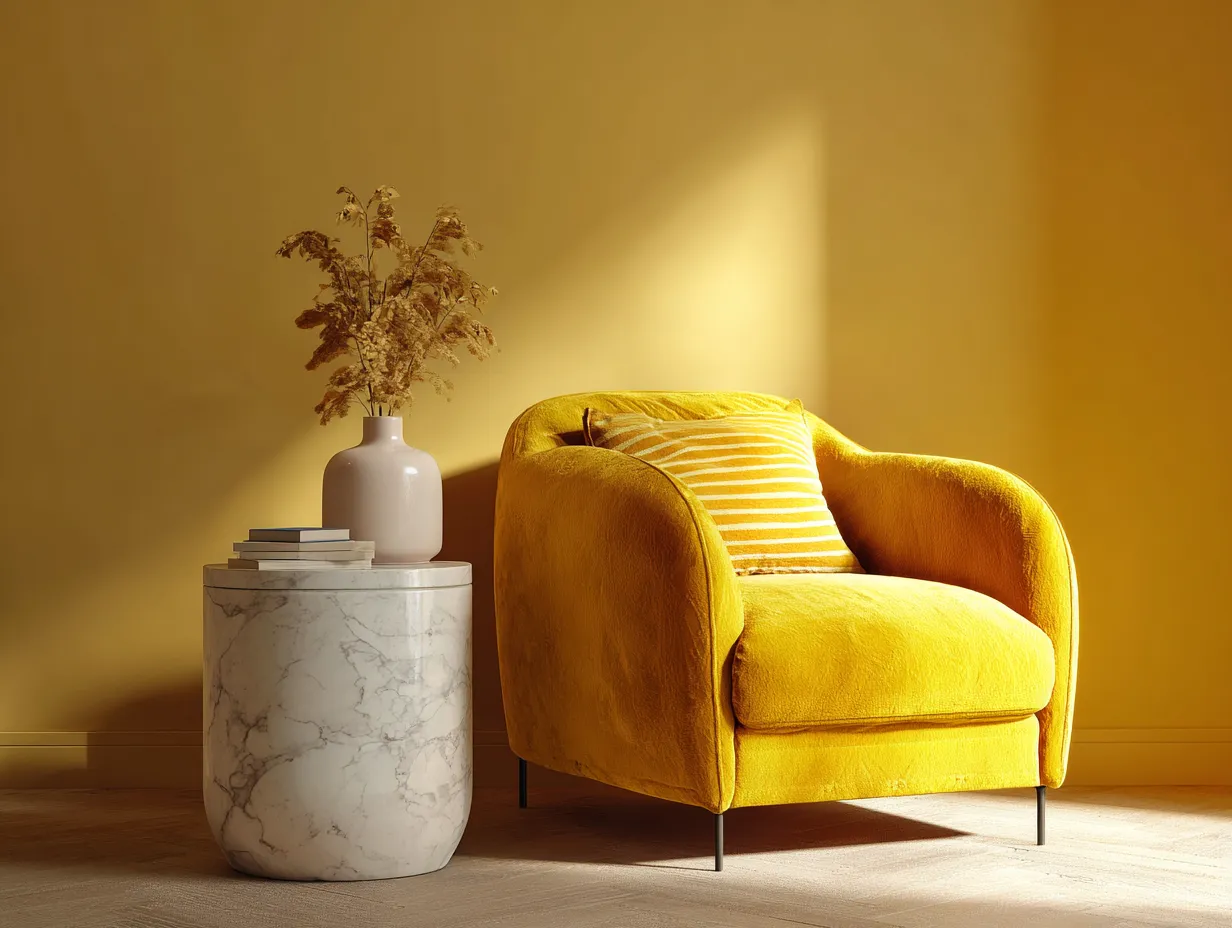
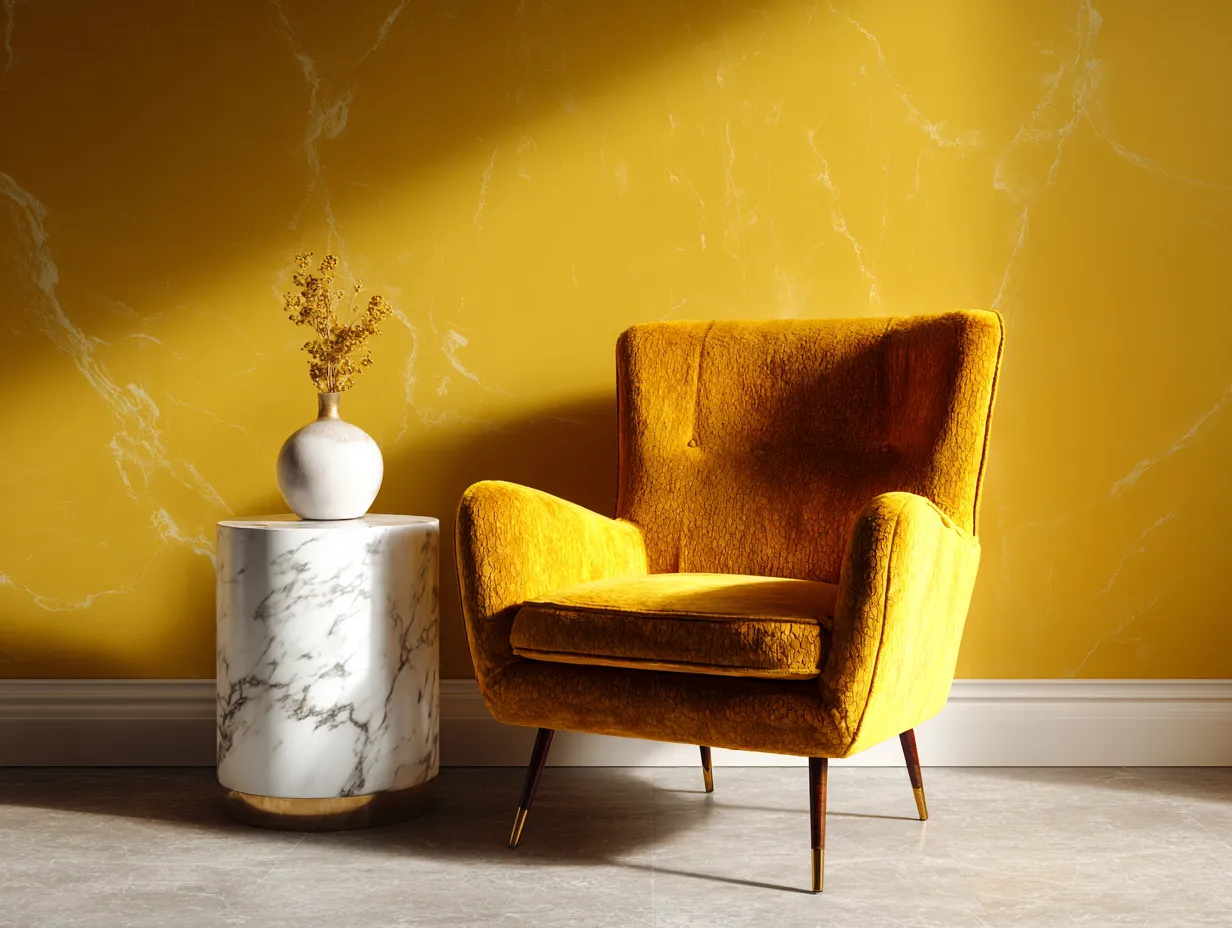
The versatility of this new neutral is evident in how well it plays with other colors. For those who enjoy a bold look, butter yellow provides a stunning contrast to navy blue, forest green, or even a deep terracotta. However, in a sunny living room, it is often most effective when used in a monochromatic or tonal fashion. Layering different saturations of the same hue—from a very pale, almost-cream wall to a richer, custard-colored rug—creates a sophisticated depth that feels incredibly luxurious. This approach allows the room to feel expansive and cohesive. Because the color is so closely linked to natural light, it helps to blur the boundaries between the indoors and the outdoors, making the living area feel like a seamless extension of a sun-drenched patio or garden.
Sustainability also plays a role in the enduring appeal of these tones. Because butter yellow is a color found so frequently in nature—from spring flowers to evening light—it has a timeless quality that transcends passing fads. Investing in contemporary interiors that utilize this palette ensures that the space will look relevant for years to come. It is a color that ages gracefully, much like the natural materials it often accompanies. Whether it is applied through a lime-wash paint technique for added texture or integrated through bespoke cabinetry, the warmth it provides is undeniable. It creates a backdrop for life’s moments that feels both elevated and incredibly approachable, proving that luxury doesn’t have to be cold or intimidating.
Creating Sunny Living Room Aesthetics With Yellow Accents
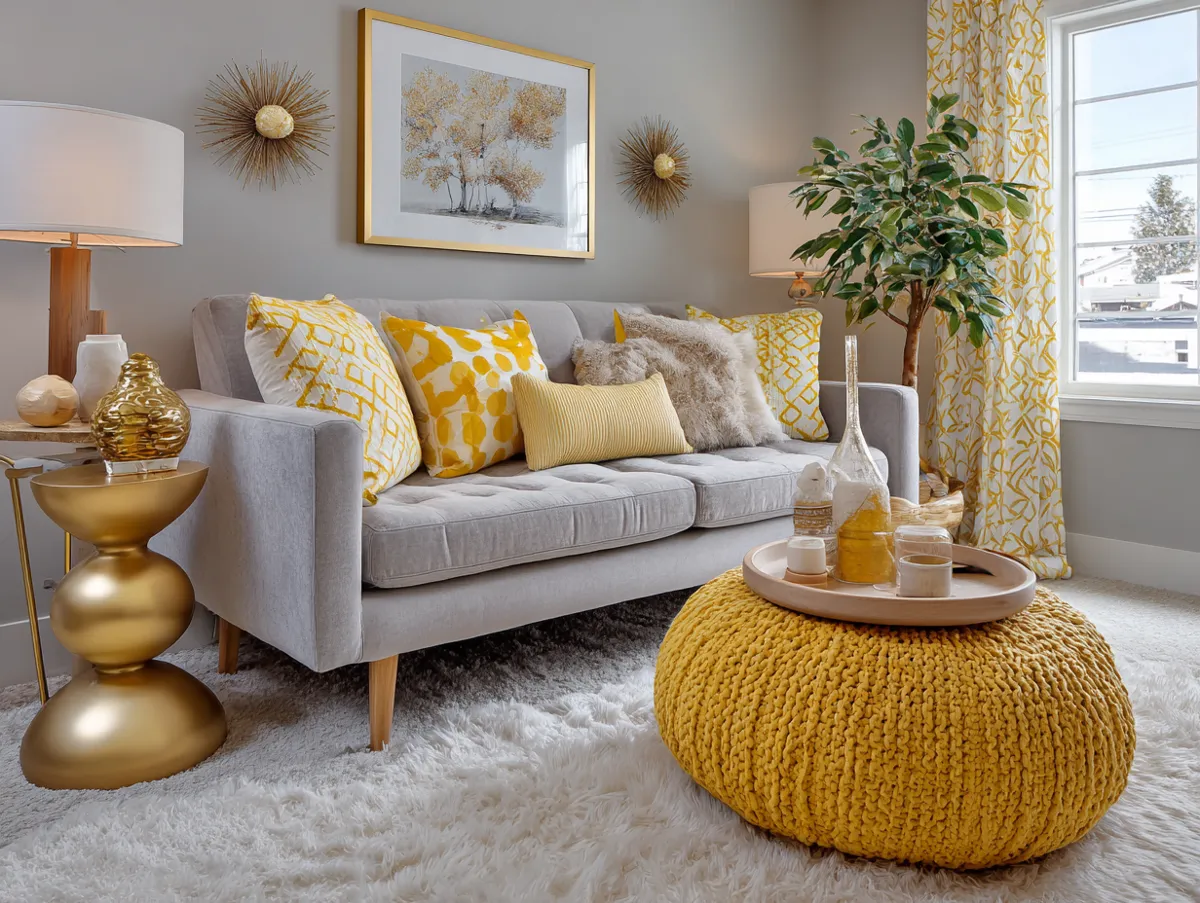
For those who are not yet ready to commit to painting an entire room, the secret to achieving a sunny living room aesthetic lies in the strategic use of accents. Small pops of color can have a transformative effect on the perceived temperature and mood of a space. Butter yellow is particularly effective here because it carries enough weight to be noticed but remains soft enough not to disrupt the overall balance of a neutral room. Imagine a white-walled gallery-style living room where the sunlight hits a series of yellow silk cushions or a hand-woven throw. The yellow seems to catch the light and distribute it further into the room, acting as a secondary source of brightness.
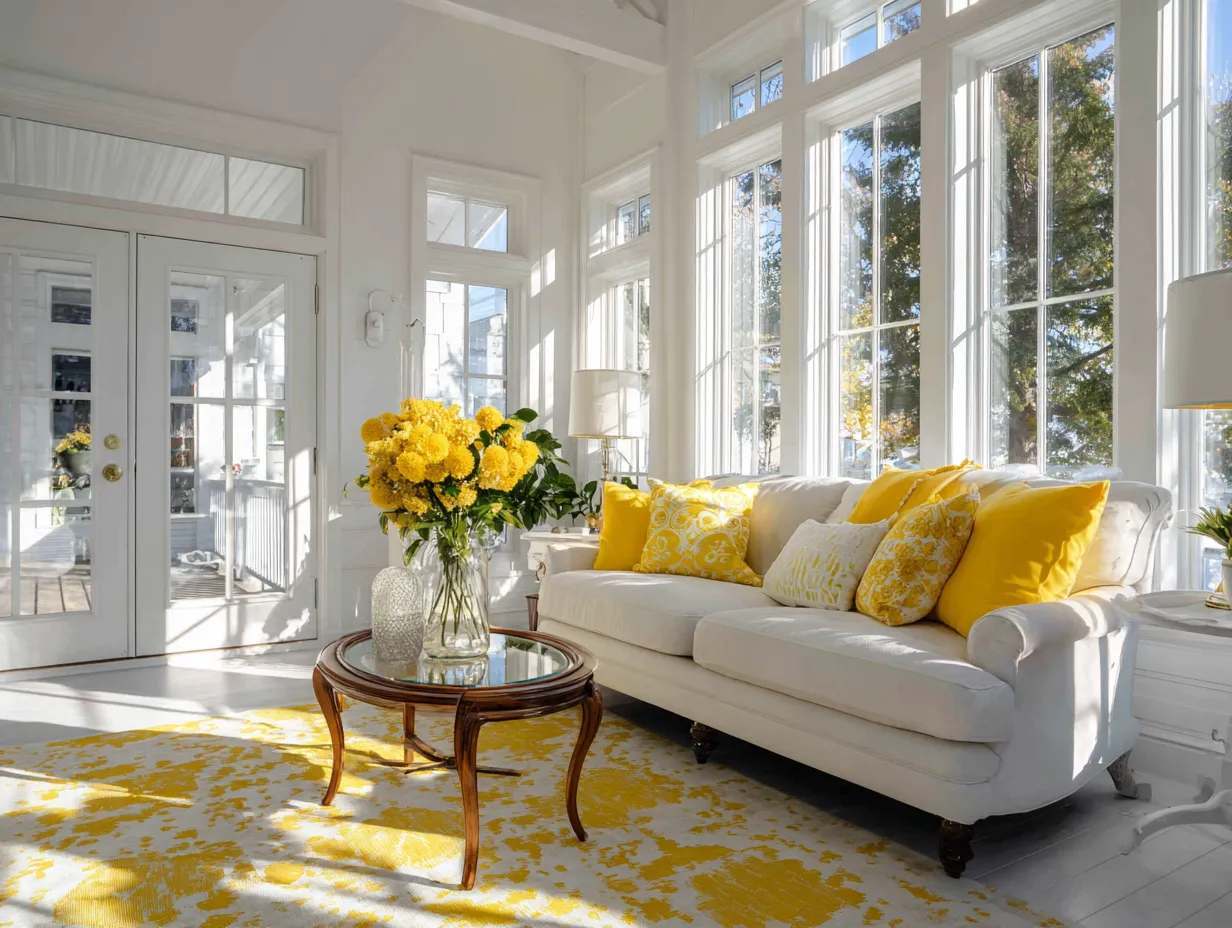
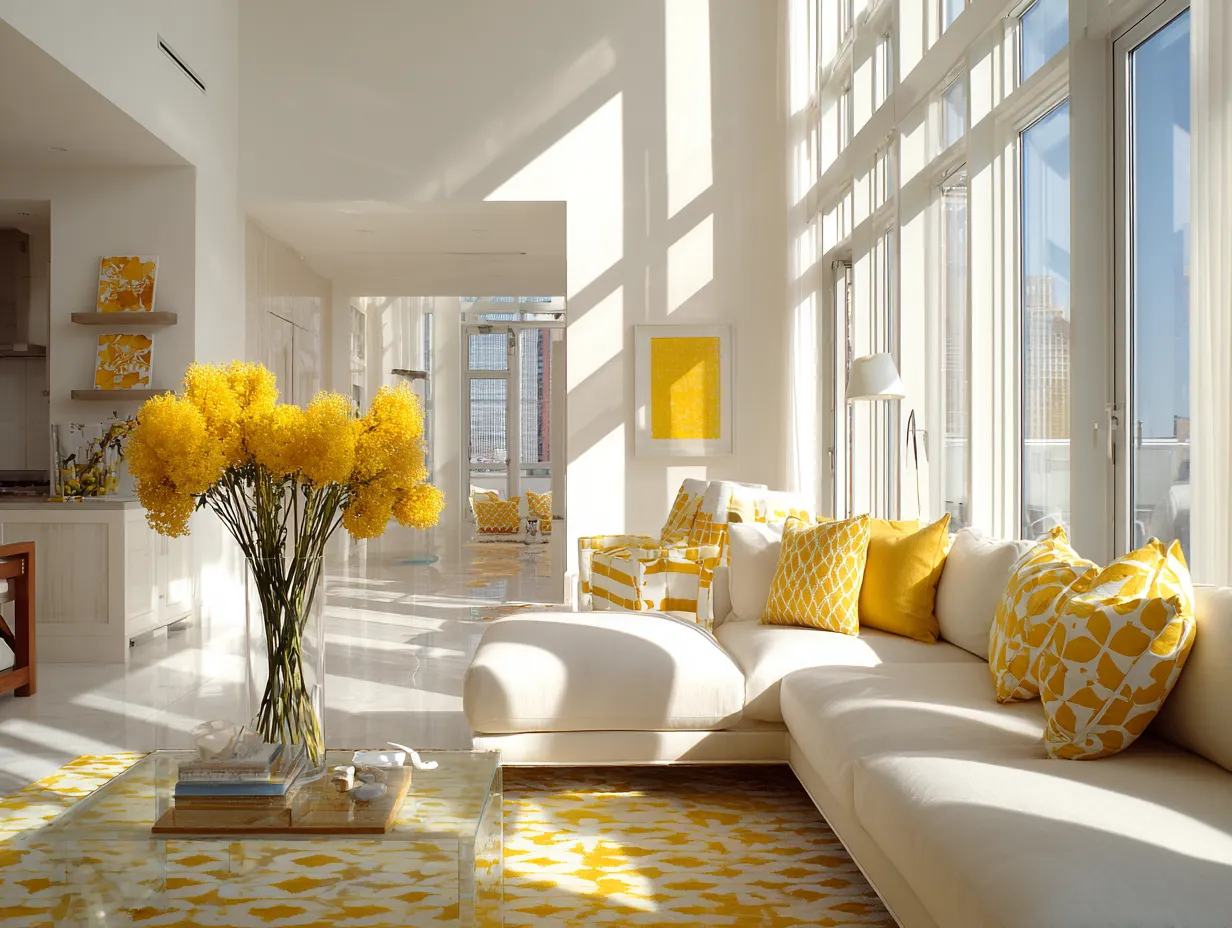
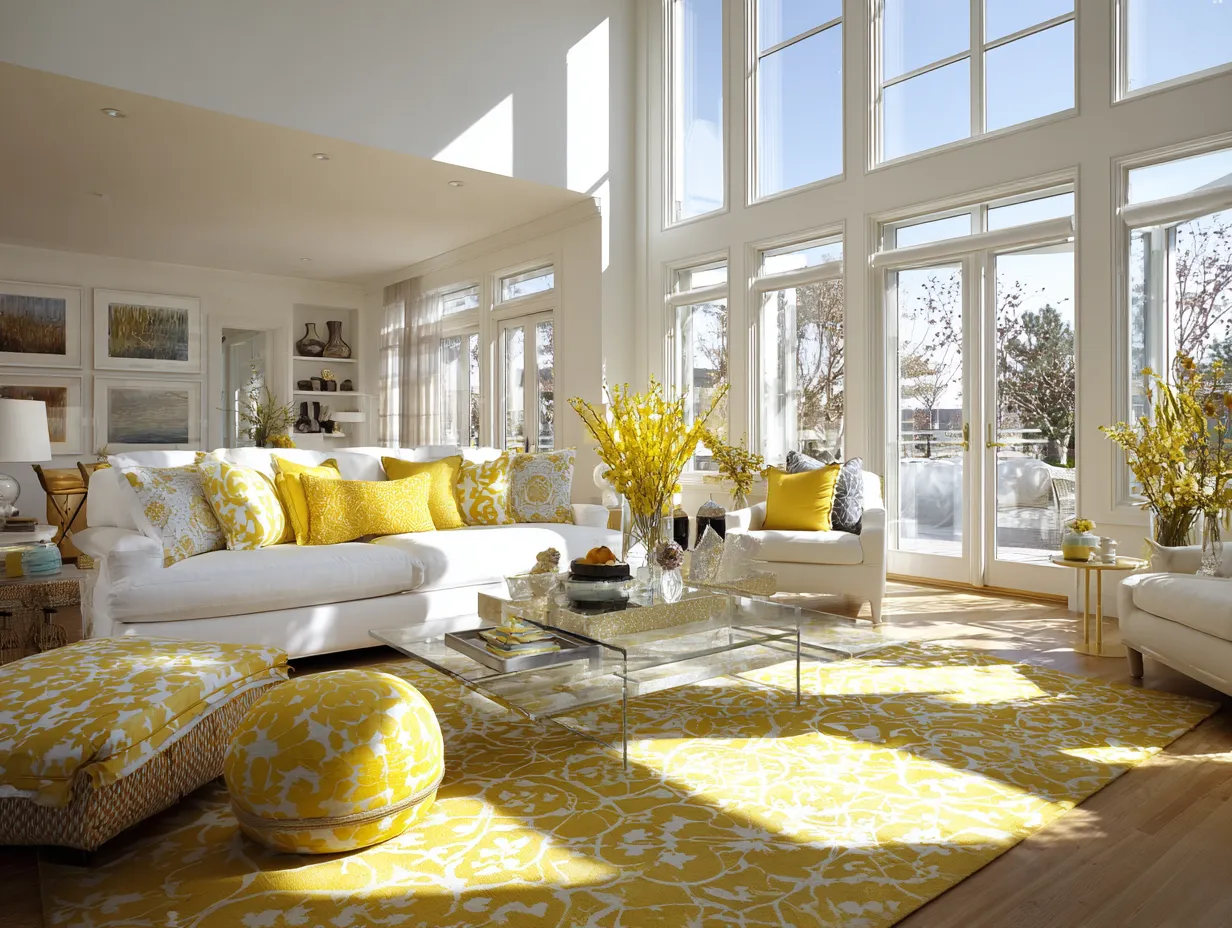
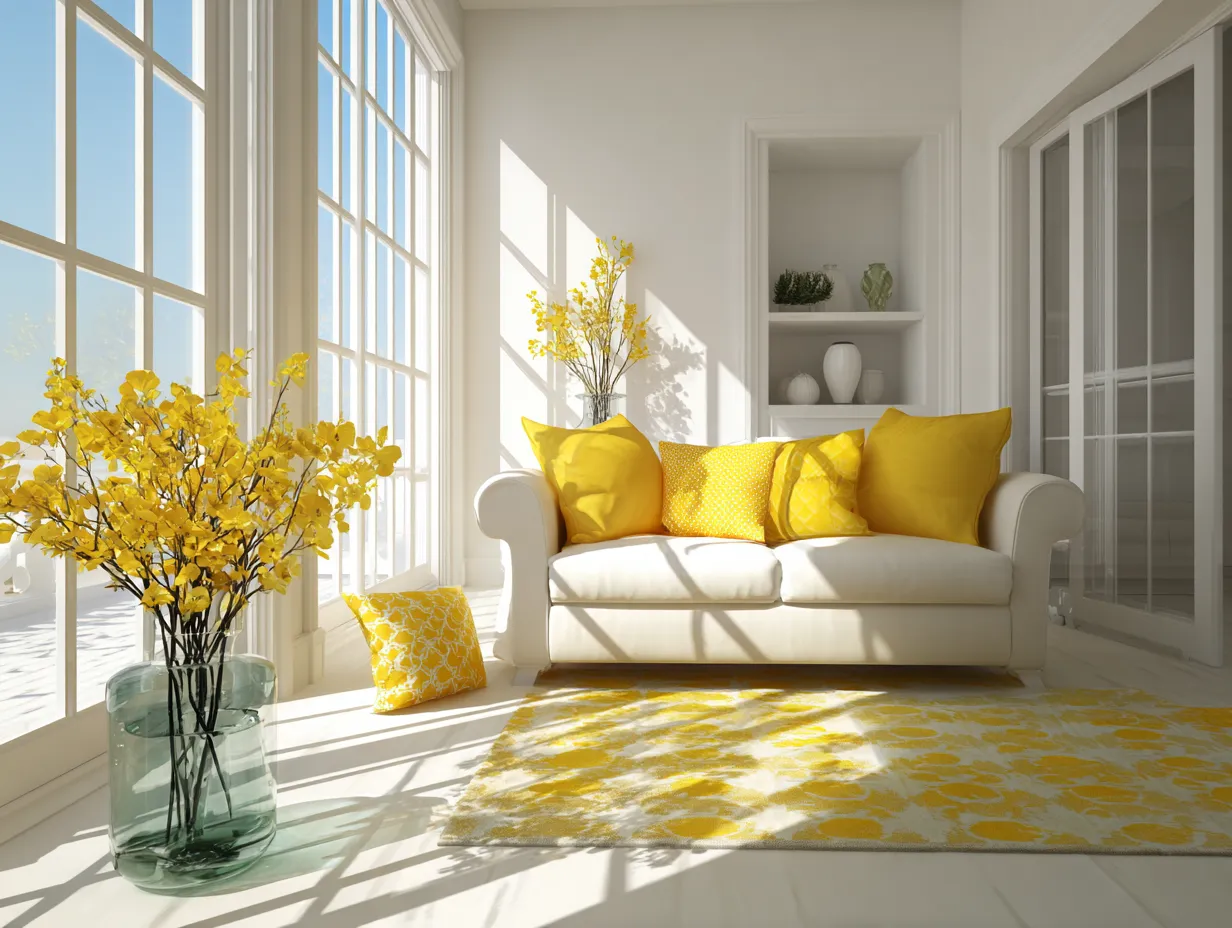
The choice of materials is crucial when working with yellow accents. To maintain a modern and sophisticated feel, it is best to avoid overly shiny or synthetic fabrics. Instead, look for matte finishes, high-quality wools, and organic cottons. A large area rug with a subtle butter-toned pattern can ground the seating area and provide a soft foundation that feels incredibly comfortable underfoot. In a kitchen-living combo, even small items like ceramic bowls or a designer kettle in this cheery shade can tie the entire sunny living room aesthetic together. It is about creating a “thread” of color that moves the eye through the space, making the entire floor plan feel interconnected and thoughtfully designed.
Beyond the physical items, the “accent” can also be the light itself. Using sheer curtains with a very slight yellow tint can warm up the incoming sunlight, casting a permanent golden glow over the interior. This is a favorite trick among designers to make a space feel “expensive” without a full renovation. When the sun sets, the transition to warm-toned artificial lighting further enhances the butter yellow elements, ensuring the room remains cozy and inviting well into the night. This dual nature—bright and energetic by day, warm and cocoon-like by evening—is what cements yellow as the essential choice for a modern home. It provides a level of versatility and emotional resonance that white and gray simply cannot match, turning a standard living space into a radiant hub of domestic life.