The architectural skeleton of a loft—soaring ceilings, exposed brick, and industrial steel—provides the ultimate canvas for a design movement that looks both backward and forward. Retro futurism is a celebration of how past generations imagined the future, blending the sleek optimism of the Space Age with the gritty reality of urban living. It is a style that thrives on contradiction, where neon light meets raw concrete and curved plastic sits alongside rusted iron. Choosing this aesthetic for a large, open-plan space is a declaration of creative independence. It rejects the safety of modern minimalism in favor of a vibrant, imaginative environment that feels like a living movie set. By embracing this bold approach, a loft becomes more than just a home; it becomes a time-traveling sanctuary that honors the dreams of yesterday while pushing the boundaries of today.
Designing Industrial Spaces With Space Age Furniture
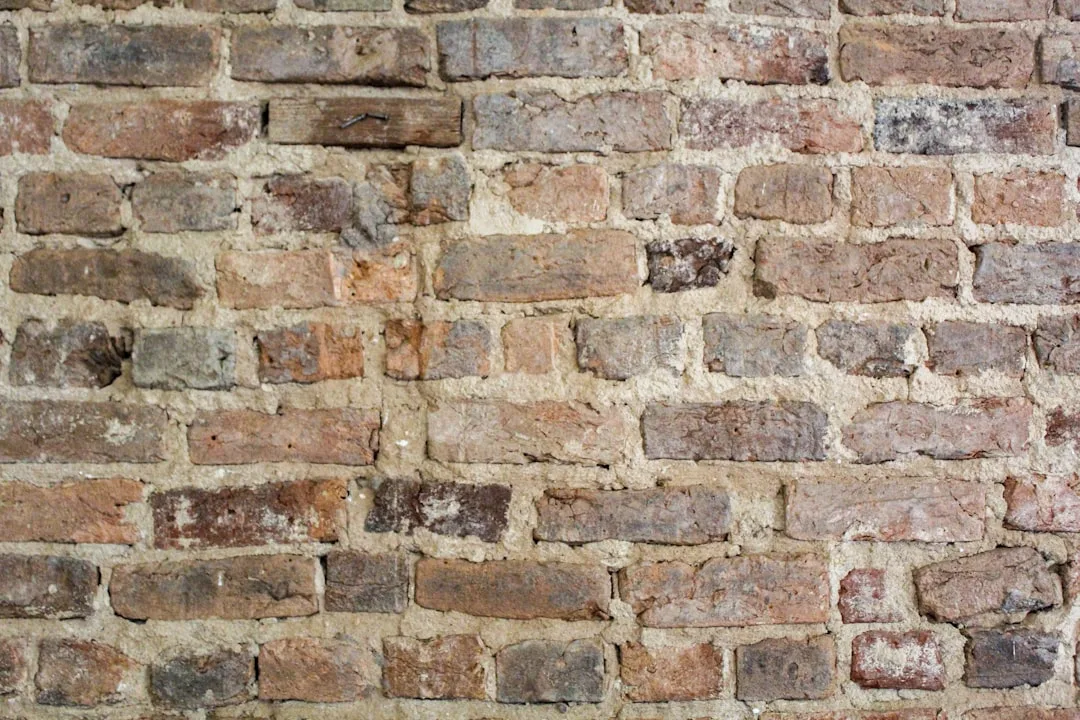
The vastness of an old factory or warehouse conversion often presents a unique challenge: how to make such a cavernous space feel intentional and curated. Designing industrial spaces with Space Age furniture provides a brilliant solution by introducing organic, sculptural shapes that break up the harsh right angles of the architecture. When you place a curved, glossy fiberglass chair against a backdrop of rough, century-old brick, you create an immediate visual dialogue. This contrast is the heart of the retro-futuristic movement. The furniture pieces, often characterized by their use of then-revolutionary materials like molded plastic, Lucite, and polished aluminum, bring a sense of levity and “pop” to the otherwise heavy, grounded nature of an industrial loft.
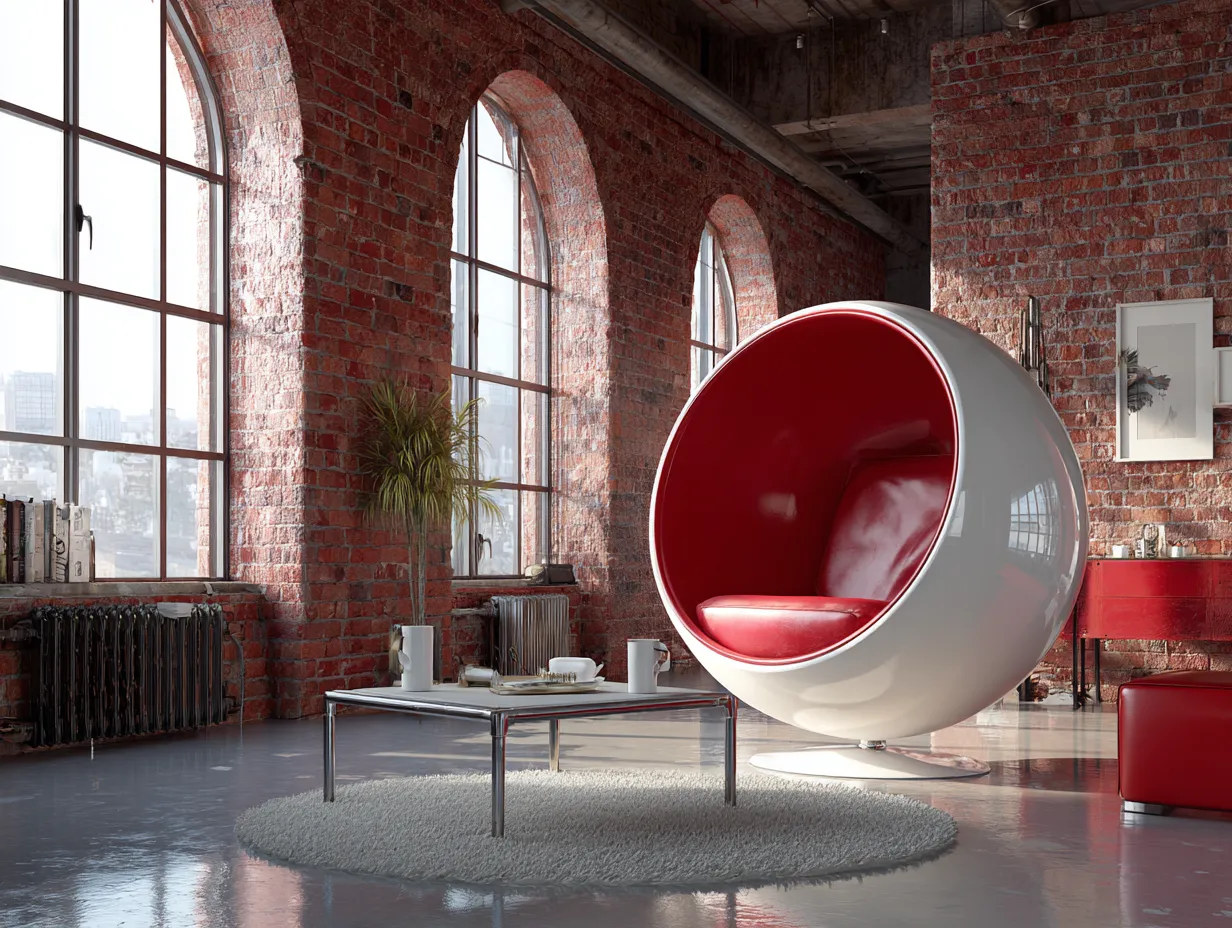
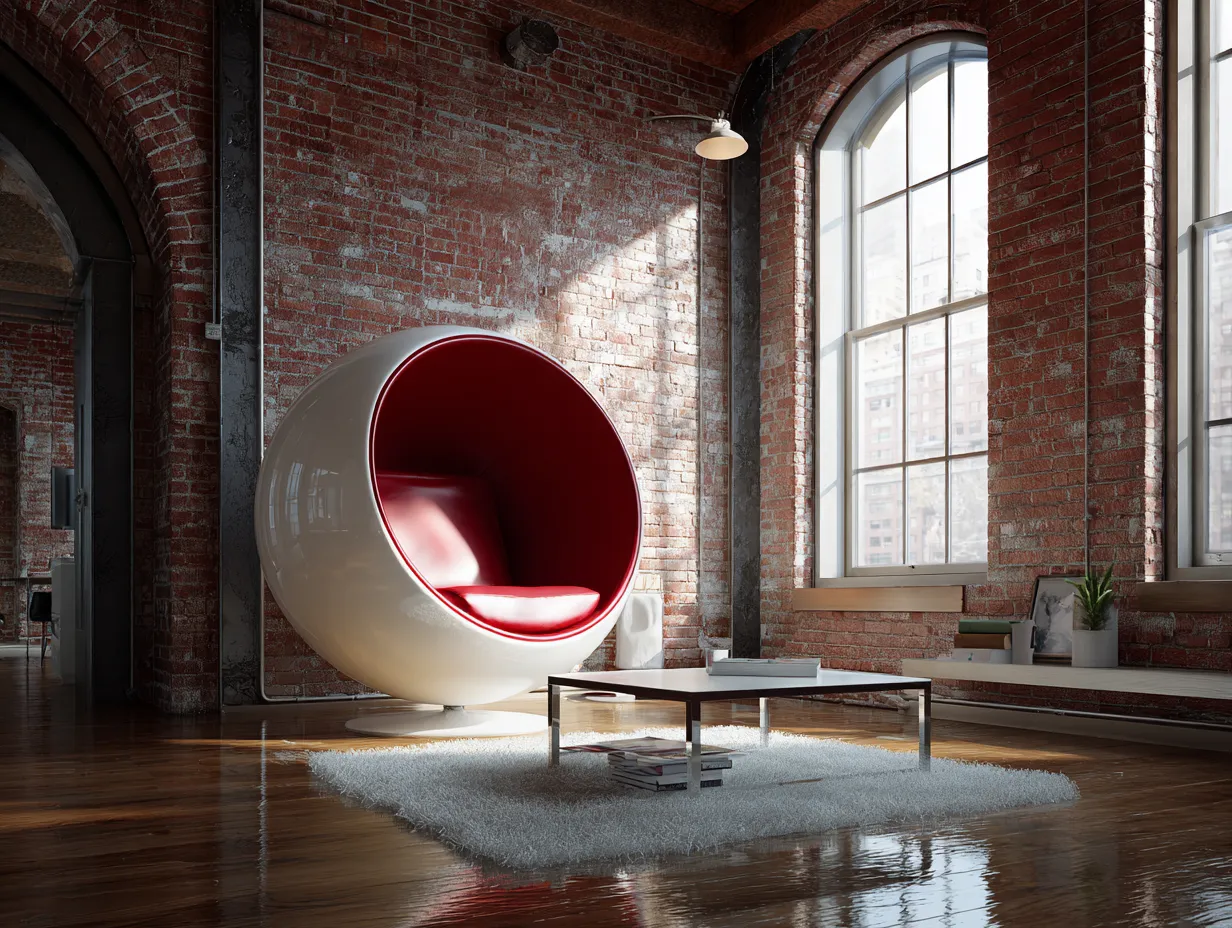
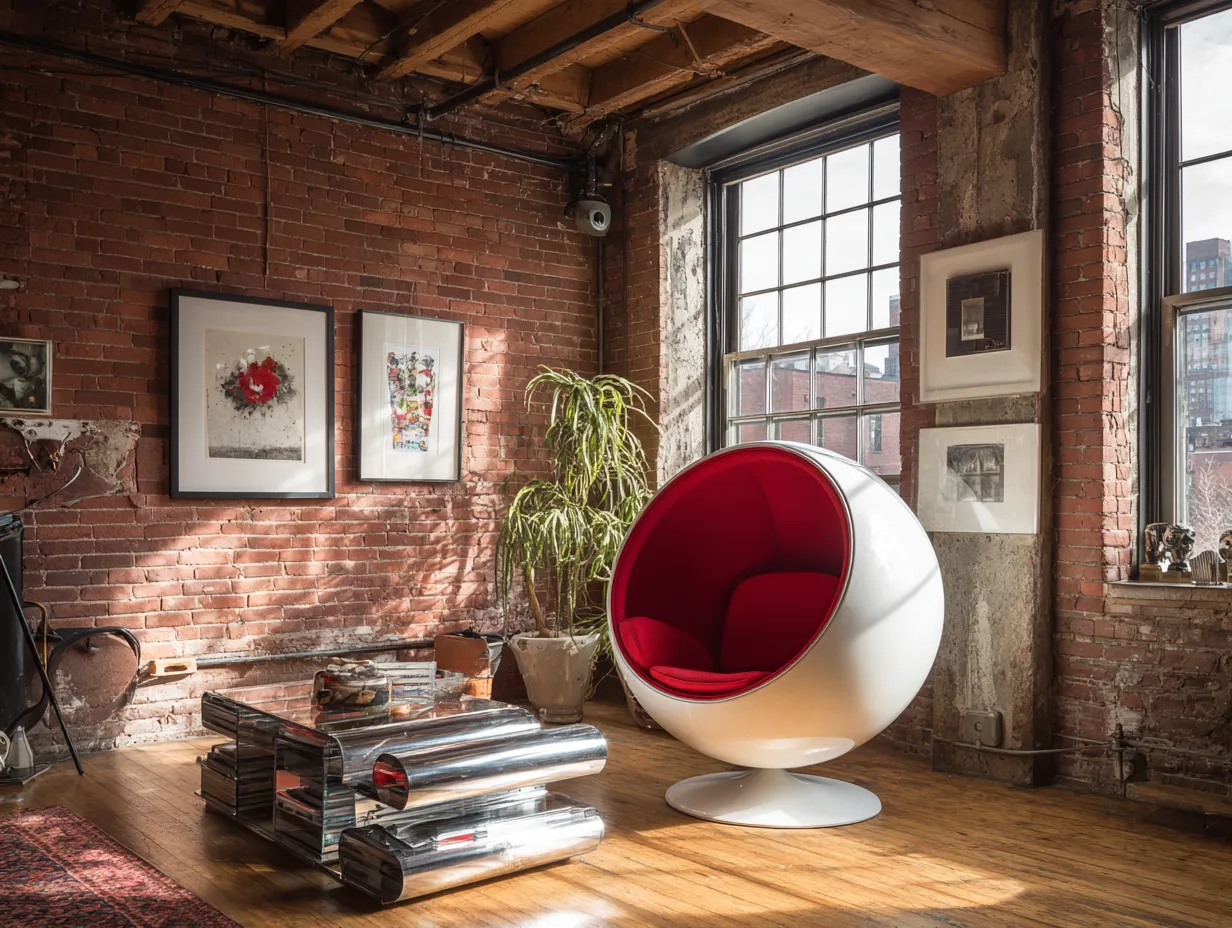
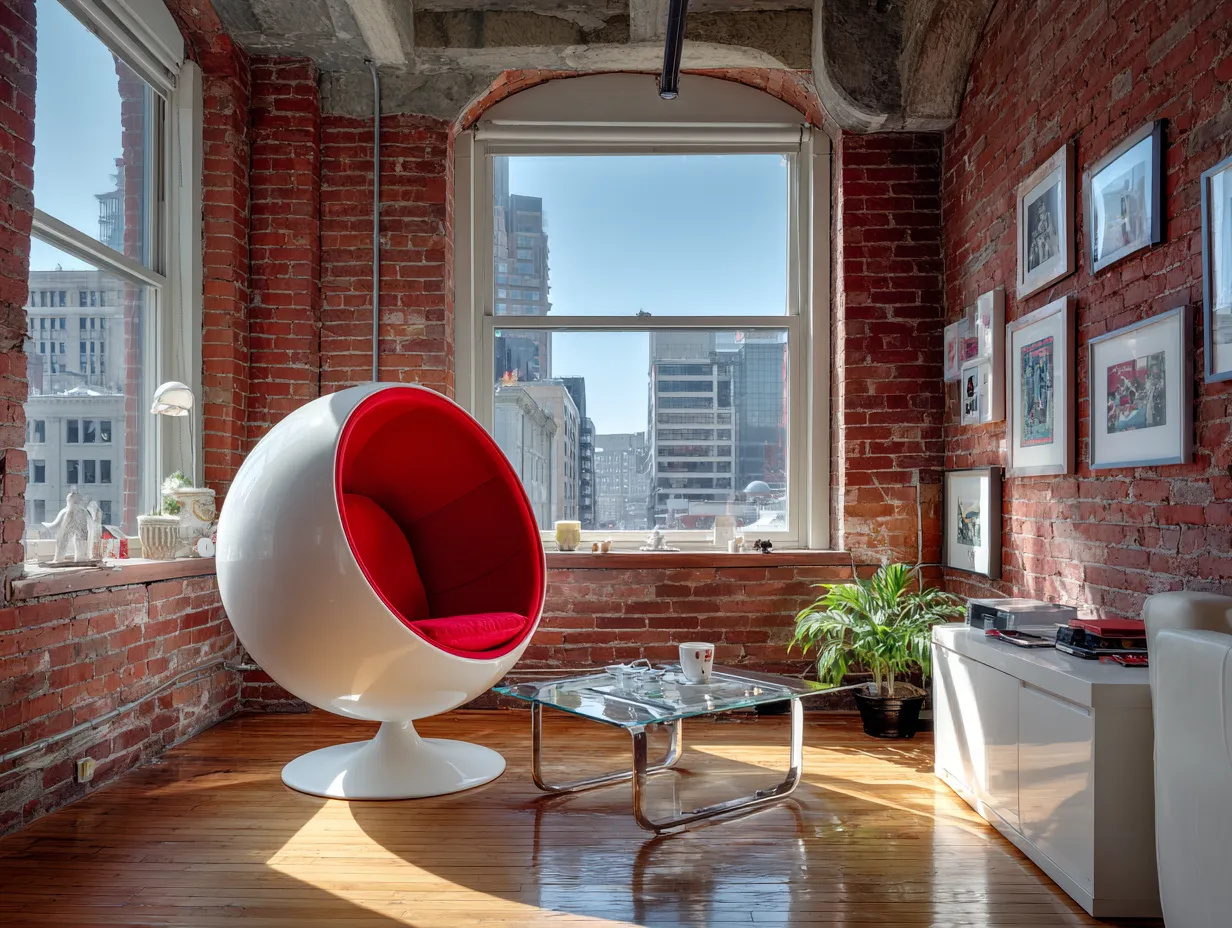
To truly master this look, one must understand the philosophy of the 1960s designers who were obsessed with the promise of technology. They weren’t just making chairs; they were making symbols of a new era. In a loft setting, these items act as functional art. A set of Saarinen Tulip chairs around a sleek dining table can soften the look of a concrete floor, making the space feel more like a futuristic laboratory and less like a cold storage unit. The key is to lean into the glossy finishes. High-shine surfaces reflect the light pouring in from oversized industrial windows, bouncing colors around the room and preventing the high ceilings from feeling gloomy. This interplay of light and shadow on curved surfaces adds a layer of sophistication that traditional furniture simply cannot achieve.
Furthermore, designing industrial spaces with Space Age furniture allows for a playful use of color that is often missing from modern lofts. While many people default to black, white, and wood, the retro-futuristic palette encourages the use of “galactic” hues—electric orange, avocado green, and cobalt blue. These colors pop beautifully against the neutral tones of mortar and steel. It is a way to inject personality and humor into a home. By mixing these historical nods to the future with the raw reality of the building’s past, the loft feels grounded in time yet entirely unique. It becomes a space that honors the craftsmanship of the industrial revolution while celebrating the limitless imagination of the jet age. This fusion of eras creates a home that is visually stimulating, comfortable, and undeniably bold.
Integrating Neon Lighting In Modern Retro Loft Interiors
Light is the most powerful tool in an interior designer’s arsenal, and in an open-plan loft, it serves to define “rooms” without the need for walls. Integrating neon lighting in modern retro loft interiors is perhaps the most effective way to establish a mood that is both nostalgic and avant-garde. Neon has a specific quality of light—a soft, humming glow—that feels inherently urban. In a loft with high ceilings, a single neon sign or a series of architectural neon tubes can act as a beacon, drawing the eye to a specific zone like a home bar or a reading nook. It transforms the space from a daytime workspace into a cinematic evening retreat, reminiscent of the neon-drenched cityscapes found in classic sci-fi films.
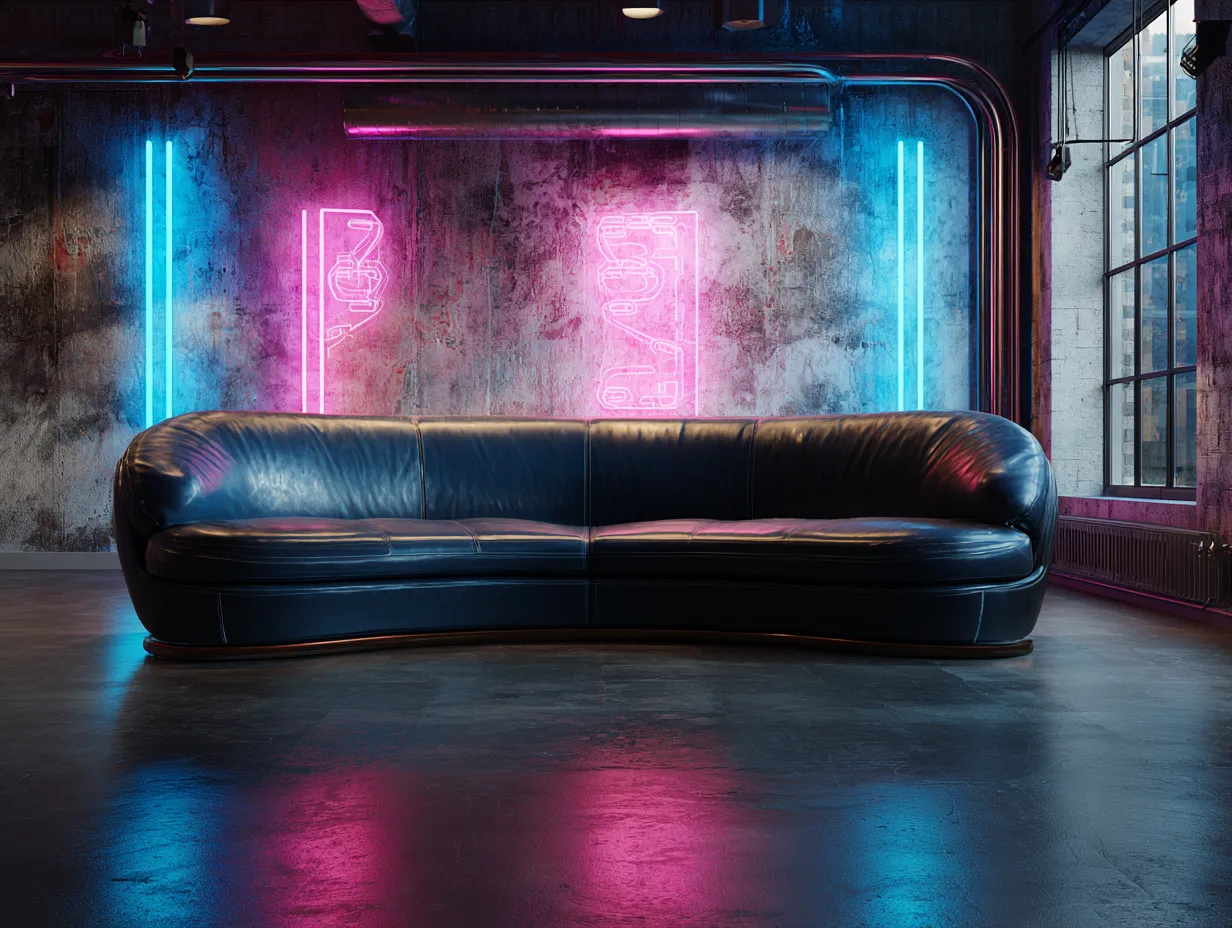
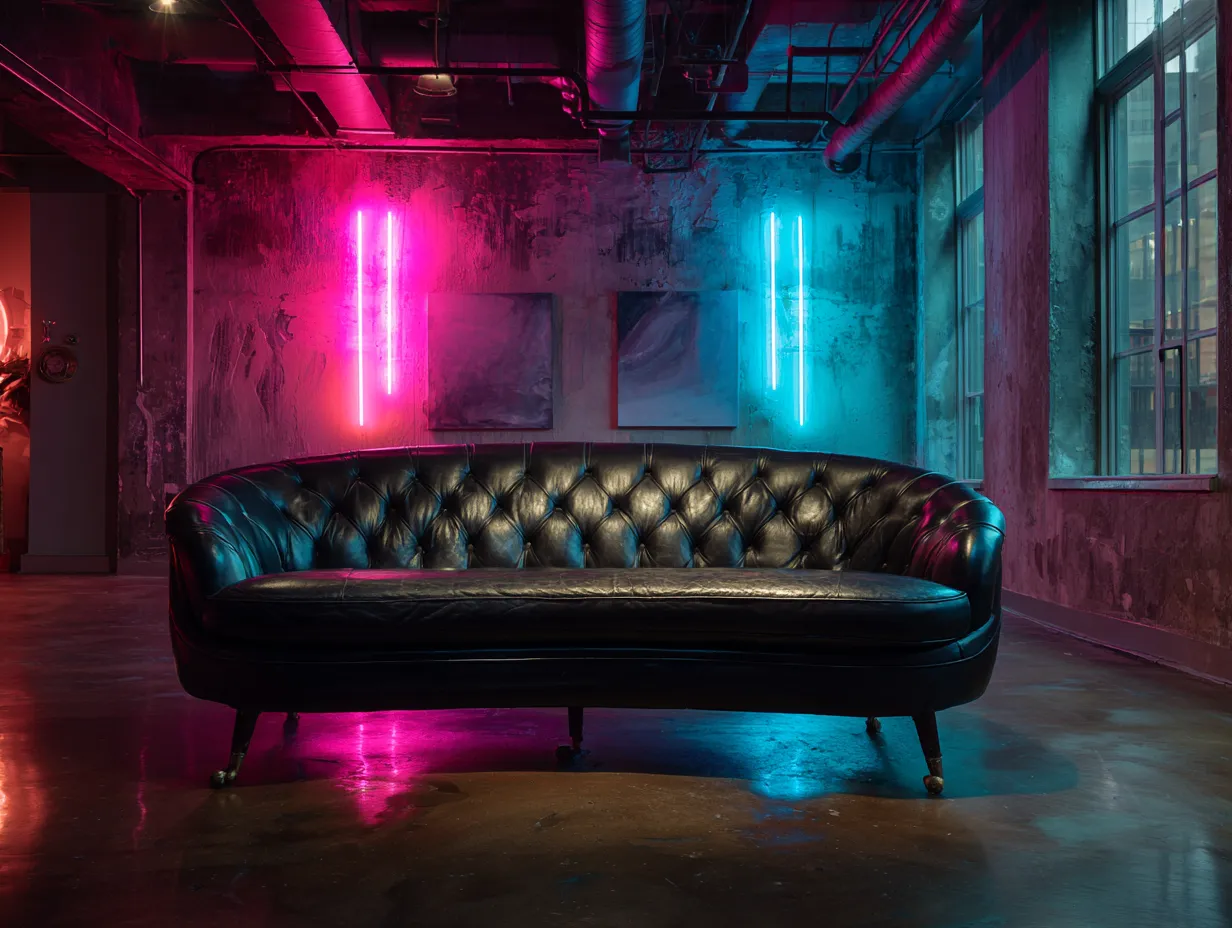
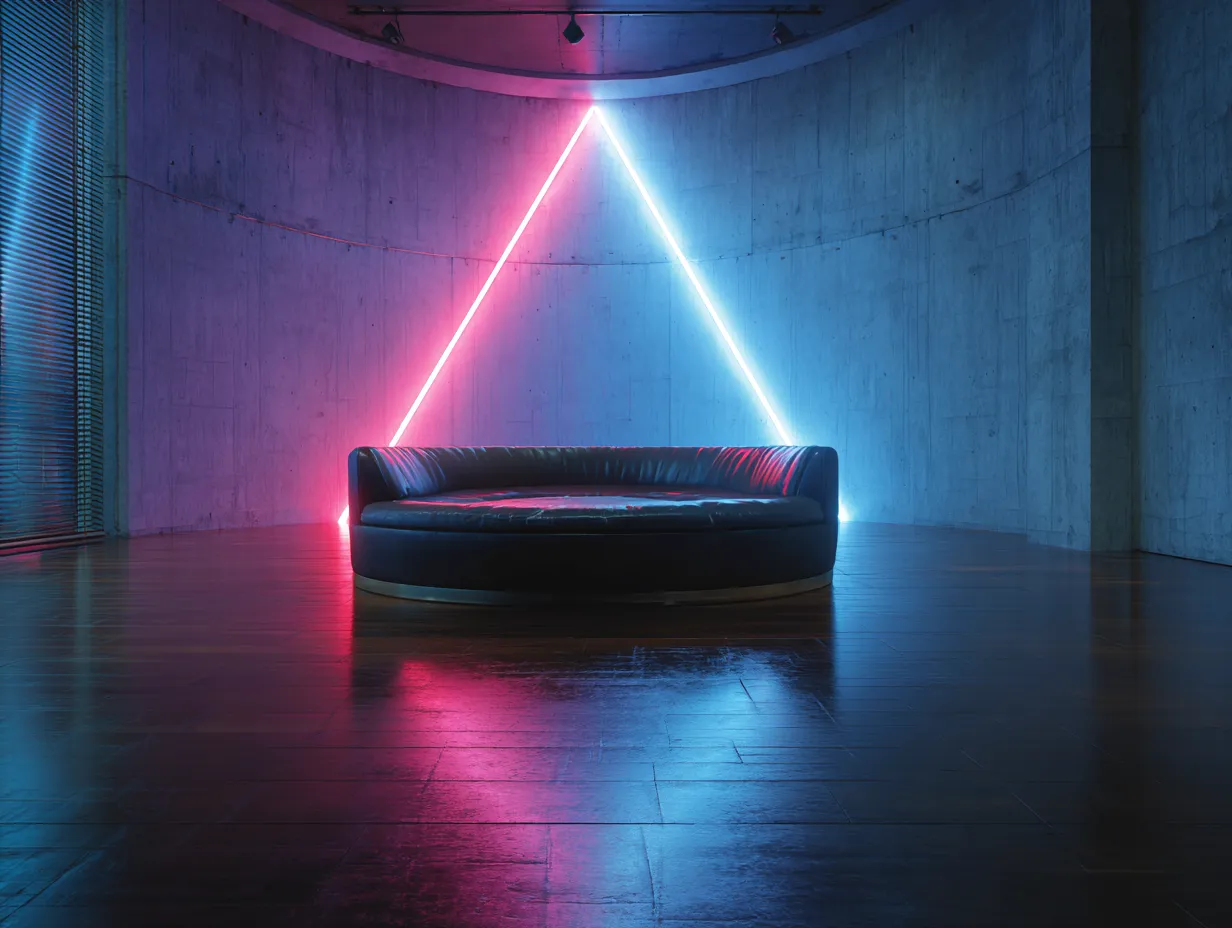
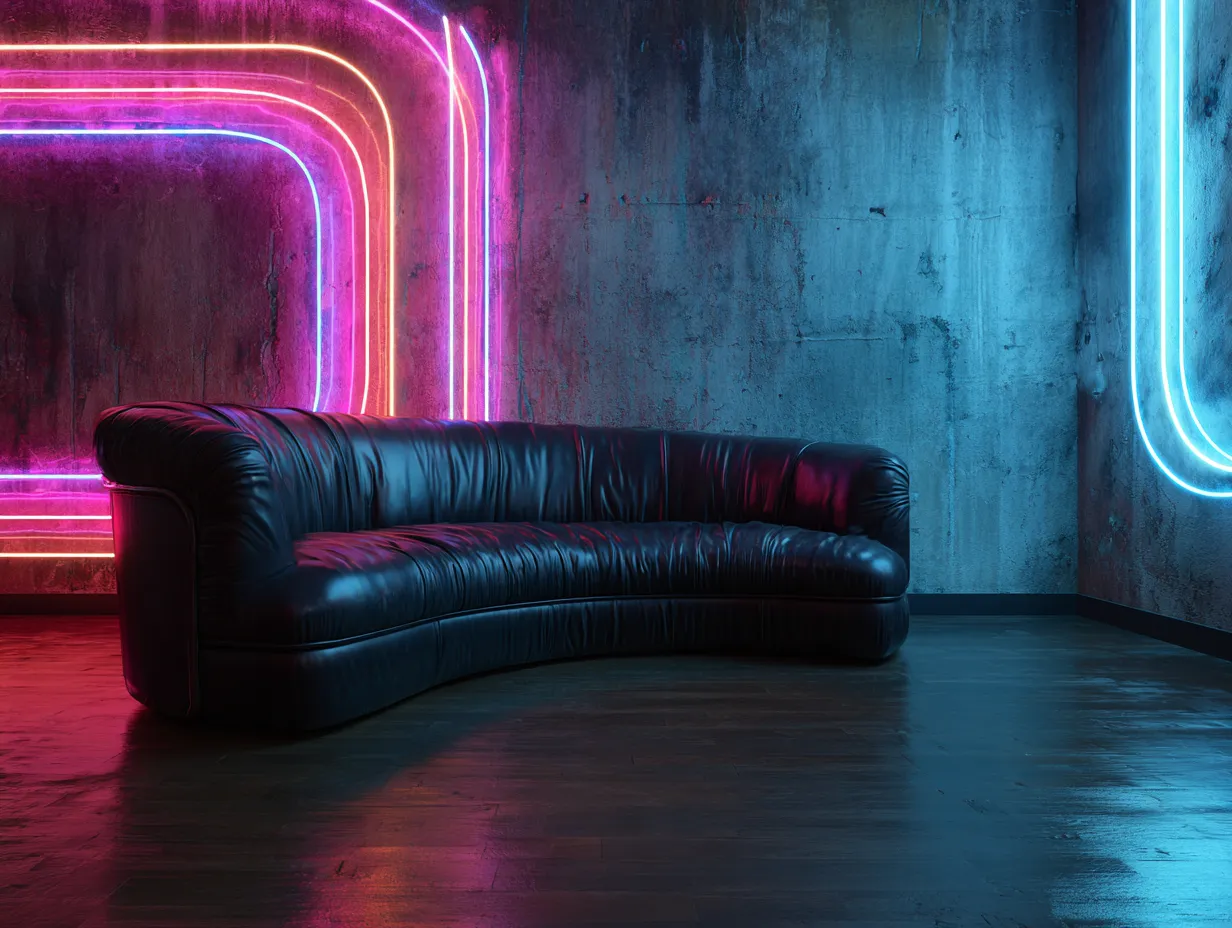
The secret to using neon without it feeling like a commercial space is the placement and the color choice. When integrating neon lighting in modern retro loft interiors, consider the texture of the surface behind the light. A neon tube mounted on a raw concrete or distressed plaster wall creates a beautiful diffusion of color that highlights the imperfections of the building. This “high-tech meets low-tech” aesthetic is a cornerstone of the retro-futurist look. Using colors like warm amber, soft violet, or ice blue can create a sophisticated atmosphere that avoids the harshness of traditional fluorescent lighting. It allows the homeowner to “paint” with light, changing the perceived temperature of the room at the flick of a switch.
Beyond the aesthetic appeal, neon lighting serves as a tribute to the mid-century optimism regarding the cities of tomorrow. It represents the vibrant, buzzing energy of a world that never sleeps. In a modern context, this translates to a home that feels alive and connected to the pulse of the surrounding city. When paired with other retro elements like wood-paneled walls or plush shag rugs, the neon provides a necessary edge that keeps the design from feeling too much like a period piece. It anchors the loft in the present day while nodding to the neon-lit dreams of the past. This layering of light and history ensures that the interior remains dynamic and engaging, providing a sensory experience that shifts and evolves as the sun goes down and the city lights take over.
Styling Open Plan Lofts With Geometric Mid Century Decor
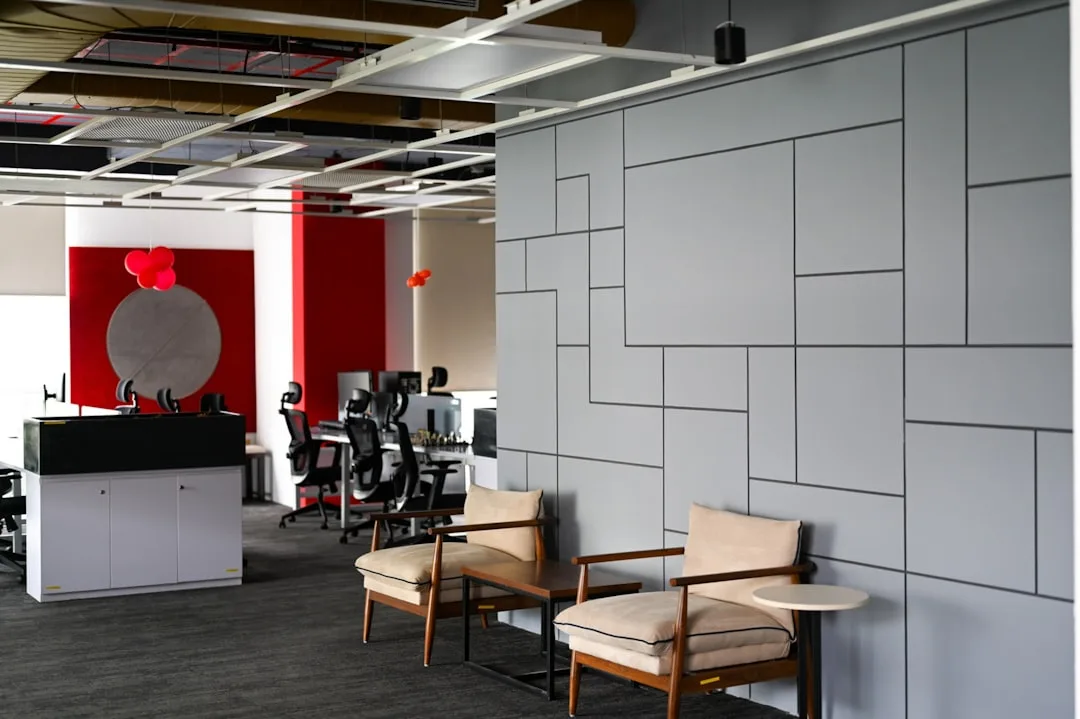
The challenge of styling open plan lofts with geometric mid century decor is finding the right scale for the patterns. In a massive room, small, intricate designs can get lost, making the space feel cluttered. Instead, retro futurism calls for bold, oversized geometric shapes that match the volume of the architecture. Think large-scale circular mirrors, triangular wall hangings, and rugs featuring sweeping arcs or sharp diamonds. These shapes mimic the blueprints of the “homes of the future” envisioned in the 1950s and 60s, where geometry was seen as the language of progress. By repeating these shapes throughout the loft, you create a sense of rhythm and flow that guides the visitor through the open space.
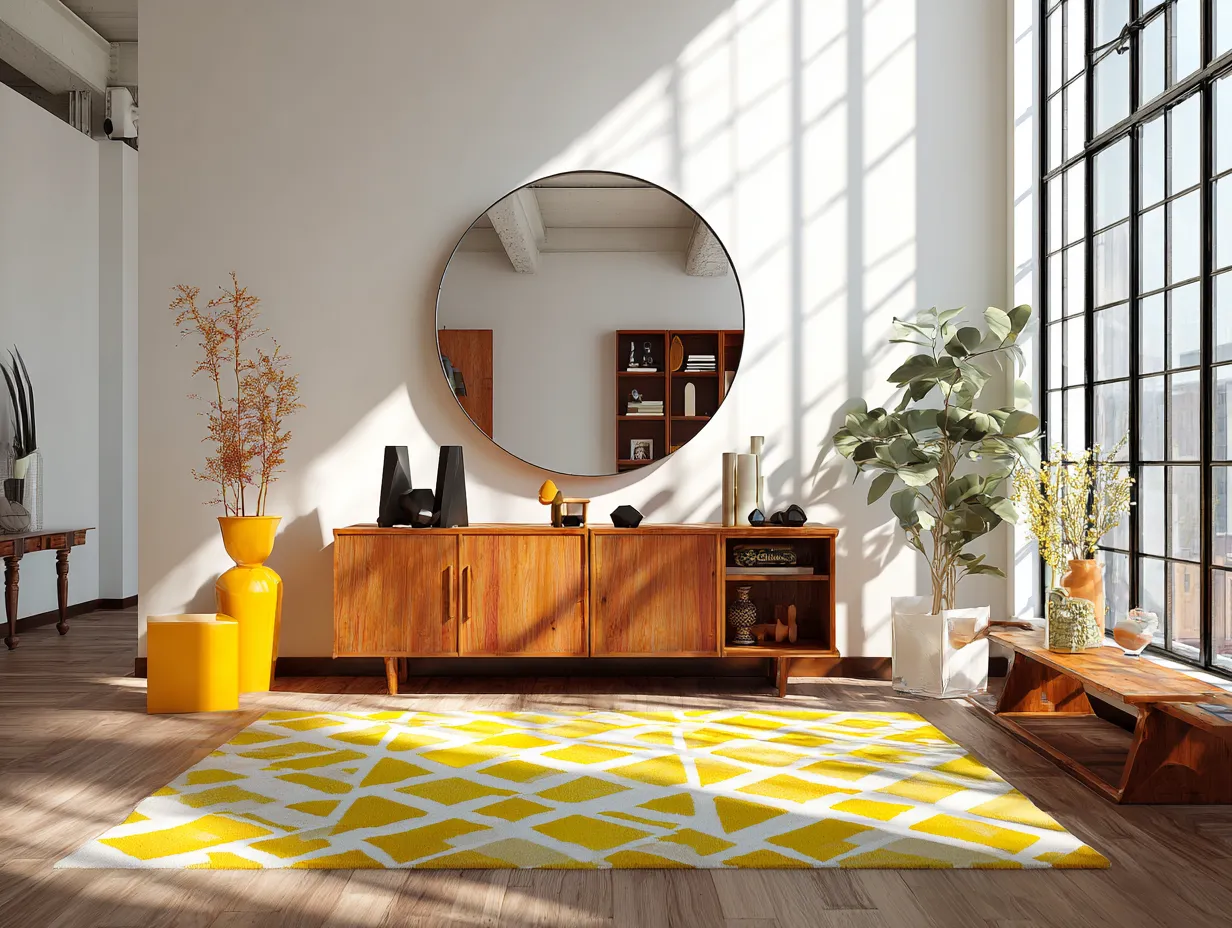
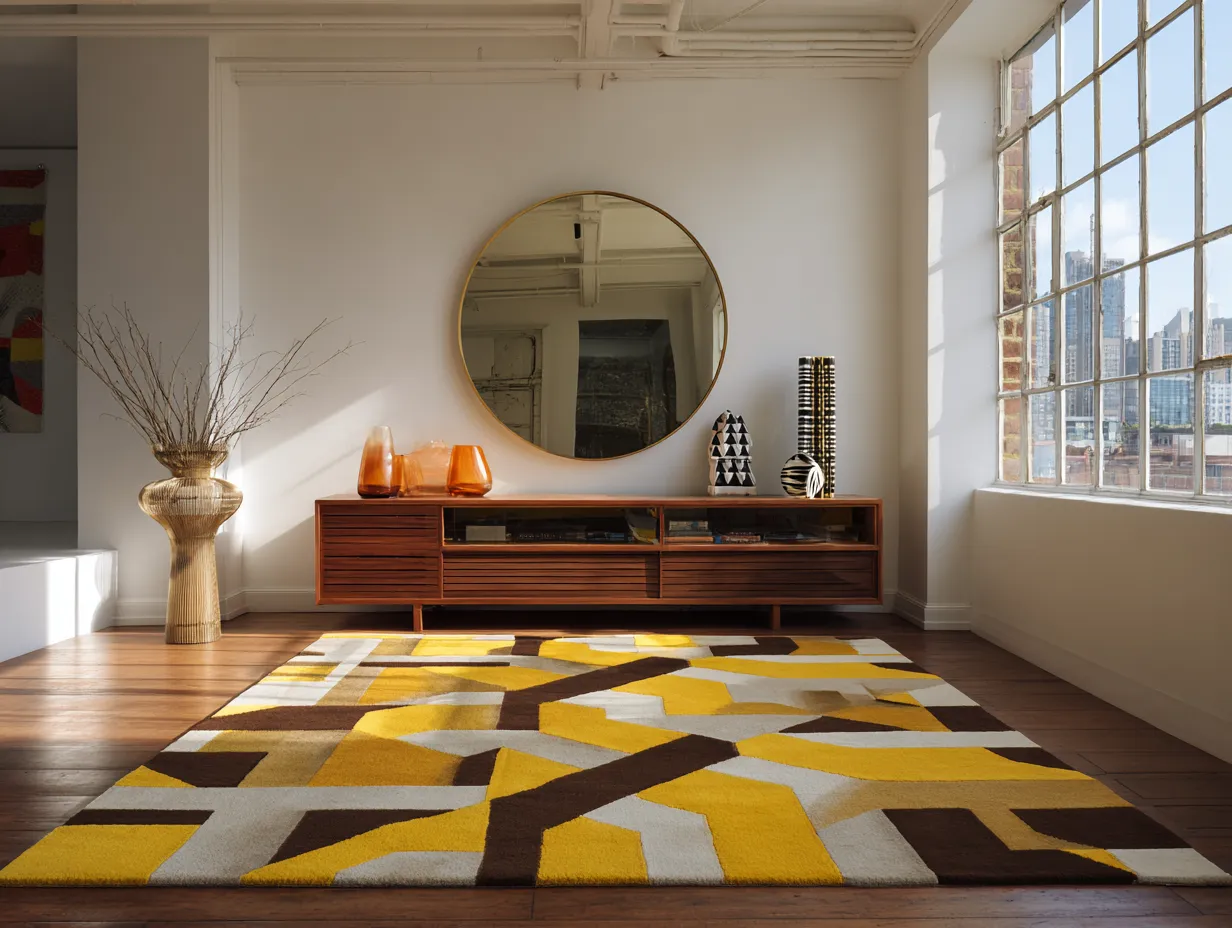
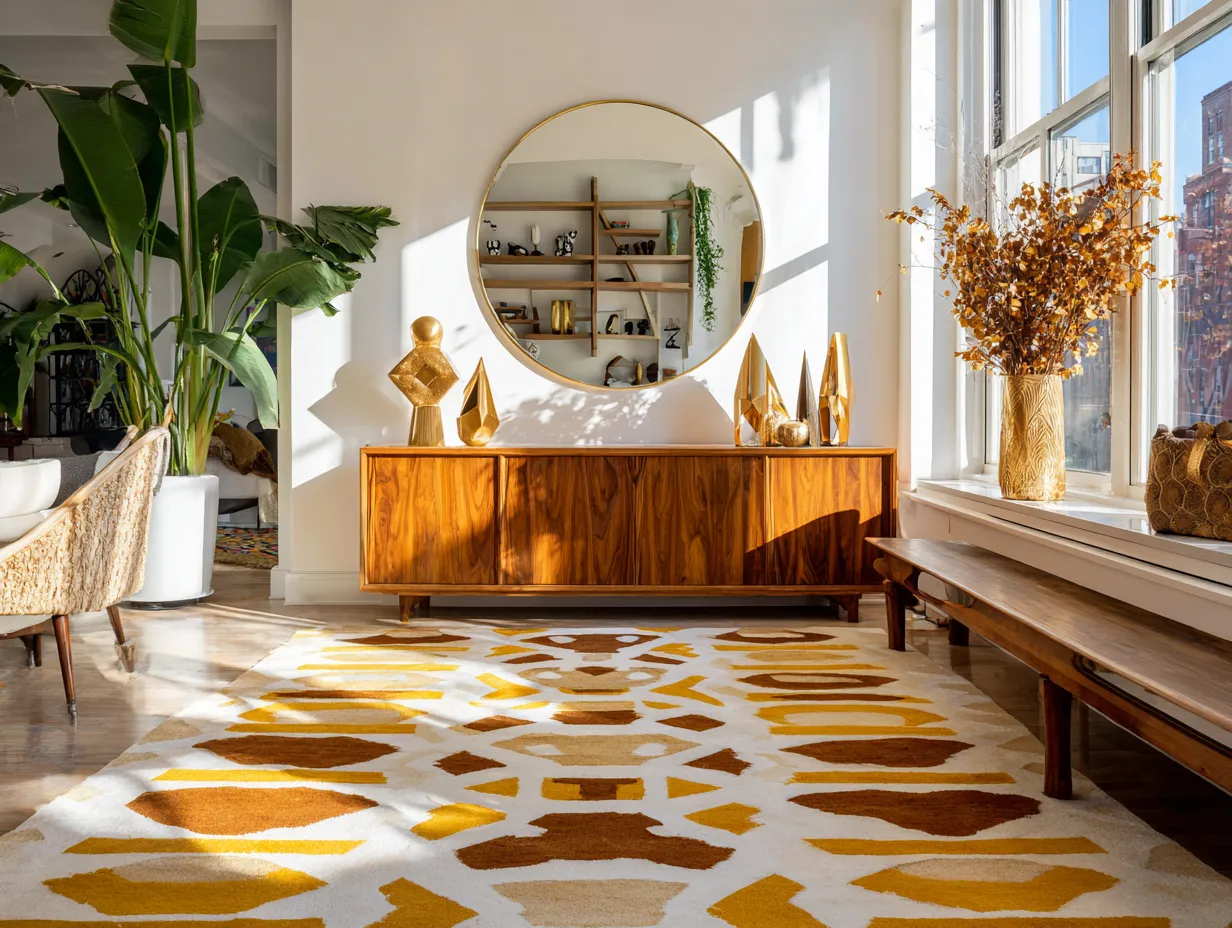
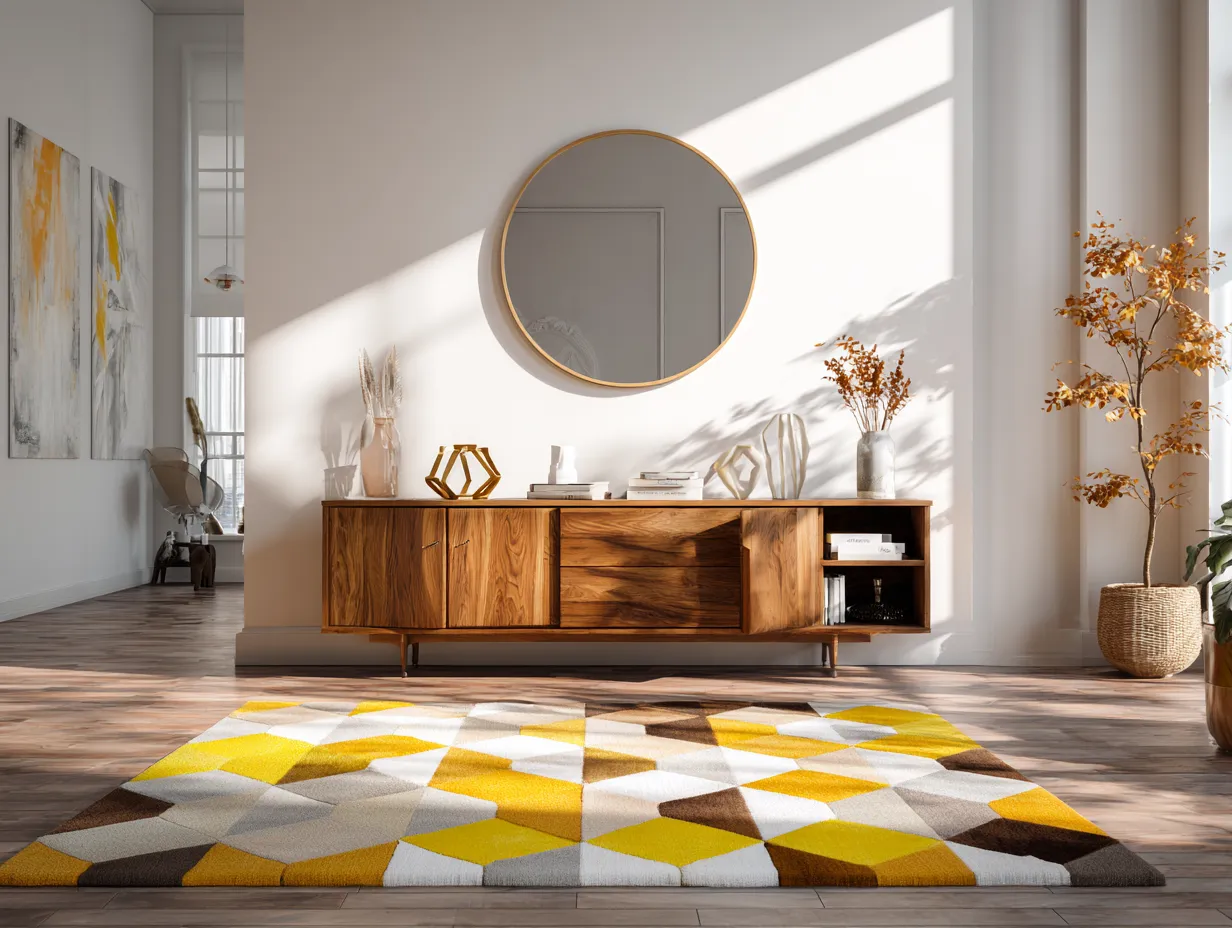
When focusing on styling open plan lofts with geometric mid century decor, the choice of materials is just as important as the patterns themselves. Natural wood—specifically teak and walnut—provides the necessary warmth to balance out the cool metal and glass often found in lofts. A long, low-slung sideboard with a carved geometric face offers both storage and a platform for displaying Space Age ceramics or chrome lamps. This mix of organic wood grain and calculated mathematical shapes creates a “humanized” version of futurism. It feels sophisticated and grounded, rather than cold or robotic. The geometry provides the structure, while the wood provides the heart, resulting in a living area that feels both intellectual and inviting.
To finalize the look, one should consider the vertical space. Lofts offer an abundance of wall area that is perfect for large-scale geometric murals or framed graphic prints. These elements can be used to delineate different functional areas—a circle motif in the lounge, perhaps, and a more rigid square pattern in the home office. This visual zoning is a clever way to organize an open plan without sacrificing the sense of scale. When these geometric elements are hit by high-contrast sunlight from the loft’s large windows, they cast dramatic shadows that change throughout the day, making the decor feel like a living, breathing part of the architecture. Styling this way ensures the loft is not just a collection of furniture, but a cohesive environment that celebrates the boldest visions of the past century, providing a backdrop for a modern life that is anything but ordinary.