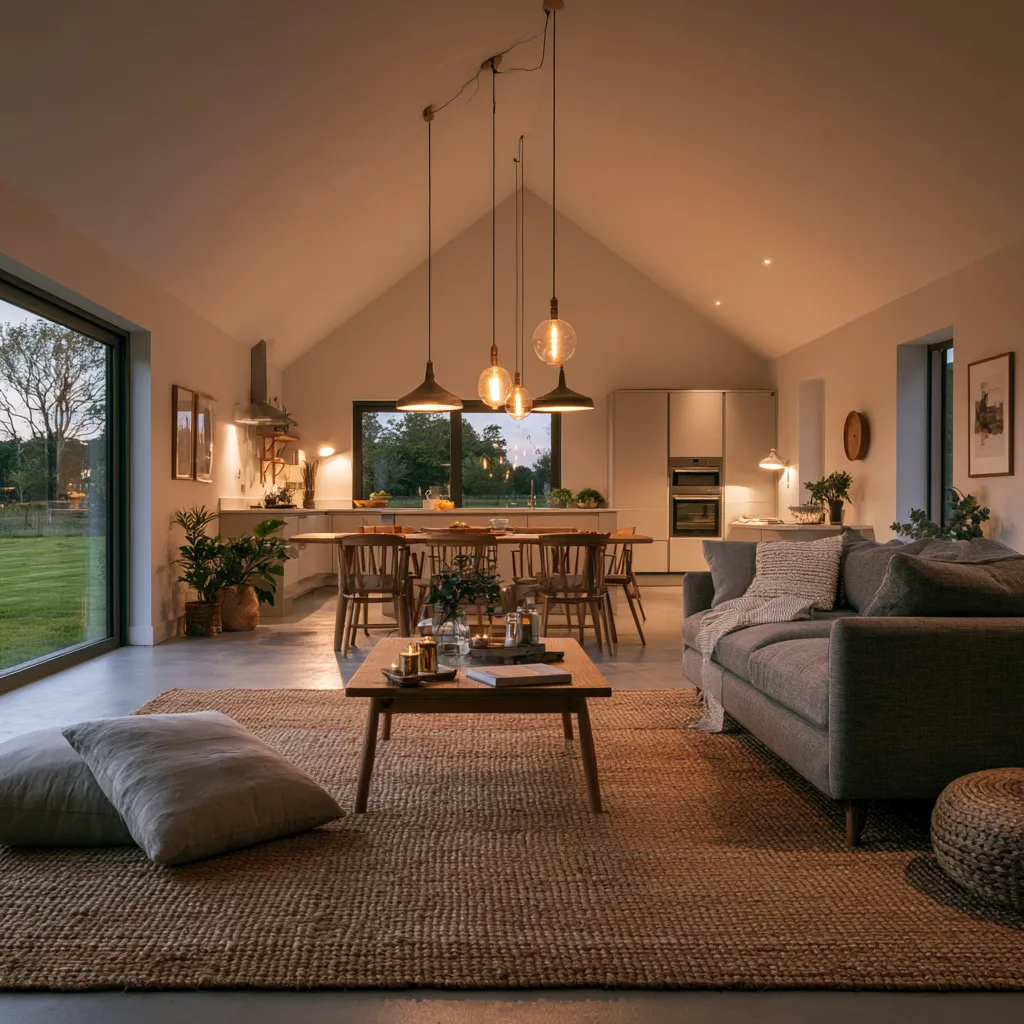
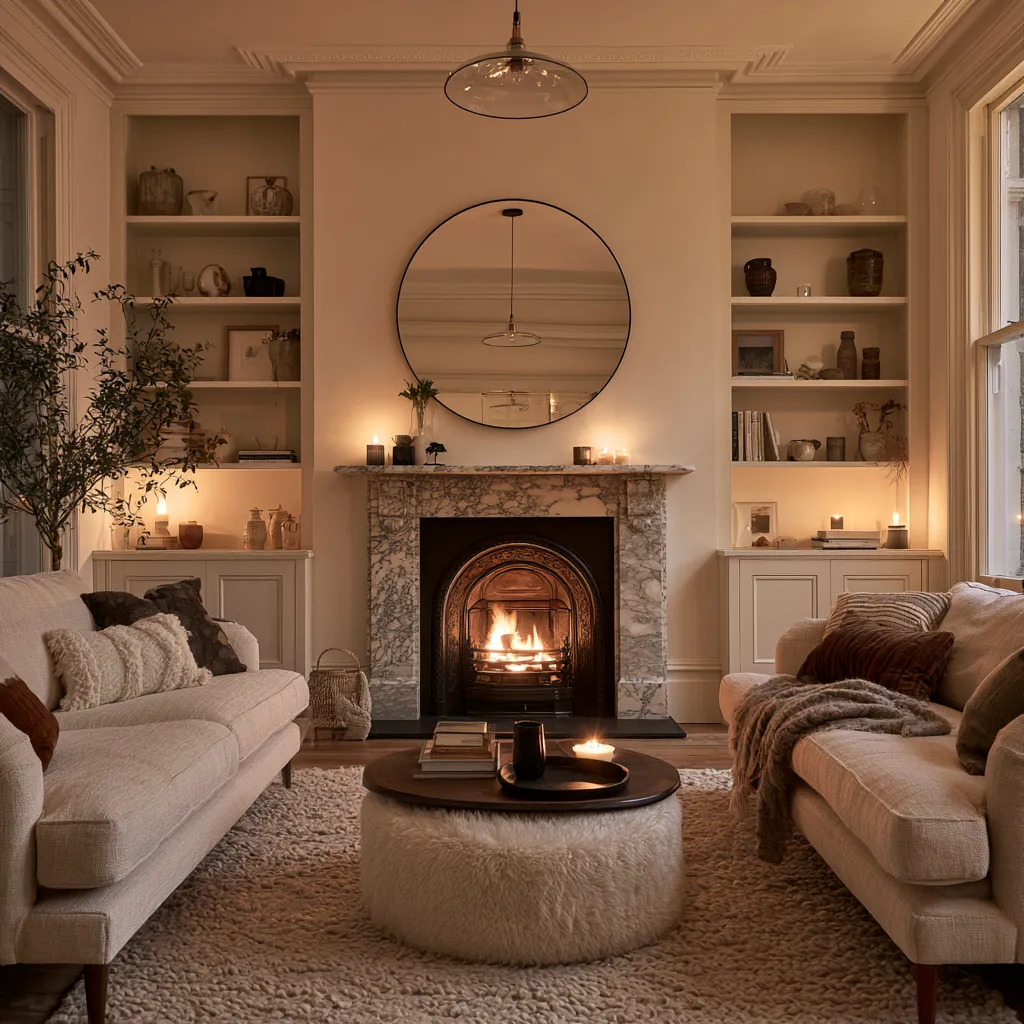
Orange living room ideas are having a serious moment right now — and not just the safe, one-throw-pillow kind. I’ve pulled together 15 real rooms where orange carries the whole design, from full wall treatments to statement sofas, with every combination tested in an actual house. You’ll notice that the rooms that land are the ones where someone made a deliberate choice about shade: warm tangerine on one wall versus burnt sienna on three is a completely different conversation. This isn’t a color for the indecisive — and that’s exactly why it works.
The GSC data for this page tells an interesting story: searches like “beige and orange living room,” “modern grey and orange living room,” and “orange and gold living room” keep surfacing alongside the core “orange living room” queries. That means readers want pairing solutions, not just color inspiration. Every section below covers a distinct combination, so whether you’re starting from a grey sofa or bare orange walls, you’ll land somewhere concrete.
Quick Scan — What You’ll Find Here
🔶 Orange + grey: the pairing designers default to and why it holds up
🔶 Orange + beige: the softer route that reads warm, not loud
🔶 Orange + gold: when the maximalist move actually pays off
🔶 Orange walls full-room: what goes wrong and how to stop it
🔶 Orange accents only: the coward’s path (and I mean that as a compliment)
🔶 Shade guide: burnt vs. tangerine vs. terracotta — which to pick for your light
Grey Sofas Rescue Orange Walls Every Single Time
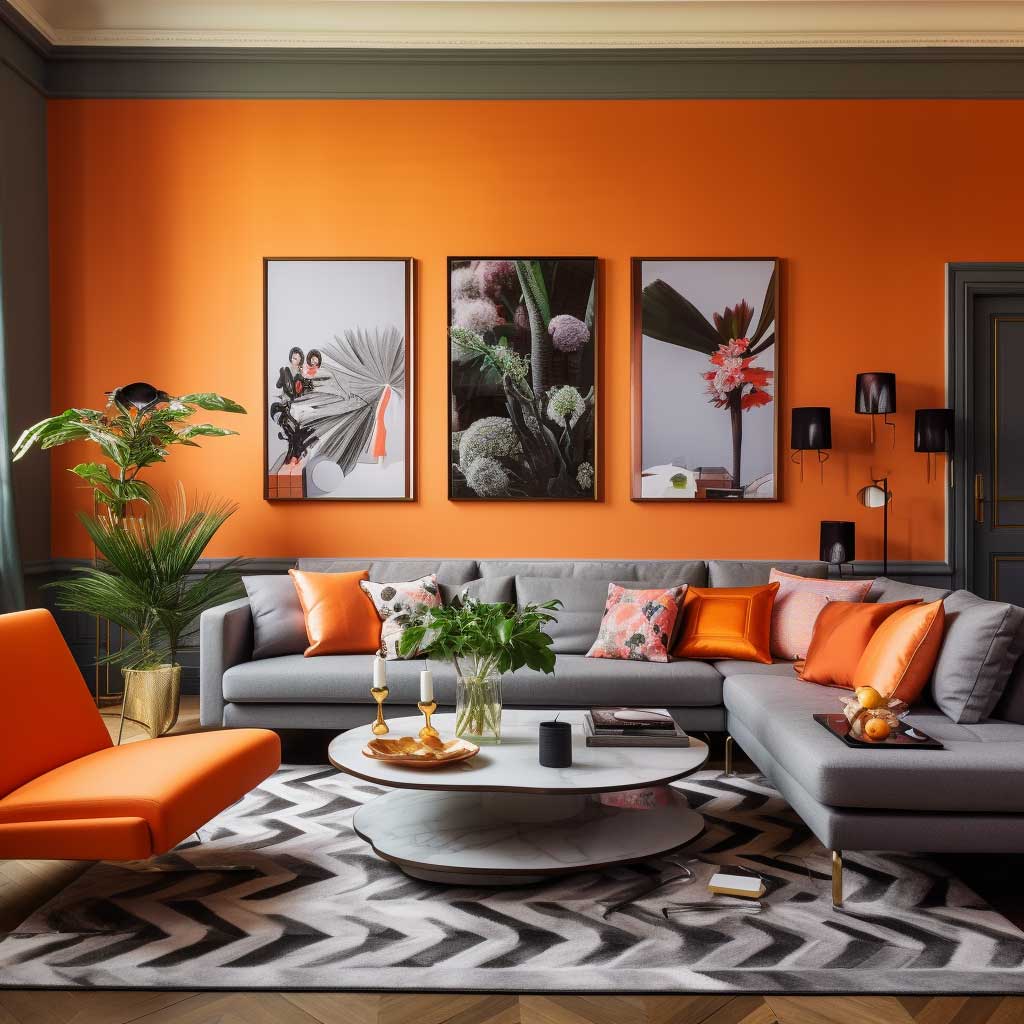
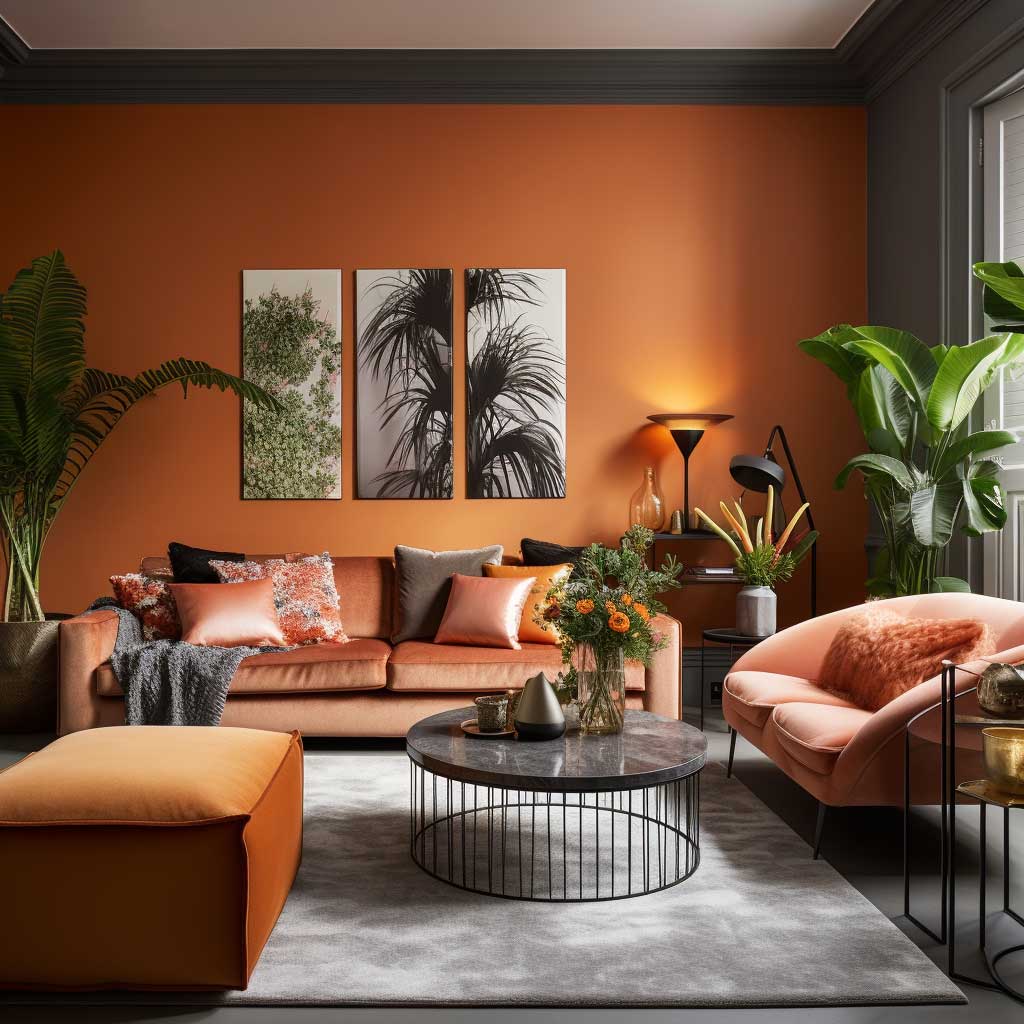

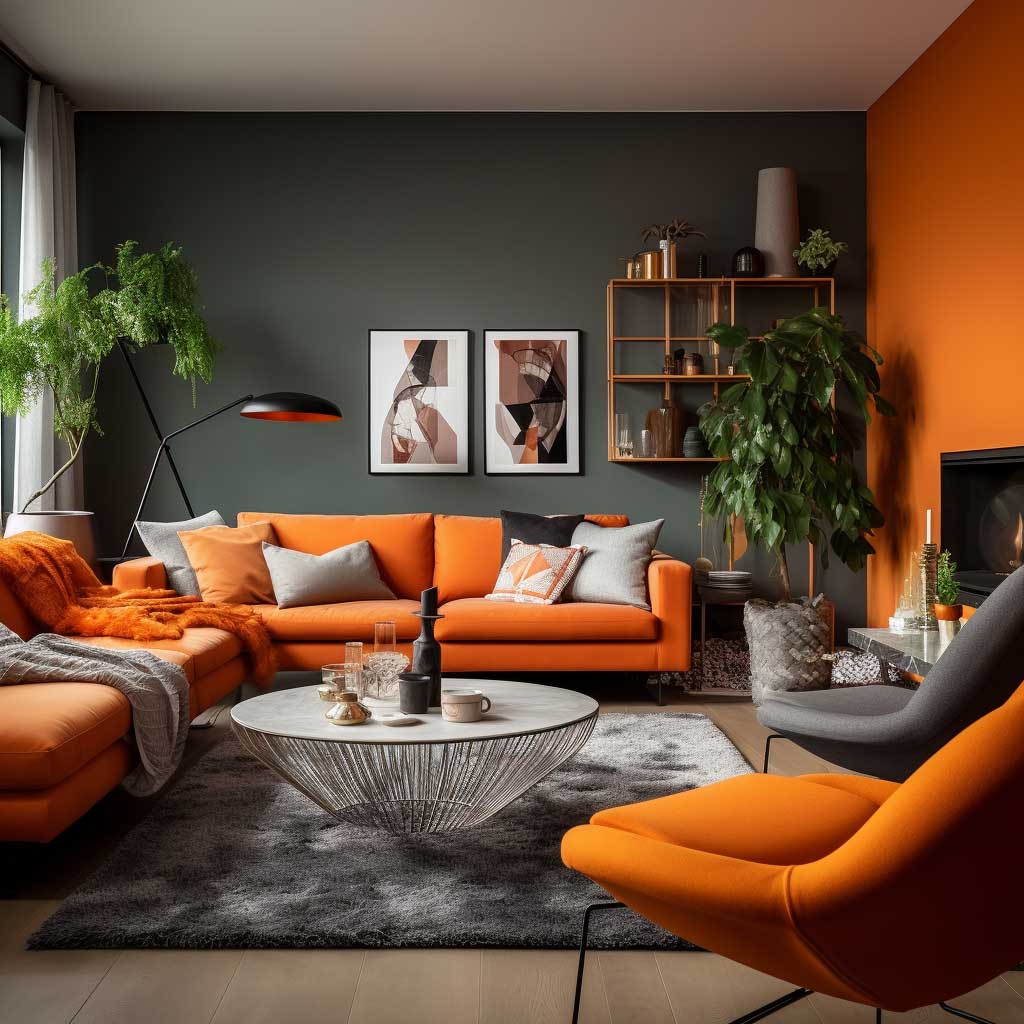
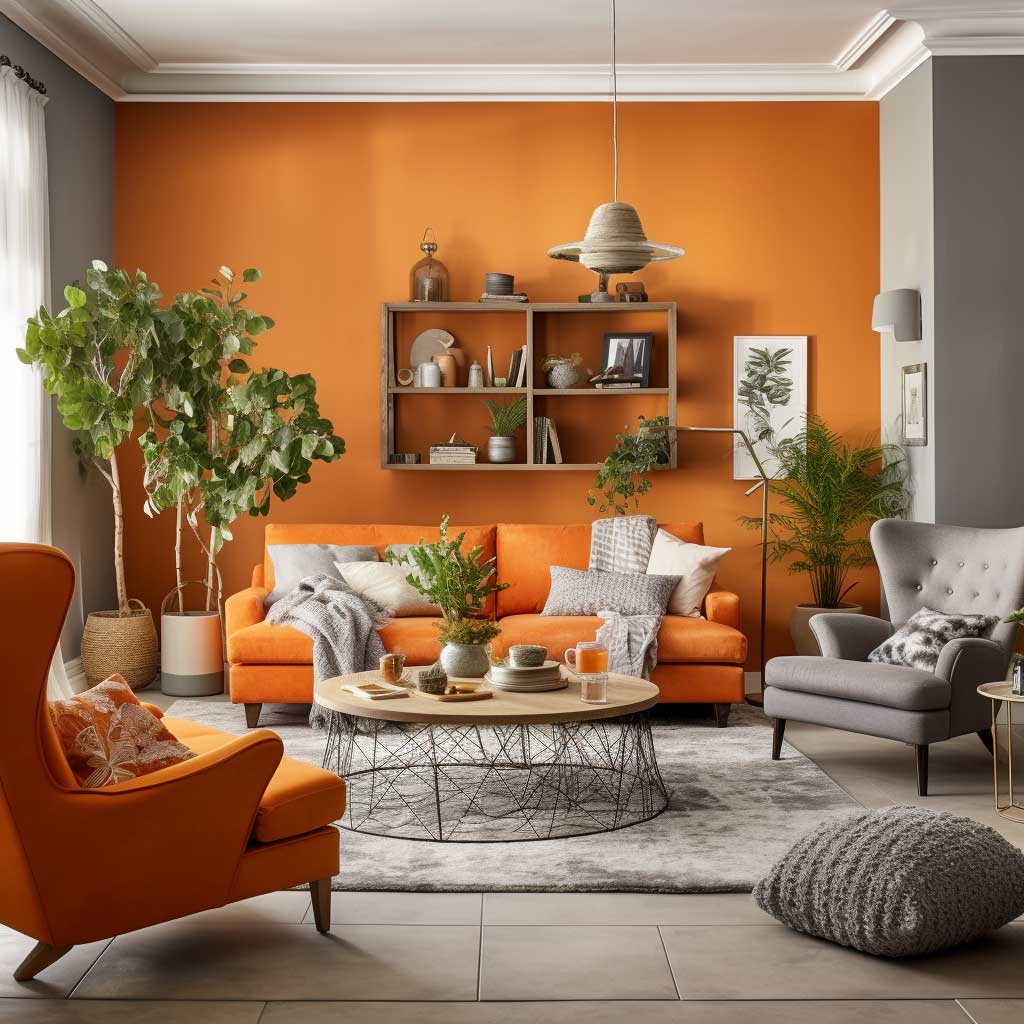
Orange walls with grey sofas is the combination I keep coming back to after trying it three different ways. The logic is simple: orange reads as temperature, grey reads as weight. You need both. A room with orange walls and a white sofa feels like a costume party; grey grounds it the same way a stone floor grounds a bathroom — you stop noticing either element because the ratio is finally right. The cool-toned greys provide the sharpest contrast to fiery orange, so lean toward ash rather than warm greige if you’re shopping sofas.
Wayfair’s Andover Mills collection around $600–$900 in charcoal is my go-to recommendation here. It photographs well and ships fast, which matters when you’re mid-renovation. Don’t go for a grey sofa in a warm beige undertone — I made that mistake once and the whole room read muddy brown-orange, like the inside of a pumpkin someone had been sitting in for years. You want cool grey, not greige. Full stop.
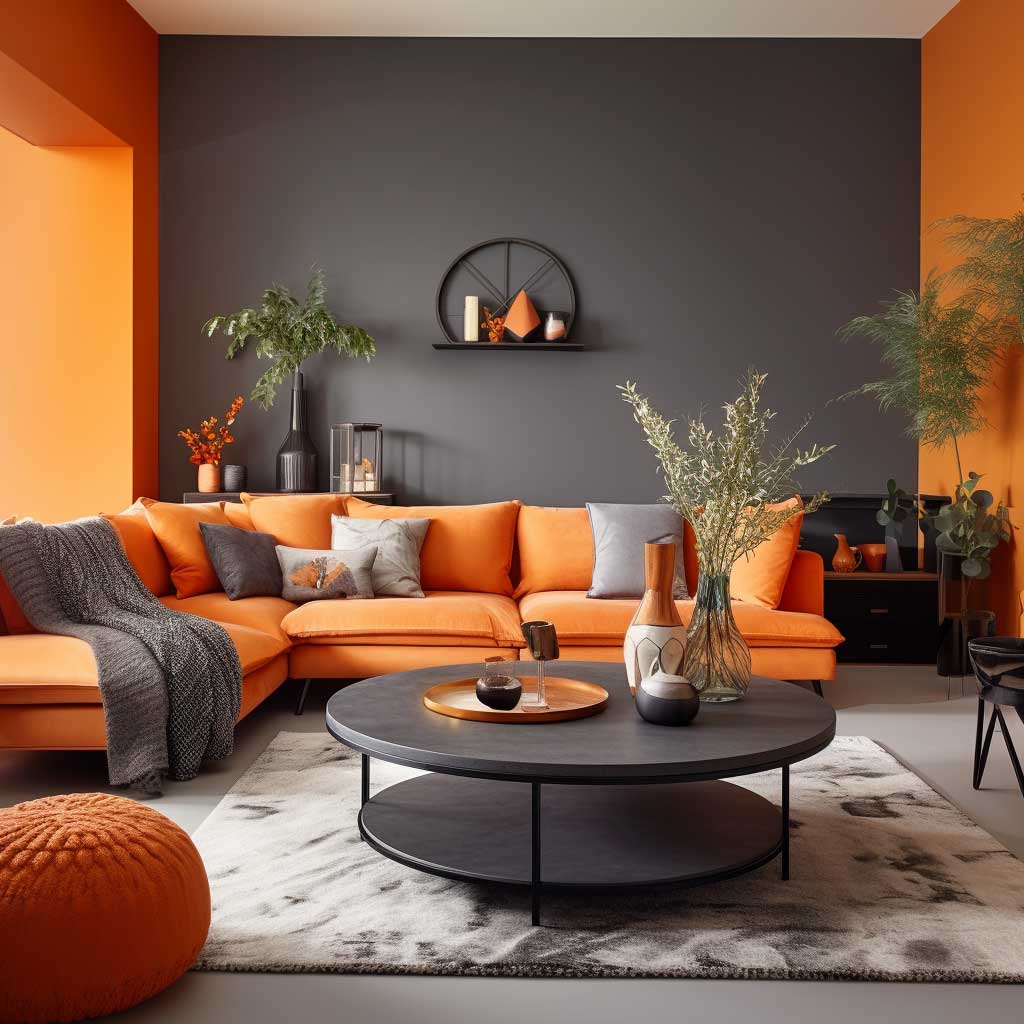

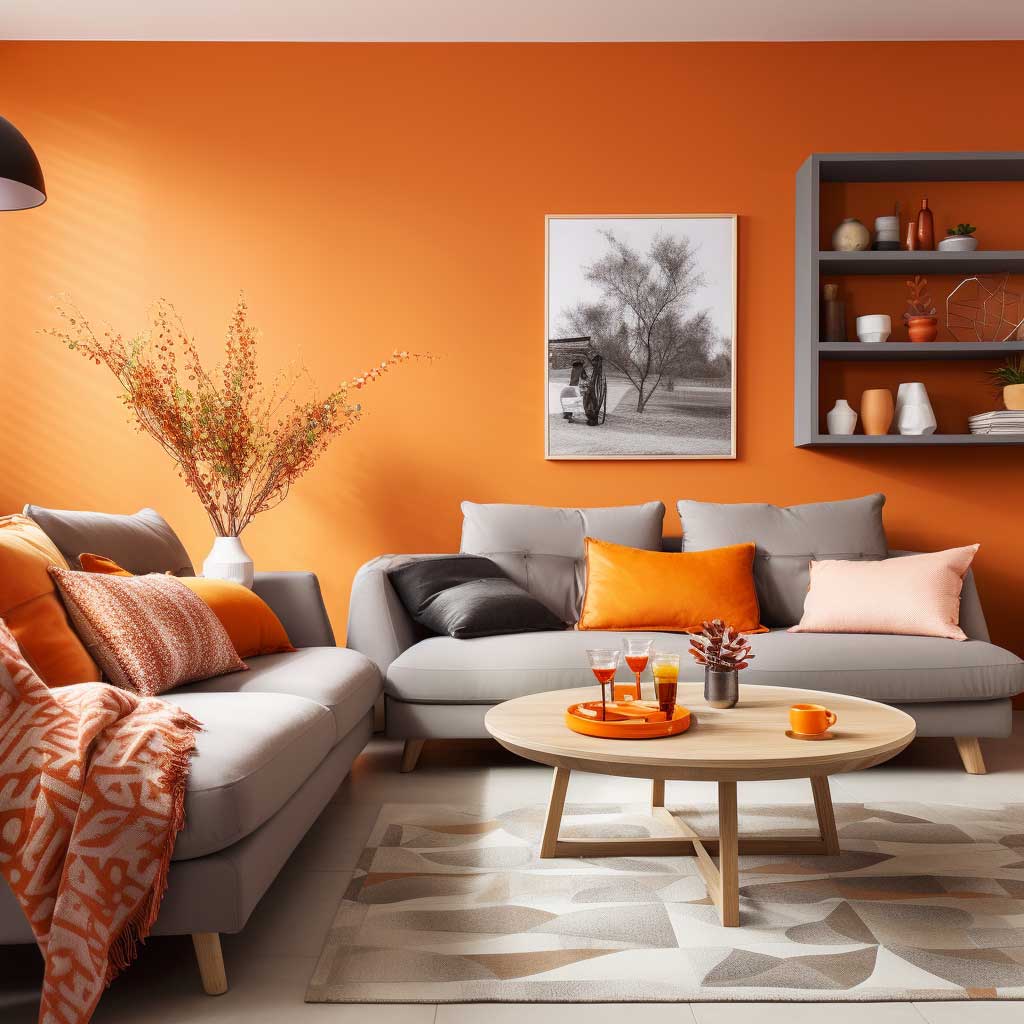
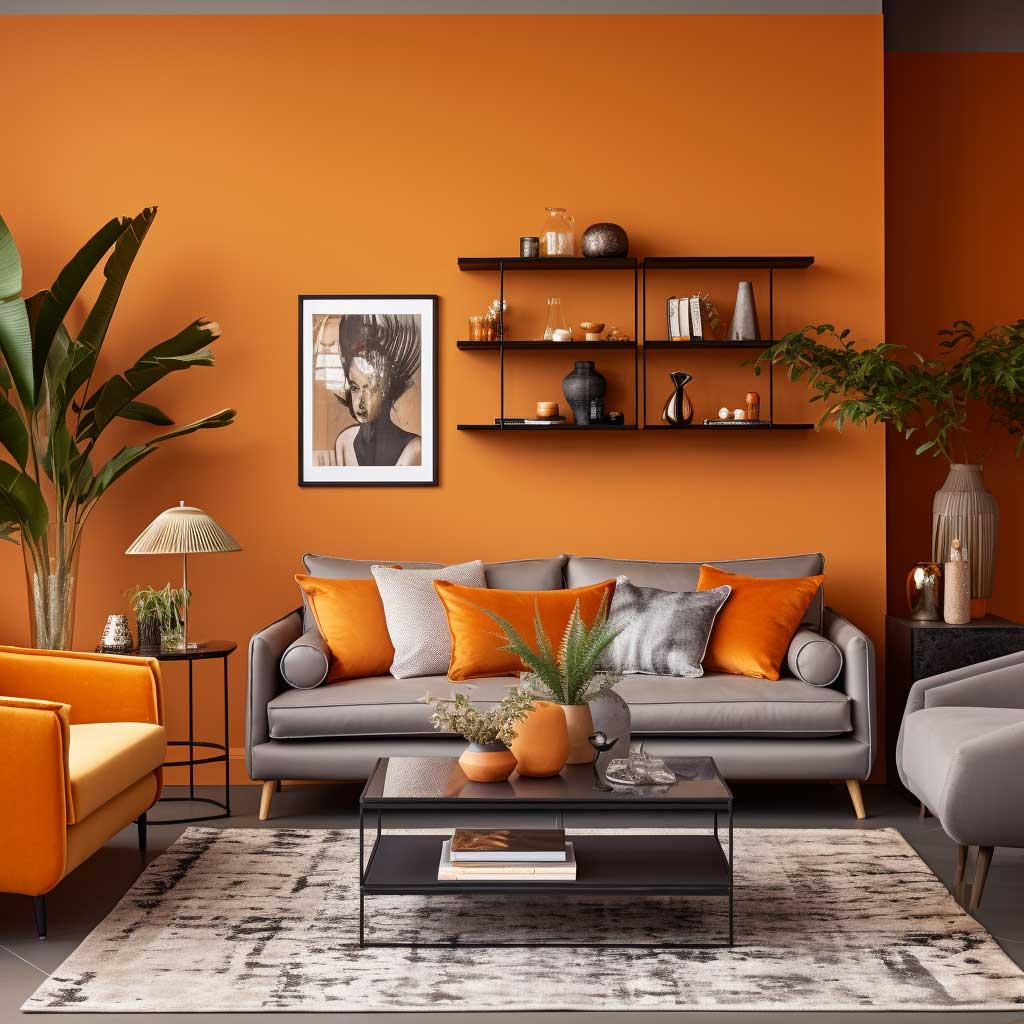
The pairing also ages well, which is worth thinking about. Grey furniture goes with almost any wall color you pivot to in five years. Orange walls over a tan leather sofa? That’s a decade-specific choice. My living room wore that combination from 2014 to 2019 and every photo from those years looks dated. Swap the leather for a cool grey linen sectional and suddenly the orange reads fresh, not retro. The architecture stays the same. The furniture does the editing.
For a deep dive into grey and orange as a complete home palette, including how the combination plays out in concrete-heavy interiors, that resource covers what happens when you commit to both colors across multiple rooms rather than just one wall. Scale changes everything — the grey-orange dynamic that looks considered in a living room needs a different ratio in a hallway or bedroom.
Don’t Do This with Orange + Grey
Don’t mix warm-undertone grey with bright orange. Greige, taupe, and warm mushroom all pull toward brown when they sit next to orange. The room stops reading as a color palette and starts reading as a muddy accident.
Don’t add a brown wooden coffee table. Three warm tones competing — orange, warm grey, brown wood — collapse into one indistinct blob. Go for a black metal frame, white marble, or glass instead.
The safest anti-mistake move: test a grey paint chip at 7 PM under your actual lamps before committing. Orange shifts under warm bulbs. Grey shifts more than you expect. The daylight version of your choice will be totally different from the evening version.
Beige and Orange Living Room — Why the Soft Route Lands Harder

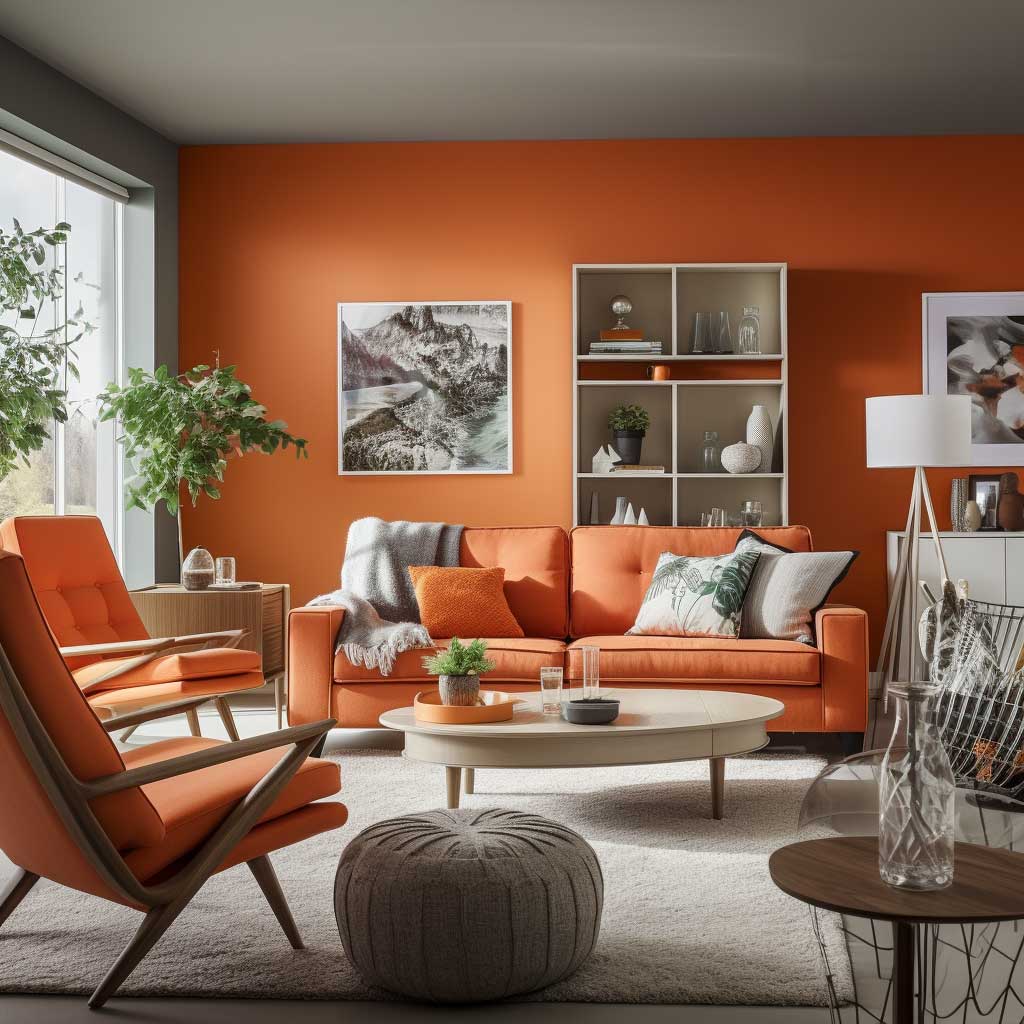

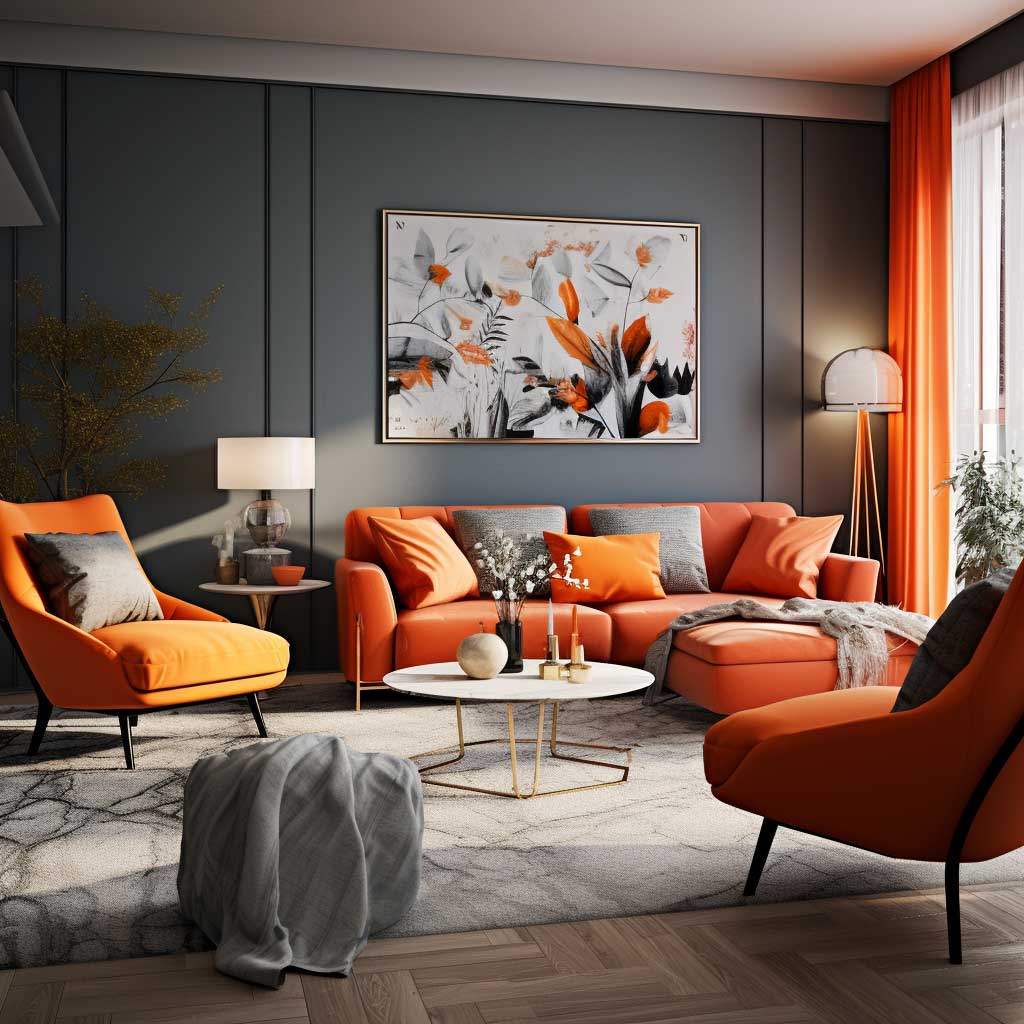
Beige and orange living room combinations get dismissed as timid, but I’d argue they’re the version that actually photographs well in real homes with real light. Here’s the thing: bright orange next to pure white creates a tension that demands resolution — you have to add something dark or the room vibrates. Beige resolves that tension before it starts. You end up with a room that reads warm, layered, and considered instead of “I painted one wall orange and panicked.”
The shade split matters. Use burnt orange or terracotta rather than tangerine when beige is your neutral. Farrow & Ball’s Setting Plaster (around $125 per 2.5L) on walls with a tangerine accent? Too much warmth. Same walls with a rust-orange or amber cushion cluster? Coherent. Think about it like a fire — you need the ember tone, not the flame. The Furniture Village Jasper range in their “sunset” upholstery sits exactly in that rust-amber territory and works with every beige I’ve tested it against.
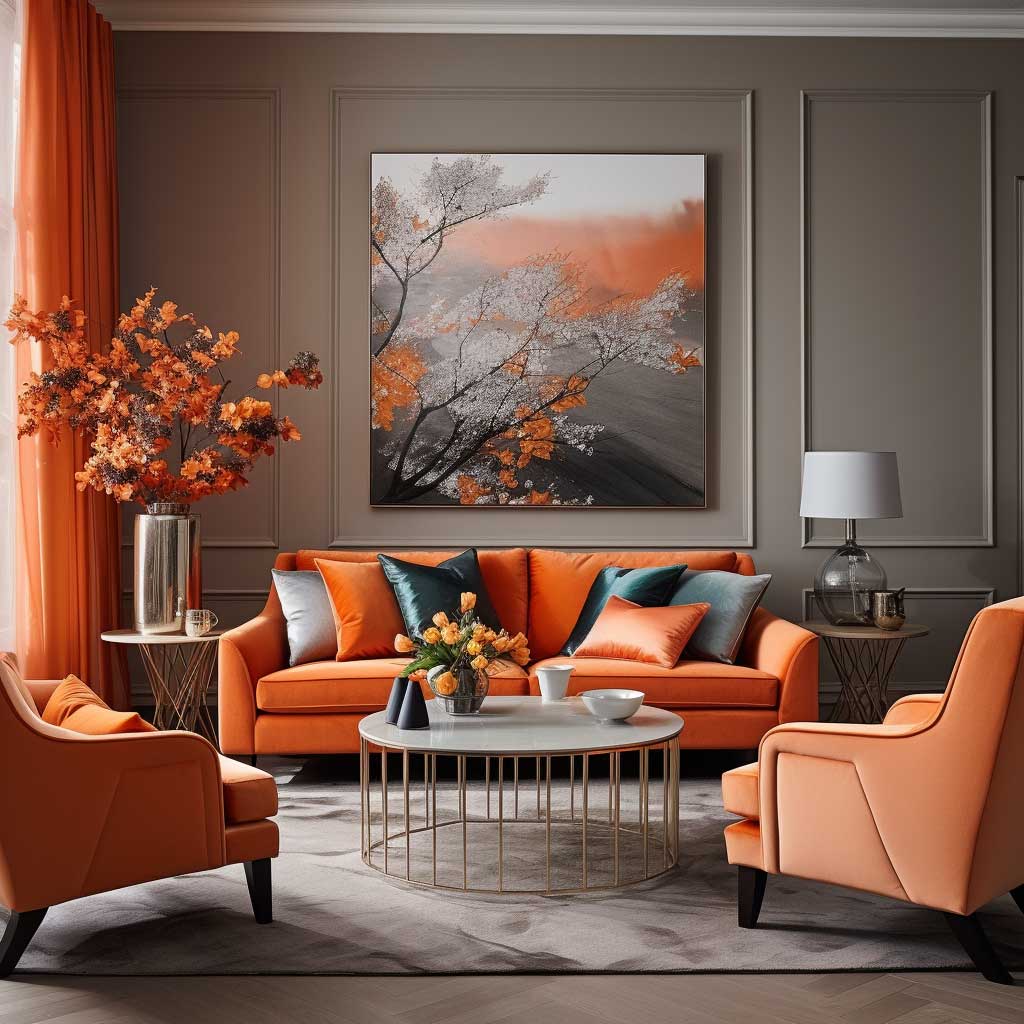
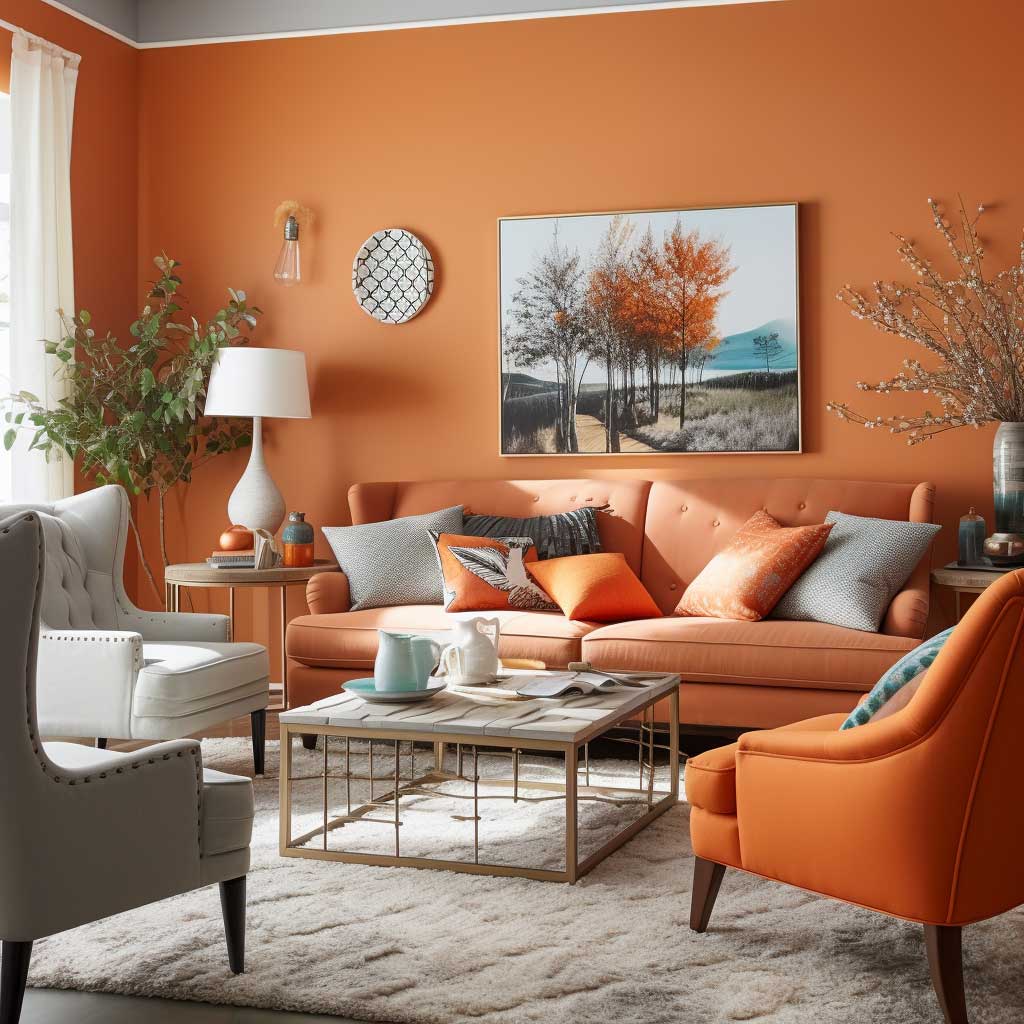
What kills the beige-orange living room every time? Orange with yellow undertones next to a yellow-beige wall. You get a room that feels like the inside of a mango — technically warm, aggressively so. The fix is simple: pick a beige with pink undertones (Benjamin Moore Pale Oak OC-20, around $70/gallon) and pull orange in through a rug rather than a wall. The rug can be swapped for under $200. The wall repaint costs you a weekend and $300 in labor. Rug first, always.
For more on building a complete beige-led palette that plays well with warm accents, these beige living room decor approaches walk through the texture layering logic that makes the neutral base feel expensive rather than blank. The short version: three beige values minimum, one piece of raw oak, and something with shine — brass lamp, lacquered tray, anything that catches light and breaks the matte wall of warmth.
Orange Walls Full-Room — Where Everyone Gets It Wrong


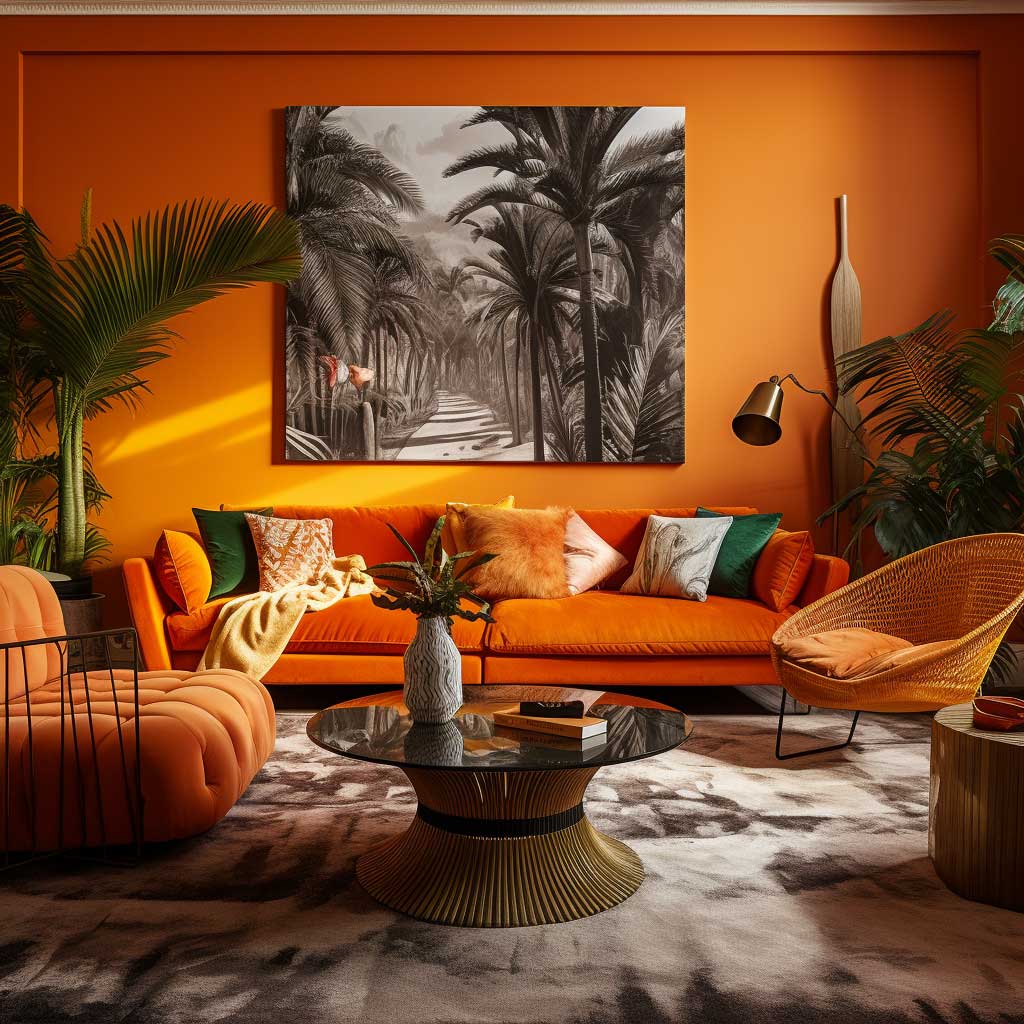
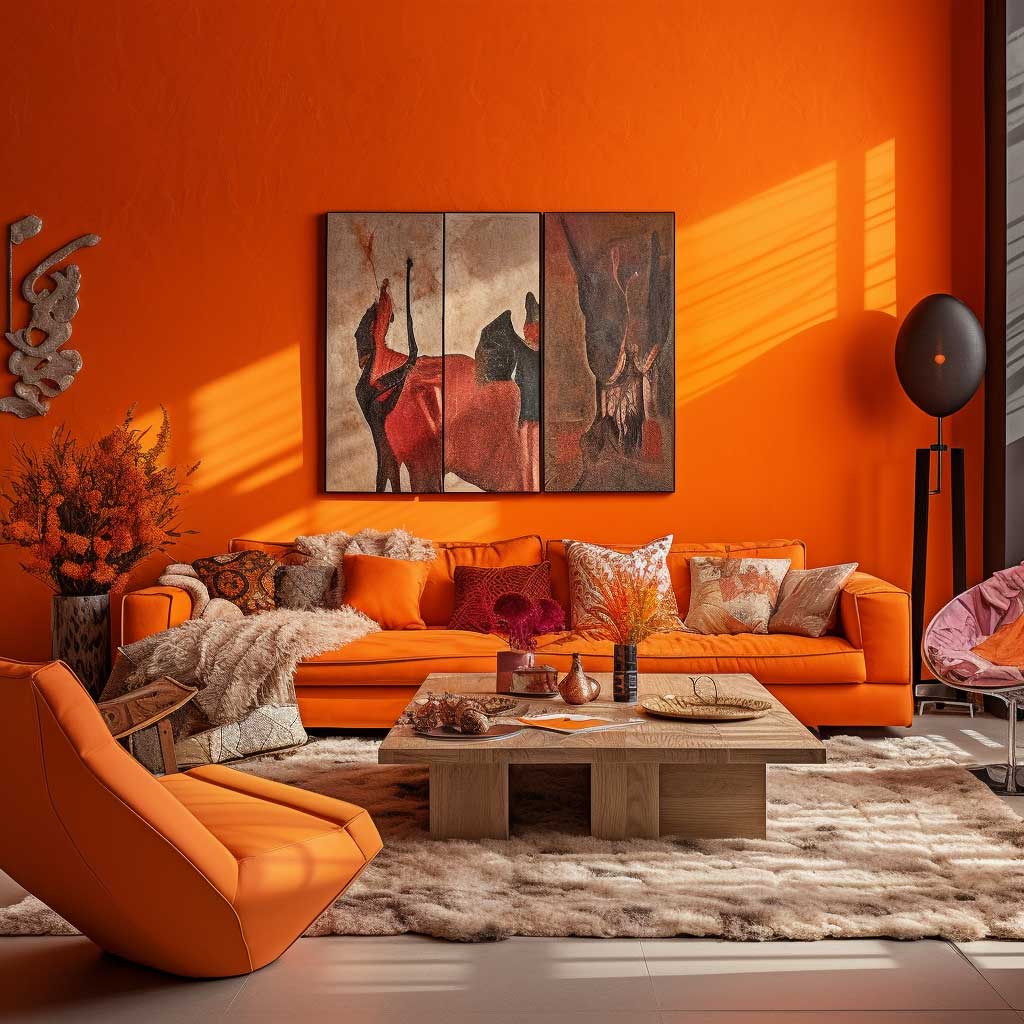
Four orange walls sounds like a commitment most people won’t make. I’ve made it. It works exactly once — in a room with very high ceilings, minimal furniture, and at least one large window facing north or west. In a standard 9-foot-ceiling room with average light, four orange walls feel like standing inside a Halloween decoration by November. The color bounces and re-bounces until your eyes are working overtime just to sit on the couch. That’s not atmosphere. That’s exhausting.
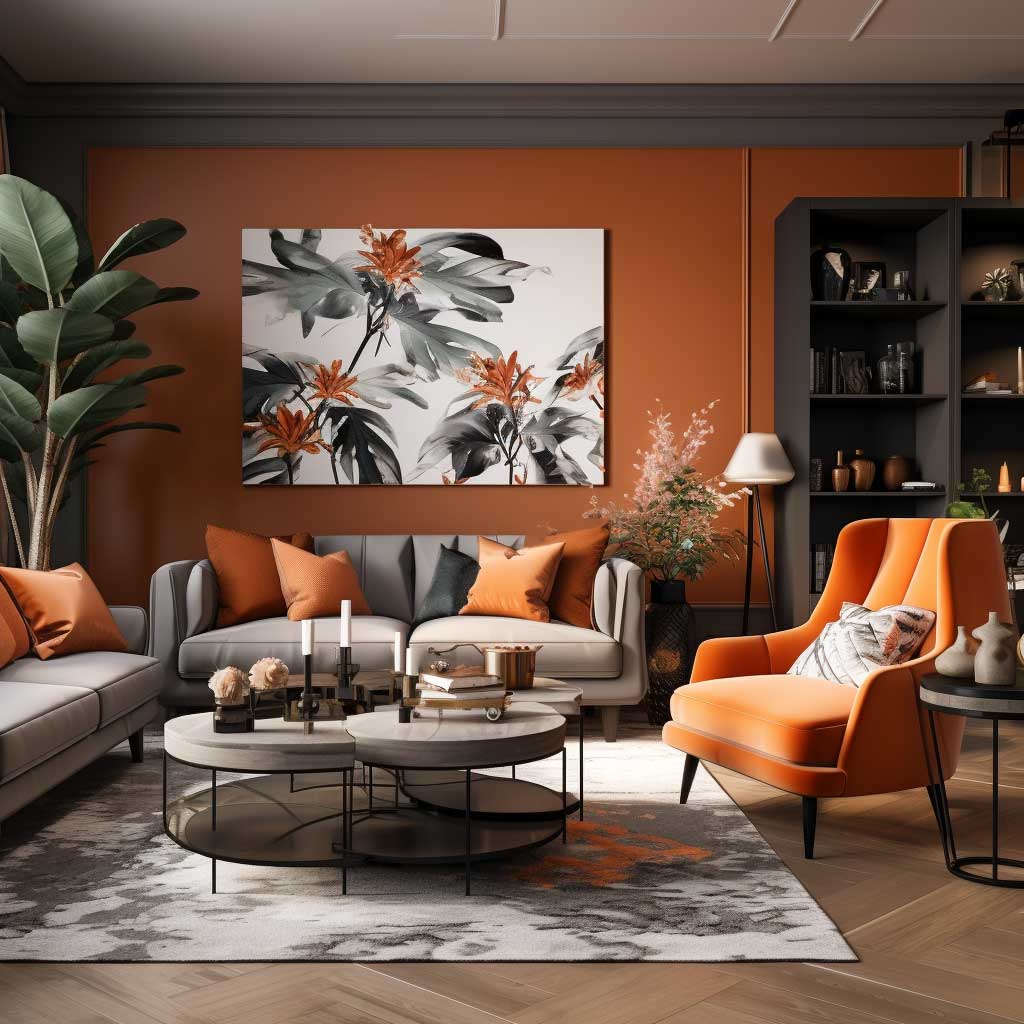
The rooms in these images that carry the full orange treatment share one thing: dark furniture that absorbs rather than reflects. A black metal shelving unit. A charcoal upholstered bed frame. Deep walnut floors. Each dark element acts like a volume knob, pulling the orange’s intensity down by giving the eye somewhere to rest. Designers at Cuppett Kilpatrick Architecture reference this same trick — strategic placement of the color at top and bottom of the room rather than pushing it into every plane simultaneously. Try ceiling and rug in orange, leave the walls neutral, and you’ll get 70% of the drama with none of the claustrophobia.
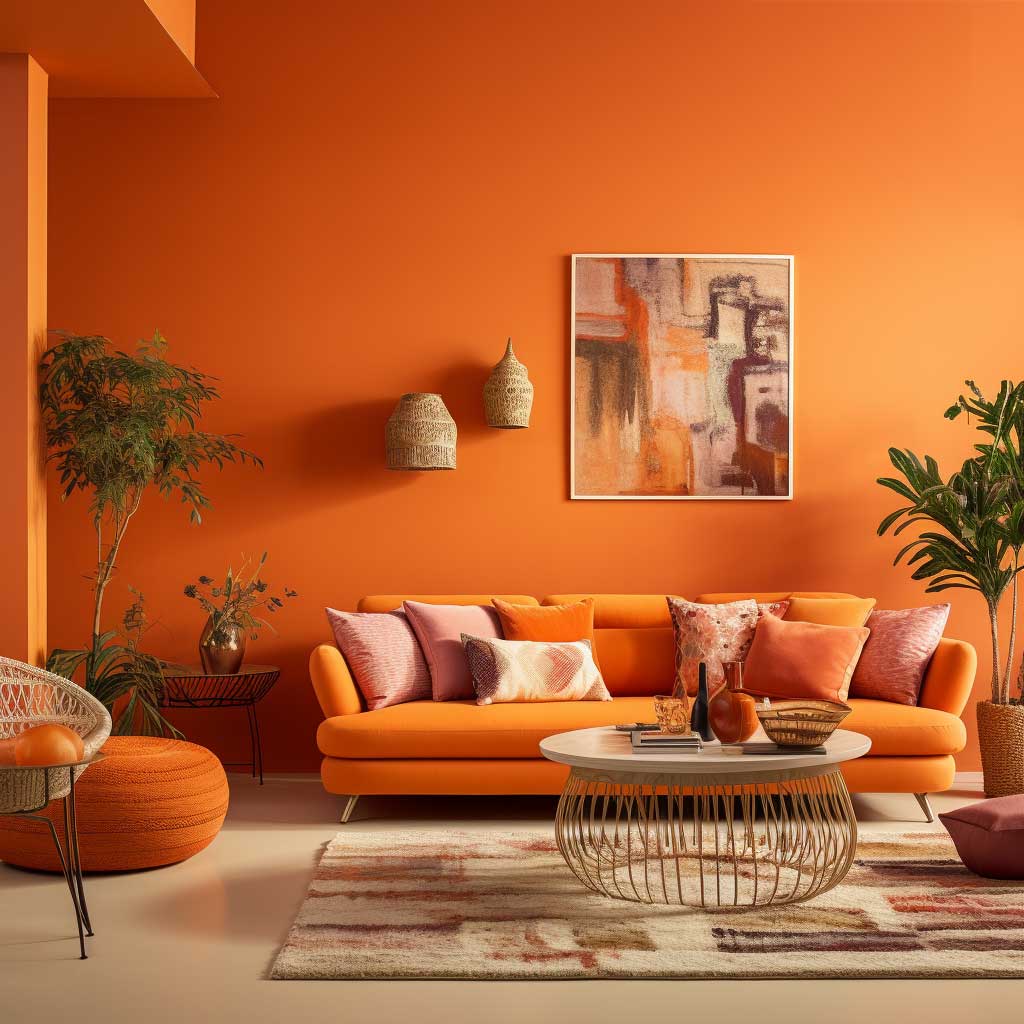


Want the creative side of a fully orange room without painting every wall? Do one orange accent wall and run floor-to-ceiling bookshelves across it immediately. The shelves break the plane, introduce texture, and let the orange peek through like a backdrop rather than a shout. I stole this trick from a Brooklyn loft I photographed last year — the owner had painted only the wall inside the shelving unit’s back panel in a deep Farrow & Ball Amber (No. 228, around £60/2.5L). Nobody thought of it as an orange room. They just thought the books looked incredible. Homes & Gardens’ orange decorating guide covers a similar principle — that orange works best when it’s interrupted rather than continuous.
The other full-room approach worth trying: orange paired with large-format art containing navy or teal. The cool color in the artwork creates visual breathing room without requiring you to repaint. Think of it like a pressure valve — one 60×40 inch abstract canvas in teal on an orange wall and the room suddenly has depth instead of just temperature. Mid-century modern chairs in walnut (CB2 Saucer Chair, around $499) complete the editorial look without competing for attention.
Final Take
Orange Doesn’t Need to Be Brave. It Just Needs a Plan.
Pick your shade before you pick your accent color. Tangerine, burnt orange, and terracotta are three completely different rooms, and mixing them randomly is how you end up with a living room that looks like a fruit stand.
Grey cools it down. Beige softens it. Gold amplifies it. Choose one direction and commit — the rooms that fail are the ones trying to do two things at once.
Save this post before your next paint store visit — shade samples look completely different at home under your actual light.