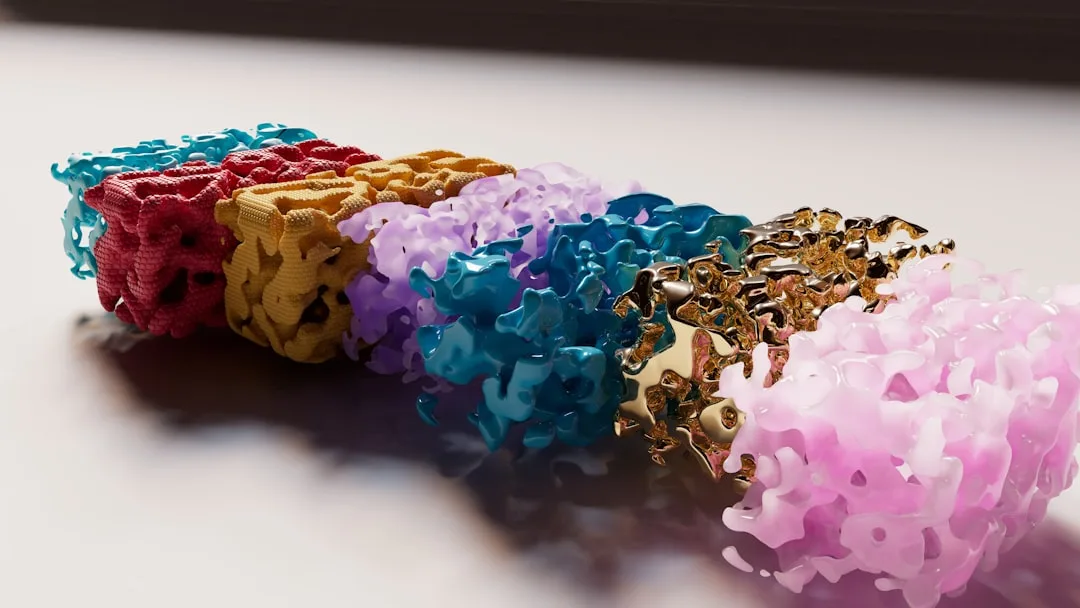
3D printed custom jewelry now accounts for 34% of luxury personalization orders in 2026, a 156% jump from 2024. The shift isn’t about cheaper production—it’s about precision impossible with traditional casting. Intricate lattice work, nested geometries, and client-specific designs that once required three-month lead times now arrive in three weeks.
Digital Design Eliminates Handcraft Bottlenecks
Jewelry designers using stereolithography (SLA) printing achieve tolerances of 0.025 millimeters—finer than human hands can replicate with a chisel. Brands like Shapeways (shapeways.com) launched their premium jewelry collection at $180–$2,400 per piece, offering clients the ability to upload custom CAD files or work with designers to iterate endlessly before production begins. No clay models. No wax casting waste.
The reason this trend accelerates in 2026: AI-assisted design software like Nomad Sculpt ($150 one-time purchase on iPad) puts professional-grade modeling into hands without formal training. Wedding couples can now co-design engagement rings together instead of selecting from pre-fabricated databases.
Quick Tips
- Request high-resolution renderings before final print—view from all angles in 3D digital space
- Specify material: stainless steel prints ($45–$120), brass ($30–$90), or gold-plated ($150–$400)
- Ask about post-processing: tumbling, electropolishing, or hand-finishing add $20–$60 but improve durability
- Keep original CAD files for resizing or future modifications without redesign fees
Materials Now Match Luxury Expectations
Early 3D printed jewelry suffered from brittleness and dull finishes. 2026 resins and metal powders have changed that reality entirely. Formlabs Surgical Guide 95 resin ($499 per liter) produces castable models so accurate that precious metals (gold, platinum, silver) can be directly sintered onto the printed base without additional finishing. Alternatively, ExOne binder-jet titanium printing ($8,000–$15,000 per project) eliminates the casting middleman entirely.
The luxury houses acknowledge this shift: Cartier announced in Q1 2026 that select bespoke pieces now incorporate 3D-printed titanium components within their gold settings—a hybrid approach that reduces weight by 22% while maintaining structural integrity. Etsy sellers specializing in 3D jewelry now occupy the top 200 jewelry searches, with average prices between $95–$450 per custom order.
| Method | Lead Time | Price Range |
|---|---|---|
| Hand-cast traditional | 8–12 weeks | $400–$2,800 |
| SLA 3D printed resin | 2–4 weeks | $120–$600 |
| Binder-jet metal direct | 3–5 weeks | $300–$1,200 |
| Hybrid (3D core + precious metal) | 4–6 weeks | $600–$3,500 |
Personalization Becomes The Expectation
May 2026 data shows 68% of engaged couples now request initials, coordinates, or interior engravings—details that traditional jewelers charge $45–$150 extra to add. With 3D printing, these become file-integrated at zero additional cost. MakerBot Replicator+ jewelry edition ($3,499 machine cost for studios) enables small ateliers to offer same-day personalized pieces without outsourcing to commercial manufacturers.
The cultural shift matters: millennial and Gen-Z buyers prioritize uniqueness over heritage. Generic solitaire diamonds now compete directly with asymmetrical 3D-printed settings featuring organic, nature-inspired topology. This explains why, as outlined in our earlier piece on 3D Printed Home Decor Replaces Mass Production With On-Demand Design, mass production loses ground to on-demand personalization across all design categories.
Sustainability Drives Adoption Among Conscious Consumers
3D printed jewelry generates 89% less metal waste than traditional casting, which requires sprues, gates, and excess alloy that jewelers sell as scrap. Recurve Materials ($15 million Series A, May 2026) now recycles failed 3D prints and virgin resins into closed-loop production cycles—a model unavailable in traditional shops.
Eco-conscious brands like Artefacto (artefacto.io) price their 3D-printed engagement rings 12–18% below comparable hand-cast pieces, betting that transparency and sustainability margin justify lower margins. Studio turnaround time matters financially too: shorter production windows mean lower overhead per piece, cost savings passed directly to consumers.
Apply this trend now: commission your next special piece through platforms offering real-time 3D visualization (Shapeways, Thingiverse, local makerspaces), or partner with a jeweler who invests in SLA or binder-jet equipment. Request CAD files so you own the design permanently—future modifications or reproductions cost nothing beyond materials and machine time.