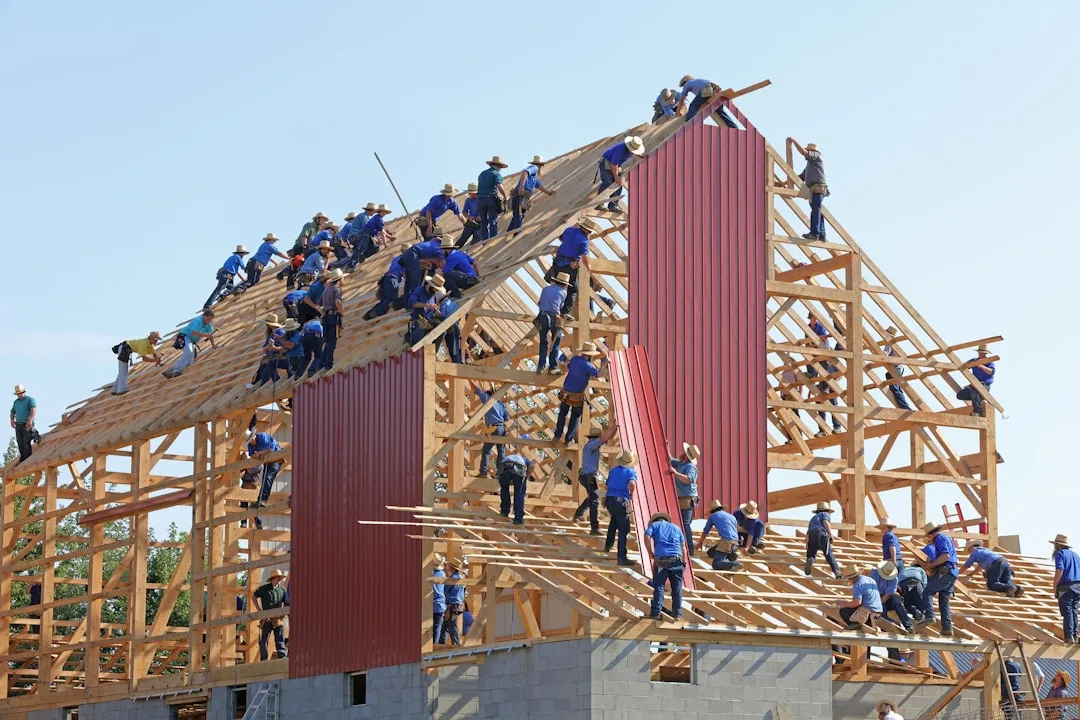
Modular construction prefabrication is eliminating 40–50% of traditional build timelines, making it the fastest-growing construction methodology entering mid-2026. Factory-controlled assembly of wall panels, floor systems, and mechanical units arrives on-site ready for installation—a paradigm shift from conventional stick-building that demands months of sequential labor. Developers report completion acceleration from 18-month to 9-month delivery cycles, directly addressing housing shortages and labor constraints plaguing residential markets across North America.
Why Factory Assembly Outpaces On-Site Construction
Controlled factory environments eliminate weather delays, material waste, and rework cycles that plague outdoor job sites. Modular construction prefabrication facilities operate year-round with precision tooling, reducing defects by 30–40% compared to traditional framing. Panelized wall systems arrive 95% complete—electrical, plumbing, and vapor barriers already integrated—requiring only connection and final finishes on-site.
Labor efficiency multiplies when crews focus on assembly rather than cutting, measuring, and adapting materials. A single modular crew manages what traditionally requires 5–7 specialized trades cycling through the same space over months. Blokable (a Vancouver-based modular firm) reports labor reductions of 35% versus conventional builds, with their 2,400-square-foot units priced at $450,000–$580,000 depending on finish specifications.
Quick Tips
- Request factory tour documentation—certification photos prove quality control protocols exceed site-built standards.
- Specify sealed modular connections; gaskets and thermal breaks prevent thermal bridging at panel interfaces.
- Negotiate warranty terms: most modular manufacturers offer 10-year structural warranties versus 1-year site-builder guarantees.
- Plan road logistics early—wide loads require routing permits and temporary bridge reinforcement assessments.
Leading Modular Manufacturers and Pricing
Blokable’s prefab residential units start at $450,000 and scale to $580,000 with integrated smart home systems. Each module arrives 98% complete with finished ceilings, flooring, and integrated HVAC—reducing on-site trades to electricians and plumbers for final connection only. Their manufacturing facility in British Columbia produces 12 units monthly, with delivery timelines averaging 16 weeks from order to site arrival.
Blusiness (modular office and commercial spaces) prices factory-built 500-square-foot office pods at $85,000–$120,000, including demountable interior partitions and integrated cable routing. Their modular systems support future reconfiguration without structural demolition, critical for corporate clients planning workspace evolution. Factory QA protocols inspect every unit through thermal imaging, ensuring insulation uniformity across all exterior edges.
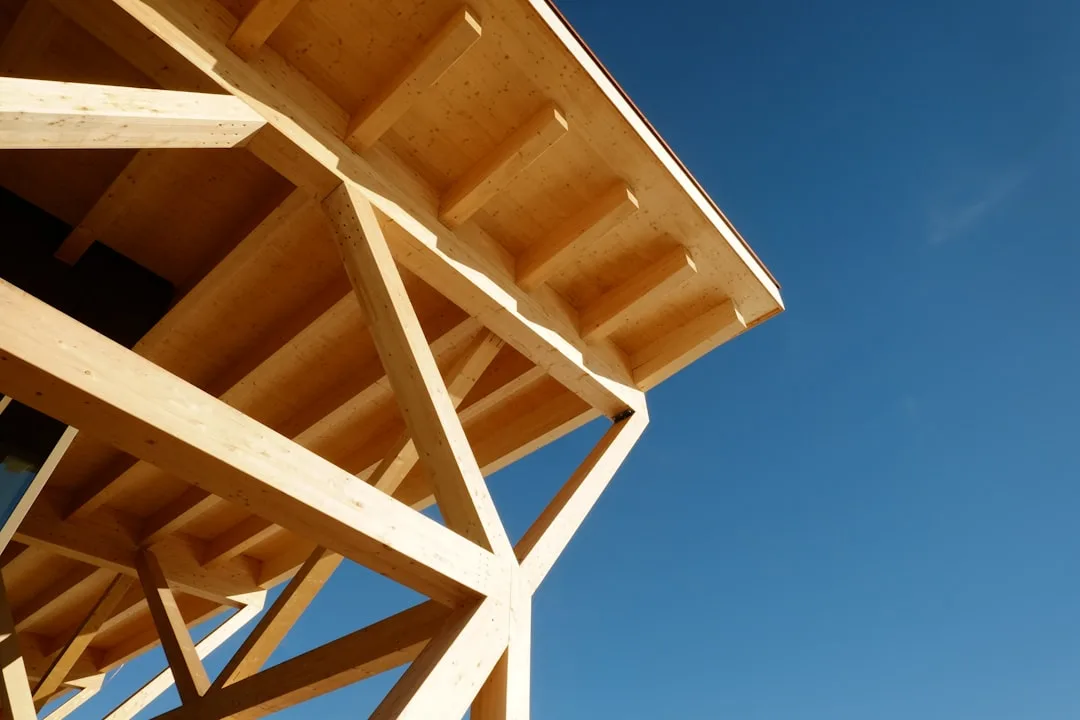
Caterpod (Toronto-based residential modular builder) delivers move-in-ready 1-bedroom units at $320,000–$395,000, with production cycles of 12 weeks. Their cross-laminated timber (CLT) core structure aligns with mass timber construction trends, reducing carbon footprint by 45% versus traditional concrete-and-steel builds. Caterpod’s 2026 expansion adds 24 units monthly capacity.
| Modular Provider | Product Type | Price Range & Timeline |
|---|---|---|
| Blokable | Residential units (2,400 sq ft) | $450,000–$580,000 | 16 weeks |
| Blusiness | Commercial pods (500 sq ft) | $85,000–$120,000 | 10 weeks |
| Caterpod | 1-bed residential (650 sq ft) | $320,000–$395,000 | 12 weeks |
| Blok Living | Adaptive studio units | $240,000–$310,000 | 14 weeks |
| Factory OS | Mid-rise core+shell (modular frames) | $1.2M–$2.8M per floor | 18 weeks |
Integration with Biophilic and Smart Systems
May 2026 marks accelerating adoption of modular shells paired with biophilic construction materials—factory modules now arrive with integrated living walls, cross-laminated timber (CLT) interior finishes, and VOC-monitoring HVAC systems. Blokable’s premium tier includes pre-installed moss walls (Sundar Naturals panels at $2,400 per 16-square-foot section) and radiant cooling ceilings, eliminating site-level complexity.
Smart home integration occurs entirely in the factory, with pre-wired sensor arrays, automation hubs, and electrical infrastructure tested before shipment. Caterpod’s units include Nest thermostats, Ring doorbell systems, and smart lighting pre-installed and commissioned, reducing on-site electrician hours by 20 hours per unit. This factory-level integration maintains quality assurance that decentralized site installation cannot replicate.
Transportation and Site Assembly Reality
Modules ship on specialized flatbed trailers, with standard residential units measuring 12 feet wide by 60 feet long by 13 feet high. Road permits cost $800–$3,200 depending on distance and bridge restrictions; developers must budget logistics early. Arrival at site requires clear staging areas (minimum 80 feet × 100 feet for multi-unit projects) and crane rental ($1,500–$2,800 daily) for placement onto foundations.
Assembly duration on-site averages 2–4 weeks for single-unit placement, 8–12 weeks for 4–6-unit stacks. Crews bolt modules together using factory-installed connection points, install flexible utility bridges between units, and perform final inspections. This compressed timeline directly reduces carrying costs and construction financing—a critical advantage when interest rates remain elevated.
Market Adoption Drivers in 2026
Labor shortage persistence and material cost volatility accelerate modular adoption across residential and mixed-use sectors. Investor confidence in repeatable factory processes lowers project risk premiums, enabling financing at 0.5–1.2% lower rates than traditional builds. By May 2026, modular comprises 12–15% of new residential starts in urban centers, up from 3–5% in 2023.
Regulatory frameworks in British Columbia, Ontario, and California now explicitly permit modular multi-family buildings up to 12 stories, eliminating height restrictions that historically limited deployment. Insurance companies offer 10–15% premium discounts for modular structures, citing superior quality control and faster occupancy timelines reducing vacancy-related claims.