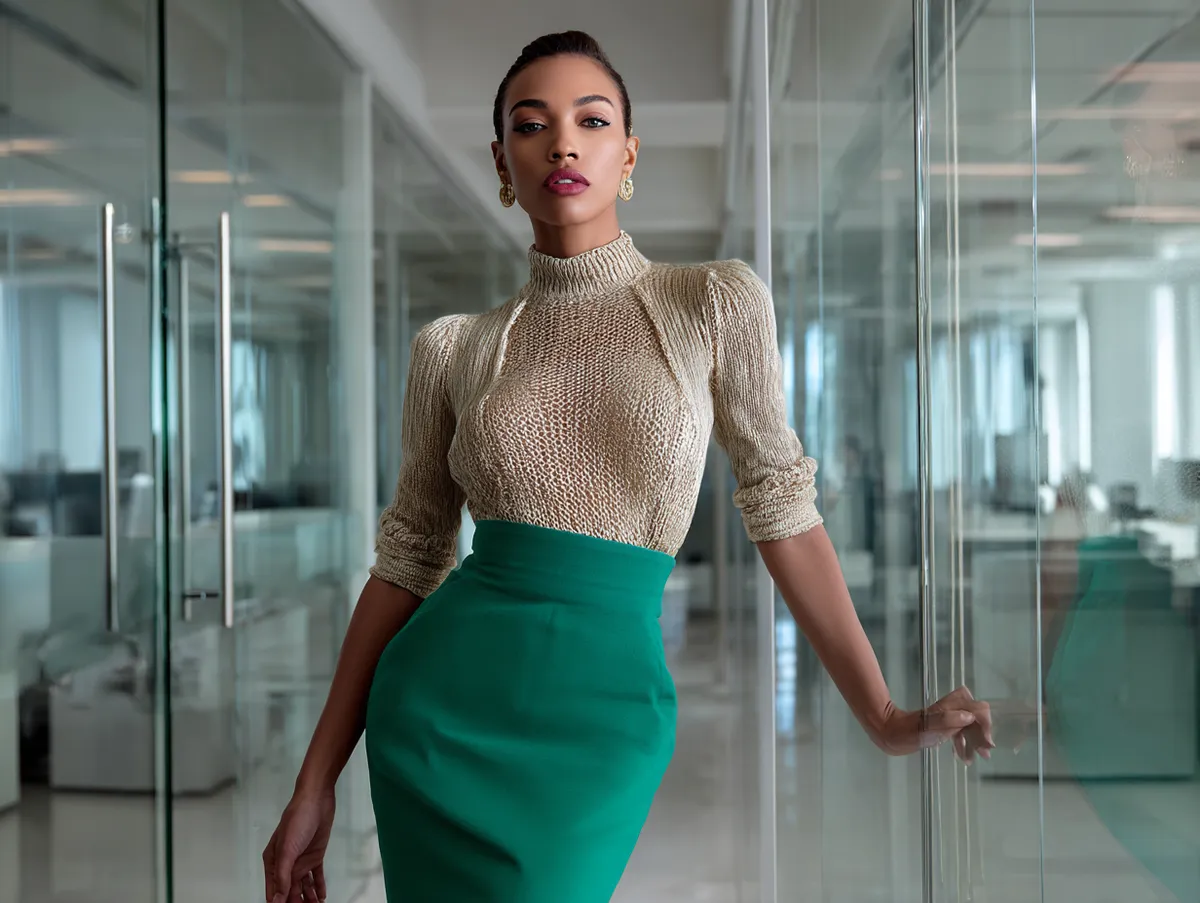
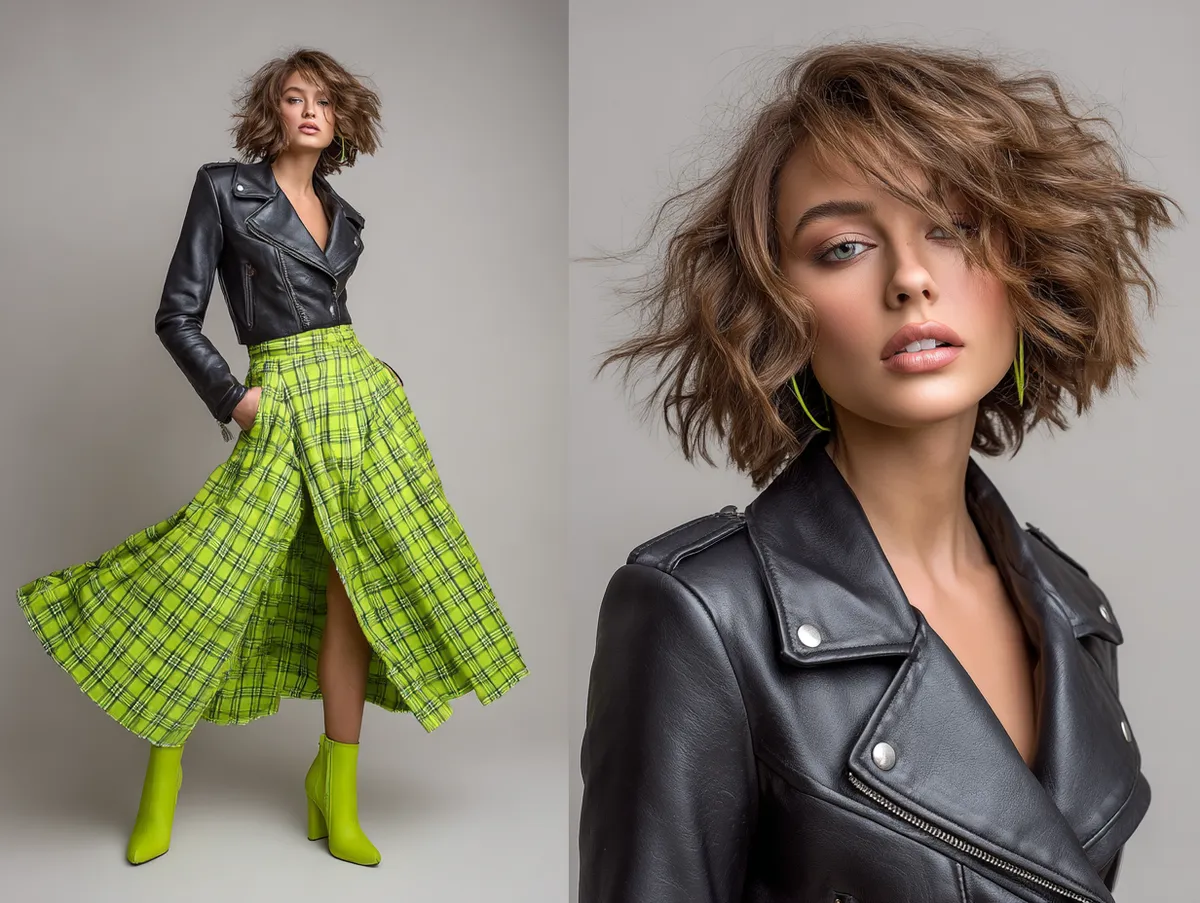
Green outfit ideas deliver an instant wardrobe reset that works from casual days to evening events. Soft sage, deep forest, and rich emerald shades pair with denim, neutrals, and metallics to create looks that feel current without forcing a full overhaul.
Most people reach for black or navy by default. Switching to green shifts the mood toward freshness and energy while remaining wearable across seasons. The right shade and fabric combination solves the “what to wear” question faster than most color experiments.
Start with one strong green piece and build outward. A single sweater, blazer, or dress can anchor multiple combinations, keeping costs low and decision fatigue even lower.
- Sage and olive work as everyday neutrals that replace black without looking flat.
- Forest green tops pair cleanly with denim and white sneakers for weekend ease.
- Emerald dresses and blazers handle evening and office settings with equal strength.
- Accessories in gold or cream lift any green base without competing for attention.
- One solid green piece can generate three or more complete outfits when mixed with existing neutrals.
- Skip neon unless the rest of the look stays strictly monochrome or black.
Nature-Driven Looks Built Around Soft Sage and Olive
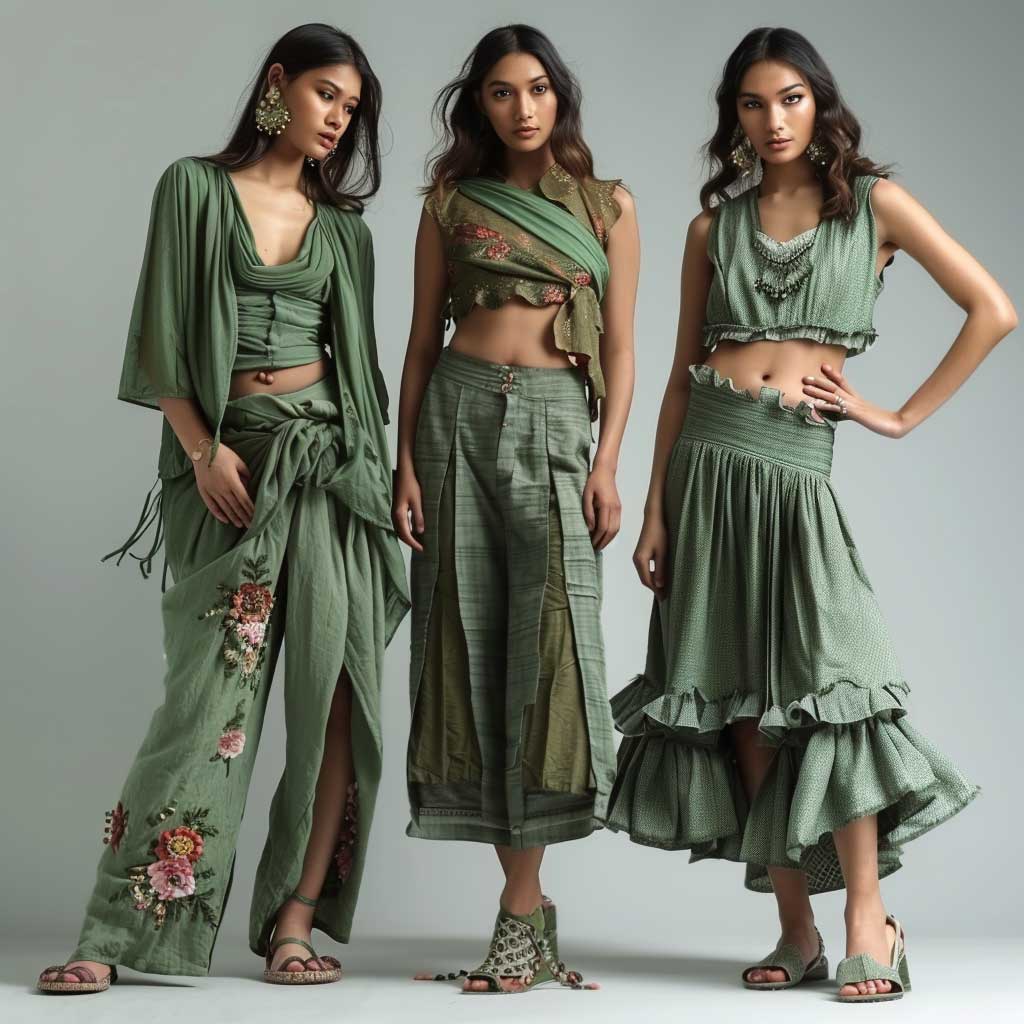
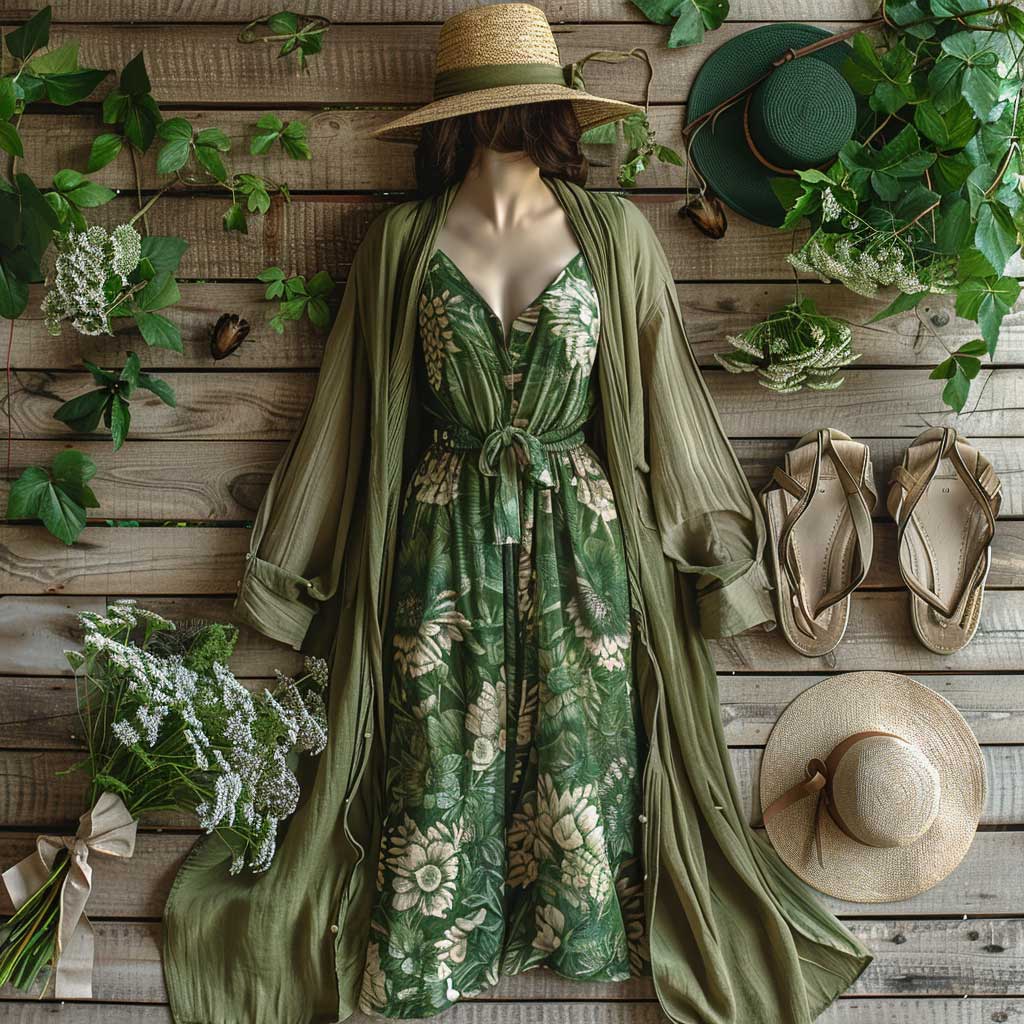
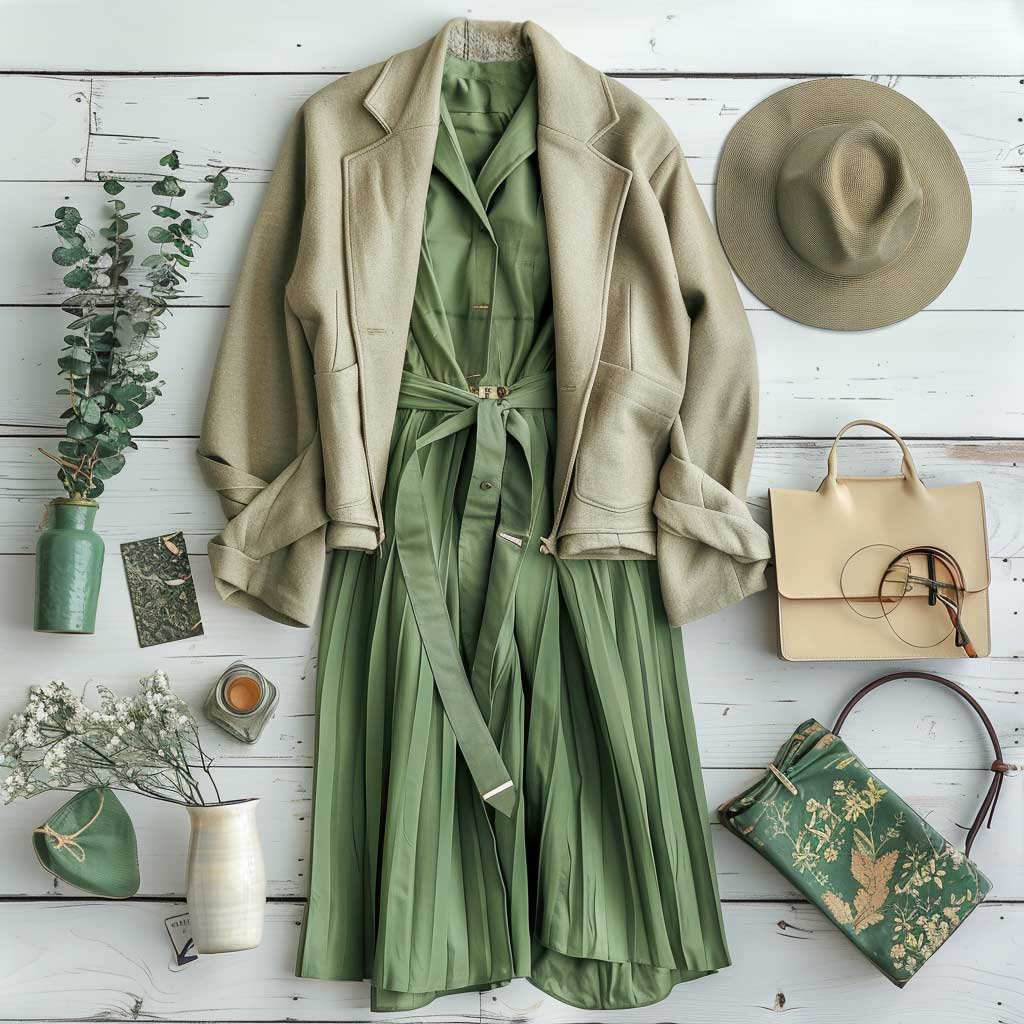

Soft sage and olive create the most approachable entry into green outfit ideas for anyone wary of bold color. These shades sit close to neutrals yet still register as intentional. A flowing sage maxi dress moves like light through leaves and works for weekend markets or quiet dinners. Pair it with simple cream flats and a woven bag to keep the focus on the color itself.
Why does olive feel safer than brighter greens? It shares the same visual weight as charcoal or navy, so it never fights existing pieces. An olive sweater over dark denim costs around $25–$60 at mid-range retailers and instantly reads polished. Add a deeper emerald scarf for depth without buying a second full outfit. Avoid pairing olive with other muddy browns; the result turns flat and dated.
Think of these tones as the fashion equivalent of a well-tended garden path—reliable, calm, and quietly impressive. One solid olive knit can rotate through three outfits: jeans and sneakers, tailored trousers and loafers, or a midi skirt and ankle boots. Keep the rest of the palette clean so the green stays the quiet hero.
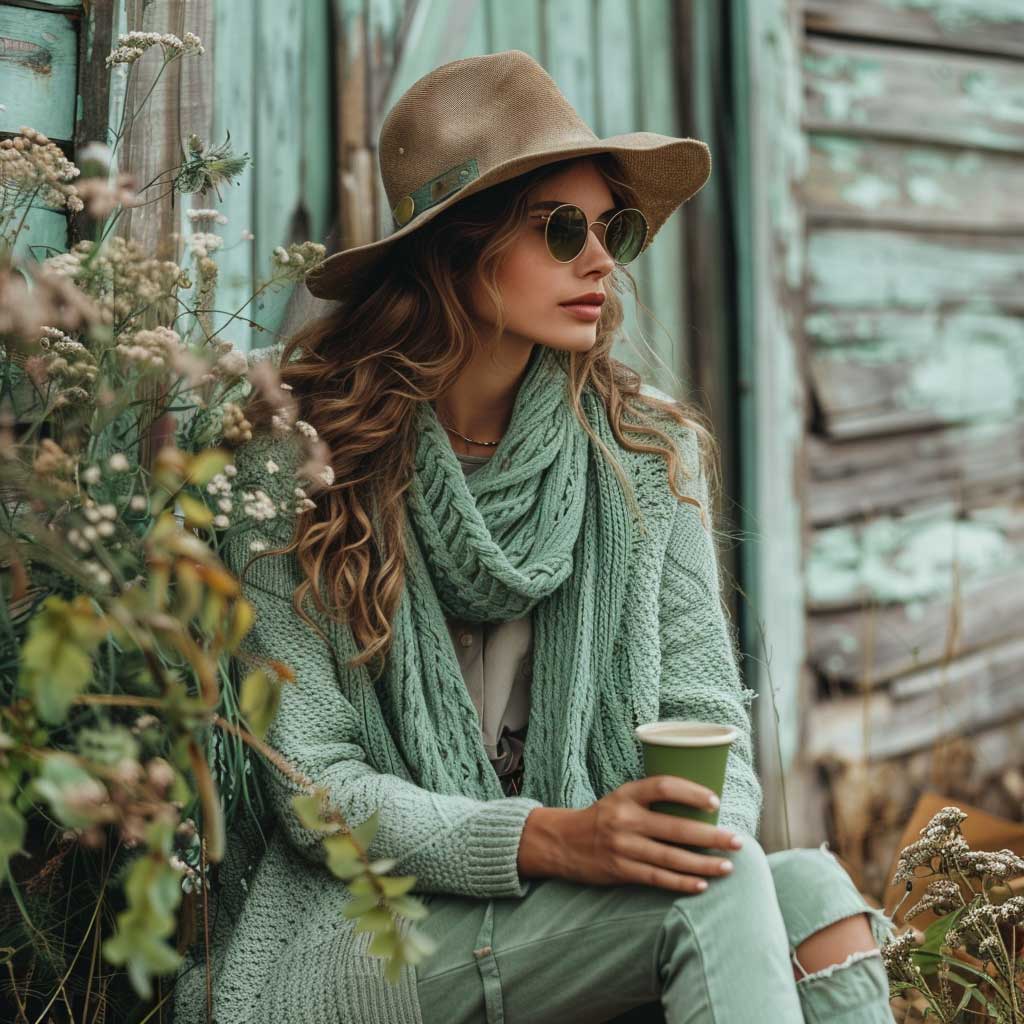
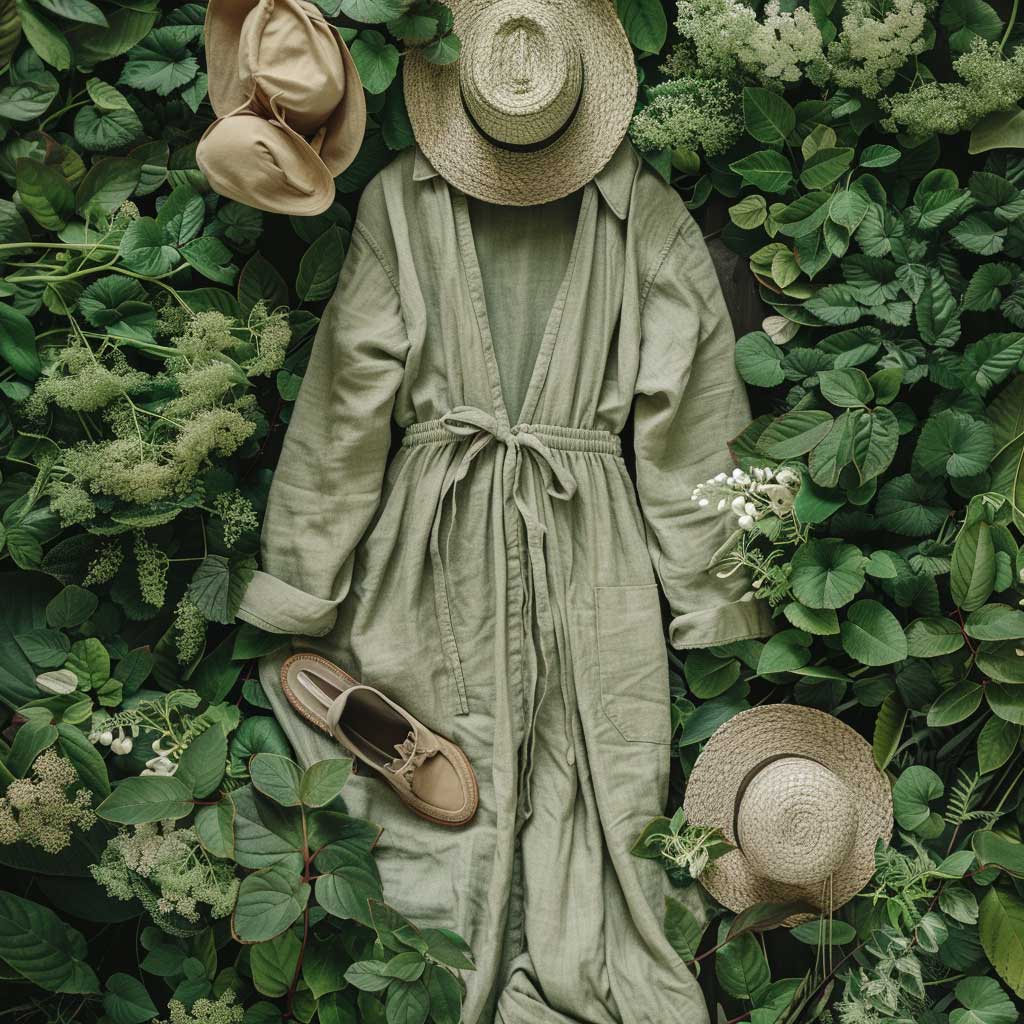

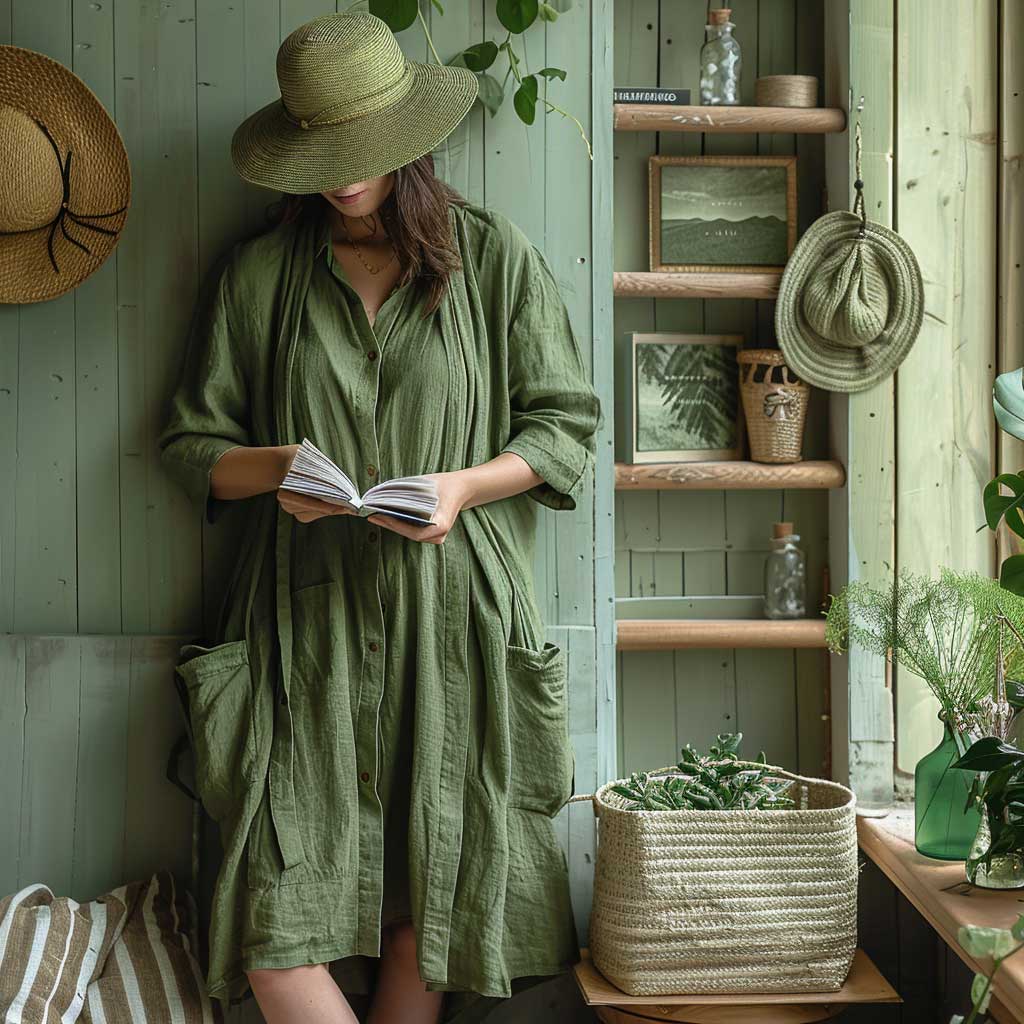
Evening versions stay equally simple. A sleek emerald dress needs little more than delicate gold earrings and a metallic clutch. Mid-range emerald dresses typically sit between $80 and $200, offering high visual return without formal-wear pricing. Skip heavy layering; the color already carries presence.
These nature-leaning combinations answer the common question of how to wear green without looking costumed. Soft shades act as the new neutral, while deeper greens handle statement moments. One well-chosen piece does more work than a rack of trend-driven items.
City-Ready Green Ensembles for Street and Office
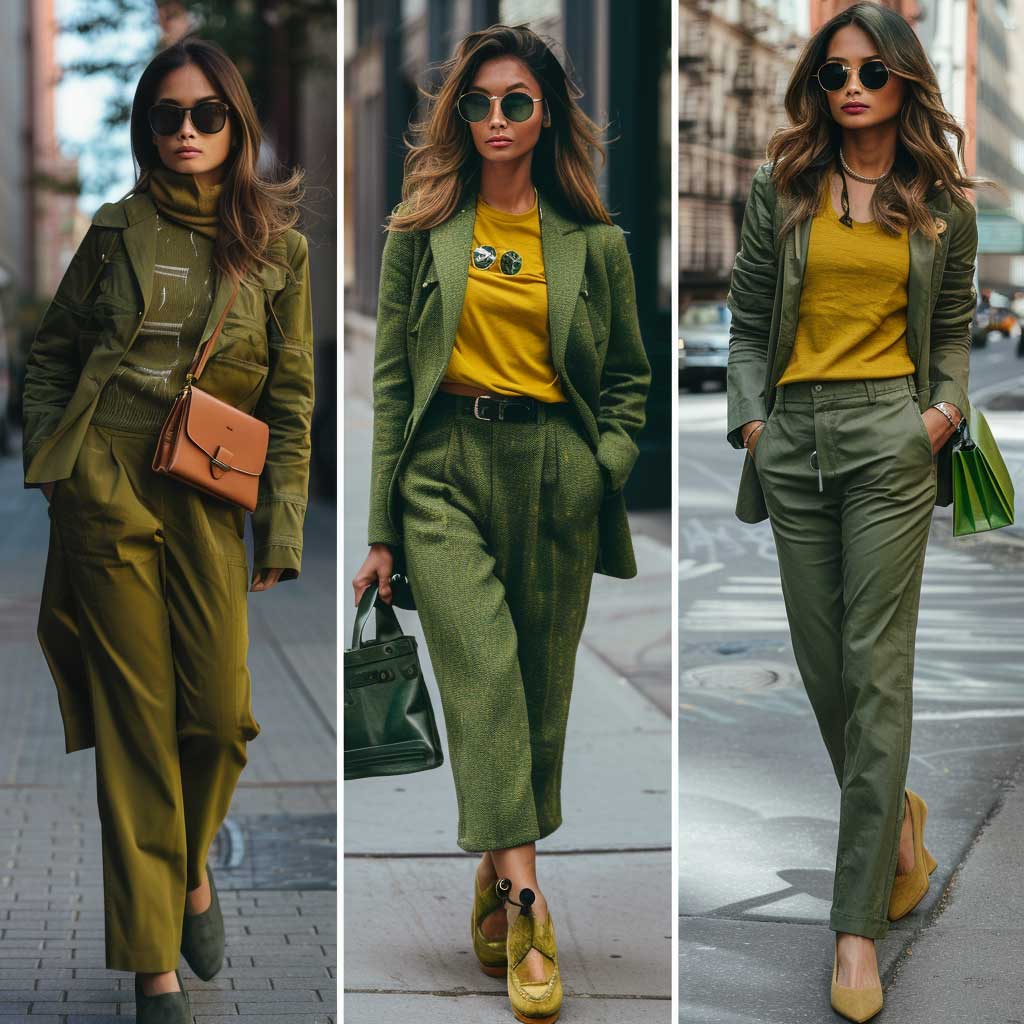
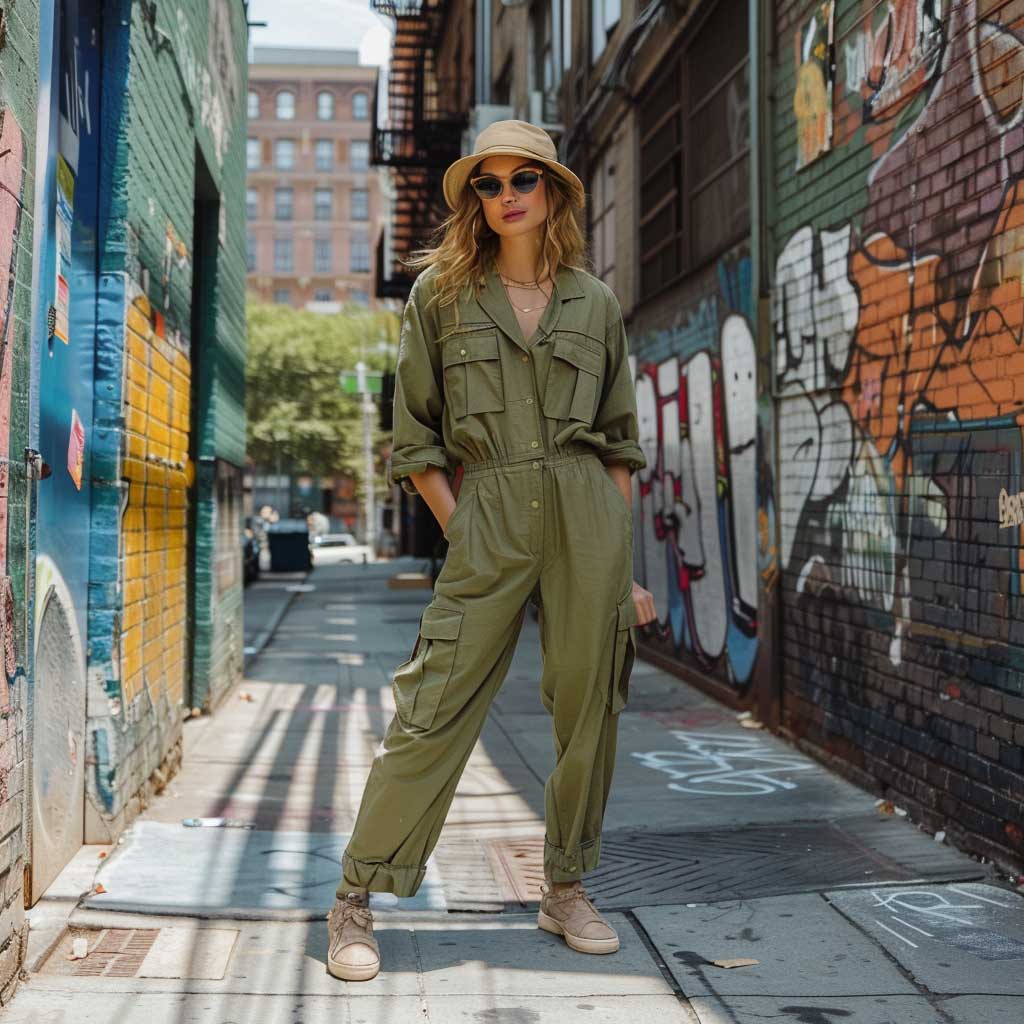

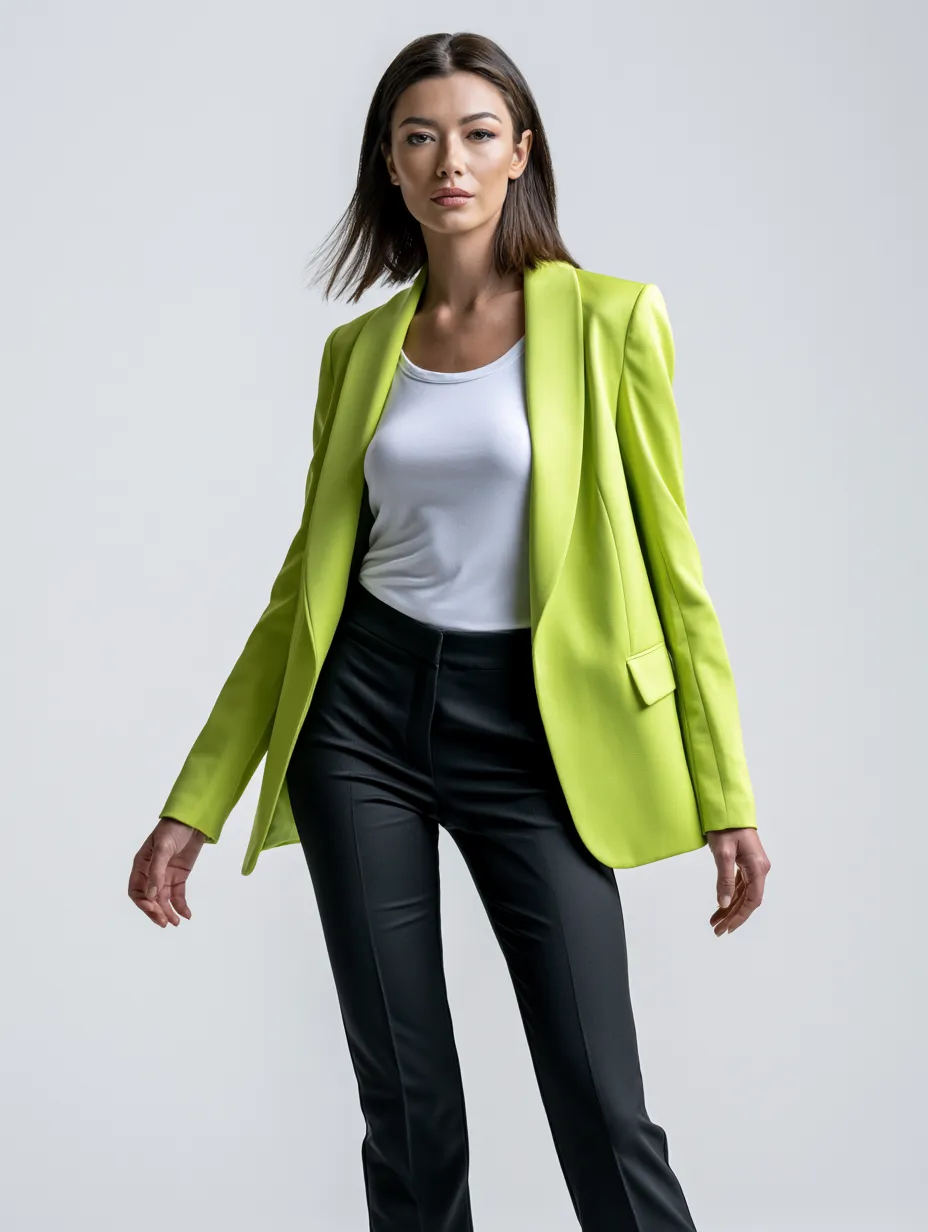
Urban green outfit ideas thrive when structure meets ease. A tailored forest-green blazer over olive trousers cuts through city noise with quiet authority. The combination works for client meetings or late dinners because the color stays professional yet distinct from the usual navy or black. Expect blazer prices in the $120–$250 range for reliable mid-market options.
What happens if the green feels too heavy for daytime? Lighten it with a mint sweater and white sneakers. The softer tone keeps energy high while the sneakers ground the look. Avoid mixing more than two green shades in one outfit; the eye loses focus and the result feels accidental. One strong green plus neutrals always reads deliberate.
Treat the city as a concrete backdrop against which green becomes the living accent—like a single tree on a busy avenue. A statement emerald bag or gold jewelry adds polish without extra volume. These combinations travel well from sidewalk to desk to evening plans with only a shoe swap.
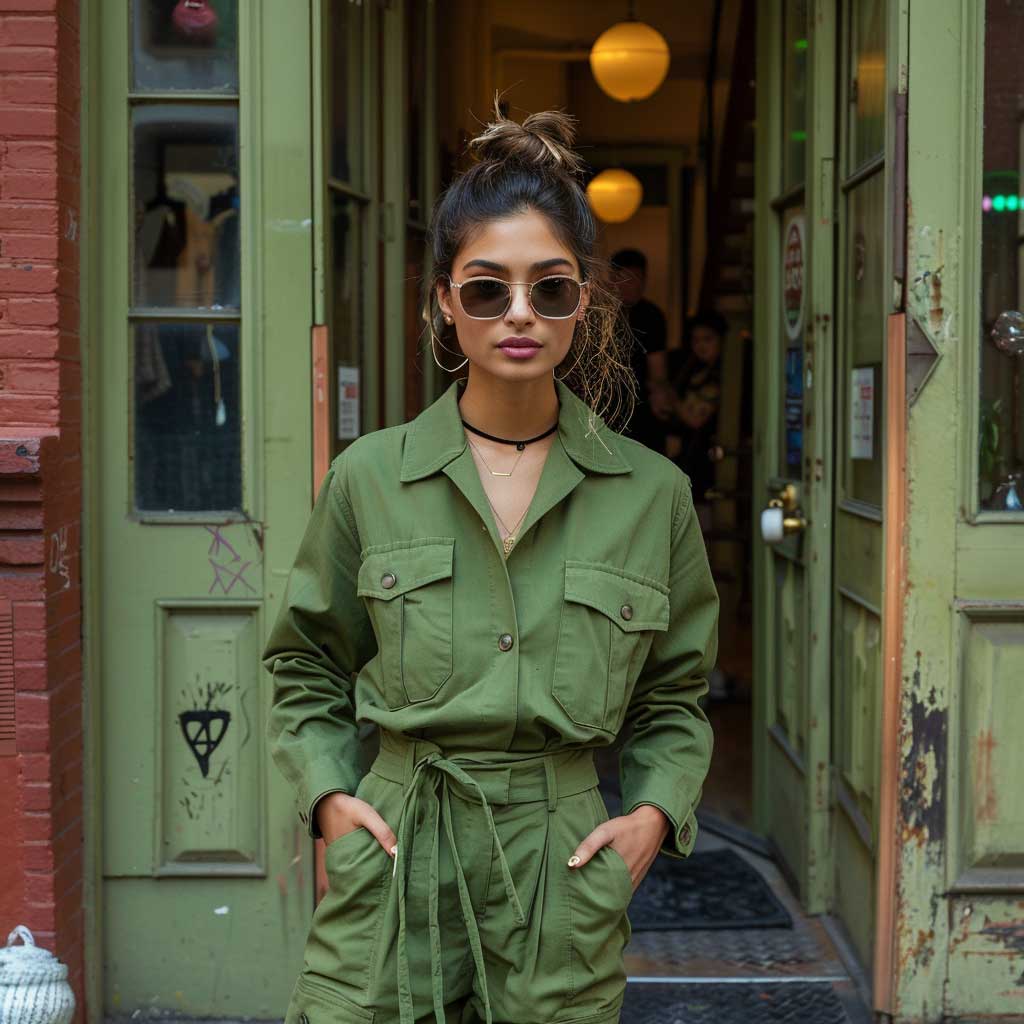
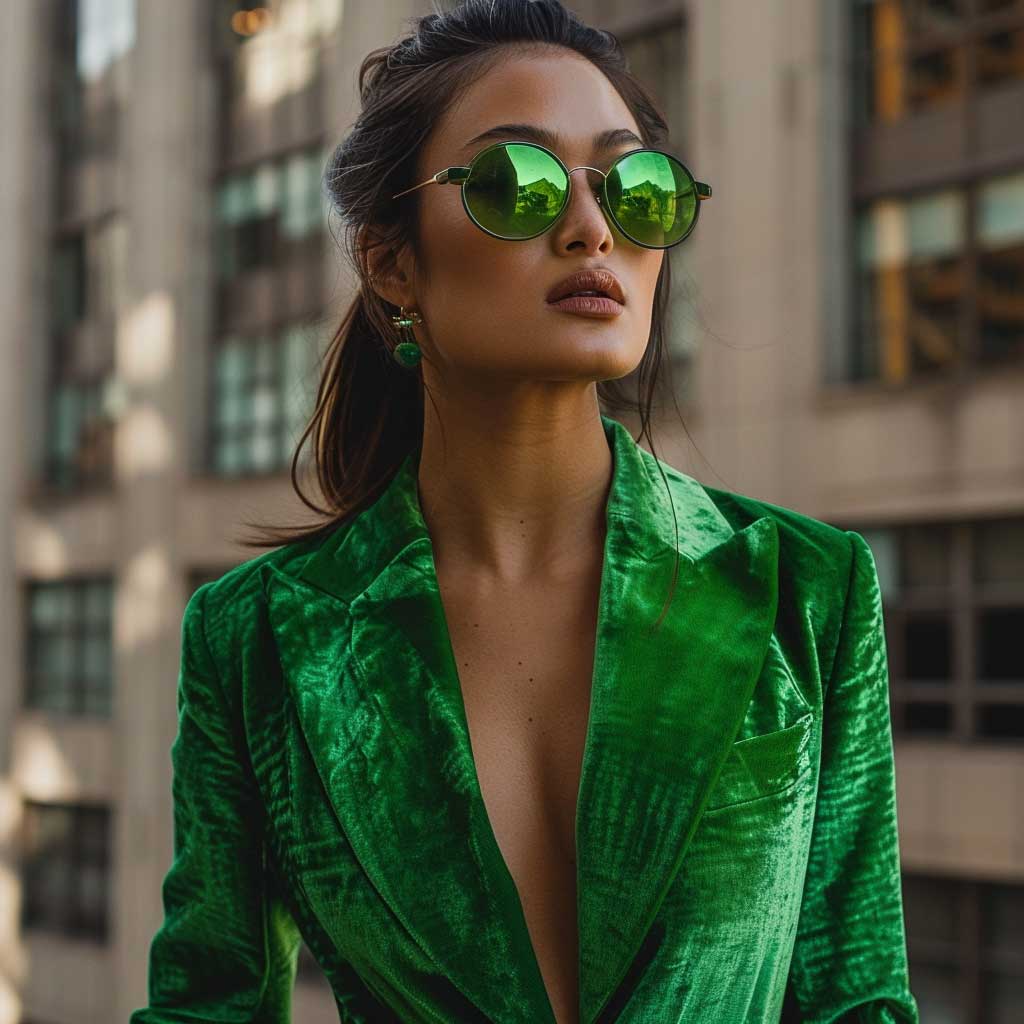
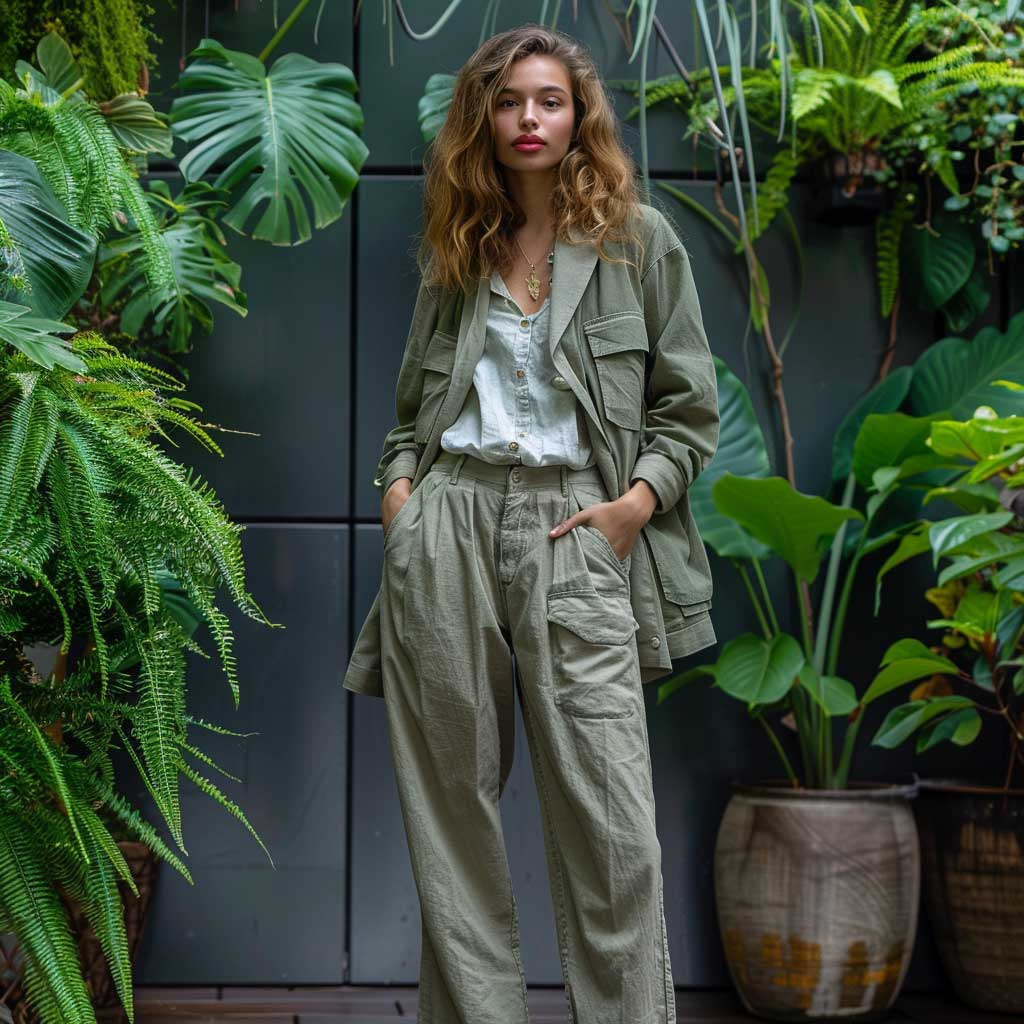
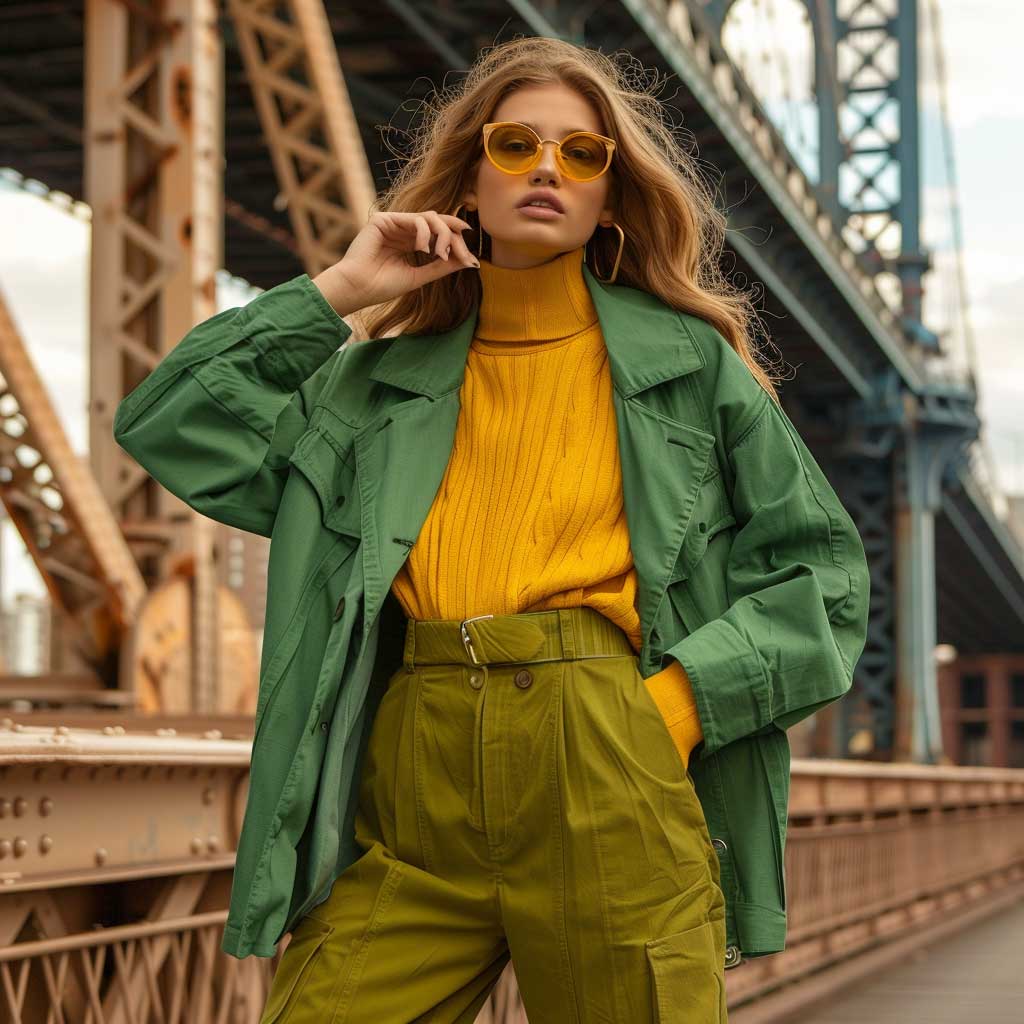
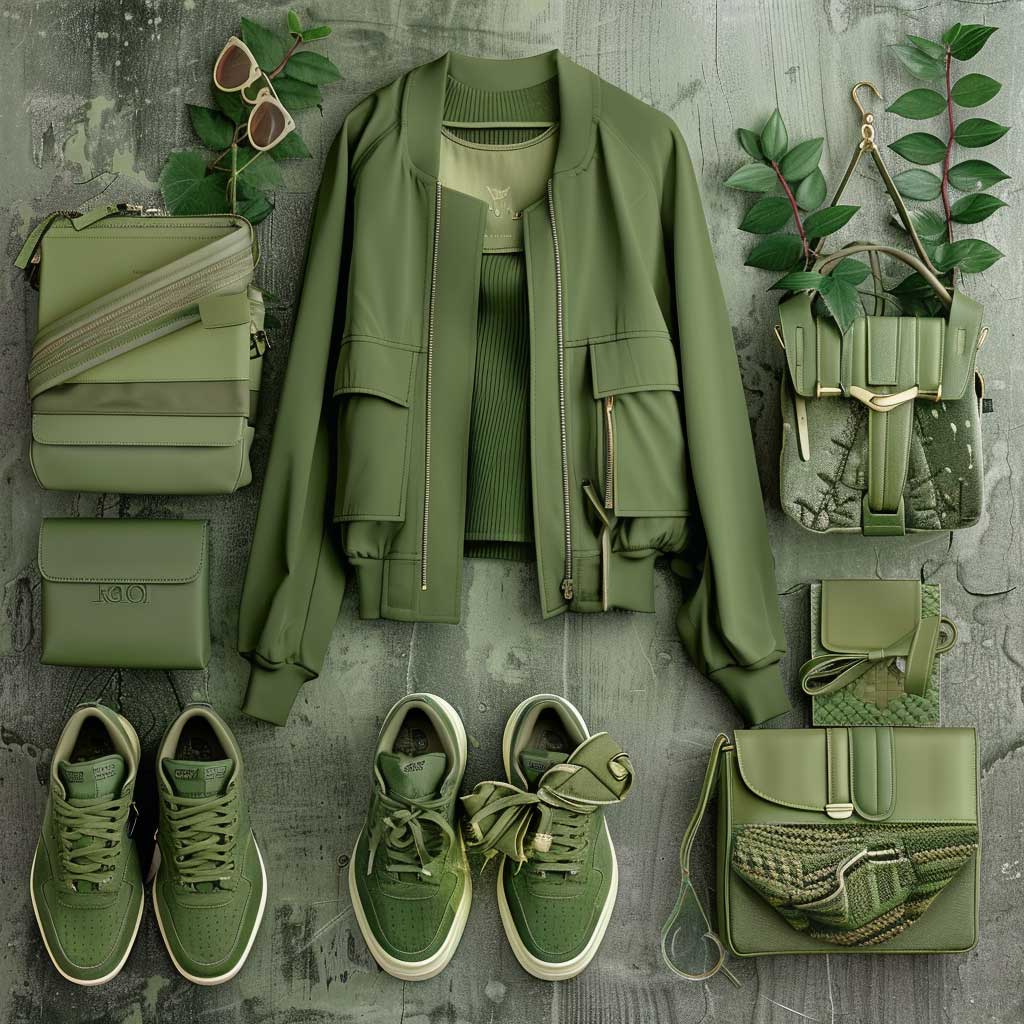
Accessories finish the picture. An emerald bag lifts even a plain white tee and jeans. Keep jewelry simple—one or two gold pieces—so the color remains the main story. For more combinations that stay wearable across seasons, explore green outfit ideas that work for every season.
These city formulas prove green can feel sharp rather than soft. Structure keeps the color professional; relaxed pieces keep it approachable. Choose one tailored item and build the rest from what already lives in the closet.
Polished Green Statements for Evenings and Formal Settings


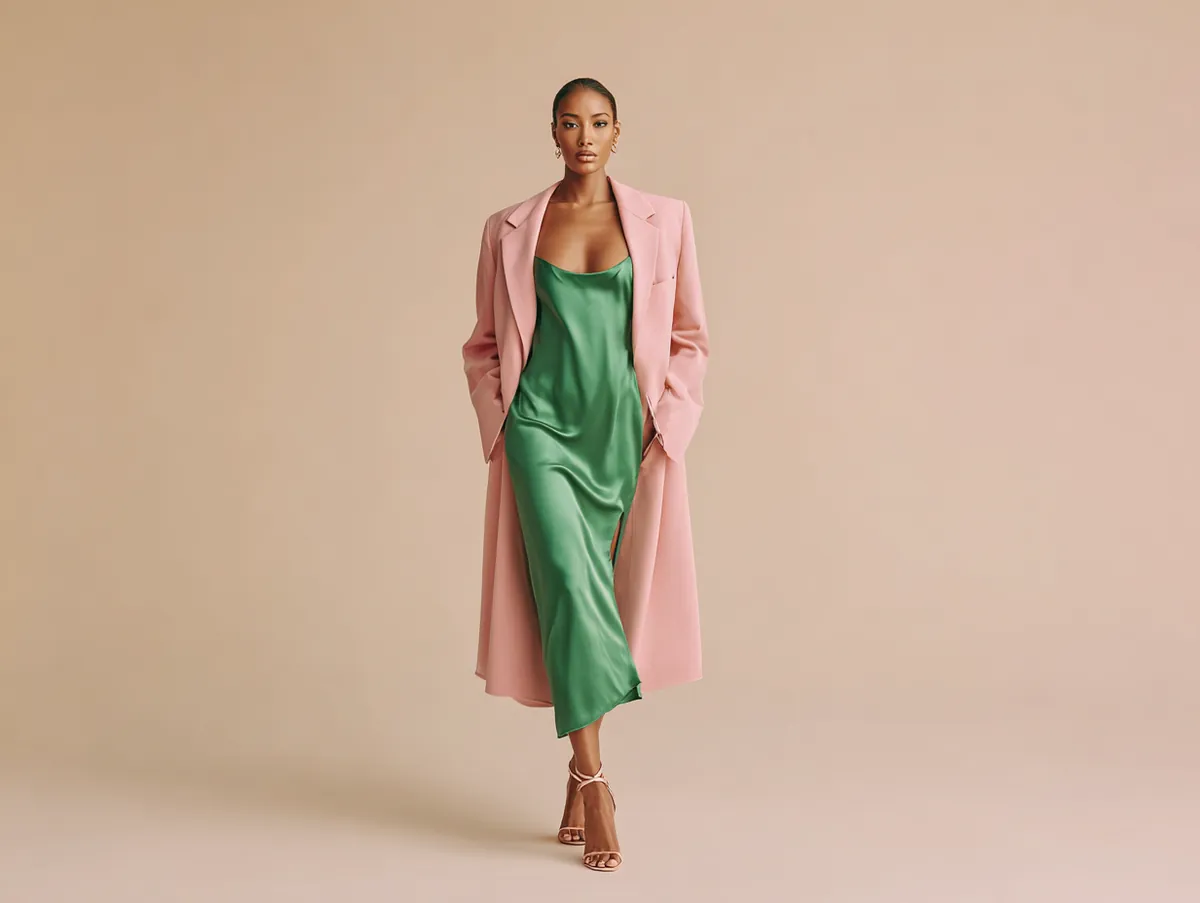
Formal green outfit ideas lean on depth and fabric quality. A floor-length emerald gown in silk or satin holds the light and creates presence without needing heavy embellishment. Average mid-range formal green dresses land between $150 and $400, delivering strong impact relative to cost. Pair with simple metallic heels and a slim clutch.
Can the same palette work for daytime professionalism? Yes. An olive pantsuit with a crisp white blouse signals authority while staying distinct from the black-suit default. Keep the cut clean and the accessories minimal. Skip shiny fabrics for office hours; matte textures read more serious and less party-ready.
These looks function like a single perfect note in a quiet room—clear, resonant, and hard to ignore. Emerald earrings or a metallic green clutch refine the silhouette further. The color already provides drama, so restraint in jewelry keeps the overall effect elegant rather than theatrical.


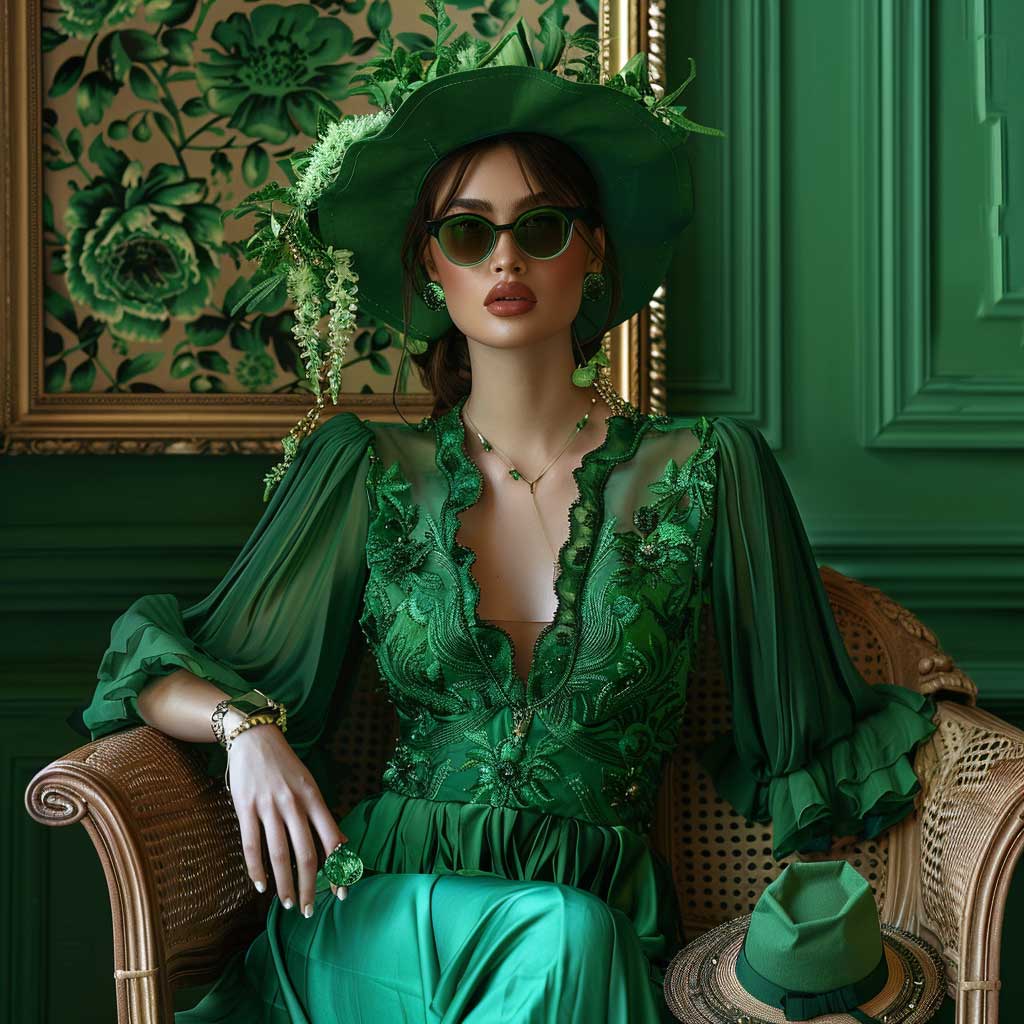

For additional casual-to-elevated formulas that stay practical, see green outfit ideas that redefine casual chic. The same principles of clean pairing and restrained accessories apply whether the setting is rooftop or conference room.
Formal green succeeds when fabric and fit do the heavy lifting. Choose one strong piece, keep the rest quiet, and the color delivers the statement without extra effort.
Shade Comparison Across Everyday and Statement Green Pieces
| Shade | Best Setting | Key Pairing | Typical Mid-Range Price |
|---|---|---|---|
| Sage / Mint | Daytime, casual | Cream, white, denim | $25–$70 (knits, tops) |
| Olive | Everyday, office | White, black, navy | $30–$90 (sweaters, trousers) |
| Forest | City, transitional | Denim, neutrals, gold | $40–$150 (blazers, layers) |
| Emerald | Evening, formal | Metallics, black, cream | $80–$250 (dresses, statement pieces) |
Use the table as a quick filter. Soft greens handle daily wear; deeper tones carry formal weight. Matching the shade to the setting prevents the most common misstep—wearing a party emerald to a morning meeting.
Common Mistakes That Flatten Green Outfits
Mixing three different green tones in one look creates visual noise. Stick to a single dominant shade and let neutrals or metallics support it. Pairing olive with multiple muddy earth tones also drains energy; the outfit collapses into camouflage.
Choosing shiny fabrics for every green piece can tip the scale toward costume. Matte or lightly textured surfaces keep the color grounded and wearable. Finally, overloading accessories competes with the green itself—let the color remain the quiet center of attention.
Building a Small Green Capsule That Works Year-Round
Start with three core items: one soft knit, one structured layer, and one dress or jumpsuit. These cover casual, city, and formal needs without requiring a full color overhaul. Average investment for solid mid-range pieces sits around $150–$300 total.
Rotate the same green base with different neutrals already in the wardrobe. White, cream, black, and denim extend each piece across seasons. A single emerald accessory—bag or earrings—ties the capsule together and multiplies outfit options without extra spending.
External trend tracking from Pantone shows continued strong presence of forest and sage tones across recent fashion weeks, confirming these shades remain relevant beyond short cycles.
Wear Green With Confidence Every Day
Green outfit ideas succeed when the shade matches the setting and the rest of the look stays simple. Soft tones refresh daily routines; deeper tones handle evenings and formal moments with quiet authority.
One well-chosen piece generates multiple combinations. Focus on fit and fabric first, then let the color do the rest. Avoid over-mixing greens or competing accessories.
Start with a single sweater or dress in a wearable shade. Build outward using neutrals already owned. The result feels intentional, current, and far more interesting than another black or navy default.
Keep the palette clean and the silhouette sharp. Green then becomes a reliable tool rather than a one-time experiment.