Are you worried about your home’s facade crumbling under structural stress? Unstable foundations can lead to costly damage, threatening your property’s safety and value. Let’s explore how expert underpinning can help.
Underpinning strengthens your foundation, preventing cracks and ensuring long-term stability. Trust professionals to protect your investment with proven solutions.
For reliable expertise, turn to Geotech Built. Their specialized underpinning services safeguard your home’s facade, delivering peace of mind and lasting results.
Why Underpinning is Essential
Ever wondered why your home might need underpinning? It’s a critical process to strengthen foundations, ensuring your house stands firm against structural threats like subsidence.
Understanding the Basics
Let’s break it down. Underpinning reinforces your home’s foundation, often using methods like mass-concrete or mini-piling to stabilize and support the structure.
Key Reasons for Underpinning
Subsidence is a major trigger. Poor soil, tree roots, or nearby excavations can weaken foundations, making underpinning vital to prevent collapse or damage.
When to Act
Planning an extension or noticing cracks? These are signs underpinning might be necessary. Don’t wait for issues to worsen—early action saves costs.
Expert Guidance
Not sure if it’s needed? Consulting professionals can clarify whether underpinning is essential or if simpler fixes can address your home’s issues.
Signs of Foundation Issues
Spotting foundation problems early can save your home from major damage. Look out for subtle clues that signal it’s time to investigate further.
Visible Cracks
Check your walls. Large cracks, especially diagonal ones, often indicate foundation shifts. Don’t ignore them—get a closer look before they spread.
Uneven Floors
Walk around and notice any sloping floors. If they feel off-balance, it could mean your foundation is settling unevenly, needing immediate attention.
Door and Window Misalignment
Struggling to close doors or windows? Frames pulling away from walls suggest foundation movement, a clear sign to call in experts for help.
Moisture Problems
Damp basements or crawl spaces can weaken foundations. Excess water often points to drainage issues that might require underpinning to resolve effectively.
Common Causes of Failure
Understanding why facades and foundations fail helps prevent disaster. Many issues stem from environmental factors or poor initial construction that you can address.
- Soil Instability: Shifting or poor-quality soil beneath your home can cause subsidence, leading to cracks and structural weakness over time.
- Tree Roots: Nearby trees can invade foundations, absorbing moisture from soil and destabilizing the ground, risking severe damage to your property.
- Water Damage: Leaking drains or high water tables erode soil support, weakening your foundation and facade, often requiring urgent underpinning fixes.
- Age and Wear: Older homes often have outdated foundations unable to bear modern loads, making them prone to failure without reinforcement.
Addressing these root causes early can prevent costly repairs. Stay proactive by inspecting your home regularly for these common triggers of failure.
Popular Underpinning Techniques
Curious about how underpinning works? Various techniques exist to stabilize your home, each suited to specific issues and soil conditions you might face.
- Mass-Concrete Method: This traditional approach involves digging under foundations and filling with concrete, offering robust support but often disrupting your daily life.
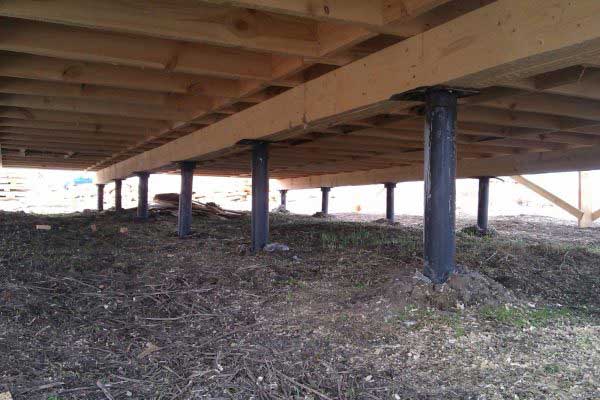
- Mini-Piling: A modern favorite, mini-piling drives or bores piles deep into stable soil, transferring your home’s weight with minimal disturbance.
- Beam and Base: This method uses reinforced concrete beams to support existing foundations, ideal for homes needing targeted strengthening in specific areas.
- Resin Injection: A less invasive option, resin is injected into soil to solidify it, stabilizing foundations without extensive excavation around your property.
Choosing the right technique depends on your home’s needs. Consult with experts to determine the best method for lasting stability and safety.
Assessing Soil and Stability
Before underpinning, evaluating your soil is crucial. Soil testing reveals stability issues that could affect your home’s foundation, guiding effective solutions for you.
Importance of Testing
Soil composition varies widely. Testing identifies its bearing capacity, ensuring your foundation can handle loads without risking settlement or structural failure over time.
Identifying Risks
Geotechnical risks like landslides or liquefaction can threaten stability. Soil analysis helps spot these dangers, allowing you to mitigate them before underpinning begins.
Moisture Content
High moisture in soil can weaken foundations. Testing for water levels helps determine if drainage improvements are needed alongside underpinning for lasting protection.
Expert Analysis
Professionals use advanced tools for accurate soil data. Their insights ensure your underpinning plan addresses specific ground conditions unique to your property.
Planning for Effective Solutions
Ready to tackle underpinning? Planning is key to ensuring the process goes smoothly, minimizing disruption while securing your home’s structural integrity for years.
Consulting Professionals
Start by hiring experts. They’ll assess your home’s needs, recommending the best underpinning method tailored to your specific foundation and soil challenges.
Permits and Regulations
Don’t skip legal steps. Check local building codes and secure permits to avoid delays or fines during your underpinning project—compliance is essential.
Timeline Expectations
Set realistic timelines. Underpinning can take weeks, depending on the method and extent of work, so plan for temporary disruptions to your routine.
Choosing Contractors
Select reputable contractors with proven experience. Read reviews and ask for references to ensure quality work that protects your home long-term.
Costs and Budget Considerations
Worried about the price tag of underpinning? Costs vary widely, but understanding factors and budgeting smartly can keep your project financially manageable.
- Material Costs: Different underpinning methods use varied materials like concrete or steel piles, each impacting your budget based on quality and quantity needed.
- Labor Expenses: Skilled workers are essential, and labor costs depend on project complexity and your location—urban areas often charge higher rates.
- Additional Fees: Permits, inspections, and unexpected repairs can add up. Always allocate an extra 10-20% in your budget for surprise expenses.
- Long-Term Savings: Investing in quality underpinning now prevents future costly repairs, potentially saving you thousands by avoiding structural failures later.
For detailed insights on budgeting exterior projects, check out this guide on house exterior design costs. It offers practical tips for planning expenses.
Benefits of Proper Underpinning
Investing in underpinning brings numerous advantages. It’s not just about fixing issues—it enhances your home’s safety, value, and livability in many ways.
- Enhanced Stability: Underpinning strengthens your foundation, preventing cracks and movement, ensuring your home remains structurally sound even during natural disasters or soil shifts.
- Increased Property Value: A stable, well-maintained home attracts buyers. Underpinning can boost market value, offering a solid return on your investment over time.
- Improved Safety: By securing foundations, underpinning protects your family from risks of structural collapse, giving peace of mind in every season of life.
- Extra Space: Lowering basement floors during underpinning creates usable space for offices or living areas, maximizing your home’s potential without expanding outward.
Secure Your Foundation
Take action now to protect your home. Underpinning is your solution to lasting stability. For expert help, explore services at Geotech Built Restumping Sydney. Don’t wait for issues to worsen—ensure your facade stands strong with professional support tailored to your needs.