Permeable hardscaping materials now account for 34% of new residential landscape installations across North America, a 19% jump from 2025. Water-wise hardscaping design combines functionality with environmental responsibility, replacing traditional concrete and sealed surfaces with systems that absorb, filter, and reuse stormwater. This trend emerges from dual pressures: severe drought cycles in western regions and flooding in coastal areas, forcing designers to rethink how water moves through outdoor spaces.
Permeable Pavers Drive the Shift Away From Solid Concrete
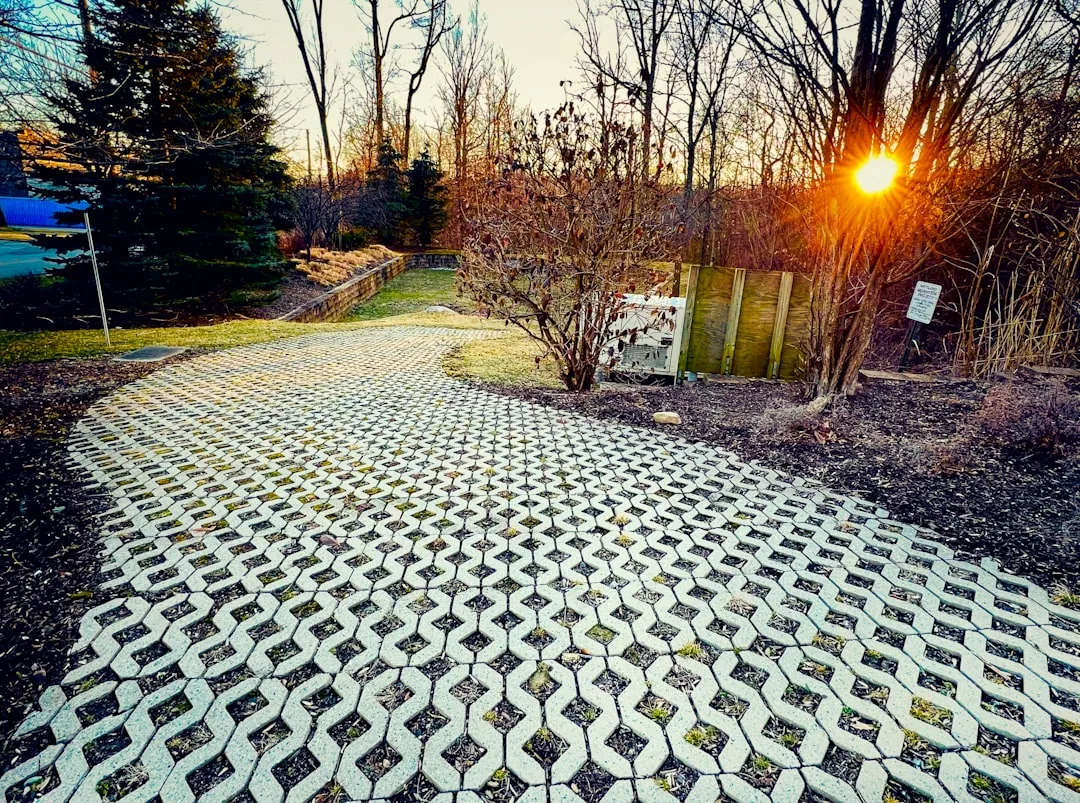
Permeable pavers are now the fastest-growing hardscape segment, accounting for $2.8 billion in 2026 sales. Unlike standard concrete, these products—available in plastic grids, porous concrete, and recycled composite forms—allow water to drain through joints and subbase layers into groundwater reserves. Belgard’s Permeable Pavers (starting at $8.50 per square foot) offer color-through construction that masks staining, while Techo-Bloc’s Amicus System ($12/sq ft) features pre-designed infiltration chambers that reduce runoff by up to 75%.
The mechanism is straightforward: water percolates through surface voids, travels through a crushed stone base, and either percolates into soil or channels to underground detention chambers. Homeowners reduce municipal water demand, lower flooding risk during heavy rain, and eliminate puddles that invite mosquito breeding. Installation costs run 15–20% higher than traditional pavers, but cities in California, Texas, and Florida now offer rebates of $1,000–$3,000 per project, offsetting initial investment.
Quick Tips
- Check local stormwater codes before installation; some municipalities mandate permeable surfaces in new builds
- Pair permeable pavers with rain gardens to capture overflow and support native plants
- Choose light-colored permeable materials to reduce heat island effect in patios and driveways
- Budget 18–24 months for soil stabilization before laying pavers on previously compacted ground
Recycled-content permeable pavers are gaining market share as sustainability concerns intensify. Recycled Plastics Inc.’s EcoGrid ($6.75/sq ft) uses 100% post-consumer waste and locks into place without adhesive, simplifying repairs. Oldcastle Permeable Pavers ($9.40/sq ft) incorporate recycled asphalt, delivering both cost savings and environmental credentials that appeal to eco-conscious buyers.
| Product | Price Range | Water Infiltration Rate |
|---|---|---|
| Belgard Permeable Pavers | $8.50–$11/sq ft | Up to 60% annual runoff reduction |
| Techo-Bloc Amicus | $12–$14/sq ft | Up to 75% runoff reduction |
| Recycled Plastics EcoGrid | $6.75–$8.50/sq ft | Up to 55% runoff reduction |
| Oldcastle Permeable Pavers | $9.40–$11.75/sq ft | Up to 65% runoff reduction |
| Porous Asphalt Mix (Alternative) | $5–$7/sq ft | Up to 50% runoff reduction |
Rain Gardens and Bioswales Anchor Water-Retention Ecosystems
May 2026 data shows rain gardens installed alongside hardscaping in 42% of new residential projects, doubling from 2024. These shallow, planted depressions intercept runoff from permeable pavers and roof surfaces, filtering contaminants while supporting the native plantings that Native Plant Borders Are Replacing Manicured Hedges as Landscape Standards. A 400-square-foot rain garden costs $2,000–$3,500 to install, but absorbs 1,200 gallons of water per rainfall event, reducing municipal stormwater burden and cutting landscape irrigation demand by 40%.
Bioswales—linear rain gardens along driveways and property edges—serve dual purposes: aesthetic focal points and functional stormwater infrastructure. Native sedges, joe-pye weed, and black-eyed susans thrive in bioswale conditions, creating visual continuity between hardscape zones. Landscape architects now design bioswales 3–6 feet wide and 8–18 inches deep, graded to direct water flow while maintaining drainage.
Recycled and Low-Impact Materials Define Material Selection
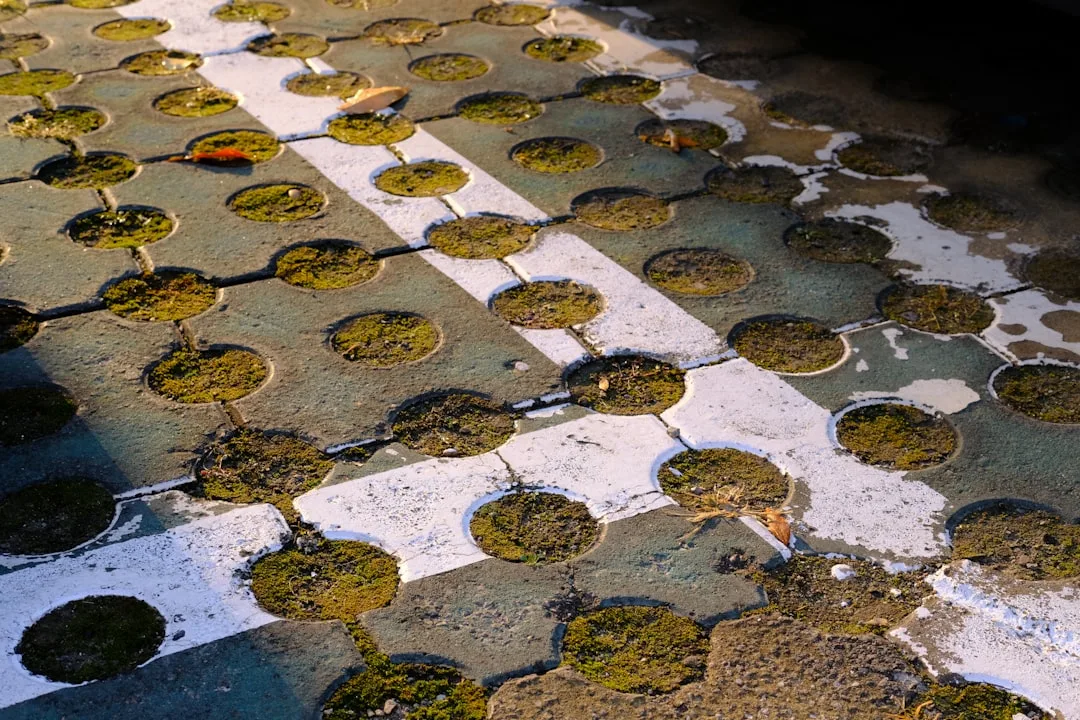
Recycled aggregate concrete, reclaimed wood composites, and salvaged stone dominate 2026 material palettes. Dekora Deck’s composite boards ($4.50–$6.20 per linear foot) incorporate 95% recycled ocean plastics and sawdust, offering 25-year durability without the water absorption of timber. Quarried stone sourced from local suppliers reduces transportation carbon by up to 40%, aligning water-wise projects with broader sustainability mandates.
Permeable asphalt—a mix incorporating air voids that allow water drainage—costs $5–$7 per square foot and works effectively for driveways where hardscape aesthetics matter less than function. The material drains water at 250 gallons per minute per square foot, exceeding concrete infiltration rates by 300%. However, it requires annual vacuuming to maintain porosity, making it suitable for homeowners committed to maintenance schedules.
Integration With Climate-Responsive Principles Shapes Design Strategy
Water-wise hardscaping works synergistically with Climate-Responsive Landscape Design Protects Gardens From Extreme Weather, creating landscapes that handle both drought and deluge. Permeable surfaces reduce urban heat island effect by 2–4°C compared to solid concrete, as water percolating through subbase materials evaporates and cools surrounding air. Designers now specify mulch layers, understory planting, and shade trees above permeable paving zones, creating microclimates that moderate temperature extremes.
Retention basins—shallow ponds designed to hold water during heavy rain and slowly release it—are appearing in 28% of 2026 landscape plans. These features cost $8,000–$15,000 to construct but eliminate flooding while creating wildlife habitat and visual anchors. Maintenance remains minimal: native aquatic plants manage water quality, and fish control mosquito populations naturally.
Installation and Long-Term Cost Justification
Installation of water-wise hardscaping adds 8–14 weeks to project timelines due to soil preparation, subbase compaction, and specification of drainage infrastructure. Labor costs run $35–$65 per hour regionally, with experienced hardscape installers commanding premium rates. A 600-square-foot permeable patio installation averages $6,800–$9,200 including materials and labor, compared to $4,200–$6,000 for conventional concrete.
Long-term economics favor water-wise systems: reduced irrigation costs ($300–$800 annually in water savings), avoided stormwater fees in municipalities charging by runoff volume, and increased property resale value (water-efficient landscapes command 3–5% price premiums). Insurance companies in flood-prone areas offer discounts of 5–10% for properties with permeable hardscaping and bioswales, further justifying upfront investment.