Quick Summary
Blue + white works on nearly every architectural style and gives a coastal feel even inland. Brown + green suits homes on wooded or rural lots. Pastel body paint with bold accent doors or trim fits cottages and Victorians. Gray + red is the safest modern combination — but limit red to one accent element only.
Budget roughly $75–$110 per gallon for quality exterior paint. Test swatches outside for at least 48 hours before committing.
I repainted my house twice in four years. Not because I love painting — because the first colour combination looked like a hospital cafeteria. That $2,800 mistake taught me more about exterior paint pairings than any colour wheel ever did.
Picking a colour combination for house exterior painting sounds simple until you’re standing in a Sherwin-Williams aisle holding 47 grey swatches that all look identical under store lighting. Outside, in direct sun, half of them turn purple. The other half look like primer.
These four exterior paint colour combinations actually hold up. I’ve seen them on real houses, in real neighborhoods, after real winters. Some are coastal-classic, some are earthy, some are deliberately weird. All of them beat the beige-on-beige default that builders slap on every new subdivision. Skip the ones that don’t fit your roof colour and stick with two to three paint swatches max — anything more and you’ll be in analysis paralysis until the siding rots.
Quick Scan: 4 Exterior Colour Combinations
Blue + White — Coastal, classic, works on colonial and Cape Cod homes.
Brown + Green — Nature-inspired, best for wooded lots and farmhouses.
Pastel + Bold Accent — Cottage-friendly, uses front door or shutters as focal point.
Gray + Red — Modern and minimal, limit red to one element only.
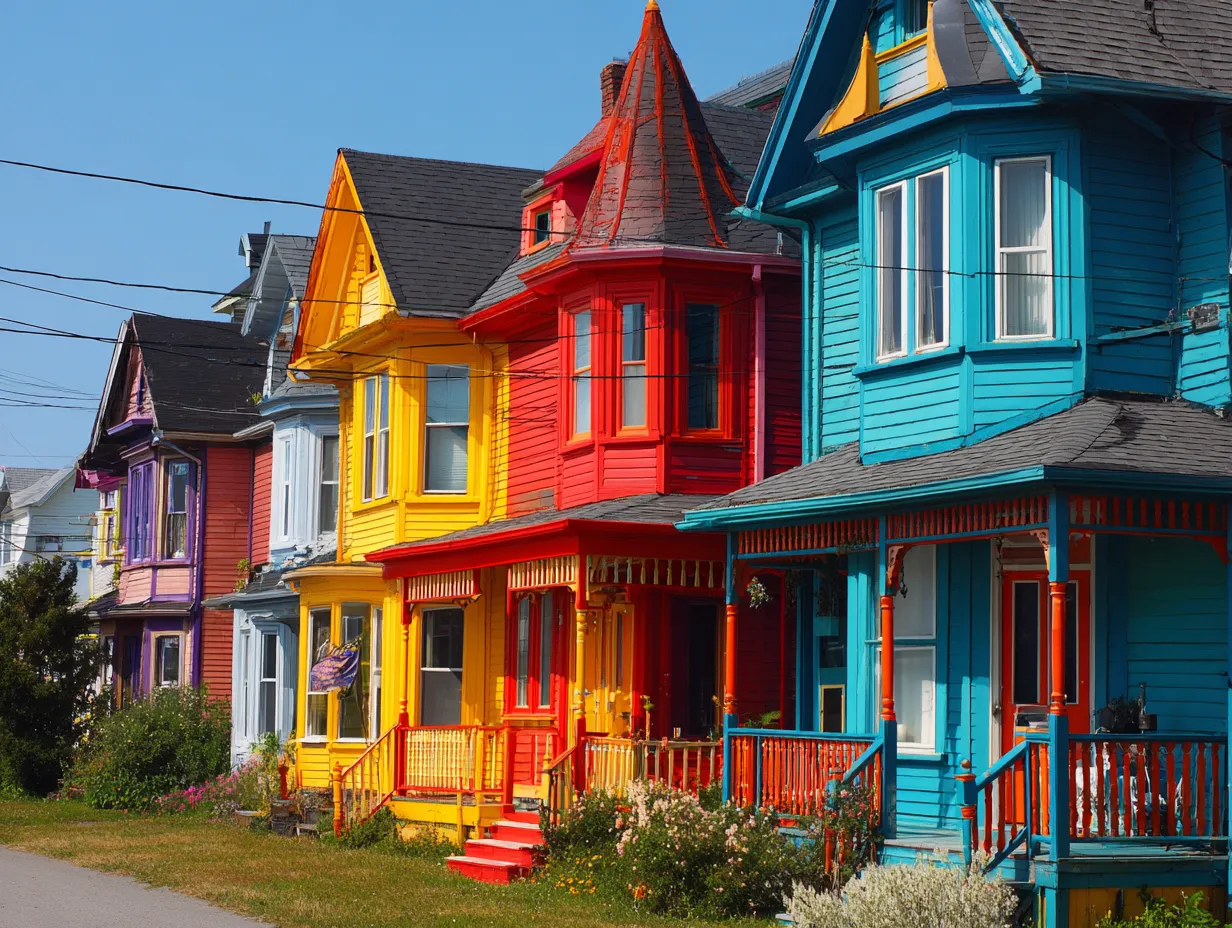
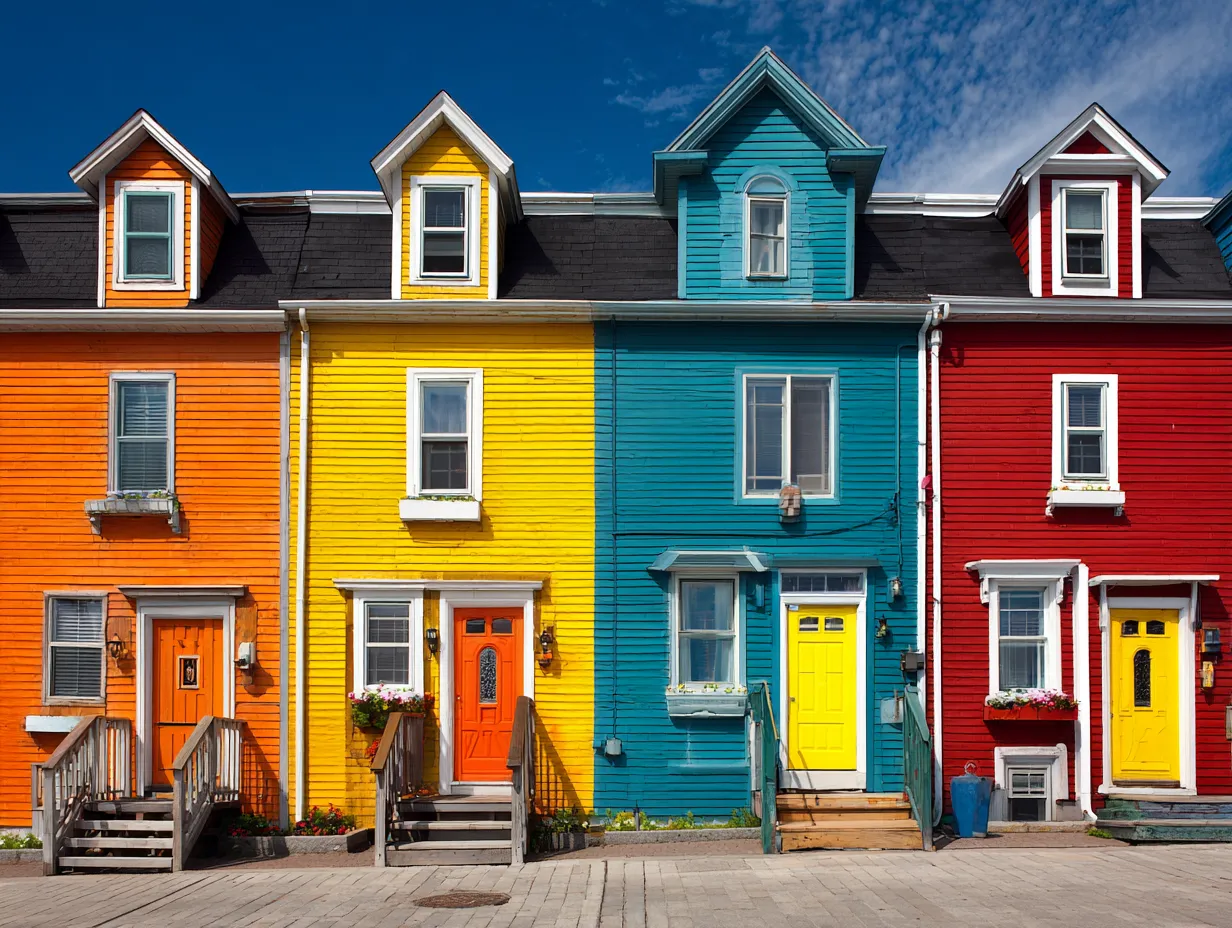
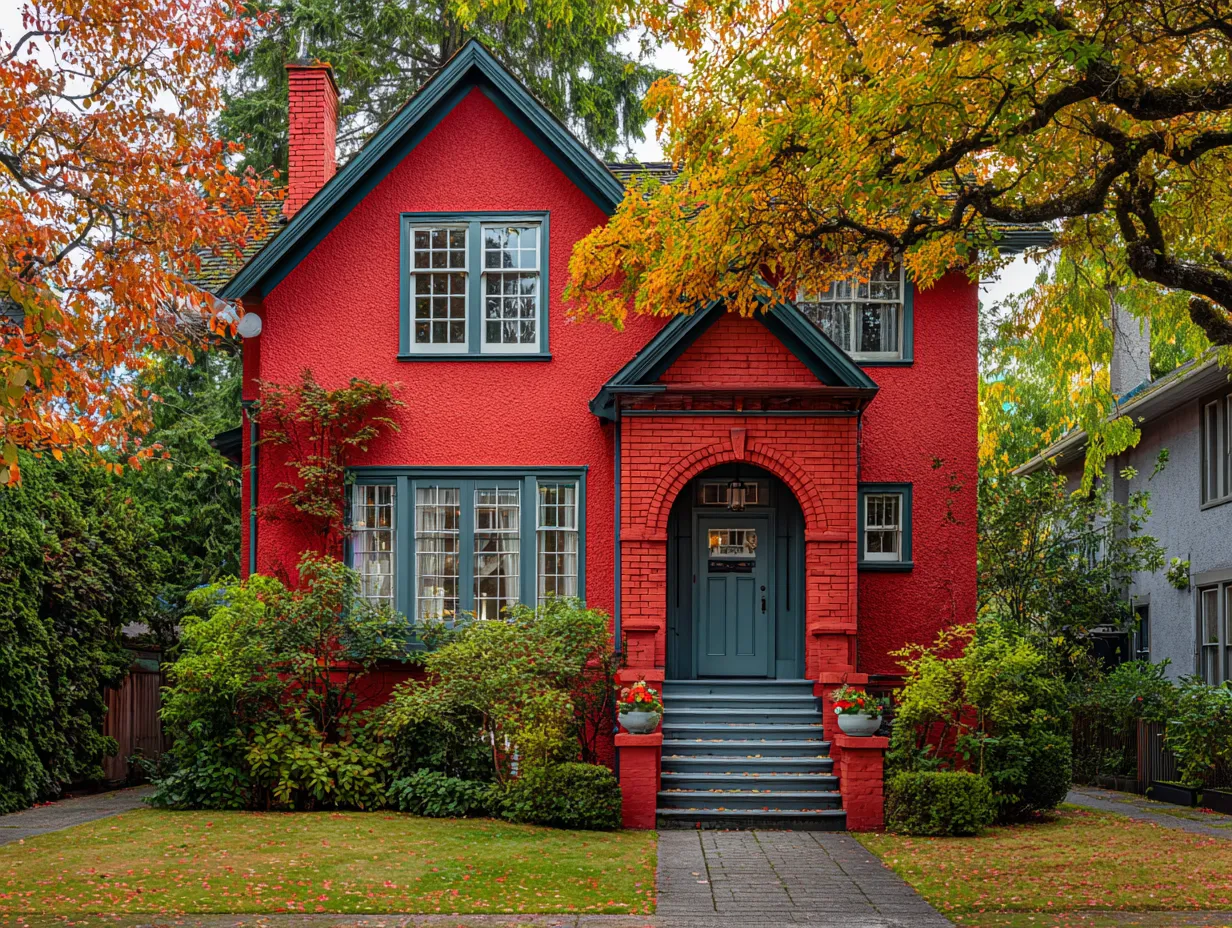
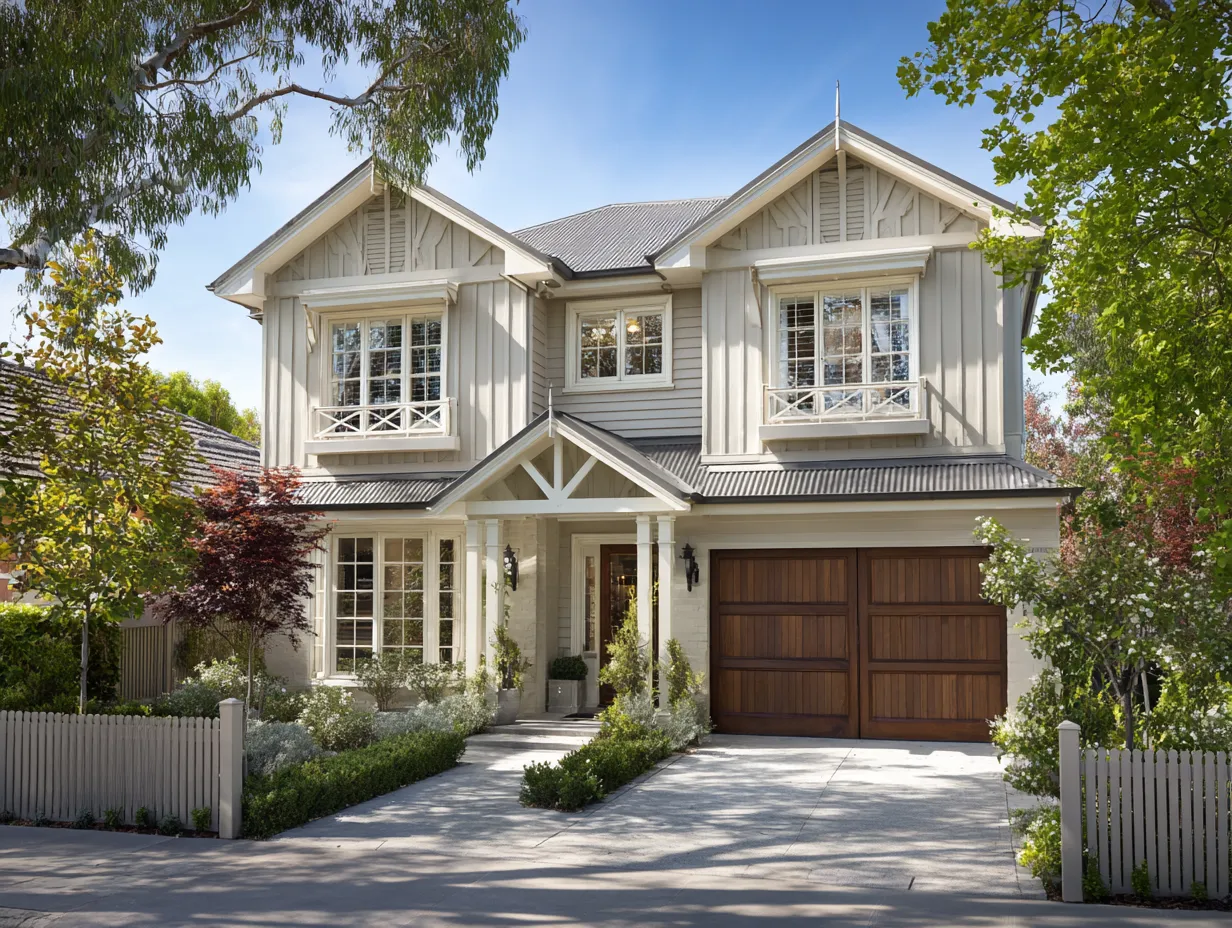
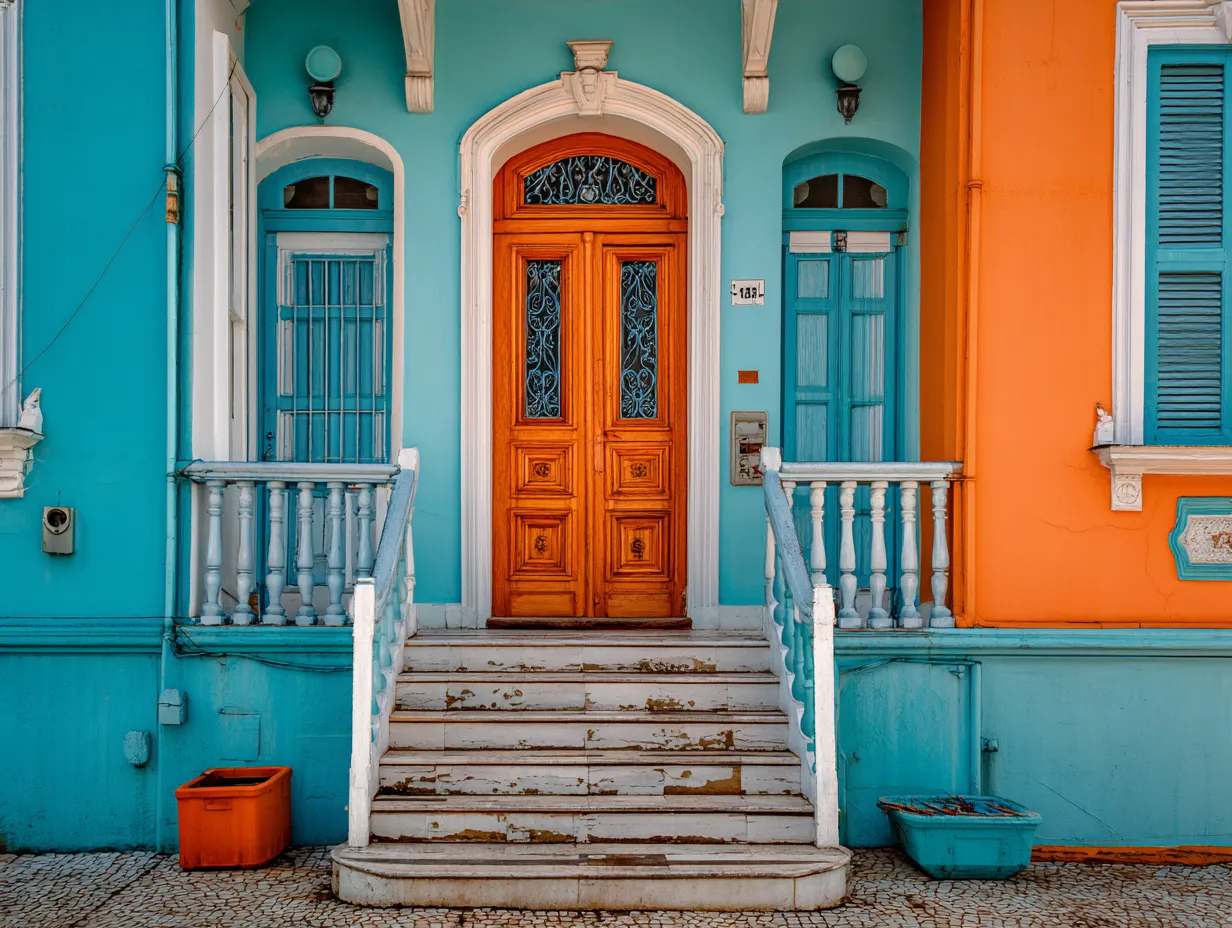
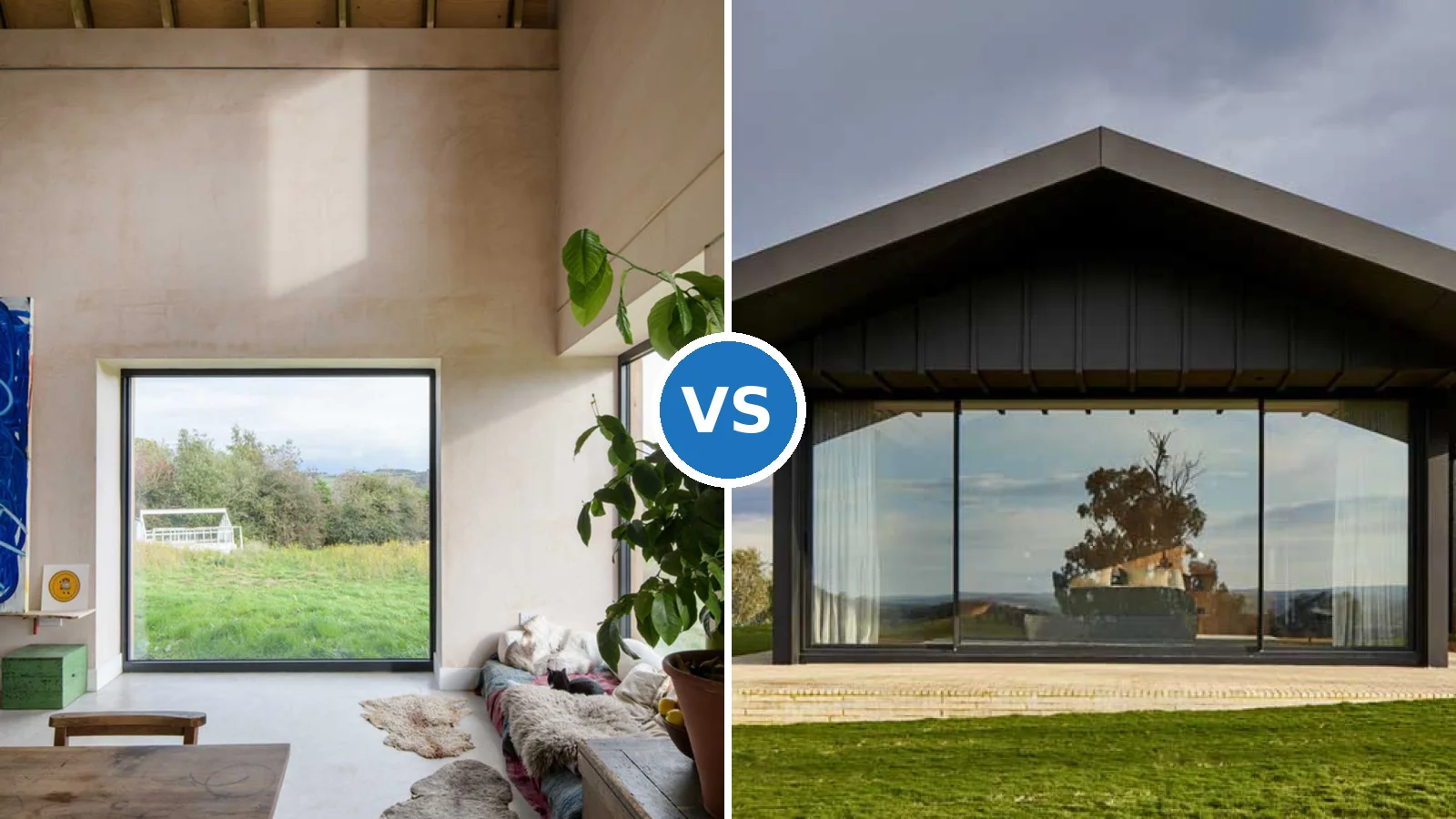
Blue and White Exterior Paint: The Coastal Colour Combination
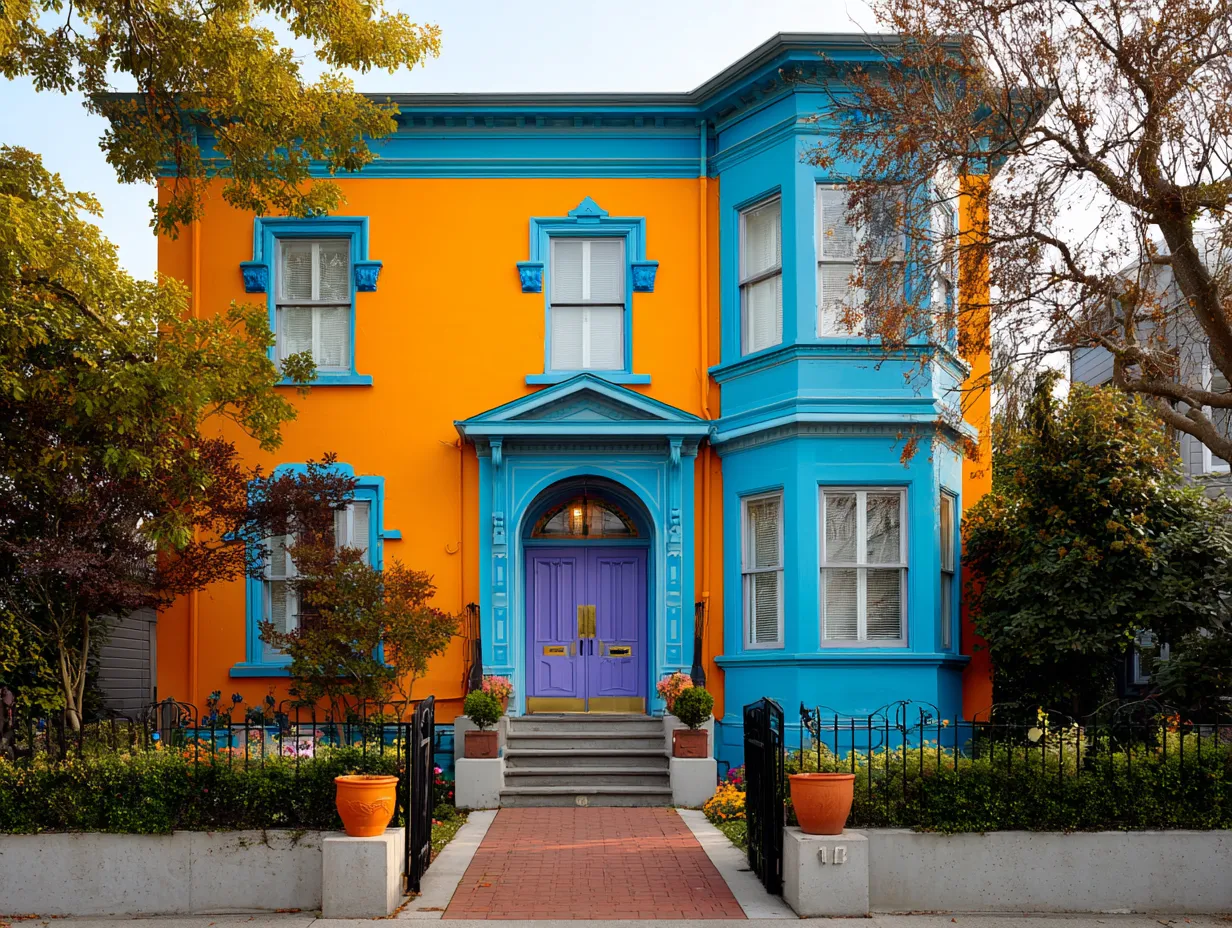
Benjamin Moore Hale Navy (HC-154) is the blue I keep coming back to. It costs around $85 a gallon. Not cheap. Worth it. Pair it with their Chantilly Lace for trim and you get a contrast that reads expensive from the curb without looking like you tried too hard.
I tested Sherwin-Williams Naval once on a south-facing wall. By 2 PM it looked almost black. Lesson learned. If your house gets direct afternoon sun, go one shade lighter than you think you need. My neighbor went full dark navy on a Cape Cod — gorgeous in photos, unbearable in July heat because dark paint absorbs warmth like a parking lot.
What shade of white matters more than you’d expect. Pure white next to deep blue creates a harsh line that looks clinical. Off-whites with warm undertones — think Benjamin Moore White Dove — soften that edge. You still get the contrast, minus the “just painted a fence” vibe. I stole this tip from a painter who’d been doing coastal homes for 22 years.
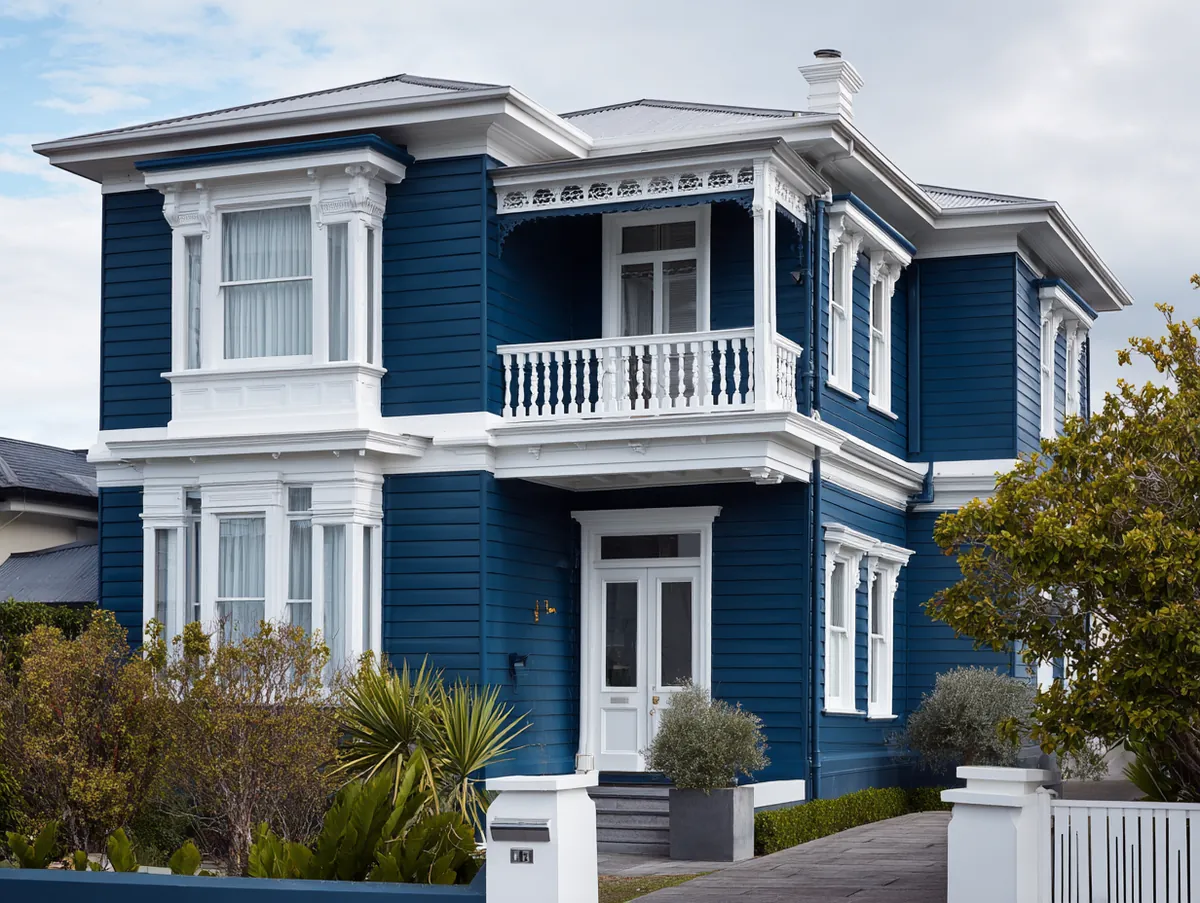
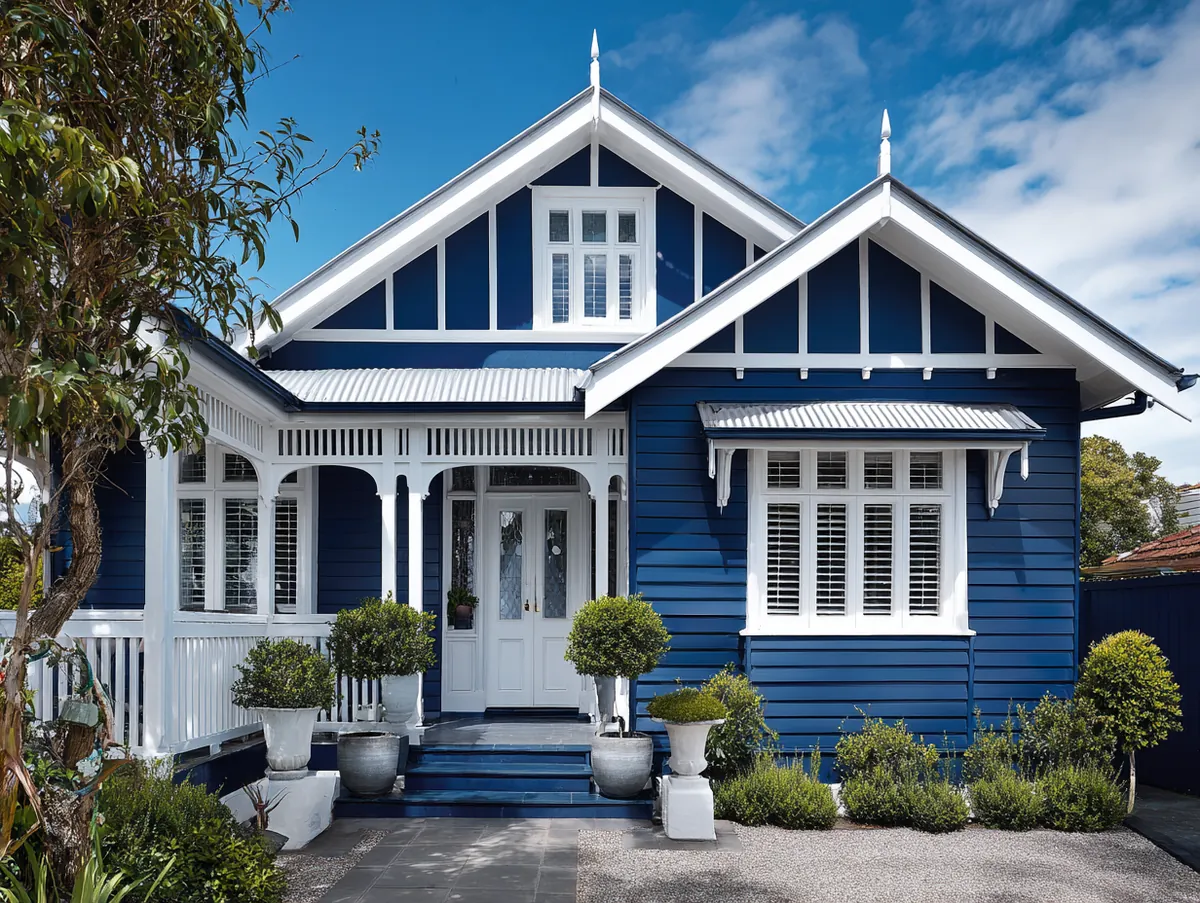
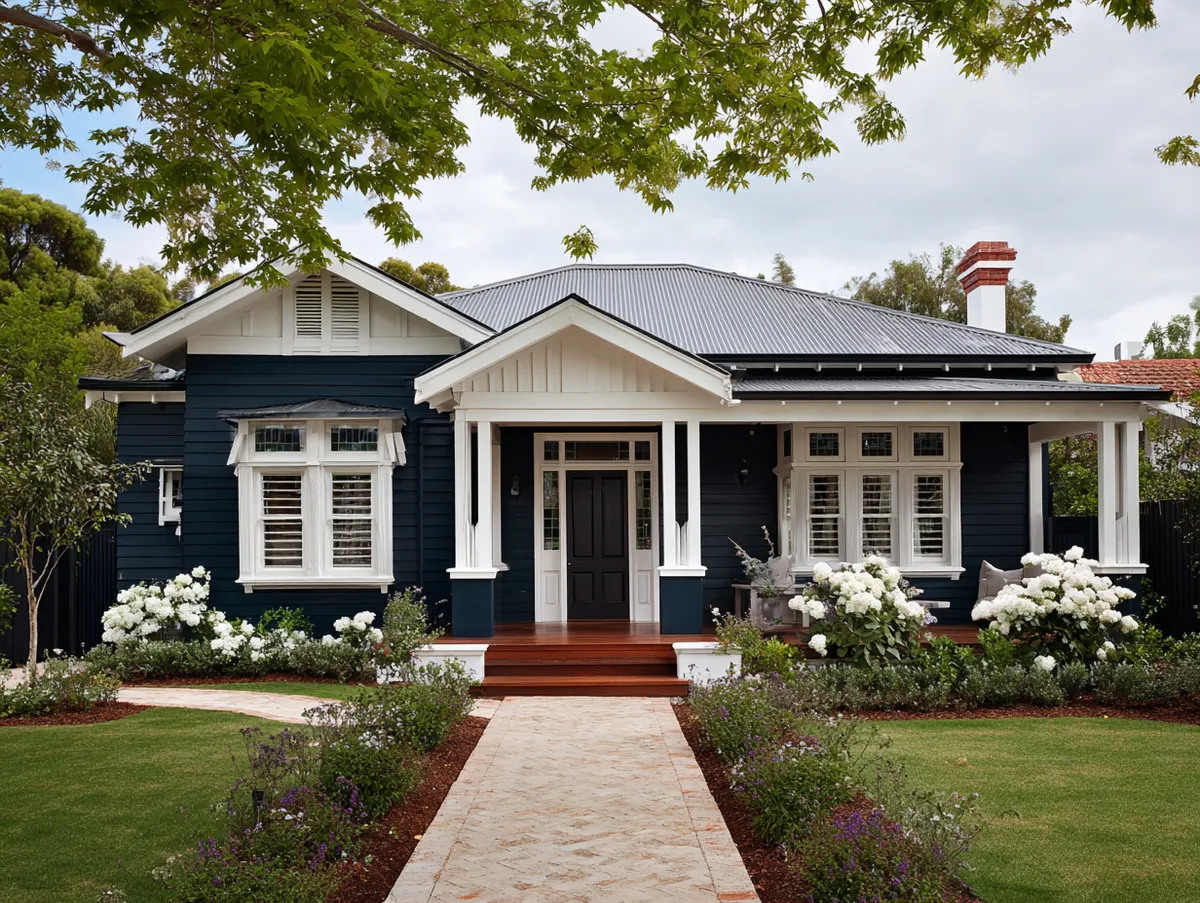
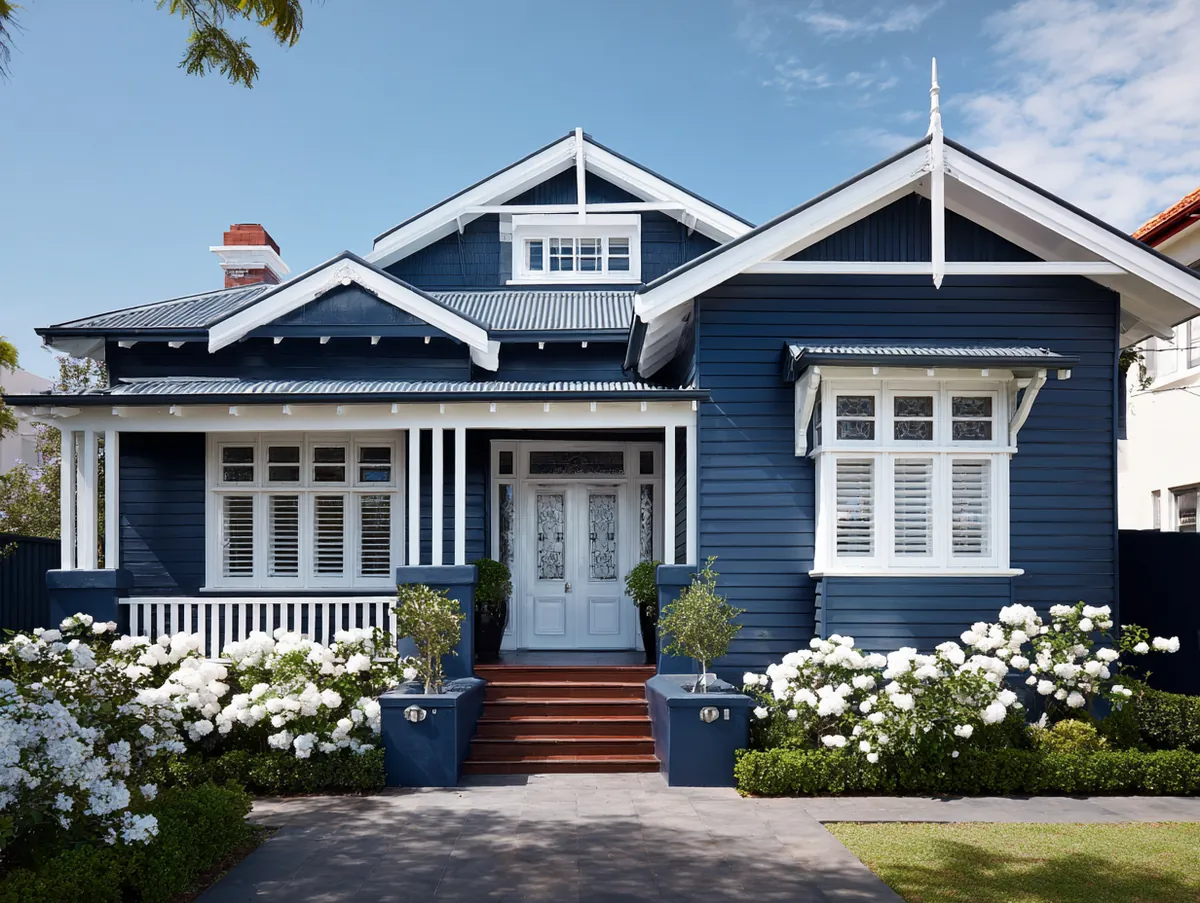
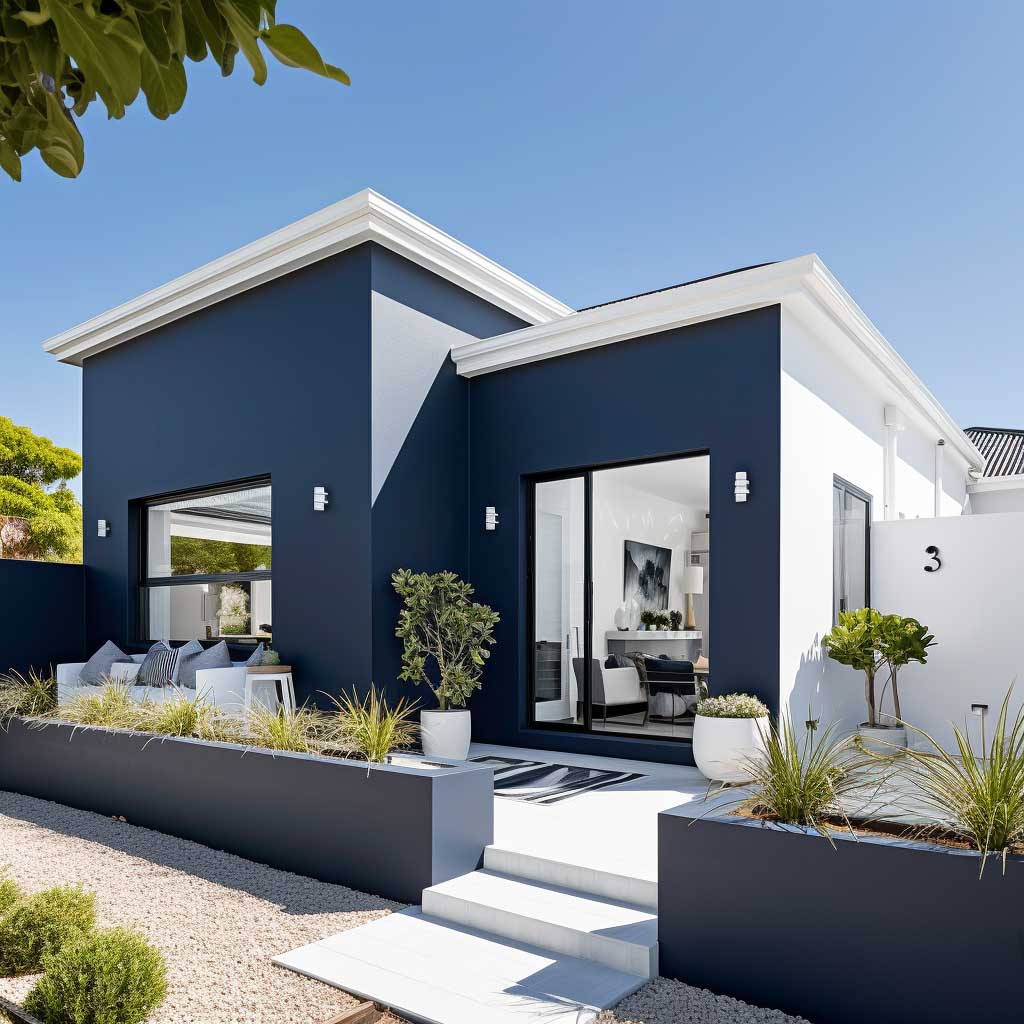
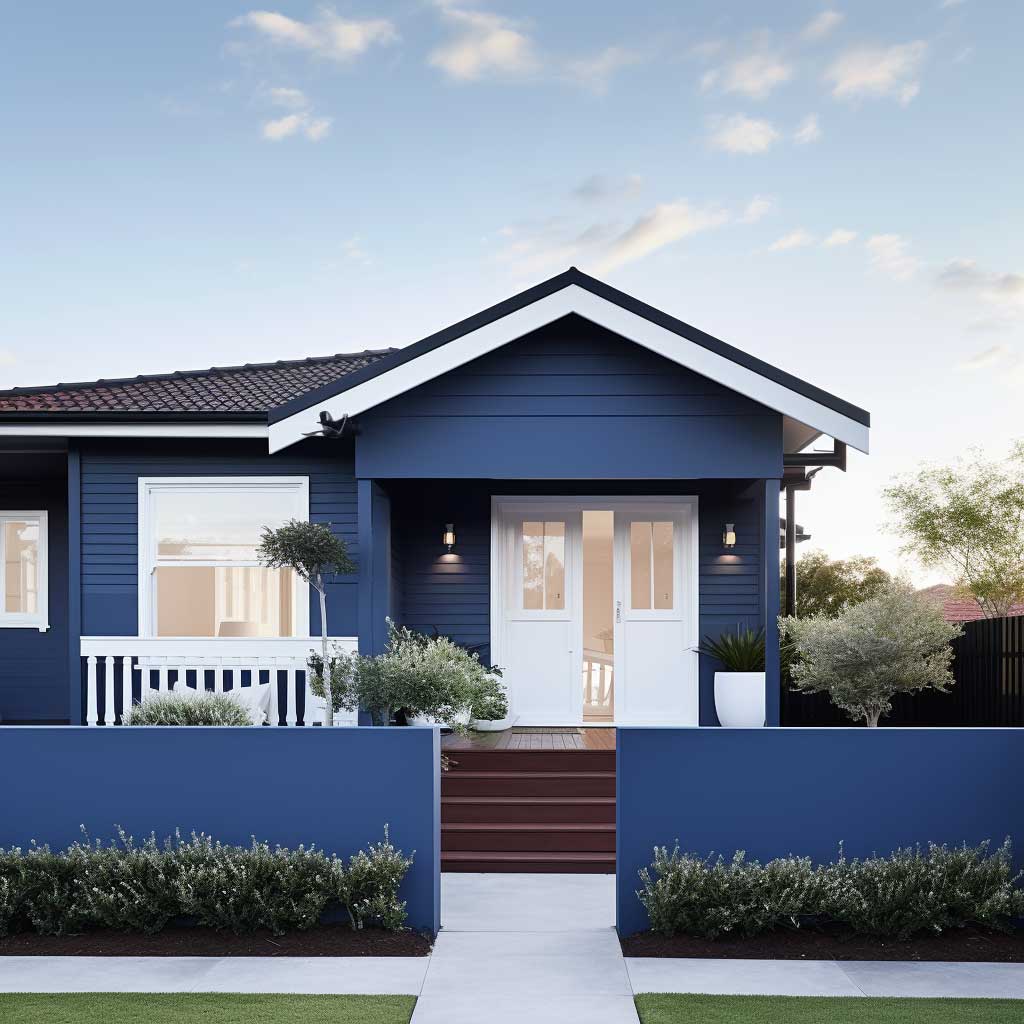

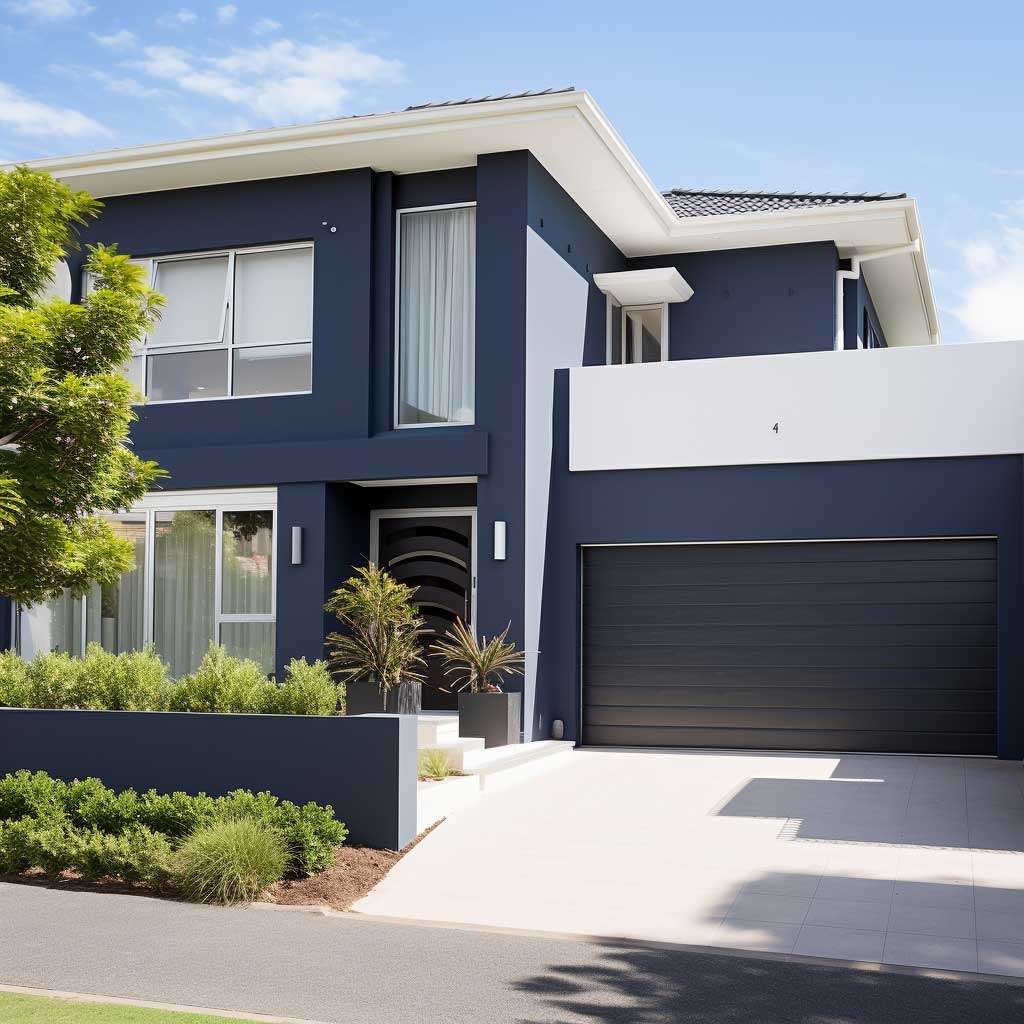
In the vast realm of colour combination for house exterior painting, the blend of majestic blues with crisp whites stands out as a timeless choice. This pairing, reminiscent of the serene oceans and fluffy clouds, offers homeowners a chance to create exteriors that are both classic and refreshing.
Blue, as a colour, has always been associated with depth, tranquility, and vastness. It reminds us of the endless skies and the deep oceans. When used in house exteriors, it brings a slice of that serenity and vastness right to our doorsteps. The shade of blue chosen can vary based on the desired effect. From navy to sky blue, each shade has its own charm and impact. Sherwin-Williams offers architectural exterior colour palettes organized by regional style, which can help narrow down the right blue for your climate and home type.
White, on the other hand, represents purity, simplicity, and elegance. It offers a perfect contrast to the depth of blue, creating a visual balance that’s pleasing to the eye. The crispness of white trims, balconies, or architectural details against a blue backdrop can make them pop, adding character and dimension to the house.
One of the primary reasons homeowners gravitate towards this combination is its versatility. Whether you have a coastal home, a colonial mansion, or a modern minimalist structure, the blue and white combination can enhance its beauty manifold. This pairing offers a nautical vibe, perfect for homes near the coast or those aiming for a Mediterranean or Hamptons style. If you’re drawn to contemporary spins on exterior pairings, check out these modern house outside colour combinations for more ideas beyond the classic blue-white scheme.
However, while the combination is undeniably beautiful, it’s essential to balance the shades correctly. A very dark blue might make the house appear smaller and more imposing, while too much white might make it look stark. The key is to find a harmony that complements the home’s architecture and surroundings.
The majestic blues paired with crisp whites in the colour combination for house exterior painting offer a blend of tradition and modernity. It’s a choice that promises timeless beauty, ensuring that the house remains a visual delight for years to come.
| Colour Combination | Best For | Approx. Cost per Gallon | Biggest Risk |
| Blue + White | Coastal, Colonial, Cape Cod | $75–$85 | Dark blues look black on south-facing walls |
| Brown + Green | Wooded lots, Farmhouse, Craftsman | $70–$79 | House disappears into landscaping |
| Pastel + Bold Accent | Victorian, Cottage, Mediterranean | $82–$110 | Pastels look off on modern siding |
| Gray + Red | Modern, Urban, Minimalist | $75–$85 | Too much red overwhelms the gray |
Brown and Green Exterior Colour Pairing for Nature-Surrounded Homes
Sherwin-Williams Urbane Bronze runs about $79 per gallon and looks different on every wall depending on sunlight angle. On a wooded lot it blends so well you almost lose the house behind the trees — which sounds poetic until your Uber driver can’t find your address. Pair it with a muted sage, not a bright Kelly green. Bright greens age like milk on exterior siding.
I’ve seen three houses in my area try forest green as the main body colour. Two looked like national park ranger stations. The third worked because they used green only on shutters and the front door, keeping the body in a warm taupe brown. Ratio matters. You want brown doing 70% of the work, green doing 20%, and a cream or off-white handling the remaining 10% on trim. Break that formula and things get weird fast.
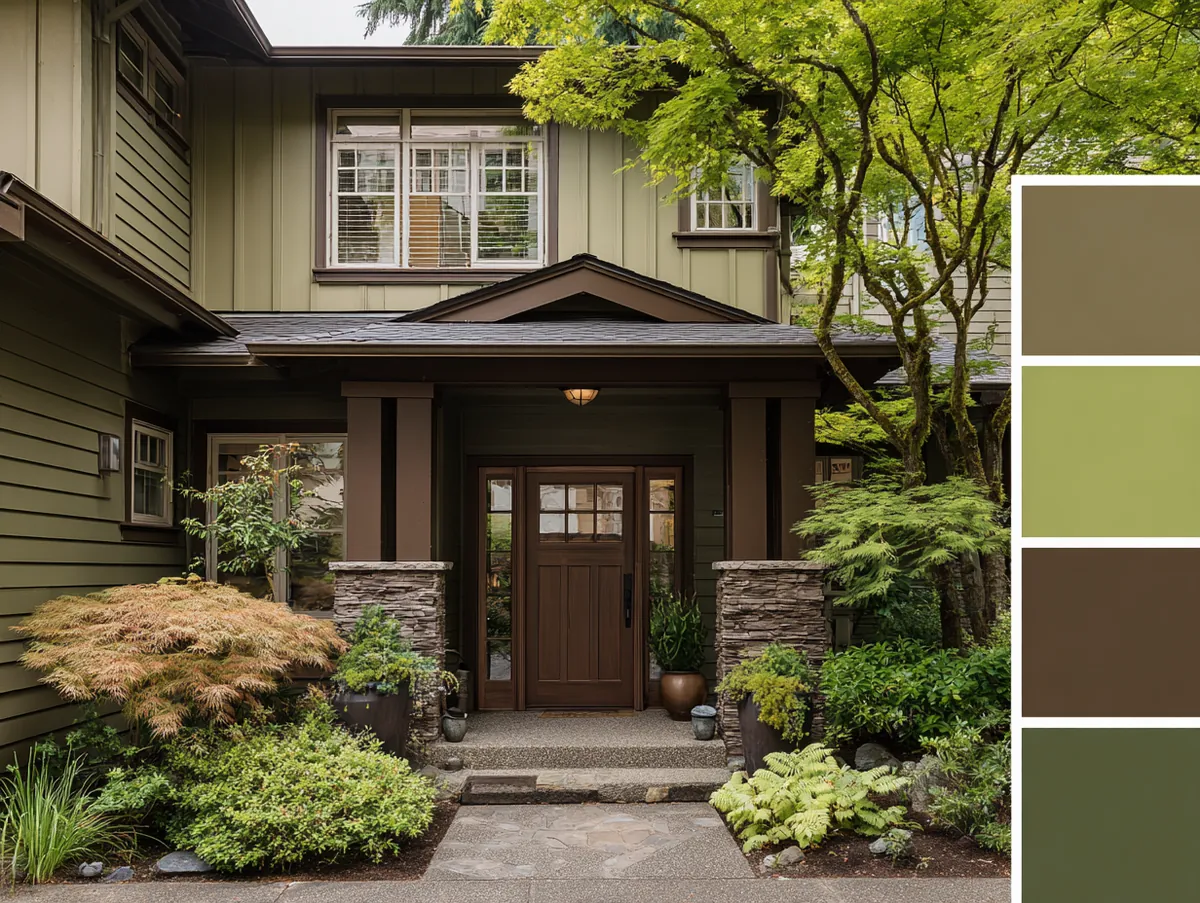
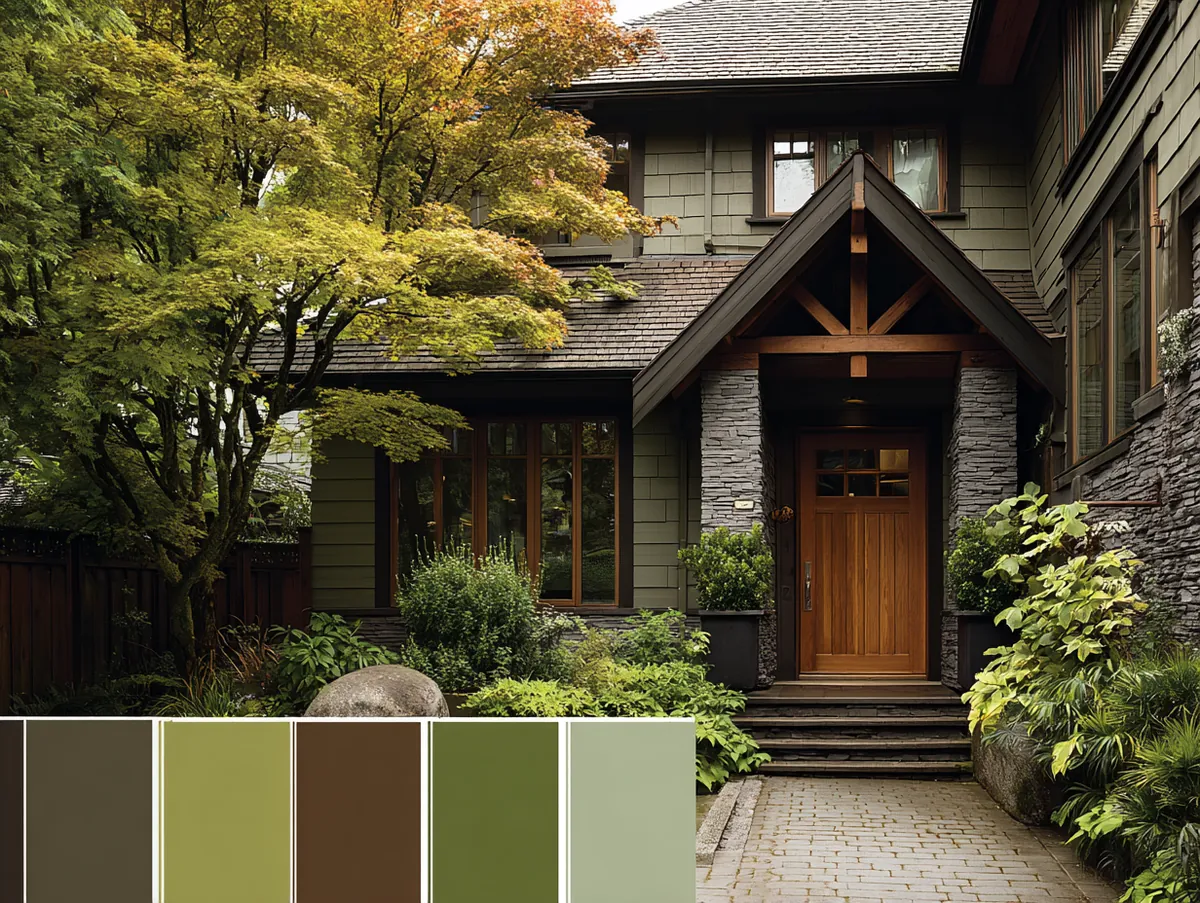
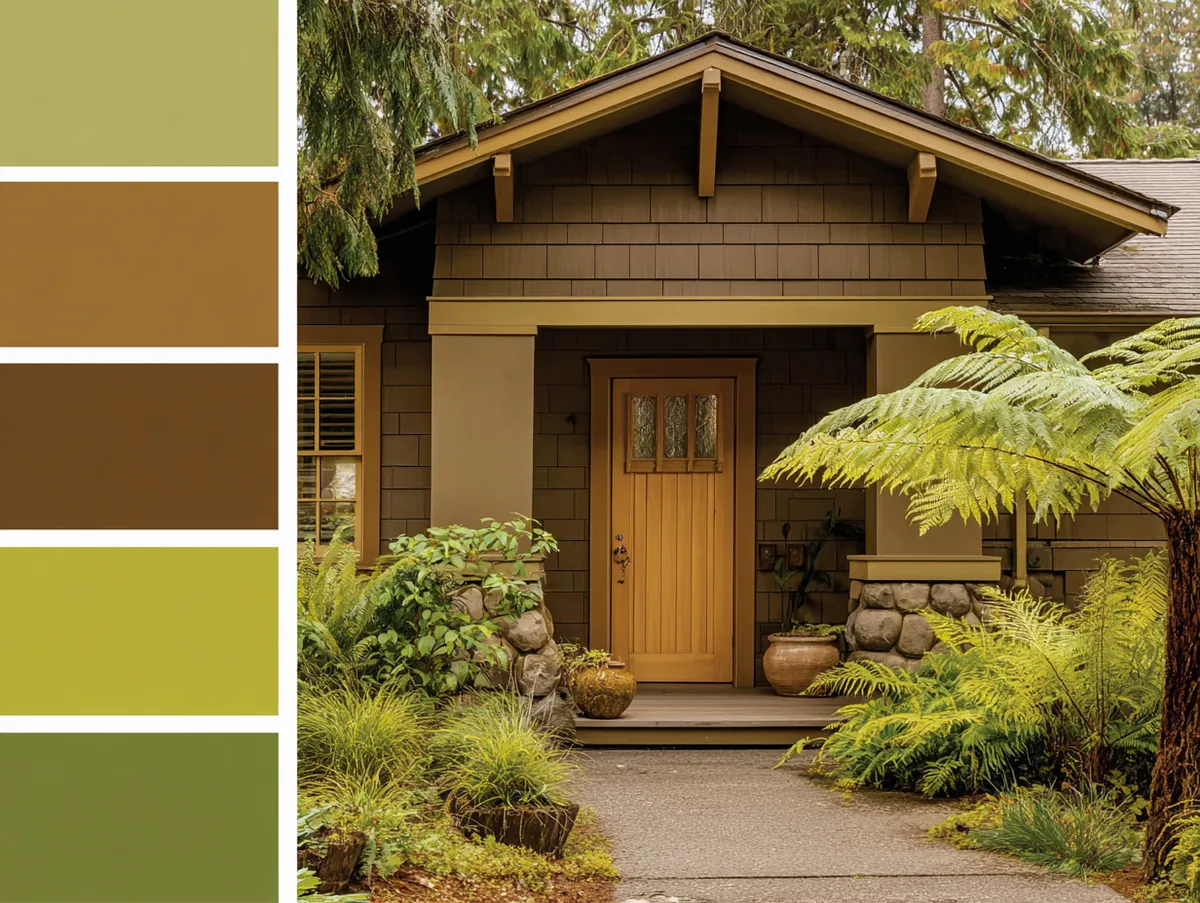


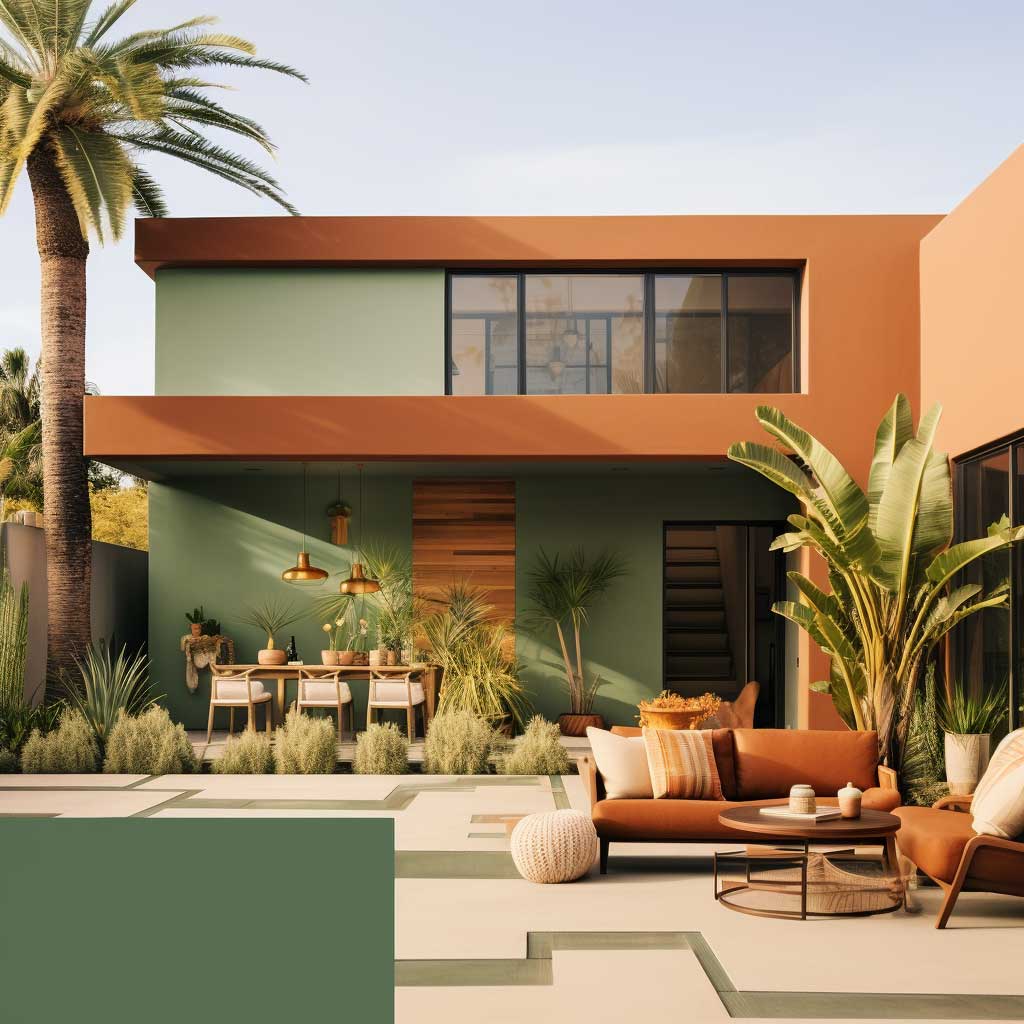
Exploring the spectrum of colour combination for house exterior painting, the pairing of earthy browns with vibrant greens emerges as a favourite for those seeking a natural and organic look. This combination, inspired by the forests and meadows, promises to wrap a home in nature’s embrace.
Brown, as a colour, is deeply rooted in nature. It’s the colour of the soil, the trees, and the rocks. It represents stability, reliability, and warmth. When used in house exteriors, it gives the structure a grounded and robust appearance.
Green, the colour of life, represents renewal, freshness, and harmony. It’s the colour of the leaves, the grass, and the meadows. When paired with brown, it creates a visual symphony that’s reminiscent of a forest or a lush garden.
This colour combination is perfect for homes that are surrounded by nature. Whether it’s a mountain retreat, a countryside farmhouse, or a suburban home with a lush garden, the brown and green pairing enhances its natural beauty. Moreover, these colours have a timeless quality, ensuring that the house remains in harmony with its surroundings through changing seasons and trends.
However, while the combination is inherently beautiful, it’s essential to choose the right shades. A very dark brown might make the house blend too much with its surroundings, while a very bright green might make it stand out starkly. The key is to find a balance that complements both the home and its environment.
The earthy browns combined with vibrant greens in the colour combination for house exterior painting offer homeowners a chance to create exteriors that are in harmony with nature. It’s a choice that resonates with tranquility, warmth, and life.
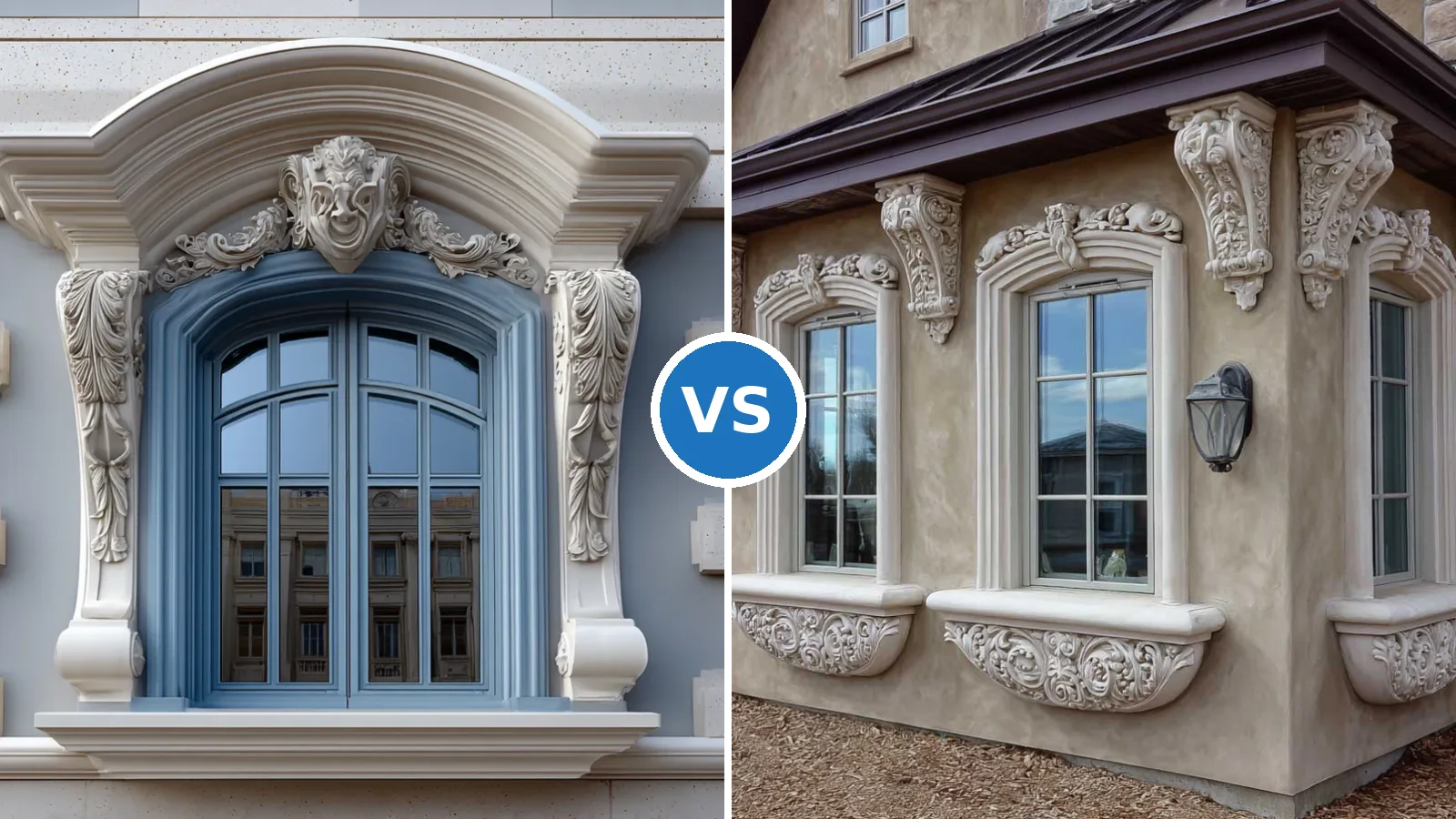
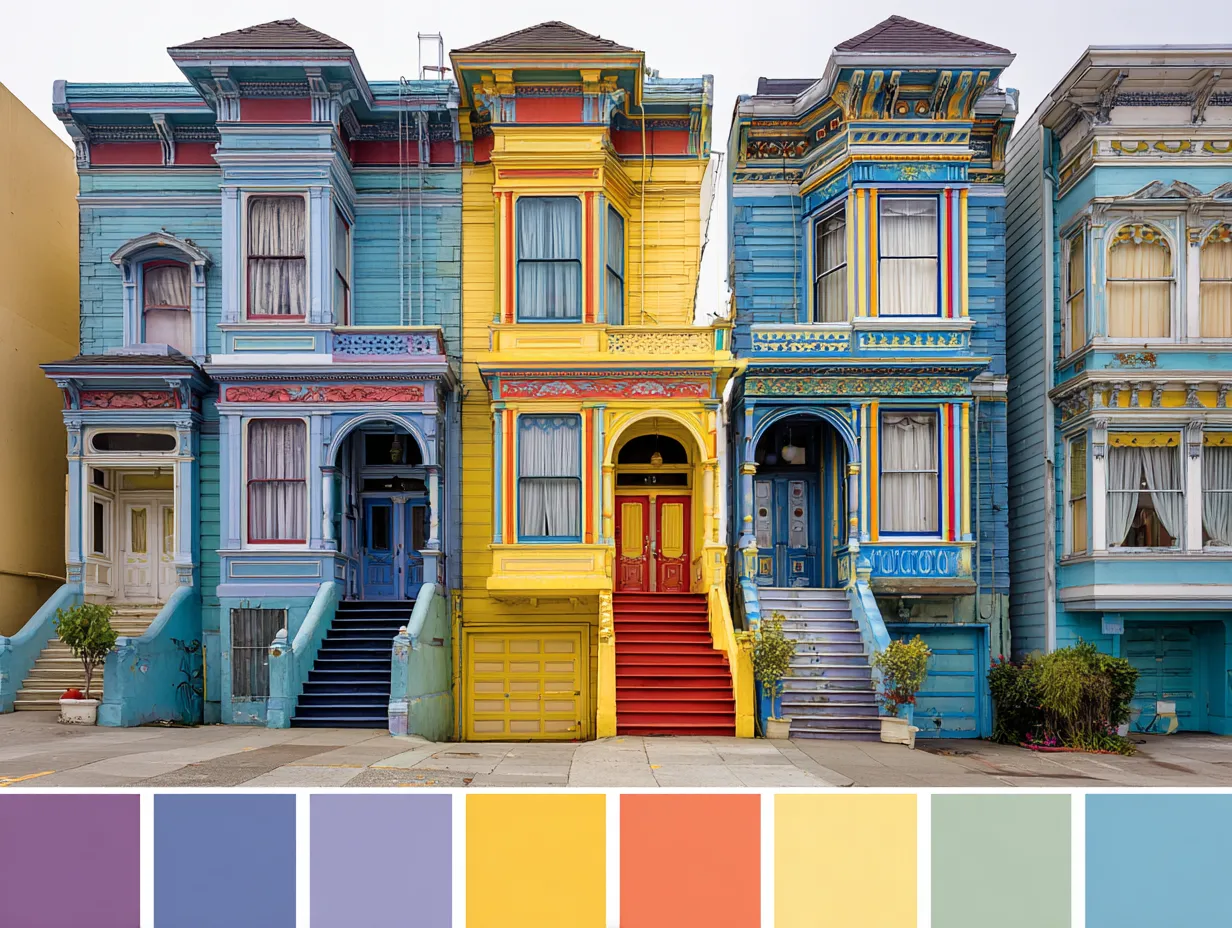
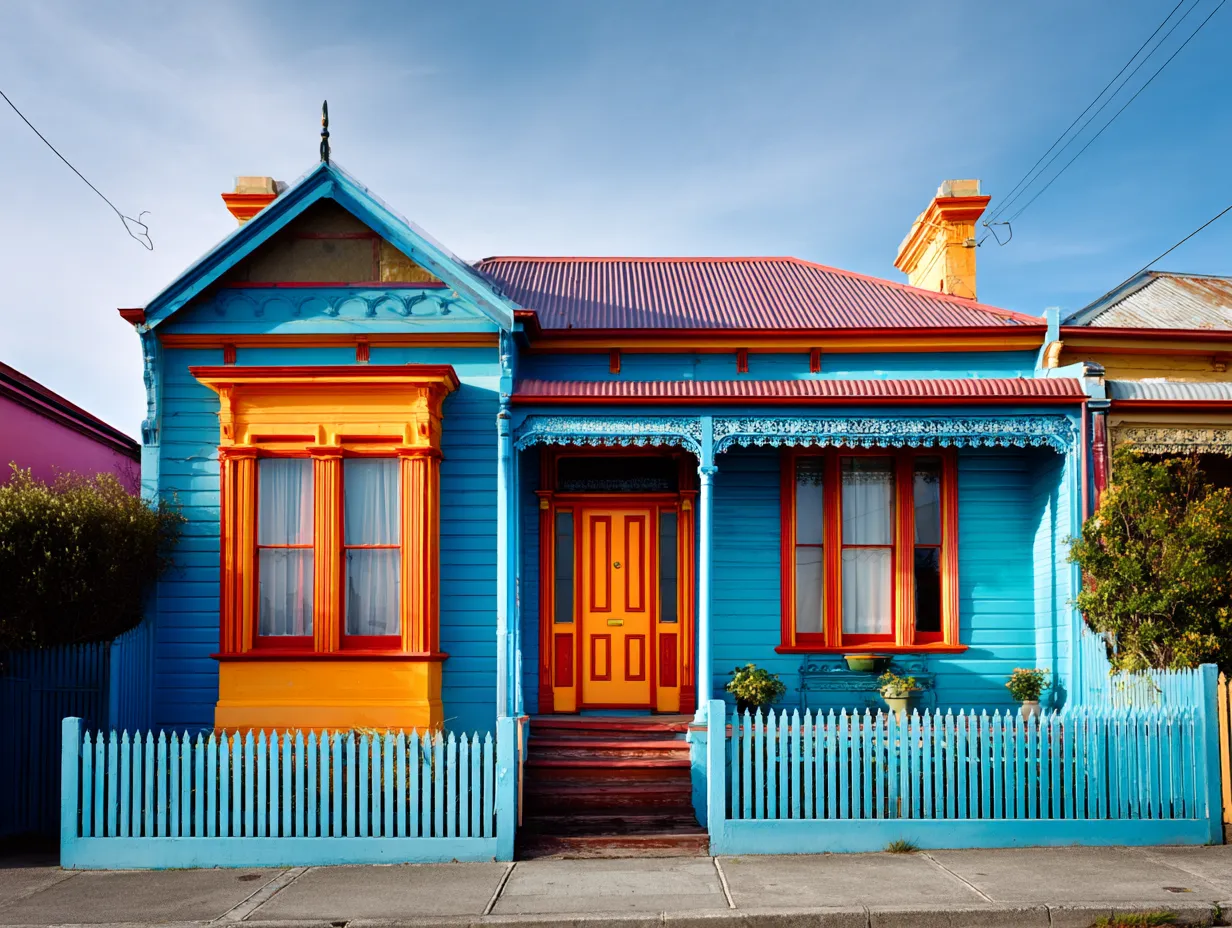
Pastel Walls with Bold Accent Colours on Trim and Doors
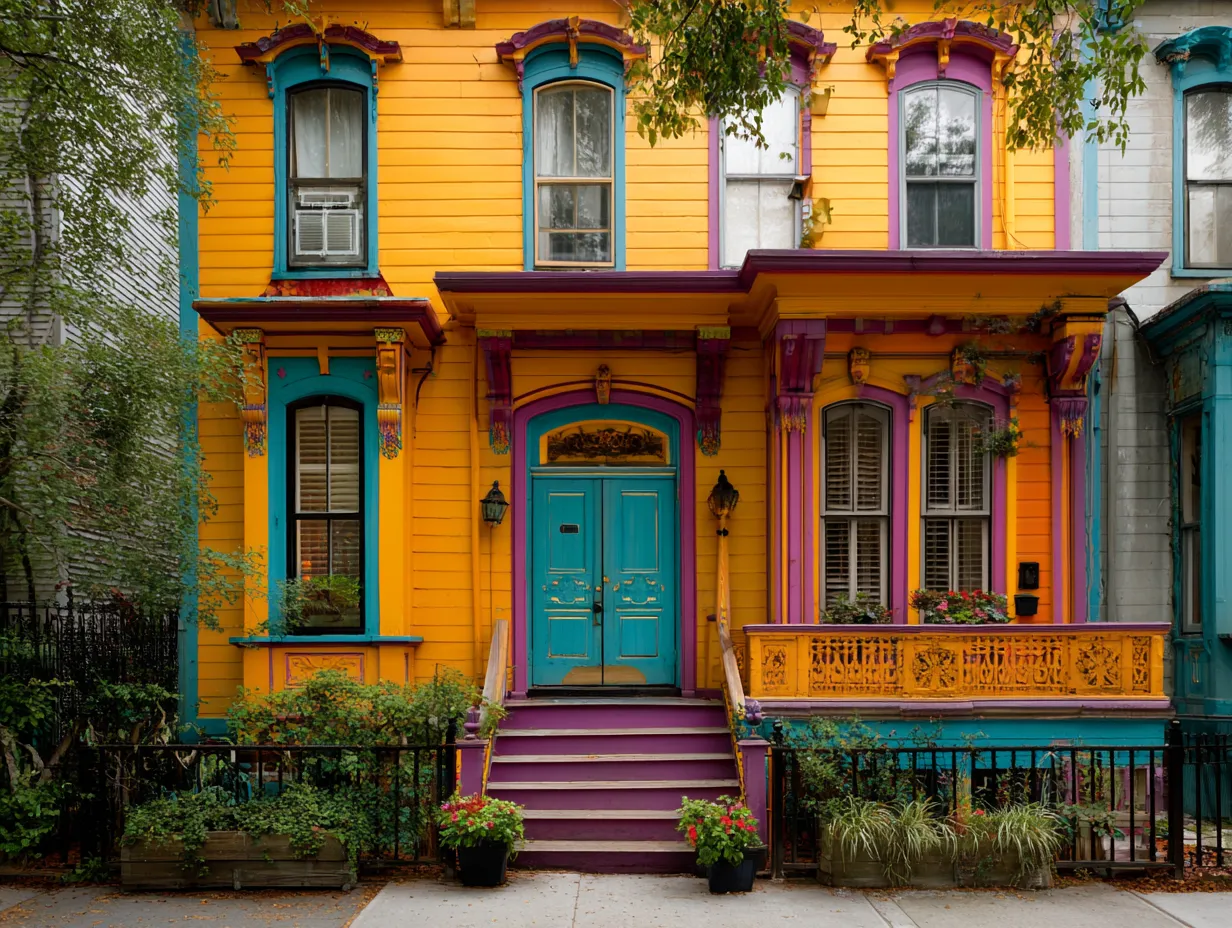
Farrow & Ball’s Middleton Pink runs about $110 per gallon. Yes, per gallon. You’re paying for a pink that doesn’t look like bubblegum — it reads more like dusty plaster on a Tuscan wall. Pair it with a deep teal door (try Benjamin Moore Dark Harbor, around $82) and you get a front entry that stops people mid-walk.
My biggest fail with pastels was using lavender on a ranch-style house in a subdivision full of tan and gray homes. It stuck out like a bruise. Pastels need context — they work on Victorian trim, cottage exteriors, and Mediterranean stucco. On a 1970s split-level with aluminum siding, they just look confused. Know your house’s personality before you commit to soft colours. Not every home can pull off peach.
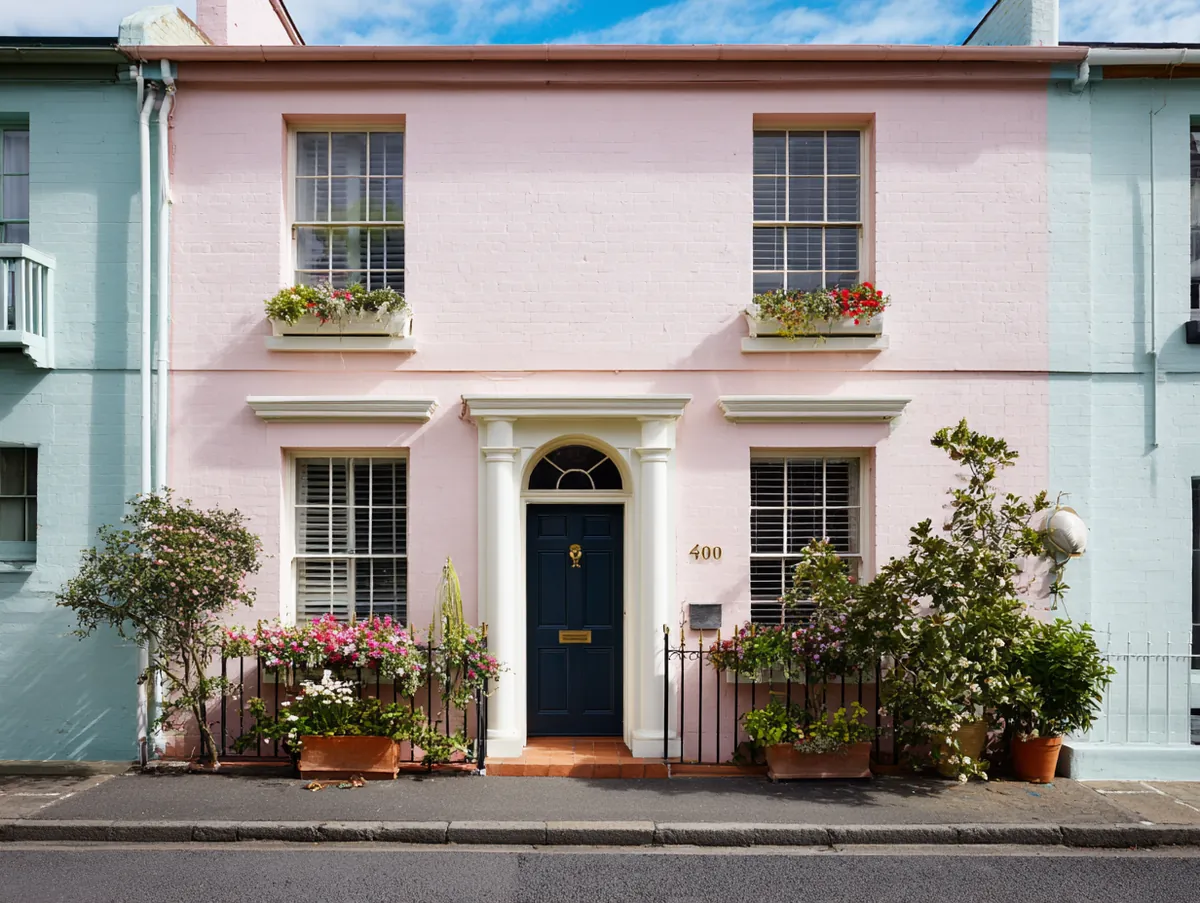
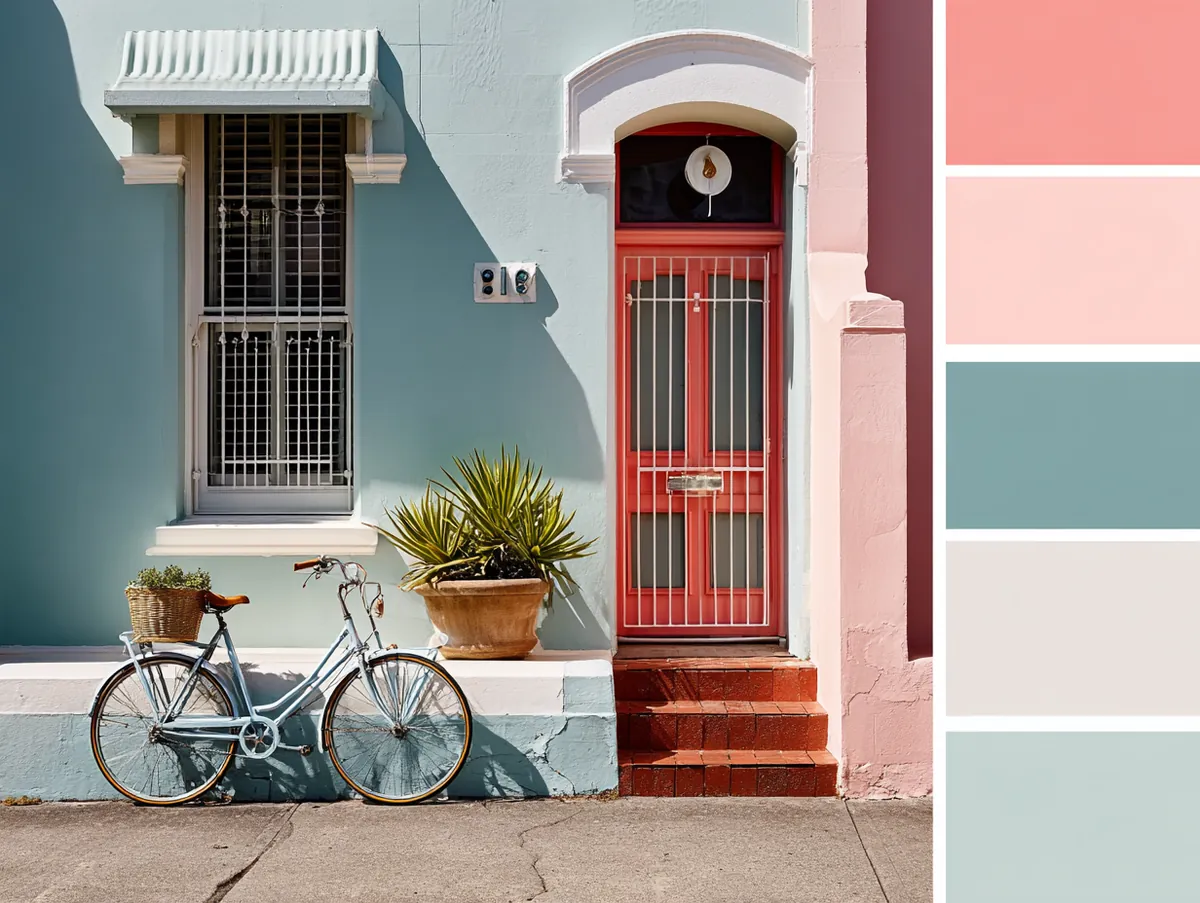
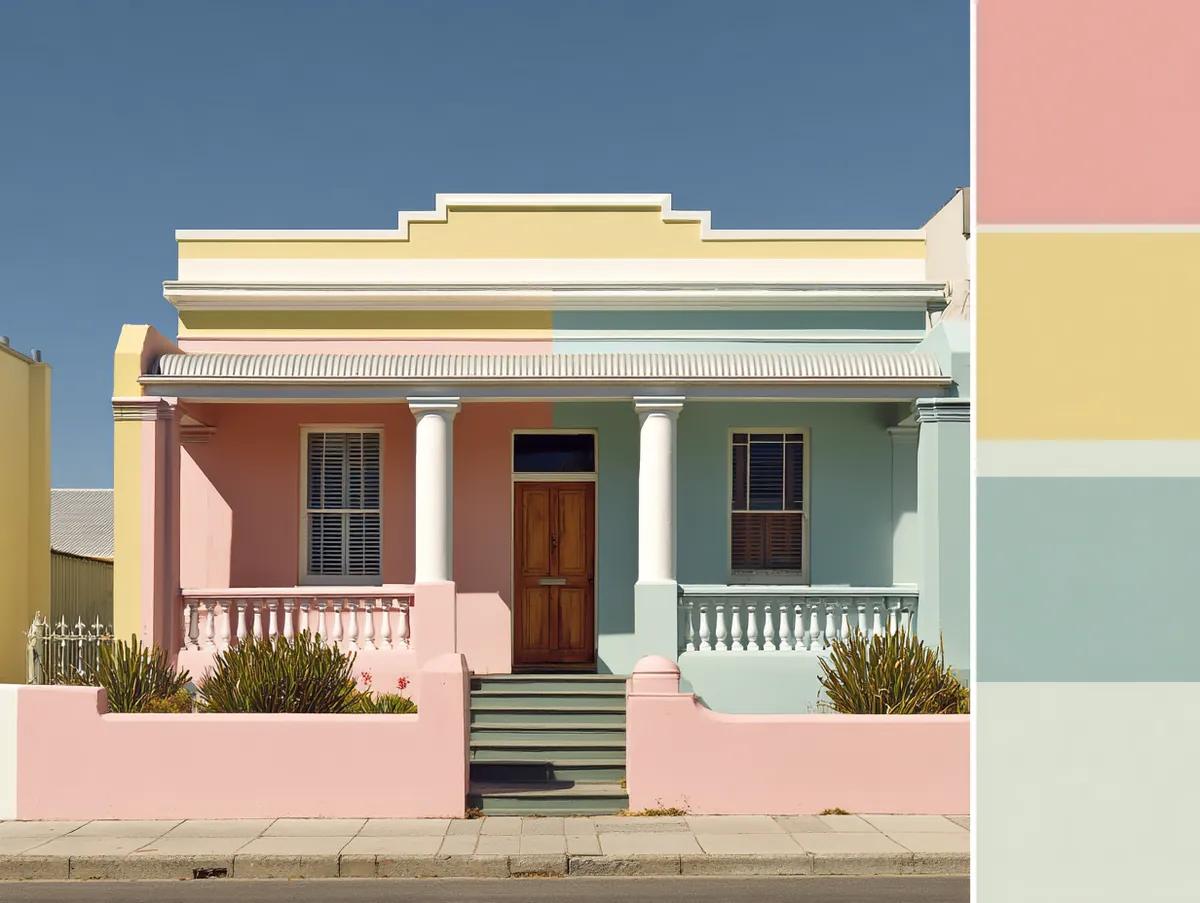
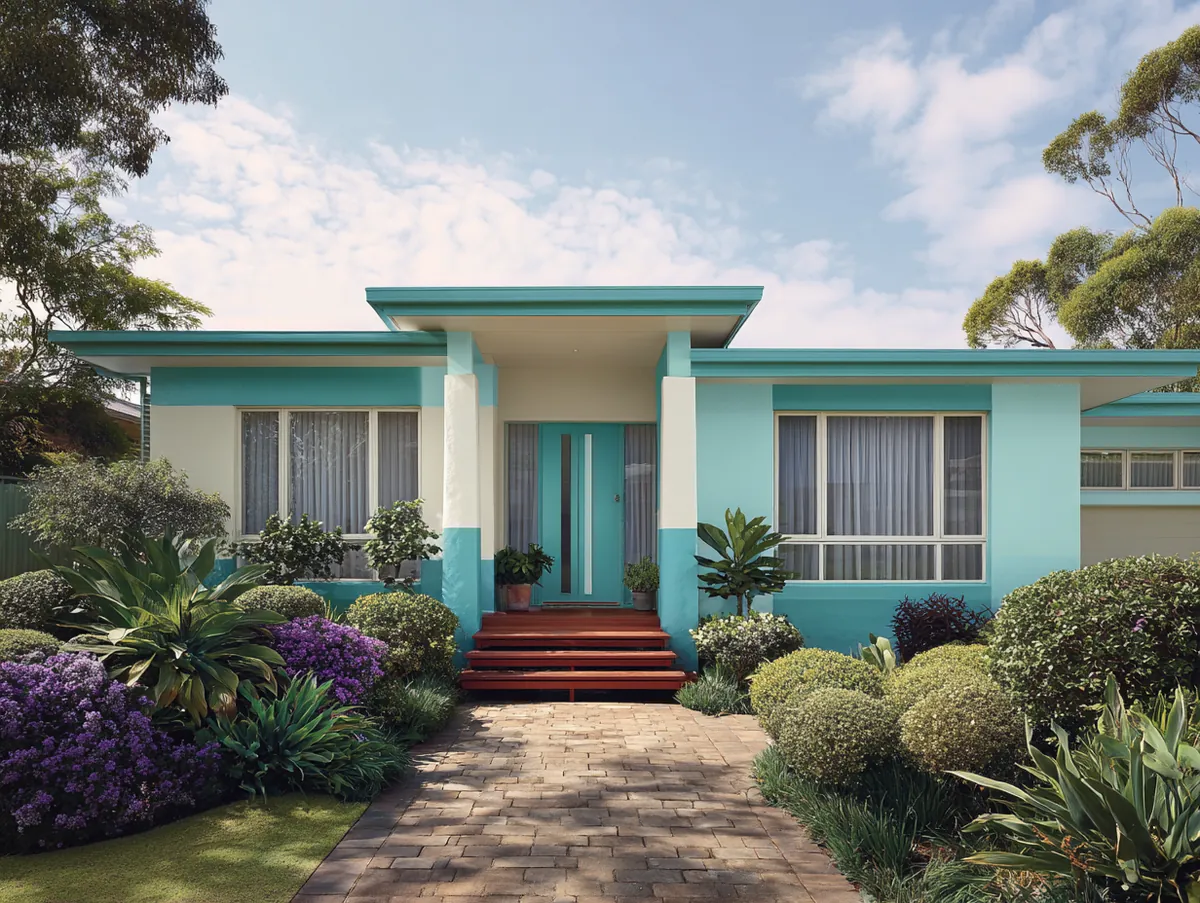
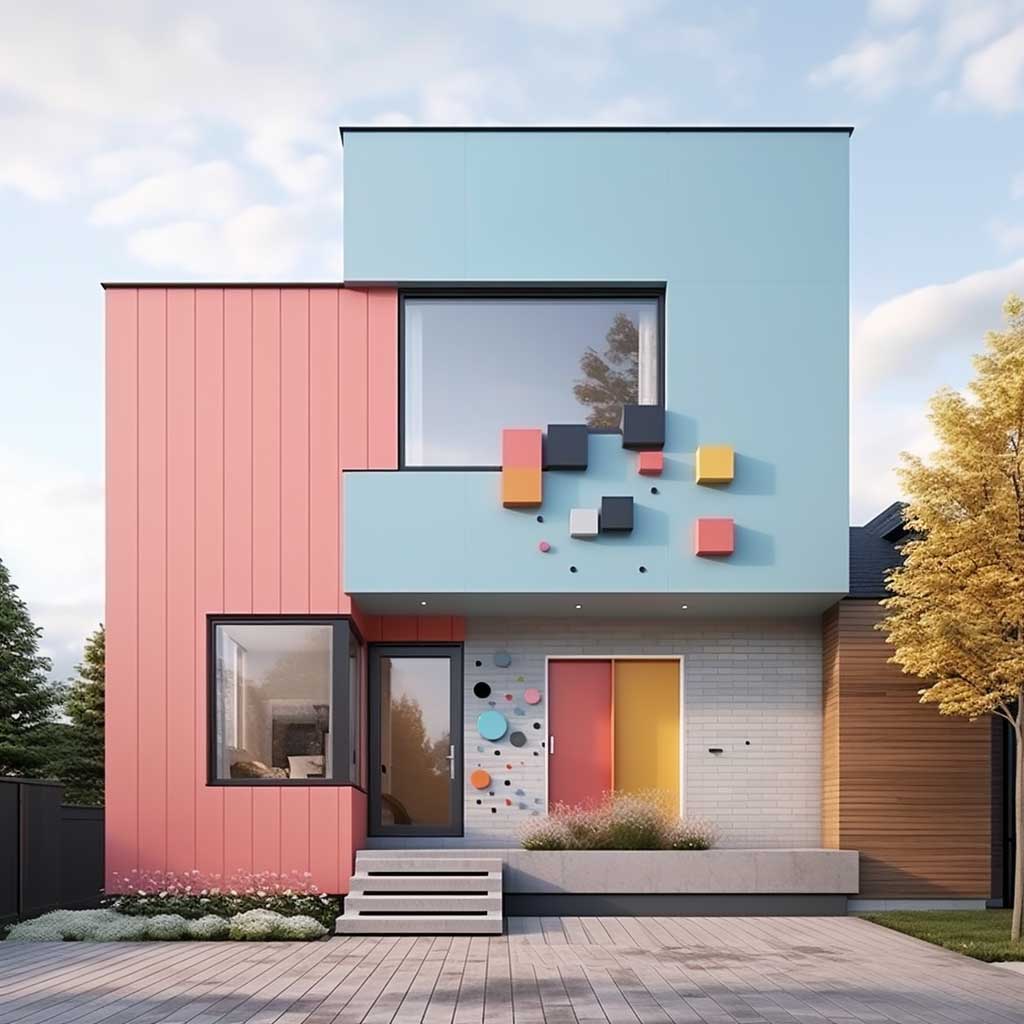

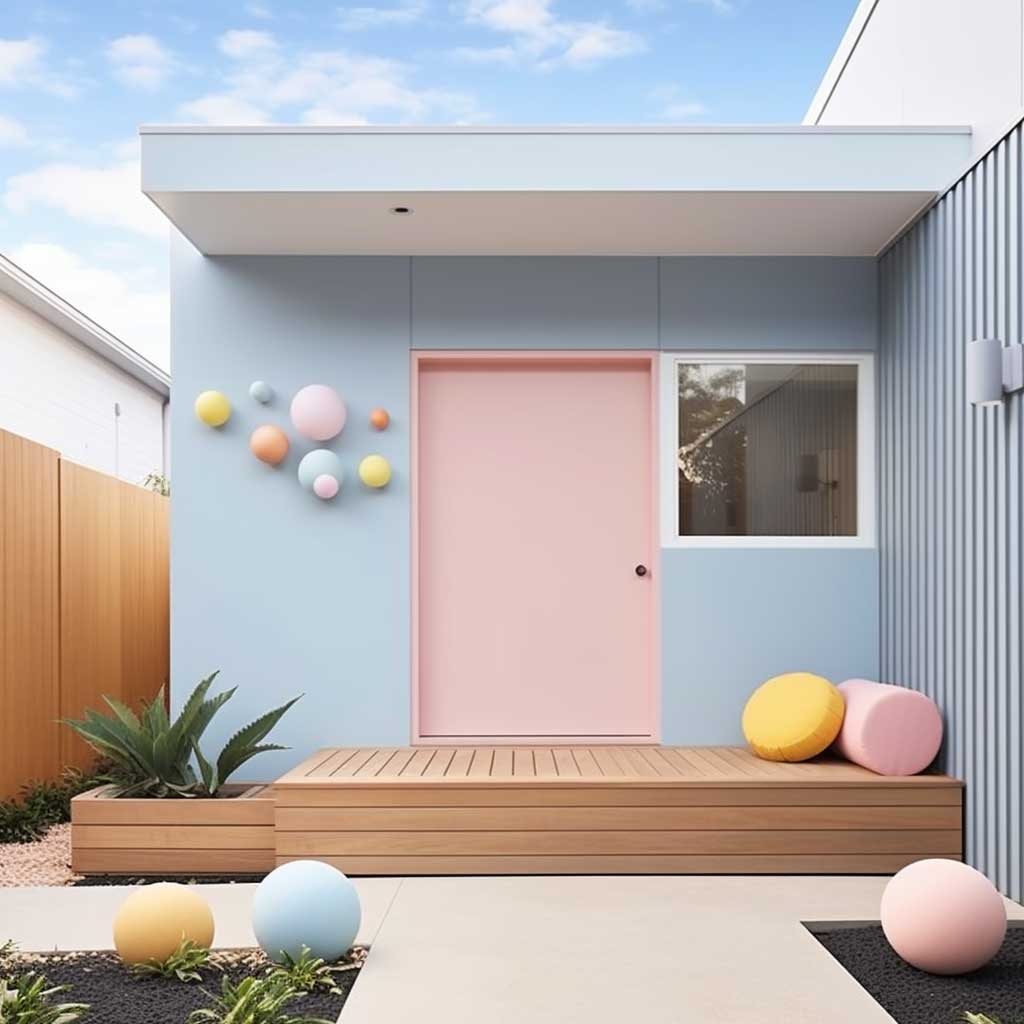

The world of colour combination for house exterior painting is vast and varied, offering homeowners a plethora of choices to express their unique style. Among these, the juxtaposition of soft pastels with bold accents emerges as a contemporary favourite. This blend, while seemingly contrasting, creates a visual narrative that’s both delicate and daring.
Pastels, by their very essence, evoke feelings of softness, tranquility, and dreaminess. These muted shades, whether it’s a gentle lavender, a subtle peach, or a serene aqua, bring to mind the first blush of spring or the soft hues of a twilight sky. When used as the primary colour for house exteriors, they lend the structure a sense of calm and elegance.
However, while pastels are undeniably beautiful, they might sometimes lack the punch or the drama that many homeowners seek. This is where bold accents come into play. By introducing striking shades like deep burgundy, vibrant teal, or rich emerald as accents, one can add layers of depth and character to the exterior. These bold colours can be introduced in various elements like the front door, window trims, or even architectural details.
The beauty of this combination lies in its balance. The softness of the pastels provides a vast canvas, allowing the bold accents to shine without overwhelming the senses. Moreover, this blend offers homeowners the flexibility to play with their choices. One can choose to keep the pastels as a constant and change the bold accents over the years, offering the house a fresh look with minimal effort.
However, while the combination is versatile, it’s essential to ensure harmony. The chosen bold accent should complement, not clash with the pastel base. It’s also crucial to ensure that the bold colours don’t dominate the exterior, overshadowing the pastels.
Marrying soft pastels with bold accents in the realm of colour combination for house exterior painting offers a blend of subtlety and drama. It’s a choice that promises the best of both worlds, ensuring that the house stands out, yet remains rooted in elegance and sophistication.
Don’t Do This
Don’t choose your exterior colour combination from a phone screen. Every paint brand’s website shows swatches on backlit displays — they look nothing like paint on stucco or wood siding in actual daylight. Order physical samples. Tape them to the wall. Wait 48 hours. Check them at 8 AM and 4 PM.
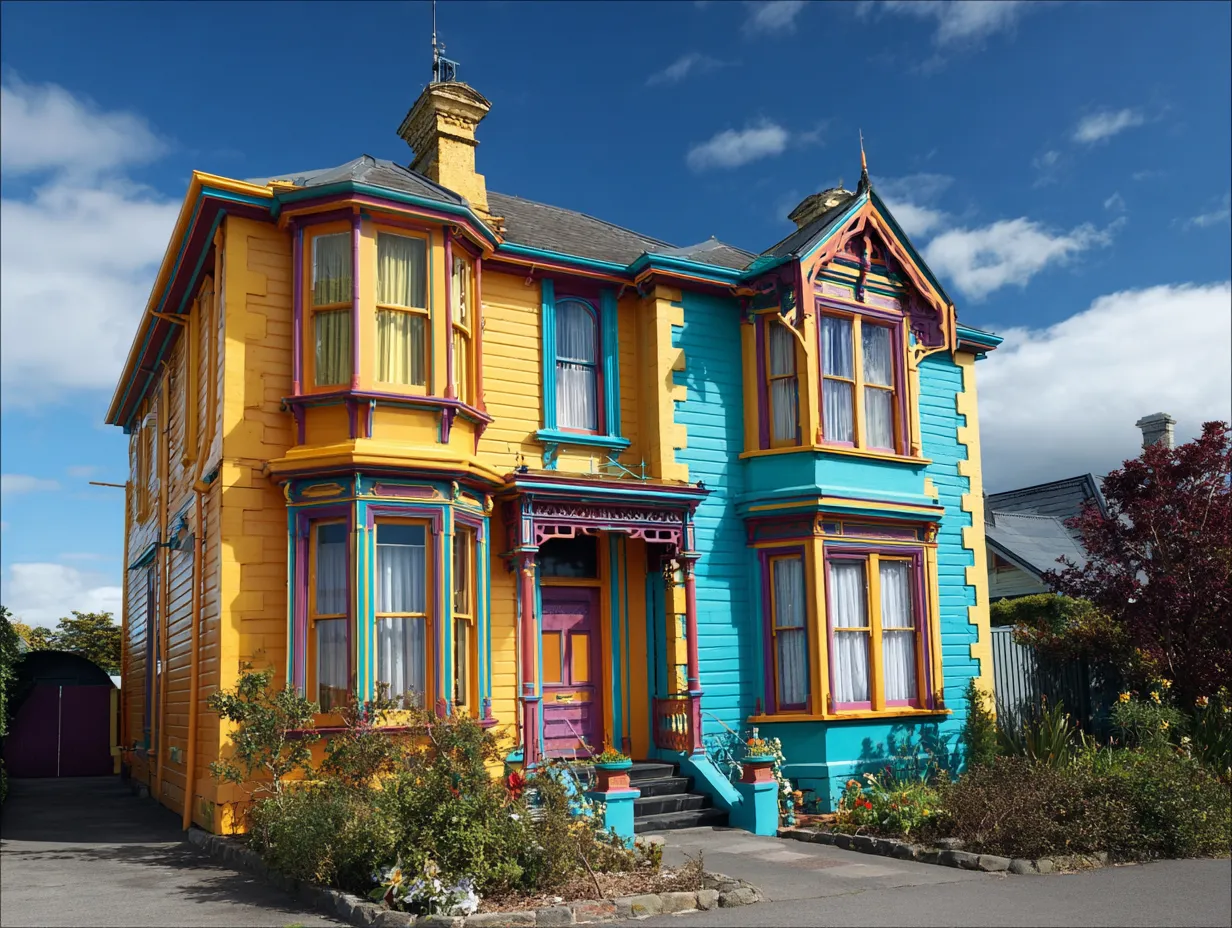
Don’t use more than three colours on one facade. Body, trim, accent — that’s it. Four or five colours turn a house into a children’s playground. I’ve driven through entire neighborhoods where the worst-looking homes all had one thing in common: too many paint colours fighting each other.
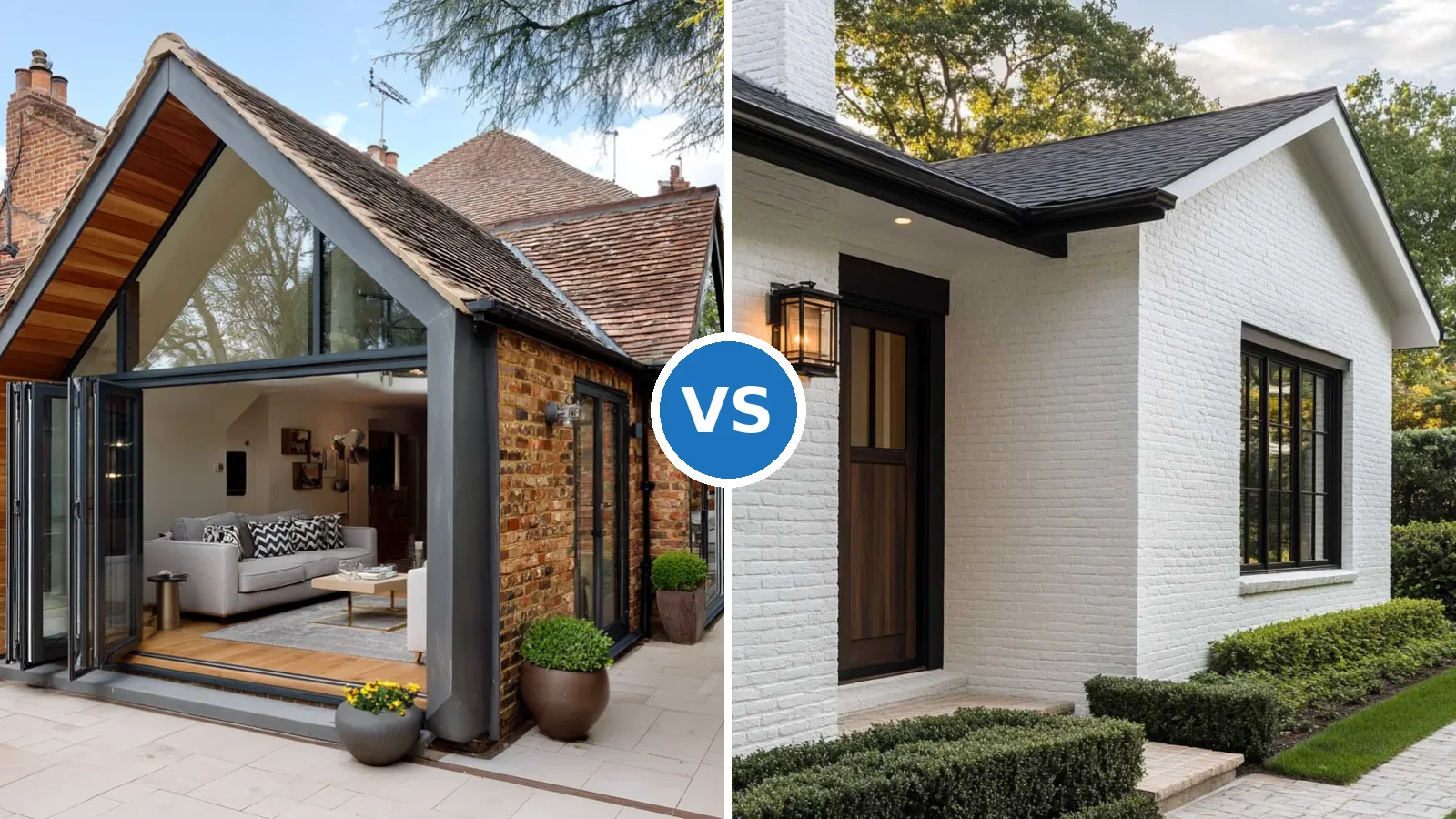
Gray Exterior with Red Accents: Modern House Colour Combination
Benjamin Moore Wrought Iron is the gray I’d put on my own house tomorrow if the HOA allowed it. About $85 a gallon. It shifts between charcoal and near-black depending on the light — moody without being goth. For the red accent, skip fire-engine red entirely. Go for Benjamin Moore Heritage Red or Sherwin-Williams Fireweed. Both read as intentional, not accidental.
The red front door trend peaked around 2019, but it still works when the rest of your exterior stays disciplined. I’ve watched people add red shutters, red trim, AND a red door on the same gray house. It looked like a barn pretending to be a modern home. Pick one element for red. One. The door is safest. Red on window trim reads aggressive from the street — like the house is angry about property taxes.
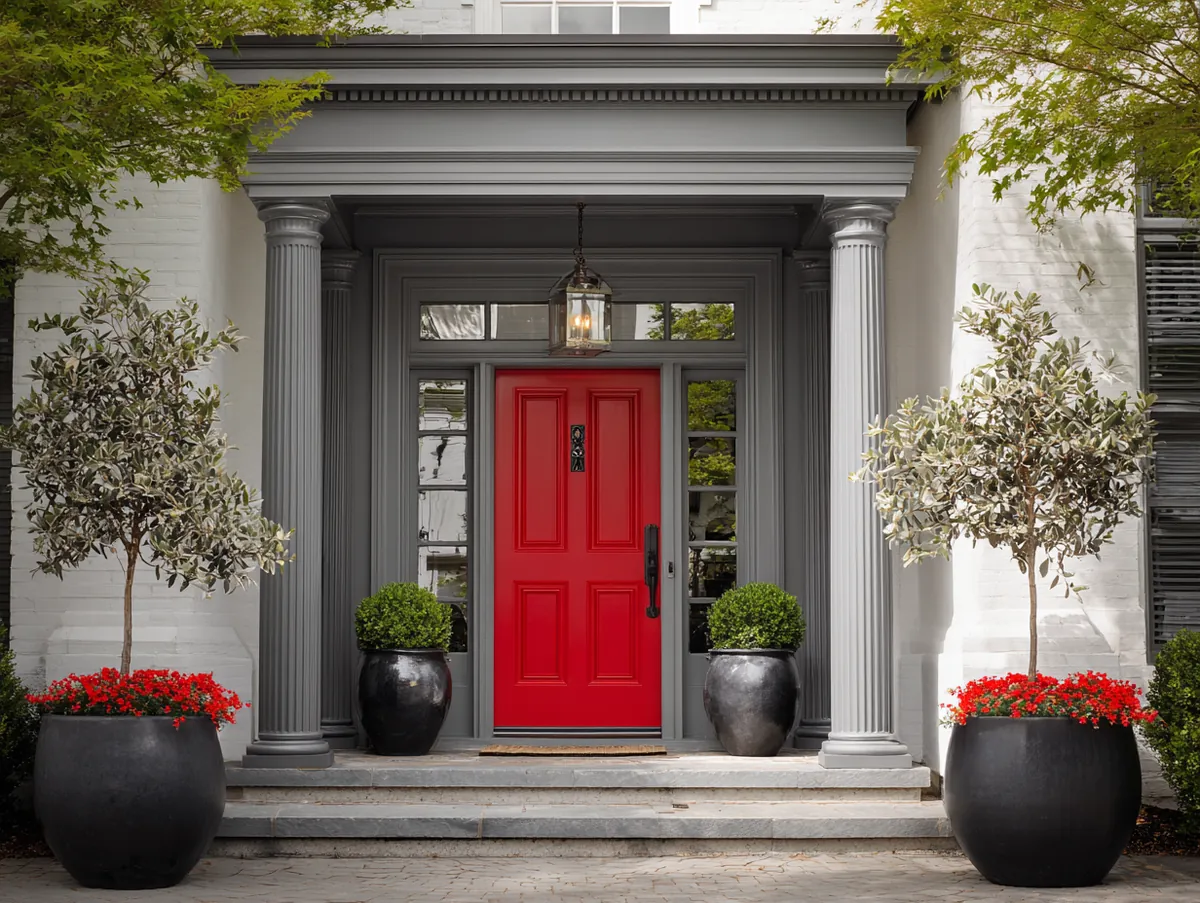
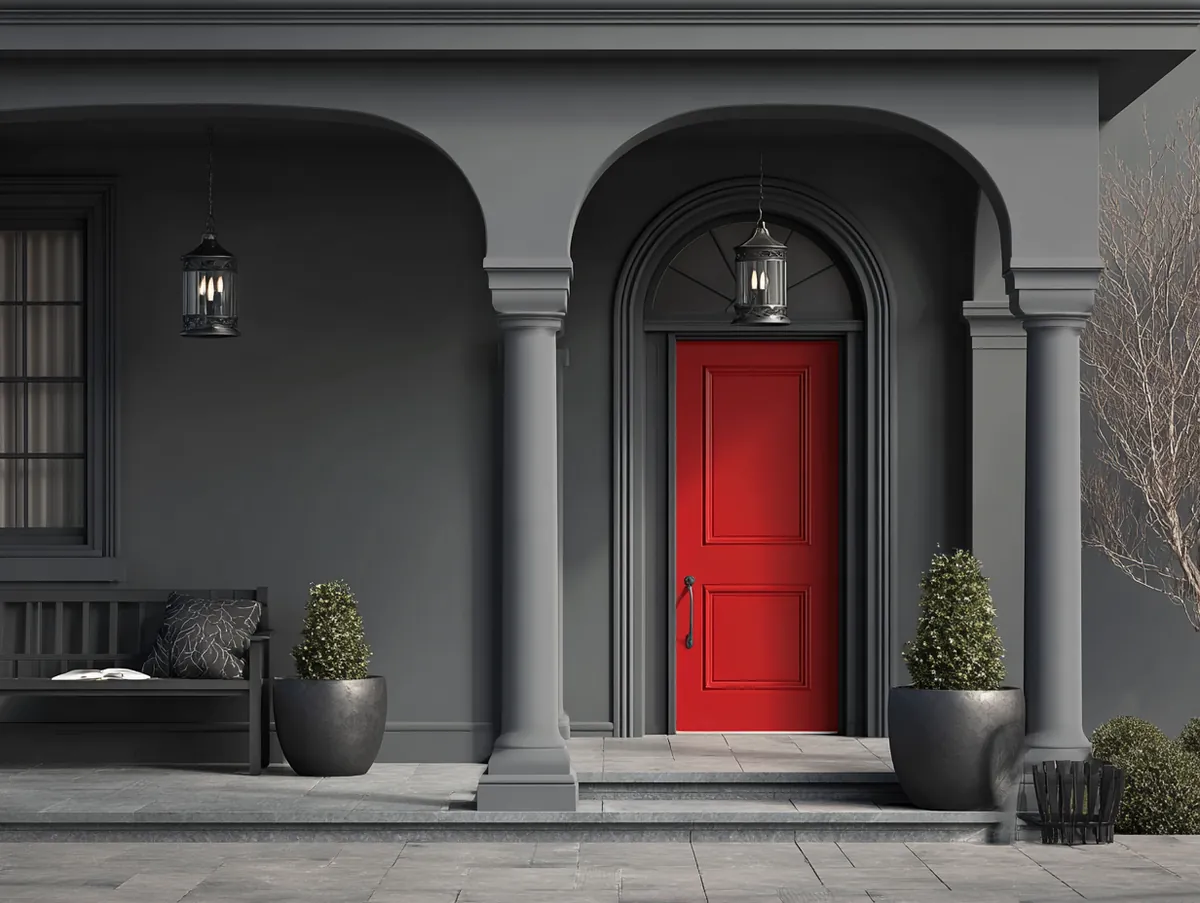

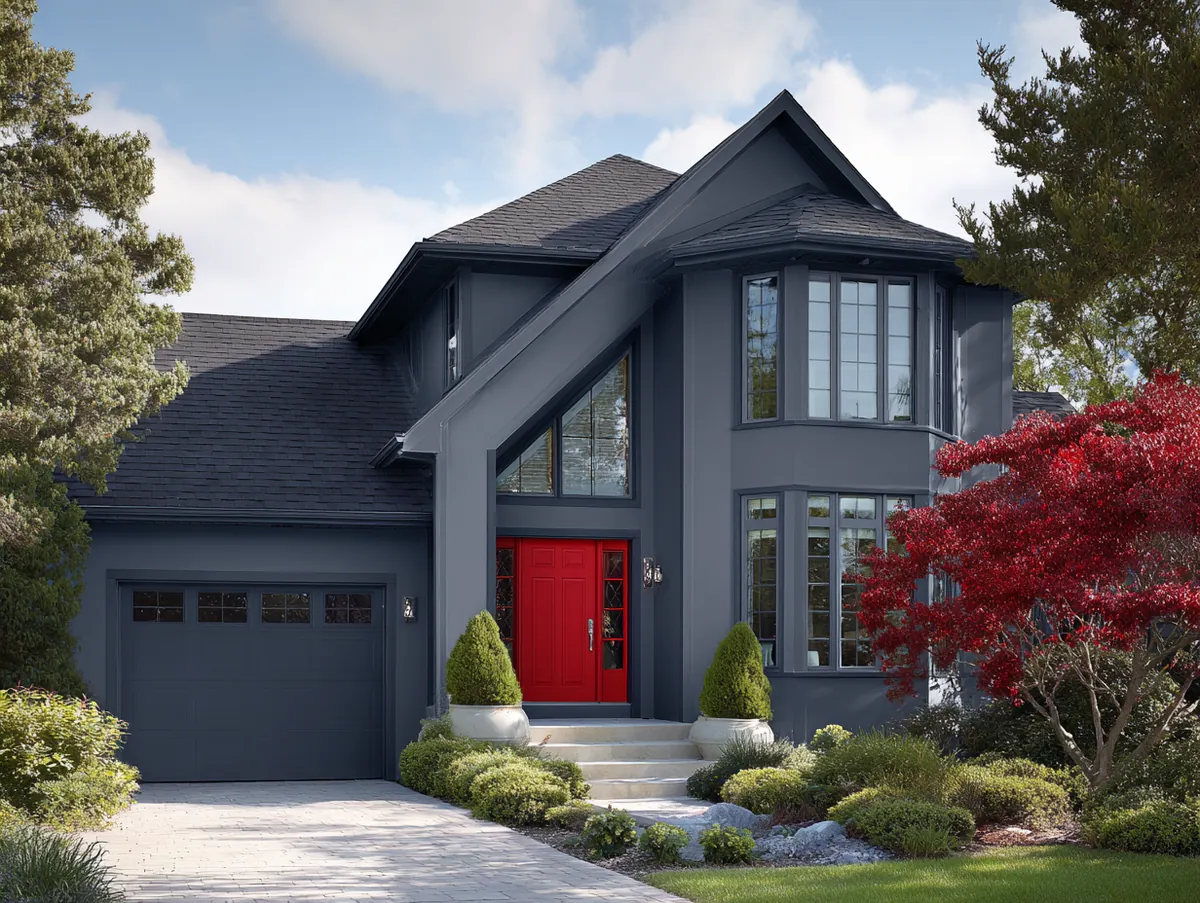

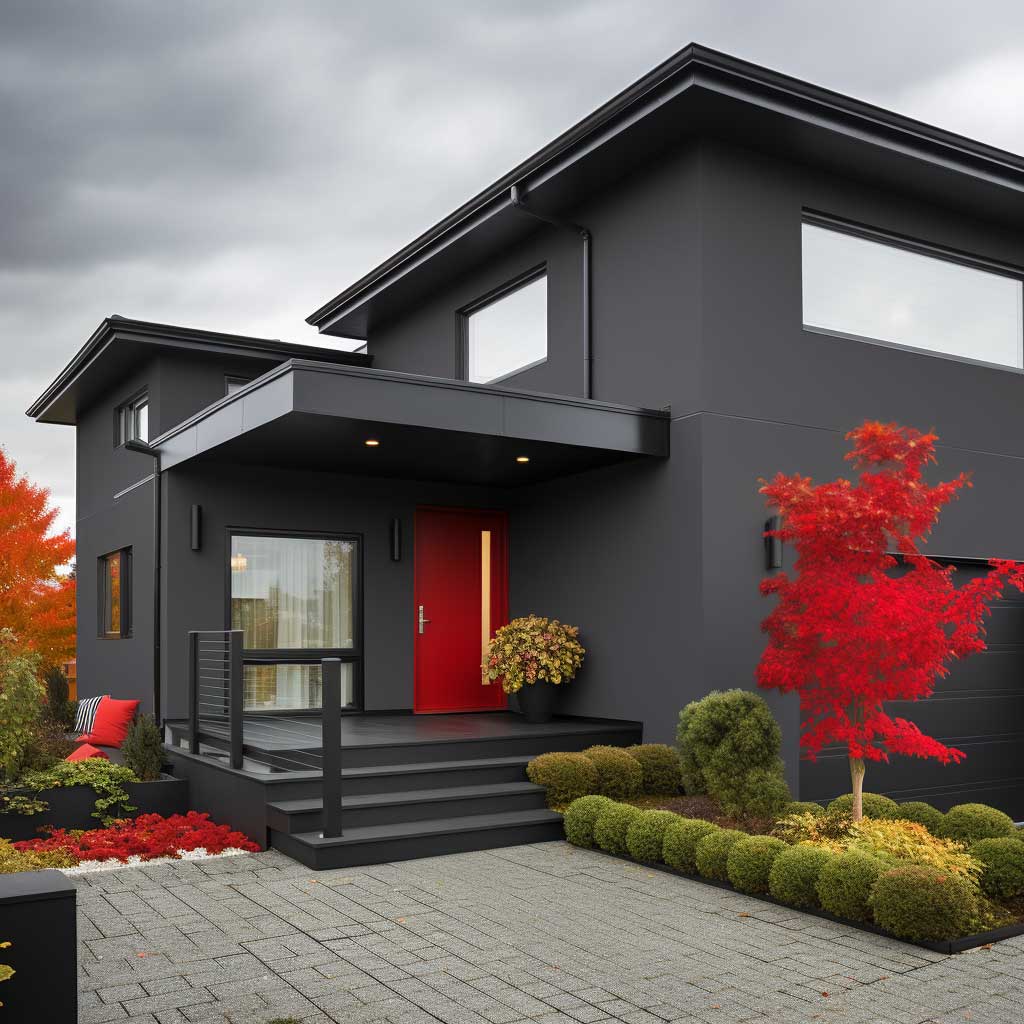


Diving deep into the nuances of colour combination for house exterior painting, the blend of monochromatic grays with a splash of red presents a modern and chic choice. This combination, while rooted in neutrality, offers a burst of energy and passion, making it a favourite among contemporary homeowners.
Gray, as a colour, is often associated with neutrality, sophistication, and modernity. It’s a shade that’s both timeless and contemporary, offering a vast spectrum from the lightest dove gray to the deepest charcoal. When used in a monochromatic scheme for house exteriors, it creates a visual depth, with the different shades playing off each other, creating shadows and highlights.
While a monochromatic gray exterior is undeniably elegant, it might sometimes lack the warmth or the vibrancy that many seek. This is where the splash of red comes into the picture. Red, with its inherent energy, passion, and warmth, offers the perfect contrast to the coolness of gray. Whether it’s a bright red front door, vibrant red window trims, or even a red roof, this splash of colour adds a layer of excitement to the exterior.
The strength of this combination lies in its unexpectedness. The calm and composed grays, when paired with the fiery red, create a visual story that’s both balanced and bold. This blend offers a modern vibe, making it perfect for urban homes or those seeking a contemporary look. For more structured approaches to pairing two colours on one facade, see these two tone exterior house paint ideas that break down colour placement by architectural element.
However, while the combination is striking, it’s essential to use the red judiciously. Too much red can overwhelm the senses and take away from the elegance of the grays. The key is to use it as an accent, ensuring it enhances rather than dominates the exterior.
The blend of monochromatic grays with a daring splash of red in the world of colour combination for house exterior painting offers a narrative of balance and boldness. It’s a choice that promises a home that’s both rooted in modern elegance and brimming with character and warmth.
Your House Deserves Better Than Builder Beige
Every colour combination here exists on real houses, in real sunlight, surviving real winters. None of them cost more than a long weekend and a few gallons of paint to test. The hardest part isn’t choosing — it’s committing. Tape up your swatches, live with them for two days, and trust what you see at golden hour. That’s the light your neighbours will judge anyway.
Save this for your next paint project. Pin it. Send it to whoever keeps suggesting taupe.
How to Choose an Exterior Paint Colour Combination
Pick an exterior colour combination that lasts — not one that looks good only on a screen. This takes about a weekend and costs under $50 in samples.
Tools you’ll need:
- Sample paint pots (2–3 colours)
- 2-inch angled brush
- Painter’s tape
- Smartphone camera (for comparing in different light)
Check your roof and fixed elements
Note the colour of your roof, stone, brick, and any material you won’t be painting. Your body colour must complement these. Gray roofs pair well with blue or white bodies. Brown roofs work with cream or sage green.
Pick a body colour first
The body colour covers 70% of visible surface. Choose it first, then select trim and accent to complement. Don’t start with the accent — that’s like choosing earrings before the outfit.
Paint 2×2-foot test squares on the actual wall
Never judge from a swatch. Paint samples on two walls — one that faces north, one that faces south. Photograph each at 8 AM, 12 PM, and 5 PM. The colour that looks best at 5 PM is the one your neighbours will see most.
Add trim and accent last
Trim should be at least three shades lighter or darker than the body. The accent colour goes on one element only — front door or shutters, not both. Buy one sample pot of the accent ($8–$12) and paint a test strip on the door frame.
Live with it for 48 hours before buying full gallons
Spend two full days looking at your test squares in changing light and weather. If you still love the combination after rain and overcast skies, buy your paint. If doubts creep in, test one more option. Returning 5 gallons of custom-tinted paint is either impossible or costs a 20% restocking fee.