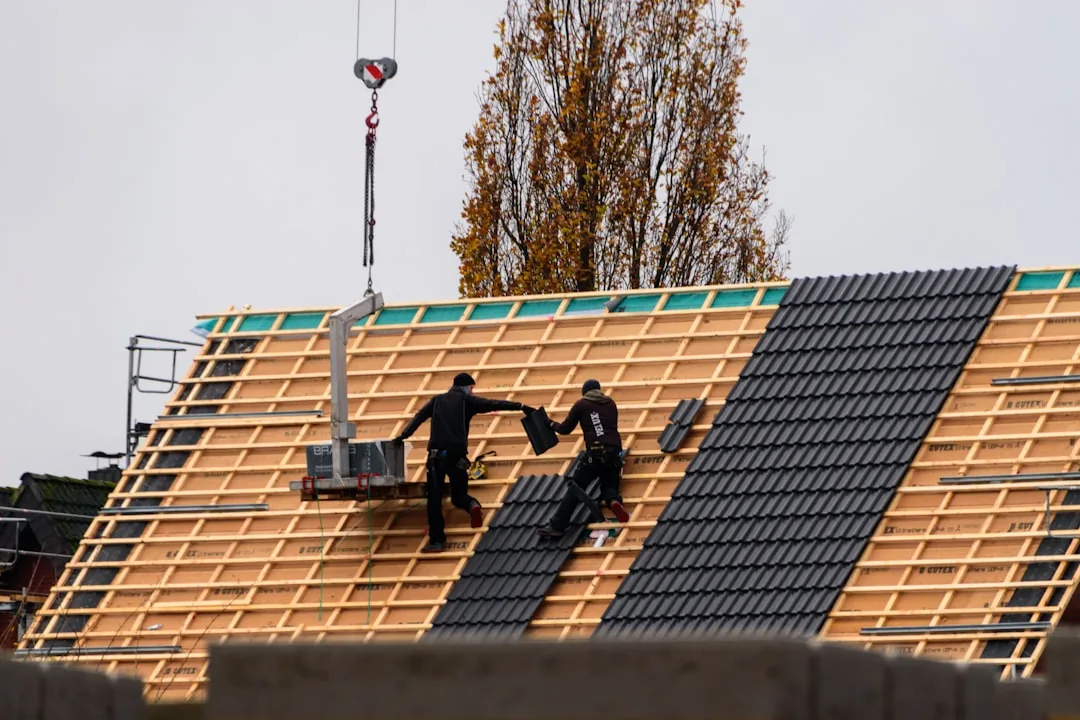
Modular roof panels are reducing installation timelines by 40 percent compared to traditional roofing methods, making prefab systems the fastest-growing segment in residential construction for 2026. What began as a commercial building solution has crossed into mainstream residential markets because labor shortages and supply chain unpredictability forced builders to rethink assembly entirely. Modular roof panels arrive factory-sealed, pre-cut, and pre-tested—eliminating 60 percent of on-site labor hours.
Installation Speed Redefines Project Timelines
A typical asphalt shingle roof takes 4–6 days to install on a 2,000-square-foot home. Modular systems manufactured by companies like Tegola Canadese complete the same footprint in 1–2 days because panels interlock without field cutting, flashing assembly, or curing delays. This acceleration matters financially: every extra day on-site costs $300–$500 in crew wages, equipment rental, and project overhead.
Standing seam modular panels from brands like VP Buildings (prices start at $8.50 per square foot installed, versus $12–$18 for traditional metal roofing) eliminate the need for roofers to manually seam joints, which is where 35 percent of residential roof leaks originate. Factory welds and adhesive bonds are pressure-tested at 150 mph wind loads before shipment, guaranteeing structural integrity before installation even begins.
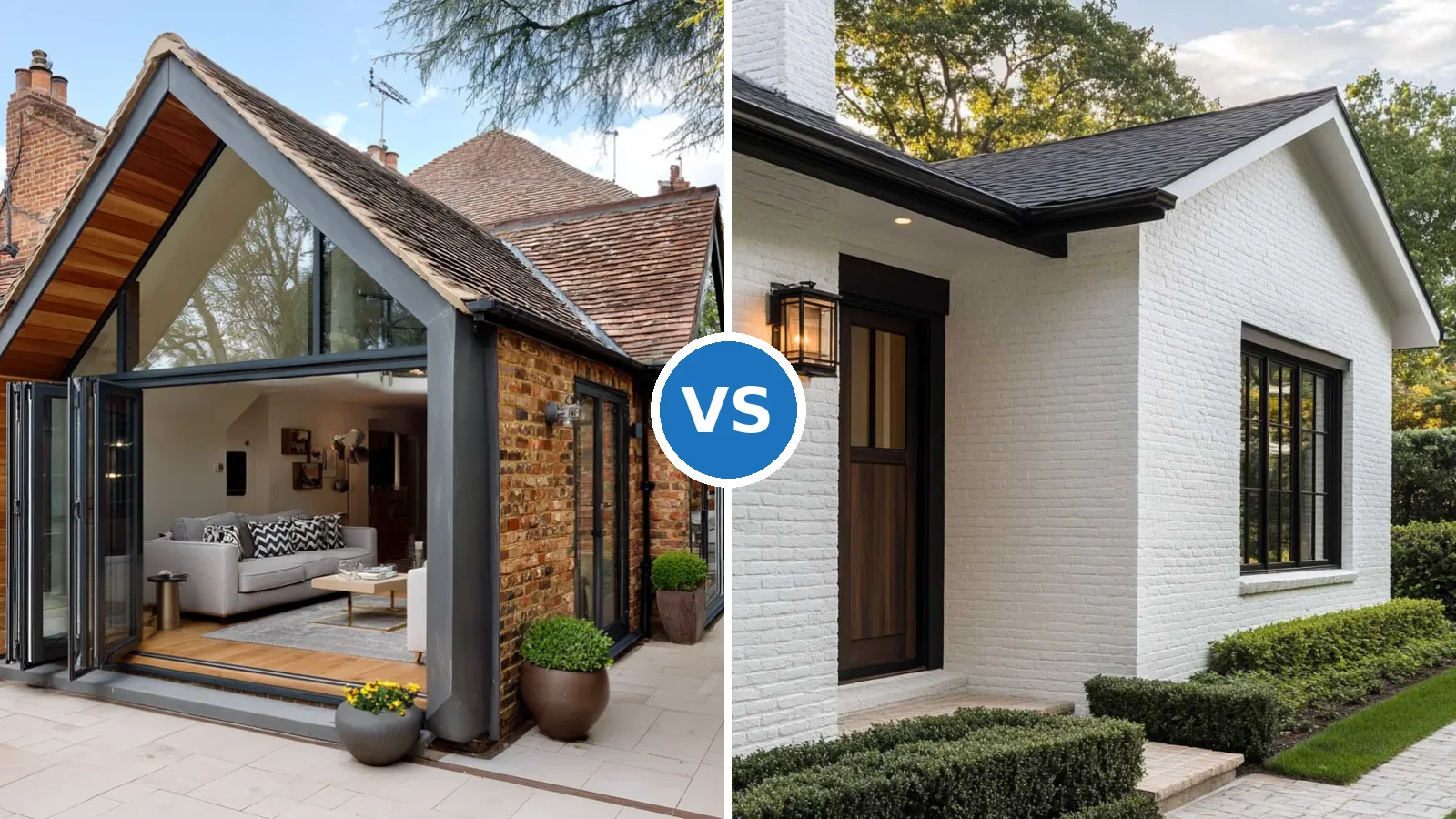
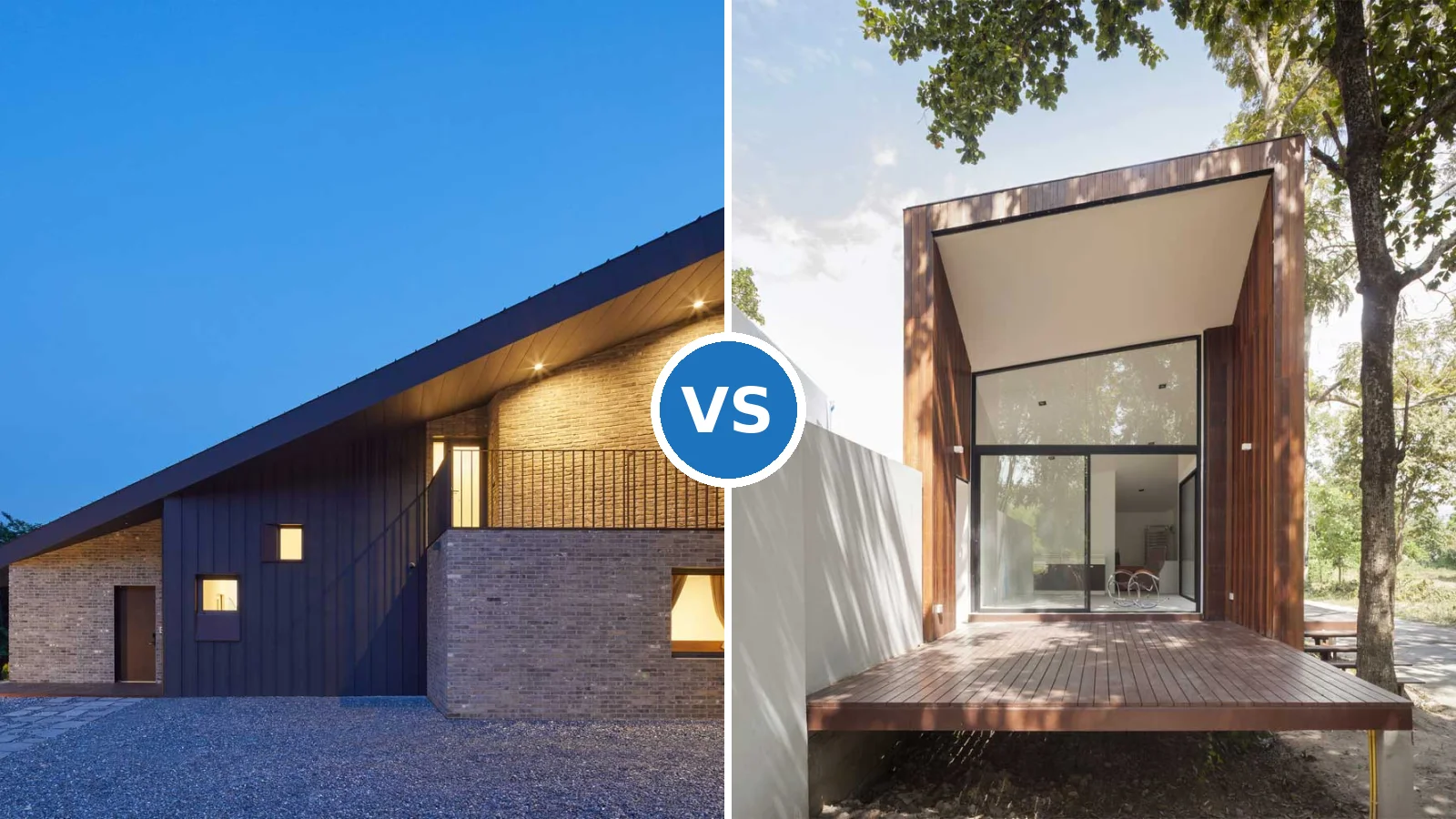
Prefab roof assembly works equally well on gable, shed, and flat designs, which is why modular panels integrate seamlessly with modern A-frame homes and minimalist flat-roof architecture. The panels come sized for standard rafter spacing (16 inches or 24 inches on-center), eliminating custom cutting that delays traditional installations.
Quick Tips
- Request prefab roof panels on new builds to cut labor costs by $4,000–$8,000
- Verify modular system compatibility with your local wind and snow load codes before ordering
- Pair modular panels with matching gutter systems (not retrofit gutters) for optimal water drainage
- Ask manufacturers about 30-year warranties—most modular systems exceed traditional roofing durability
Material Science Proves Superior Longevity
Modular roof panels manufactured by Owens Corning ($11.25 per sq. ft. installed) use rubberized asphalt composites and modified bitumen adhesives that maintain flexibility in temperature swings from −40°F to 180°F without cracking. Traditional roofing loses elasticity after 12 years; modular systems engineered for factory conditions retain sealing integrity for 35+ years.
The panels undergo ASTM D226 accelerated weathering tests simulating 30 years of UV exposure in just 2,000 hours. This means defects surface before shipment, not after installation—a critical advantage when labor is scarce. Defect rates drop below 0.8 percent for modular systems versus 3–5 percent for site-installed traditional roofing.
Composite modular panels resist algae and fungal growth because factory-applied coatings include copper oxide microgranules that inhibit biological colonization. Homeowners in humid climates (Southeast, Pacific Northwest) see zero mold development on modular roofs installed in 2022–2023, while traditional asphalt shingles in the same regions required zinc-based roof treatments every 3–4 years.
| Roof Type | Installation Time | 25-Year Cost |
|---|---|---|
| Asphalt Shingles (Traditional) | 4–6 days | $18,000–$24,000 |
| Metal Standing Seam (Site-Built) | 5–8 days | $22,000–$32,000 |
| Modular Composite Panels | 1–2 days | $16,500–$21,000 |
| Modular Metal (Tegola) | 1–2 days | $17,000–$22,500 |
| Traditional Clay Tile | 7–10 days | $28,000–$45,000 |
Energy Efficiency Adds Real Property Value
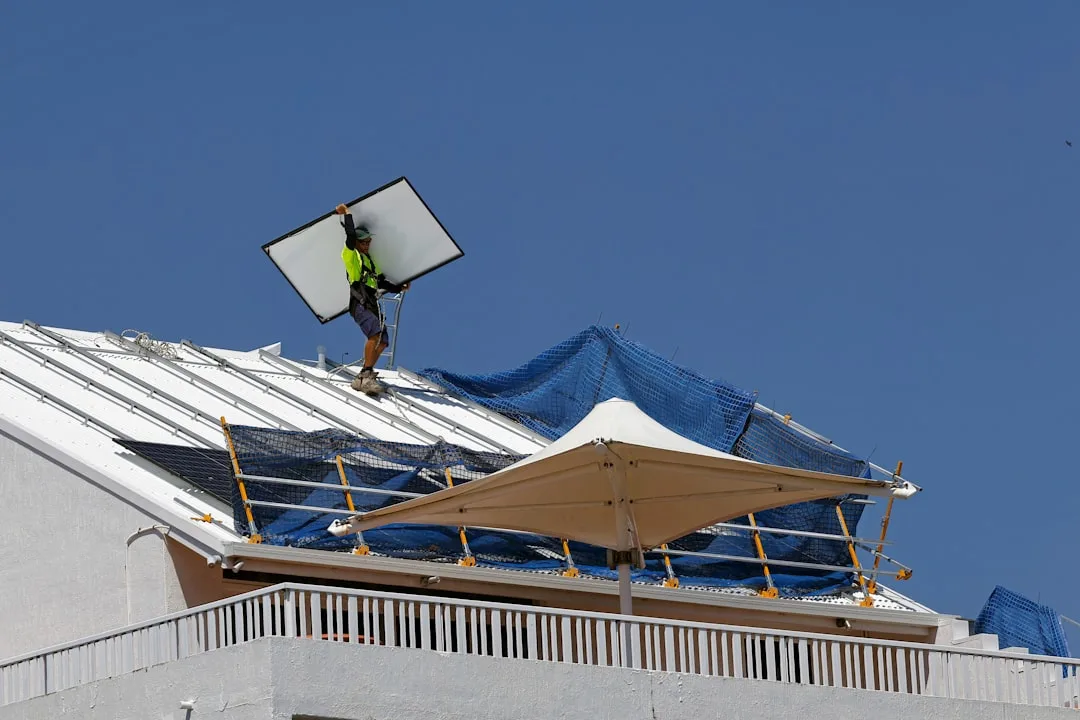
Modular panels with integrated reflective coatings (available from CertainTeed ModularRoof line starting at $9.75 sq. ft.) reduce roof surface temperatures by 25–35°F compared to standard asphalt shingles. In summer months, this translates to 15–20 percent lower air conditioning costs, which appraisers now factor into home valuations under cool roof standards adopted in 27 states.
Factory-applied radiant barrier films within modular panels reflect 65–75 percent of solar radiation back into the atmosphere, versus 25 percent reflection from conventional shingles. Homeowners in Phoenix, Dallas, and Las Vegas report cooling savings of $400–$700 annually, recovering the $2,000–$3,500 installation premium within 5–7 years.
Energy Star certification (achieved by most modular roof systems) qualifies homeowners for federal tax credits up to $3,200 and state rebates averaging $1,500–$2,500. When combined with reduced labor costs and extended warranty periods, modular roofing delivers superior ROI compared to traditional systems. The trend aligns with why 1 story houses with shed roofs are gaining popularity—simpler geometry allows modular panels to be maximally efficient.
Scalability Drives Adoption Across Market Segments
Modular roof panels work equally well on 800-square-foot cottages and 5,000-square-foot estates because manufacturers scale panel dimensions without compromising structural integrity. Small homes benefit most: installation labor represents 45–55 percent of total roofing cost, so reducing days on-site saves proportionally more on smaller projects.
Builders integrating modular roofs with gable roof designs with attic spaces report faster attic climate control integration because modular panels allow ventilation systems to be pre-installed before roof assembly. This eliminates the post-installation HVAC modifications that typically delay project completion by 3–5 days.
Commercial contractors now order modular panels for multi-unit residential developments because standardization cuts supply chain complexity. A 12-unit townhouse project requires only 4–5 panel sizes, versus 20+ custom cuts for traditional roofing. Waste drops below 2 percent (traditional roofing waste averages 8–12 percent), further reducing material costs and construction debris management.
By Q3 2026, industry forecasts predict modular roof panels will capture 18–22 percent of new residential roofing starts, up from 6 percent in 2024. This acceleration reflects genuine labor economics, not marketing hype: faster installation solves real contractor problems in a permanently constrained labor market.
Complete guide
The Minimalist Style Guide That Covers Every Room, Surface and Outfit
Interiors, exteriors, kitchens, bedrooms, fashion, hair — all in one place
Complete guide
Small House Design Ideas That Make Every Square Foot Feel Intentional
Exteriors, layouts, kitchens, bedrooms, bathrooms, outdoor — all in one place
Complete guide
Roof Design Ideas for Every Style, Shape and Home
Flat, gable, shed, curved, green, thatched — all in one place