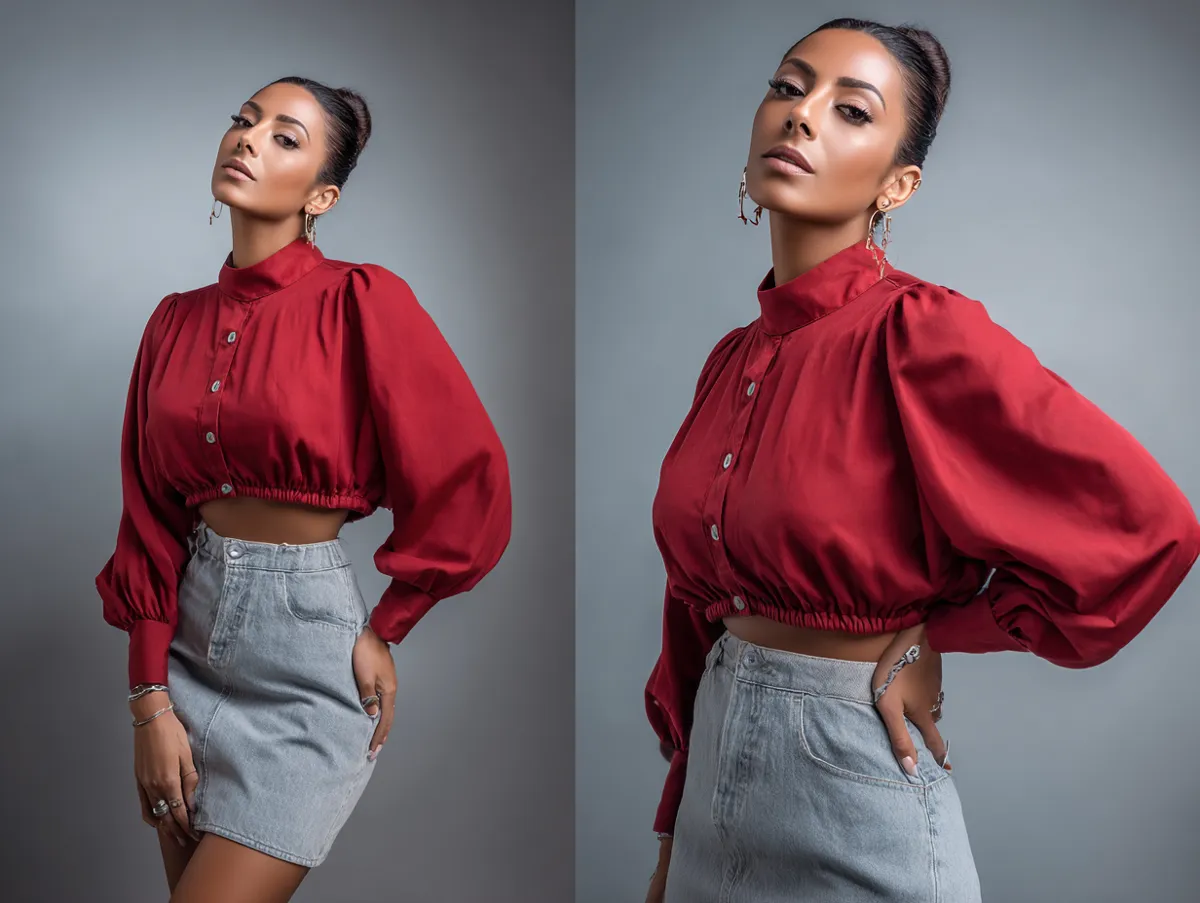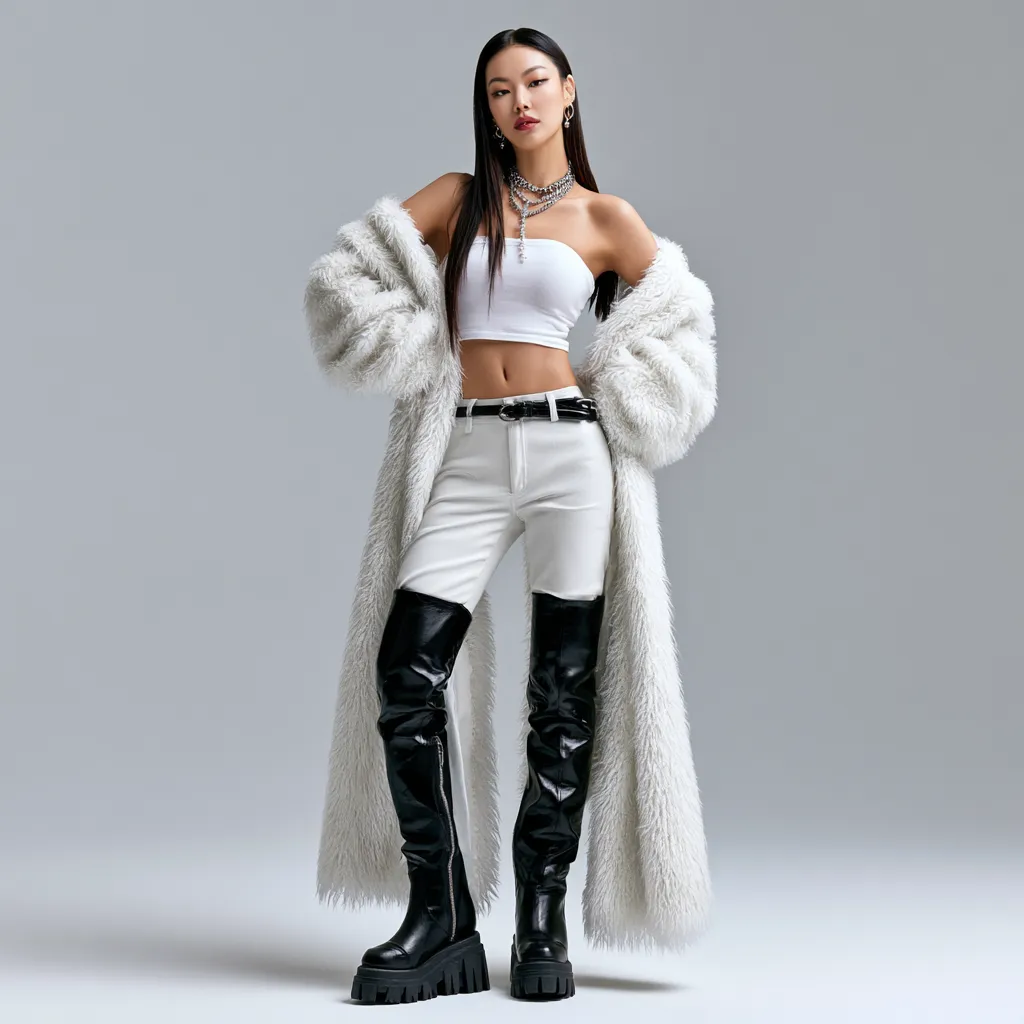
Korean outfit ideas have a pull that’s hard to explain until you’ve actually worn one: the proportions feel engineered, the fabrics drape differently, and somehow a $40 oversized blazer from a Seoul market looks like something a stylist spent an hour putting together. I’ve been following Korean dressing style obsessively since 2021, and the shift in how these looks travel outside Korea is real — what started as a niche Pinterest rabbit hole is now directly influencing what you see on Zara and H&M racks in Kyiv and London.
Korean fashion sense sits at a very specific intersection: not maximalist, not exactly minimalist — more like “intentional casual.” You’ll notice the magic is in restraint. One statement piece, neutral base, interesting texture or silhouette. That’s the formula brands like Stylenanda and Musinsa have been selling to millions of shoppers since Stylenanda launched back in 2004 and grew into a global L’Oréal acquisition.
Below I’ve broken down the three main threads running through Korean street style — the casual elegance angle, the everyday urban approach, and the tradition-meets-trend layer — plus a real FAQ at the end for everything people actually search about what Korean fashion is called and why it looks the way it does.
– Korean dressing style prioritizes one statement piece + a neutral, well-fitted base — never two loud items at once.
– The aesthetic most people mean when they say “Korean fashion” is called Acubi or Seoul-core — minimalist silhouettes with Y2K undertones.
– Fluid fabrics (linen, silk blends, rayon) are the backbone of the casual-elegant look; avoid stiff synthetics.
– Hanbok-inspired details — A-line cuts, high waistbands, soft drape — appear in modern Korean outfits without looking costume-y.
– Budget entry point: Musinsa Global ships internationally; average piece runs $25–$65.
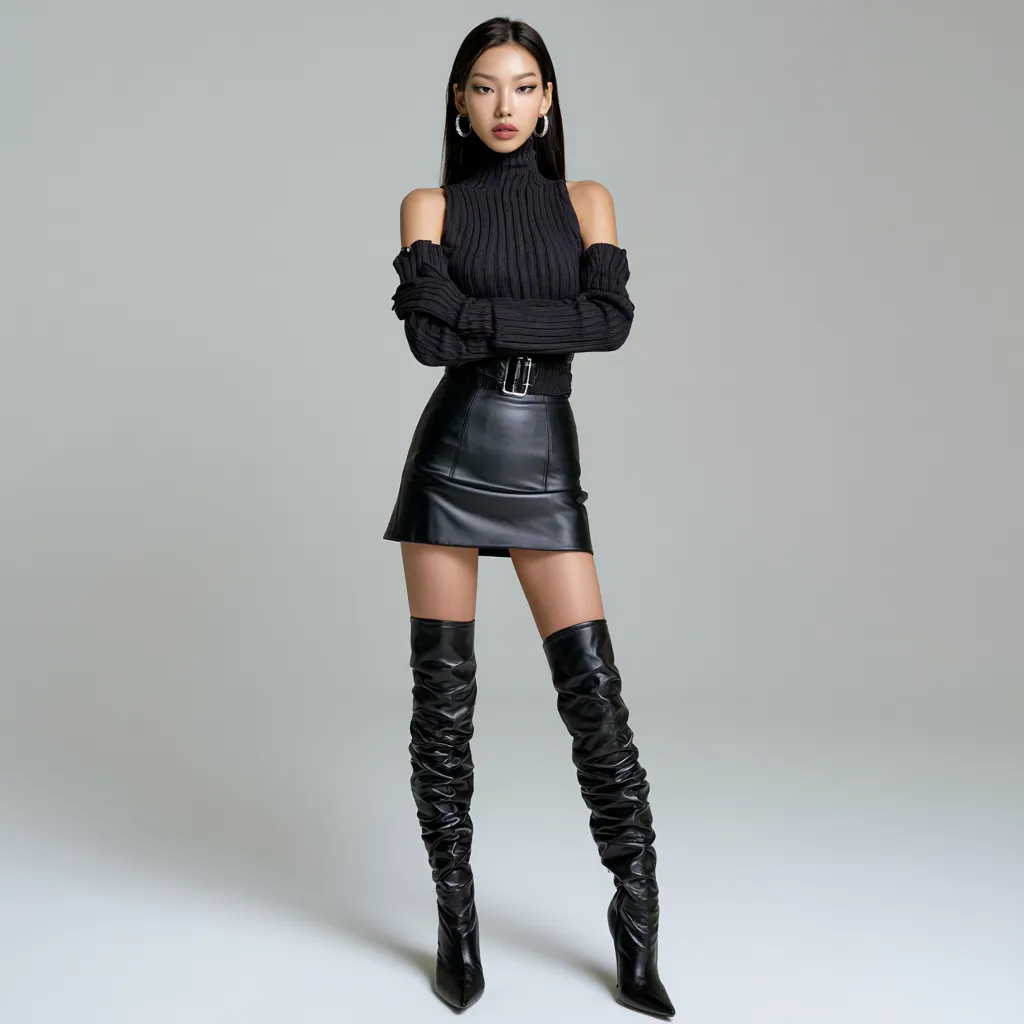
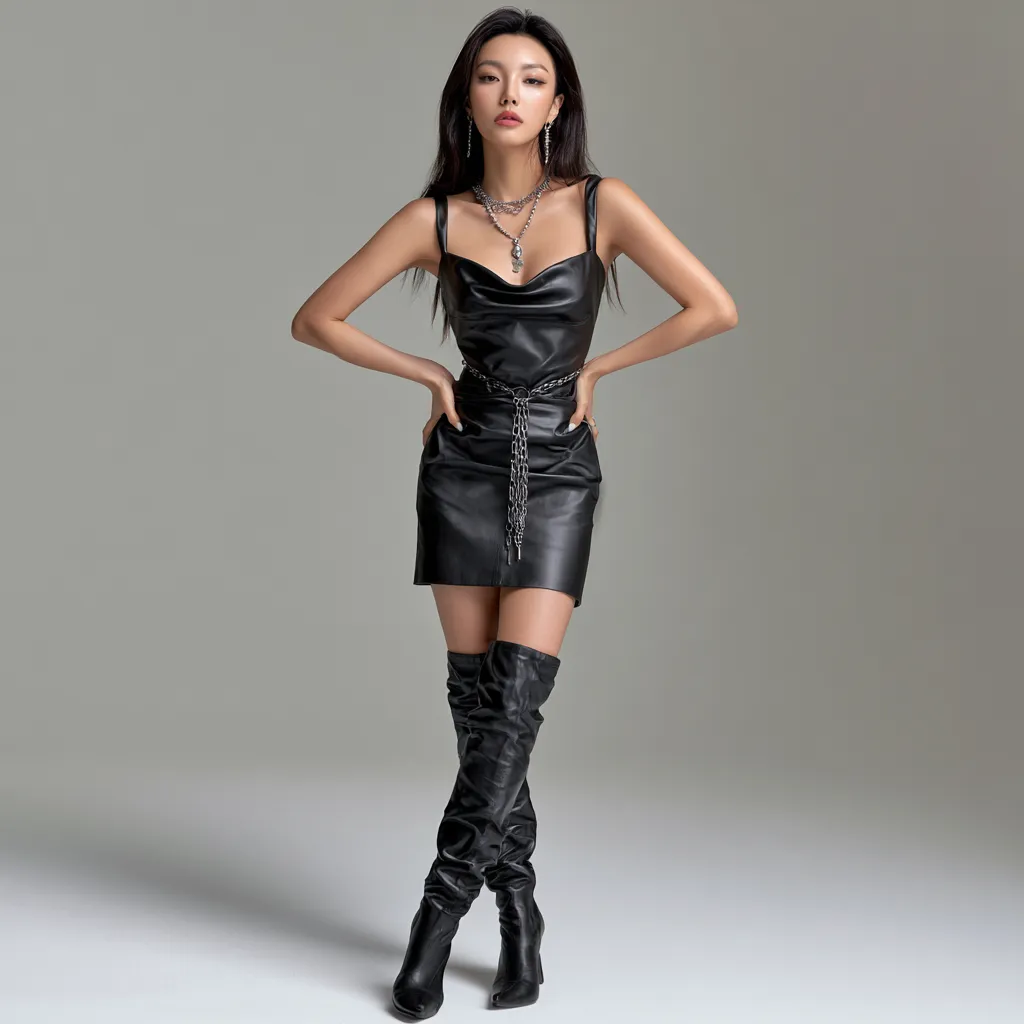
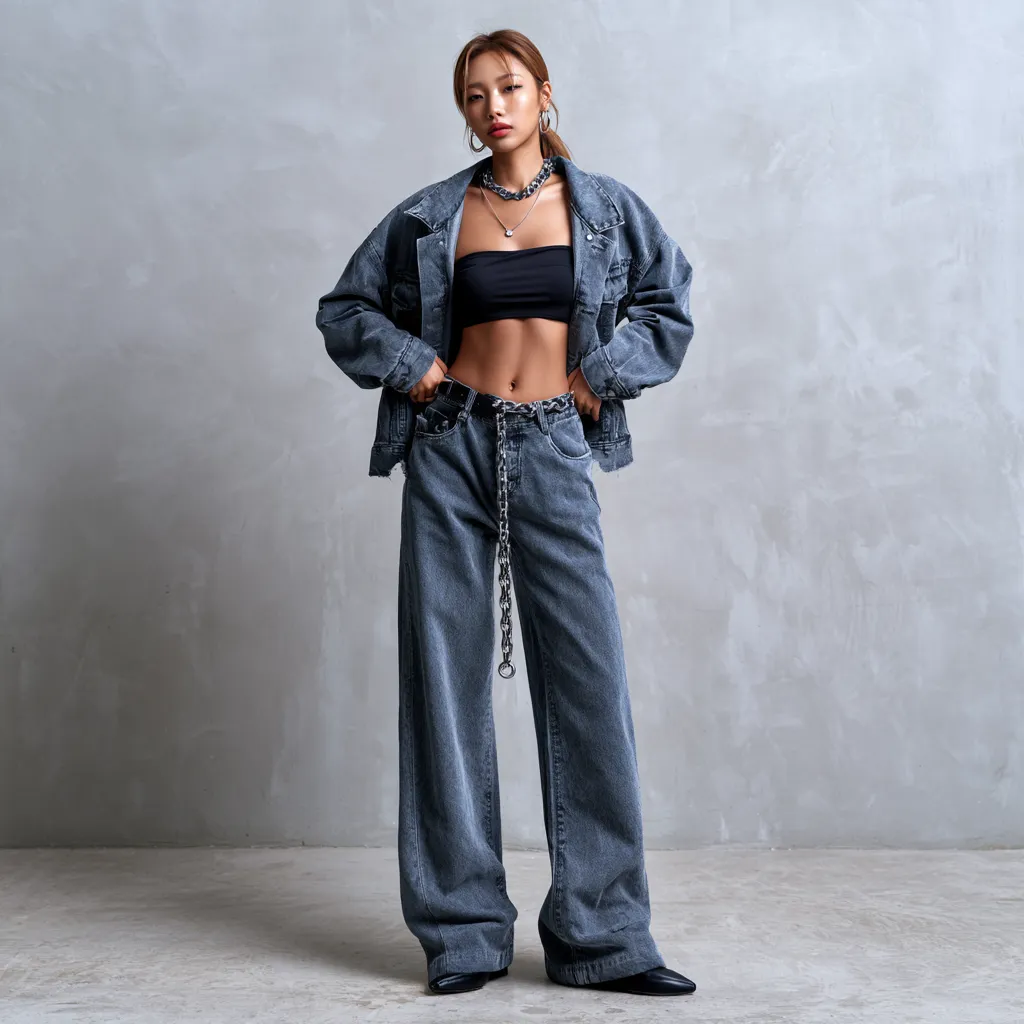
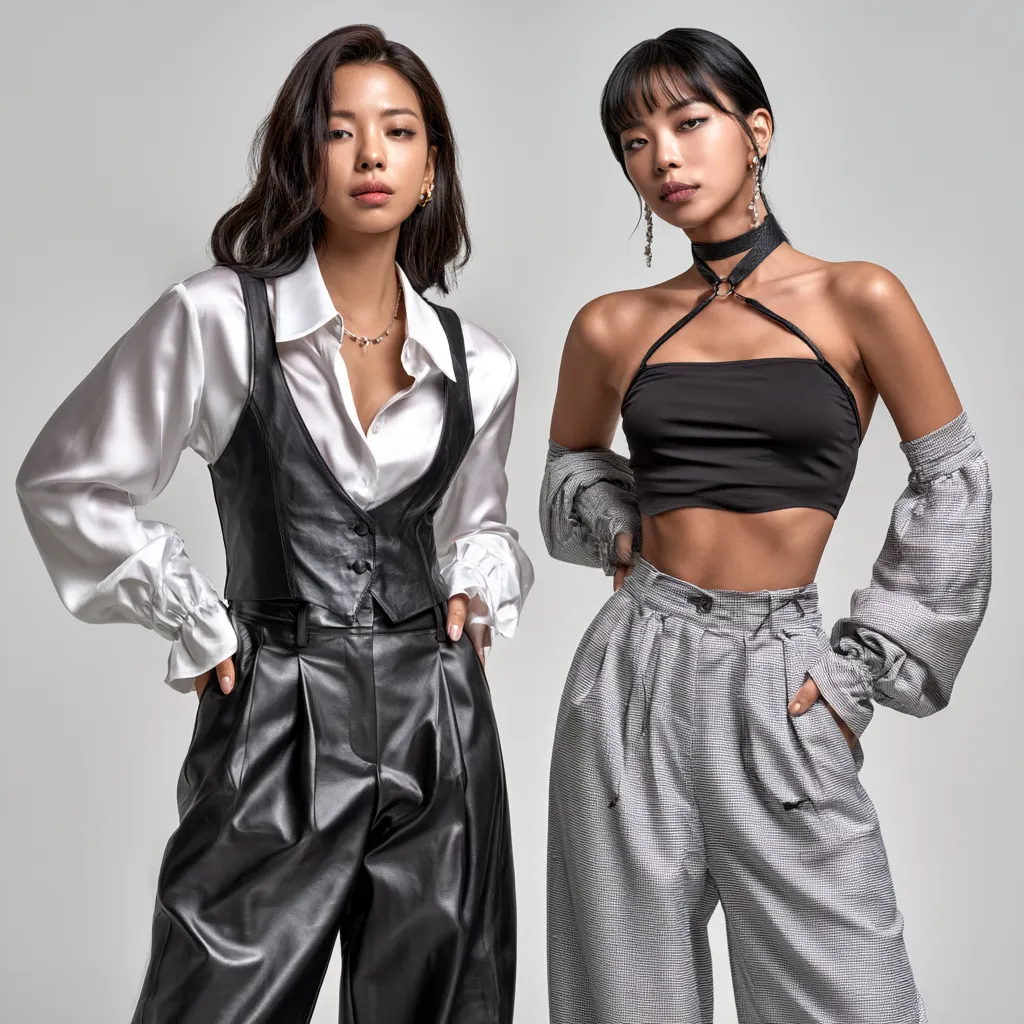
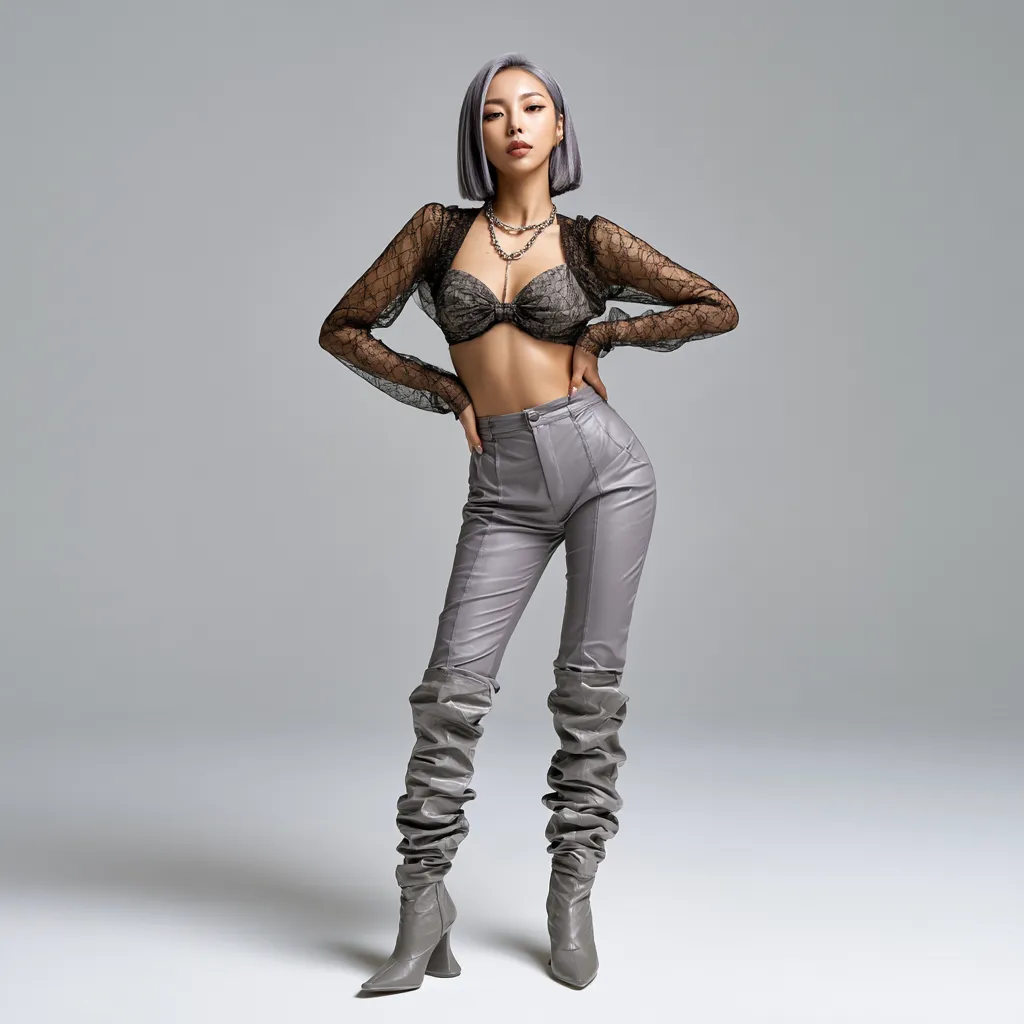
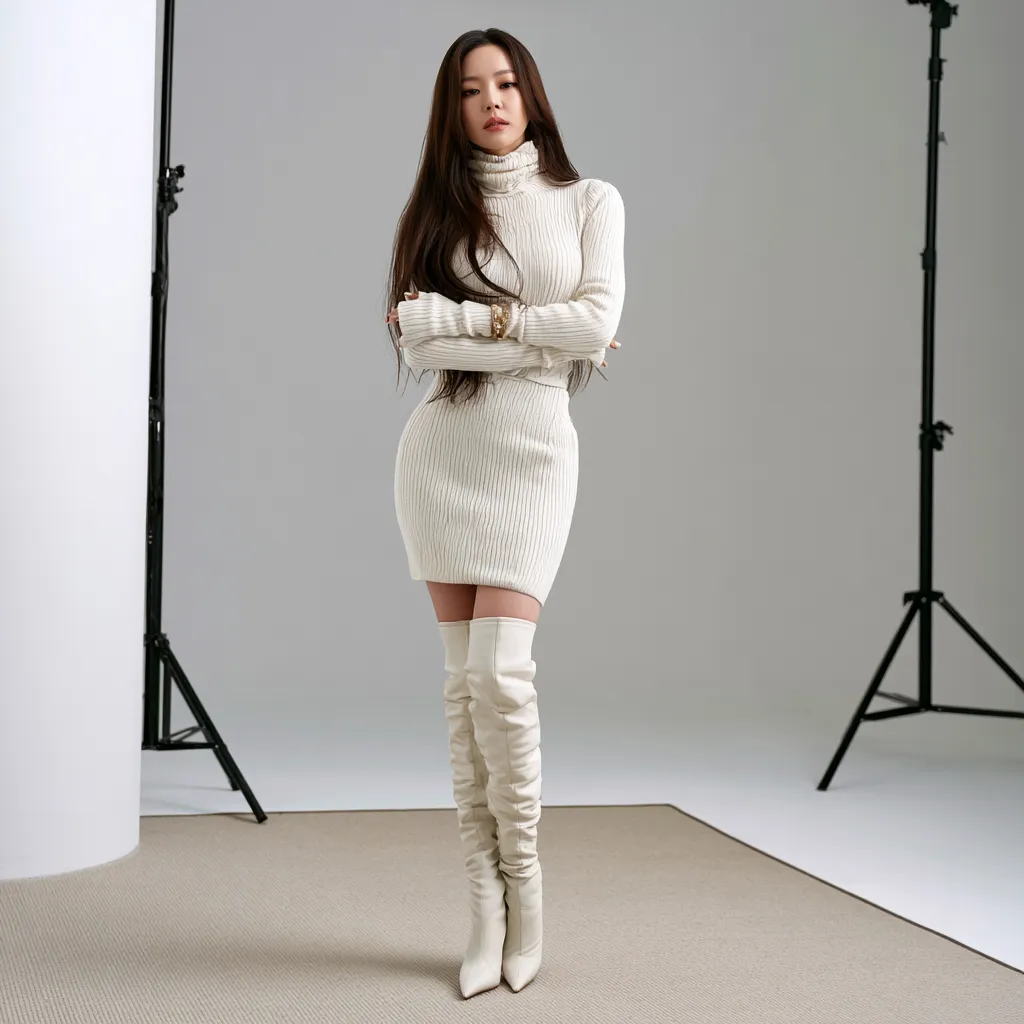
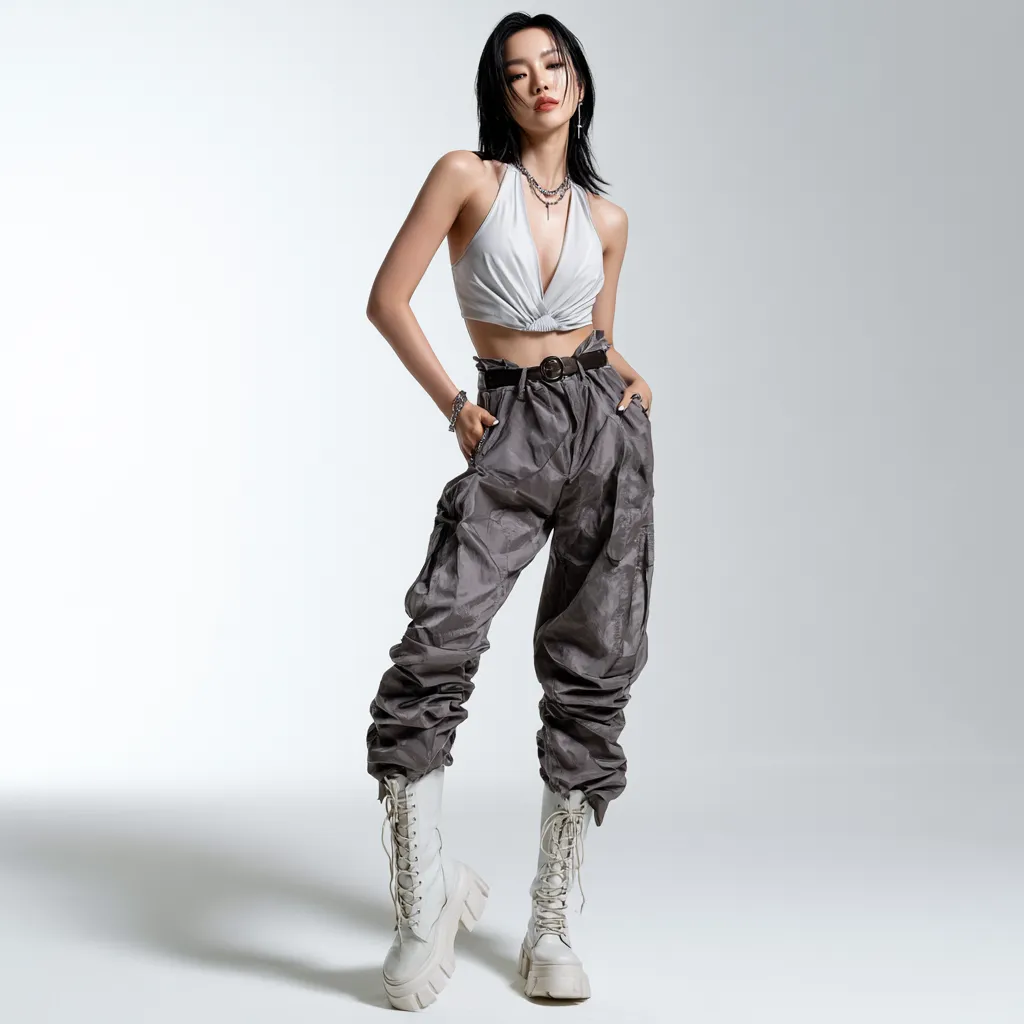
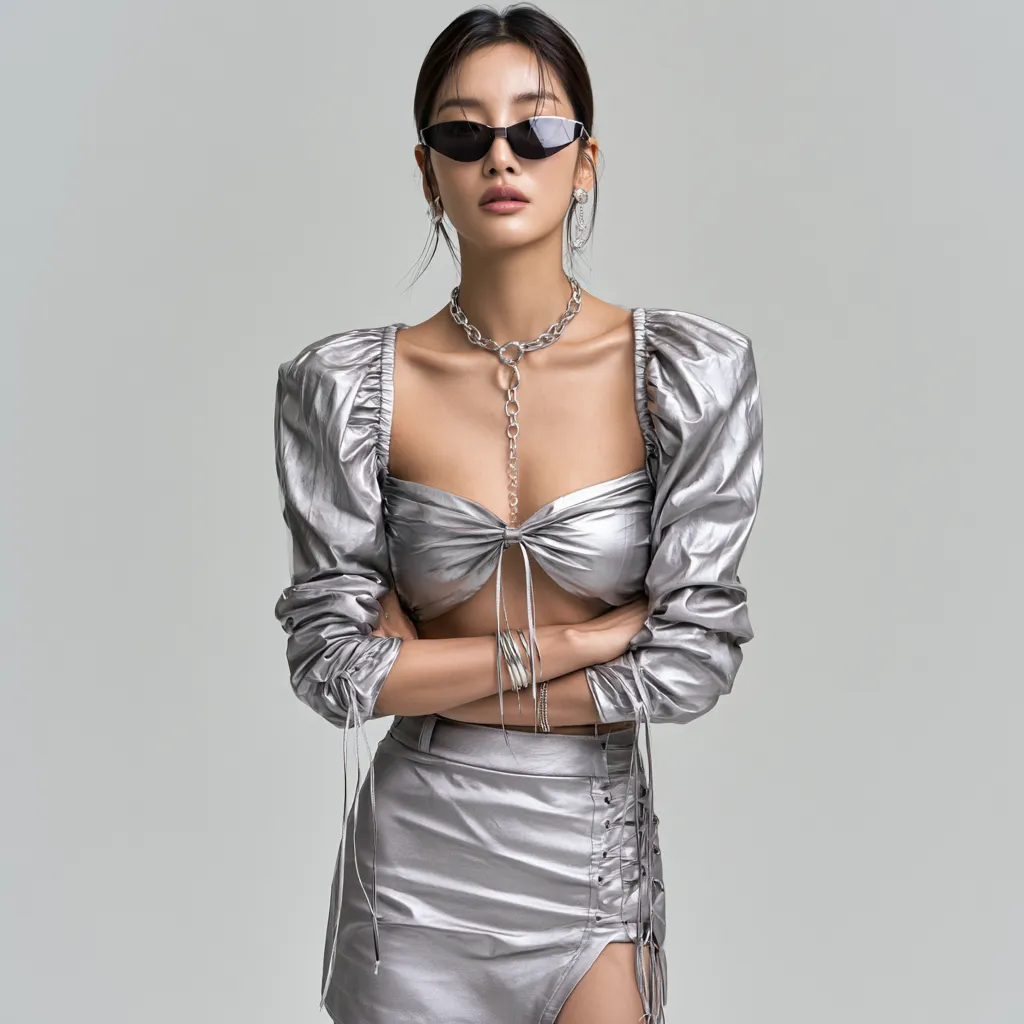
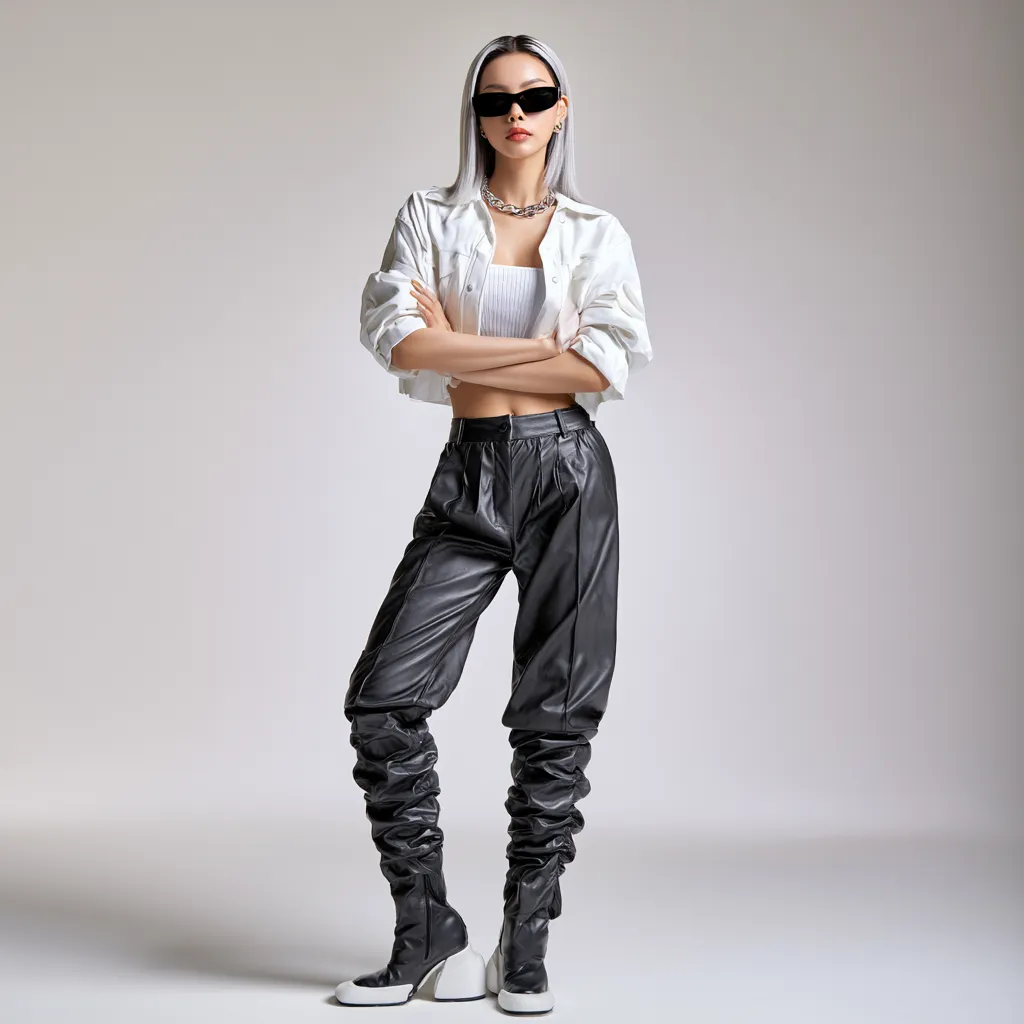
Korean Outfit Ideas That Make Casual Wear Feel Intentional
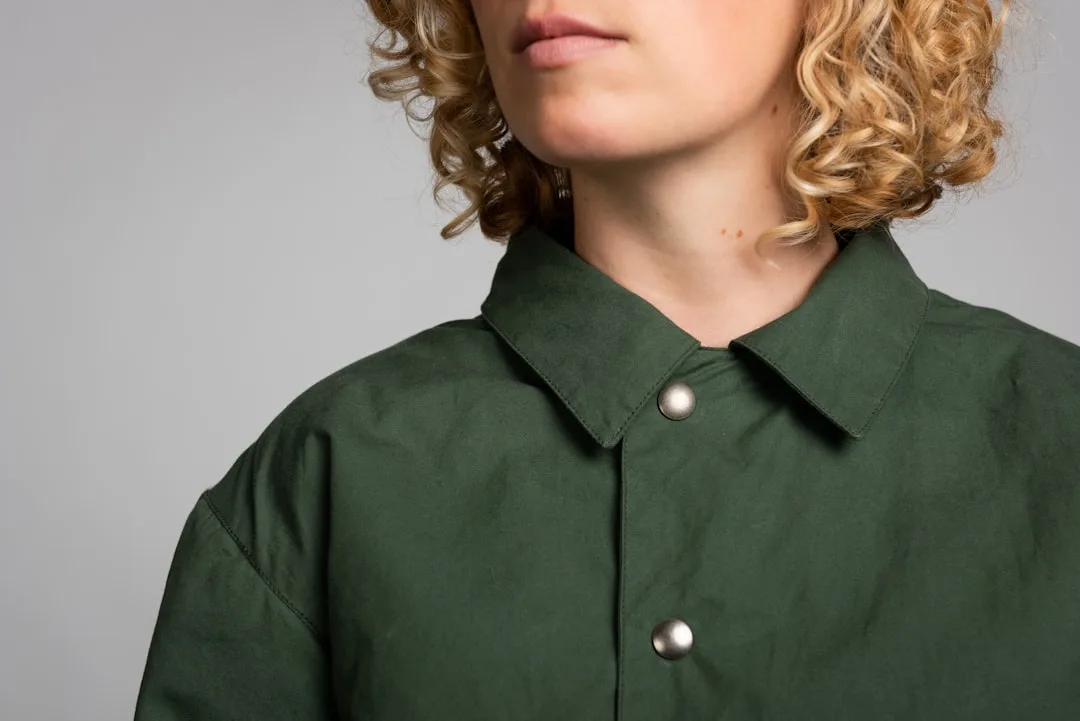
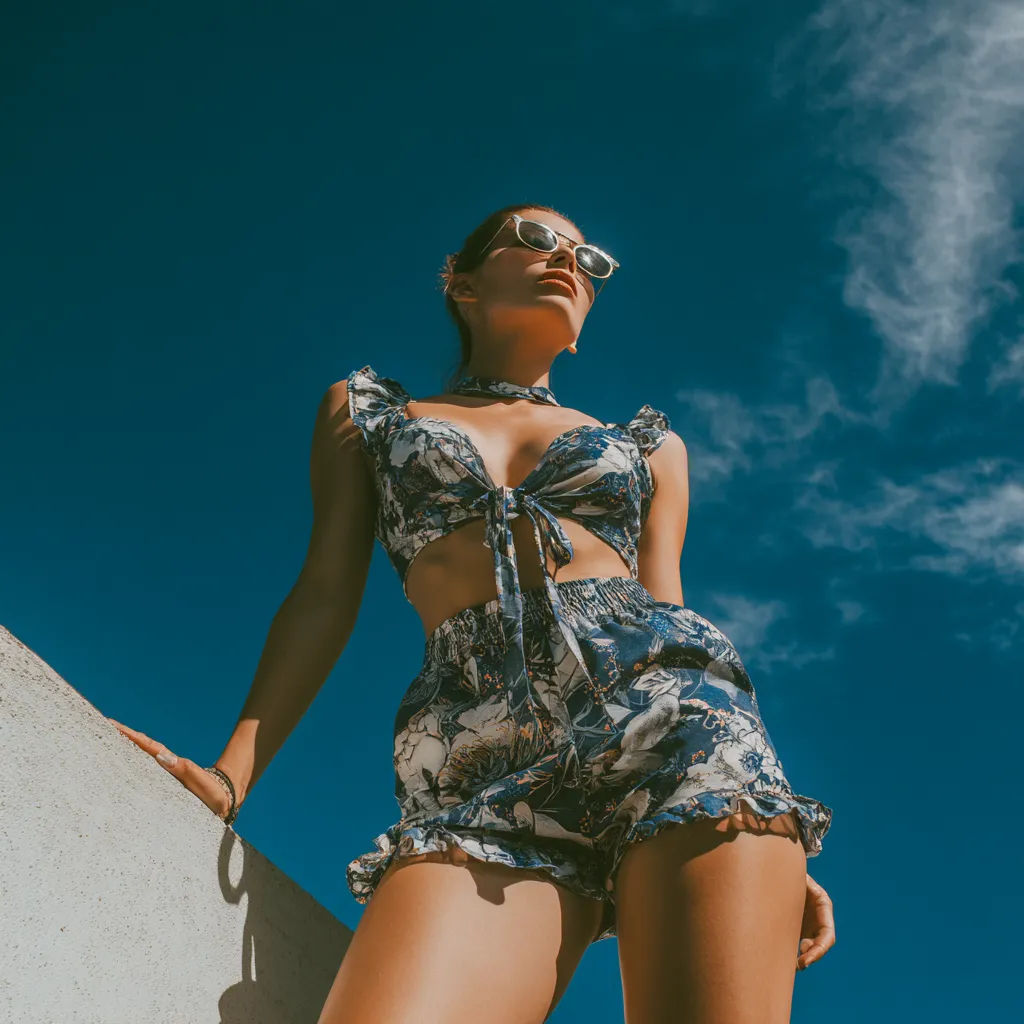
Korean outfit ideas built around casual wear share one quality I keep coming back to: they never look thrown together even when the pieces are genuinely simple. My go-to reference is the monochromatic soft-neutral approach — think an ivory wide-leg trouser paired with a slightly cropped linen top in the same tonal family. Brands like Ader Error (Seoul-based, runs about $80–$180 per piece) have built an entire identity around this. The trick is fabric weight. Stiff cotton kills the look immediately; you need something with movement.


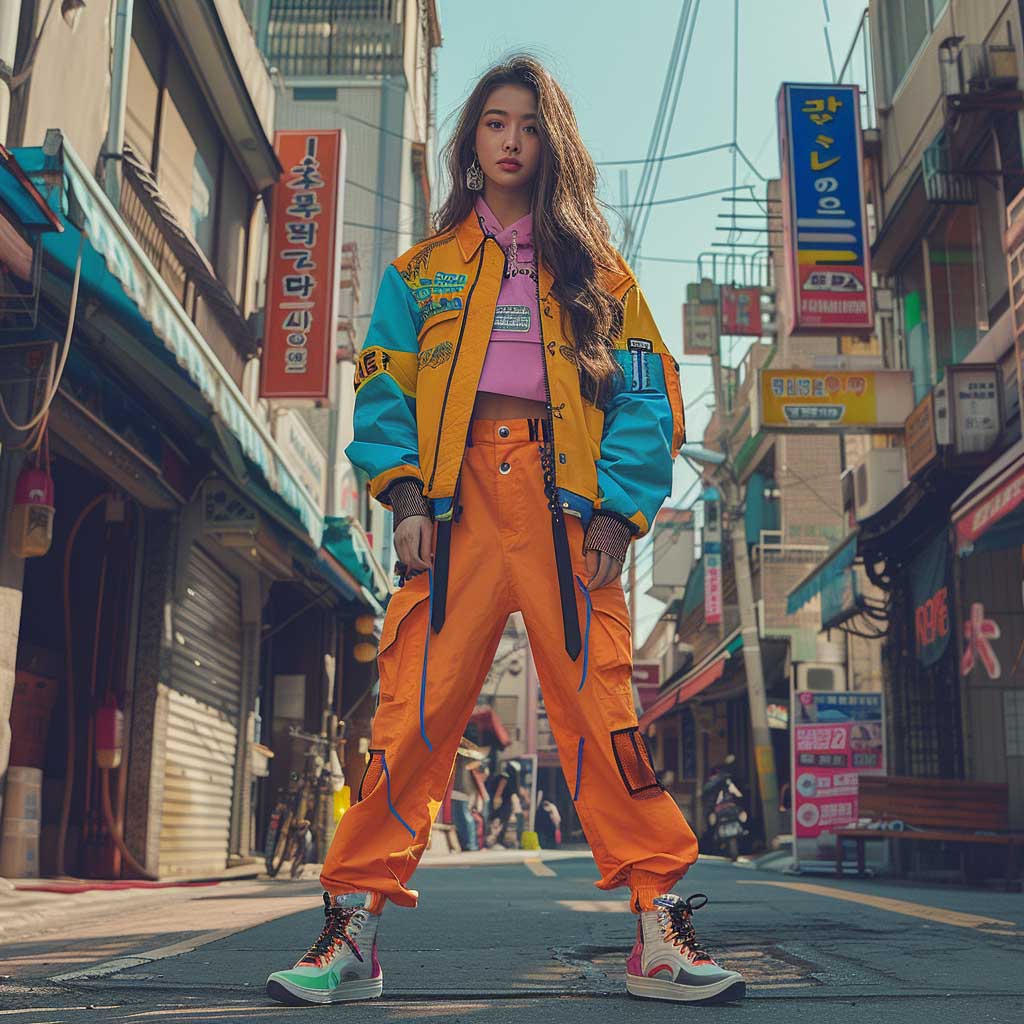
What doesn’t work? Buying Korean-style pieces and then over-accessorizing. I’ve made this mistake — added a chunky belt, a statement necklace, and platform shoes to a soft linen set, and the whole elegance collapsed. Korean casual is closer to a mathematical equation than a mood board: you add one element, you subtract another. You want people to remember the outfit, not the accessories stacked on top of it.


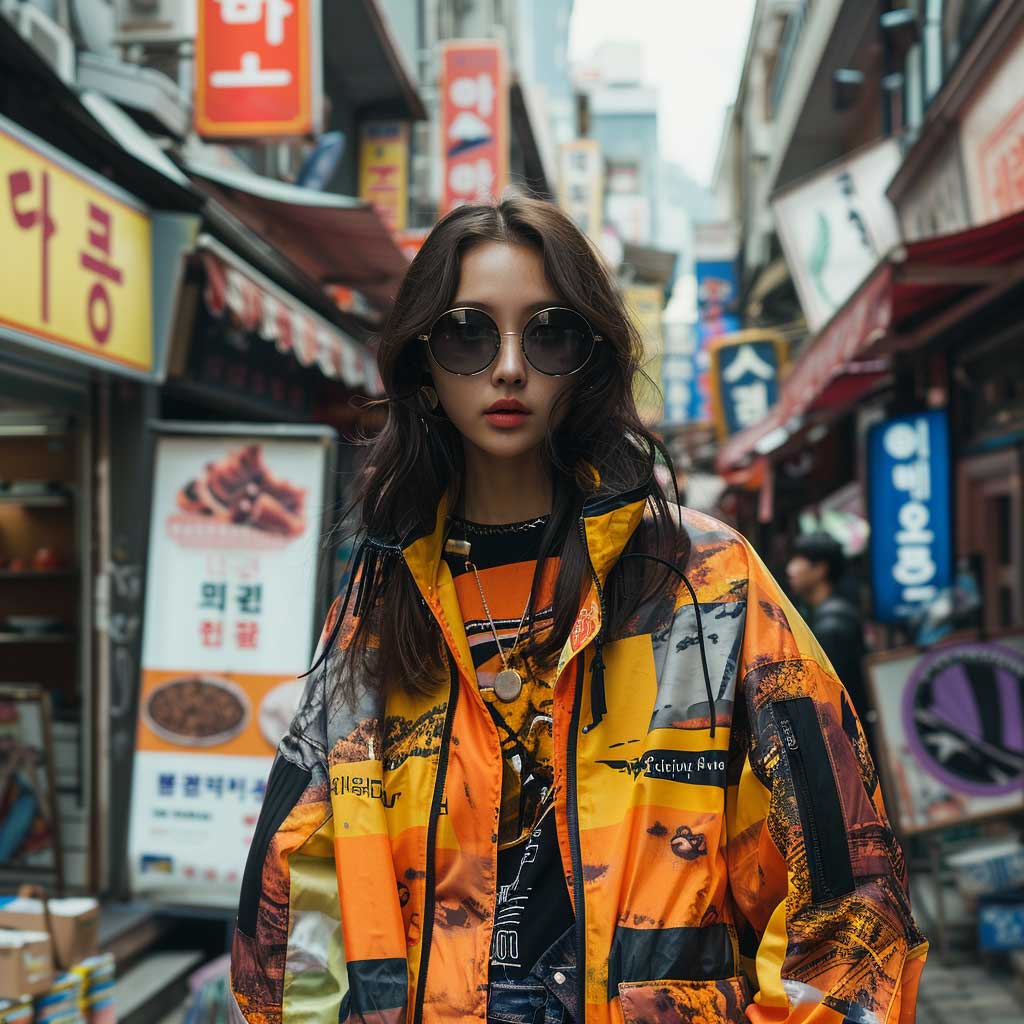
Korean Fashion Sense Applied to Real Urban Days
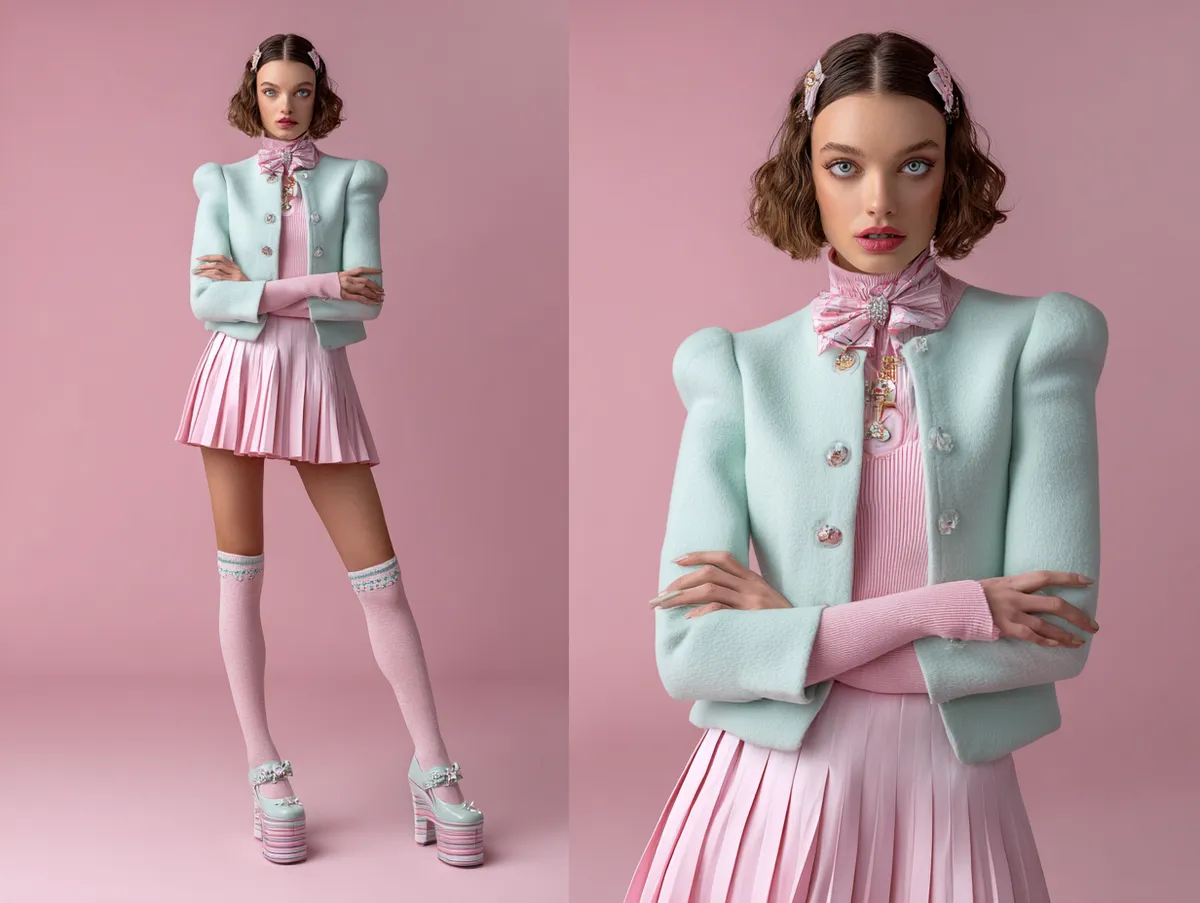
Korean dressing style for everyday city life is less about dressing up and more about dressing with precision. Ask yourself: does every piece in this outfit have a reason to be there? That’s the mental filter I stole from watching Seoul street style photographers’ work on Instagram accounts like @streetstyleseoul. The daily Korean look typically anchors on a mid-weight outer layer — a structured cardigan at around $35–$50 from Musinsa, or a light blazer — worn over a fitted inner with slightly relaxed trousers. Color stays in the beige-to-charcoal range with one muted pop, usually through footwear.

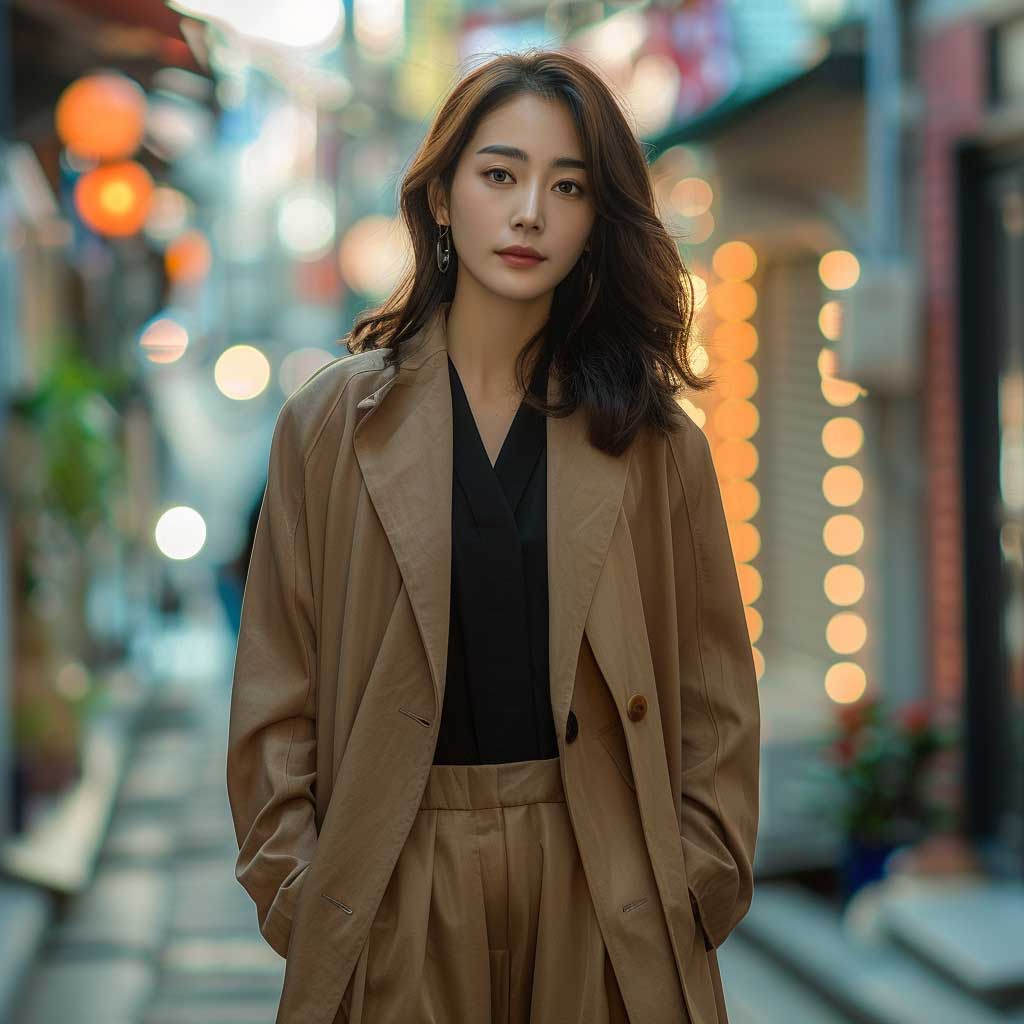


You’ll notice that Korean street style in urban contexts almost never uses logos. This is a cultural signal that took me a while to understand — in Seoul, visible branding reads as trying too hard. The quiet luxury wave that Western fashion only recently discovered has been Seoul’s default since at least 2015. I own two linen-blend sets from a Korean brand called Mellow that I bought for about $58 each on Musinsa Global, and they photograph better than anything I’ve spent three times as much on from European high street brands. If you want to take these Korean outfit ideas into evening territory, here’s how to rework them for a night out.


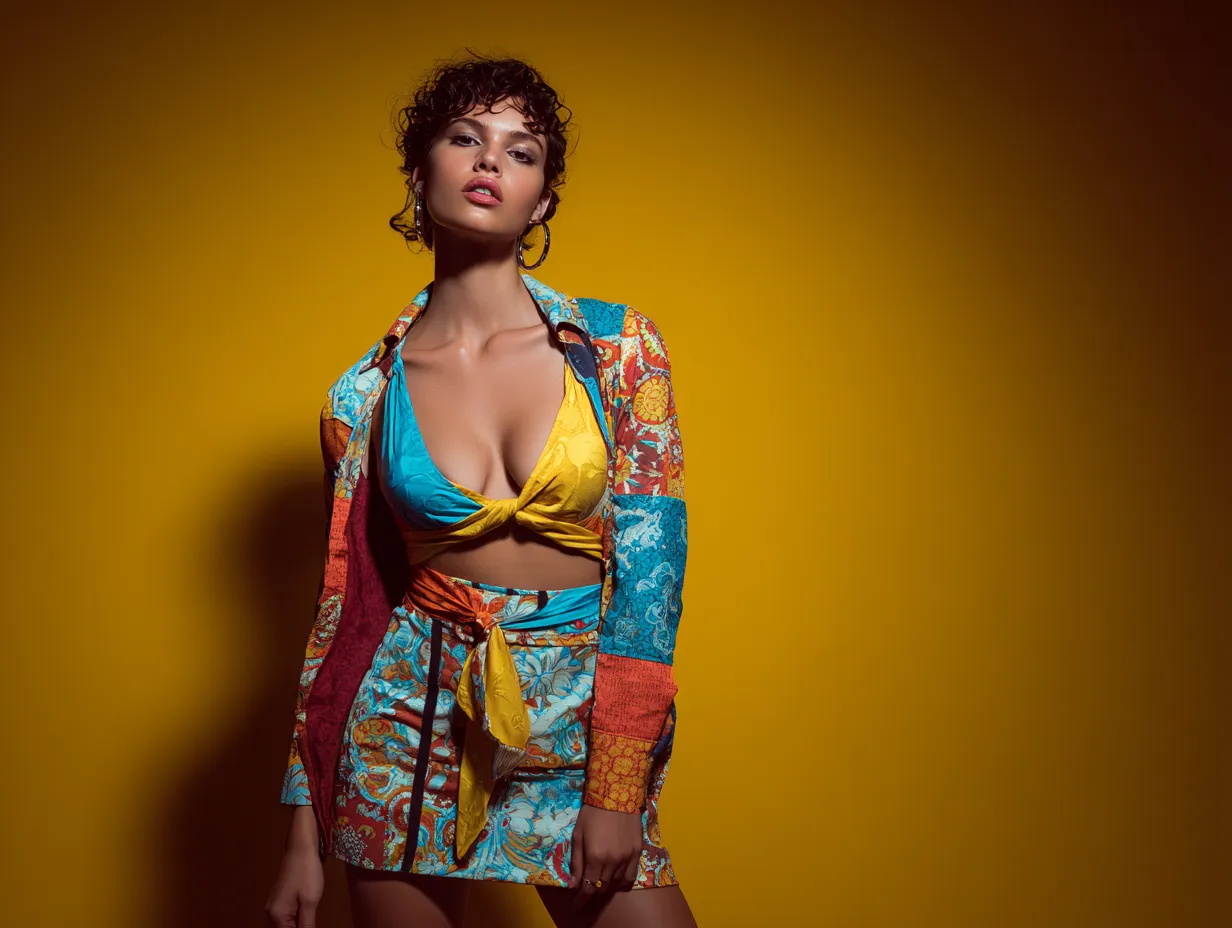
Mixing too many textures in one outfit. Korean fashion sense reads clean because each piece has breathing room. Pairing a ribbed knit with a textured linen blazer and a crinkled silk skirt in the same outfit produces noise, not polish. Pick one interesting texture and let everything else recede. I’ve worn that combination exactly once — the photos looked chaotic, and I donated the blazer the same week.
What Korean Fashion Is — The Tradition Layer Nobody Explains
What is Korean fashion, really? The question sounds basic but the answer is specific: it’s a style system built on centuries of hanbok construction logic — high waistlines, A-line skirts, emphasis on drape over body-con fit — fused with contemporary minimalism and K-drama aesthetics. The hanbok has been worn in some form since the Three Kingdoms period (57 B.C. to 668 A.D.), and its proportional logic — a short fitted top over a voluminous skirt — shows up constantly in modern Korean outfit ideas without anyone having to name it. You’re wearing it when you pair a cropped structured top with a flowing midi skirt.


What is Korean fashion style called when it shows up on Western social media? The Acubi aesthetic — a term that blends minimalist basics with Y2K underpinnings — is one label, but locals in Seoul don’t really use a single name. Think of it less like a brand category and more like a philosophy: clothes should move with your body, not against it. The Korean Wave (Hallyu) has exported this sensibility to the point where brands as mainstream as Cos and & Other Stories now directly reference Seoul street style in their lookbooks. Pair your Korean outfit ideas with the right haircut and the entire aesthetic locks in — this piece on Korean haircuts for face shapes covers exactly that.


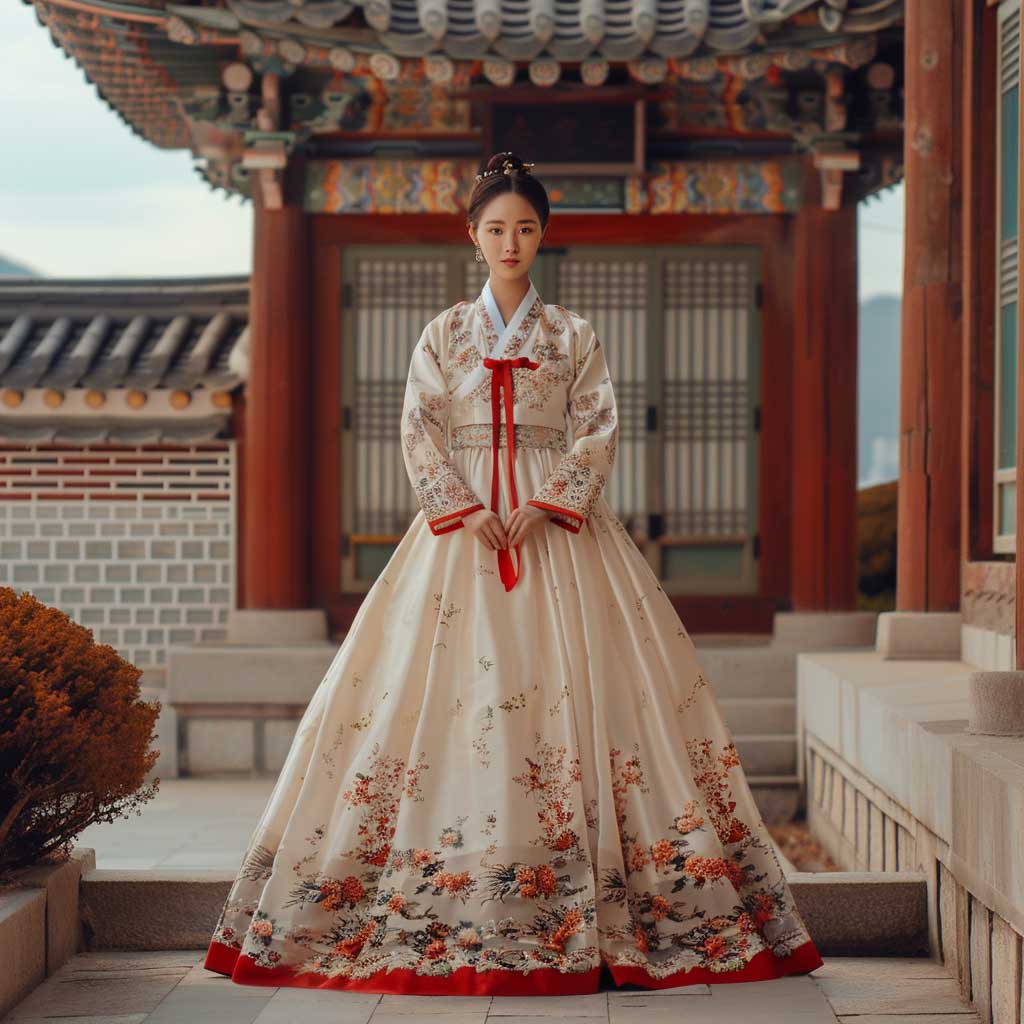
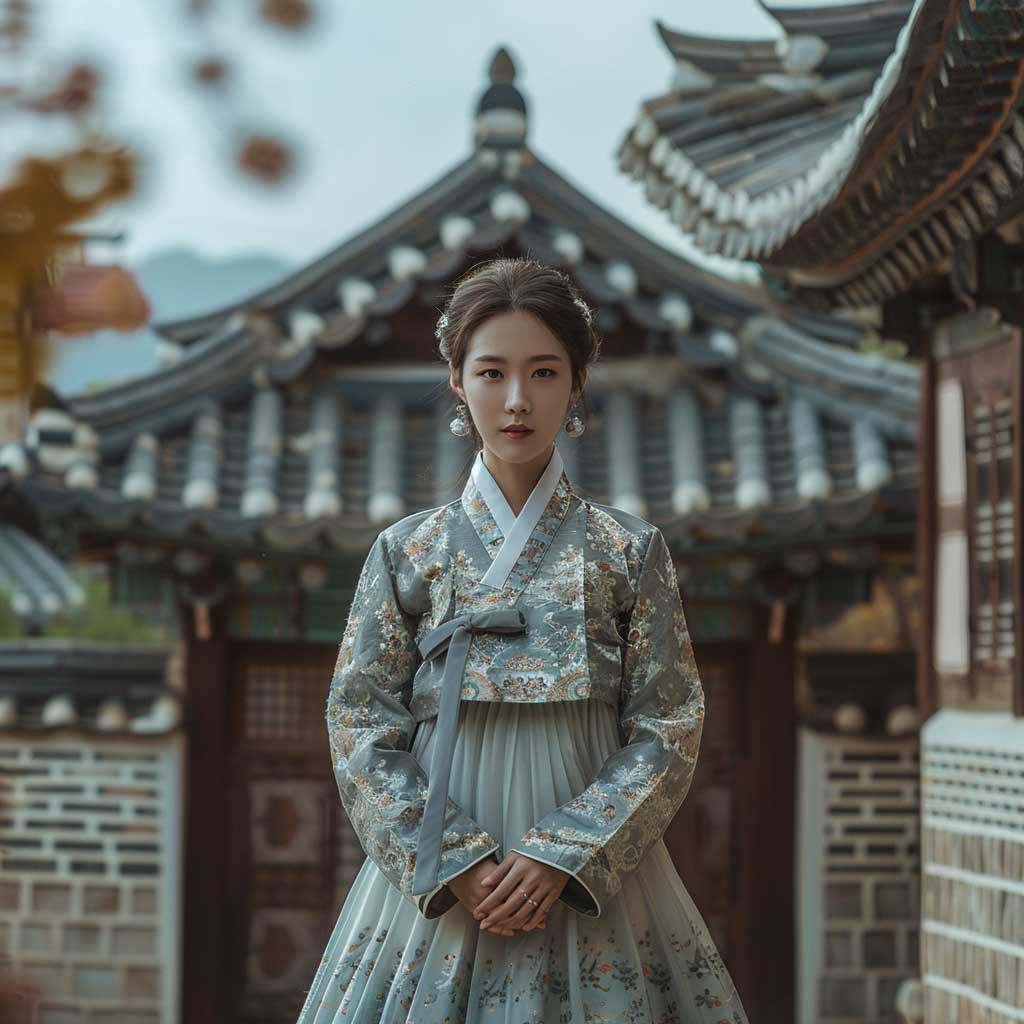
The mistake I see constantly is people buying “Korean-inspired” pieces from fast fashion sites that copy the silhouette but use stiff polyester. Korean fashion sense lives in the fabric — wrong material and the whole intention collapses. Invest in natural or semi-natural blends: linen, ramie (a fiber actually traditional to Korean clothing), viscose. A $55 ramie-blend wide-leg pant from Musinsa will drape the way those street-style photos look. A $15 polyester version from a dupe site will not. South Korea’s fashion industry has evolved directly from Hallyu and a highly developed economy, which is why the quality baseline on Korean platforms is genuinely different from Western fast fashion at comparable prices.
THE REAL TAKEAWAY
Korean Outfit Ideas Work Because the Logic Is Already Doing the Work
Korean dressing style is a system, not a mood. One statement piece, a neutral base, fabric with movement — that’s the whole equation.
Musinsa Global and Ader Error are the two brands worth knowing at the $40–$180 range. Skip the fast-fashion dupes; wrong fabric destroys the silhouette every time.
The hanbok’s proportional DNA — short fitted top, voluminous or fluid bottom — explains why these Korean outfit ideas photograph so well even in the most basic colorways. Save this post before you shop.
Related Topics