When a home becomes a repository for a hoarder’s possessions, it can be overwhelming for family members to address the clutter. The process of cleaning out a hoarder’s home is not only challenging due to the volume of items but also because of the emotional and psychological complexities involved. Compassion and understanding are paramount when embarking on such a sensitive task. Below, we will navigate the intricate journey of de-cluttering a hoarder’s space, offering insights and advice for those facing this daunting challenge.
Choosing the Right Junk Removal Service for Hoarder Homes
Selecting a suitable junk removal service is critical when dealing with a hoarder’s home. It should be a company that demonstrates sensitivity to the situation and possesses the necessary expertise in handling hoarder-specific challenges. Experienced professionals will not only efficiently remove unwanted items but also provide guidance and emotional support throughout the process.
An effective junk removal service will be appropriately licensed and insured, offering protection against any potential damages during the cleanout. They will also be transparent about their pricing and provide a clear outline of the services included. Hidden fees or unclear agreements can add stress to an already tense situation.
The choice for families in Dade County seeking a compassionate and competent Dade County junk removal service should be made with substantial consideration of the company’s experience, reputation, and approach to sensitive situations.
Assessing the Situation: Navigating Junk Removal in Hoarder Homes
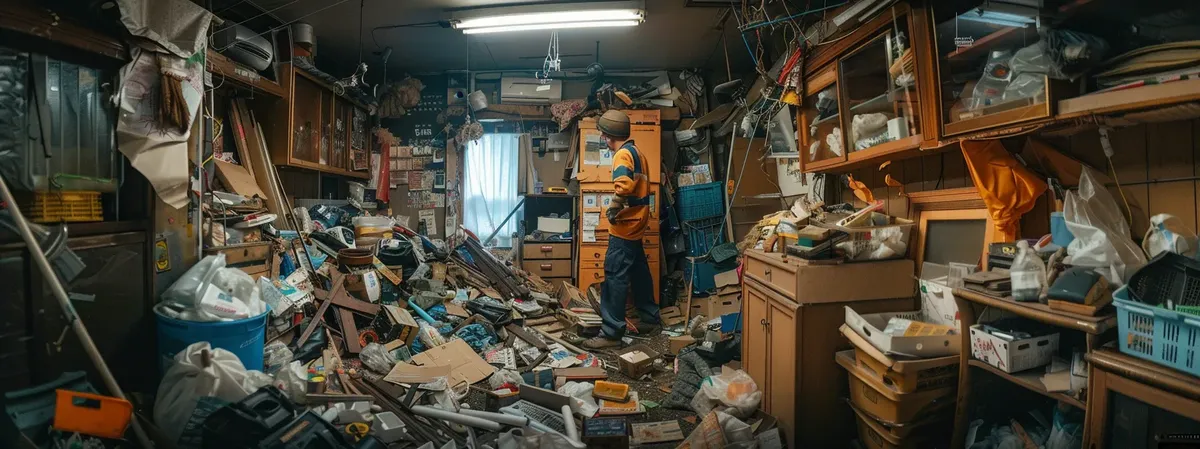
Before diving into the removal process, it’s necessary to assess the situation carefully. This includes determining the scope of the clutter, identifying hazardous materials, and evaluating the condition of both the dwelling and its contents. Understanding the extent of hoarding will dictate the type of service required and the duration of the project.
Health and safety should be a top priority. Hoarder homes can harbor biohazards, mold, and structural risks that must be addressed immediately. It is critical to wear appropriate safety gear and to possibly involve professional cleaning services that specialize in biohazard cleanup.
Creating a clear plan is essential. This should outline the areas to tackle first, usually starting with those that pose the most risk to the inhabitants, such as blocked exits or non-operational kitchens and bathrooms. Having a mapped-out approach will also allow for productive scheduling and the staging of various tasks.
Strategies for Families to Handle Hoarder Home Cleanouts
A family’s role in the cleanout of a hoarder’s home is multifaceted, involving emotional support, decision-making, and sometimes physical assistance. Establishing a sense of trust and open communication from the outset helps ensure the process is as smooth as possible. It is often up to the family to mediate the emotional ties the hoarder has with their possessions.
Ring-fencing specific days for the cleanup and breaking down the process into manageable sections can reduce the feeling of being overwhelmed. This approach also allows for regular breaks and reflection, which is vital for both the hoarder and the family members involved. Proceed one room at a time, prioritizing the most accessible areas to create early successes and motivate further progress.
Remain sensitive to the hoarder’s feelings throughout the process. Regular check-ins can help gauge their comfort levels and adapt the strategy accordingly. Encouragement and positive reinforcement for every small step taken can make a significant difference in maintaining morale.
Maintaining a Hoarder-Free Home: Prevention and Continuous Support Options

After the completion of a hoarder home cleanout, ongoing support is imperative to prevent reversion. Families can help by scheduling regular check-ins and organizing times to help with cleaning and organization. Maintaining open lines of communication ensures that hoarders feel supported and less likely to revert to old habits.
Engaging in therapy or support groups can provide long-term emotional assistance to battle the underlying causes of hoarding. Professional assistance in the form of counseling or cognitive-behavioral therapy (CBT) has proven effective in helping individuals manage hoarding behaviors.
Establishing and following a simple cleaning schedule can foster a sense of routine and control. In some cases, hiring a regular cleaning service to support the hoarder in keeping their environment tidy and manageable can also be beneficial.
Altogether, addressing the intricacies of junk removal in hoarder homes is a process that requires empathy, patience, and a comprehensive strategy. A judicious choice of service providers, coupled with ongoing family support and follow-up, can transform a hoarder’s home into a safe and healthy space once more. With the right approach, the journey from clutter to clarity can pave the way for a more positive and sustainable future.