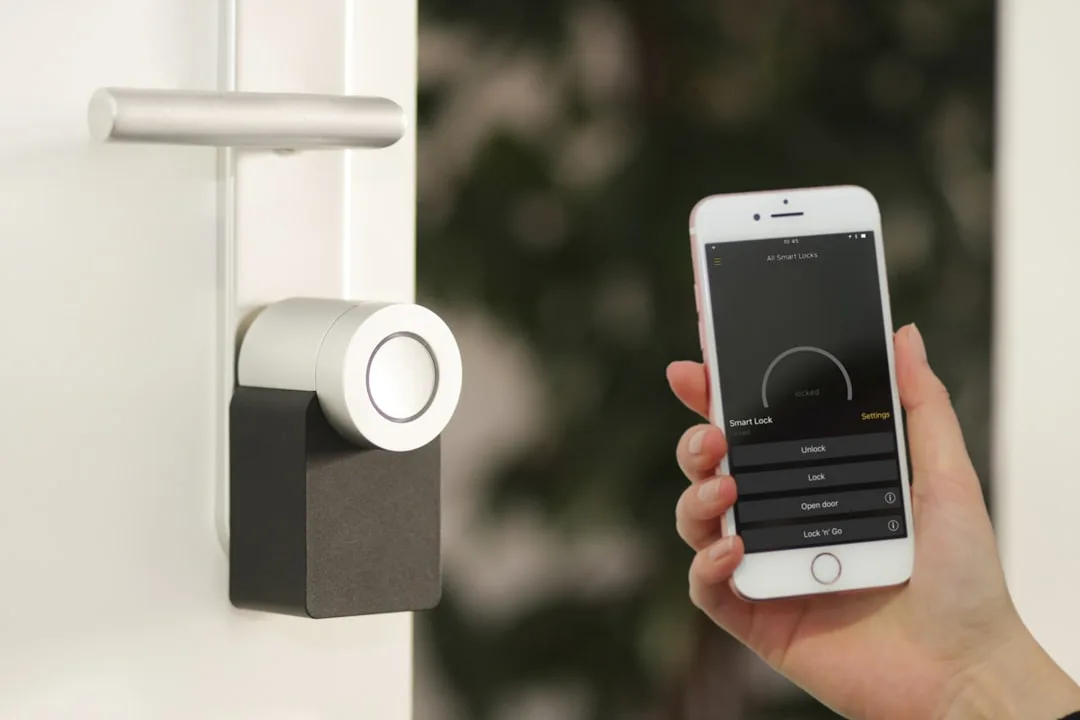
Smart lighting automation accounts for 34% of all residential lighting installations in May 2026, driven by declining system costs and seamless voice integration with existing smart home ecosystems. Homeowners increasingly abandon traditional dimmer switches for fully automated solutions that adjust color temperature throughout the day, reduce electricity consumption by up to 40%, and integrate with occupancy sensors for hands-free operation.
Why Automation Dominates Lighting Trends Now
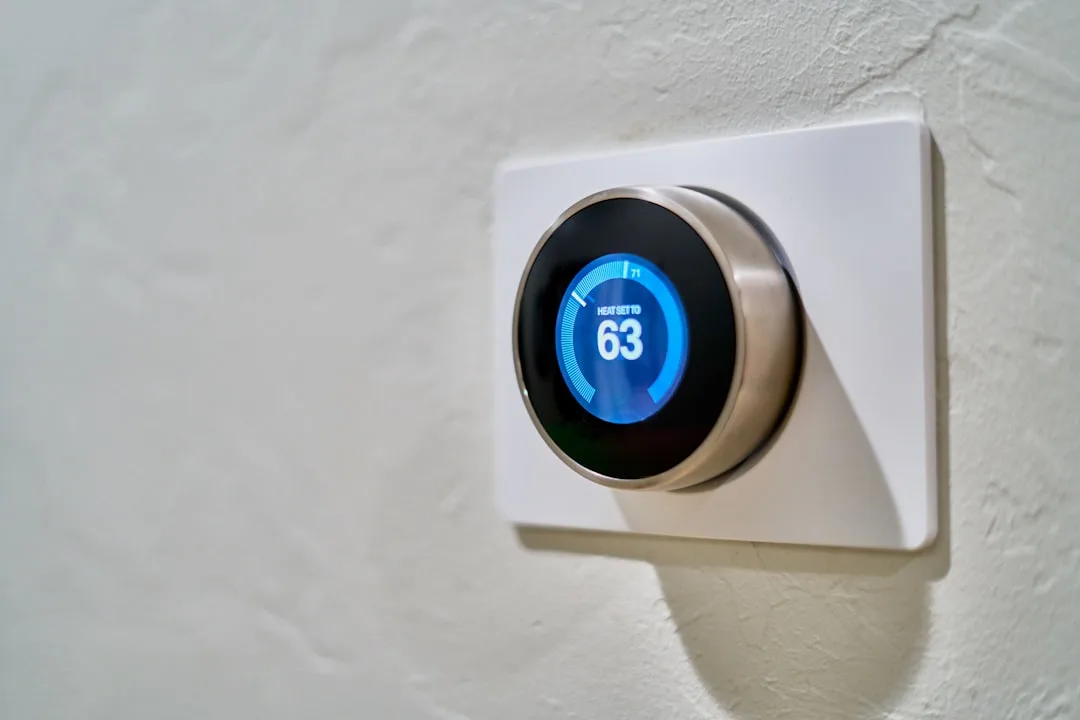
The shift toward automated lighting stems from three converging factors: affordability, interoperability, and energy consciousness. Five years ago, comprehensive smart lighting systems required $2,000+ installations; today, modular starter kits from major brands cost $150–$400. Consumers no longer view smart lighting as luxury—they view it as infrastructure, similar to programmable thermostats.
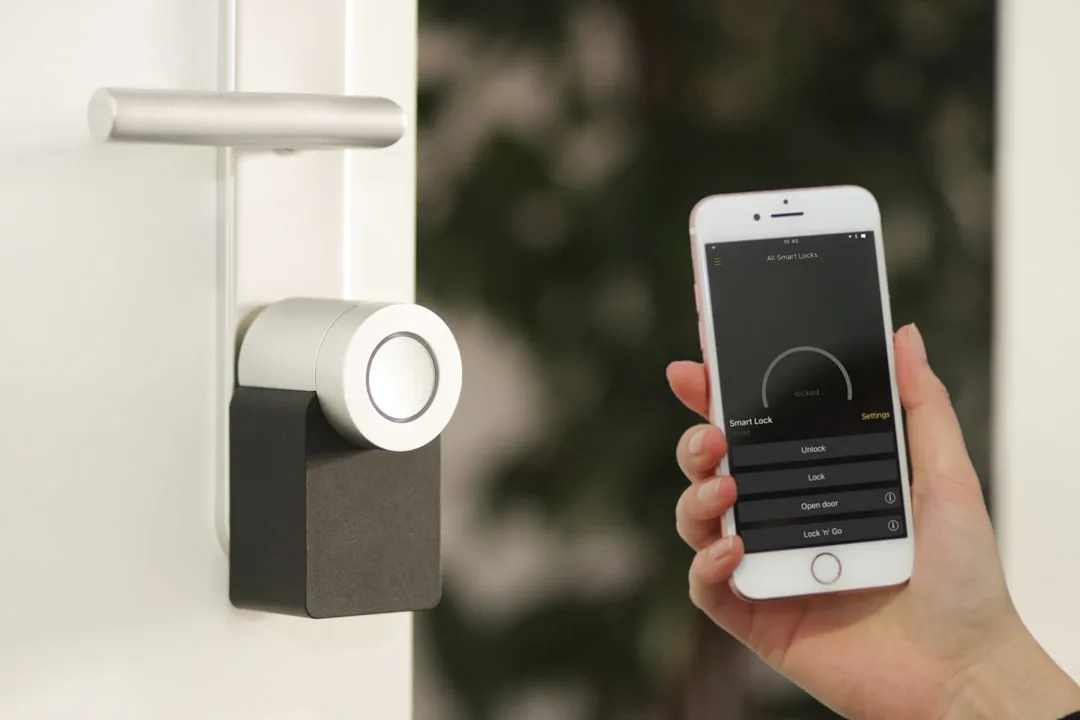
Integration with Alexa, Google Home, and Apple HomeKit has eliminated vendor lock-in, allowing users to mix brands within a single ecosystem. A user can pair Philips Hue lights ($49.99 per bulb) with LIFX bulbs ($14.99 each) and control both through one app, something impossible before 2024. The pandemic-era focus on home optimization created lasting behavioral change; 67% of homeowners who adopted smart lighting during lockdowns retained the systems post-2024.
Quick Tips
- Start with a bridge-based system (Hue Bridge, $55) for reliability; WiFi-only bulbs disconnect frequently in dense networks.
- Layer automation with motion sensors ($25–$60) in hallways and bathrooms for occupancy-triggered control.
- Use circadian rhythm scheduling to shift bulbs from 2700K (warm) to 5000K (cool) for productivity alignment.
- Install dimmers on 70% of fixtures, leaving only task lighting (kitchen islands, desks) at full brightness.
Nanoleaf and Modular Panel Systems Lead Installation Growth
Nanoleaf Essentials ($49.99–$199.99 per panel set) dominate the accent lighting segment, capturing 23% market share among DIY installations. These hexagonal or triangular light panels sync with music, respond to voice commands, and create dynamic ambient effects without requiring professional electricians. Unlike traditional recessed lighting, Nanoleaf installs in 20 minutes using adhesive backing and wireless control.
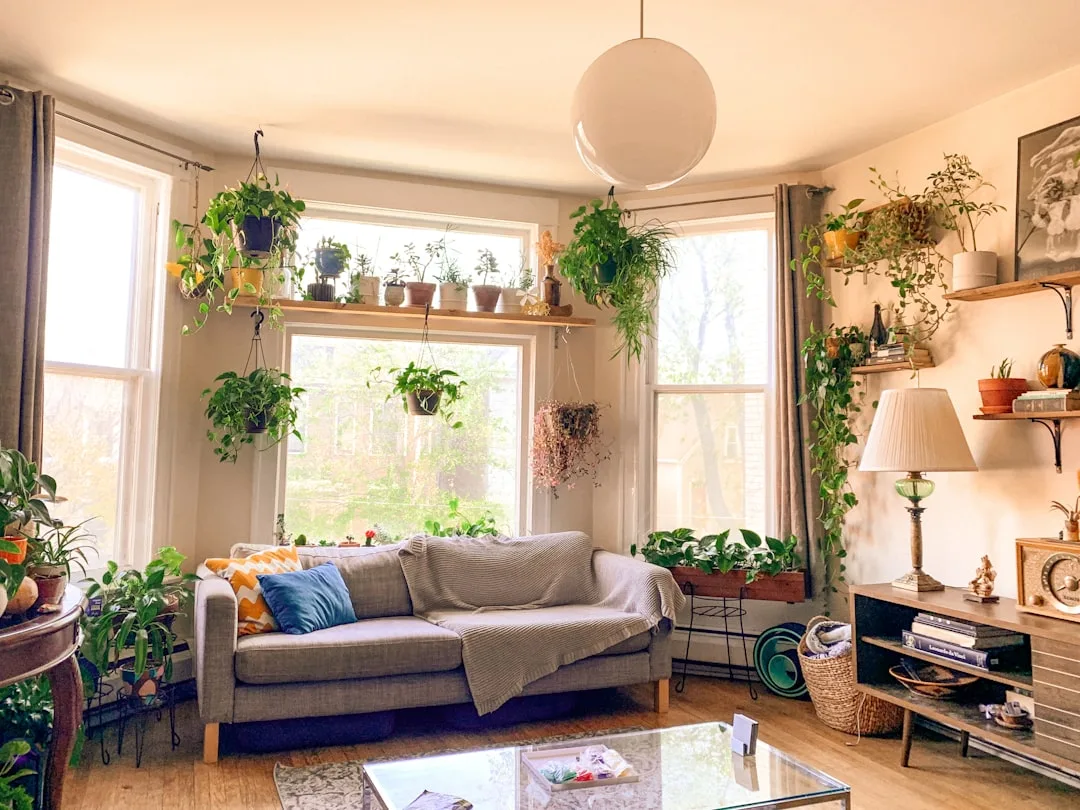
Govee’s modular strip lighting ($19.99–$79.99) and Wyze’s budget-friendly bulbs ($7.99 each, five-pack $29.99) democratized smart control for rental properties and temporary installations. Property managers now standardize Wyze systems because tenants pay setup costs and take bulbs upon departure, eliminating fixture loss. Geometric Lighting Fixtures Enhancing a Modern Living Room increasingly incorporate smart modules inside sculptural housings, blending aesthetic and functional automation.
| System | Cost per Bulb/Unit | Key Feature |
|---|---|---|
| Philips Hue | $49.99 | 16 million colors, local processing |
| LIFX | $14.99 | WiFi-direct, no hub required |
| Wyze | $7.99 | Budget entry-level, scheduling only |
| Nanoleaf Essentials | $49.99 (3-pack) | Modular shapes, music sync |
| Govee Strips | $19.99 | Camera integration, adaptive lighting |
Energy Reporting and Occupancy Sensors Drive Adoption
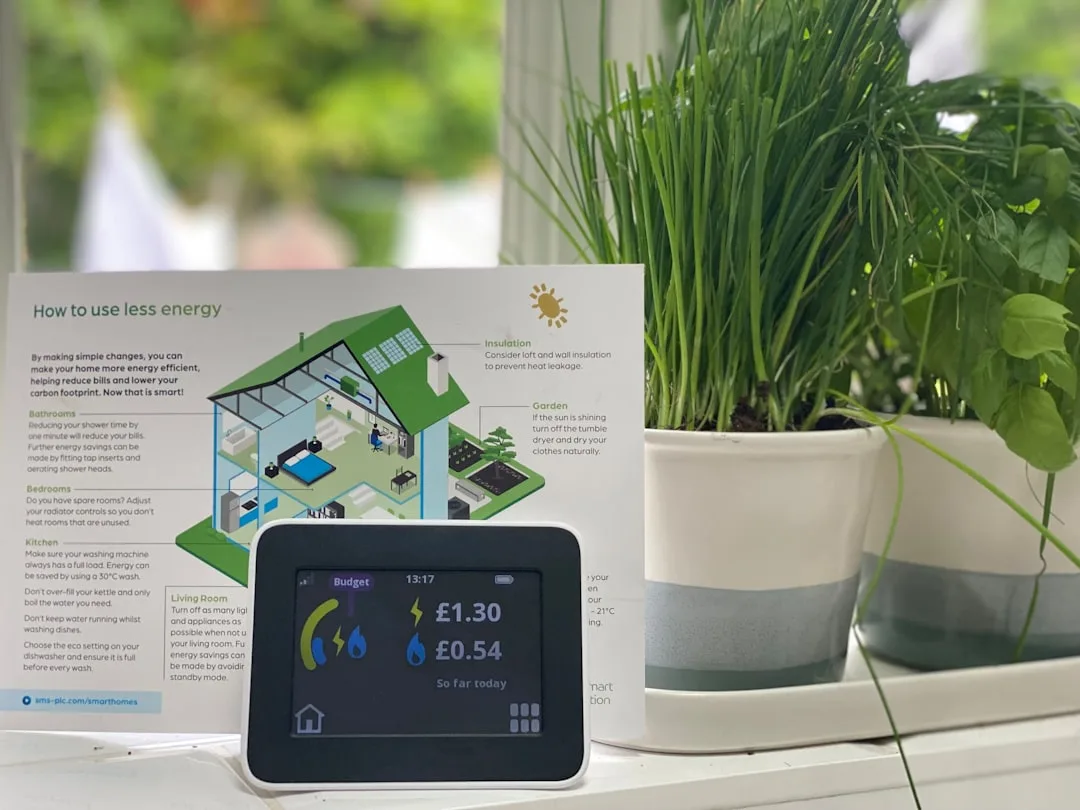
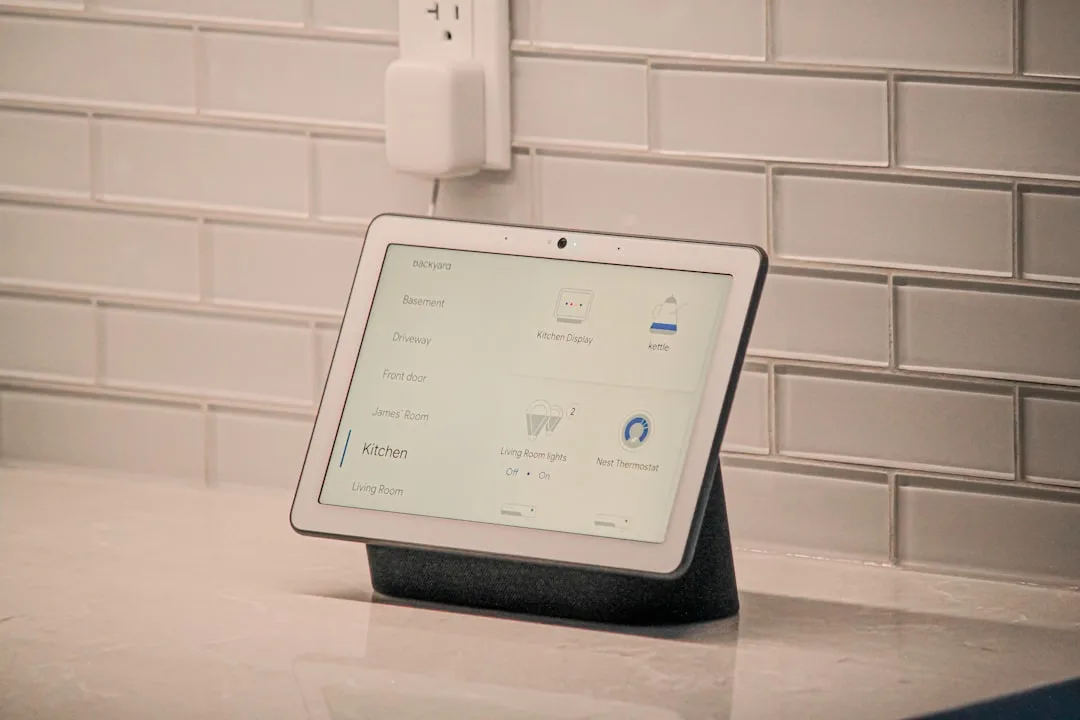
The most significant 2026 shift is real-time energy consumption dashboards integrated into smart lighting apps. Philips Hue’s updated system (launch March 2026) displays kilowatt-hour usage per room, projected monthly cost, and carbon offset if users switch to LED. This transparency triggered a 28% adoption spike among environmentally conscious buyers aged 35–55.
Occupancy sensors paired with smart bulbs create cascading automation. Lutron’s Caseta wireless dimmer ($69.99) combined with Philips motion sensors ($39.99) automatically dims hallway lights to 20% between 11 PM–6 AM, then ramps to 100% when motion triggers. Workplace Lighting ~ Work efficiently when designed creatively applies the same principle; offices now install occupancy-linked lights that prevent wasted illumination in unoccupied conference rooms.
Installation Methods Determine ROI Timelines
Professional installation (electrician rates: $100–$150/hour) suits homes with 40+ fixtures; typical cost ranges $1,200–$3,500 including labor. DIY retrofit using smart bulbs costs $400–$800 for a 2,000-square-foot home and eliminates labor charges. Renters prioritize bulb-only solutions; purchasing 15 Wyze bulbs ($119.85 total) avoids landlord permission and allows removal at lease end.
Architecture firms now pre-wire homes with low-voltage control lines during framing, reducing retrofitting friction. A new construction home (2,500 sq ft) costs $600 more to wire for automation during build versus $2,800 for post-construction retrofit. This 78% cost advantage drives builder adoption; 54% of homes breaking ground in suburban markets (May 2026) include automation infrastructure.
Smart lighting automation transcends trend status and enters infrastructure classification. Declining hardware costs, expanding voice ecosystem compatibility, and transparent energy reporting create compounding adoption pressure. Homeowners who invested in smart bulbs 3–4 years ago face zero learning curve upgrading to newer systems; switching costs remain negligible. By 2027, manual dimmer switches will occupy the same cultural position as rotary phones—functional but deliberately avoided by majority buyers seeking control, convenience, and consumption visibility.