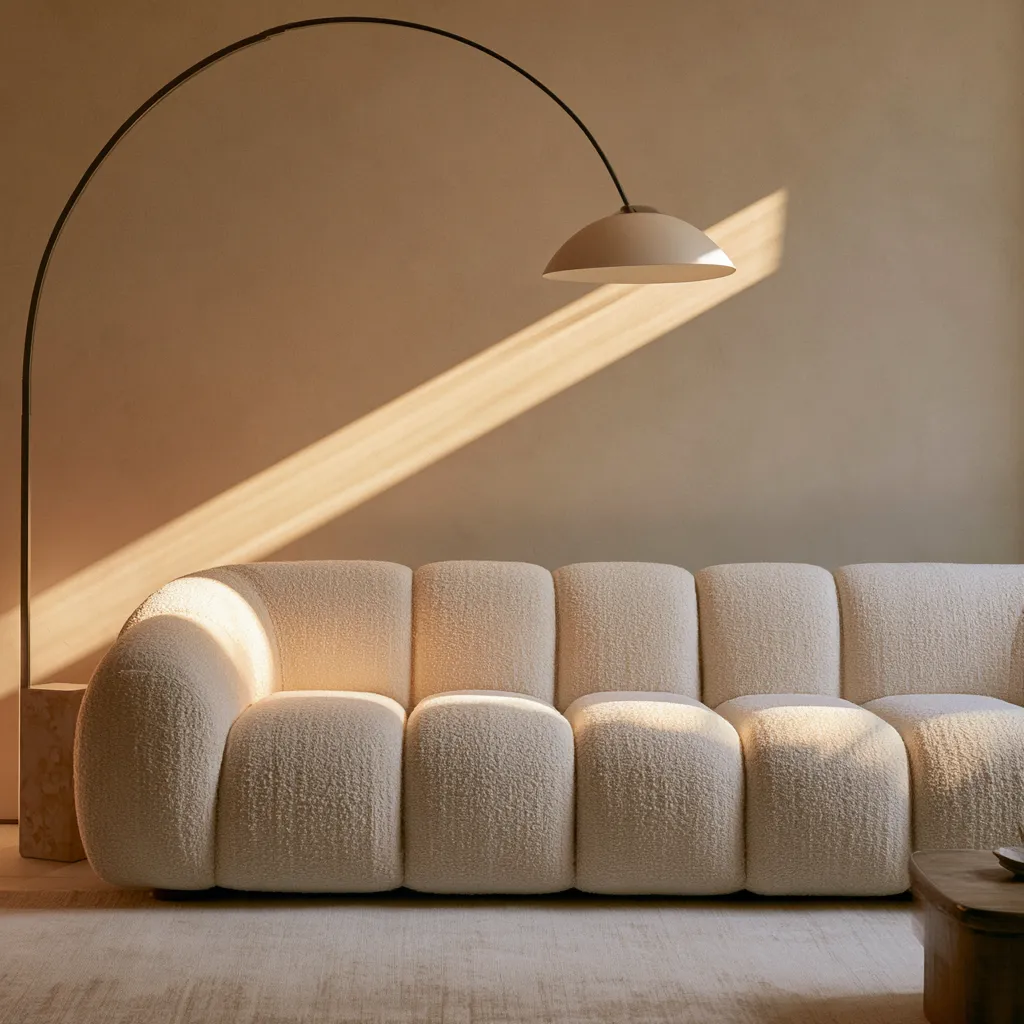
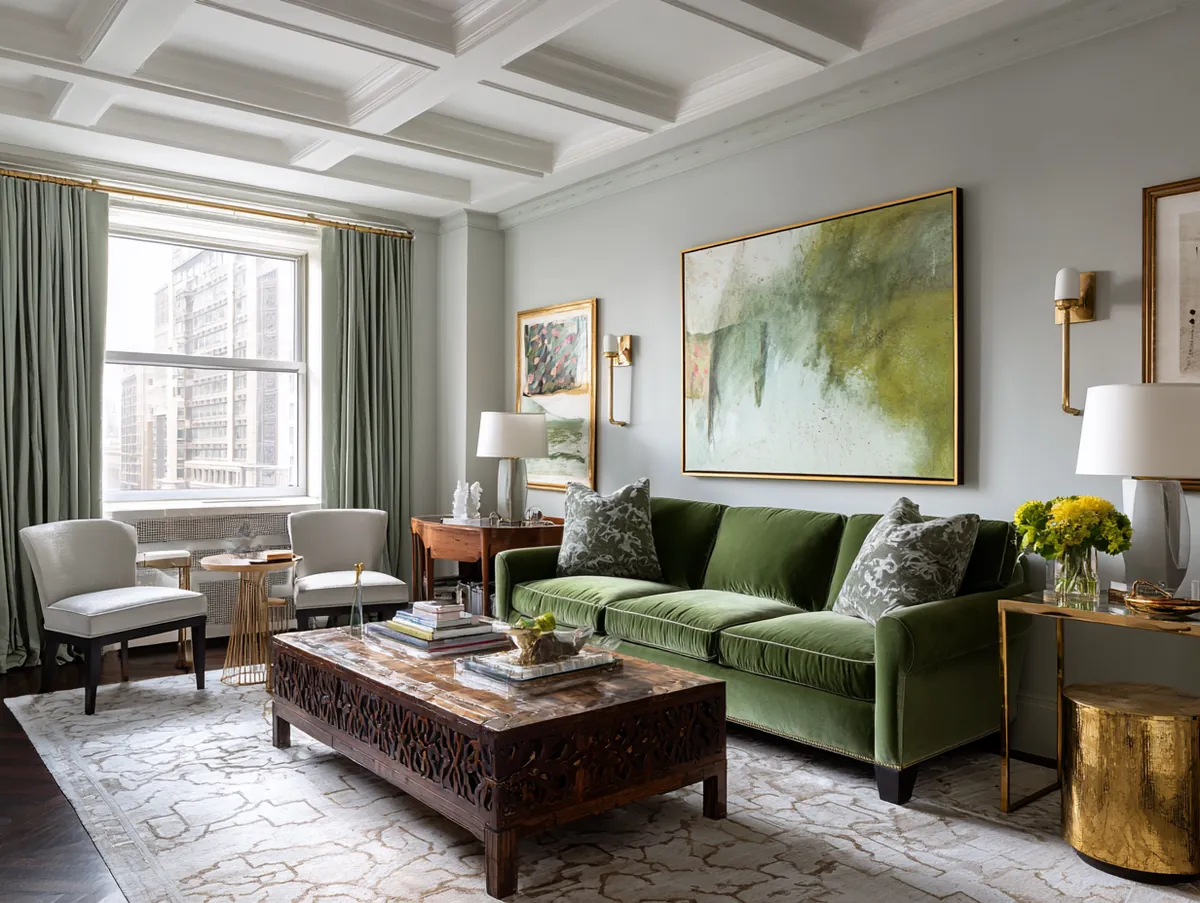
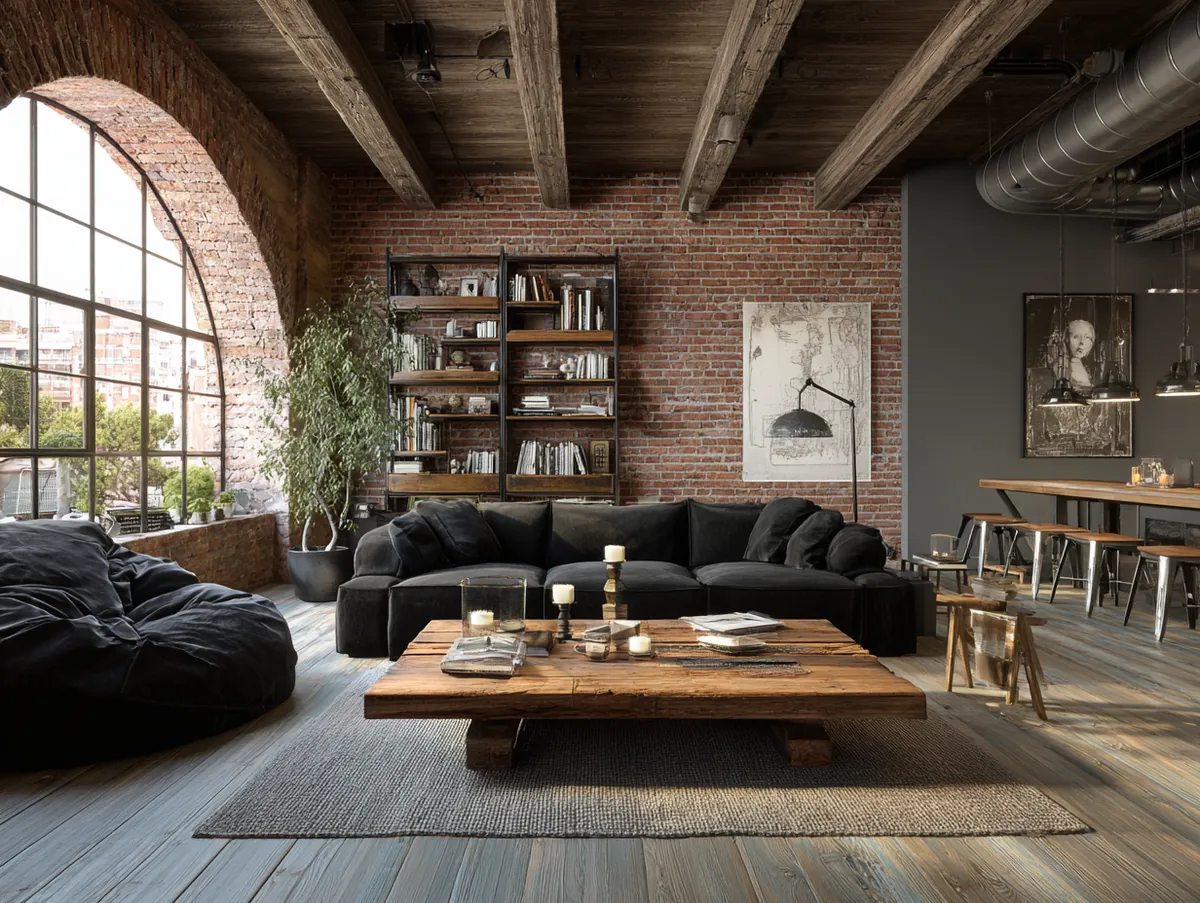
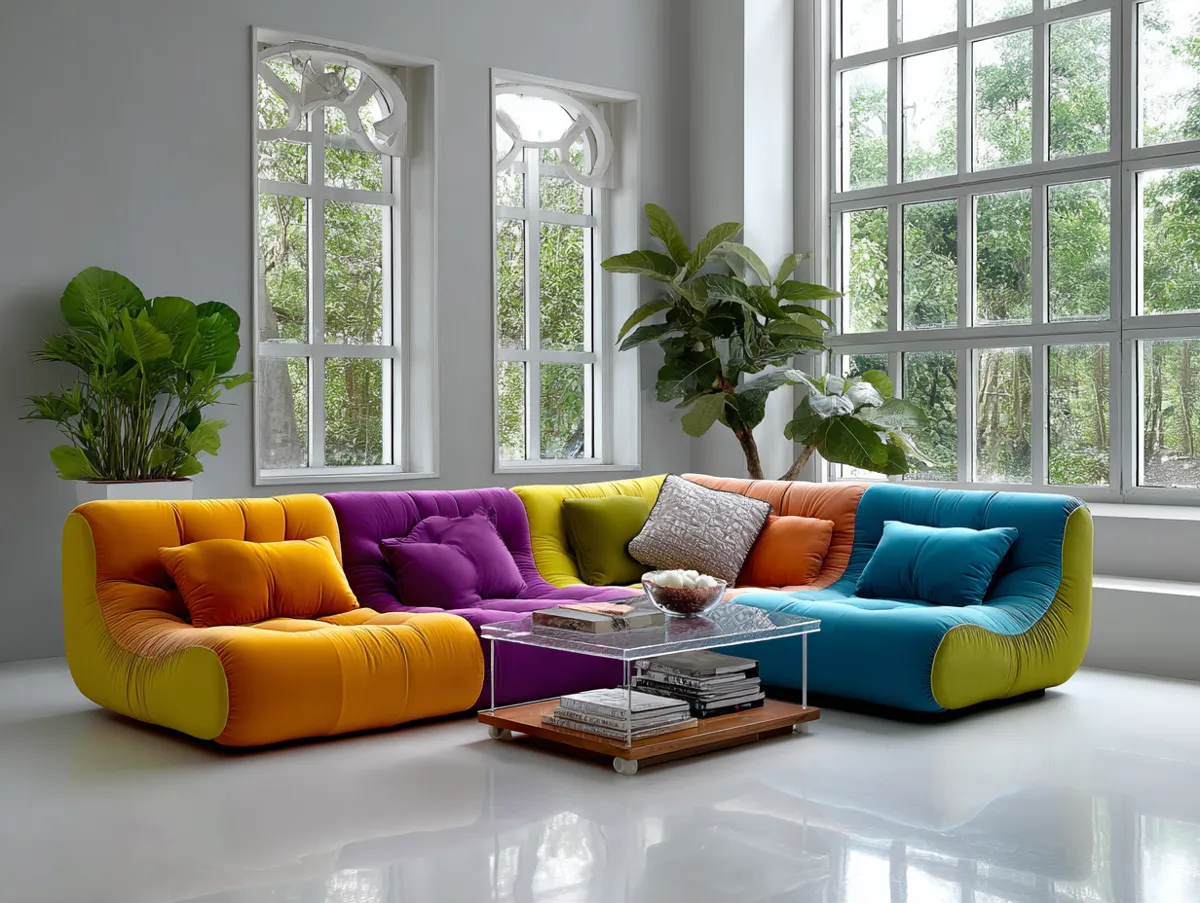
There’s a moment on every project—right after the paint is dry and the punch list looks innocent—when the seating plan meets reality. Columns appear that were invisible on the plan set. A fire pull eats five inches of wall. Someone insists the lobby should host twelve people and a coffee cart. This is when the modular sofa stops being a catalogue phrase and becomes the most useful tool in the room.
We’ve learned to design for change. Tenants move, families grow, lobbies become lounges and then event spaces and then quiet libraries. Fixed furniture hates that kind of life. Modular seating does not. It welcomes the edit.
Why modular now
A decade ago, “modular” meant boxy units you tolerated in coworking spaces. The new generation is different: deeper seats, better corner geometry, pitch that doesn’t punish your back, upholstery that can take actual use. “Modern modular sectionals” isn’t a euphemism anymore; it’s a category with real craft behind it. You can specify tight, tailored silhouettes for corporate reception or soft, relaxed forms for residential projects without sacrificing the ability to reconfigure.
For architects, the attraction is spatial agility. A three-piece becomes a chaise plus loveseat for an open plan; add a corner and it turns into a proper contemporary modular sofa for movie nights. Hospitality teams move a middle unit and suddenly there’s a service lane for staff. The furniture adapts without a forklift or a redesign memo.
The math that makes rooms work
What moves the needle isn’t marketing language—it’s numbers. Seat depth around 21–23 inches reads crisp; 24–26 feels loungey. Arm height near 24 inches keeps tabletops in play; 26–27 reads more residential and cozy. Back pitch in the neighborhood of 102–104 degrees relaxes posture without slouch. Get those three right and the plan breathes. Miss them and the lounge becomes a waiting room.
Modules are not one-size; they’re increments. A run of 84 inches rarely lands perfectly on site, but a modular couch in 28-inch steps will. Designers know this instinctively; the difference with better systems is that the increments don’t advertise themselves. The finished piece reads as a continuous form, not a train of boxes.
Materials that earn their keep
The reason luxury modular sofas survive long deployments is boring in the best way: frames in kiln-dried hardwood, webbing or sinuous springs that don’t feel like trampolines, high-resilience foam wrapped properly so the crown doesn’t collapse by Thanksgiving. Fabrics matter even more. Bouclé photographs beautifully but wants a dense weave if there are pets in the picture. Linen blends dodge the wrinkling of pure linen. Performance textiles with real test data (Martindale, pilling, colorfastness) save facilities managers from yearly reupholstery budgets.
And yes, real leather is still a smart call when patina is a feature, not a defect. It buys you that quiet, grown-up look commercial projects chase and residential clients secretly want.
Configurations that solve problems
Corners are where bad systems give up. Good ones use curved backs or softened inside radii so two people can actually talk there. Long walls stop feeling like train platforms when you interrupt them with a 1.5-seat modular lounge element; suddenly there’s a perch, not a bus stop. Chaise modules earn their footprint when they can flip left/right without an upholstery shop visit. Ottomans that lock to the base keep the composition from migrating every time someone sits down with momentum.
For small apartments and boutique hotel lounges, compact modular sofas are a gift. You can slip a 28-inch armless between two ends and it looks intentional. Remove it and you’ve got clearance for a tree, a stroller, or a guitarist who shows up to the party uninvited.
The sound of a room
No one buys a sofa for acoustics, but the right mass and fabric can lower the temperature of a bright, reverberant space by a surprising amount. A run of modern modular furniture along glass dampens slapback; bolsters catch the higher frequencies of busy lobbies. You feel the difference before you notice it. It’s the difference between a place where people linger and a place where they check their phones and bail.
Maintenance without drama
Designers love light upholstery until the third coffee spill. The trick isn’t pretending mess won’t happen; it’s choosing covers that come off without a dissertation in zippers, specifying cushion fills that recover after a long meeting, and picking leg finishes that survive shoes and vacuum heads. In commercial environments, casters you can lock beat sliders that gouge oak floors. In homes, fabric guards that can be refreshed on site are worth their quiet cost.
Sustainability that isn’t a slogan
The greenest sofa is the one you don’t replace. A well-built modular sofa system can be reconfigured for a new tenant, reupholstered instead of landfilled, and repaired because parts exist. That’s not glossy virtue signaling; it’s practical stewardship. The bonus is emotional: pieces that age well feel like part of the place. People treat them better.
Lessons from installs that didn’t go to plan
A corporate lobby wanted “one long piece.” The plan set didn’t admit there was a sprinkler head exactly where the left arm had to live. A modular solution solved it in fifteen minutes: remove one armless, add a corner, turn the run ninety degrees. Fire code smiled. So did the client.
A family room swore it needed a gigantic sectional; the door swing said otherwise. The install team walked in, moved two modules, and the room gained a reading corner the designer hadn’t dared to propose. Nobody missed the extra seating. They did notice the flow.
Why clients keep asking for it
The interesting thing about modular isn’t that it’s flexible; it’s that it feels settled after you move it. That sense of “of course it goes there” is the whole point. When a piece reads inevitable, people stop upgrading out of boredom. They start living with it.
If you’ve been burned by clumsy systems, the new crop is worth another look. The joins are cleaner, the pitches smarter, the edges softer, the options broader. The furniture world quietly caught up to the way rooms actually behave.
If you want the deep dive—the kind that covers configurations, seat depth, fabrics, and the small choices that separate a good install from a great one—start with a category built around the new generation of modular seating. You’ll find it here: luxury modular sofas. The pieces are designed to be rearranged, lived on, and kept—three qualities that never go out of style.