
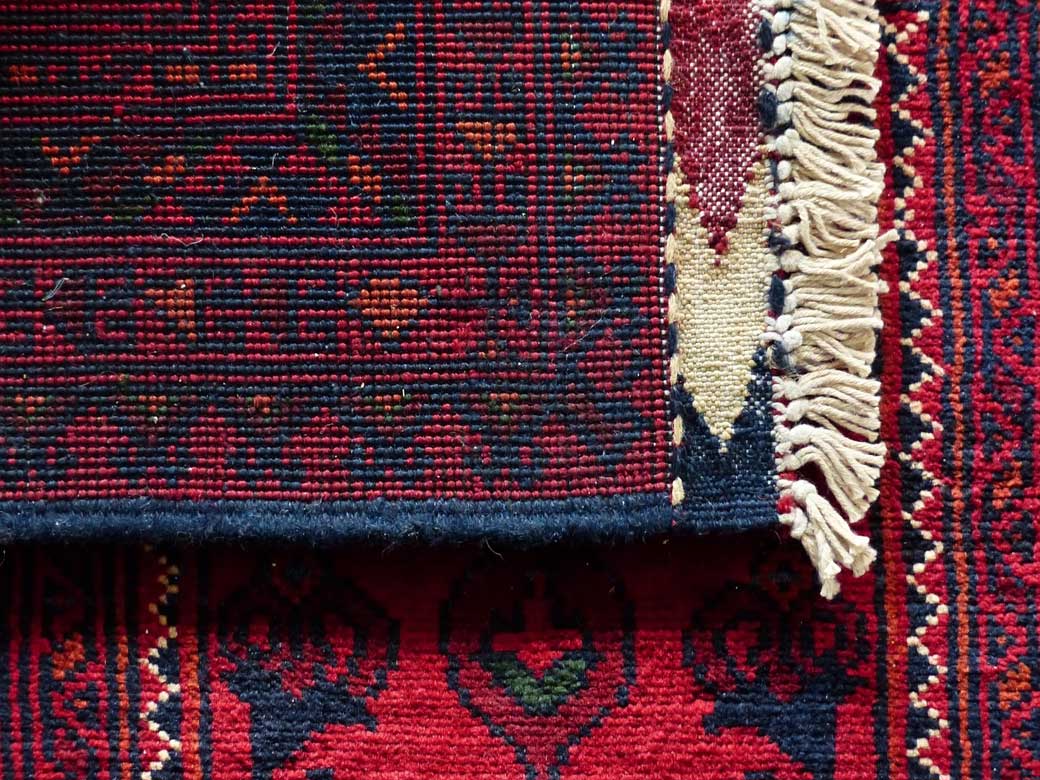
Ever walked into a minimalist space and thought, This looks great, but it feels a little… flat? Minimalist design is all about simplicity, but sometimes it can leave a room feeling a bit too bare.
That’s where layering rugs comes in. It adds warmth, texture, and depth while keeping that clean, modern look intact.
Placing a soft, woven rug over a larger, neutral one, makes the space feel cosier, more defined, and full of character without adding clutter. If you want to create contrast, highlight a specific area, or just make a room feel more inviting, layering rugs is an easy way to do it.
Personalise a Minimalist Space
Layering rugs allow for subtle personalisation, making a minimalist space feel unique while maintaining its clean aesthetic. Instead of relying on excessive décor, homeowners can express their style through rug combinations that enhance their interiors while keeping them uncluttered.
In the United States, modern interiors often incorporate layered rugs to warm large, open spaces. Many homeowners use oversized, neutral rugs as a base, paired with patterned or textured top rugs to introduce visual interest. This trend is especially popular in homes with hardwood flooring, where layered rugs soften the aesthetic and improve comfort and sound absorption.
In the United Kingdom, where traditional and contemporary designs often blend, layered rugs serve both functional and decorative purposes. Older homes with original wooden or stone flooring benefit from the added insulation that multiple rug layers provide. Many UK homeowners choose Persian or vintage-style rugs as a top layer, adding a touch of heritage while maintaining a minimalist foundation.
Similarly, finding rugs in Australia that suit minimalist interiors often involves selecting pieces that enhance the openness of a room. With many Australian homes embracing light designs, neutral base rugs in wool or jute are a common choice.
Layering them with a softer, textured rug on top introduces depth while keeping the space visually balanced. Seasonal updates are also a practical consideration—lighter fabrics for summer and denser weaves for winter allow homeowners to adapt their interiors to changing temperatures.
Create Visual Contrast
A well-layered rug setup creates contrast, making a minimalist space more dynamic without introducing clutter. Neutral interiors can sometimes look too uniform, so pairing rugs with different colours, textures, or patterns adds dimension. A large, solid-coloured base rug grounds the room, while a smaller, patterned rug layered on top provides a subtle contrast.
Mixing patterns and materials also prevents a space from looking monotonous. A geometric or distressed design on a top rug can break up the uniformity of a minimalist setting, making the room more visually appealing. Combining a woven jute rug beneath a plush wool accent can create an eye-catching effect even in an all-neutral palette.
To maintain balance, contrast should be intentional rather than overwhelming. Using complementary tones and textures ensures the layering effect feels purposeful rather than chaotic. A soft rug in a slightly darker shade layered over a light base rug introduces enough contrast while keeping the space cohesive.
Add Warmth and Comfort
Minimalist interiors often incorporate cool-toned materials like concrete, glass, and metal. A well-layered rug arrangement helps counteract this by introducing warmth through soft textures. A thick wool or shag rug placed over a flat-weave or natural fibre rug makes a space feel cosier without adding excess decoration.
Comfort is also a significant benefit of layering, especially in rooms with hard flooring. Instead of relying on a single rug for underfoot softness, a layered approach creates a plush, cushioned effect. This is useful in living areas or bedrooms, where comfort is just as important as style.
Temperature control is another advantage. Thick, layered rugs provide insulation, helping to keep warmth in colder months. In warmer climates, using breathable materials like jute or cotton on the base and a thinner decorative rug on top ensures the space stays comfortable without trapping heat.
Enhance Depth Through Texture
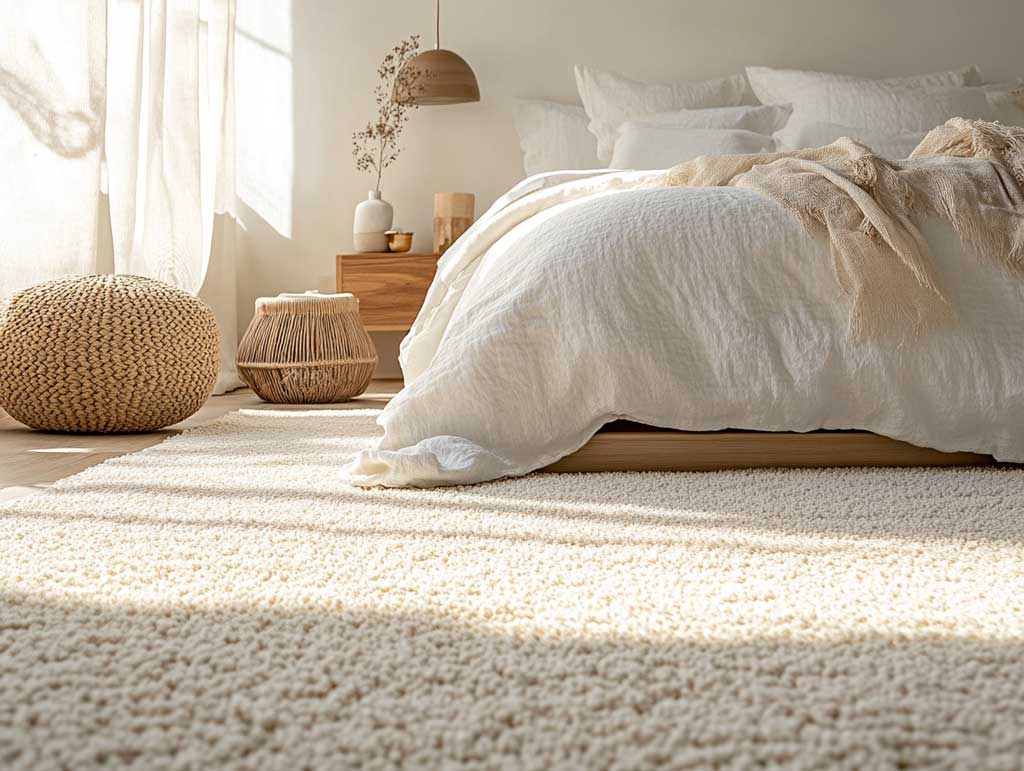
Texture plays a crucial role in preventing minimalist interiors from appearing flat. A room with only smooth surfaces can feel stark, but layering rugs with different textures adds depth. Combining a thick, high-pile rug with a tightly woven base creates a visually rich effect without compromising the simplicity of the design.
The layering of textures also influences the way light interacts with a space. Shaggy or distressed rugs catch light differently than smooth surfaces, creating subtle shadows and highlights that add movement to an otherwise static room. This effect enhances the overall depth of a minimalist setting, making the space feel more lived-in and inviting.
Durability is another factor to consider. Using a sturdy, easy-to-clean rug as the base protects the floor while allowing a more delicate or decorative rug to be placed on top. This makes switching out top layers for seasonal updates easier, keeping the room fresh without a complete redesign.
Conclusion
Layering rugs is an effective way to add depth, warmth, and texture to minimalist interiors. The right combination of materials and sizes can make a space feel inviting while keeping it visually balanced. Experimenting with different textures and placements allows homeowners to personalise their minimalist spaces while maintaining simplicity.
Complete guide
The Minimalist Style Guide That Covers Every Room, Surface and Outfit
Interiors, exteriors, kitchens, bedrooms, fashion, hair — all in one place
You Might Also Like

Related Topics