A metal roof canopy delivers solid weather protection and shade that wood or fabric simply cannot match for more than a few seasons. Typical installed costs run $15–$40 per square foot, while lifespan often stretches 25–50 years with almost no upkeep.
Homeowners choose this option when they need a structure that shrugs off heavy rain, snow loads, and high winds yet still looks sharp against modern or traditional facades. Fire resistance is built in, annual maintenance stays under a few hundred dollars, and the canopy routinely adds usable outdoor square footage that buyers notice.
Skip the short-lived fabric covers that need replacement every 3–5 years. A properly specified steel or aluminum canopy works year-round and keeps cooling costs lower by blocking direct sun.
Quick Scan
- Installed cost typically $15–$40 per sq ft versus $8–$25 for fabric
- Lifespan 25–50 years against 3–15 years for fabric or untreated wood
- Fire rating Class A; wood sits at Class C or lower
- Cooling load drop of 8–12 °F under the canopy on a 95 °F day
- Annual upkeep usually $100–$400 versus $200–$600 for wood
- Steel frames handle wind ratings up to 140 mph in premium builds
- Resale boost comes from permanent, low-maintenance outdoor space

Durability That Beats Wood and Fabric in Real Weather
Metal roof canopy frames shrug off hail, snow, and sustained winds that shred fabric covers and warp untreated lumber within a few seasons. Galvanized or powder-coated steel routinely lasts 25–40 years; aluminum versions push past 30 years with only occasional cleaning.
Why does fabric fail first? UV breaks down coatings in 3–5 years and wind loads tear seams long before metal shows fatigue. Wood needs sealing every 1–2 years or it checks and rots. Metal needs a quick annual inspection and stays structurally sound. Think of it as the difference between a steel bridge and a wooden garden trellis after a decade of storms.
Fire resistance adds another clear edge. Metal carries a Class A rating and will not feed flames. Wood stays combustible even when treated. In wildfire-prone zones that single difference can decide insurance eligibility. Avoid cheap uncoated steel in coastal air; the coating is what delivers the multi-decade life.

Typical maintenance stays between $100 and $400 a year for cleaning and fastener checks. Wood structures often demand $200–$600 annually plus periodic full refinishing. Over twenty years the metal option costs less even when the initial outlay is higher.

Versatile Shapes and Finishes for Any Facade
Metal canopy roof designs adapt to flat, single-slope, or curved profiles that match contemporary or traditional houses. Aluminum stays lighter for wall-mounted entrance canopies; steel handles wider freestanding spans over decks or walkways.
Color and finish choices run from sleek silver and matte black to rust-toned powder coats that echo older architecture. A 10×12 ft entrance canopy can sit in the $2,500–$4,000 range installed, while larger patio covers scale to $8,000–$15,000 depending on gauge and coating. Fabric kits look similar at first glance but lose shape and color far sooner.

Want a modern look without the maintenance of wood? Pair a powder-coated frame with standing-seam panels. Prefer a softer edge? Many fabricators offer wood-look cladding on steel frames that still deliver metal strength. Skip the temptation to undersize the projection; a canopy that stops short of the seating area leaves people half in sun. For related entrance ideas see these wood front door canopy concepts that compare species and brackets.
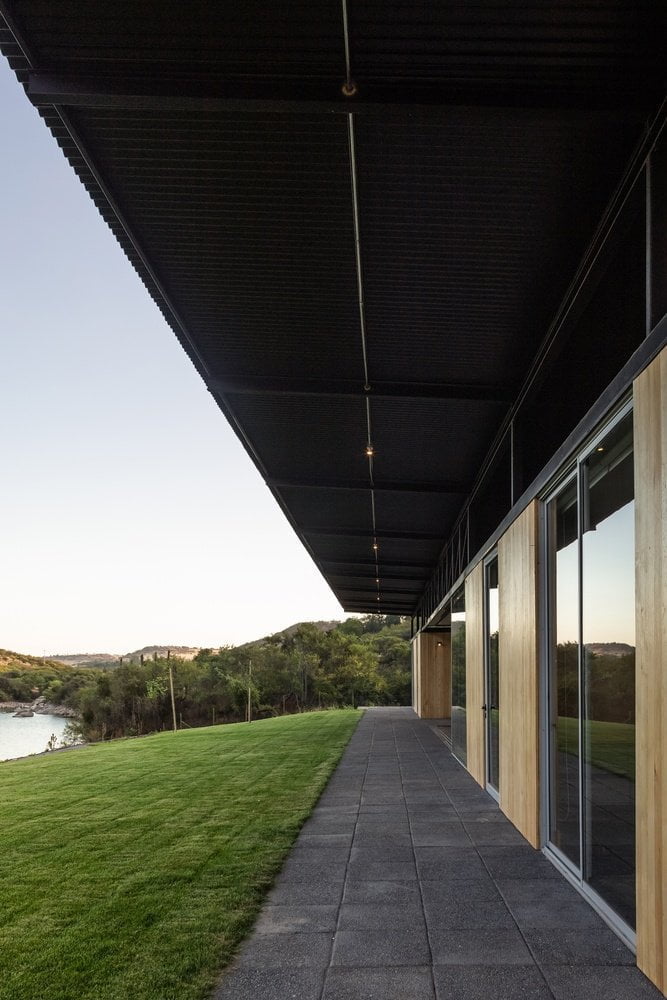
Energy Savings Under a Metal Roof Canopy
Metal roof canopies cut direct solar gain and keep the space below 8–12 °F cooler on a 95 °F afternoon. That reduction trims air-conditioning run time for rooms adjacent to the outdoor area and lowers overall cooling costs.
Light-colored panels reflect more heat than dark ones; the difference shows up as measurable surface temperatures. In winter the same structure still sheds snow and keeps rain off seating so the outdoor zone stays usable longer. Fabric sails offer shade but transmit more radiant heat and rarely last beyond a decade in full sun.

Think of the canopy as a permanent sunshade that never needs to be retracted or replaced every few years. Owners who track utility bills often see the cooling benefit pay back a portion of the install cost within a few seasons, especially in hot climates. Avoid dark uncoated panels if heat reduction is the main goal; reflective finishes do the heavier work.

Property Value and Everyday Function
A well-executed metal roof canopy turns an unused patio or entrance into protected square footage that buyers and appraisers recognize as a permanent improvement. Temporary fabric structures rarely count the same way.
Function comes first: dry walkways, shaded seating, and a covered drop-off that stays usable in rain. Homes with these features photograph better and feel more complete during showings. Compared with a wood pergola that needs annual care, the metal version signals lower future ownership cost. For broader outdoor coverage options explore this patio shade structures design guide that breaks down materials and sizing.

Clean Lines That Match Modern and Classic Homes
Sleek metal profiles suit contemporary architecture, while rust-colored or textured finishes blend with traditional materials. The structure itself becomes part of the facade rather than an afterthought bolted on later.
Lighting, planters, or simple side screens can turn the canopy into a true outdoor room without adding heavy maintenance. Fabric options offer color variety but fade and sag; metal keeps its edge for decades. Choose a pitch that sheds water cleanly—15–20 degrees works for most residential entrances—and avoid flat designs in heavy-snow zones unless engineered for the load.

Metal Versus Wood Versus Fabric at a Glance
| Material | Installed Cost (per sq ft) | Typical Lifespan | Annual Maintenance | Fire Rating | Best Use |
|---|---|---|---|---|---|
| Galvanized / powder-coated steel | $15–$40 | 25–50 years | $100–$400 | Class A | Porch, patio, entrance |
| Aluminum | $15–$40 | 30+ years | Low (wipe yearly) | Class A | Wall-mounted, coastal |
| Wood (cedar / oak) | $18–$55 / lin ft | 12–25 years | $200–$600 + sealing | Class C or treated | Traditional facades |
| Fabric / shade sail | $8–$25 | 3–15 years | Replace every 5–10 yrs | Varies | Temporary or budget |
The numbers show why metal wins for permanent installations. Higher first cost is offset by decades of service and minimal upkeep. Wood looks warm but demands ongoing labor; fabric stays cheap only until the third replacement.
Practical Choice for Lasting Shade
A metal roof canopy gives 25–50 years of weather protection, measurable cooling relief, and a permanent outdoor improvement that fabric and untreated wood cannot match.
Budget $15–$40 per square foot installed, insist on proper galvanizing or powder coating, and size the structure so seating stays fully covered. Annual checks keep fasteners and seams tight; the rest is largely set-and-forget.
Work with an experienced fabricator or roofing contractor who understands local wind and snow loads. The right specification turns a simple canopy into one of the most durable and useful additions a property can receive.
When choosing a metal roof canopy for your property, it’s important to work with a reputable and experienced metal roofing contractor in San Antonio. They can help you design a canopy that meets your specific needs and fits within your budget. They can also ensure that the canopy is installed correctly, so you can enjoy its benefits for years to come.
| Architects | Fantuzzi + Rodillo Arquitectos |
| Photo | Pablo Blanco |