Painted brick house ideas are everywhere right now, and for good reason — a single color decision can take a facade from dated to deliberate in one weekend. I’ve watched neighbors spend $40,000 on new siding when $2,500 worth of Sherwin-Williams Emerald Exterior and a crew of two would have done more. The painted brick facade is one of the highest-ROI exterior moves you can make. It just has to be done right, or it becomes the biggest regret on the block.
What follows isn’t a mood board. These are real color decisions, real product names, and real reasons why certain choices hold up for 10 years while others start looking tired by year three. You’ll find the front door colors that work, the grey shades worth testing, and the one mistake that ruins an otherwise solid painted brick exterior.
Quick Read
- Target keyword covered: painted brick facade exterior — 32 total impressions in GSC, zero clicks yet
- Best performing painted brick colors right now: white/grey, charcoal, warm greige
- Top front door colors for painted brick houses: navy, forest green, matte black, cherry red
- Paint type matters: use elastomeric or mineral-based masonry paint, not standard latex
- Modern painted brick homes lean charcoal + black trim — it’s the 2024–2026 formula
- Aqua, yellow, and blue exteriors covered below with specific shade recommendations
Aqua Accents on a Painted Brick Facade Work Until They Don’t


Aqua as an accent color on a painted brick exterior is one of those choices that photographs beautifully and then divides everyone who drives past. Used well — on the front door only, against a warm white or light greige brick base — it reads coastal-fresh without screaming “I found this on Pinterest in 2019.” I’ve bought into this look twice. The first time I went full aqua on the shutters and frames. Too much. It started feeling like a beach souvenir shop by summer.
The version that actually works? Pick Benjamin Moore Peacock Blue (2050-40) or Sherwin-Williams Aquarium (SW 6767) for the door only. Keep the brick base in Sherwin-Williams Accessible Beige (SW 7036) or Alabaster (SW 7008). That single-door pop of aqua does what you want without overwhelming the facade. You’ll notice the difference in how the house photographs — one accent point draws the eye; three accent points create chaos.
What doesn’t work: aqua on a dark grey or charcoal brick base. The contrast goes cold fast, and the house looks unsettled rather than bold. Skip aqua entirely on north-facing facades — reduced sun exposure makes the color look muddy and grey within two years. My go-to rule is aqua only where you get at least four hours of direct afternoon light.

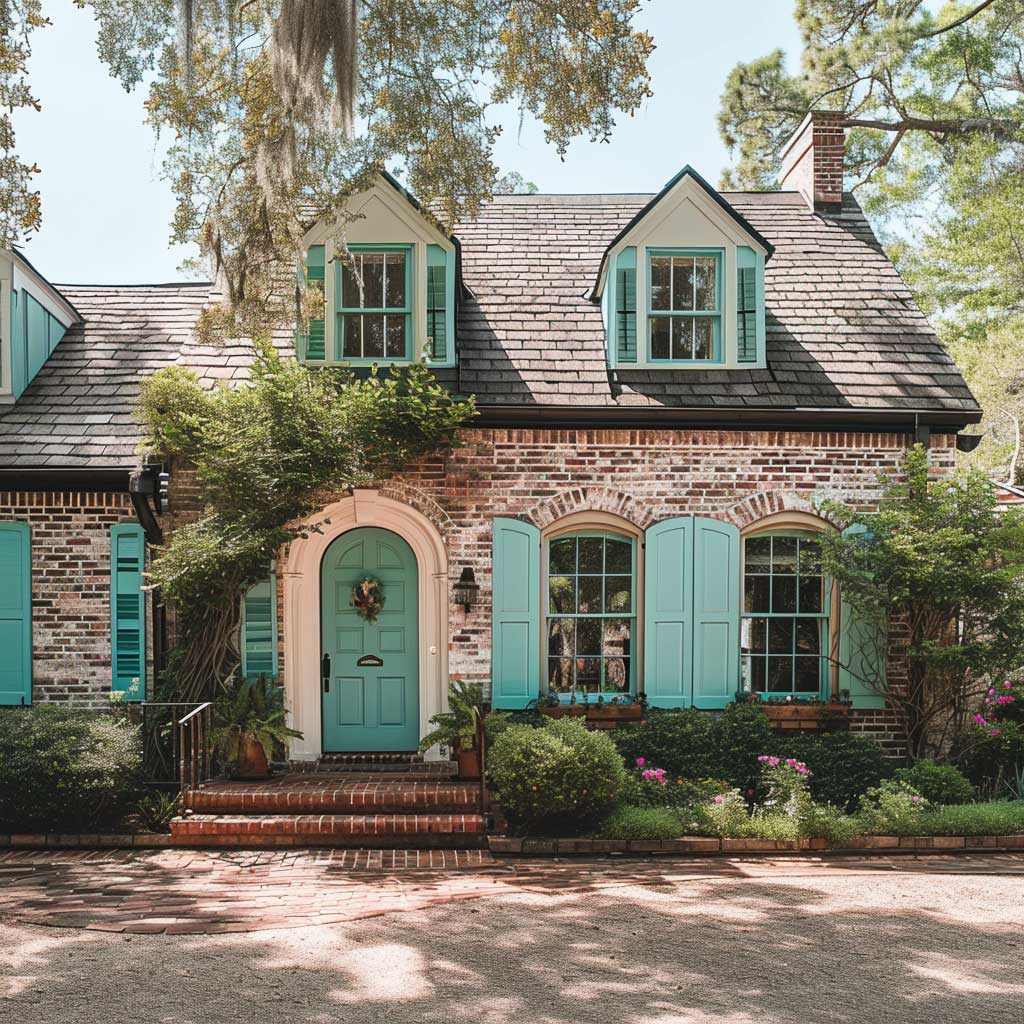


Landscaping seals the deal on an aqua-accented exterior. White flowering shrubs — gardenias, white hydrangea, or even simple white impatiens in pots flanking the door — amplify the freshness. Green foliage does the same. What kills it is orange-toned mulch or terracotta pots sitting right below that aqua door. Think of the color temperature: cool base, cool accent, cool plant tones. Break that rule and the whole thing fights itself like a bad outfit.
Don’t Do This
- Don’t paint aqua on more than one architectural element — door OR shutters, never both plus the trim
- Don’t use aqua on dark-toned brick bases — charcoal, slate grey, or deep navy foundations make aqua look sickly
- Don’t skip primer on previously unpainted brick — aqua pigment is transparent and bleeds wildly into unsealed masonry
- Don’t use standard latex exterior paint on brick — it traps moisture, then peels; use elastomeric or mineral-based masonry paint
Sunny Yellow Painted Brick Homes Look Richer When You Choose the Shade Deliberately
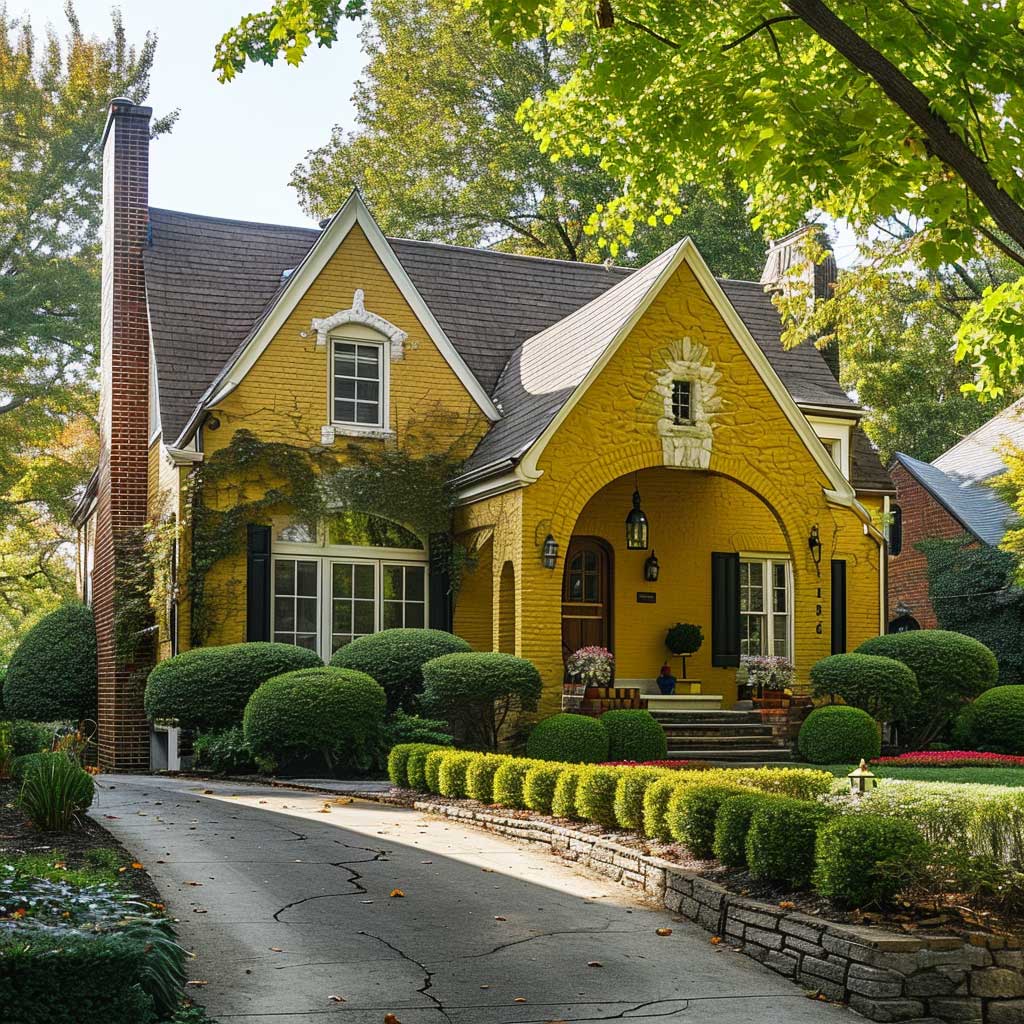


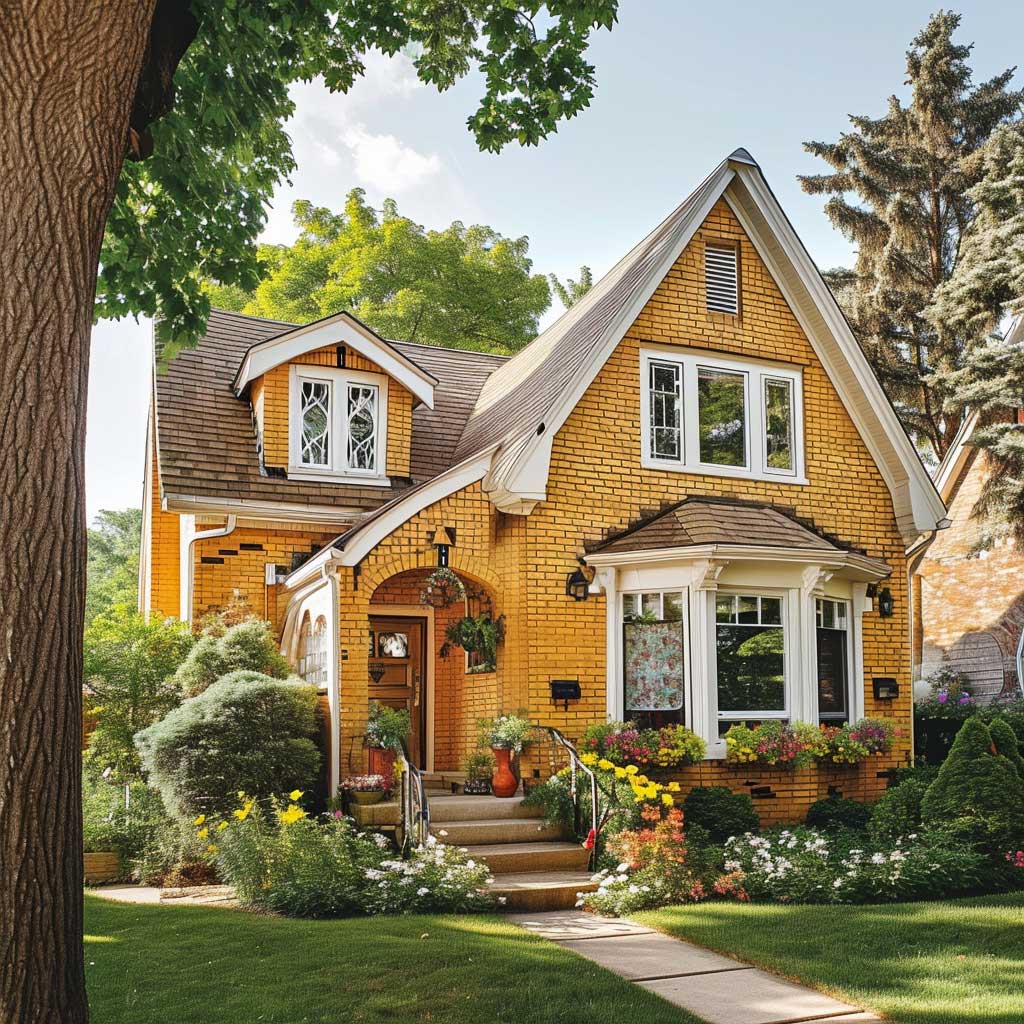
Yellow on brick is a polarizing choice that pays off when you pick the right undertone. Sherwin-Williams Daffodil (SW 6910) is the version that reads cheerful and intentional. The one you need to avoid is a pure lemon yellow — too acidic, ages the surrounding elements, and photographs flat white on overcast days. My go-to for yellow brick is Benjamin Moore Hawthorne Yellow (HC-4): warm, slightly muted, sits beautifully against dark brown or charcoal roofing. Around $75–$90 per gallon in their Aura Exterior line.
A yellow painted brick facade is essentially a tuning fork for every other element on the house. Get it right and everything sings — dark roof, white trim, black door hardware, mature green landscaping. The formula works because the warm yellow pulls out the warm undertones in each of those neutral anchors. You’ll notice it most in autumn when the yellowing leaves complement the facade naturally. It’s the rare exterior color that actually gets better with age and seasonal change.
What doesn’t hold up: white trim on a cool-toned yellow. Pure bright white next to a yellow with any green in it looks like a children’s hospital wing. Use a warm off-white — Benjamin Moore Linen White (OC-146) or Sherwin-Williams Creamy (SW 7012). Grey trim is your modern option; charcoal or dark Urbane Bronze (SW 7048) gives a contemporary edge that stops the house from reading too cottagecore.


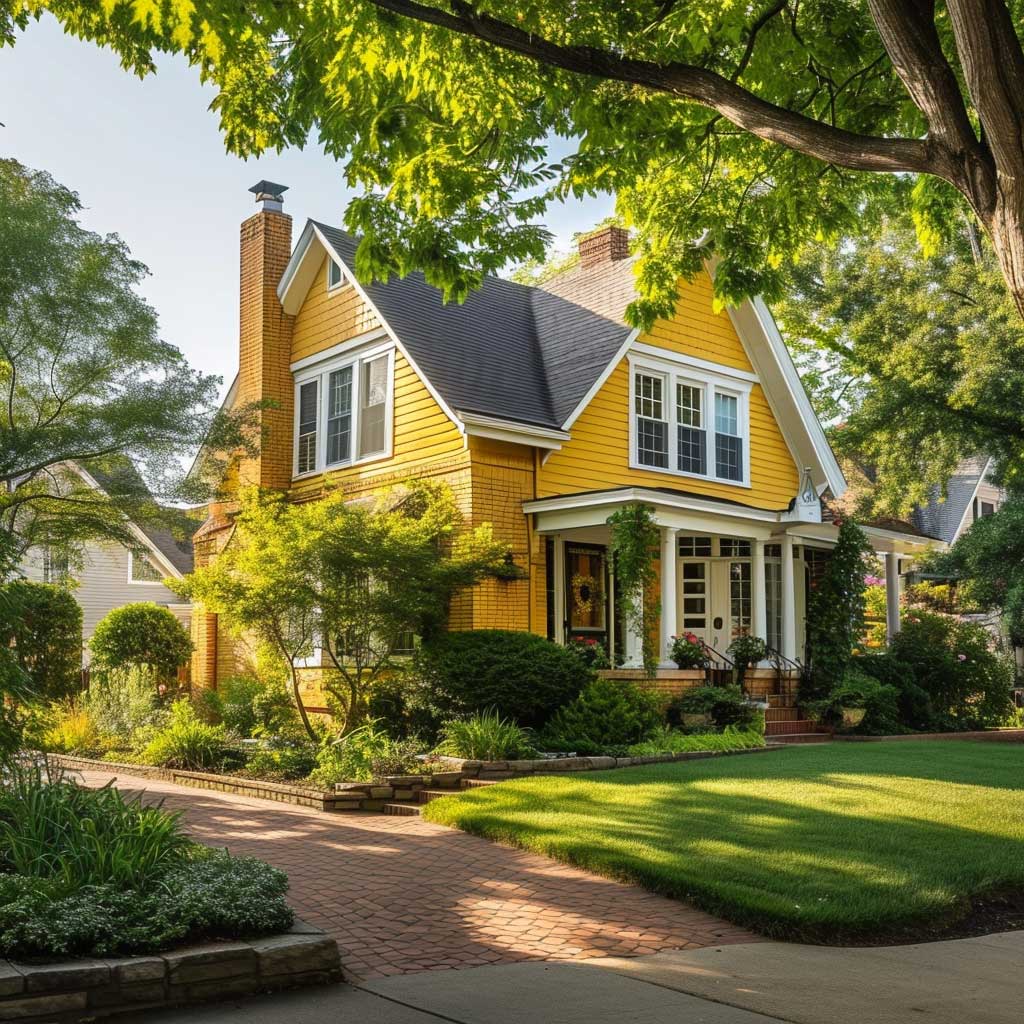
Want the practical answer on what front door color works best with yellow painted brick? Black. Specifically Tricorn Black (SW 6258) in a satin finish. It’s the one door color that grounds a warm yellow facade without competing with it. Navy is second — try Hale Navy (HC-154) from Benjamin Moore. What I wouldn’t touch: a red front door against yellow brick. Stares you down from the street like an argument waiting to happen.
Roof pairing matters more than most homeowners realize. Yellow brick with a dark charcoal roof (Owens Corning Chateau Green or Duration shingles in Aged Pewter) reads sharp and European. Lighter taupe roofing makes the same yellow facade look washed out, particularly in bright midday sun. If you’re locked into a light-toned roof, drop the yellow a full shade darker than your first instinct — I’ve seen this save projects that were heading toward “Easter egg” territory.
Slate Grey Painted Brick Earns Its Premium Look Only with the Right Trim Contrast
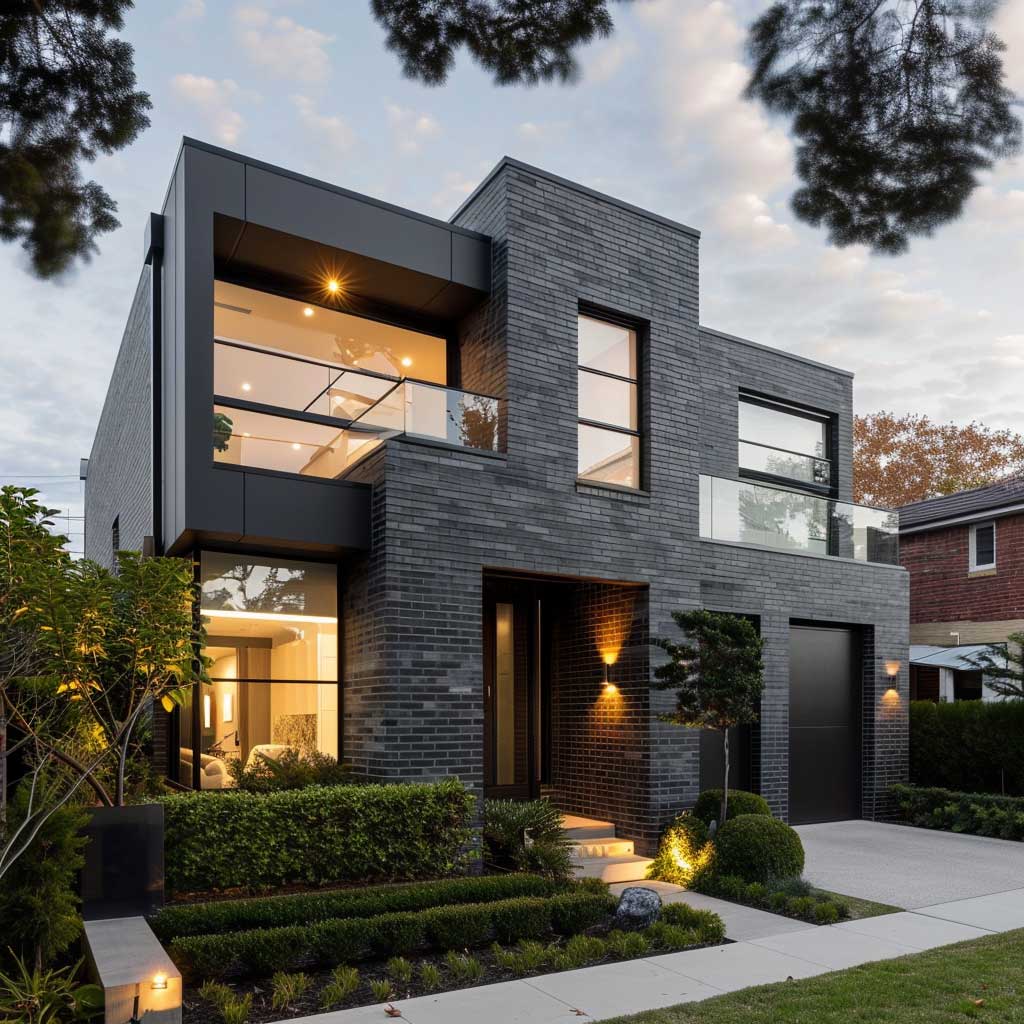
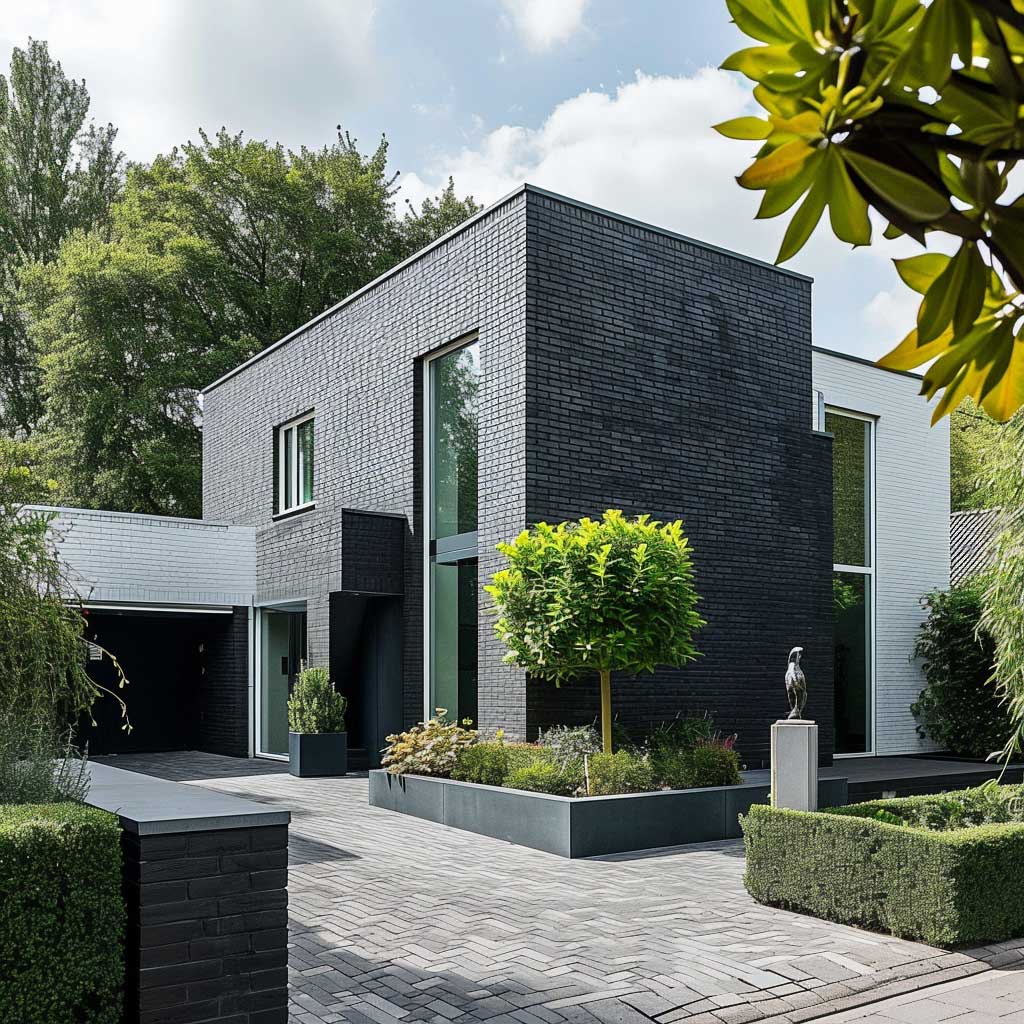
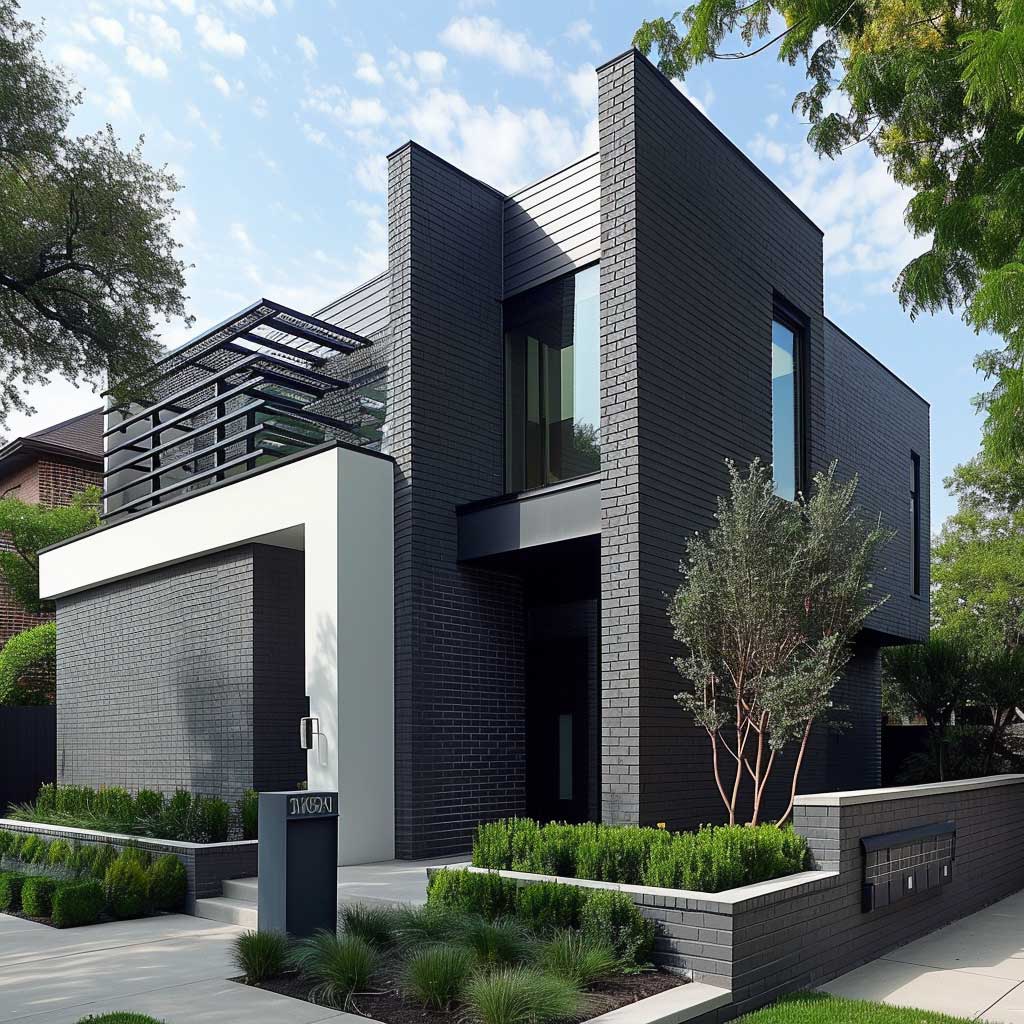
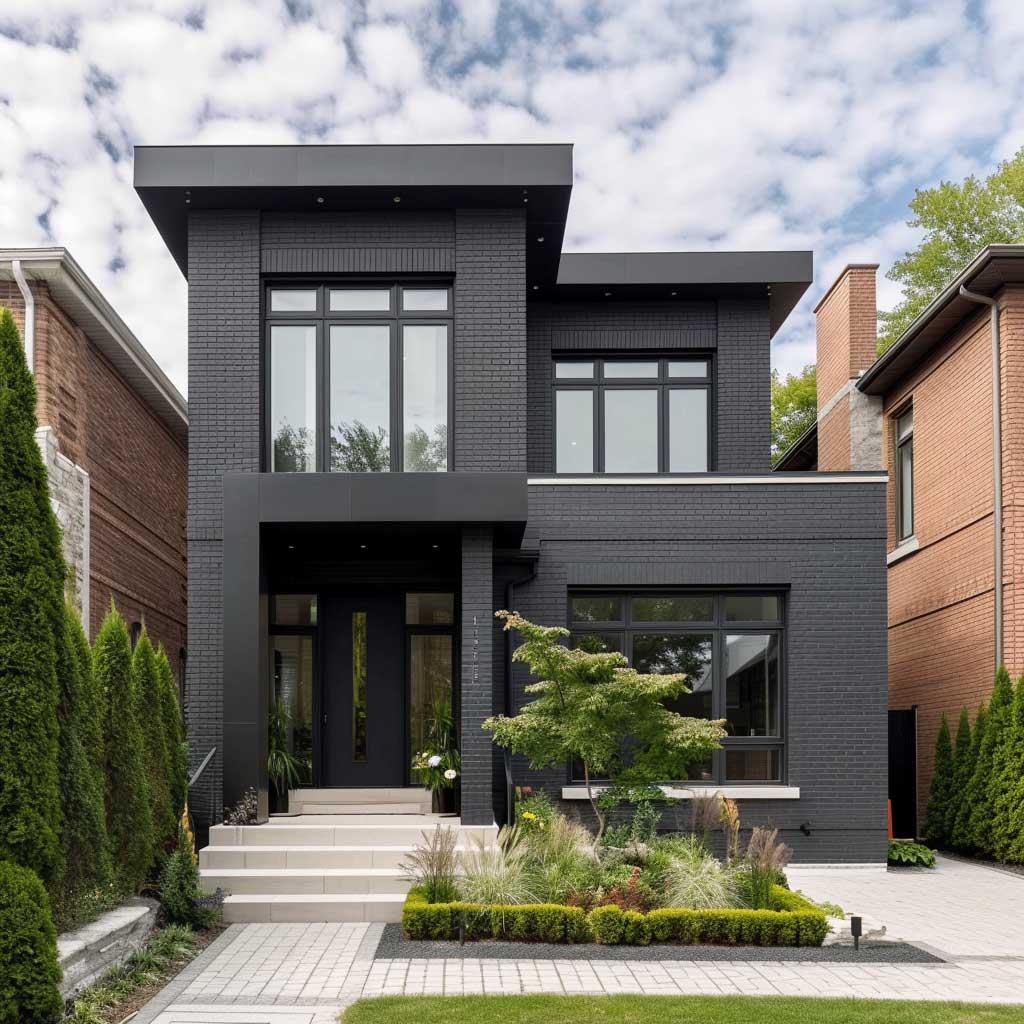
Slate grey is the color I recommend most often for painted brick facades — not because it’s safe, but because it’s the easiest to execute without an expensive mistake. The two specific shades worth testing: Sherwin-Williams Dovetail (SW 7018) for a warmer mid-grey that reads sophisticated in natural light, and Benjamin Moore Amherst Gray (HC-167) for something cooler and more architectural. Both run around $85–$95 per gallon. Both photograph well across seasons because grey doesn’t shift the way yellow or blue does in changing light.
Here’s the thing nobody tells you about grey painted brick: the trim choice determines everything. White trim with grey brick looks like a perfectly pressed Oxford shirt — clean, timeless, works on traditional and contemporary homes equally. Charcoal or black trim on the same grey base reads like a luxury spec home. I own two properties where grey brick was the right call, and the one with matte black trim (Sherwin-Williams Tricorn Black on windows and fascia) gets comments from every single person who sees it for the first time.
What kills a grey painted brick exterior faster than anything? Warm beige or cream gutters. White gutters on a dark grey house look like cheap plastic suspenders — the phrase I stole from a designer friend who’s done 200-plus exteriors. Grey gutters or dark bronze gutters create a finished, tailored edge. While you’re sourcing those, grab an oversized matte black exterior light fixture for the entry; the scale and contrast lock everything together in a way that feels intentional rather than assembled piece by piece.
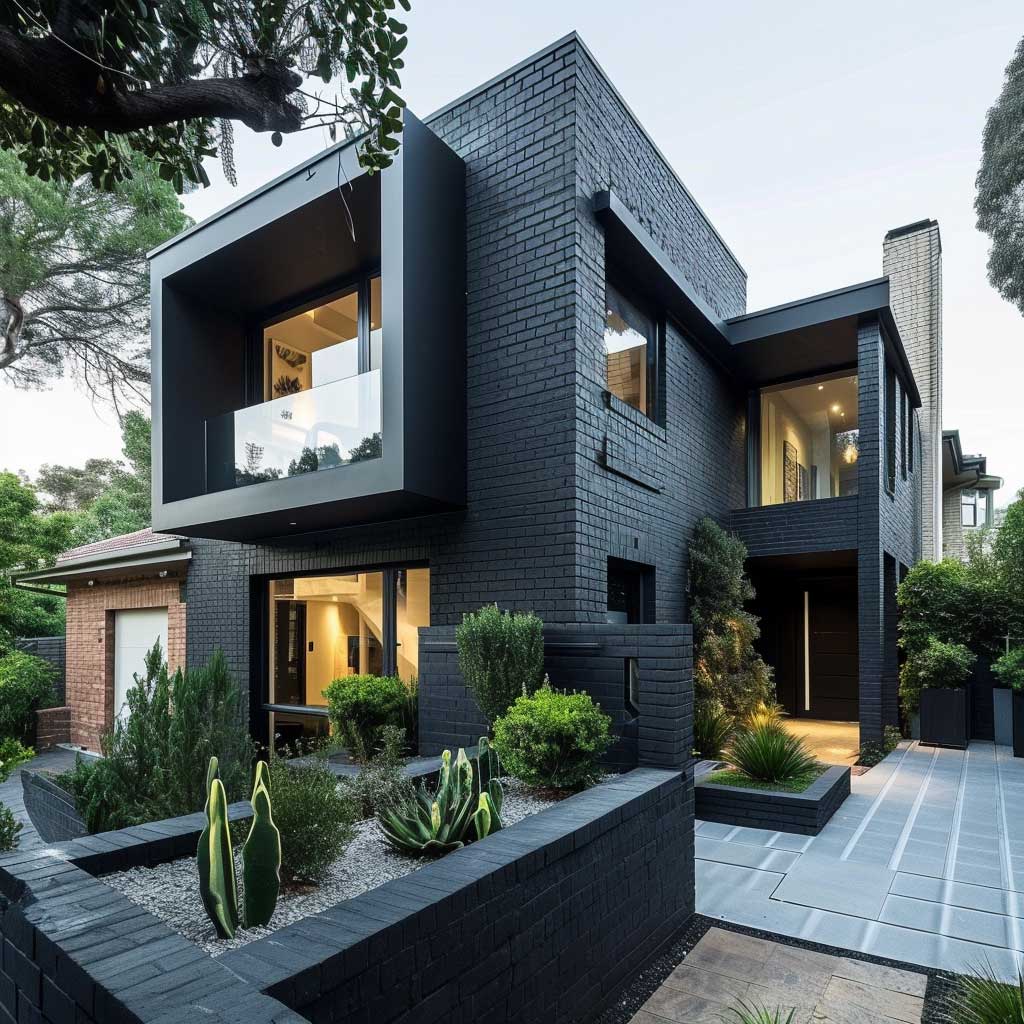


Minimalist landscaping amplifies the grey-brick aesthetic rather than fighting it. Structured ornamental grasses (Blue Oat Grass or Karl Foerster Reed Grass), geometrically trimmed boxwood, and a single statement plant in a matte black or charcoal concrete planter — that’s the formula. What doesn’t work: loose cottage-style planting with pink roses and lavender borders. The softness of that style reads confused next to the deliberate hardness of a grey painted brick facade. Pick a lane and commit to it.
For the actual painting process on exterior brick, This Old House recommends sealing brick pores with a water-based masonry primer first, then applying latex paint with a thick-nap roller, cutting into mortar joints by hand with a brush. Skipping primer on grey is the one mistake that turns a $3,000 project into a $6,000 redo. The grey pigment is transparent enough that unsealed brick bleeds red undertones right through it.
White and Pale Grey Painted Brick Facades Hold Their Value for a Reason
White painted brick exterior ideas are the safest call and also the hardest to get wrong — which is exactly why half of all painted brick facades in new construction end up here. The go-to for good reason: white and grey work with every roof color, every door color, every landscape style. Sherwin-Williams Alabaster (SW 7008) is the warm white I recommend most. Pure white is available, but it photographs too high-contrast and shows every chip and stain within six months of application.


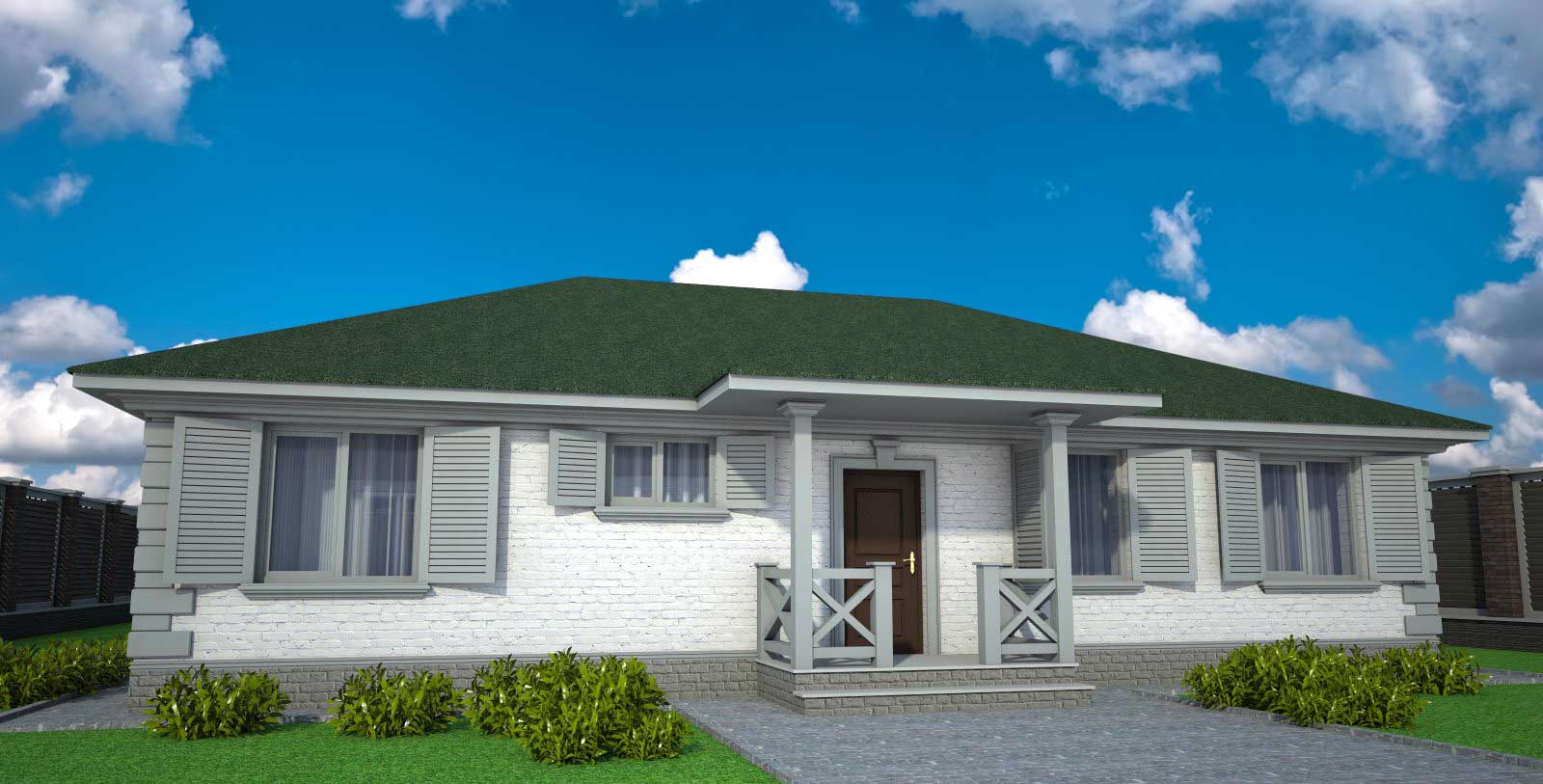

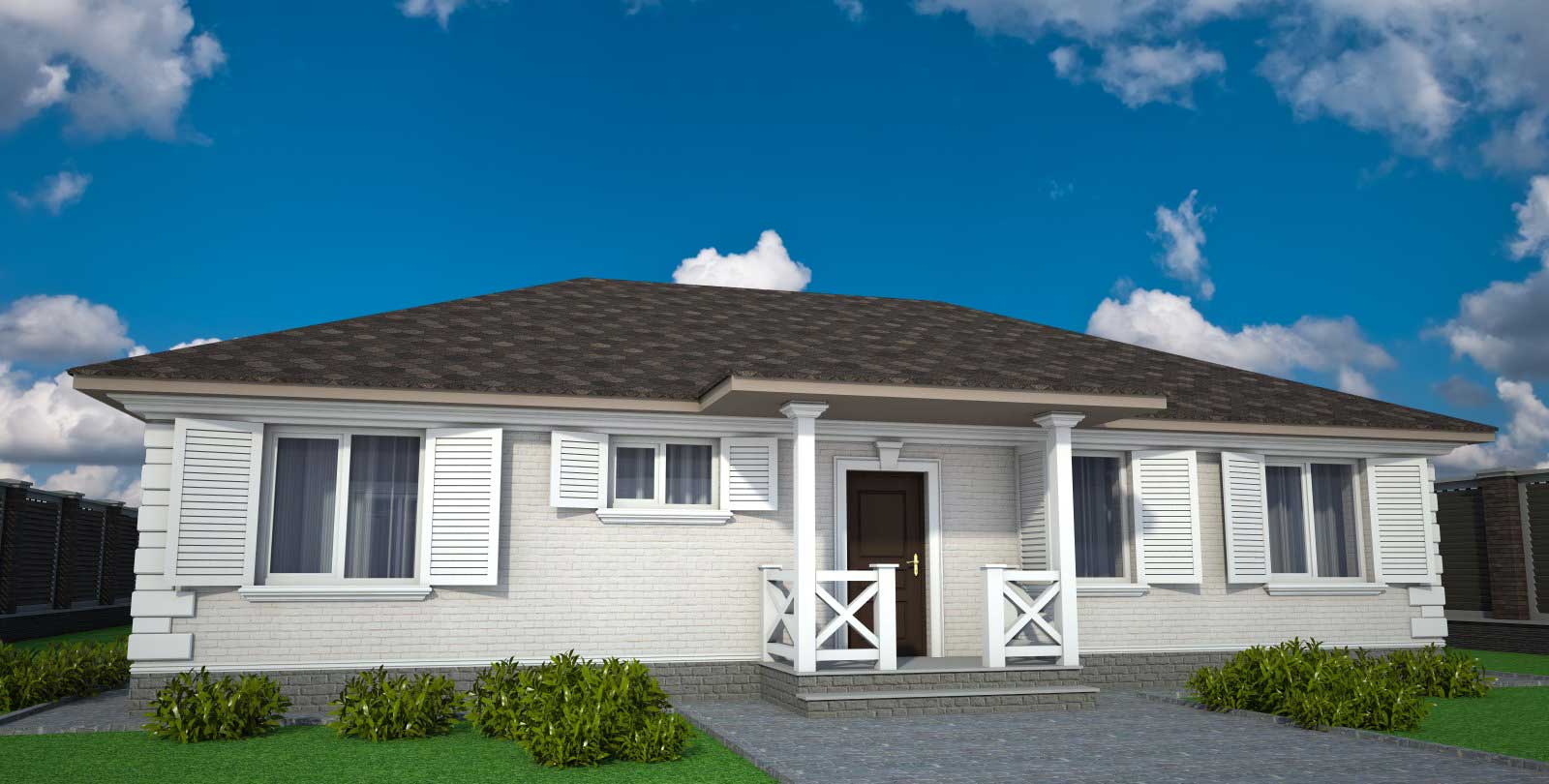


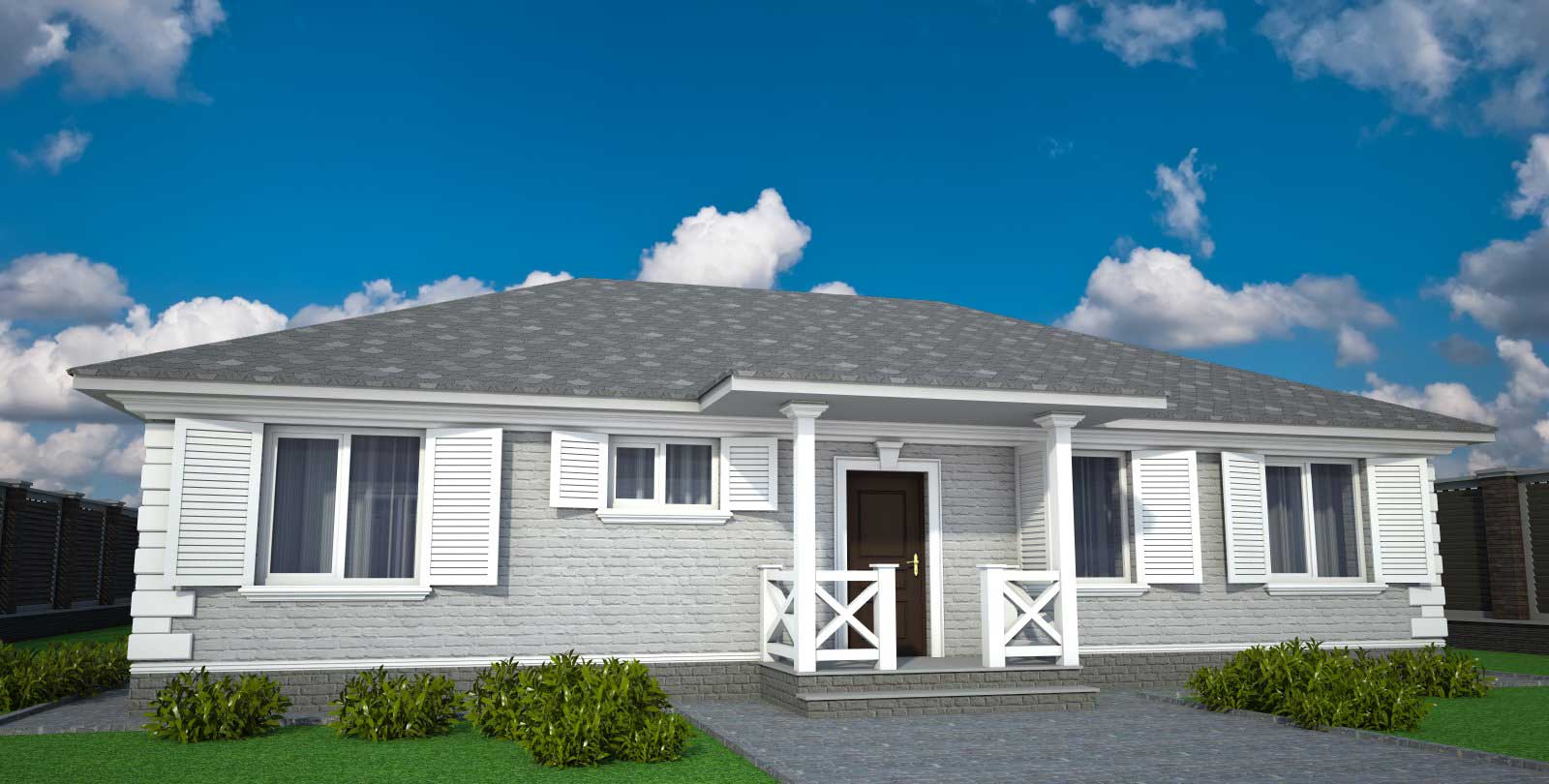

The secret to a white painted brick facade that ages well isn’t the color — it’s the finish and the roof pairing. Use a flat or low-sheen exterior masonry finish, not satin. Satin on white brick shows every water streak, every bird situation, every dust line from the eaves. Flat finish keeps those irregularities invisible. Pair white brick with a dark charcoal or black roof and you have the formula that dominates design publications right now. White brick with a light tan or beige roof looks flat and suburban by comparison — like the house was painted for a quick resale and nothing more.
The one color not worth using on brick? Warm off-white with yellow undertones against a brown or tan roof. You’d think warm-on-warm would work. It doesn’t. The house goes monochromatic in a way that reads muddy, not cohesive — especially in afternoon light when both the roof and wall colors shift toward orange simultaneously. Choose a cool white (SW Alabaster, BM Chantilly Lace OC-65) against warm-toned roofing, and let the temperature contrast do the visual work. For more on brick house exterior color combinations that actually hold up across styles and climates, the full color breakdown is worth reading before you commit to a shade.
Red Painted Brick Commits to a Statement No Neighbor Can Ignore
Red is not for everyone, and that’s exactly what makes it right for someone. A full red painted brick exterior is the design equivalent of wearing a red dress to a party — you either own it or you don’t. I’ve seen red brick facades done at around $2,200–$3,000 all-in on a standard two-story colonial, and when the trim, door, and roof pairings are correct, it’s the best-looking house on the street. No argument. The trick is committing to dark trim and not softening it with beige.
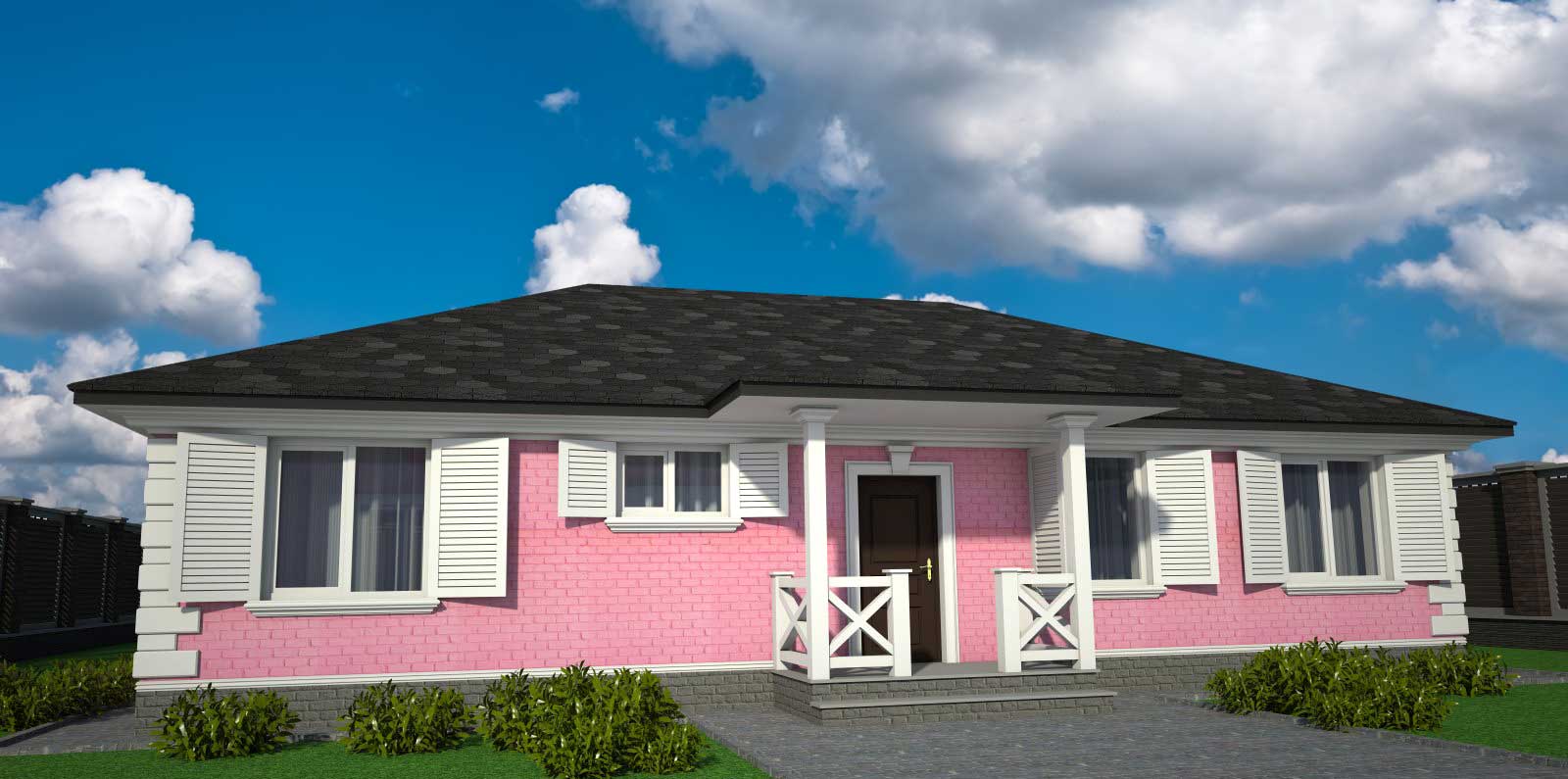

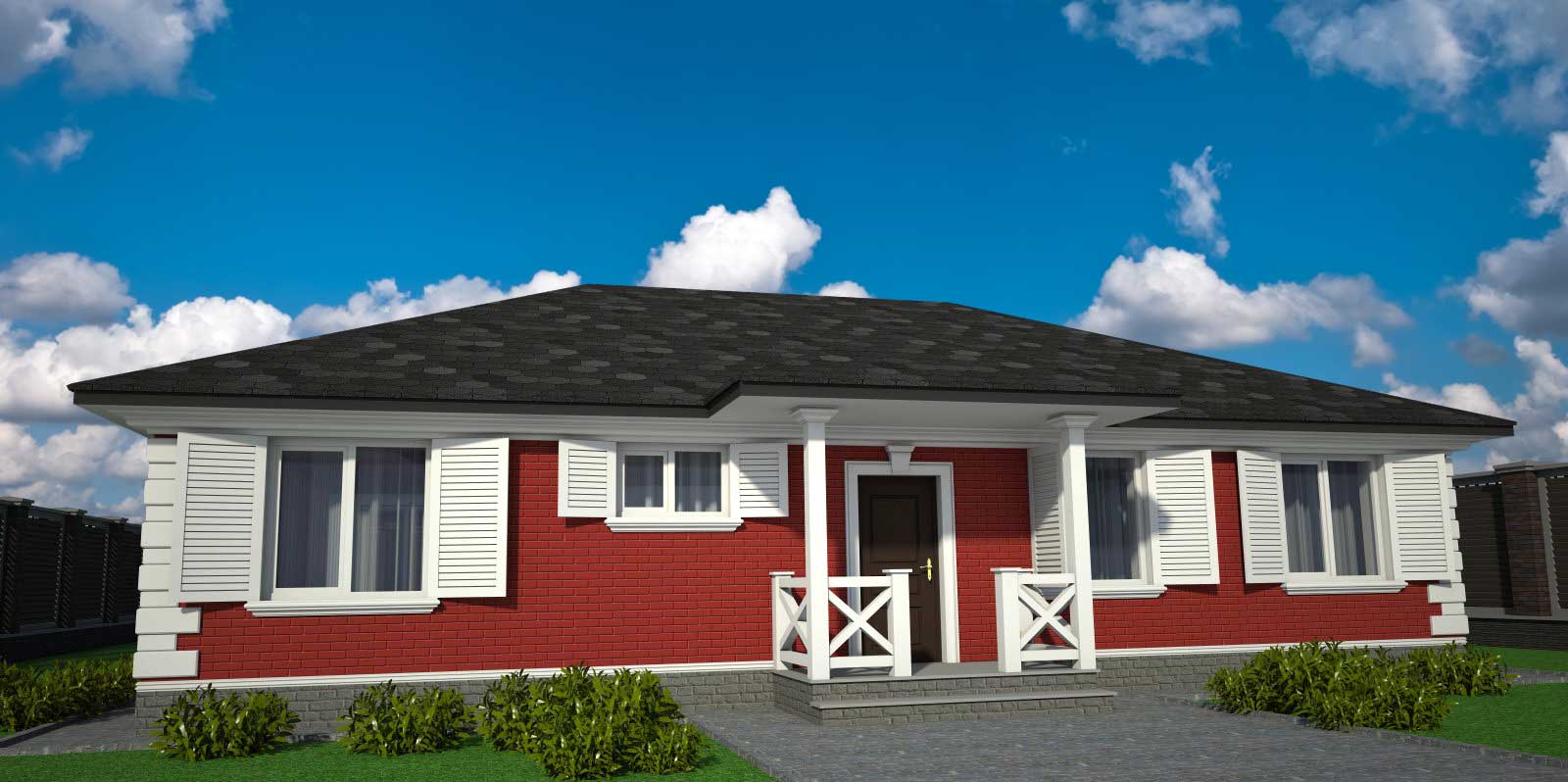

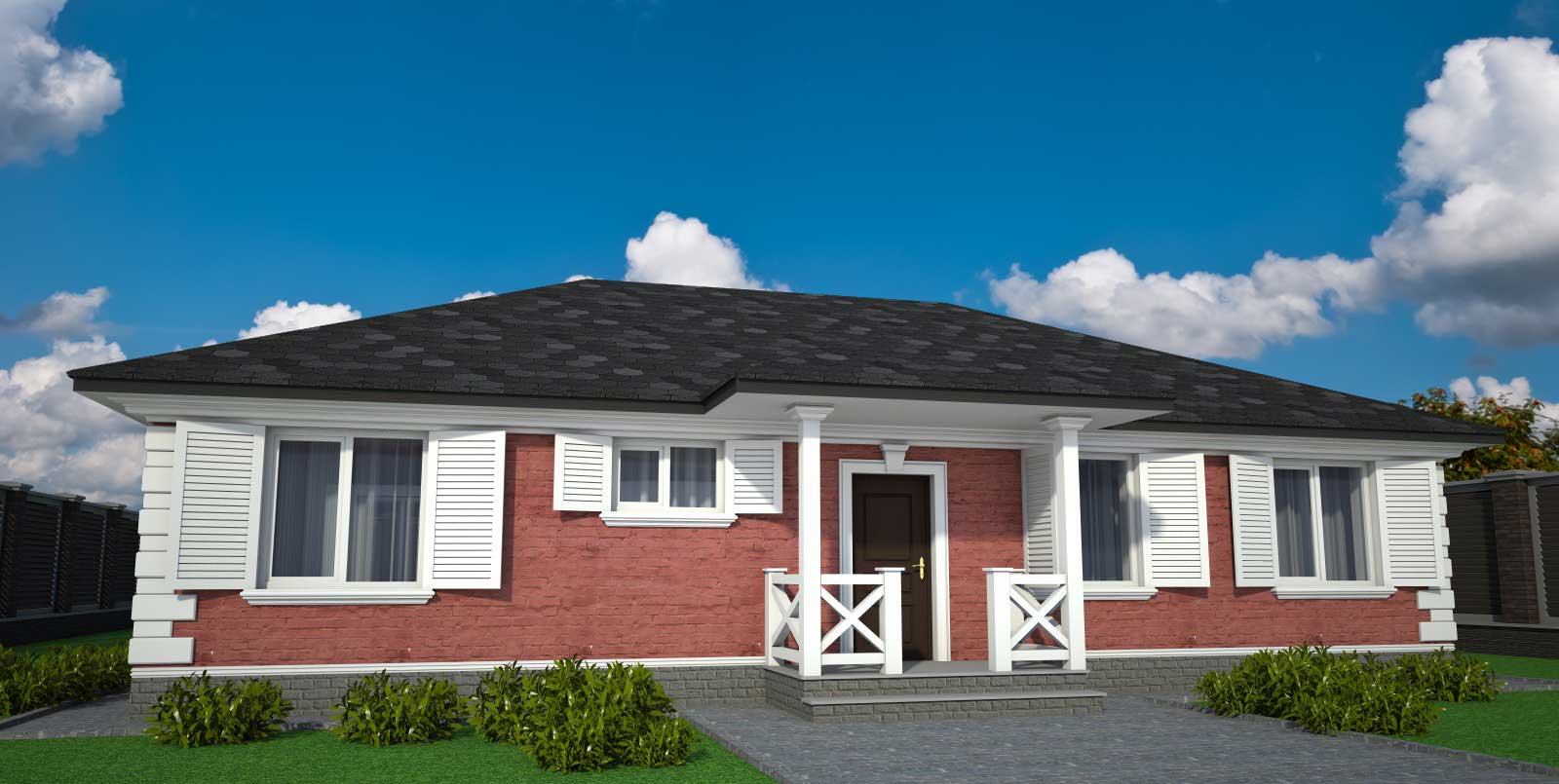
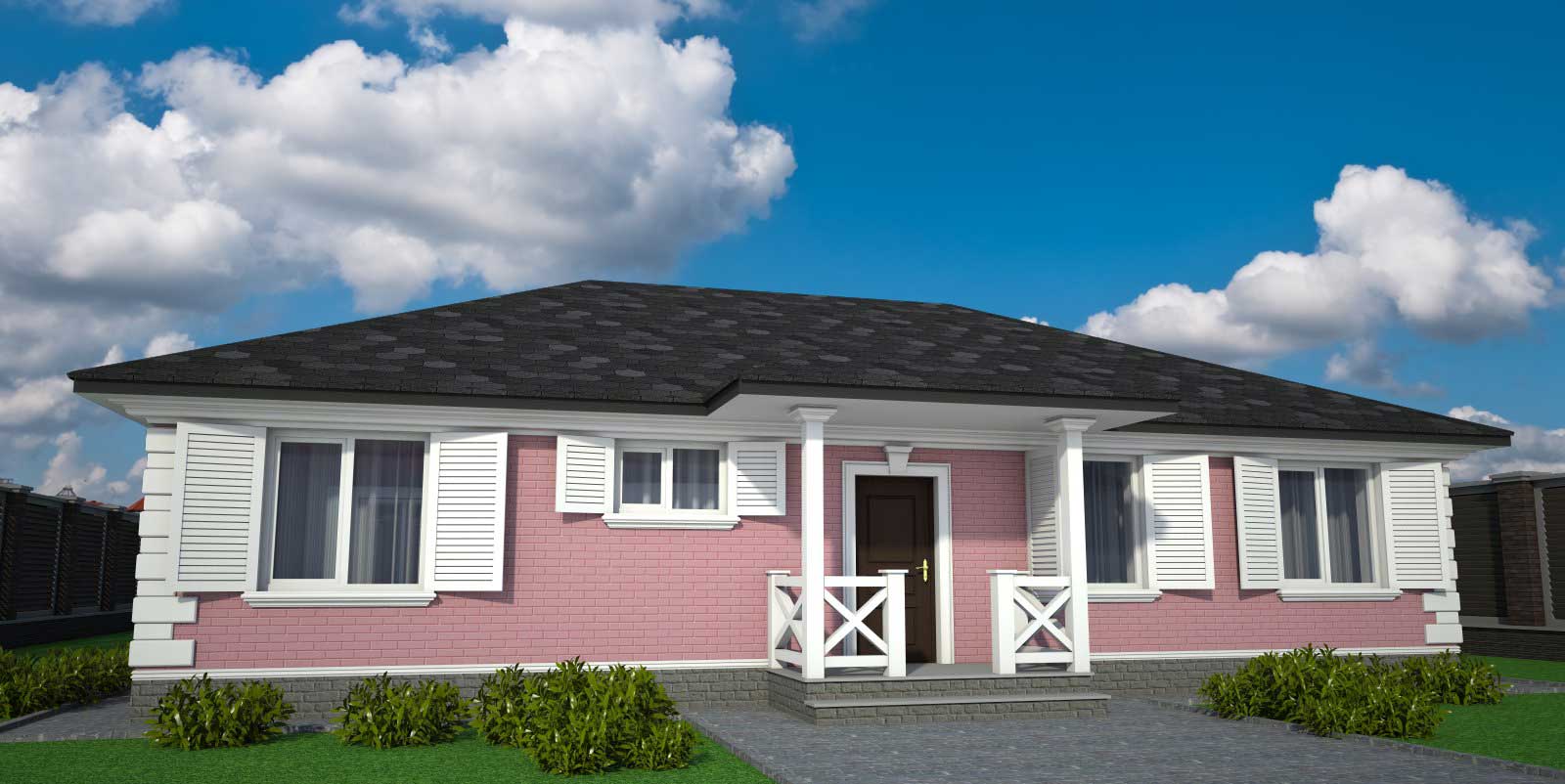

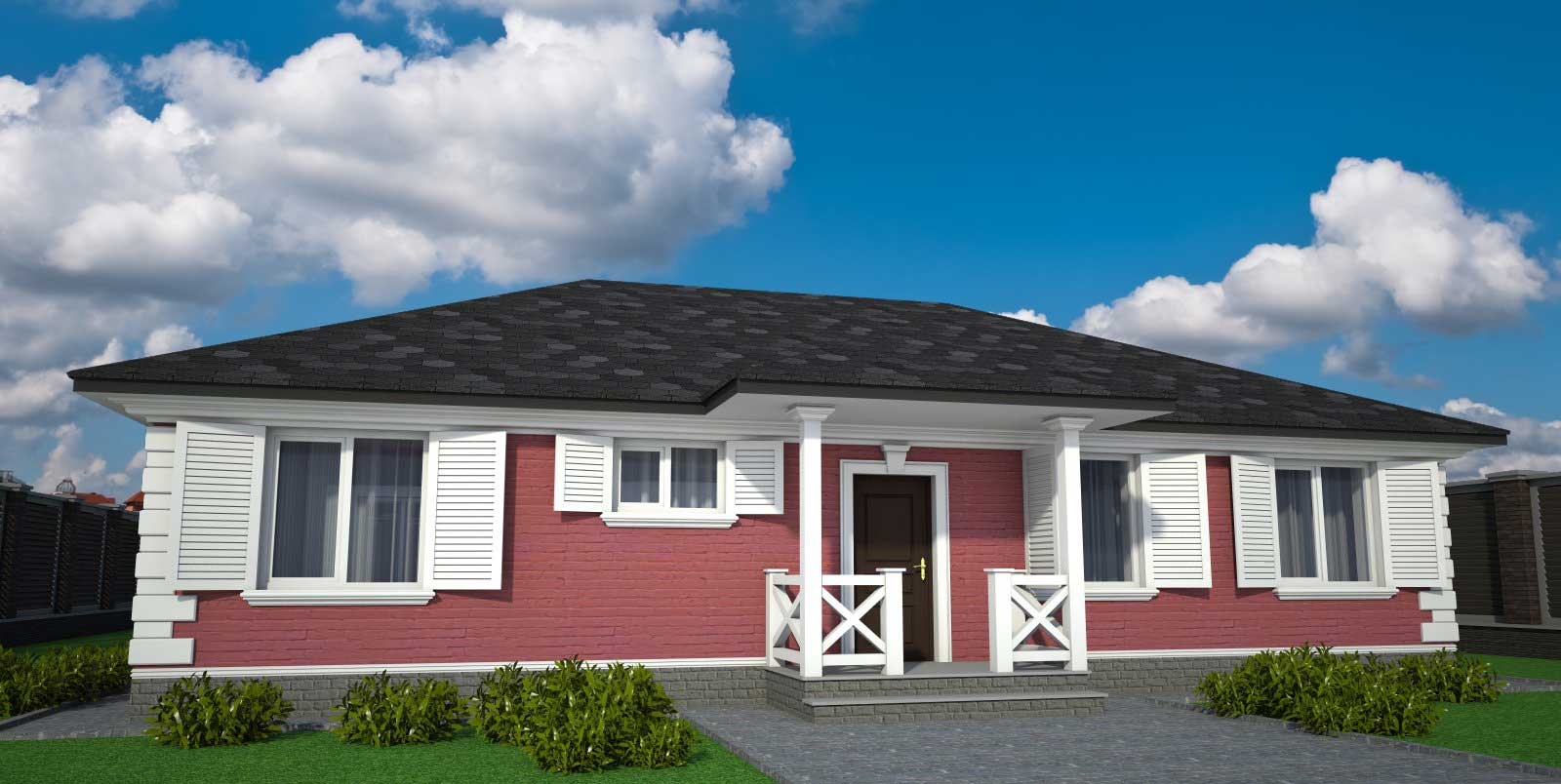
Sherwin-Williams Vermilion (SW 6870) is too orange for most brick reads — it shifts toward terracotta under afternoon sun. The red that works is deeper: try SW Reddened Earth (SW 6053) or Benjamin Moore Heritage Red (2080-10). Both sit in the barn-red family, which means they look intentionally classical rather than accidentally loud. White trim is the standard partner. You get a crisp, reliable colonial contrast that looks like the house has always been that way.
Door color is the make-or-break element on a red brick house. Navy blue, forest green, and matte black all work against deep red brick — I covered the three best door color picks for red brick houses in full detail separately. The one thing I’d add here: gold hardware on a navy or black door against red brick is exceptional. It’s not subtle, but it’s not trying to be. Brushed nickel on a red brick house looks like a catalog shortcut. Gold holds its own.
Yellow Brick Exterior Paint Gets Bolder Results with Darker Roof Pairings
Yellow painted brick homes are polarizing in photographs and universally loved in person. Standing in front of a yellow brick house on a sunny afternoon is like standing in front of a lit candle — the warmth radiates. Sherwin-Williams Lemon Verbena (SW 7700) is the version I’d test first. It sits between citrus and wheat, avoiding the extremes that age poorly. At roughly $87 per gallon in Duration Exterior, it’s the mid-range option with the best coverage on porous brick.

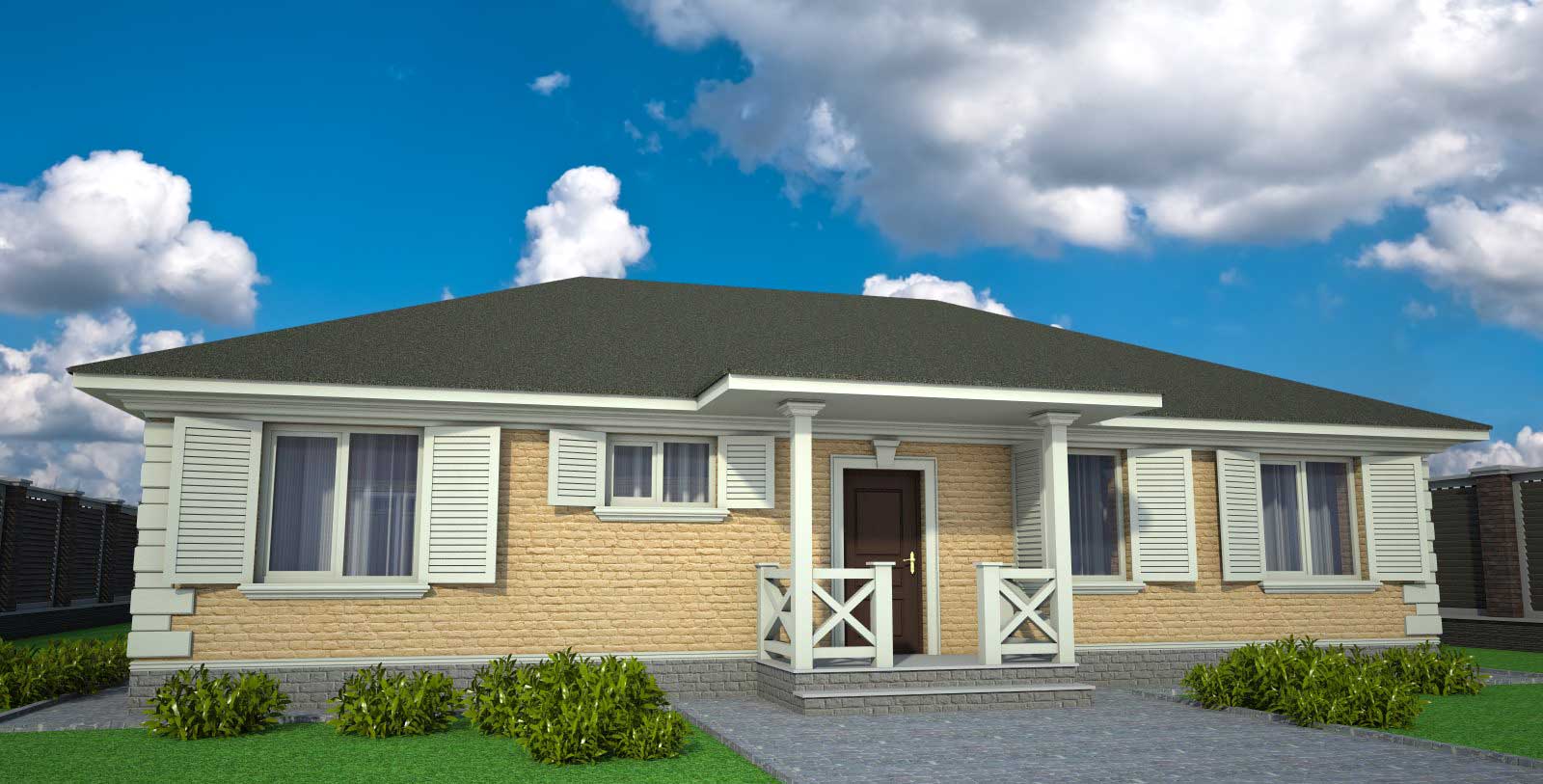


Both light and dark decorative finishes work against yellow brick — it’s the one facade color that genuinely accepts a wide range of trim partners. White trim looks bright and fresh on a yellow brick base. Charcoal trim looks contemporary. Even medium brown wood tones in shutters or garage doors read naturally against yellow, because the yellow-brown family already exists in nature as warmth. The pairing that doesn’t land: grey trim with a cool-toned yellow. The house looks seasick. Stick to warm grey (Dovetail, Accessible Beige direction) if grey is the plan.
Roof color is decisive. A dark charcoal or near-black asphalt roof against yellow brick is the combination that makes houses appear in design publications. It grounds the warmth, adds contrast, and reads as deliberate architecture rather than inherited exterior choices. A light tan or beige roof — unfortunately common in mid-century ranch homes — flattens a yellow facade into something that reads like a banana left in the sun too long. If you’re stuck with a warm light roof, drop your yellow one full shade darker than instinct suggests.
Blue Painted Brick Pulls Off Classic and Contemporary with One Decision
Blue painted brick is a classic that predates the current exterior design moment by about 200 years. English manor houses, New England colonials, French country estates — blue on brick shows up across architectural traditions because it genuinely works across all of them. The question is which blue. Benjamin Moore Hale Navy (HC-154) costs around $85 a gallon and is the version I come back to most. It photographs clean, ages clean, and holds its depth across seasons in a way that lighter blues absolutely do not.


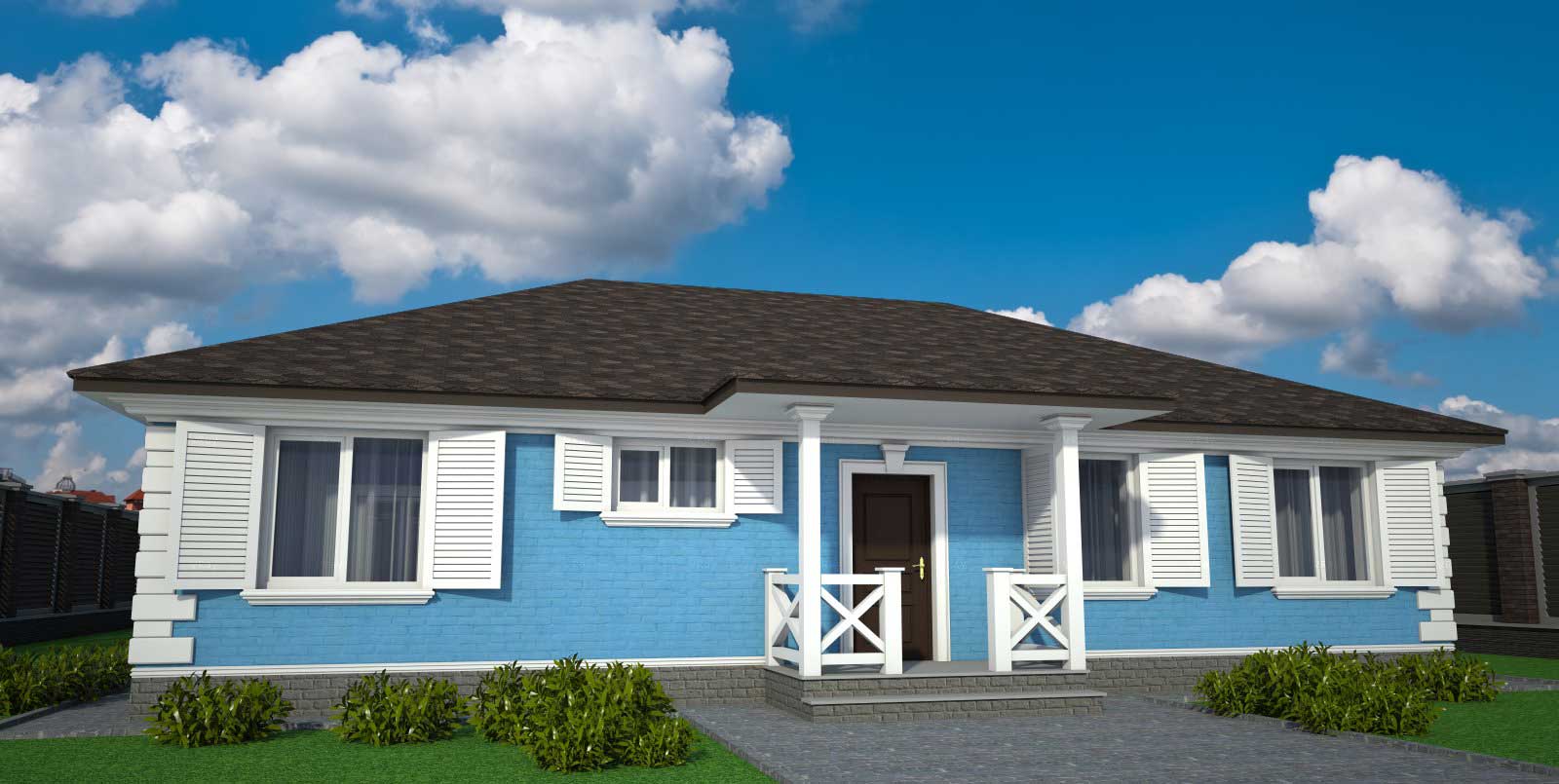

White trim with blue painted brick is the combination that earned the “classic” label because it delivers every single time without exception. Off-white trim — Benjamin Moore White Dove (OC-17) — softens the contrast slightly and prevents that clinical edge that pure white can create next to deep blue. Want modern instead of classic? Black windows and dark bronze fixtures against navy blue brick are the current look showing up in new builds across the Pacific Northwest and UK. The depth-on-depth combination works because the values are close enough not to fight each other.
Lighter blues are the version I’d steer away from on full exterior brick. Powder blue, sky blue, cornflower — all of them read charming in interior spaces and weathered on exterior brick within three years. The sun bleaches light-value blues unevenly, leaving the north-facing walls looking almost grey while the south-facing wall holds its hue. The result is a house that appears to be fading in one direction. If your heart is set on lighter blue, use it only on trim and shutters against a neutral grey or white brick base. For more exterior colour pairing logic, this breakdown of exterior paint colour combinations covers the technical side of undertone matching in depth.
Green Painted Brick Connects the Facade to Its Surroundings Rather Than Competing with Them
Deep green painted brick is one of the most underused options in the painted brick exterior category, which makes it the most distinctive choice you can currently make. Sherwin-Williams Hunt Club (SW 6468) and Benjamin Moore Forest Green (2047-10) are the two I’ve tested on masonry. Hunt Club reads forest-dark and serious. Forest Green reads warmer — closer to a hunter green that holds its depth in direct sunlight. Both come in at $85–$95 per gallon in a quality exterior masonry finish.
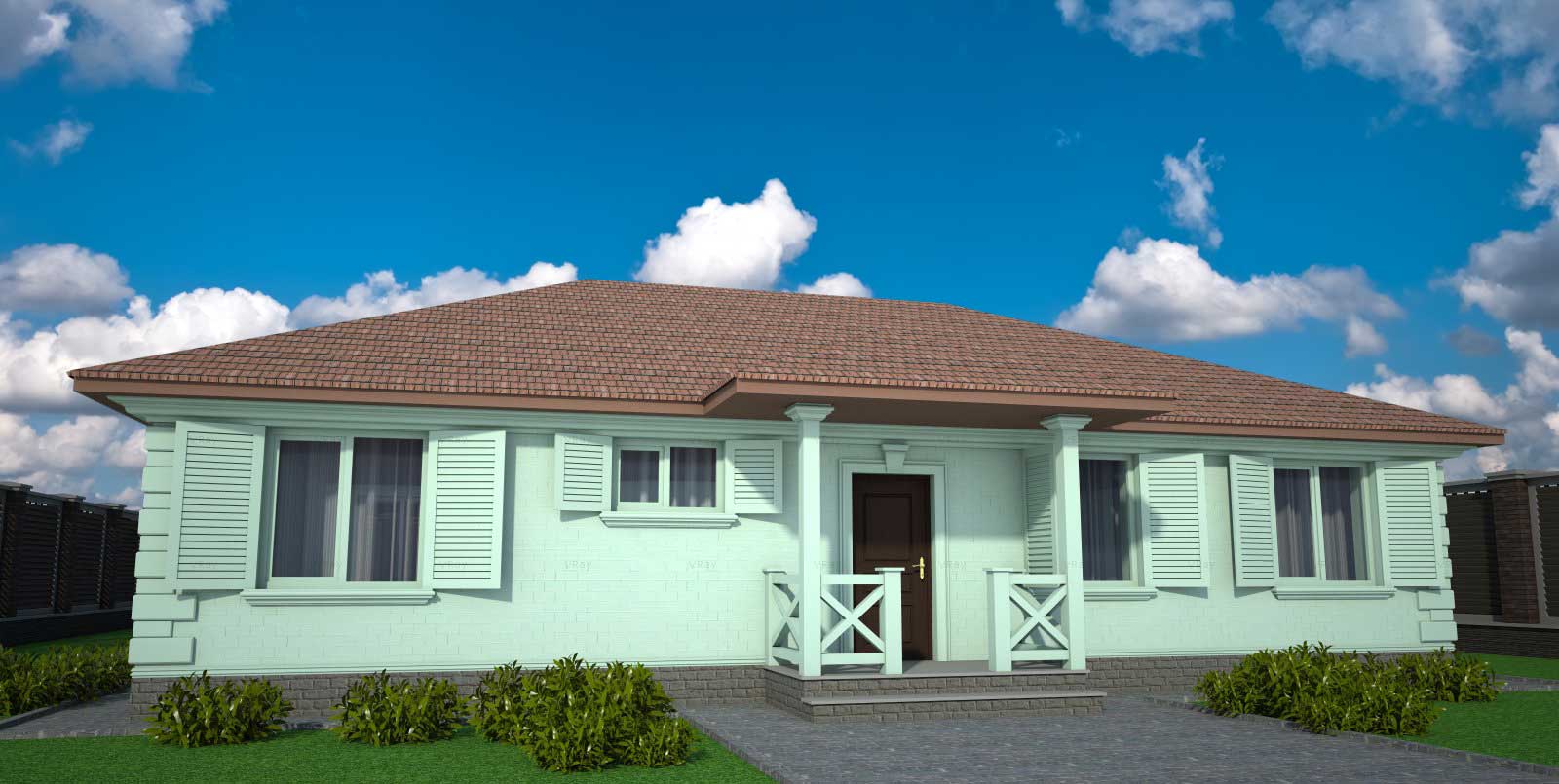
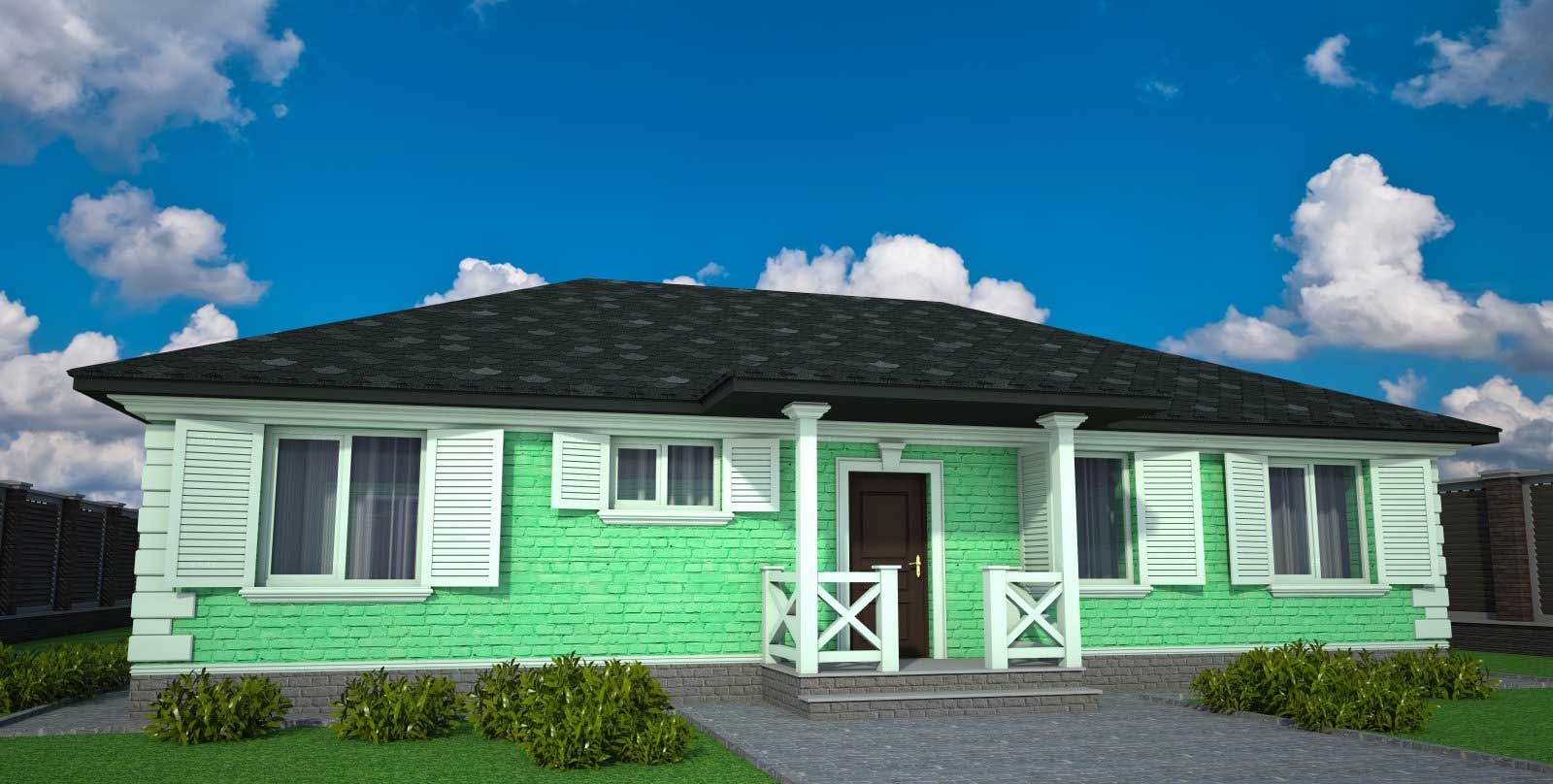
Green painted brick with various roof colors and decorative finishes achieves something other facade colors can’t: it blends into mature landscaping rather than fighting it. A dark green house sitting in front of tall mature trees looks like it grew there. That integration is something no grey or yellow facade achieves, however well executed. My go-to combo for green brick is white trim, black front door, copper or bronze hardware, and a dark slate or charcoal roof. The copper hardware against green brick looks like an expensive whiskey label — warm, specific, and impossible to ignore.
The anti-advice here: don’t use a medium or sage green on brick. Medium greens hit a grey-green territory under overcast skies and lose all their punch. They end up reading as “confused grey” rather than “intentional green.” If green is the move, go dark — dark enough that you feel slightly nervous about it. That’s the shade that works. Anything that reads “comfortable” on the sample card is two shades too light for exterior masonry.
Bottom Line
A Painted Brick Facade Is the Exterior Decision That Pays Back Twice — in Curb Appeal and in Resale
Pick your base color based on roof undertone first, then choose trim as the contrast anchor. Door color is the last decision — it’s also the cheapest one to redo if you get it wrong.
Always use a masonry-specific primer (Sherwin-Williams Loxon is the standard) and a breathable masonry paint. Standard latex on brick is a $3,000 mistake waiting three years to reveal itself.
Save this post — color names, product lines, and pairing logic included for every section above.
Related Topics
FAQ
What is the most popular color to paint a brick house exterior right now?
Does painting brick hurt the house or lower its value?
What front door colors work best on a painted brick house?
How much does it cost to paint the exterior of a brick house?
What paint should I use on exterior brick so it doesn't peel?
What painted brick colors look best on a modern house exterior?
Complete guide
Brick in Every Room and Facade Worth Seeing
Exteriors, interiors, patios, bathrooms, colors, patterns, materials — all in one place