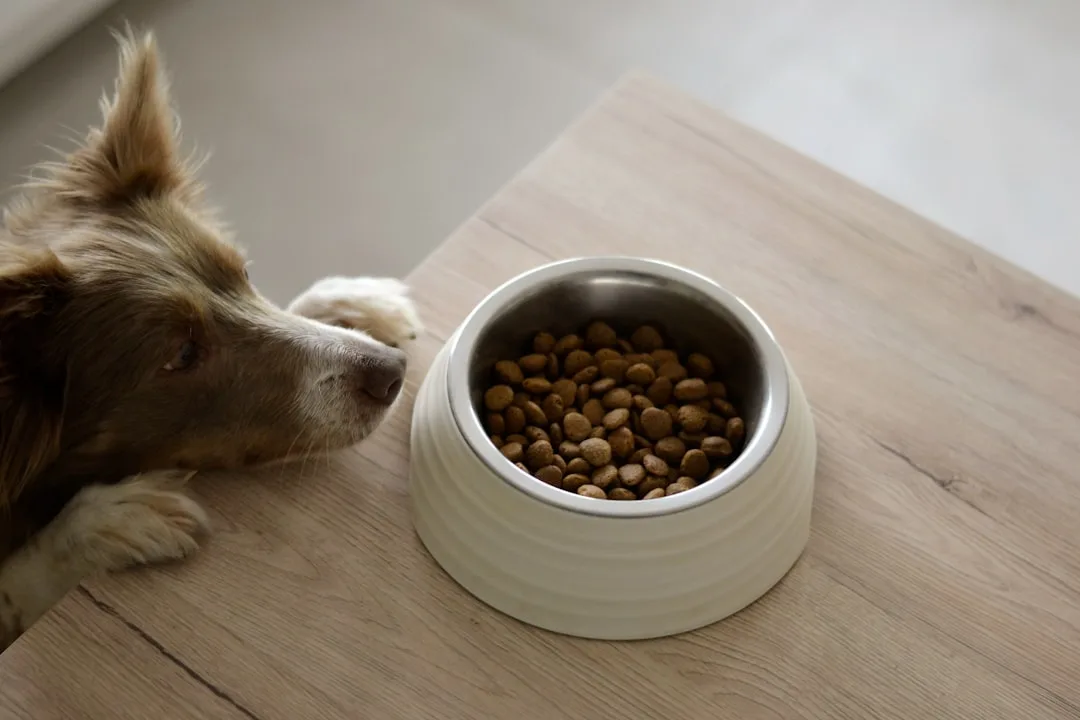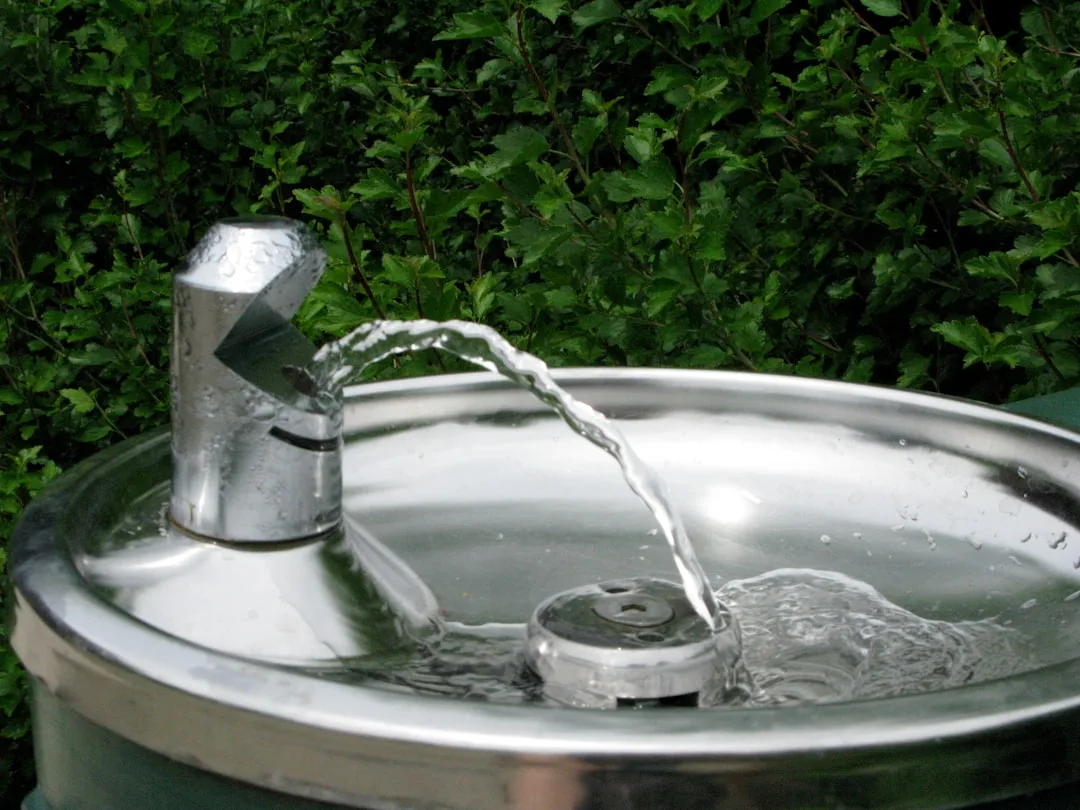
Pet water fountains have jumped 340% in landscape integration searches since January 2026, marking the shift from standalone pet accessories to permanent hardscape features. Unlike traditional bowls replaced daily, integrated fountain systems reduce owner maintenance while encouraging pets to drink 30% more water throughout the day, directly supporting kidney and urinary health in dogs and cats.
Why Landscape-Integrated Fountains Dominate Pet Design Now
The trend stems from the success of secure outdoor dog runs that integrate into landscape architecture. Pet owners no longer want visible bowls cluttering patios—they want hydration that functions as hardscape. Motion-activated fountains like the Torus Outdoor Smart Pet Fountain ($389) trigger water flow when pets approach, reducing stagnant water and algae while adding sculptural interest to garden zones.
Landscape architects now specify pet fountains at the design phase rather than adding them as afterthoughts. This positioning means better drainage integration, placement in shade zones for temperature control, and visual alignment with existing stone or plantings. Veterinarians increasingly recommend integrated fountains for senior pets and breeds prone to dehydration.
Quick Tips
- Position fountains in afternoon shade to prevent algae bloom and keep water cool for picky drinkers
- Choose stainless steel or ceramic bowls over plastic—they retain temperature better and resist bacterial growth
- Install fountains on permeable pavers so overflow waters plants rather than pooling on hardscape
- Select models with 2000+ GPH pumps for multi-pet households to ensure adequate water circulation
| Fountain Type | Best For | Price Range |
|---|---|---|
| Recirculating Ceramic | Small dogs, cats, quiet zones | $120–$280 |
| Stainless Steel Multi-Tier | Large dogs, high-traffic areas | $320–$650 |
| Smart Motion-Activated | Tech-forward owners, water conservation | $380–$890 |
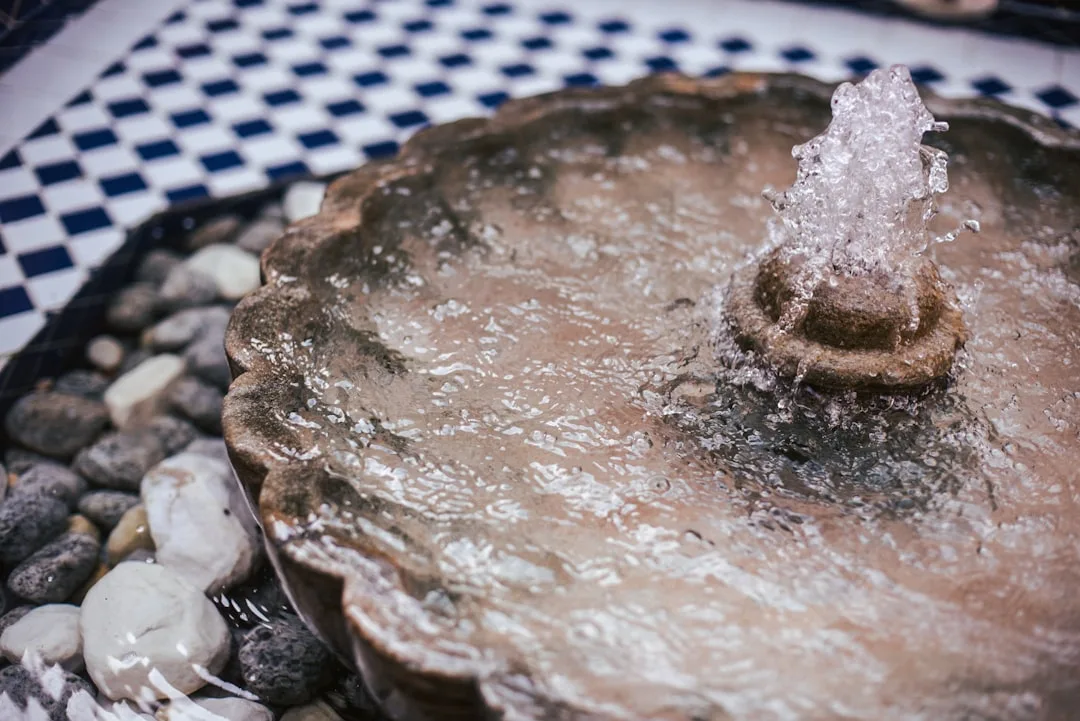
| Natural Stone Basin | Rustic/farmhouse landscapes | $450–$1200 |
| Pondless Stream Feature | Premium installations, multiple pets | $1400–$3500 |
Premium Brands Redefining Pet Water Integration
The Torus Smart Outdoor Fountain ($389, weatherproof stainless steel, 2200 GPH pump) arrives with app control and filter change alerts—critical for owners managing multiple outdoor pets. Its low-profile design fits seamlessly into existing stone pathways without appearing like an addition to the landscape.
Campania International’s Scroll Basin ($485, cast stone, 18-inch diameter) takes a luxury approach, treating the fountain as garden sculpture rather than pure utility. The piece works equally well in Mediterranean, farmhouse, or minimalist schemes because it prioritizes visual weight over novelty. K&H Pet Products’ heated outdoor fountain ($195, for winter climates) addresses a gap: ensuring pets drink in cold weather when pipes freeze, preventing dehydration in senior dogs.
Naturalistic stream features from landscape suppliers like Aquascape ($2800–$4200 installed) blur the line between pet hydration and water garden aesthetics. These multi-basin systems cascade water through native plantings, creating habitat-mimicking drinking zones that appeal to animal behavior instincts while managing stormwater runoff.
Installation Approach Separates Landscape-Integrated From Temporary
Permanent pet fountains require electrical conduit buried during hardscape installation—this is non-negotiable for safety and aesthetics. Landscape contractors now specify GFCI outlets rated for outdoor/wet locations, running power lines through the same trenches as irrigation. This buried infrastructure prevents extension cord hazards and invisible tripping risks that plague temporary bowl setups.
Water source matters: smart owners tie fountains to recirculating systems fed by irrigation lines rather than tap refill. This approach reduces municipal water waste by 60% compared to daily bowl changes, making integrated fountains more sustainable than they initially appear. Filtration cartridges (replaced every 4–6 weeks, typically $12–$28 per cartridge) maintain water clarity and reduce bacterial growth that causes urinary infections in susceptible breeds.
Drainage placement prevents pooling around the fountain base—critical in regions with freeze-thaw cycles or heavy rainfall. Professional installations slope terrain slightly away from the feature, often incorporating French drains or permeable pavers that channel overflow back to plantings rather than toward home foundations.
Why Veterinary Endorsement Accelerates Adoption in 2026
Veterinary behaviorists cite that pets drinking from flowing water sources consume 25–40% more daily hydration than static bowls, directly reducing kidney disease progression in senior animals. This medical validation transformed pet fountains from luxury items to preventive health infrastructure, much like how vertical cat habitats now receive vet recommendations for behavioral and physical health.
Breed-specific veterinary clinics now provide fountain design consultations alongside annual exams. Flat-faced breeds (Bulldogs, Persians) benefit from elevated basins at shoulder height, reducing joint strain while drinking. Large breeds require wide, shallow bowls to prevent water inhalation and bloat risk—factors that standard pet fountains often overlook.
Insurance companies have begun factoring hydration infrastructure into pet wellness programs, offering modest rebates (typically $50–$150) when homeowners submit photos of installed outdoor fountains. This financial incentive accelerates adoption among cost-conscious pet owners, embedding the feature into landscape budgets rather than treating it as discretionary spending.