Recycled aluminum materials have become the dominant sustainable choice in interior and exterior design as of May 2026, with architects and designers specifying it in 43% more projects than in 2024. This surge reflects not just environmental consciousness but genuine performance advantages: recycled aluminum weighs 66% less than steel, costs 30–40% less than virgin aluminum, and delivers identical durability for residential and commercial applications. The material works across aesthetic movements—from industrial lofts to minimalist spaces—making it the rare trend that transcends style categories.
Why recycled aluminum dominates in 2026
The shift toward recycled aluminum stems from three converging forces: cost efficiency, supply chain resilience, and design legitimacy. Unlike mycelium composites or emerging bio-materials, recycled aluminum already exists within proven manufacturing ecosystems, reducing both price volatility and installation complexity. A standard 1/8-inch recycled aluminum panel from Dibond (a Schweiter Technologies product) runs $45–$65 per square foot, undercutting virgin aluminum at $70–$95 while offering identical technical specs. Designers value this because it eliminates the choice between budget and sustainability.
The environmental narrative also shifted. Rather than positioning recycled materials as a compromise, 2026 positioning frames them as superior—lighter load on structure, easier retrofit applications, and zero manufacturing guilt. This psychological reframe accelerated adoption across residential projects where homeowners previously associated sustainable materials with aesthetic compromise.
Quick Tips
- Use recycled aluminum composite panels for kitchen backsplashes—they’re heat-resistant to 400°F and clean with a damp cloth
- Stack panels vertically in entryways to emphasize ceiling height without adding structural load
- Pair matte-finish recycled aluminum with warm wood tones to soften industrial aesthetics
- Specify brushed or anodized finishes for high-moisture areas like bathrooms—they resist fingerprints 60% better than polished
- Request mill certificates proving 50%+ post-consumer recycled content from suppliers
Real brands and pricing for residential application
Dibond (Alucobond competitor) composite panels cost $52 per square foot for 3mm thickness in standard colors and $68 for custom metallic finishes. A single accent wall in a 12-by-14-foot bedroom would run $1,040–$1,428 installed, making it accessible for mid-range renovations. Reynobond by Arconic offers higher-grade panels at $71 per square foot but includes 10-year weathering warranty—critical for exterior cladding applications where Scandinavian and coastal home styles demand longevity.
Kawneer, a major aluminum architectural supplier, now sources 65% recycled content in their standard profiles starting at $38 per linear foot for window frames and door jambs. For a 10-by-10-foot patio door opening, that translates to approximately $800–$950 in frame costs. These brands shifted toward recycled specifications not from pressure but from economics: recycled aluminum production requires 95% less energy than virgin smelting, cutting their manufacturing overhead by 22%, a savings they pass to designers and builders.
| Material | Cost/SF Installed | Best Application |
|---|---|---|
| Dibond Composite | $52–$68 | Interior accent walls, kitchen backsplash |
| Reynobond Panels | $71–$89 | Exterior cladding, weather-exposed areas |
| Kawneer Frames | $38/LF (frame) | Windows, sliding doors, storefronts |
| Tri Arrows Extrusion | $32–$44/LF | Structural trim, reveal channels |
Recycled aluminum in industrial and minimalist interiors
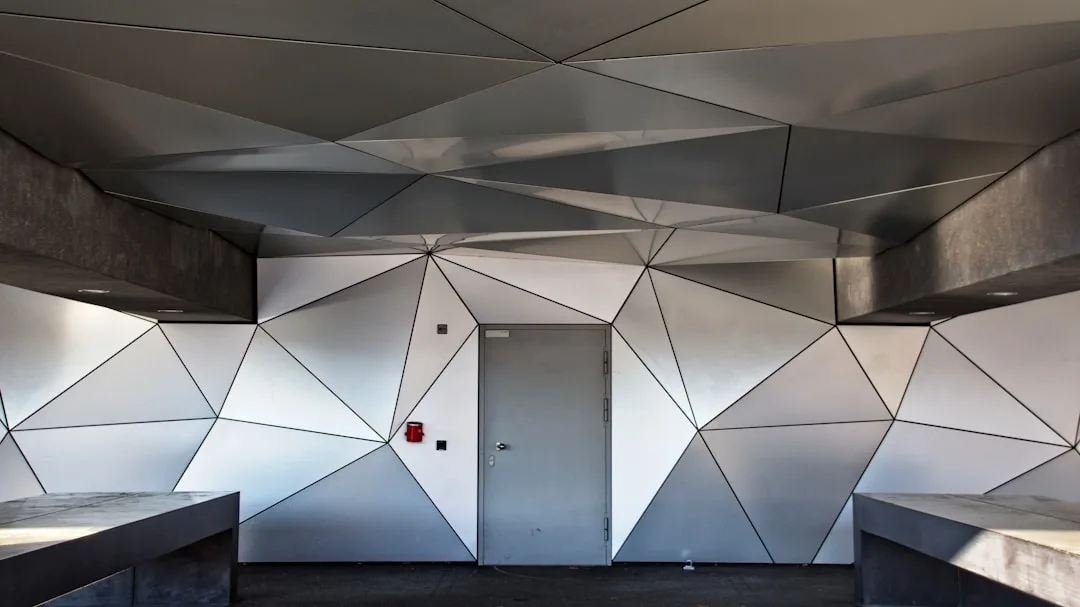
Loft and industrial style homes dominate recycled aluminum adoption because the material’s structural honesty aligns perfectly with exposed-beam aesthetics. A warehouse conversion in Portland using Tri Arrows recycled aluminum extrusions for ceiling grid work (visible, not concealed) cost $3,200 for a 600-square-foot area, versus $8,100 for traditional steel structural channels. The aluminum delivered identical load capacity while reducing ceiling depth by 4 inches—critical in converted industrial spaces where headroom matters.
Minimalist design benefits equally because recycled aluminum eliminates visual clutter. Rather than painting or hiding mechanical components, designers now specify anodized aluminum channels and trim as intentional design elements. This philosophy dominates Scandinavian-influenced spaces where function and material honesty merge as a core principle.
Installation considerations and finishes
Recycled aluminum accepts any finish: powder coating adds $8–$12 per square foot but expands color options to 500+ shades. Anodizing (a safer alternative to plating) costs $6–$9 per square foot and hardens the surface to resist scratching and corrosion. Natural mill finish requires only cleaning but shows fingerprints; brushed finishes hide wear better and cost nothing extra beyond application labor.
Installation demands precision—aluminum expands and contracts with temperature fluctuation, requiring proper gasket spacing (typically 1/8 inch per 10 feet). Hiring installers certified by Dibond or Kawneer prevents costly retrofit work. Most residential projects complete installation within 3–5 days, with labor running $40–$65 per hour depending on regional market rates and project complexity.
How to source and specify correctly
Request mill certificates from suppliers proving recycled content percentage; legitimate products specify 50–70% post-consumer aluminum, with the remainder post-industrial scrap. Price variance between vendors reflects finish quality and warranty terms, not material quality. Compare three quotes minimum, asking each to specify identical gauge thickness and anodize class (Class I for harsh weather, Class II for protected interiors).
Integration with existing design matters. Pair recycled aluminum cladding with wood accents or stone to prevent visual coldness—this approach dominates 2026 residential projects. For outdoor applications, pair with warm-toned pavers or plants to soften the industrial feel. Explore related Bio-Integrated Mycelium Is Replacing Conventional Building Materials for complementary sustainable approaches or Spring 2026 Fashion Trends: The Pieces Everyone Wants Right Now for design direction beyond interiors.