The Single-Material Facade Is Finished
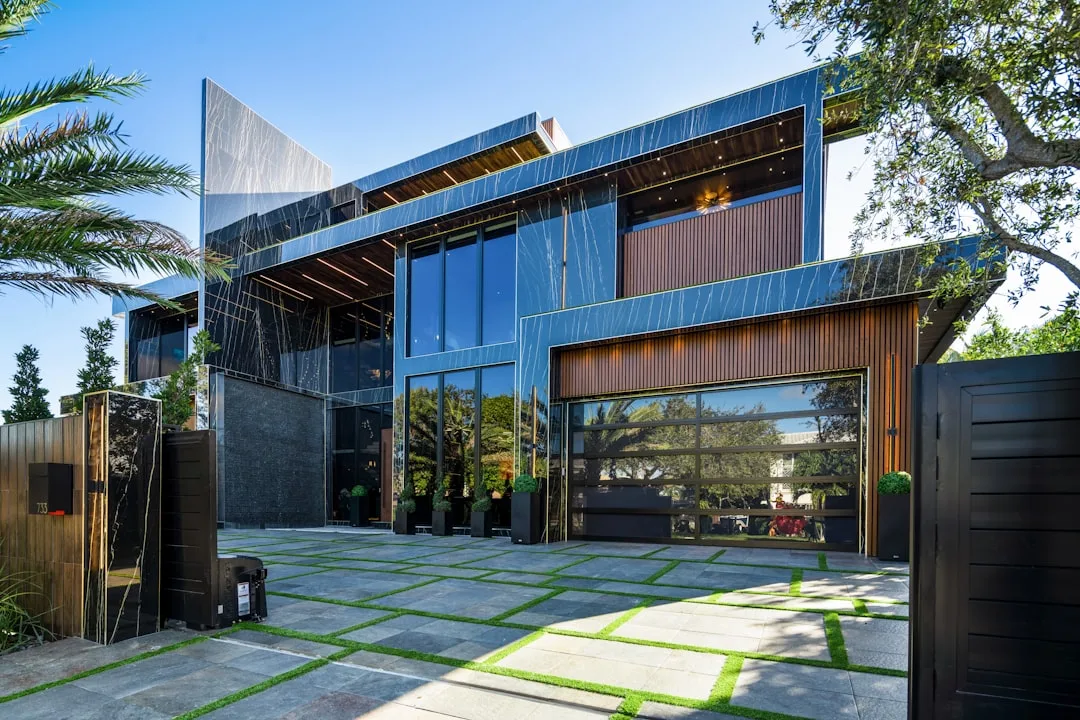
For roughly a decade, the dominant exterior language was uniformity: all-white stucco, unbroken fiber cement board, or wall-to-wall brick. Clean, fast, photogenic. And now, definitively over. The renovation projects gaining the most traction entering spring 2026 share a common denominator — they combine at minimum two, often three distinct cladding materials on a single facade. This is not eclecticism for its own sake. It is a design-forward response to a market that has grown fluent in architecture and demands more from its buildings.
Industry data underscores the momentum. The 2026 U.S. Houzz & Home Study, fielded between January and March 2026 with over 20,000 respondents, confirmed that high-end renovation activity is accelerating, with the top 10% of projects now reaching $150,000 or more — up from $140,000 the prior year. Exterior upgrades anchored by material layering are among the primary drivers of that premium spend. Meanwhile, Harvard’s Joint Center for Housing Studies projects annual owner-occupied improvement spending will hit a record $524 billion in early 2026. Homeowners are not spending less; they are spending more deliberately.
Why Layered Cladding Works — Structurally and Visually
The logic behind mixed-material exteriors is not purely aesthetic. Each material brings a distinct performance profile. Fiber cement — favored by firms like James Hardie — resists moisture, fire, and pest intrusion across all climate zones. Natural stone, whether full-depth or thin-veneer, adds thermal mass and essentially zero maintenance over a 30-year horizon. Metal panels — pre-weathered Corten steel, matte-finish aluminum, and standing-seam zinc cladding by manufacturers like RHEINZINK — introduce reflectivity, modernity, and longevity that composite materials cannot replicate. Engineered wood products from Accoya and Kebony, acetylated for dimensional stability, round out the palette with warmth and texture that cold materials lack.
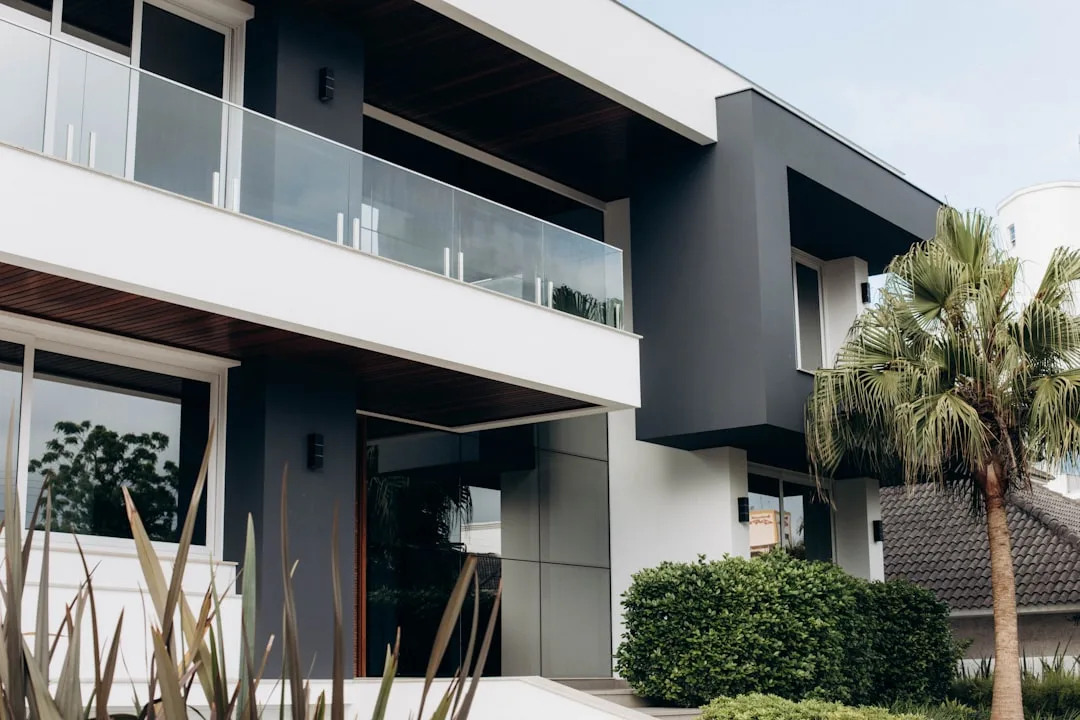
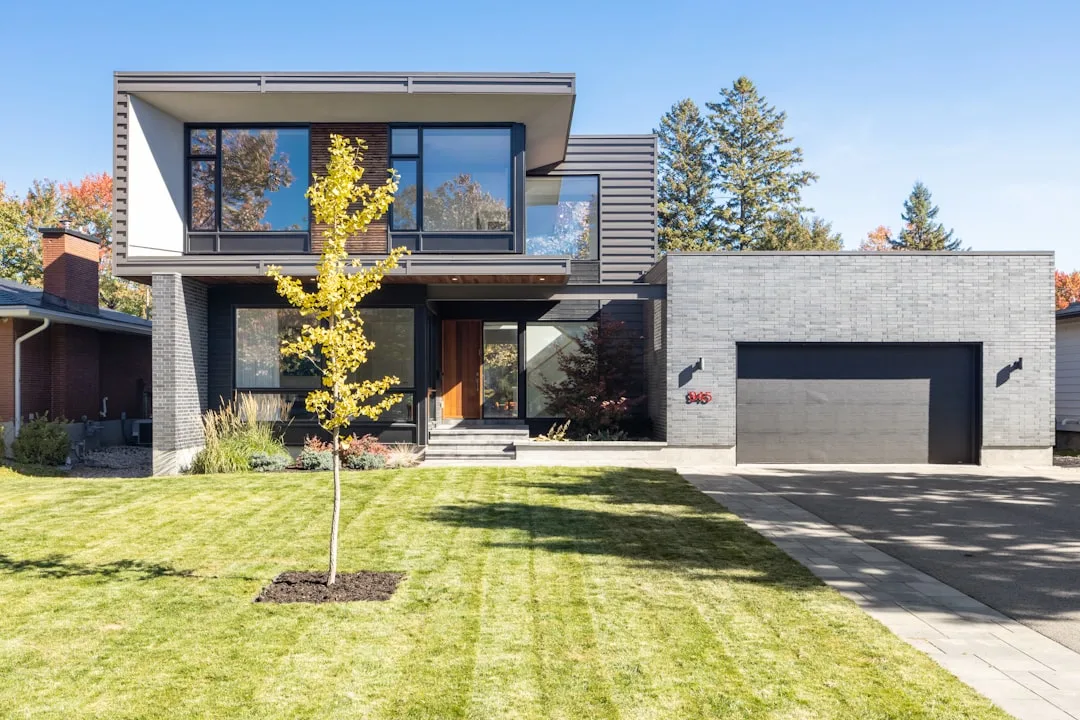
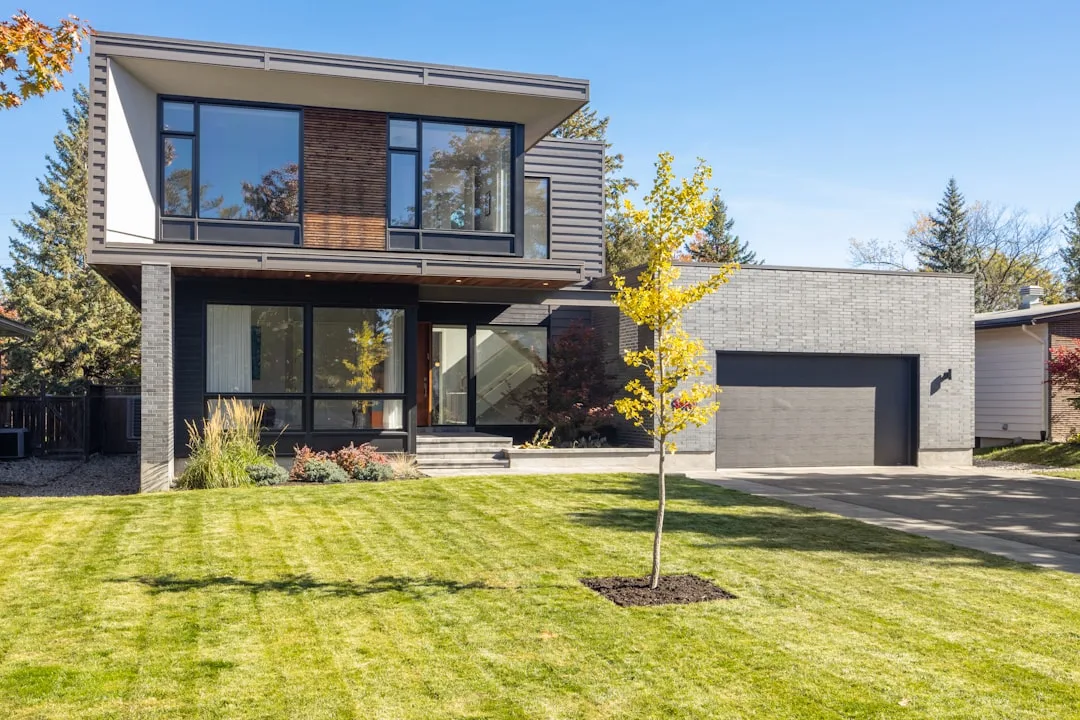
When these are combined thoughtfully — stone at the base, fiber cement mid-field, metal or wood as a horizontal accent band — the result reads as custom-built rather than developer-grade. Buyers associate mixed-material exteriors with higher-end architecture, which is why real estate professionals are increasingly flagging them as a meaningful differentiator in competitive listing markets.
The Architects and Designers Pushing the Conversation
This is not a contractor-led movement. It originates with architects. Firms like Snøhetta, Olson Kundig, and Studio Gang have spent years articulating buildings through deliberate material contrast — masonry base, glass mid-section, raw steel accent — at an institutional scale. That vocabulary has migrated steadily downward into residential work. By 2024, regional design-build firms from Austin to Portland were routinely specifying three-material facades on homes in the $800,000–$1.5 million range. By early 2026, the approach has diffused into mid-market renovation work, with contractors in Southern California, Seattle, and the Northeast reporting consistent client requests for layered exterior schemes. For a deeper look at the architectural thinking behind material-driven design, the legacy of Great World & Most Famous Architects makes clear that material honesty has always been a hallmark of buildings that endure.
Performance Over Flash: The 2026 Renovation Mindset
What makes this moment distinct is the motivation behind the spending. Homeowners in 2026 have moved away from purely cosmetic renovation logic. The biggest shift is scope: people are choosing larger, more complex renovations designed for long-term livability rather than short-term resale flips. Mixed-material exteriors embody that ethos precisely — they require more upfront planning, more coordination between trades, and more material knowledge than a single-product solution. But the return, both in performance and perceived value, justifies the complexity.
Nearly 48% of U.S. owner-occupied homes were built before 1980, and that aging stock demands updates to roofing, cladding, insulation, and structural envelope systems simultaneously. A mixed-material re-cladding project addresses all of those needs in one comprehensive intervention — new weather barrier, updated insulation layer, and a redesigned visual identity. That bundled logic is exactly what the 2026 renovation market rewards. And if you’re thinking about complementary upgrades to your building envelope, the case for pairing exterior cladding work with roofing and accent materials is well articulated in Elevate Your Home Renovation with Metal Roofing and Copper Lighting — metal’s durability story applies equally above and alongside the wall plane.
How to Execute It Without Getting It Wrong
The most common failure in mixed-material exteriors is overcomplication. Three materials is almost always the ceiling; four becomes visual noise. The rule applied most consistently by leading residential architects is the rule of three: one dominant cladding covering 60–70% of the facade, one secondary material covering 20–30%, and one accent material — typically the most expensive or visually active — used sparingly at entries, soffits, or horizontal banding. Color harmony matters as much as material selection: warm woods pair with weathered metal and warm-toned stone; cool fiber cement reads best against zinc or dark steel.
Budget realistically. A mixed-material re-clad on a 2,000-square-foot exterior, including new weather barrier, framing repairs, and three distinct cladding products professionally installed, typically runs $40,000–$85,000 in major metros as of Q1 2026. That figure rises with stone percentage and metal panel specification. The ROI calculus, however, is compelling: homes with updated, architecturally considered exteriors are consistently outperforming comparable listings in both time-on-market and final sale price in markets where renovation activity is highest — Southern California, the Pacific Northwest, and New England.
The Bottom Line
Mixed-material exteriors are not a passing aesthetic. They are the logical convergence of three durable forces: aging housing stock demanding comprehensive envelope upgrades, a homeowner class that has become architecturally literate, and a market that finally rewards long-term investment over cosmetic shortcuts. If you are planning an exterior renovation in 2026, the question is no longer whether to layer materials — it is which three you choose and how precisely you deploy them.
Complete guide
The Minimalist Style Guide That Covers Every Room, Surface and Outfit
Interiors, exteriors, kitchens, bedrooms, fashion, hair — all in one place
Complete guide
Exterior Decor Ideas Every Homeowner Should Know
Facade trim, moldings, patio design, garden, hardscape, outdoor living — all in one place