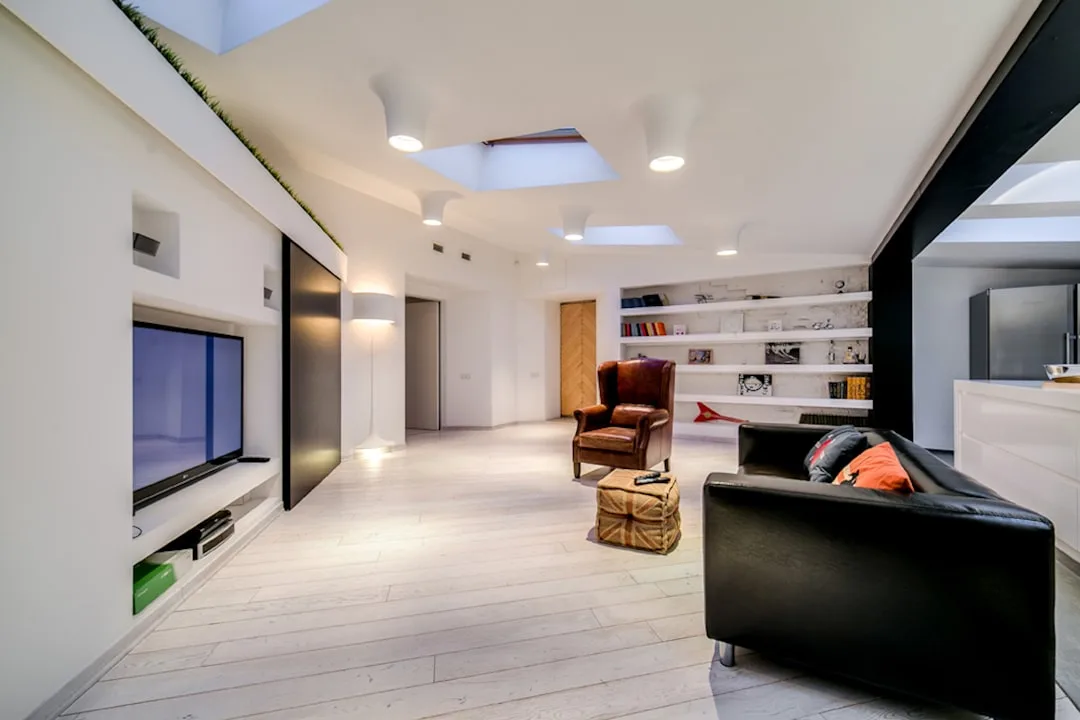
Hidden smart home technology is no longer a luxury add-on—it’s becoming the baseline expectation for how homes actually work in 2026. But here’s what’s shifted: homeowners have stopped caring about visible gadgets. They want technology that disappears into the walls, the floors, and the systems that already run their homes.
The “smart money” is on hidden, integrated systems that support comfort, energy efficiency and resilience to expected future electricity shortages. This represents a fundamental departure from the smart home trend of the last five years, where sleek devices and touch screens were status symbols.
Why Invisible Beats Impressive
Homeowners renovating in 2026 are prioritizing what systems *do* over what they *look like*. 2026 is about creating homes that feel like sanctuaries, with spaces that combine high performance in energy efficiency and state of the art building science, with spa-grade amenities like saunas, ambient lighting, and acoustic comfort.
In the age of technology when homeowners are busier than ever, convenience is a driving force behind many of the year’s most popular renovations. Smart home projects are up by 33% and electrical work is up by 20%, reflecting a demand for upgrades that make rooms more connected and adaptable.
The difference is intention. A voice-activated light is nice. A lighting system that adapts automatically to circadian rhythms while cutting energy consumption by 40%? That’s what actually sells renovations now.
Performance-Driven Systems Over Flashy Gadgets
Solar panels, heat-pump electrification, induction cooking, high-performance glazing, and unseen automated controls are becoming more popular, with code and policy pushes especially on the East and West Coast that will gradually influence broader remodeling markets.
Real-world examples show this trend across premium brands. Lutron lighting systems, which operate entirely through hidden infrastructure, have become standard in high-end renovations. Josh.ai voice automation, which integrates silently into existing systems, is expanding into mainstream projects. These aren’t flashy—they’re efficient.
Homeowners are bundling these upgrades strategically. A professional exterior renovation contractor often bundles these upgrades into full exterior remodeling plans, allowing better long-term performance. The integration matters more than any single feature.
The Sanctuary Standard: Why Performance Feels Like Wellness
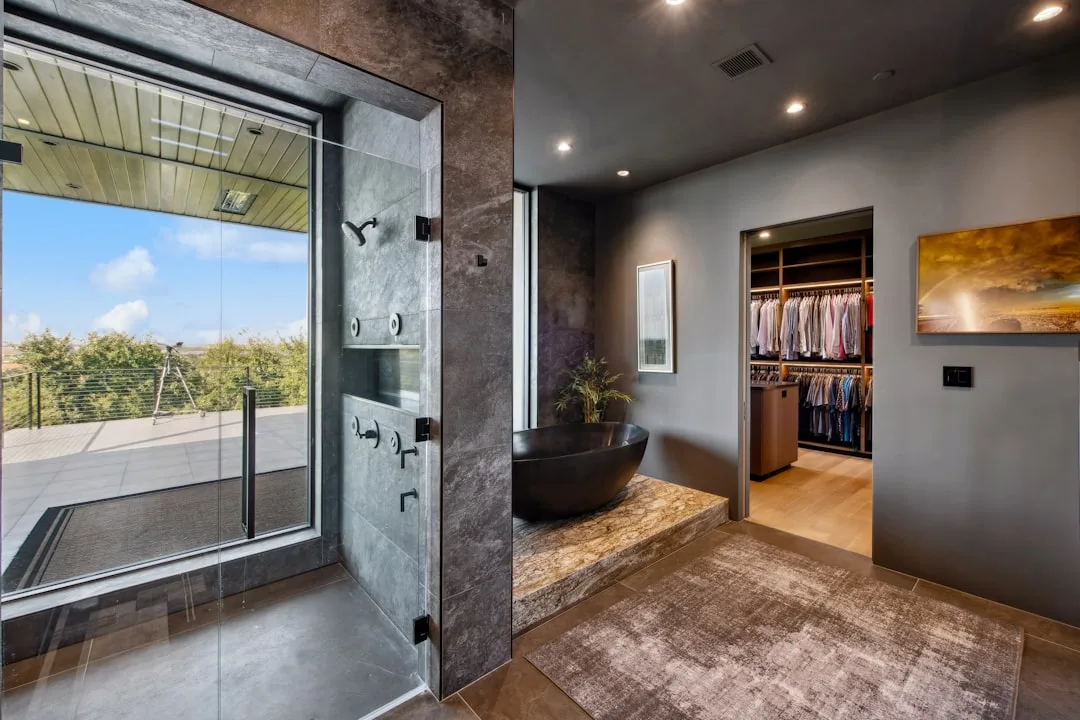
Hidden smart technology aligns perfectly with 2026’s dominant wellness trend. Bathrooms in 2026 are all about indulgence, with spa-like retreats featuring soaking tubs, walk-in showers, heated floors, and calming textures, where soft lighting, natural stone, and modern fixtures transform these spaces into sanctuaries for relaxation and self-care.
Heated floors, programmable showers, and automated lighting aren’t luxuries anymore—they’re foundational to how a space *feels*. But none of this requires visible wiring or control panels. Everything is embedded. Everything works silently.
Hidden Technology Supports Aging in Place Without Compromise
For the rising number of homeowners planning aging-in-place renovations, hidden technology enables accessibility without stigma. Motion-activated lighting in hallways, voice-controlled thermostats, and automated door locks support independence while remaining aesthetically neutral.
Many homeowners are planning for aging in place by proactively addressing the needs of older household members, with 66% addressing special needs during bathroom remodels, often incorporating curbless and low-curb showers and grab bars, while accessibility is also influencing the entire home through features such as single-level layouts, wider walkways and easy-reach kitchen storage. Hidden smart controls layer seamlessly over these modifications.
Storage That's Smart Enough to Be Invisible
In kitchens, hidden smart technology extends to appliance organization. Kitchen design is moving toward concealed storage as homeowners prioritize calm, organized spaces with a clean aesthetic, with features like appliance garages, pantry pull-outs, trash and recycling pull-outs, blind-corner optimizers, and utensil and spice pull-outs now baseline expectations.
Smart pull-outs with soft-close mechanisms, integrated charging docks for devices, and automated pull-down shelving systems combine convenience with visual calm. The technology is there; you just don’t see it.
How to Integrate Hidden Smart Technology Into Your Renovation
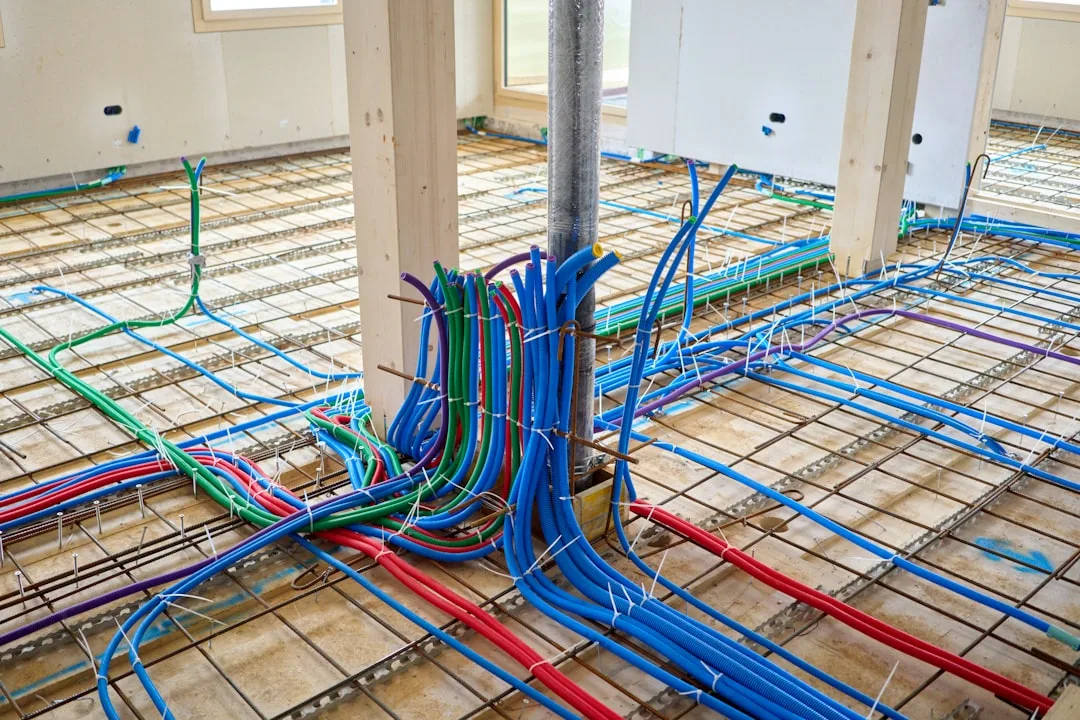
Start during the design phase, not after framing is complete. Hidden systems require intentional placement of electrical runs, data lines, and control nodes. Work with contractors experienced in bundled smart upgrades—they’ll route infrastructure invisibly and integrate multiple systems to work together.
Prioritize systems that solve real daily problems: climate control, lighting that supports sleep and focus, security that doesn’t require constant monitoring, and energy management that actually reduces utility bills. AI adoption in renovation planning is real but still early, with just under 1 in 4 homeowners having used AI tools to support their renovation, though usage is rising significantly. Use AI design tools to visualize how automated systems will function before you commit to wiring.
For homeowners considering accessory dwelling units, hidden smart technology becomes especially valuable—independent climate control, security, and automation in a secondary structure can remain completely invisible from the main home while operating autonomously.
The Long-Term Value Play
62% of homeowners expect to stay in their homes for 11 years or more, making natural stone a classic, timeless material that is built to last for years to come, and this commitment to longevity extends to system selection. Hidden smart technology ages differently than visible gadgets. It simply becomes part of how your home operates. Upgrades are seamless and invisible.
Buyers in 2026 expect smart homes to be smart quietly. The real value isn’t in what you see—it’s in what works perfectly without demanding your attention.
Quick Tips
- Plan hidden technology infrastructure during the design phase, not after framing begins.
- Bundle systems together: automated lighting, climate control, and security working as one integrated ecosystem.
- Prioritize performance over appearance—focus on systems that reduce energy costs and improve daily comfort.
- Use AI visualization tools to map out automated system placement and function before construction starts.
- Invest in brands like Lutron and Josh.ai that prioritize invisible integration over flashy displays.
| System Type | Visible Impact | Best For |
|---|---|---|
| Automated lighting (Lutron) | None—all controls hidden | Homes prioritizing circadian-aligned comfort |
| Heat pump electrification | Compact outdoor unit only | Climate control + energy savings |
| Voice automation (Josh.ai) | Optional speaker placement | Accessibility and hands-free control |
| Integrated charging docks | Sleek countertop inserts | Kitchens with concealed storage focus |
FAQ
What's the difference between hidden smart home technology and regular smart home gadgets?
Hidden technology is integrated into your home's infrastructure—wiring, HVAC, lighting—and operates silently without visible controls. Regular smart gadgets are devices you see and control manually. In 2026, homeowners prefer hidden systems because they provide consistent performance without visual clutter.
How much does hidden smart home technology cost to install during a renovation?
Costs vary based on scope, but bundled systems (lighting, climate, security) typically range from $5,000–$15,000 depending on home size and existing infrastructure. Installing during renovation is significantly cheaper than retrofitting later, as wiring is already exposed.
Can I add hidden smart technology to an older home during renovation?
Yes. Renovation work provides the opportunity to run infrastructure invisibly. Work with contractors experienced in retrofitting smart systems into existing structures—they'll route electrical and data lines through walls during remodeling before drywall closes everything up again.