The Numbers Don’t Lie: ADUs Are Having a Defining Moment
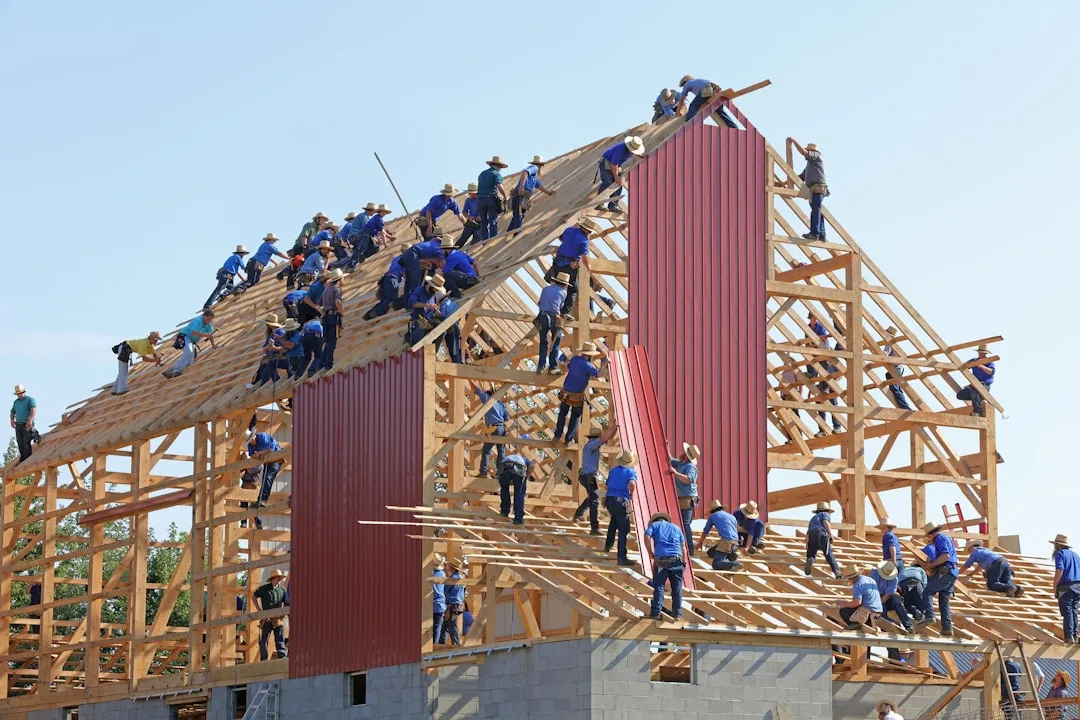
Renovation and repair spending in the United States is projected to hit a record $524 billion in early 2026, according to the Harvard Joint Center for Housing Studies — and a disproportionate share of that momentum belongs to one category: accessory dwelling units. ADUs, whether detached backyard structures, garage conversions, basement suites, or attached in-law additions, have become the most strategically significant construction project a homeowner can undertake right now. This is not a design whim. It is a structural shift driven by economics, demographics, and legislation converging at the same moment.
Why Now? The Policy Unlock That Changed Everything
The ADU surge did not happen in a vacuum. Over the past three years, states and cities across the country have passed legislation explicitly designed to encourage ADU construction as a response to acute housing shortages. California led the charge, but Oregon, Washington, Colorado, and dozens of municipalities have followed with streamlined permitting, eliminated minimum lot size requirements, and owner-occupancy rule changes. The result: more homeowners than ever before now legally have the right to build a secondary unit on their property — and in high-cost coastal markets, that right translates directly into real estate leverage.
Houzz research published in March 2026 reinforces the demographic engine behind this: nearly two-thirds of homeowners expect to stay in their homes for 11 years or more, and that commitment to staying put is generating serious investment in multigenerational layouts. ADUs sit at the intersection of all of it — aging-in-place design, rental income potential, and family accommodation rolled into one construction project.
Who Is Building and What Does It Look Like?
The profile of today’s ADU builder is not who you might expect. Yes, Baby Boomers — still the largest cohort of renovating homeowners according to Houzz data — are building ADUs to house adult children or aging parents. But Gen Z renovators are entering the market in growing numbers specifically drawn to the income-generating potential of a backyard rental unit. In cities like Denver, Austin, and Portland, ADU rental income routinely offsets a significant portion of a primary mortgage payment, making the construction cost a pragmatic financial calculation rather than a luxury indulgence.
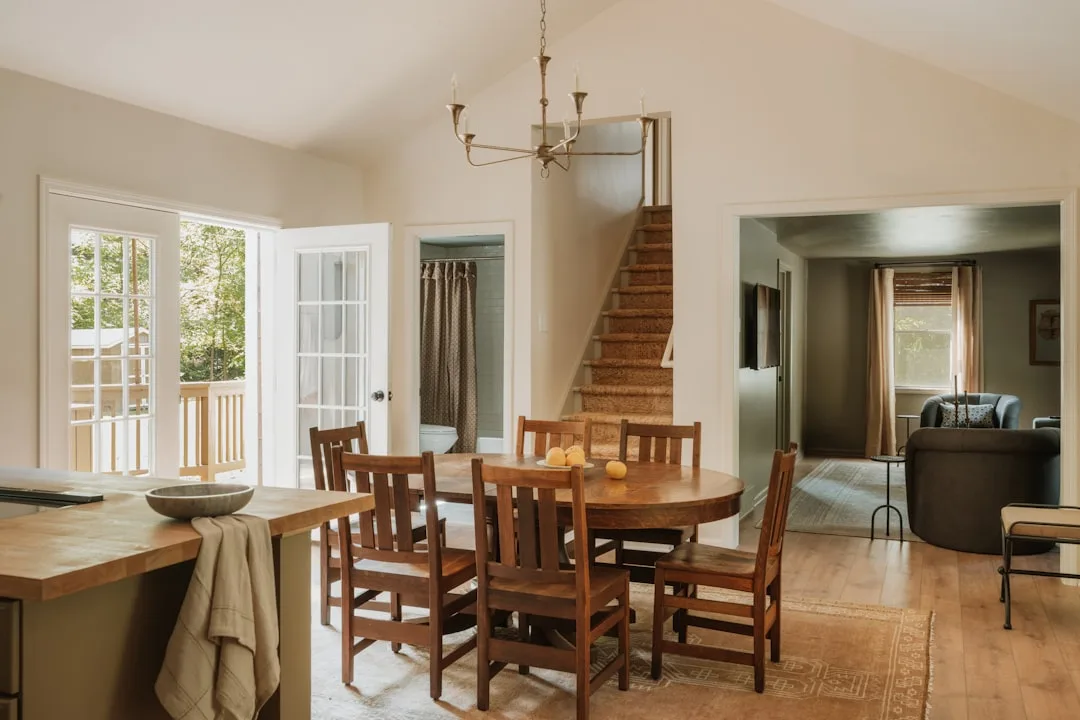
Architecturally, the best ADUs being built right now reject the idea that a secondary unit must feel secondary. Firms like Abodu, based in Redwood City, California, and New Avenue Homes in Berkeley have pioneered prefabricated ADU models that arrive with high-end finishes — engineered hardwood floors, quartz countertops, Marvin windows — at price points that compress the return timeline. Custom builders are matching that quality, with designers like Jennifer Weiss Architecture in Los Angeles producing detached studio ADUs that read as full architectural statements: board-and-batten cladding, flat or shed rooflines, and interior palettes that lean into the warm, layered material language dominating residential design in 2026. Think rich clay plaster walls, exposed Douglas fir beams, and matte black hardware — not the sterile minimalism of five years ago.
The Material Conversation: Performance Meets Character
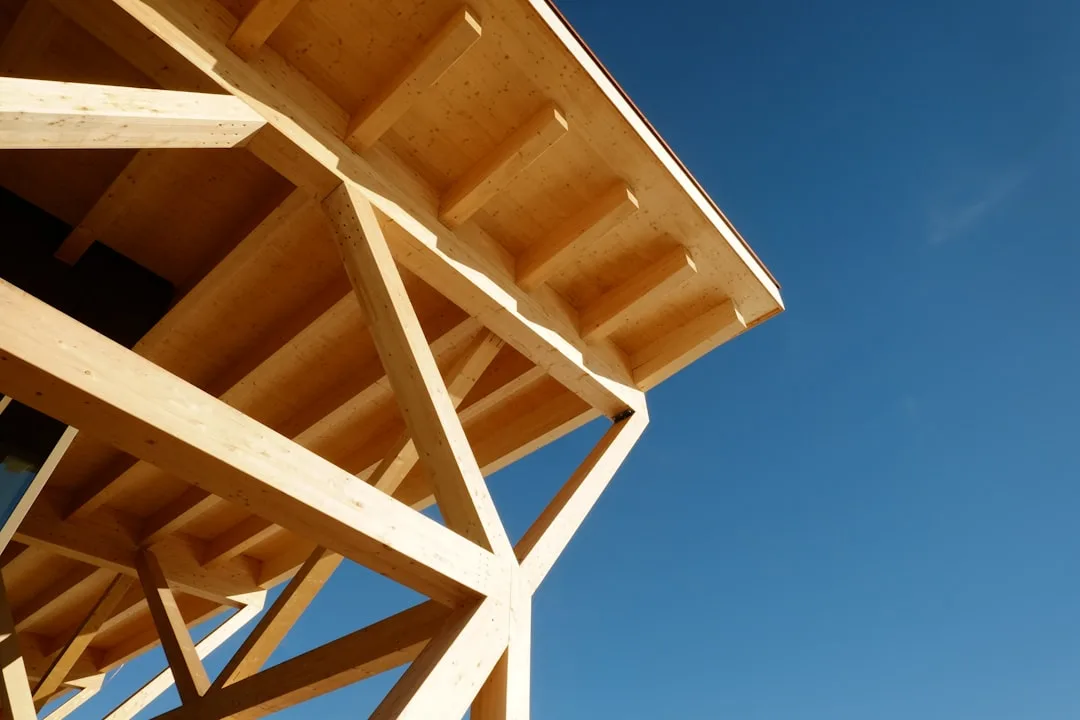
ADU construction is also accelerating a broader materials conversation in residential renovation. Because these structures are often budget-conscious and expected to perform for decades with minimal maintenance, builders are selecting materials with the same rigor applied to commercial construction. Fiber cement siding from James Hardie, metal roofing systems, and thermally broken window frames are becoming standard specifications rather than upgrades. For a deeper look at how metal is reshaping both roofing and interior lighting design, Elevate Your Home Renovation with Metal Roofing and Copper Lighting is essential reading — the material logic that applies to a primary residence scales directly to ADU construction.
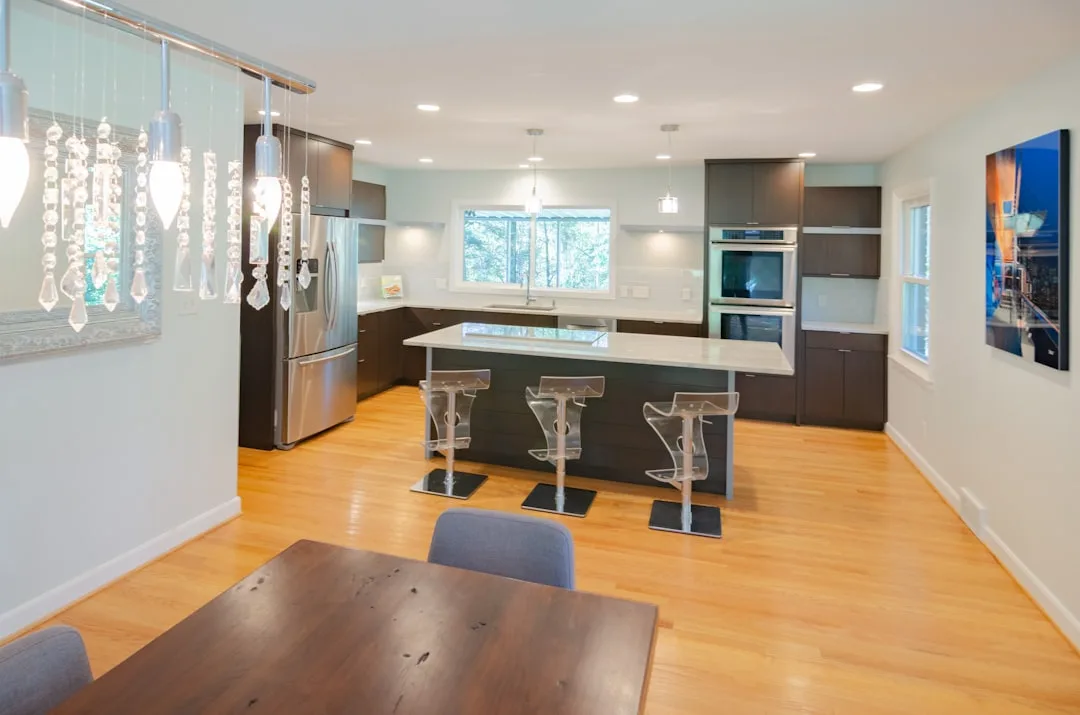
The interiors of leading ADU projects are rejecting builder-grade defaults. Natural stone vanities, handmade tile backsplashes, and open shelving in white oak are appearing in structures under 500 square feet. The constraint of small square footage is, paradoxically, pushing design quality upward — every surface decision carries more weight when there are fewer surfaces to work with.
The Multigenerational Mandate
Beyond rental income, the multigenerational living driver is real and accelerating. The NAHB’s Remodeling Market Index has registered above the break-even point for 24 consecutive quarters, and survey data shows that 56% of remodelers are actively involved in aging-in-place modification work. ADUs are the most holistic solution to that demand — they offer genuine physical separation and independence while keeping family members on the same property. Curbless bathrooms, single-level layouts, wider doorways, and lever hardware are being spec’d into ADUs from the design phase, not retrofitted later.
This is also reshaping how architects think about site planning. The relationship between the primary dwelling and the ADU — sightlines, shared garden space, acoustic separation, separate entrances — is now a genuine design problem worthy of the same attention given to the main house. Architects like Omer Arbel and firms celebrated among the Great World & Most Famous Architects have long understood that the interstitial spaces between buildings define how a property is experienced. ADU projects are bringing that sensibility to residential lots across North America.
How to Move on This Trend Without Wasting Money
The ADU market is noisy, and not every product or contractor is equal. Three principles separate successful projects from expensive disappointments. First: verify your jurisdiction’s current ADU regulations before any design work — rules changed significantly in 2024 and 2025 and many homeowners are operating on outdated assumptions. Second: treat the ADU as a long-term asset, not a quick flip. Durable materials, proper insulation to current energy codes, and electrical capacity for EV charging will protect value for 30 years. Third: engage an architect or design-build firm with demonstrated ADU experience specifically — the structural, zoning, and livability challenges of a 400-square-foot dwelling are distinct from those of a full home renovation, and generalist contractors frequently underestimate them.
The ADU moment is here. The policy infrastructure exists, the financing tools are maturing, and the design language has caught up to the ambition. For homeowners sitting on underutilized lots, 2026 is not the year to wait.
Complete guide
Small House Design Ideas That Make Every Square Foot Feel Intentional
Exteriors, layouts, kitchens, bedrooms, bathrooms, outdoor — all in one place