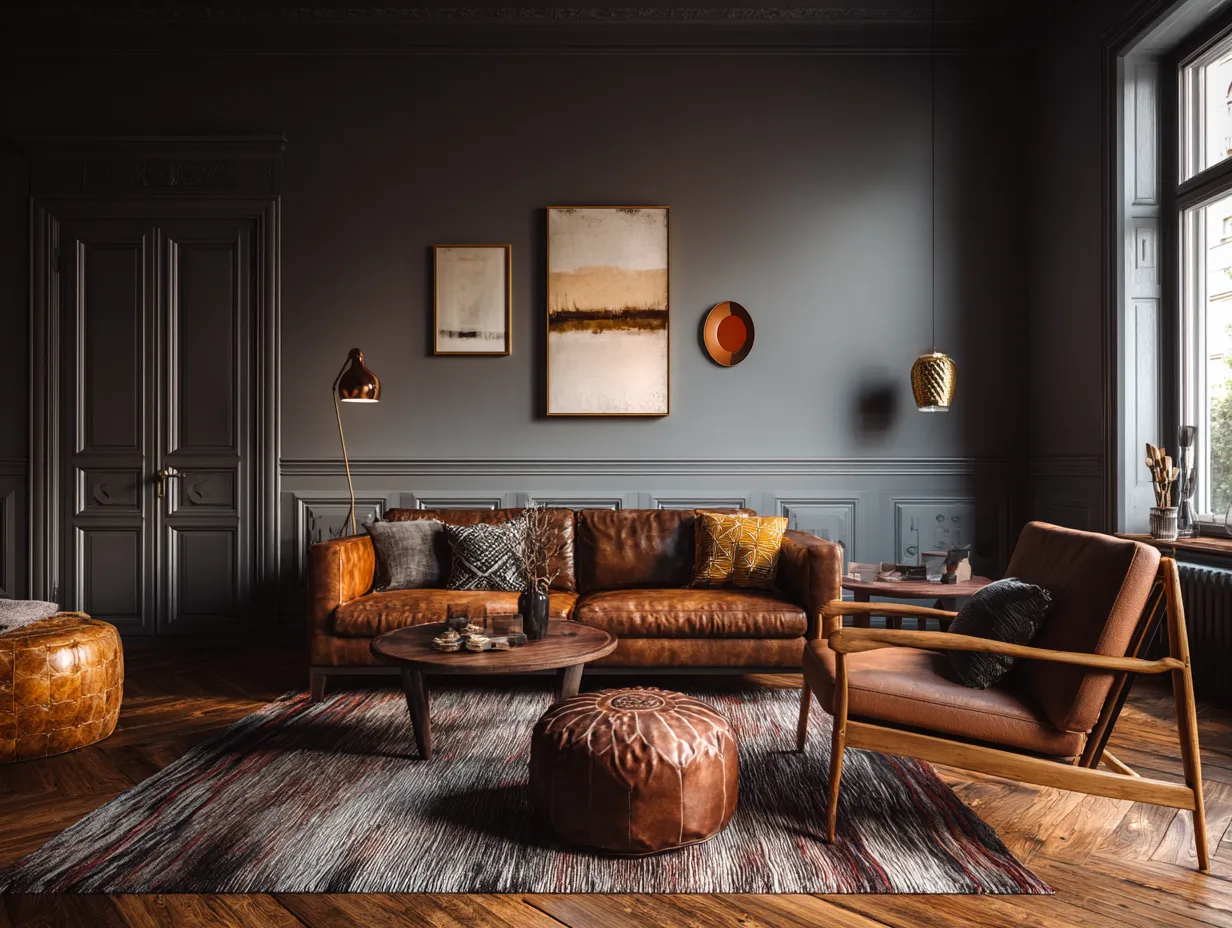
For over a decade, a cool, subdued palette dominated homes everywhere, transforming living rooms, bedrooms, and kitchens into seas of slate, charcoal, and ash. This ubiquitous trend offered a safe, neutral backdrop, but over time, spaces began to feel stark and devoid of personality. Design enthusiasts and homeowners alike are now craving environments that feel more lived-in, grounded, and intensely welcoming. A massive shift is underway, moving away from icy, desaturated tones and pivoting toward deeply saturated, earthy hues that envelop a space in comfort. The new standard for modern elegance relies on a color deeply rooted in nature, evoking feelings of stability, luxury, and warmth. Transforming your home with this rich, opulent shade opens up entirely new possibilities for creating a sophisticated sanctuary that feels both timeless and exceptionally current.
Embracing Warmth With Rich Chocolate Brown Decor
The shift away from millennial gray represents more than just a passing aesthetic preference; it is a fundamental change in how we want our living spaces to feel and function on a psychological level. For years, cool-toned neutrals were championed for their clean, minimalist appeal, often utilized by real estate agents and flippers to create a blank canvas. However, as our homes have increasingly become our primary sanctuaries, the desire for a blank canvas has been replaced by the need for a protective, comforting embrace. Rich chocolate brown interiors provide exactly this type of psychological grounding. The color itself is intrinsically linked to the natural world, reminiscent of fertile soil, ancient tree bark, and natural materials that have anchored human dwellings for centuries. When you step into a room enveloped in these deeply saturated earth tones, your shoulders instantly drop. The stark, clinical feeling associated with pale, icy rooms vanishes, replaced by a profound sense of security and enveloping warmth.
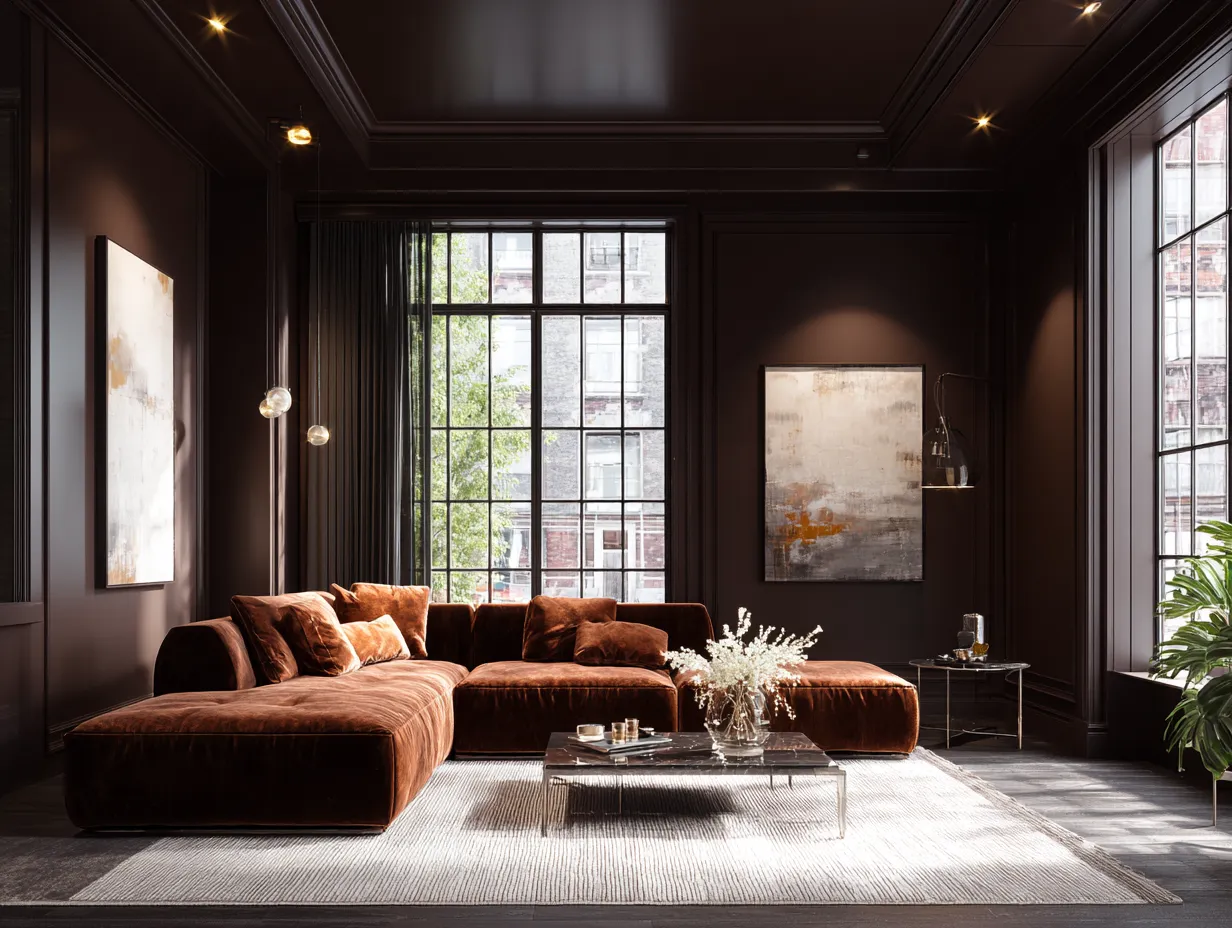
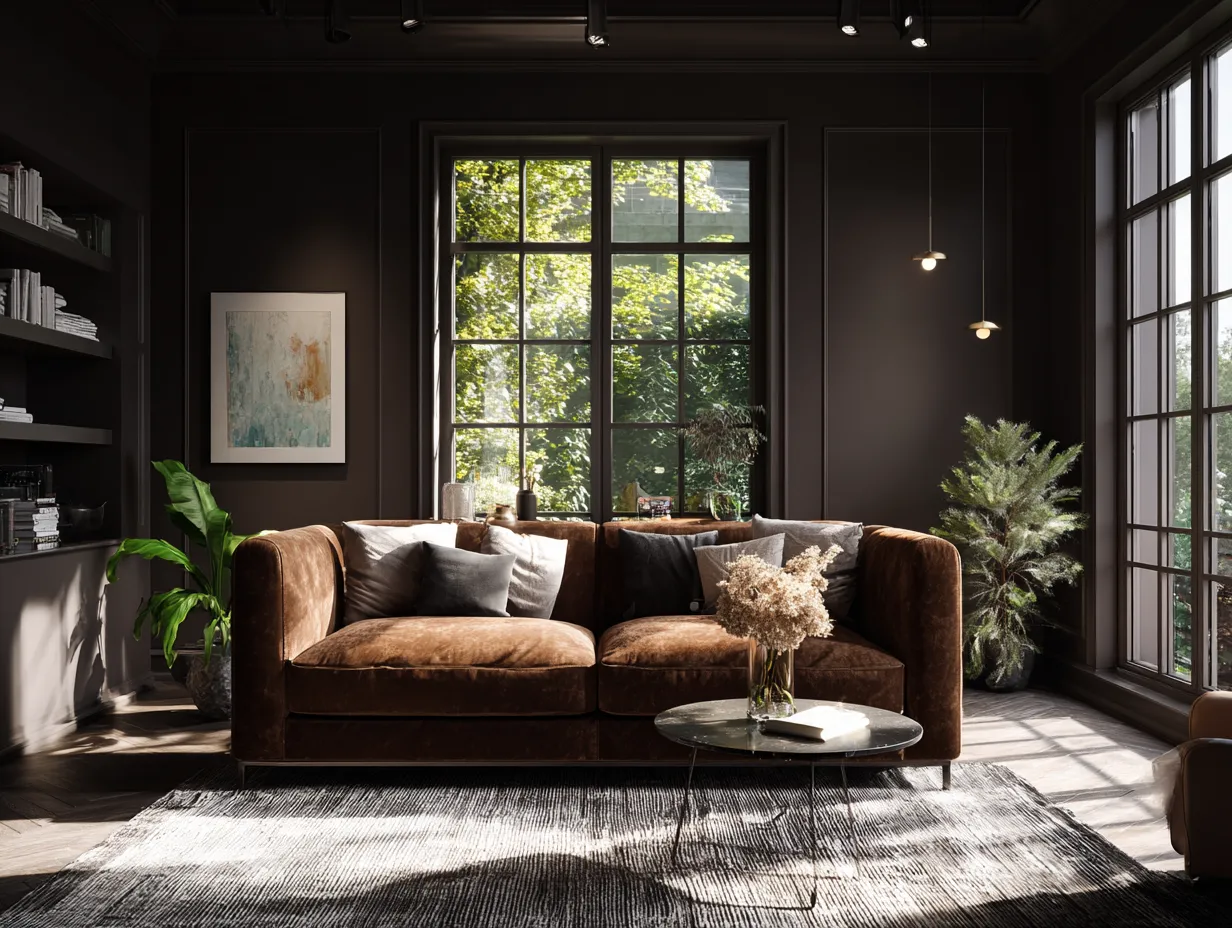
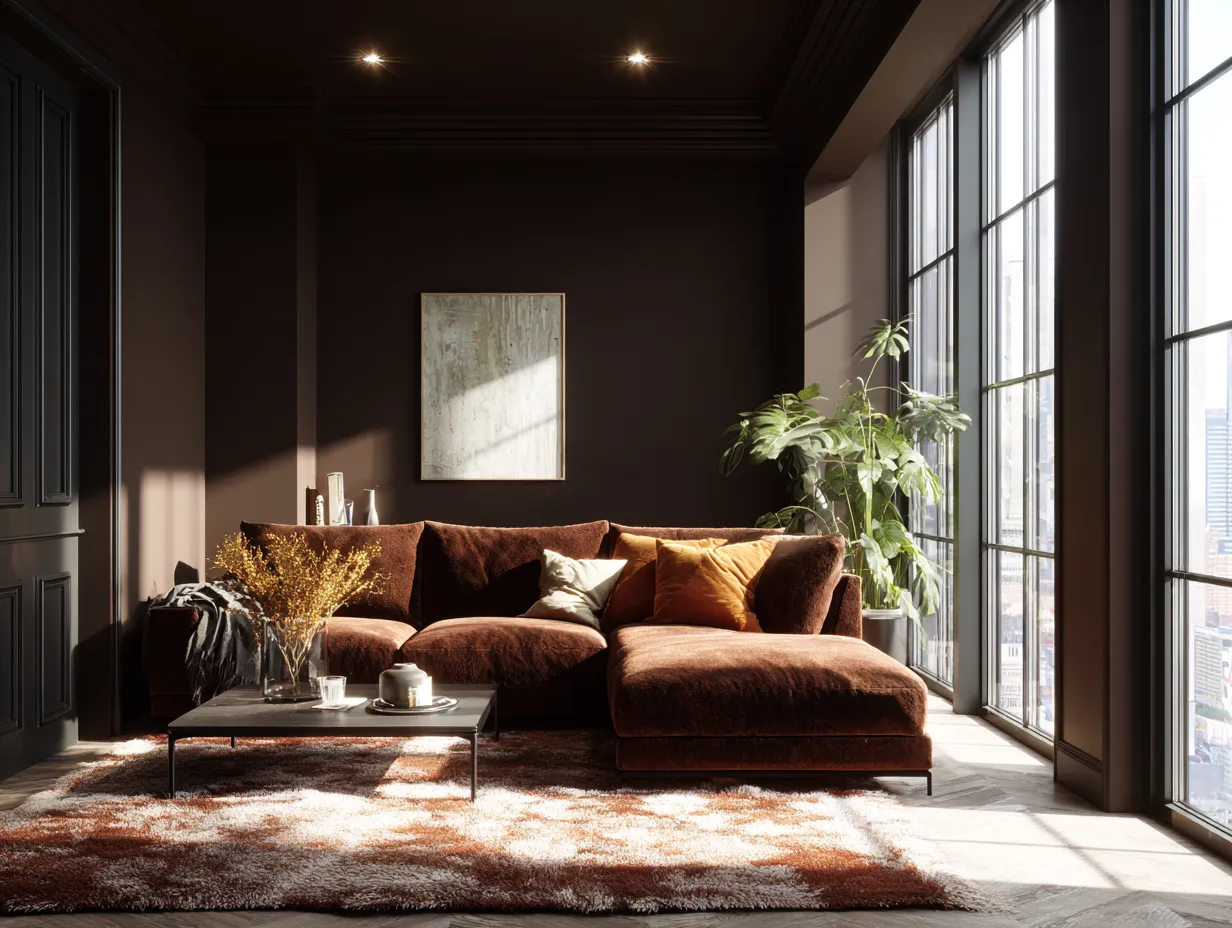
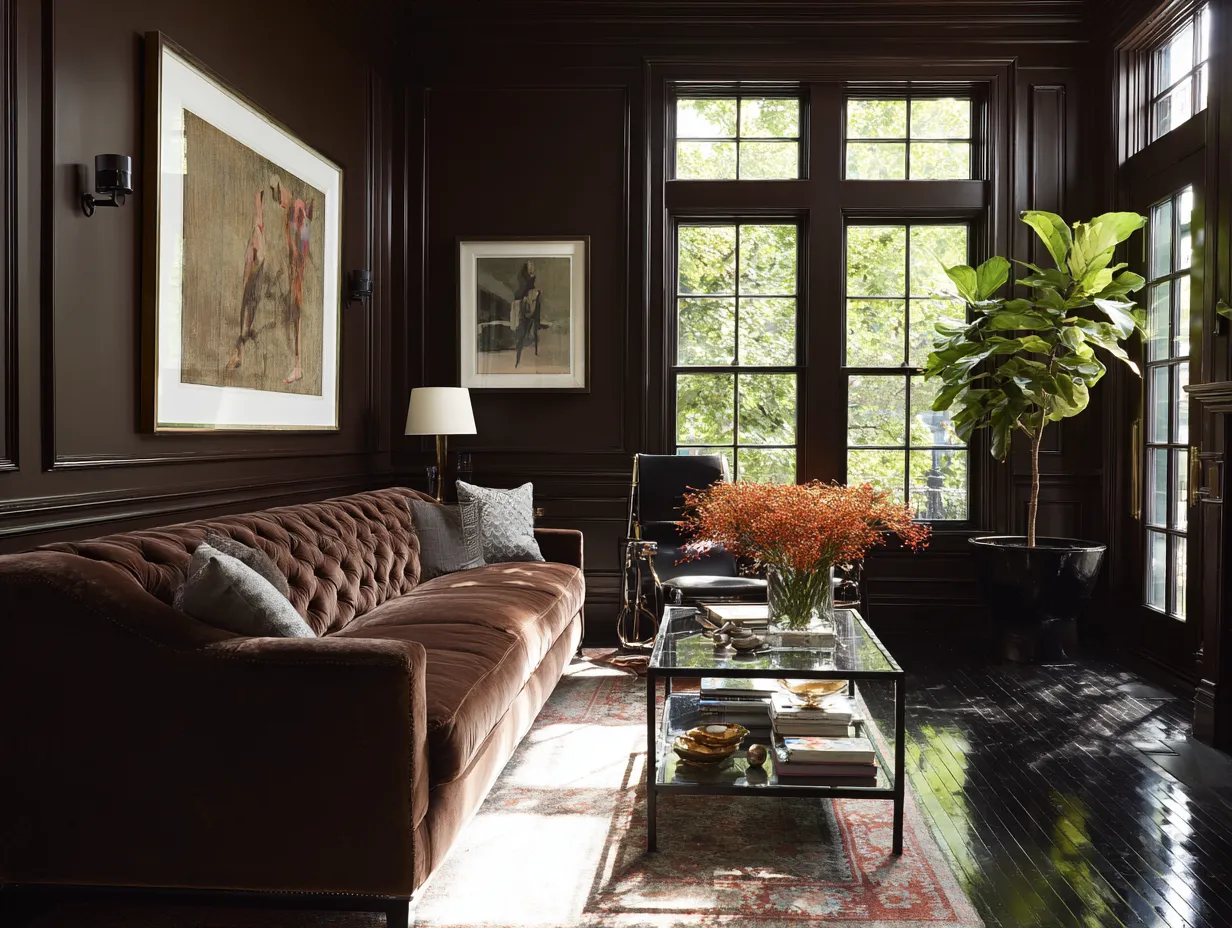
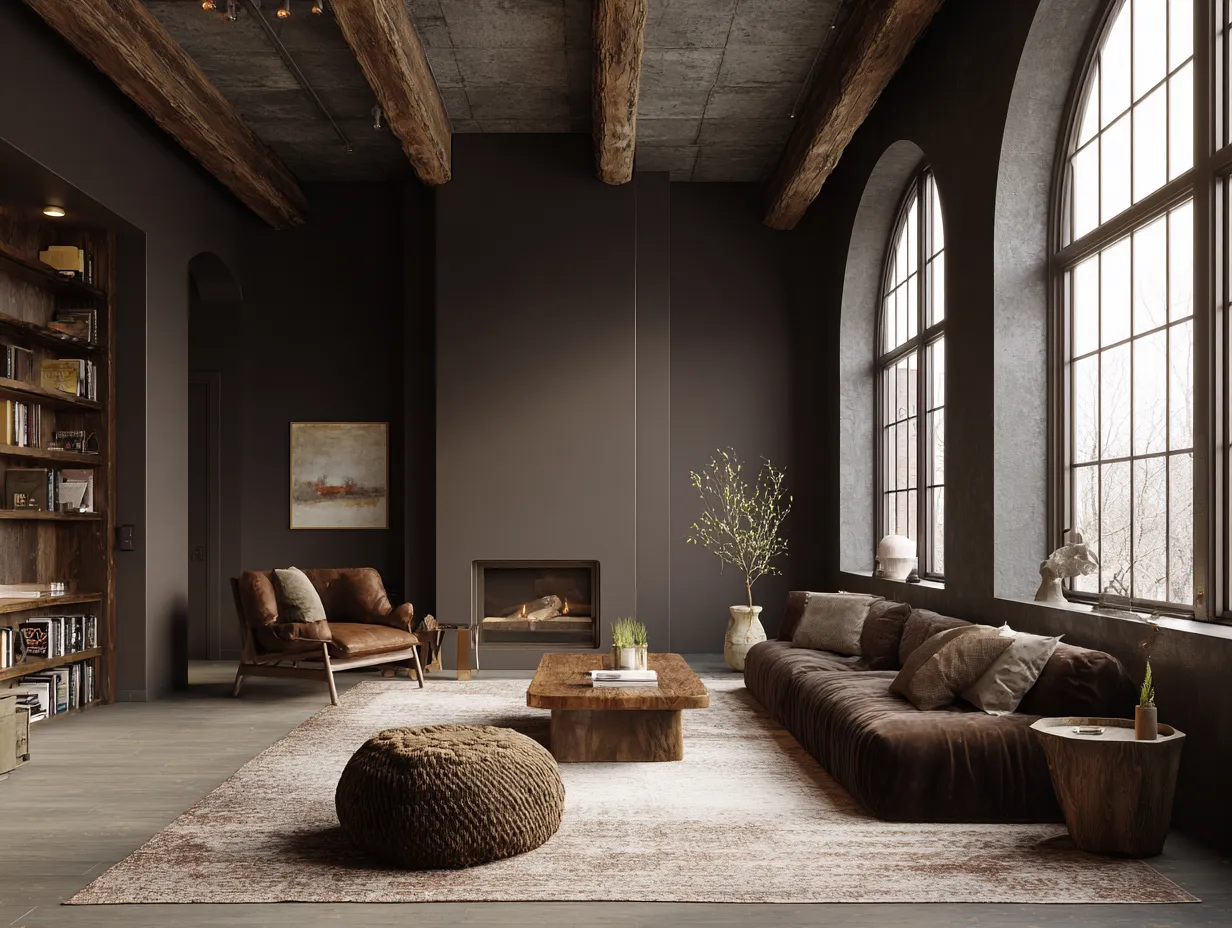
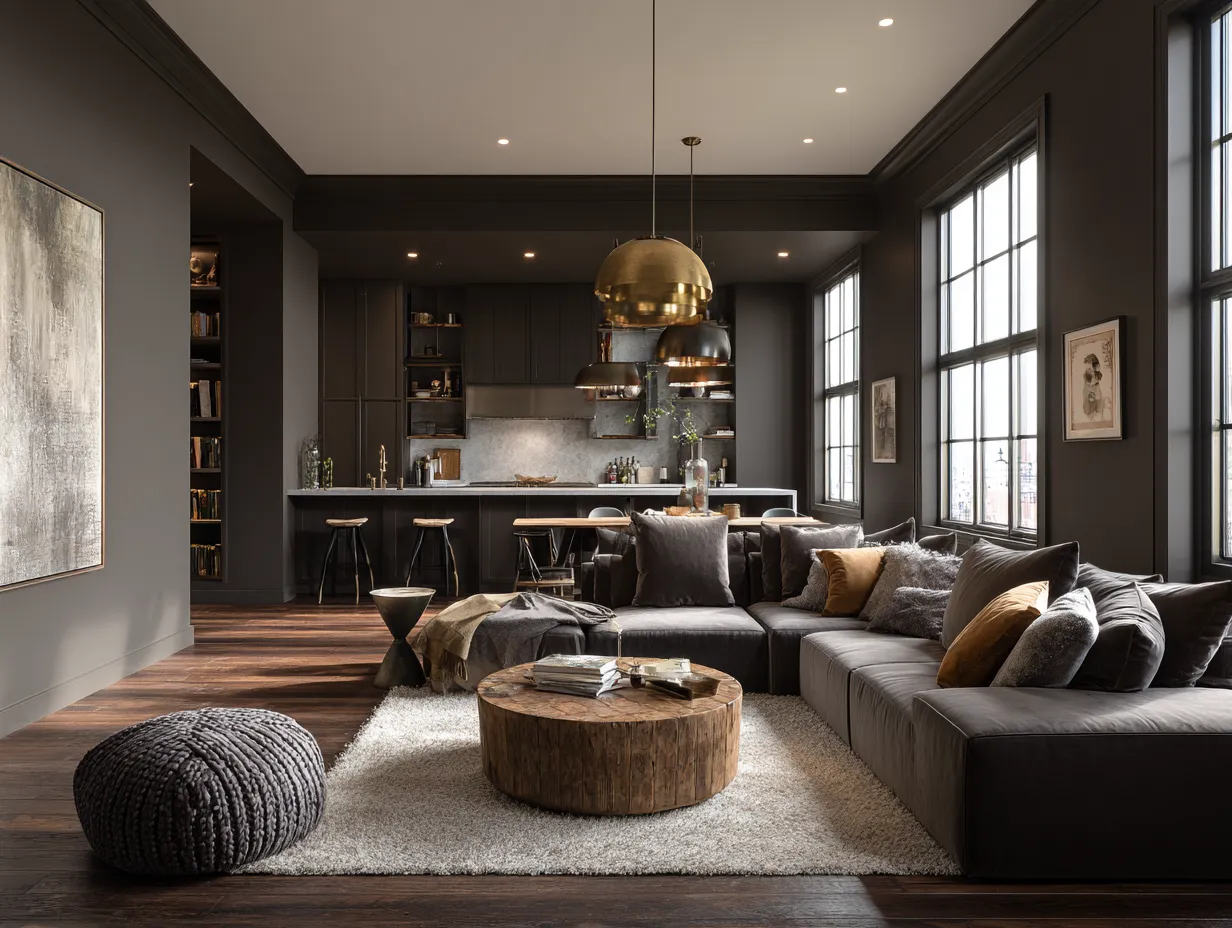
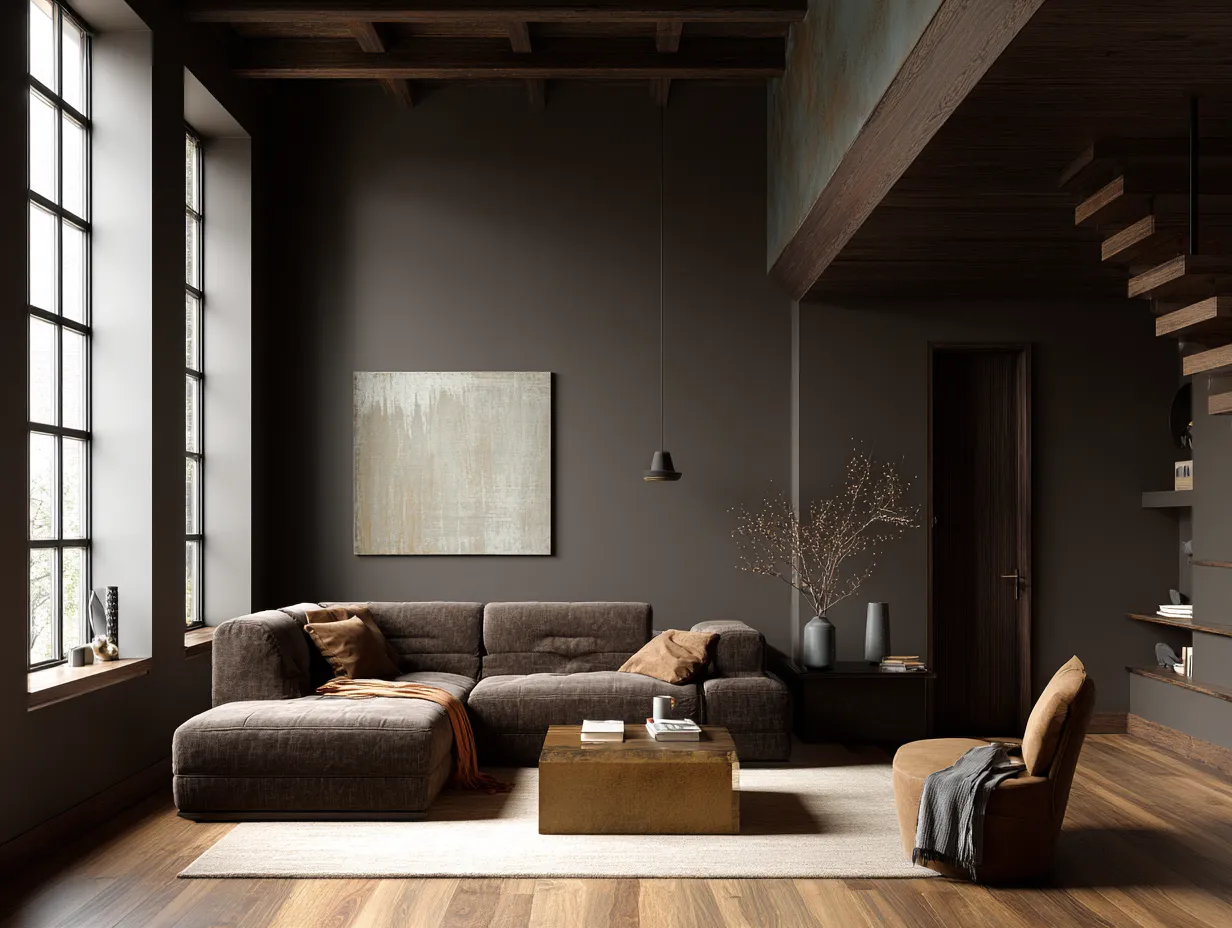
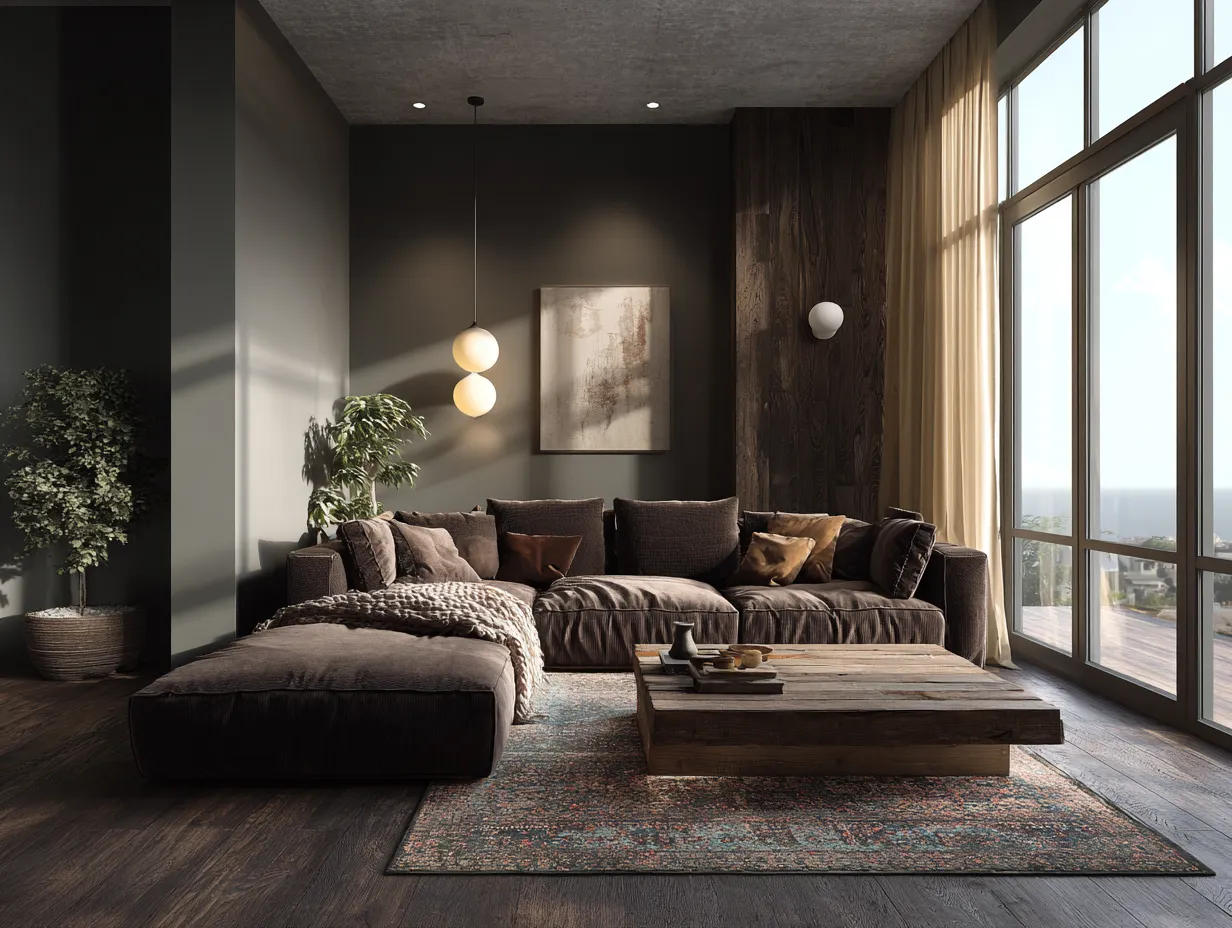
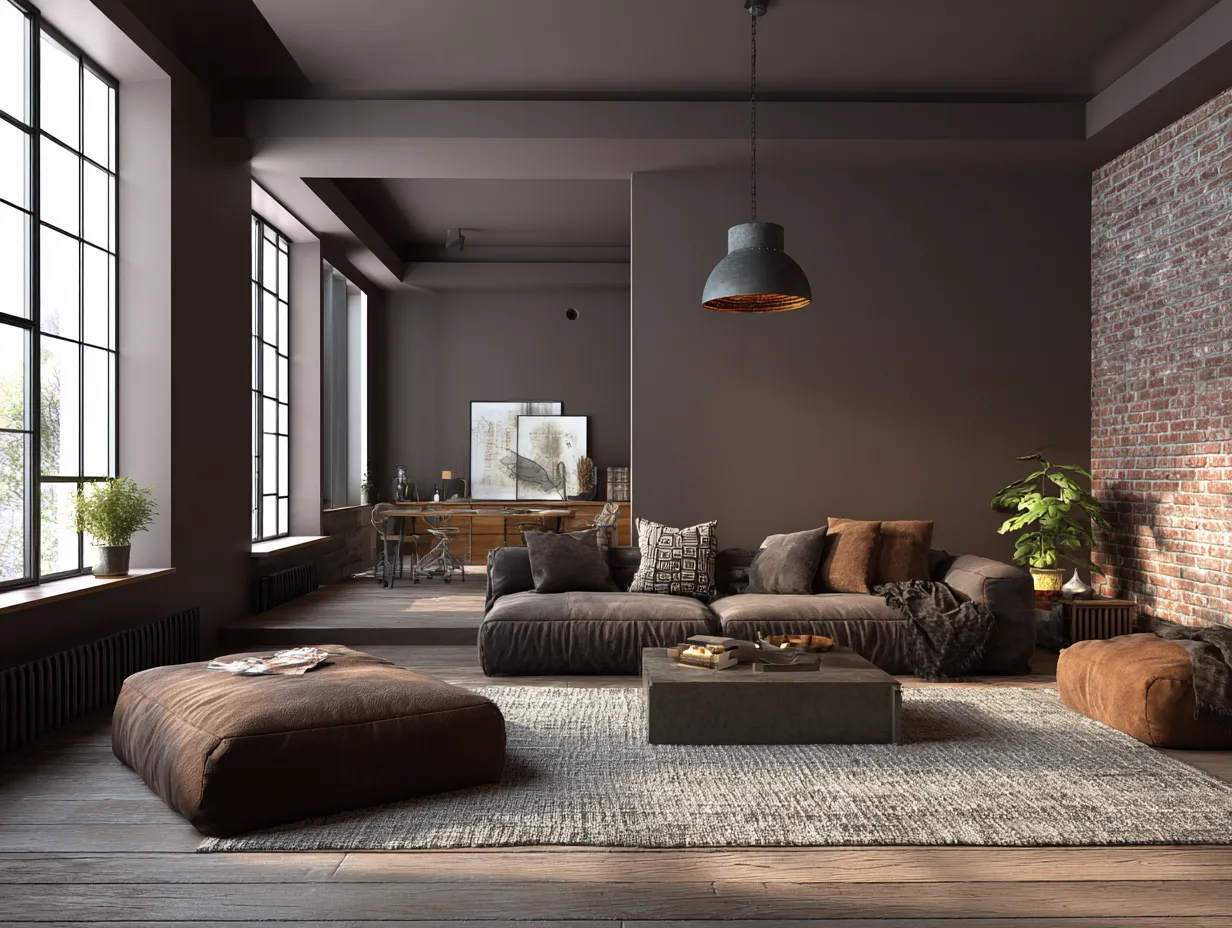
Implementing rich chocolate brown decor requires a thoughtful approach to balance and proportion, ensuring the space feels luxurious rather than heavy. One of the most effective ways to introduce this color is through foundational elements like wall paint or large-scale furniture. Painting a room entirely in a dark, earthy shade might seem intimidating initially, especially for those accustomed to stark white or pale silver walls. Yet, when executed correctly, dark walls recede visually, effectively blurring the boundaries of the room and making the space feel expansive and endless. This technique, often referred to as color drenching, involves painting the walls, trim, and sometimes even the ceiling in the exact same shade. It creates a seamless, jewel-box effect that elevates the architecture of the room. If painting an entire room feels too dramatic, starting with a heavily textured focal piece, such as a large sectional sofa upholstered in deep cocoa velvet or a prominent area rug featuring grounding tones, can establish the desired foundation.
The beauty of rich chocolate brown interiors lies in their incredible versatility and capacity to serve as a sophisticated neutral that complements a vast array of secondary colors. Unlike millennial gray, which can clash harshly with warm-toned woods or certain vibrant hues, dark earthy tones act as a harmonious backdrop. Pairing these deep shades with creamy off-whites creates a stunning, high-contrast dynamic that feels fresh and modern. The cream tones slice through the darkness, providing necessary visual relief and brightness, while the dark elements ground the lighter tones, preventing them from floating away. Furthermore, this palette sings when combined with unexpected jewel tones. Emerald greens, sapphire blues, and even muted mustard yellows pop beautifully against a dark, earthy background. These combinations allow for highly personalized spaces that reflect individual tastes while maintaining an underlying sense of cohesion and mature elegance.
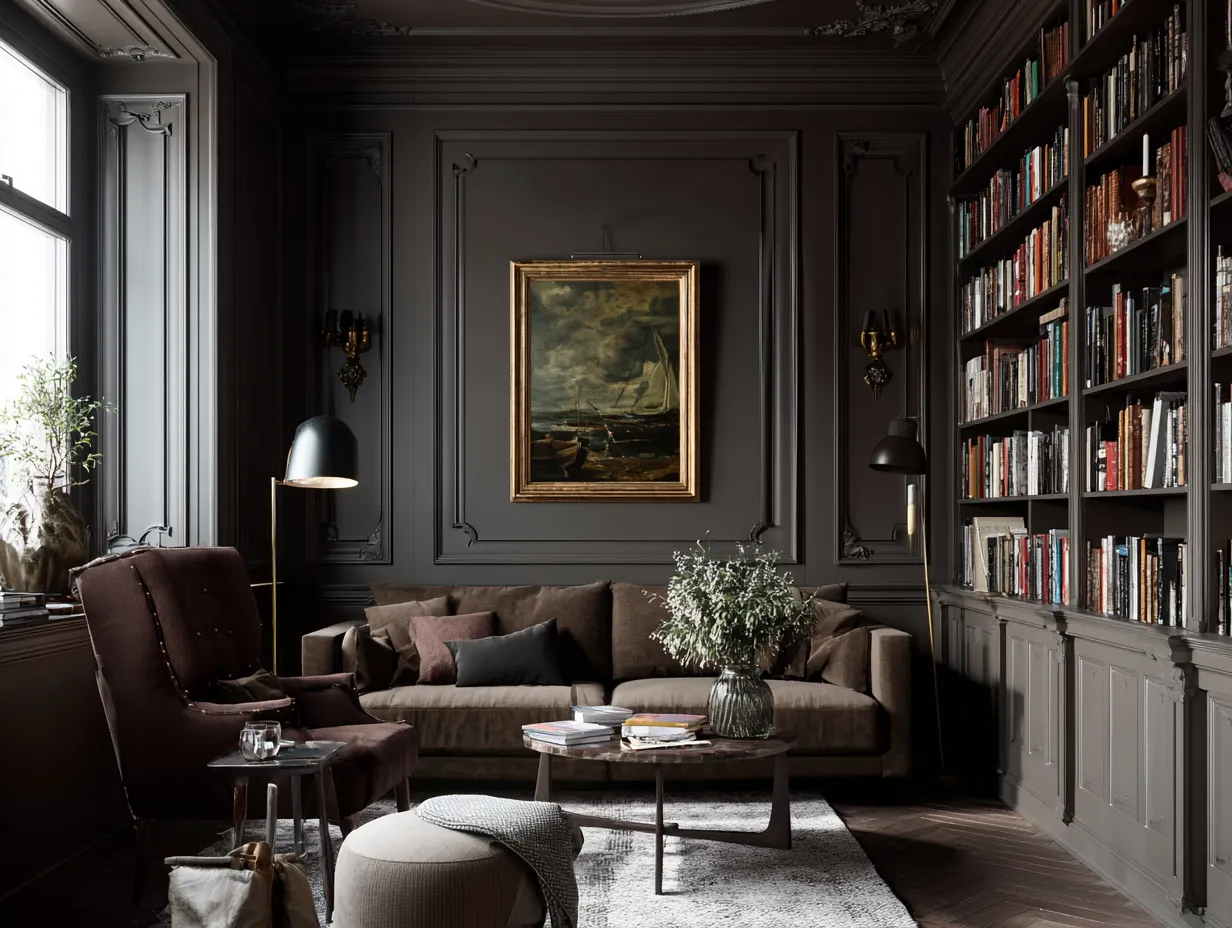
Beyond aesthetics, moving toward warm interior design fundamentally alters the acoustic and thermal perception of a room. Humans are deeply influenced by their visual surroundings, and studies in environmental psychology suggest that rooms painted in warm, dark colors are actually perceived as being physically warmer than rooms painted in cool, light colors. This psychological warmth makes these spaces particularly inviting during colder months or in climates with long winters. The visual weight of dark walls and furnishings also contributes to a sense of quiet and stillness. Just as a dense forest absorbs sound and feels peaceful, a room outfitted with deeply colored, textured materials absorbs the chaotic energy of everyday life. This makes these shades absolutely perfect for spaces dedicated to relaxation, such as libraries, dens, and dedicated listening rooms where tranquility is the ultimate goal.
Ultimately, the transition away from sterile palettes is a celebration of authenticity and comfort. We are no longer designing our homes to look like staging areas for prospective buyers; we are designing them for ourselves, prioritizing our sensory experiences and emotional well-being. By embracing deeply saturated, natural tones, we reject the notion that sophistication must be stark or uninviting. Instead, we cultivate environments that are exceptionally elegant but fundamentally welcoming. This approach to decorating encourages us to surround ourselves with colors that nourish us, creating enduring spaces that we genuinely look forward to returning to at the end of every day.
Styling Deep Brown Room Ideas For Every Space
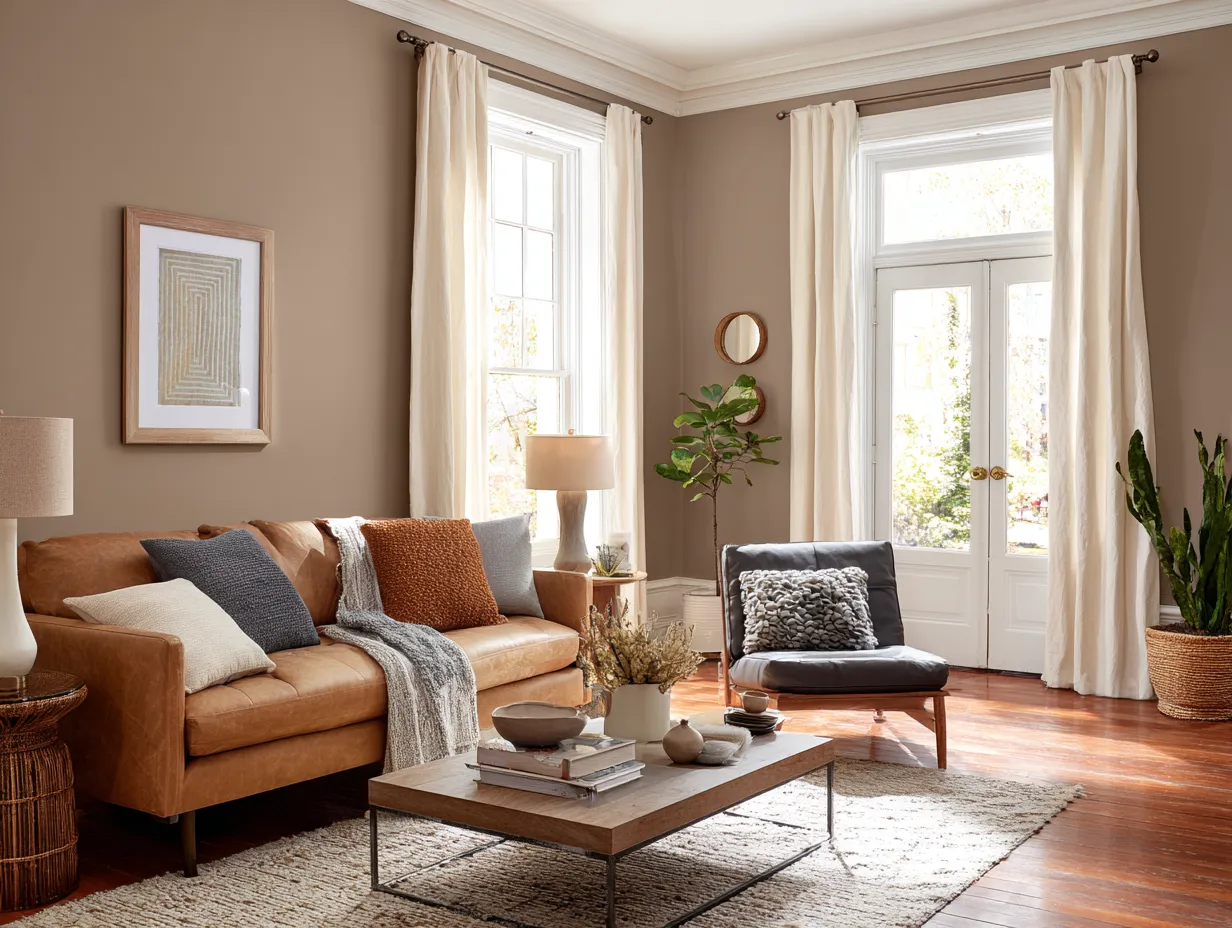
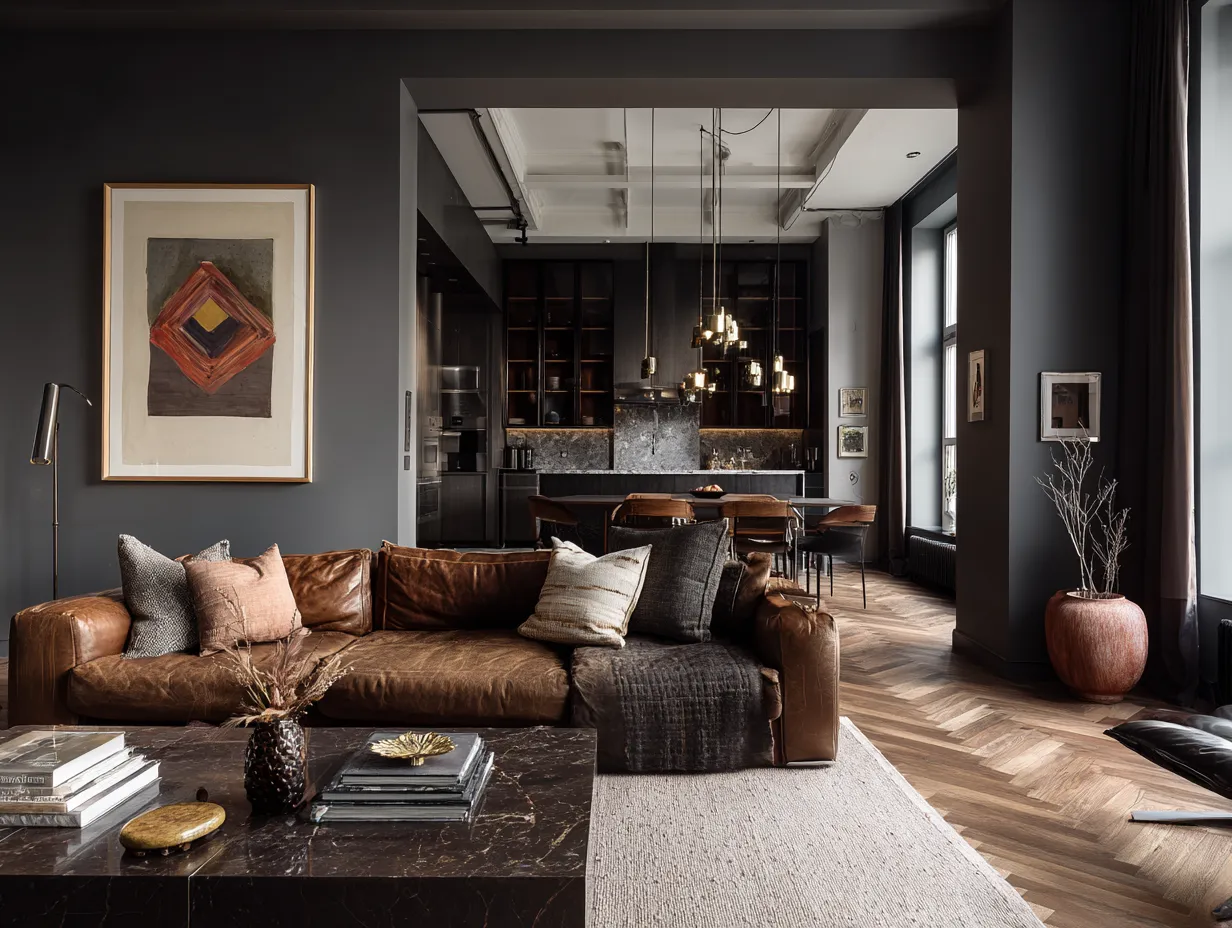
Translating the concept of deep brown room ideas into practical application across an entire home requires an understanding of how different spaces function and how lighting interacts with deep pigments. The living room is often the most prominent space to experiment with this aesthetic shift. To effectively banish millennial gray from your primary gathering area, focus on anchoring the room with substantial, richly colored elements. A massive, overstuffed leather sofa in a deep tobacco or espresso shade immediately establishes a luxurious focal point. From there, you can layer lighter elements to maintain a sense of buoyancy. Cream-colored boucle armchairs, a light travertine coffee table, or a massive, abstract canvas featuring soft, sweeping strokes of beige and rust can perfectly counterbalance the heavy, dark seating. The goal is to create a dynamic tension between light and dark, ensuring the room feels sophisticated and layered rather than oppressive or cave-like.
In the kitchen, the departure from clinical, cool-toned palettes is revolutionary. For years, kitchens have been dominated by stark white subway tiles and cool charcoal cabinetry. Embracing warm interior design in the kitchen transforms it from a utilitarian prep zone into the true heart of the home. Consider replacing or repainting lower cabinets in a sumptuous, dark earthy hue while keeping upper cabinets light, or removing upper cabinets entirely in favor of floating shelves made from warm walnut. The deeply saturated lower cabinets ground the space, while the lighter upper sections draw the eye upward, making the ceiling appear higher. Hardware plays a crucial role here; swapping out cold brushed nickel for unlacquered brass or polished copper creates a striking visual contrast against the dark cabinetry. These metallic accents catch the light, adding a layer of subtle glamour that elevates the entire culinary space.
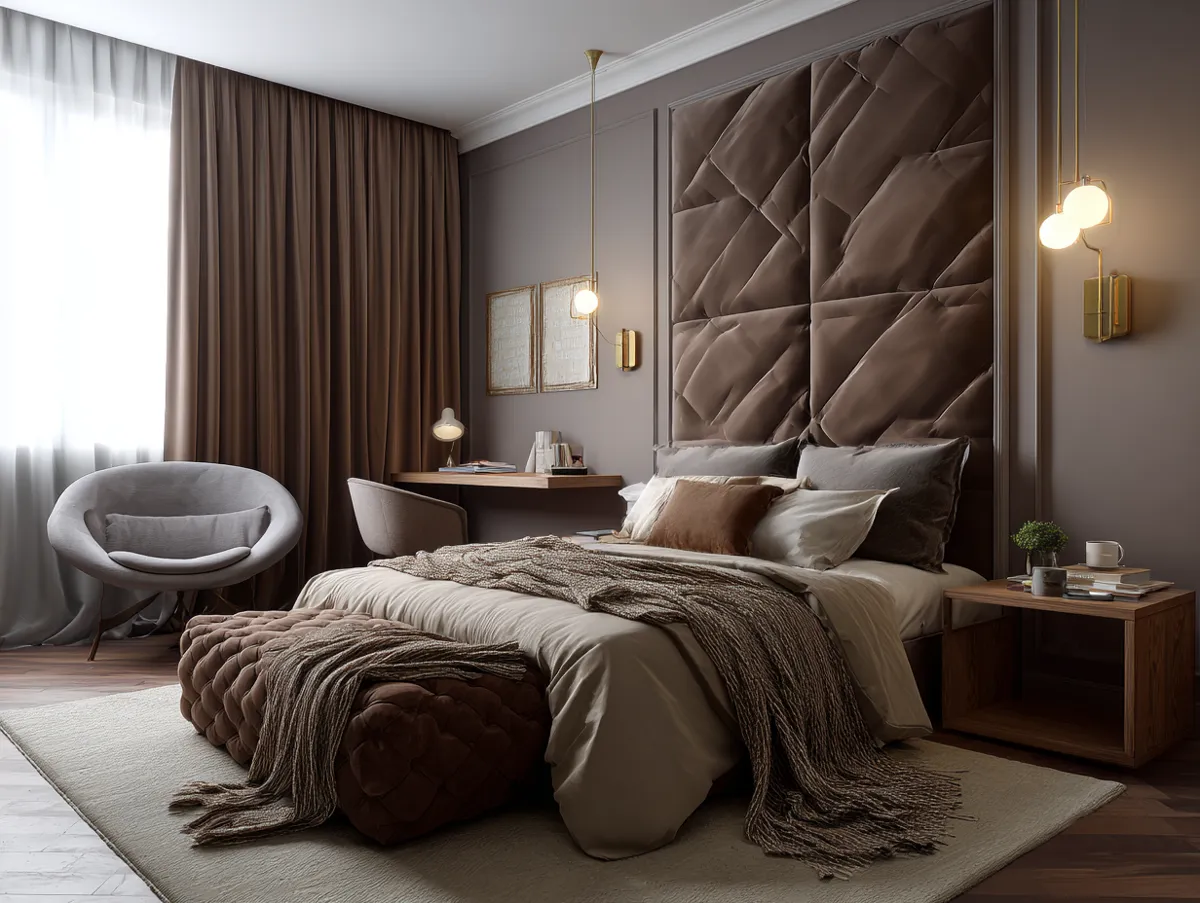
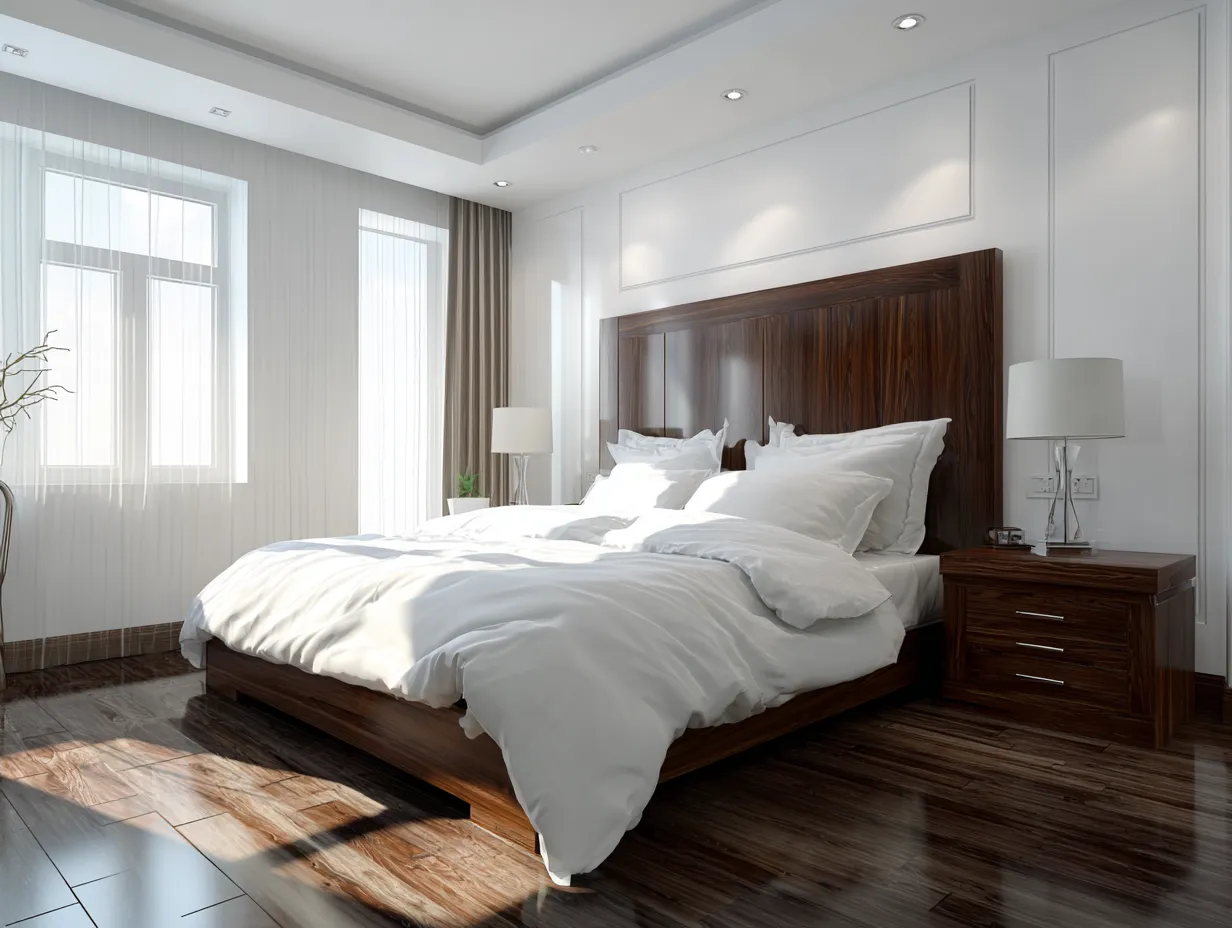
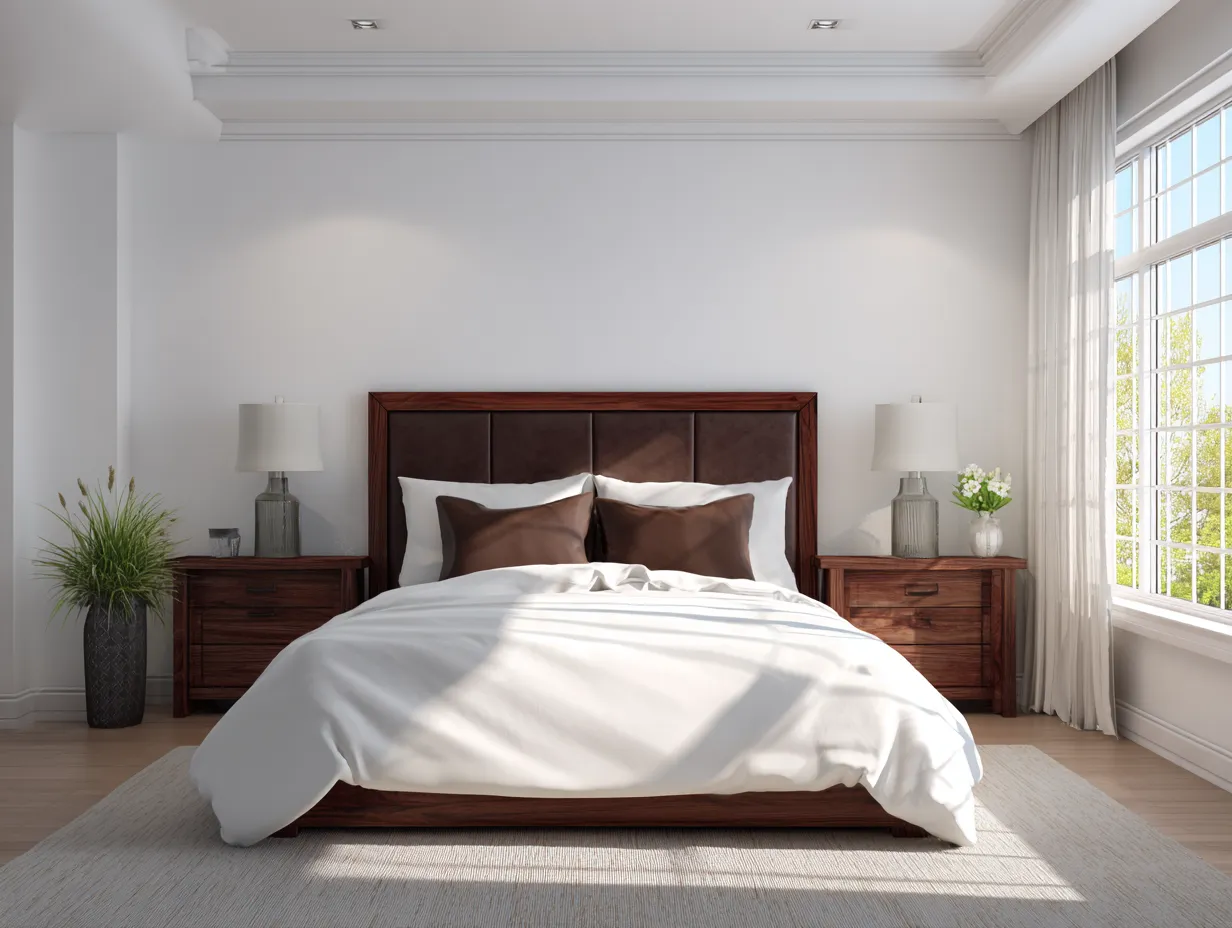
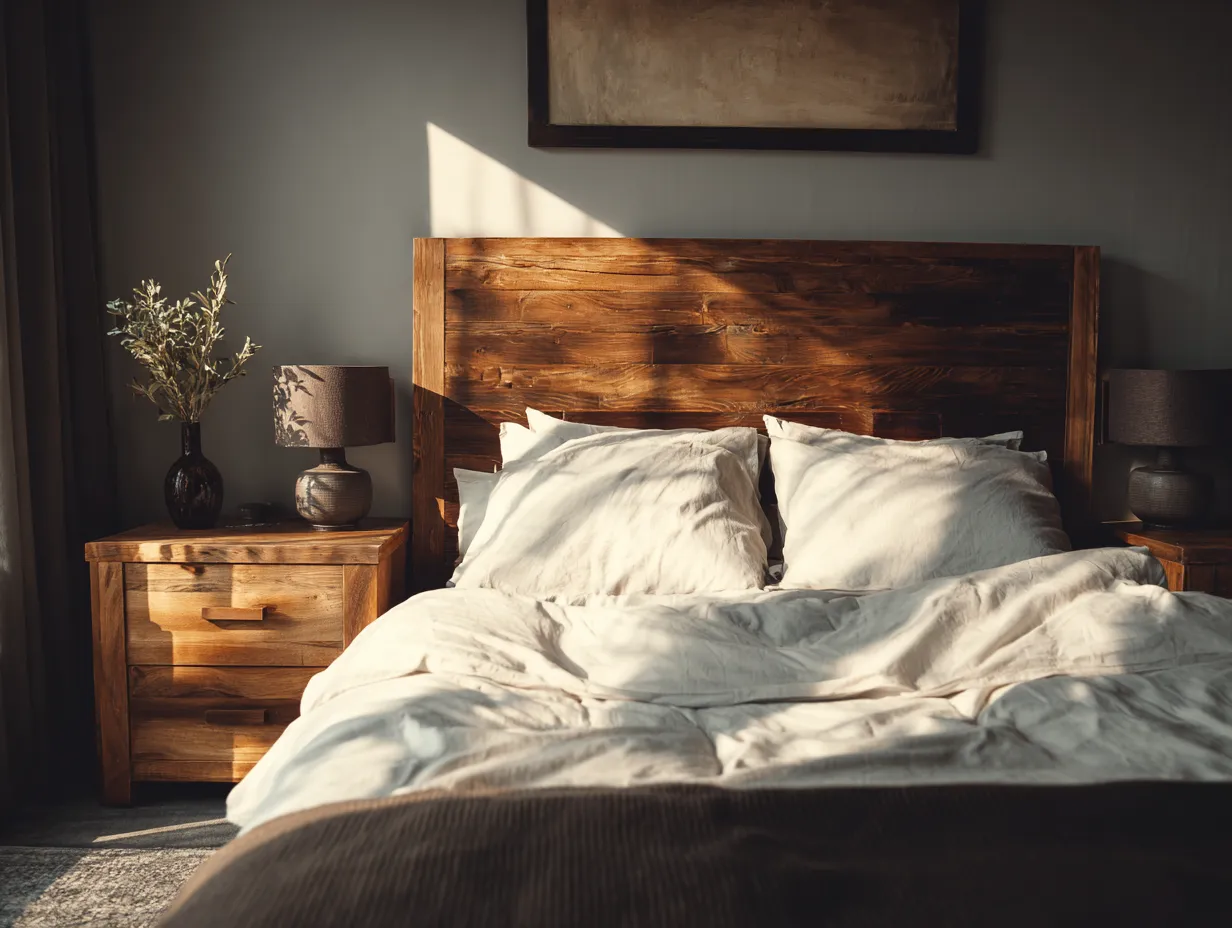
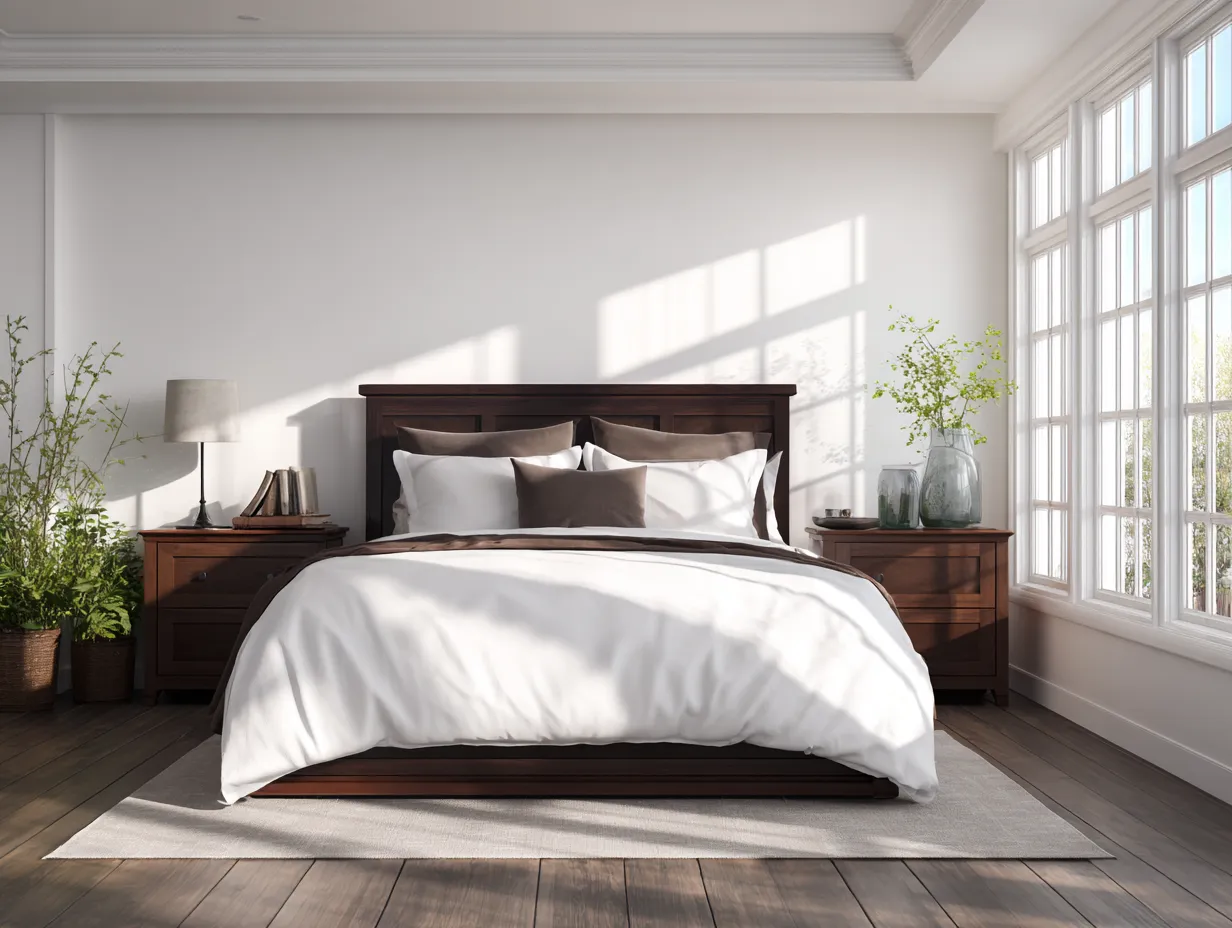
The bedroom is arguably the most critical space for implementing deeply relaxing, enveloping color palettes. The primary function of a bedroom is rest and rejuvenation, and deeply saturated walls contribute significantly to a restorative atmosphere. Consider painting the walls in a matte finish, which absorbs light and softens the edges of the room, creating a cocoon-like environment conducive to sleep. If full room color drenching feels too intense for your sleeping quarters, creating a heavily textured, dark accent wall behind the bed serves as a dramatic headboard alternative. Bedding should prioritize high-quality, tactile materials. Crisp, hotel-white percale sheets provide a brilliant, clean contrast against the dark surroundings, while a heavy linen duvet cover in a complementary tone like burnt sienna or olive green ties the organic, nature-inspired palette together.
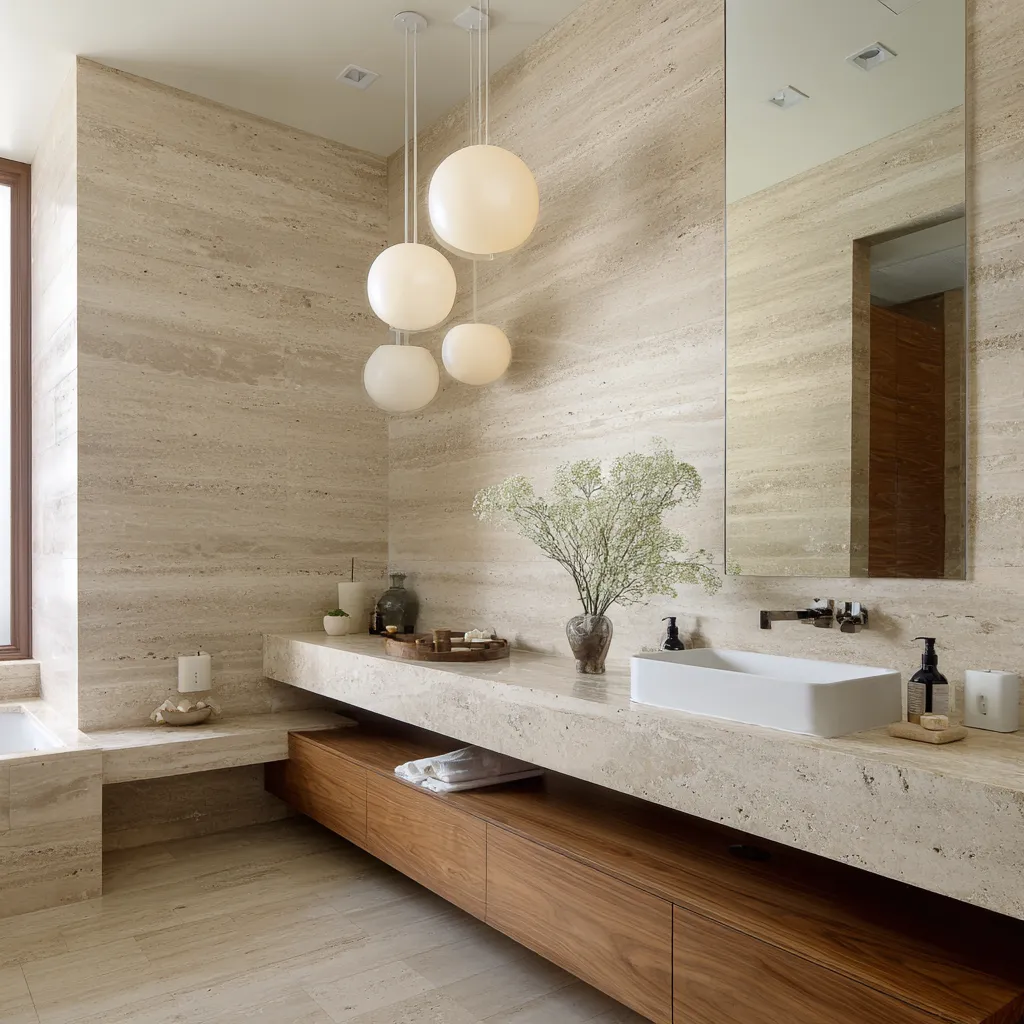
Bathrooms, too, benefit immensely from this design evolution. Often relegated to purely functional, sterile white and cool neutral designs, a bathroom clad in rich chocolate brown interiors feels remarkably like a high-end spa. Dark, moody bathrooms are incredibly flattering and atmospheric. Consider using large-format, deeply veined marble tiles featuring warm, muddy undertones for the shower enclosure or flooring. A custom vanity crafted from dark, smoked oak paired with an ivory marble countertop creates a stunning focal point. To prevent the space from feeling too small, maximize the use of mirrors. A massive, dramatically backlit mirror not only serves a practical purpose but also bounces light around the room, doubling the visual space and highlighting the depth of the dark, warm tones used throughout the hardware and fixtures.
Every hallway, entryway, and transitional space offers an opportunity to reinforce this grounded design philosophy. Hallways are typically devoid of natural light and are often painted stark white in an attempt to brighten them, which usually results in a drab, shadowy tunnel. Instead of fighting the lack of light, lean into it. Painting a narrow hallway in a deep, enveloping shade turns a neglected thoroughfare into a dramatic, deliberate architectural feature. It creates a psychological palate cleanser as you move from one room to another. Adding gallery walls with bright, white-matted artwork or strategically placed wall sconces with warm bulbs ensures the space remains easily navigable while maintaining its dramatic, sophisticated flair. By thoughtfully applying these concepts room by room, you completely eradicate the lingering chill of outdated palettes and establish a cohesive, deeply inviting home environment.
Elevating Warm Interior Design Through Lighting And Texture
Mastering rich chocolate brown interiors relies entirely on the precise execution of two critical elements: lighting and texture. When utilizing dark, heavily saturated colors, poor lighting can easily render a room gloomy, flat, and uninviting. The strategic deployment of both natural and artificial light is the secret to bringing these deep earthy tones to life, allowing their underlying warmth and complexity to shine. Natural light is, of course, the most desirable source. If a room features large windows or a southern exposure, dark walls will absorb the intense sunlight, softening the glare and creating a beautifully balanced, luminous environment. During the day, the shifting sunlight will reveal different undertones in the paint or fabric, shifting from deep cocoa in the shadows to a warm, coppery rust where the light hits directly. Maximizing this natural light by using sheer, lightweight window treatments ensures the space remains bright and vibrant throughout the day.
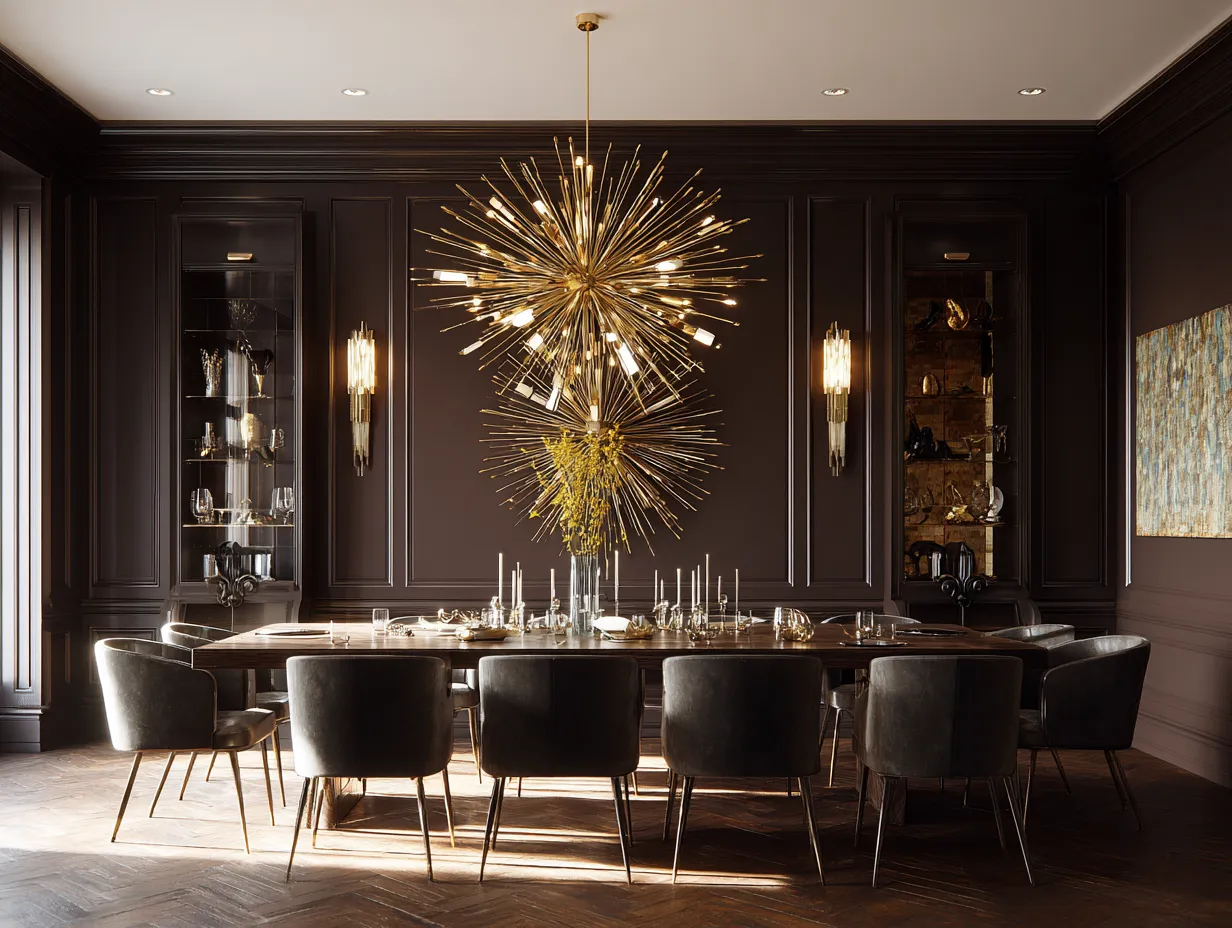
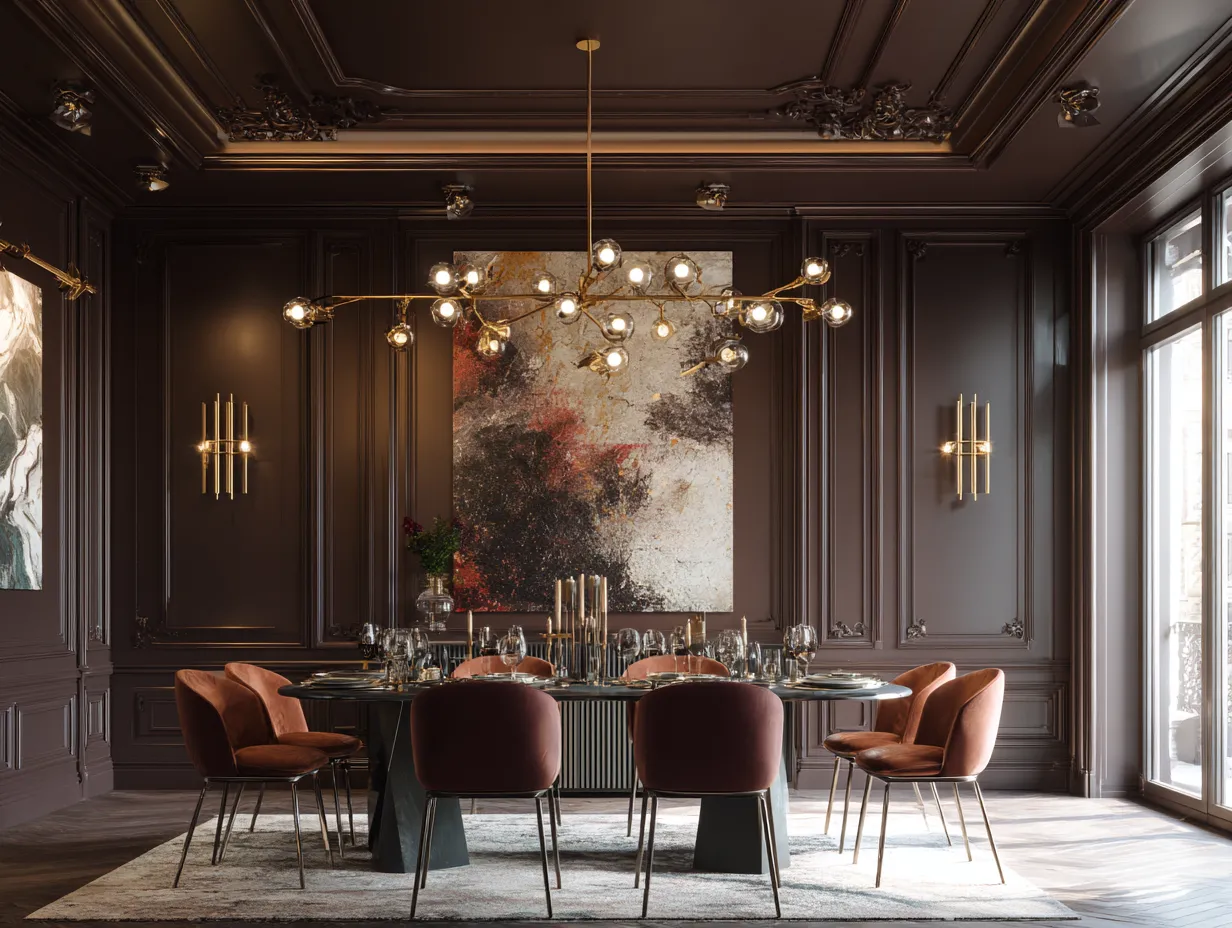
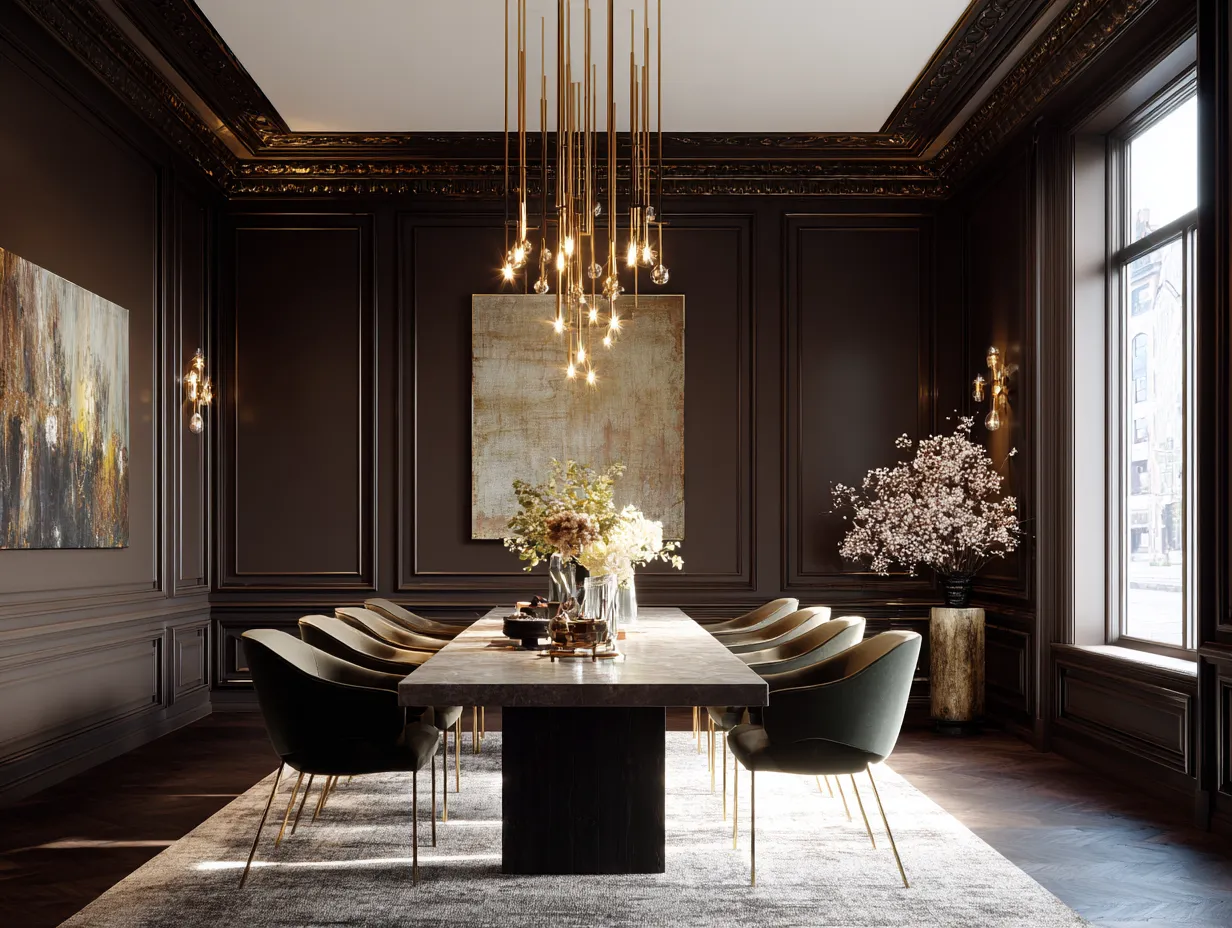
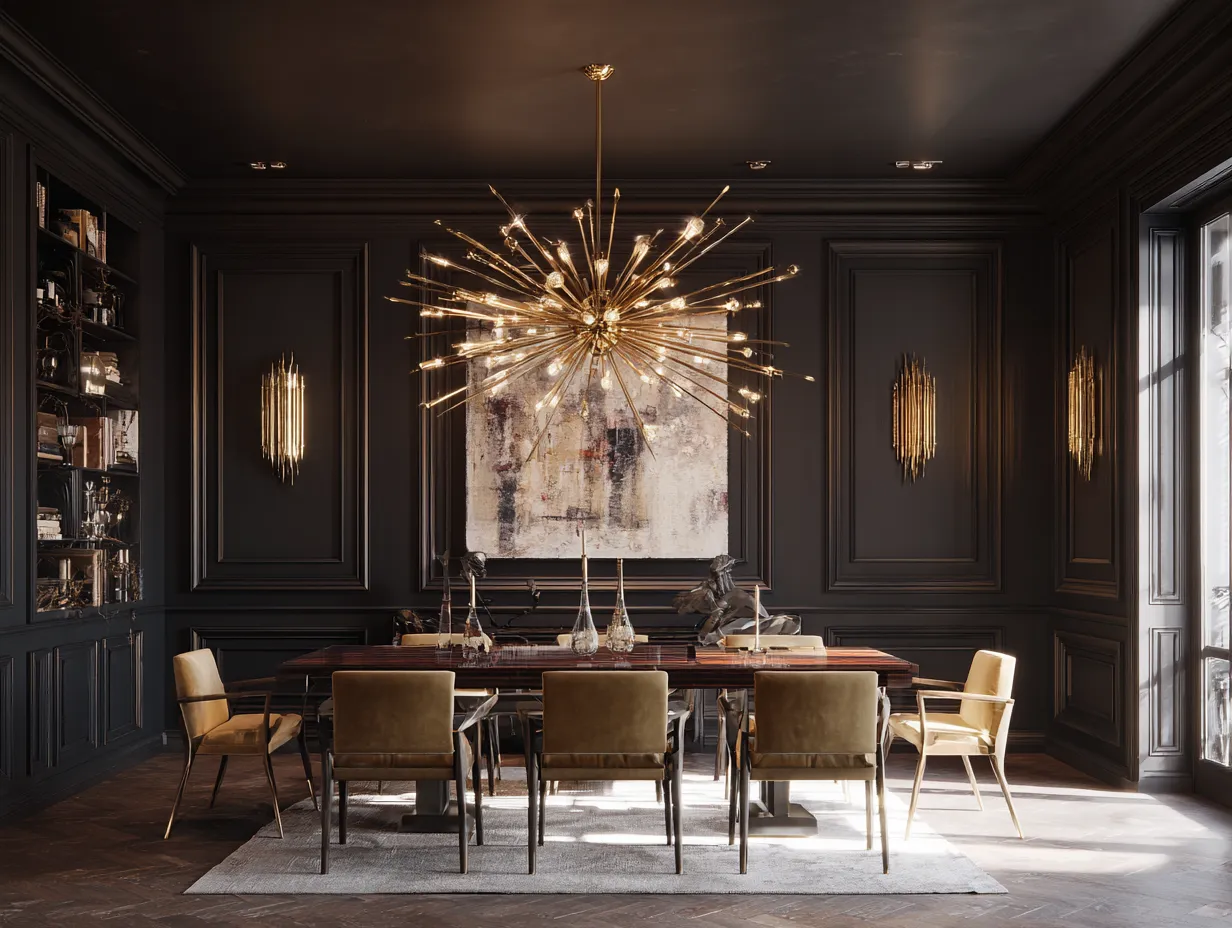
However, it is the artificial lighting plan that truly makes or breaks deep brown room ideas after the sun goes down. A single, harsh overhead light is the enemy of warm interior design; it flattens the space and casts unflattering shadows. Instead, a layered lighting approach is strictly mandatory. This involves utilizing ambient, task, and accent lighting simultaneously to create pools of light that draw the eye around the room. Ambient lighting provides the overall glow and should ideally be controlled by dimmer switches, allowing you to adjust the mood instantly. Task lighting, such as a sleek brass reading lamp situated next to a velvet armchair, adds functionality while creating an intimate pocket of light. Accent lighting is where the magic happens; utilizing picture lights to highlight artwork, or installing low-level floor washers to graze the texture of the walls, adds immense depth and drama to the deep, saturated background.
Equally important to the success of this aesthetic is the meticulous layering of texture. Because dark colors absorb light and can visually flatten a room, texture is required to bounce light in varied ways, creating necessary visual interest and preventing the space from feeling like a black hole. When moving away from the flat, monotonous look of millennial gray, we must introduce a tactile diversity that begs to be touched. Consider the interplay between matte and glossy finishes. A wall painted in a flat, velvety dark paint provides a perfect, light-absorbing backdrop for a highly polished, heavily lacquered mahogany side table or a gleaming, mirrored tray. The high-gloss surfaces reflect the light sources in the room, creating brilliant highlights that slice through the dark, matte background, giving the room life and movement.
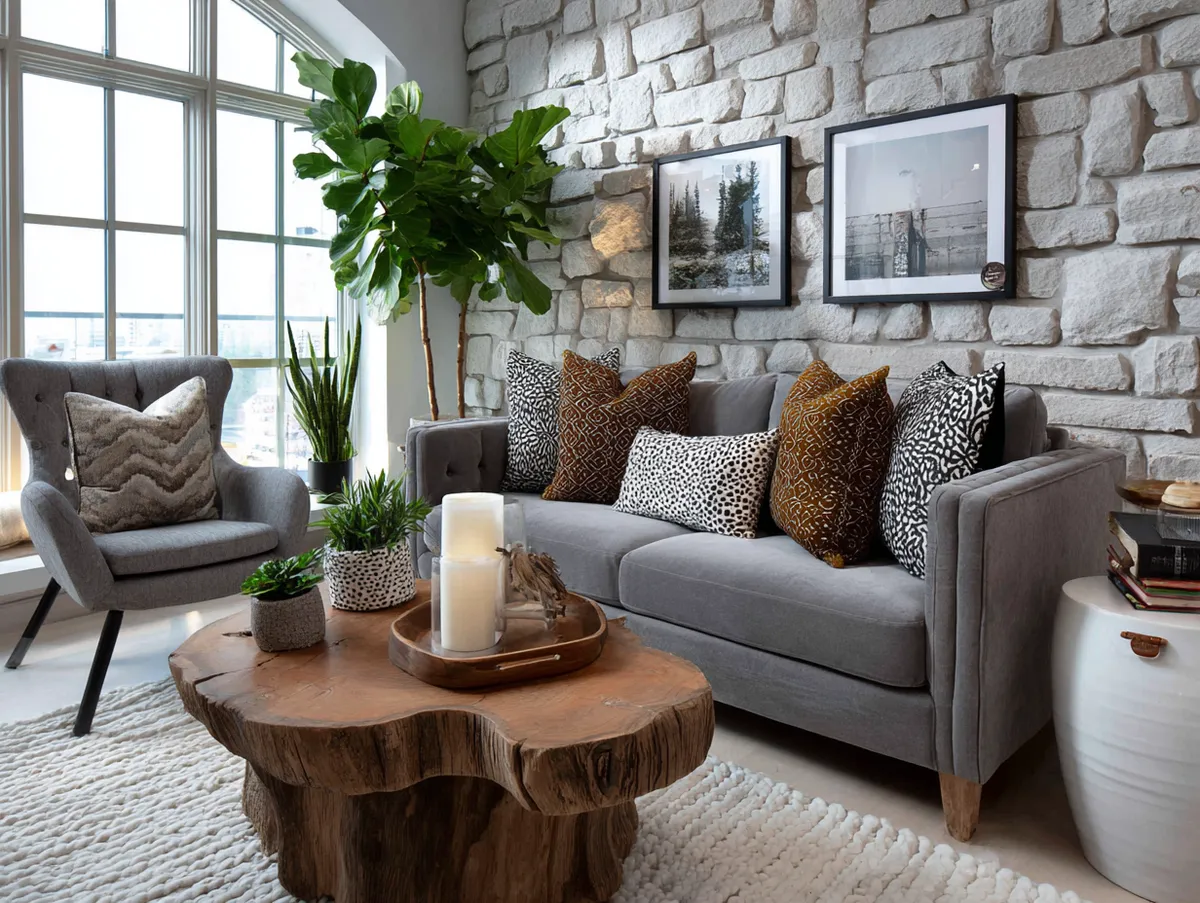
Textiles play a monumental role in building this tactile landscape. A room heavily steeped in dark, earthy hues needs fabrics that match its luxurious visual weight. Heavy, slubby linens, crushed velvets, buttery leathers, and thick, nubby wools are essential components. Imagine the sensory experience of running your hand over a ribbed corduroy throw pillow resting on a smooth, top-grain leather sofa, all set atop a deeply piled, hand-knotted wool rug. These varied textures catch shadows and light differently, adding necessary dimension to the space. Furthermore, incorporating raw, organic materials helps to ground the sophisticated palette. Elements like natural stone, heavily grained raw wood, and unglazed ceramics introduce an earthy imperfection that prevents the luxurious design from feeling too precious or unapproachable.
The successful execution of this aesthetic is ultimately about creating a rich, sensory experience. By carefully controlling how light cascades through the room and meticulously curating the tactile elements within it, you elevate the design from a simple color choice to a masterclass in atmospheric living. The juxtaposition of a gleaming brass light fixture against a dark, matte wall, or the contrast of crisp white linen against a deeply colored velvet headboard, proves that moving away from sterile, cool tones does not mean sacrificing brightness or modernity. It simply means trading a stark, clinical approach for one that is profoundly layered, deeply intentional, and endlessly captivating.
Bringing It All Together
The evolution of interior styling is moving definitively toward spaces that prioritize comfort, depth, and a profound connection to natural elements. By leaving behind the sterile, cool-toned palettes that dominated the previous decade, you open your home to a more sophisticated, grounding, and luxurious atmosphere. Implementing deep, earthy tones transforms stark rooms into enveloping sanctuaries, proving that bold color choices can serve as the ultimate neutral foundation. Through careful layering of high-contrast elements, meticulous lighting strategies, and a focus on rich, tactile materials, any space can achieve a timeless, elegant warmth that genuinely feels like home.