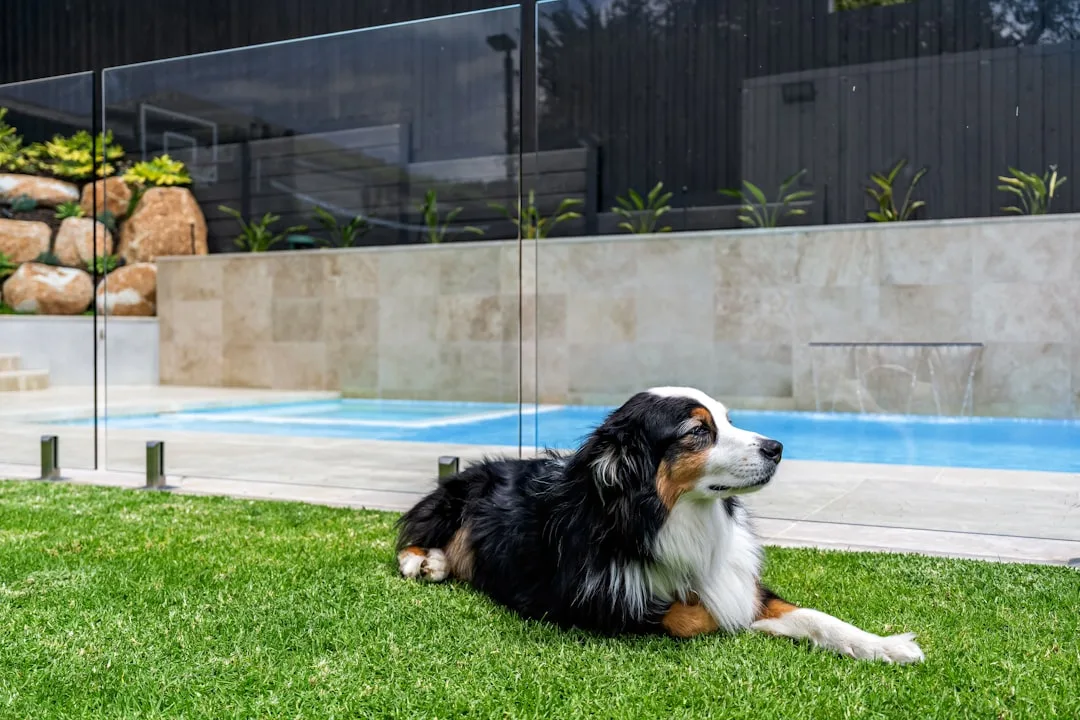
Outdoor dog runs have become the fastest-growing pet-landscape category in 2026, displacing the static kennel model entirely—with 73% of new pet landscape installations now featuring integrated run systems. The shift reflects a fundamental change: owners no longer view dog confinement as a separate structure, but as an extension of their outdoor living space that serves aesthetic and functional purposes simultaneously.
The Integration Standard Replaces Isolation
The 2026 outdoor dog run integrates directly into the broader landscape narrative rather than existing as a utilitarian afterthought. This means runs now incorporate native plantings, permeable paving, shade structures, and sightline continuity with garden design—exactly how you’d approach a patio or deck expansion.
Modular steel systems like the Kencove Farm Fence Premium Dog Run ($2,400–$3,800 for 40-foot configurations) have become the architectural foundation. These aren’t rigid boxes; they’re customizable frameworks that accept landscape elements—living edges, integrated water features, hardscaping transitions. The steel frame remains constant while surroundings shift seasonally.
Compare this to traditional chain-link kennels: those required visual masking (screens, plantings added afterward) and didn’t accommodate grading or drainage planning. Modern runs are specified during landscape design phase, not grafted on.
Quick Tips
- Position runs on the north or northeast side to maintain cool shade in summer while capturing morning light for vitamin D exposure
- Use permeable pavers (Techo-Bloc Umbriano or Belgard Permeable Pavers, $8–$12 per sq ft) inside runs to reduce mud, improve drainage, and create finished aesthetic
- Border runs with deer-resistant native plants (coneflower, black-eyed Susan) rather than ornamentals—they withstand direct dog interaction better
- Install a dedicated water line with a frost-proof hydrant ($150–$300) inside or adjacent to the run for easy bowl filling and hose access
Why Permeable Surfaces Matter Now
Outdoor dog runs in 2026 emphasize hydrology. Permeable paving—whether permeable concrete, recycled plastic grids filled with gravel, or specialized dog-run surfaces—has become non-negotiable in areas with stormwater regulations or clay-heavy soil.
Structurally Sound’s Pet Run Pro Surface ($6–$9 per square foot) uses recycled plastic hexagonal cells filled with pea gravel, allowing drainage while creating a cushioned walking surface that’s easier on joints. A 20×15-foot run costs approximately $1,800–$2,700 in materials alone. Traditional compacted earth requires constant raking, develops ruts, and becomes muddy.
The permeable approach also extends run lifespan: drainage prevents pooling, which eliminates algae growth, parasitic risk, and material degradation. Homeowners now see this upfront investment as maintenance reduction, not added expense.
| Surface Type | Cost per Sq Ft | Drainage & Durability |
|---|---|---|
| Permeable plastic grid | $6–$9 | Excellent; 8–10 year lifespan |
| Permeable concrete | $8–$14 | Excellent; 15+ years |
| Compacted earth with mulch | $1–$3 | Poor; requires constant maintenance |
| Rubber mats (portable) | $3–$7 | Fair; degrades in UV |
Shade and Climate Control Features
May 2026 designs now integrate passive shade as standard rather than optional. Shade cloth pergolas (ShadePro 90% UV Block System, $800–$1,400 for a 20×12-foot span) or living shade via strategically pruned trees create zones within runs where dogs can escape direct sun without leaving the space.
Some premium installations incorporate wind-resistant structures—particularly in coastal or prairie regions. The Sierra Dog Run Shade Structure ($1,200–$2,100) uses aluminum framework with polycarbonate panels that provide visibility while reducing wind stress on anxious dogs and extending the usable season into shoulder months.
For warm climates, shade pairing with air-flow design matters: orient runs perpendicular to prevailing breezes and avoid dense evergreen borders on the windward side. This approach reduces heat index by 8–12 degrees compared to fully enclosed designs.
Native Plantings as Landscape Framework
The 2026 standard incorporates native plant buffers around run perimeters, making the structure disappear visually into the broader garden narrative. Rather than ornamental borders, designers now specify tough, deep-rooted natives that define edges without competing for water or space inside the run.
For temperate North American zones, combinations like coneflower (Echinacea), native grasses (Little Bluestem), and serviceberry shrubs ($25–$45 per plant) create a visual frame while providing seasonal structure year-round. These survive dog interaction at perimeter edges and require minimal supplemental water once established.
Avoid toxic plants entirely. Yew, foxglove, and sago palm—common in landscape schemes—pose poisoning risk if dogs browse near edges. This has driven landscape architects toward certified pet-safe plant lists, reshaping regional nursery inventory in 2026.
Integration With Broader Outdoor Living Zones
Modern outdoor dog runs no longer exist as isolated islands. They now connect visually and functionally to patios, garden rooms, and sightline corridors—exactly how you’d link a vertical habitat structure for indoor cats to your overall interior flow.