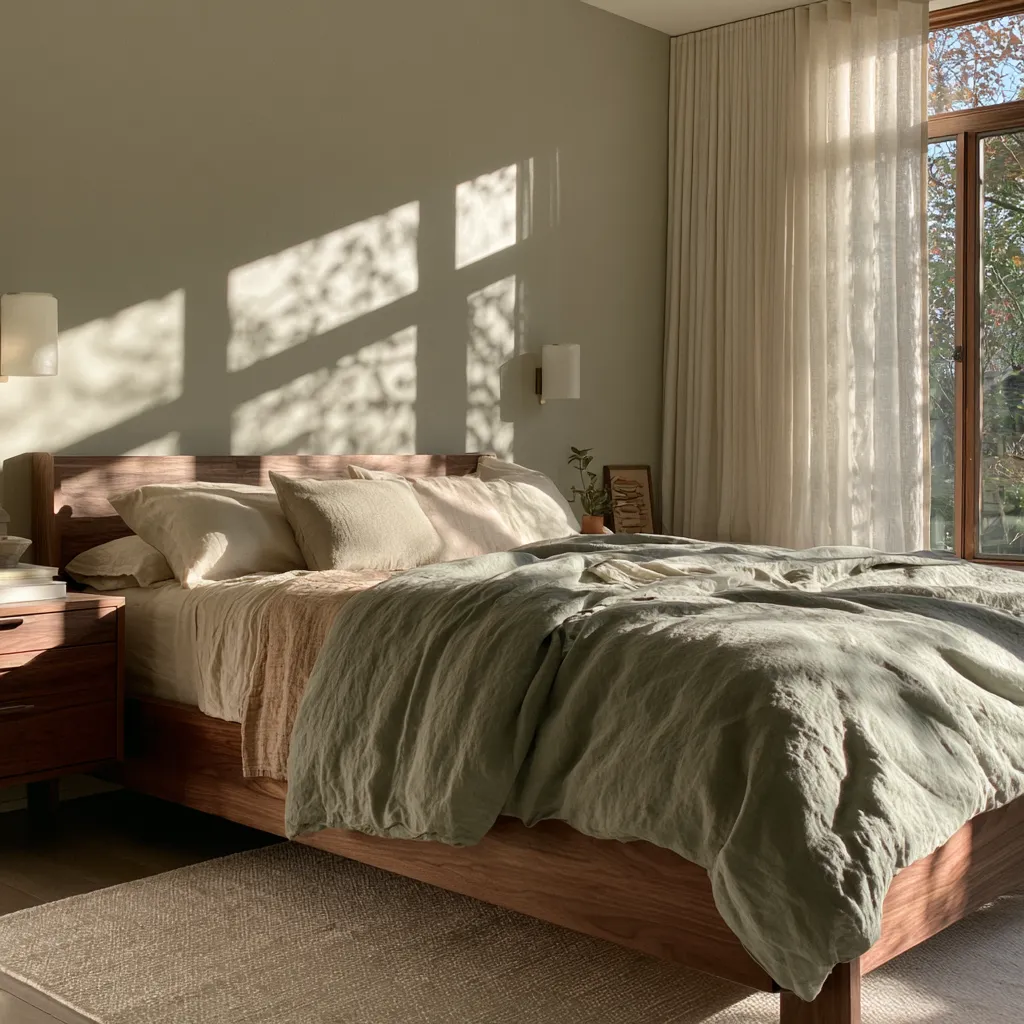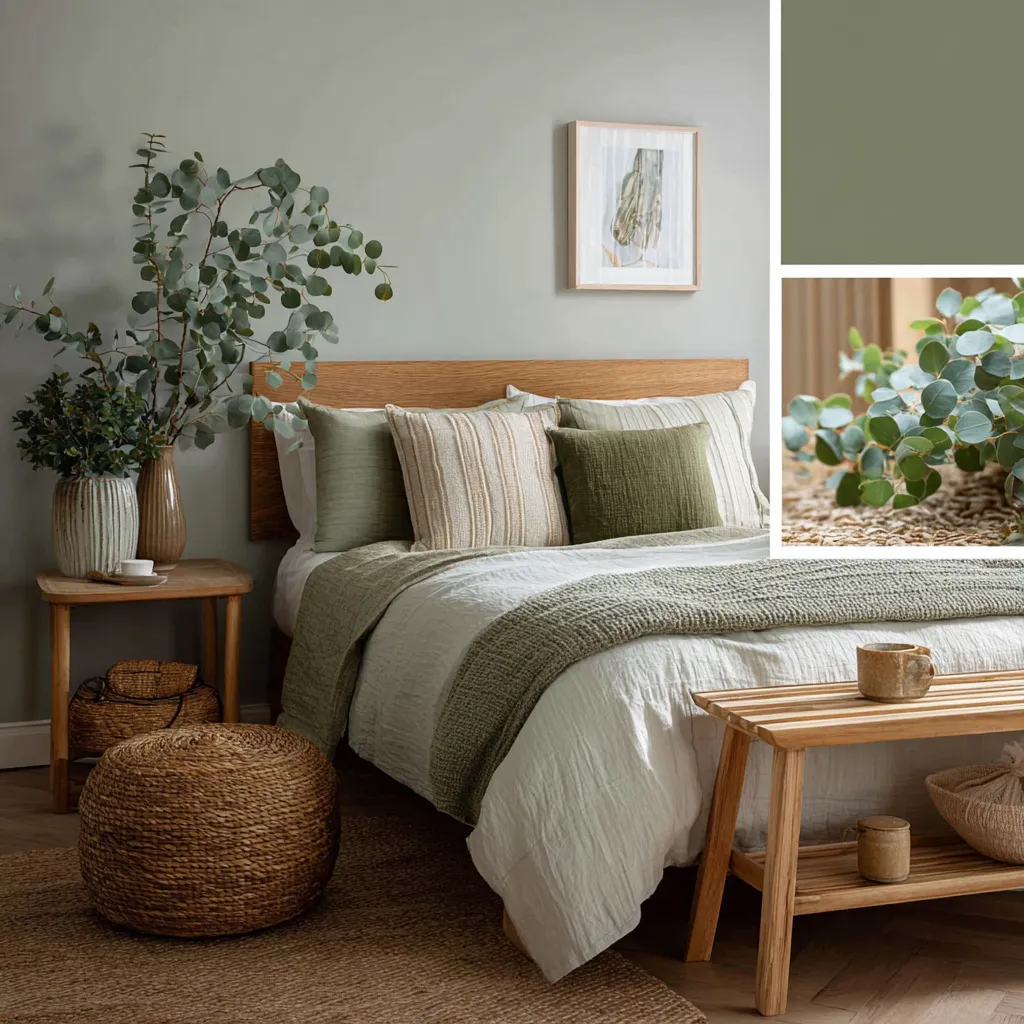
Creating a truly restorative sanctuary requires more than just a comfortable mattress; it demands a thoughtful approach to color, texture, and atmosphere. In a world that constantly demands our attention, the desire to retreat into a deeply personal, soothing space has never been stronger. Shifting away from stark whites and clinical neutrals, design enthusiasts are looking toward the natural world for inspiration, seeking out palettes that effortlessly exude an understated, timeless elegance. By embracing the nuanced, organic tones found in nature, you can transform a standard sleeping area into an immersive retreat that prioritizes rest and rejuvenation. This guide explores the masterful application of two incredibly versatile shades, detailing how to utilize premium materials and intentional design principles to elevate your personal space into a sophisticated haven of tranquility.
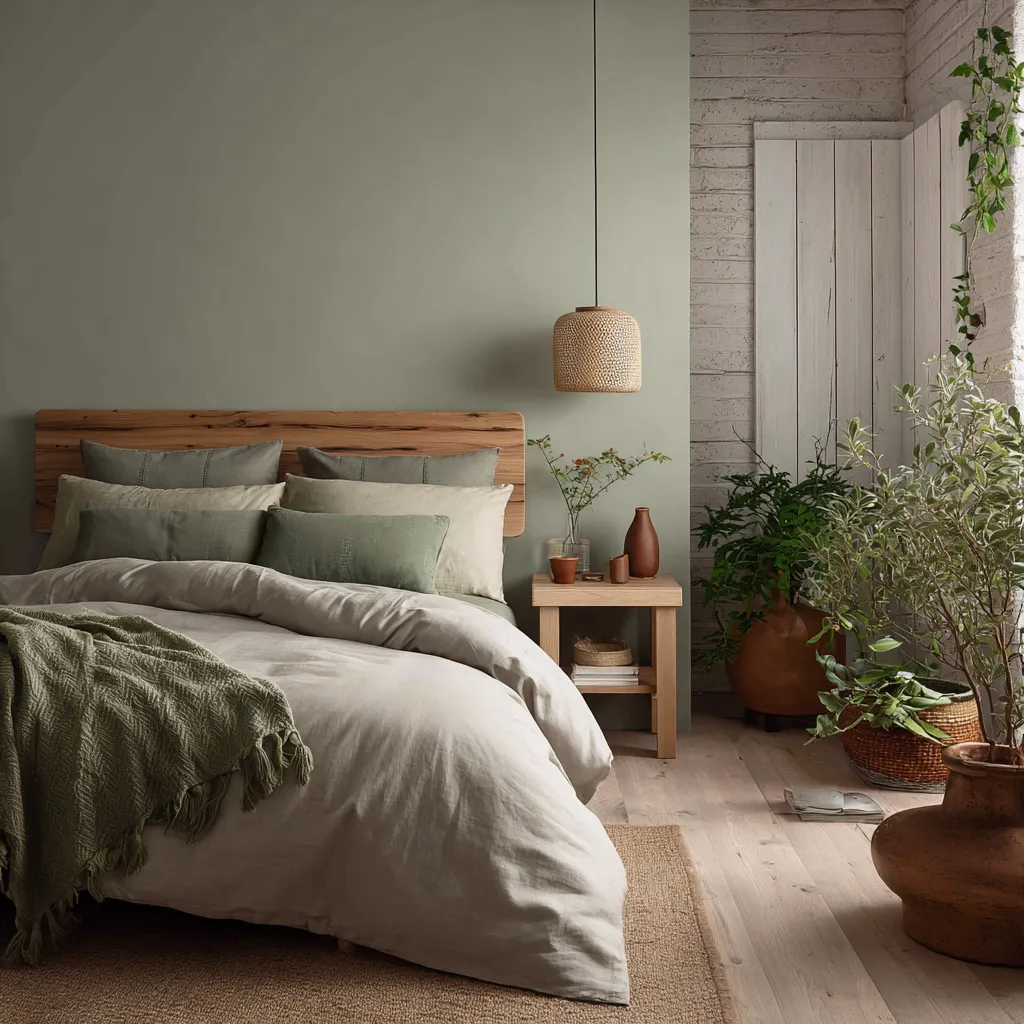
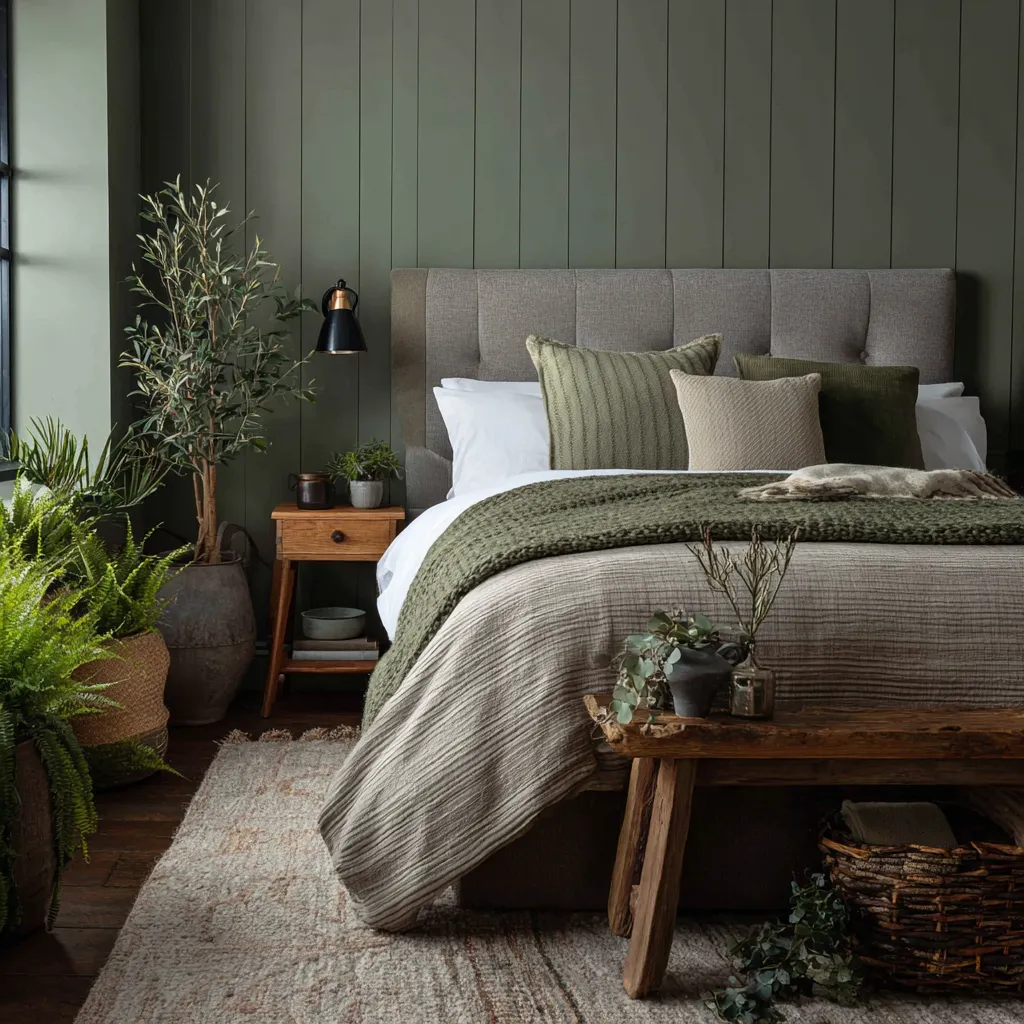
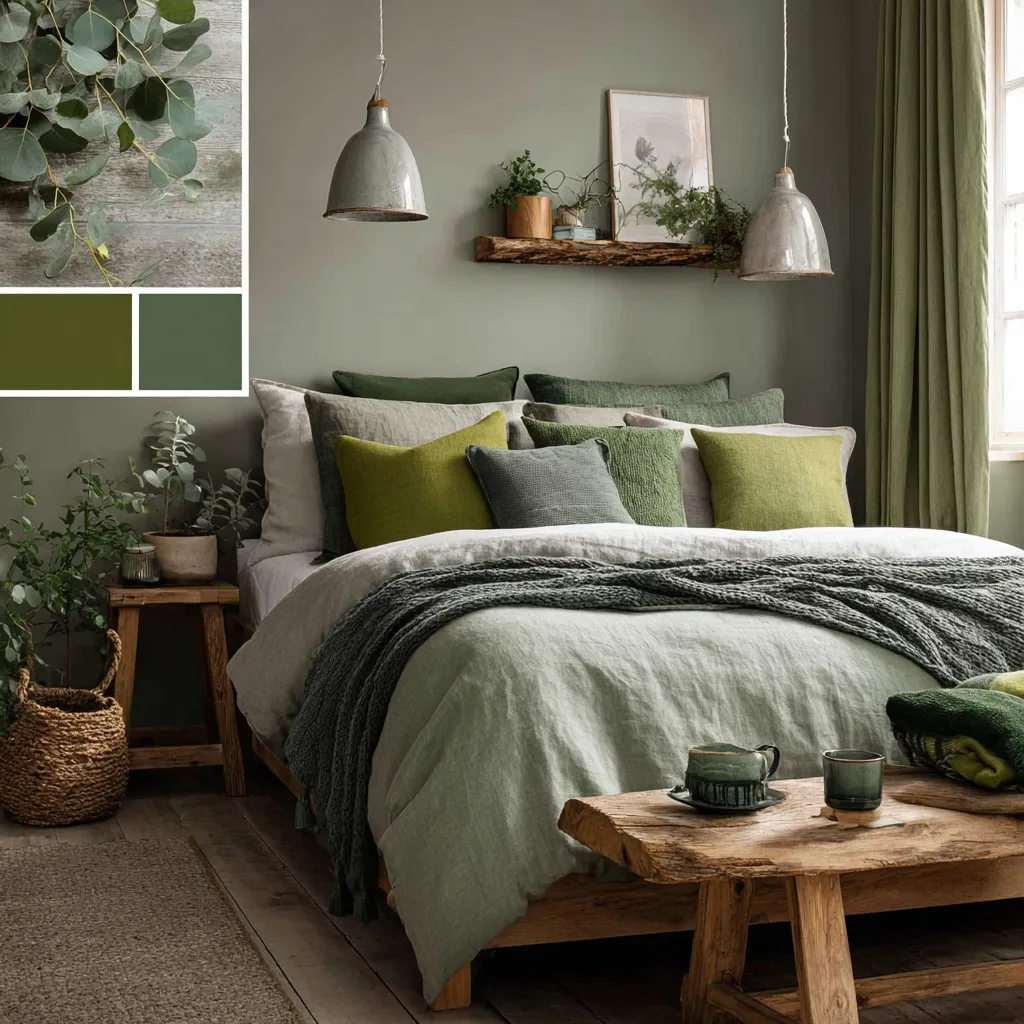
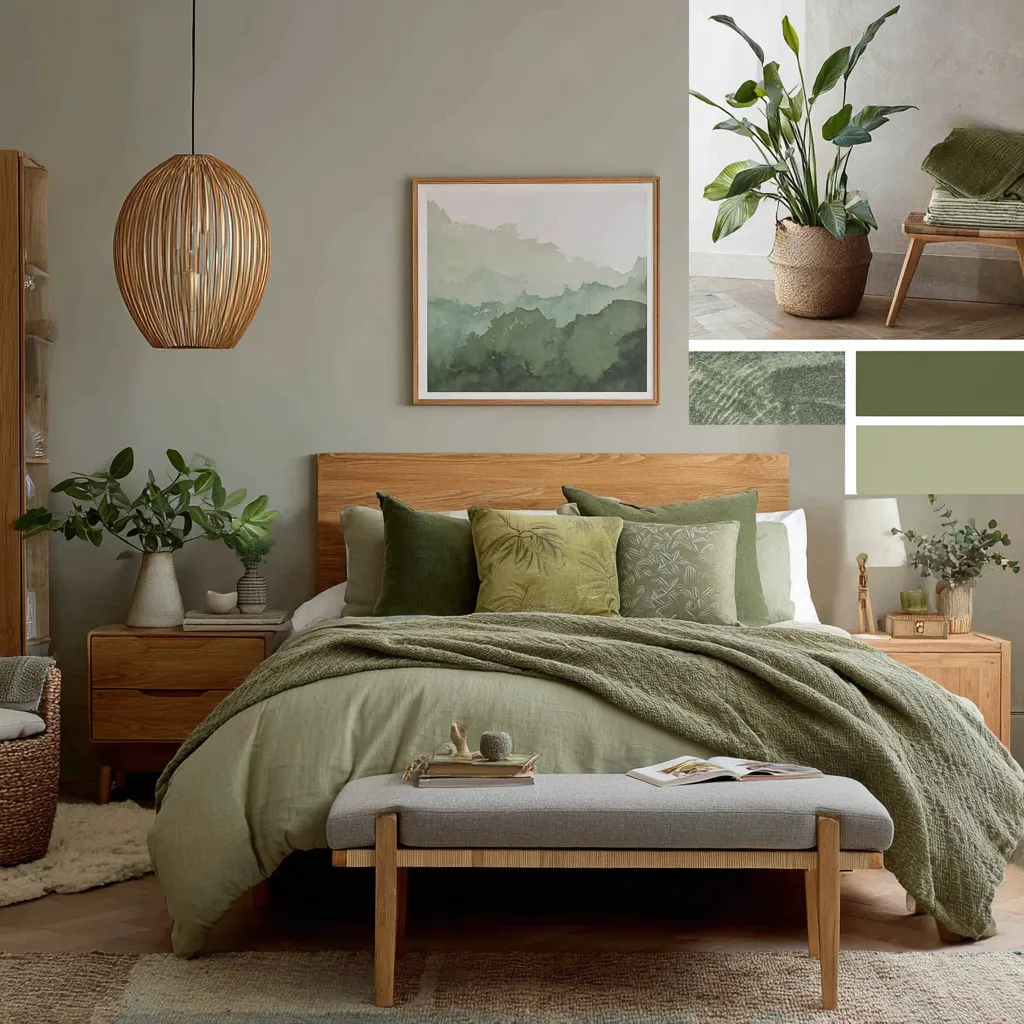
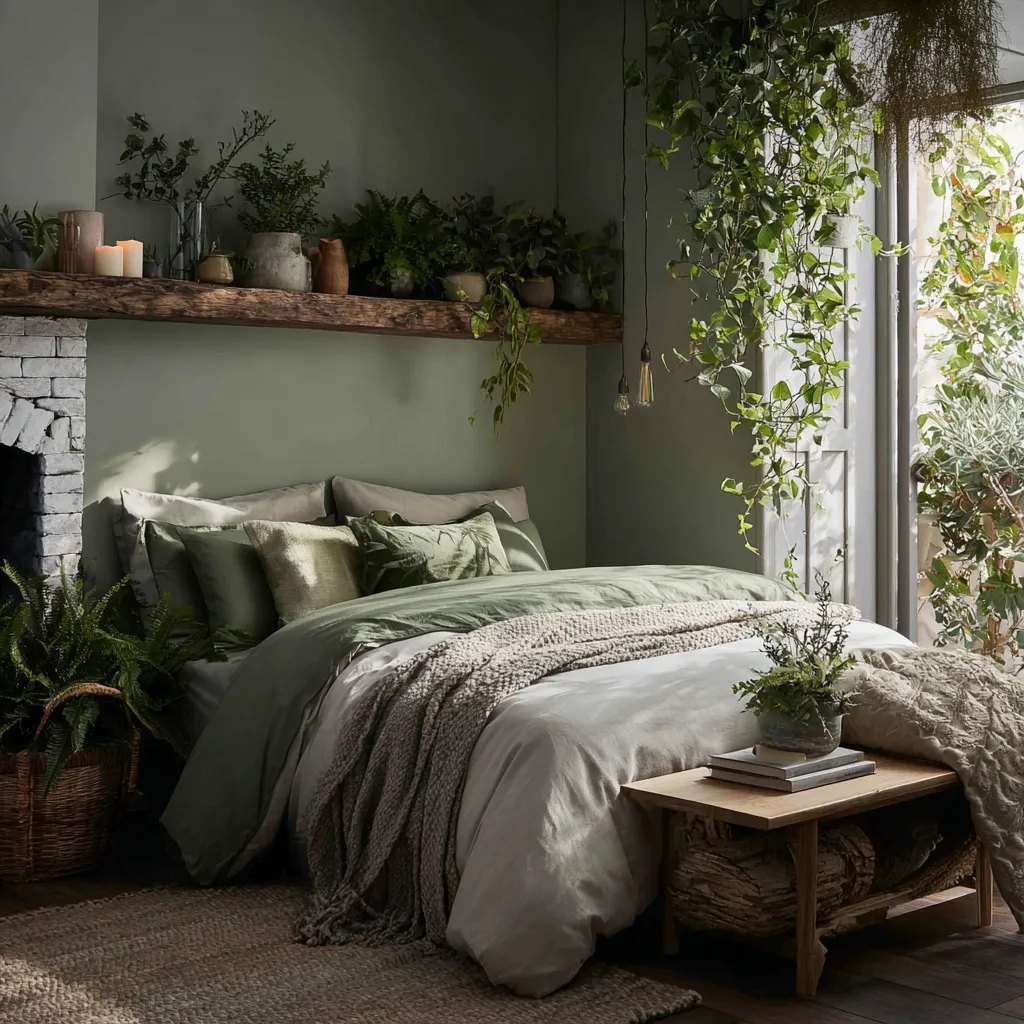
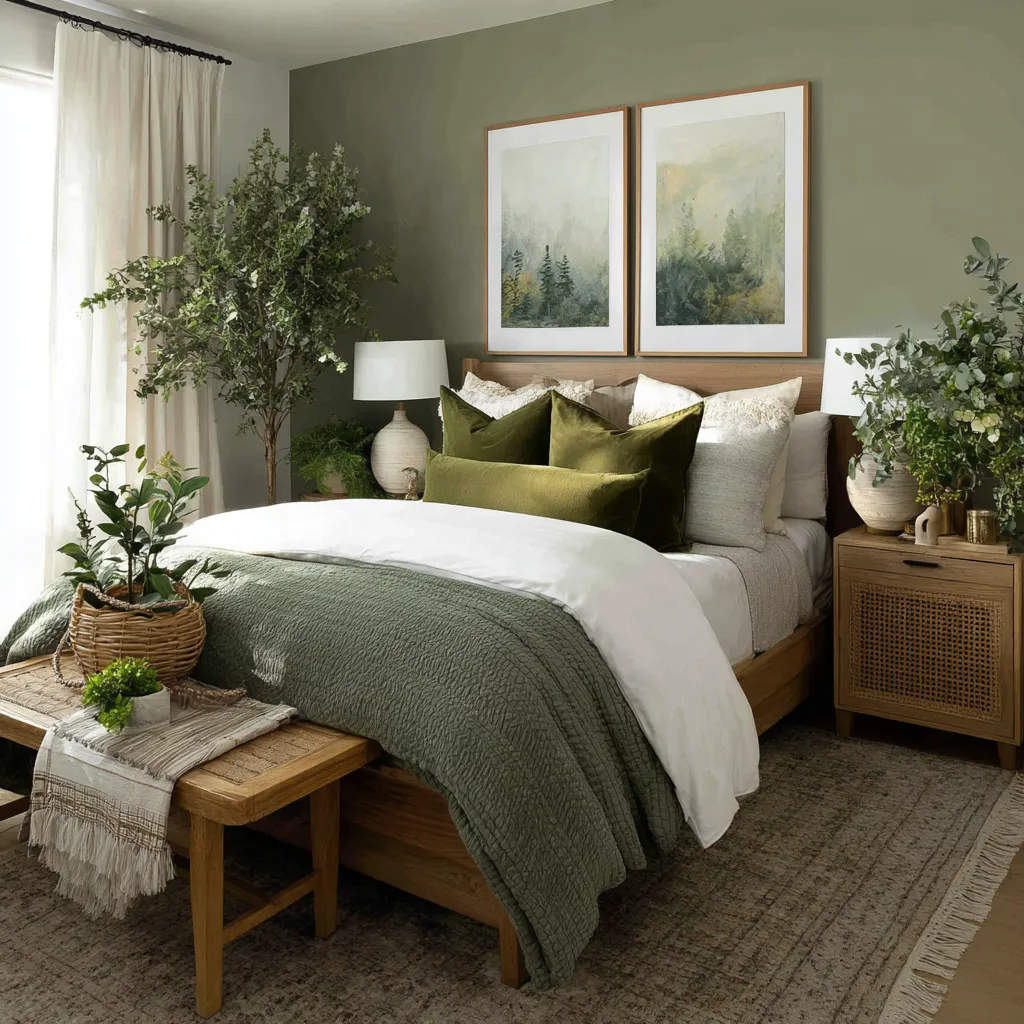
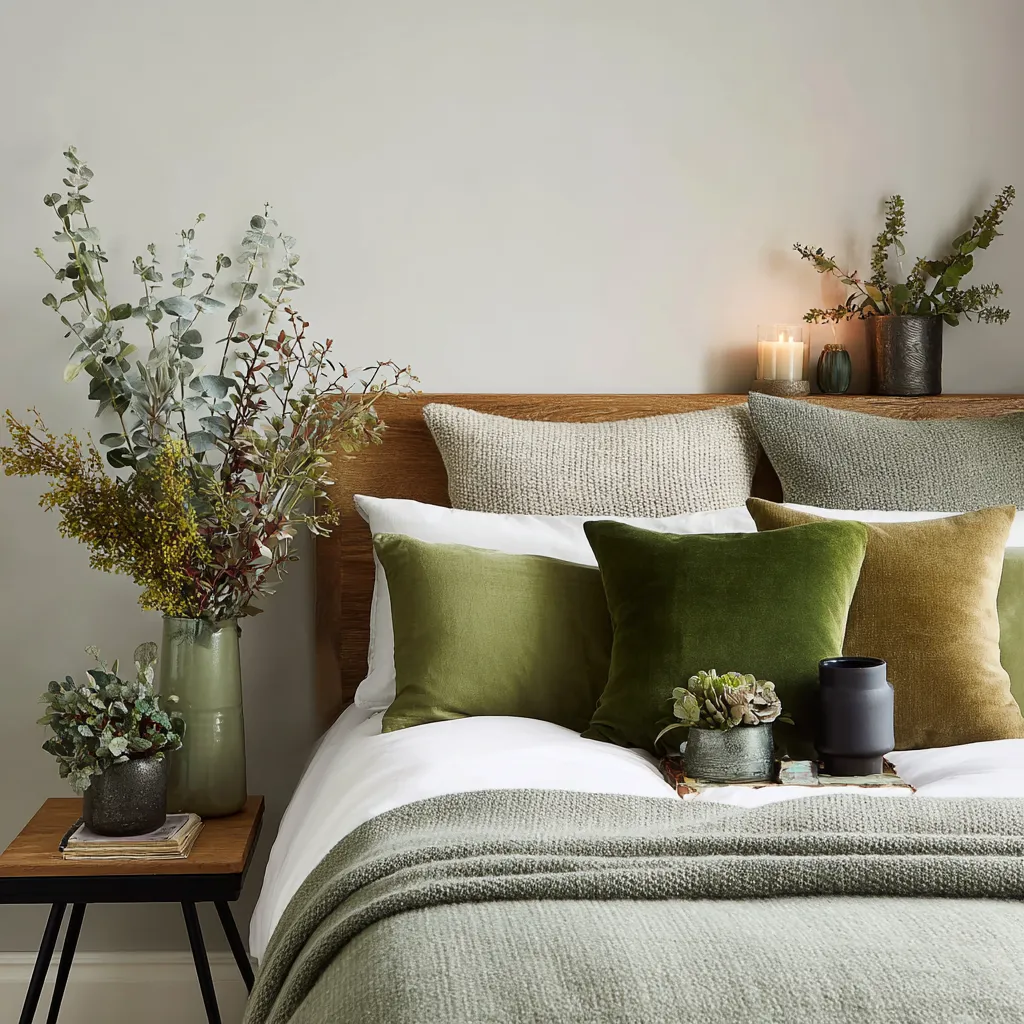
Establishing A Foundation With Warm Eucalyptus And Moss Green Walls
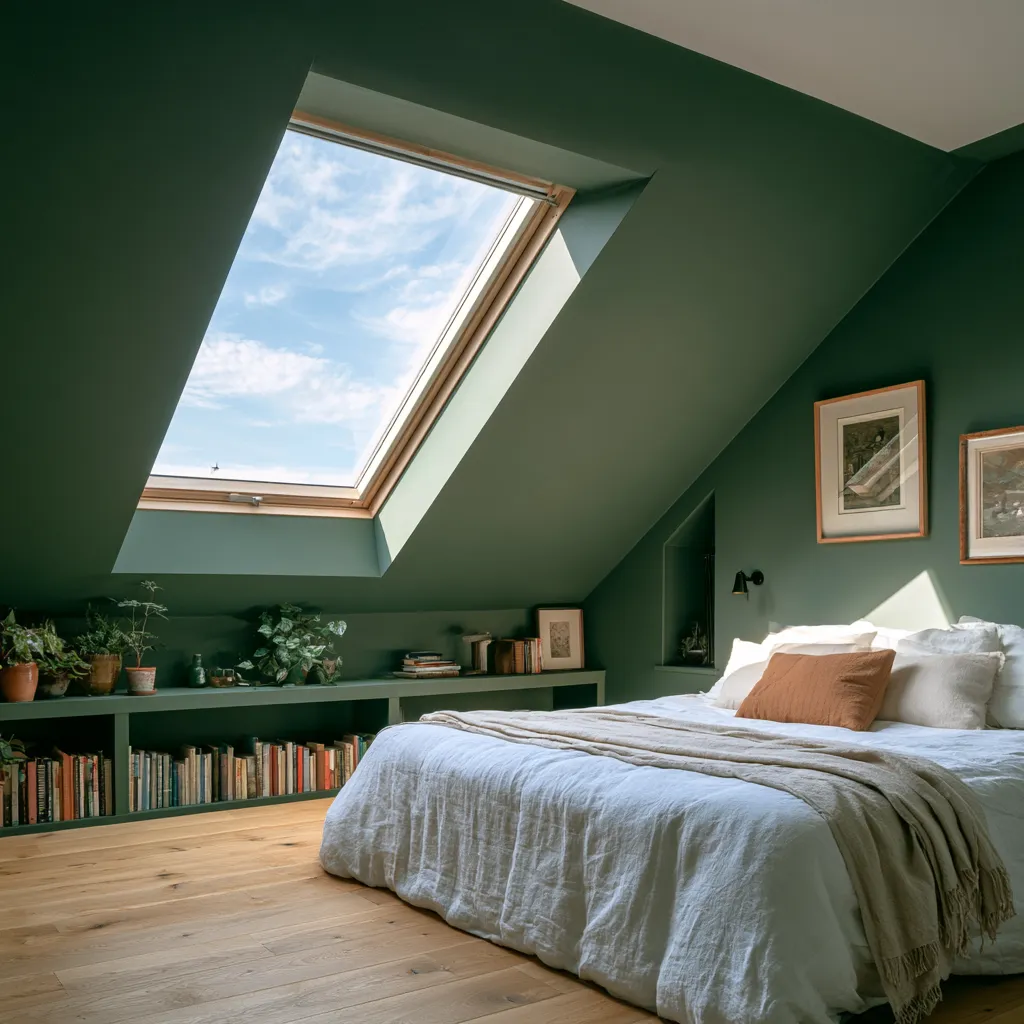
The initial step in curating a highly sophisticated and calming bedroom involves establishing a deeply intentional foundational color palette. The strategic combination of warm eucalyptus and moss green offers a masterclass in establishing a space that feels simultaneously expansive and intimately grounded. Warm eucalyptus, characterized by its soft, silvery-grey undertones mixed with a gentle sage, acts as a brilliant alternative to traditional neutral wall colors. It provides a luminous, breathable backdrop that interacts beautifully with shifting natural daylight. When the morning sun enters the room, warm eucalyptus walls reflect a fresh, invigorating energy, while in the evening, they absorb the softer light to create a muted, enveloping atmosphere. This dynamic quality is essential for a space dedicated to both waking up and winding down. To maximize this effect, consider utilizing a highly specialized paint finish, such as Roman clay or a traditional lime wash. These artisanal finishes introduce a subtle, cloud-like texture to the walls, ensuring the color never feels flat or mass-produced. This dedication to nuanced, high-quality finishes is a hallmark of truly elevated, understated interior styling.
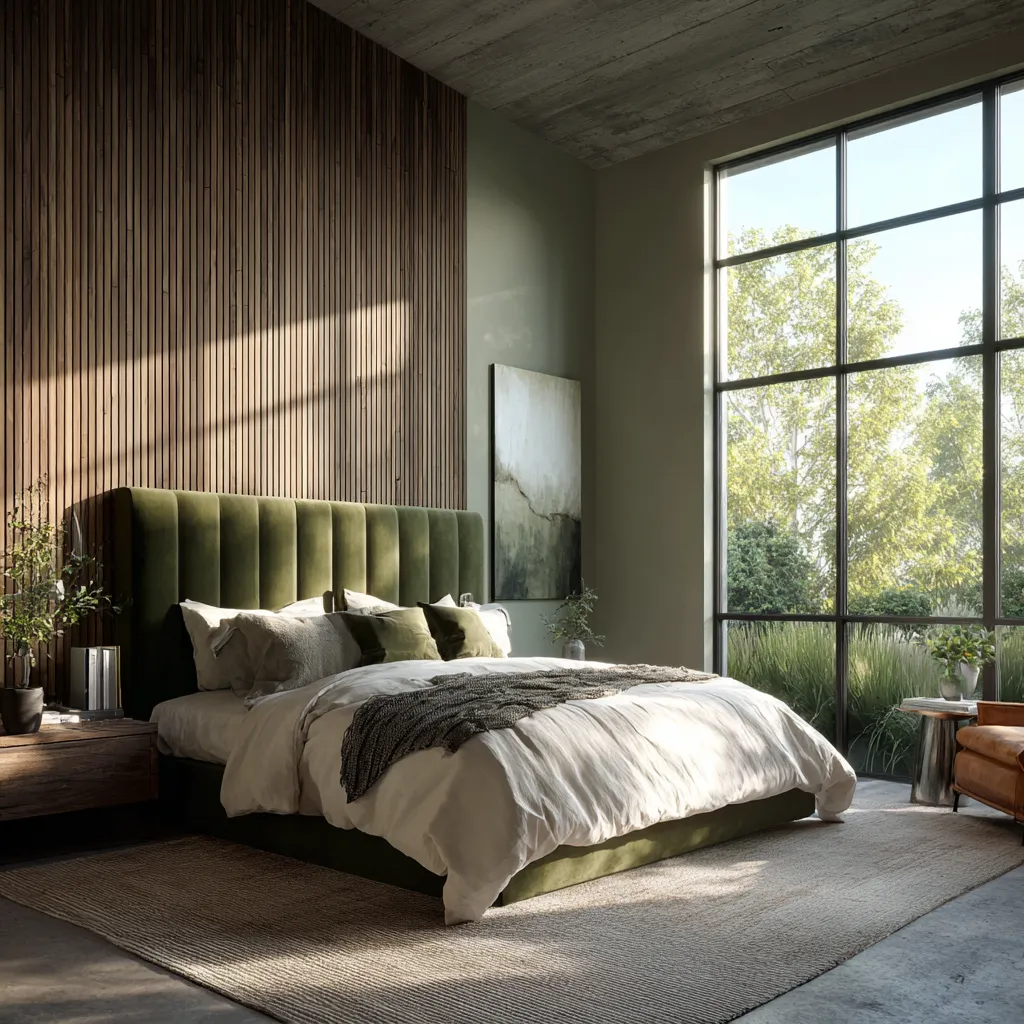
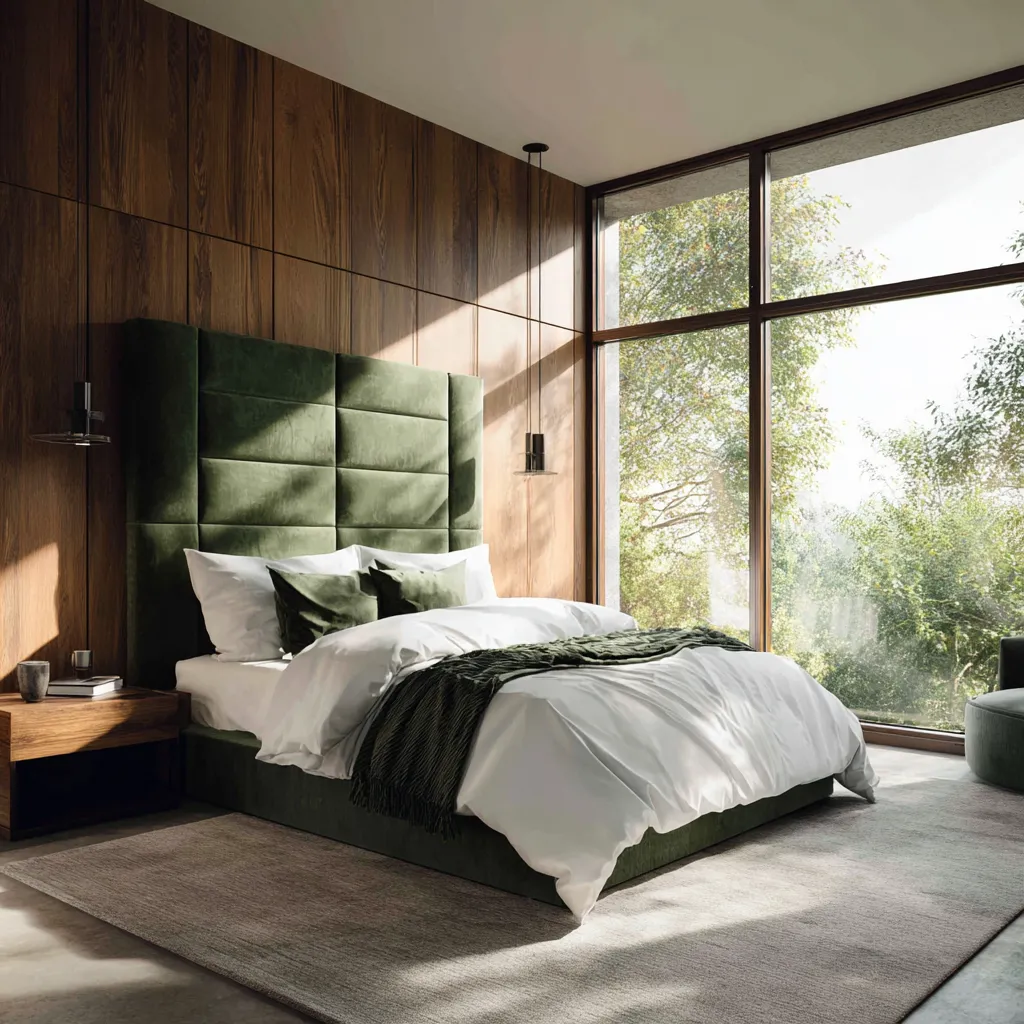
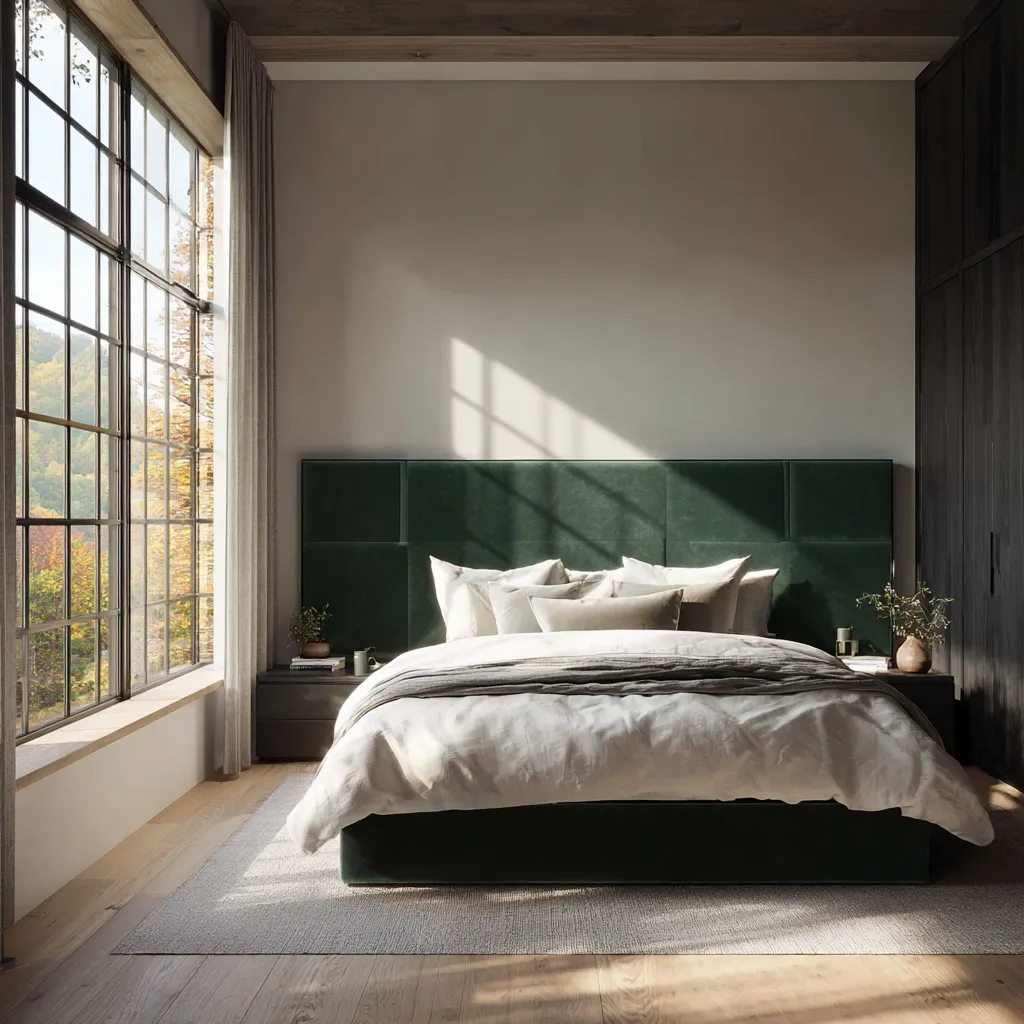
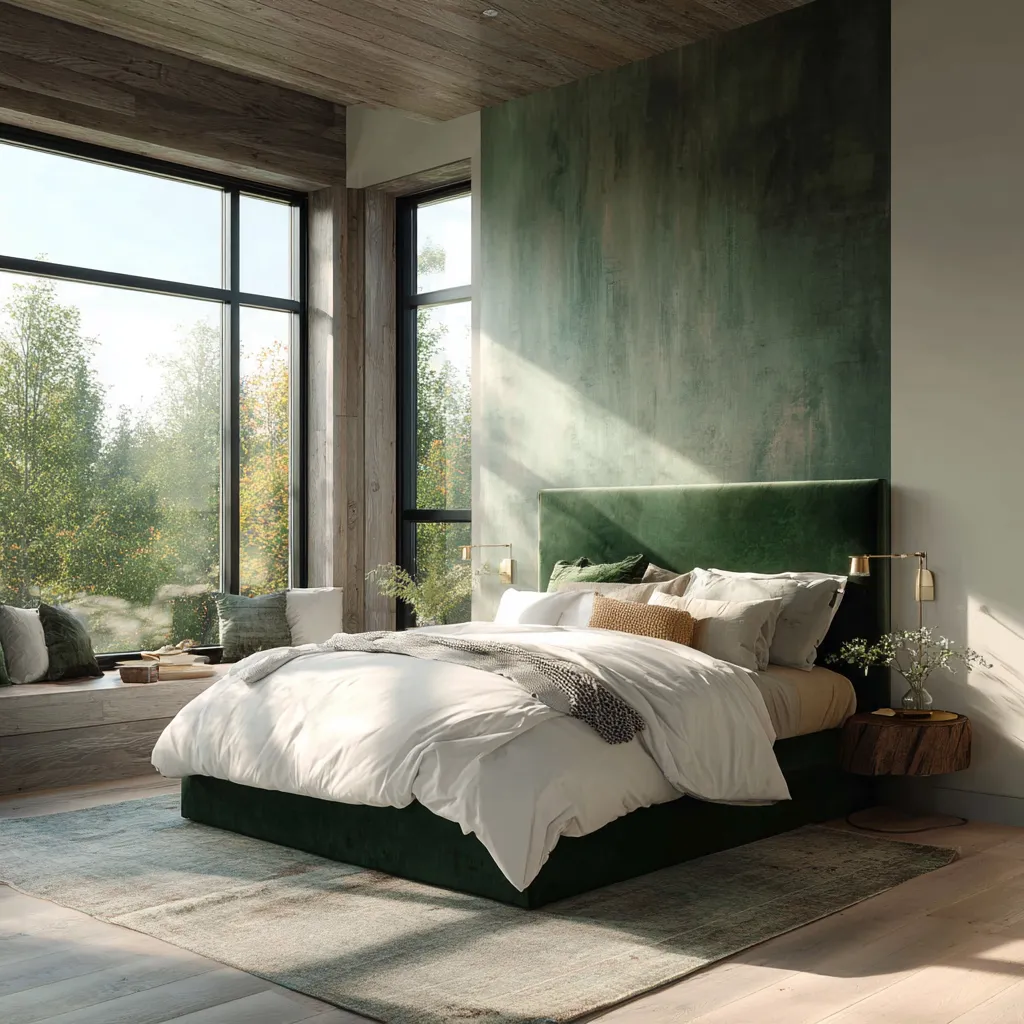
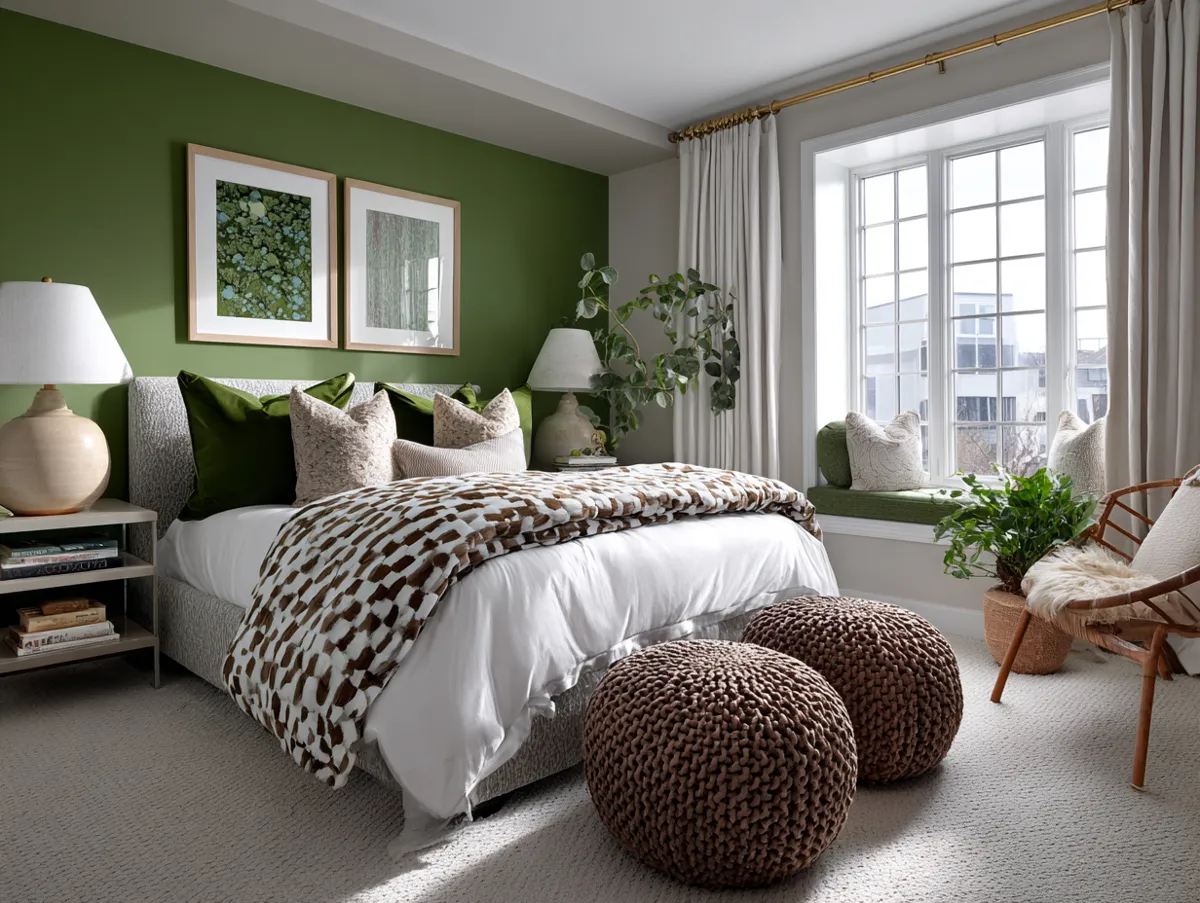
Introducing moss green into this environment provides the necessary visual weight to anchor the airy qualities of the lighter tones. Moss green is a deeply saturated, rich hue that mimics the dense, shadowy floor of an ancient forest. When applied thoughtfully, it prevents the calming bedroom from feeling too ethereal or unmoored. One of the most effective ways to deploy this darker shade is through significant architectural elements or large-scale foundational furniture. For instance, painting the trim, baseboards, and interior doors in a rich moss green against the lighter warm eucalyptus walls creates a stunning, tailored contrast that feels incredibly bespoke. Alternatively, a wall-to-wall custom millwork wardrobe painted in this dark, grounding shade offers functional storage while serving as a monumental focal point. This approach to color blocking requires confidence but results in a highly curated environment that feels custom-built and meticulously considered.
The psychological impact of surrounding oneself with these specific hues cannot be overstated. Studies in environmental psychology consistently demonstrate that shades of green, particularly those directly referencing the natural world, have a profound ability to lower the heart rate and reduce cortisol levels. A calming bedroom should act as a physical and mental palate cleanser at the end of the day. By enveloping the space in warm eucalyptus, you are visually signaling to your brain that it is time to decompress. The addition of the darker, heavier green adds a layer of psychological security and coziness, much like the feeling of being protected by a dense canopy of trees. This careful balance ensures that the room does not just look beautiful, but actively contributes to your physical well-being and the quality of your rest.
To ensure this color pairing reaches its full potential, one must pay close attention to the transitions between the floor, walls, and ceiling. A stark white ceiling can sometimes disrupt the immersive experience of a carefully colored room, drawing the eye upward abruptly and breaking the illusion of a continuous, restful environment. Instead of default ceiling white, consider wrapping the warm eucalyptus hue up and across the ceiling. This technique, known as color drenching, eliminates harsh contrast lines at the top of the walls, effectively blurring the boundaries of the room and making the ceiling appear endlessly high. If fully drenching the ceiling feels too intimidating, opting for a shade that is exactly fifty percent lighter than the wall color provides a softer, more seamless transition. By painstakingly addressing every square inch of the room’s foundation, you set a perfect, tranquil stage for the layers of textiles and furnishings to follow.
Layering Luxurious Textiles In A Calming Bedroom
Once the architectural foundation is set, the true essence of a luxurious, calming bedroom is realized through the obsessive curation of textiles. The bed itself must serve as the undeniable centerpiece of the room, requiring an approach to dressing it that prioritizes tactile richness and premium, organic materials. The synergy between warm eucalyptus and moss green is perfectly suited for a deeply layered, highly textural bedding arrangement. Begin with the absolute highest quality foundational sheets you can procure. Long-staple Egyptian cotton percale in a crisp, unbleached ivory provides a smooth, breathable, and slightly crisp layer against the skin. This pristine base acts as the perfect canvas for introducing color. Over this, a heavy, stonewashed linen duvet cover in a deep moss green introduces immediate visual gravity and a delightfully rumpled, lived-in sophistication. Heavy European flax linen possesses a beautiful, unostentatious quality; it drapes magnificently and regulates temperature exceptionally well, making it a staple of elevated, understated sleeping environments.
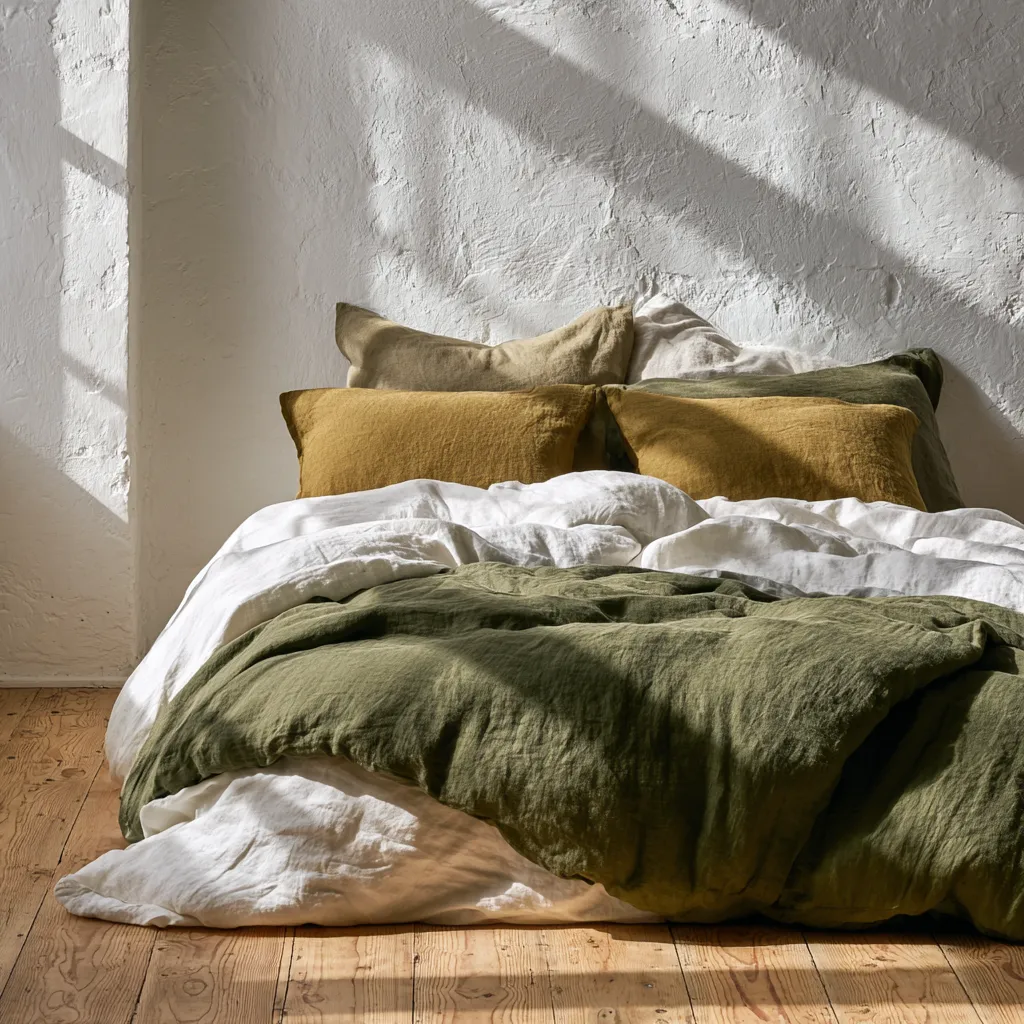
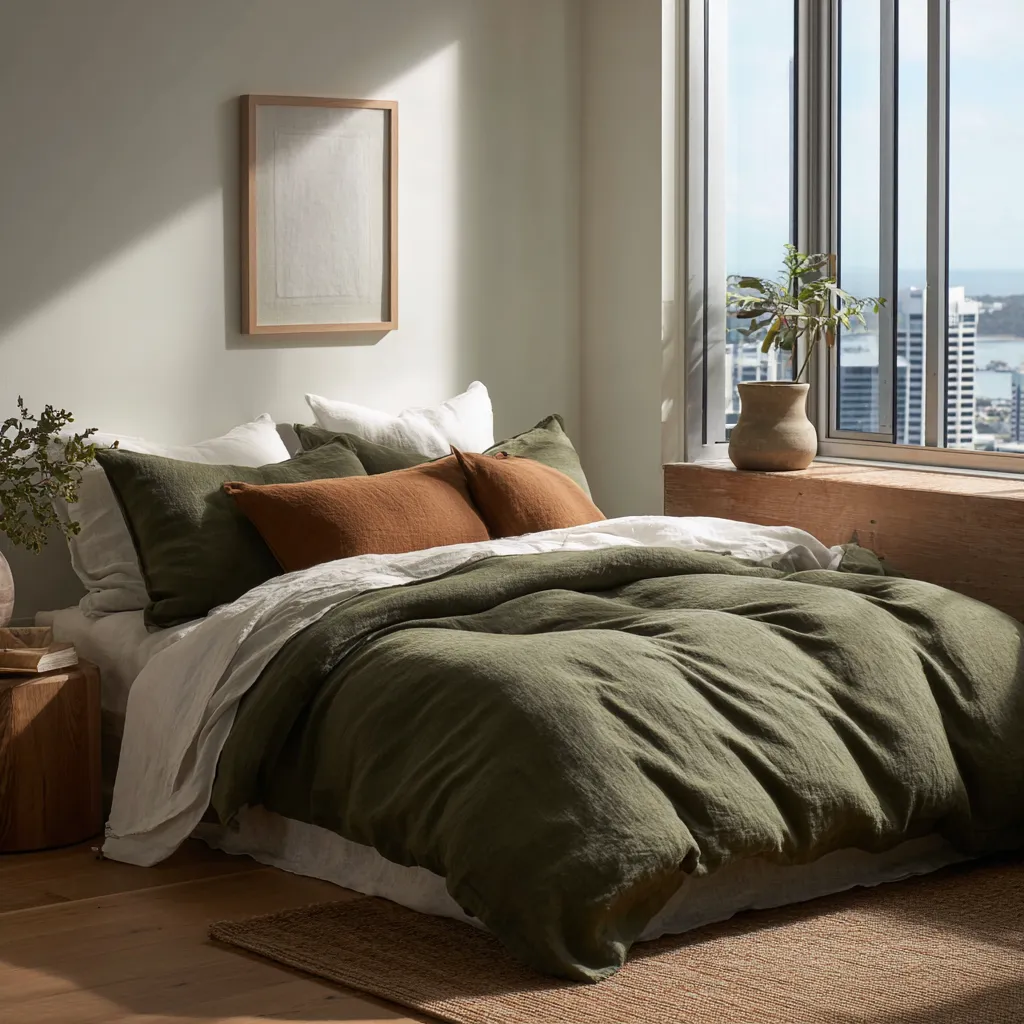
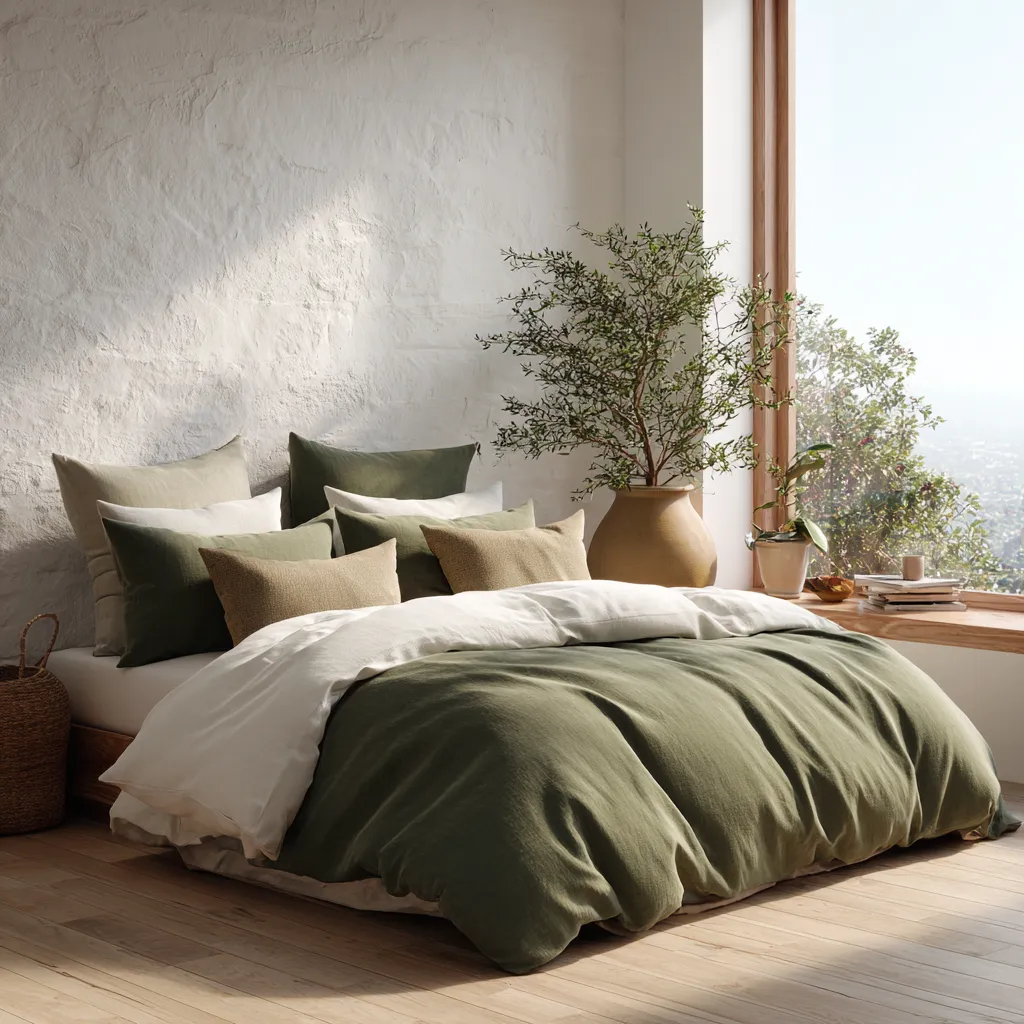
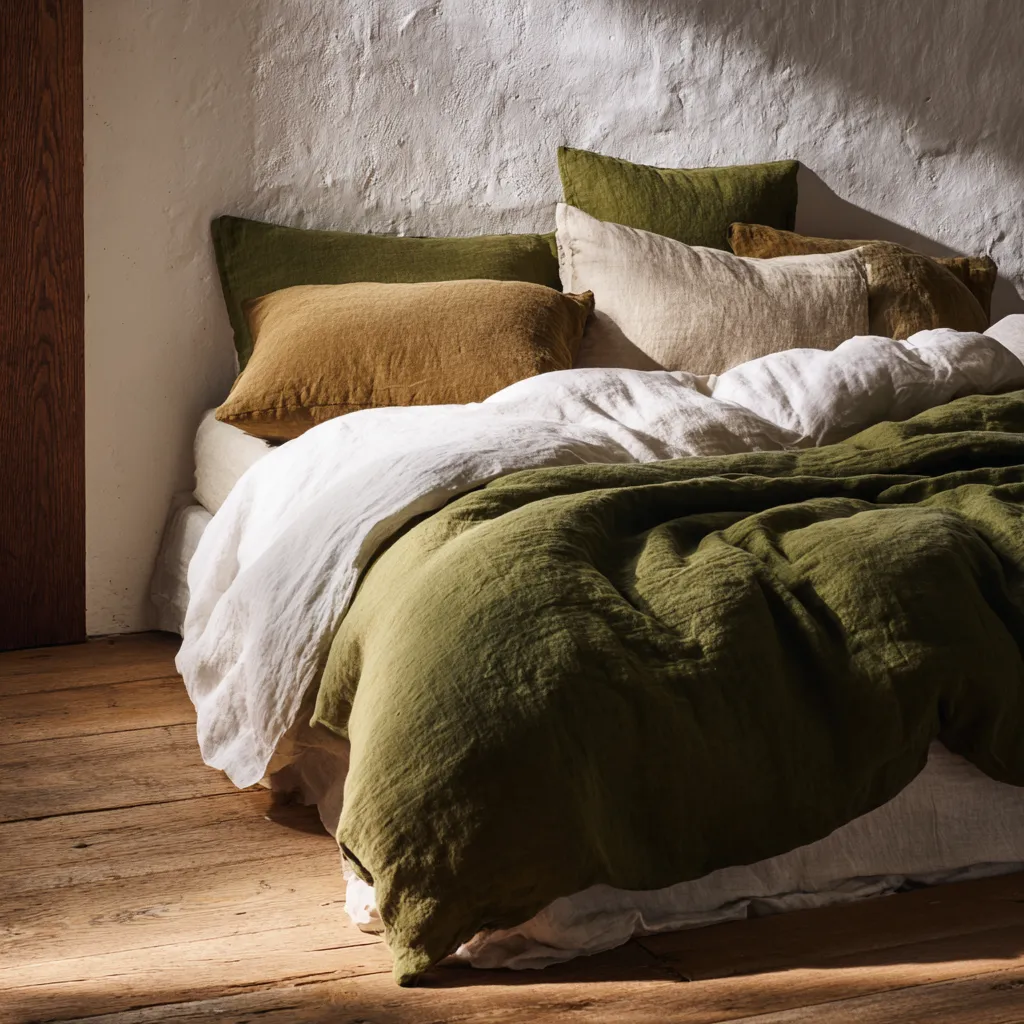
To bridge the gap between the heavy duvet and the crisp sheets, introduce a blanket or a lightweight quilt in warm eucalyptus. This mid-layer adds necessary dimension and ensures the color story is evenly distributed across the surface of the bed. The interplay of these specific greens allows for a styling technique that looks effortlessly assembled yet completely intentional. Throw pillows should be utilized sparingly to maintain a serene environment, avoiding the cluttered look of an over-styled bed. Opt for two or three oversized pillows featuring subtle variations of these natural greens, perhaps introducing a new texture like a matte silk or a tightly woven bouclé. The goal is to create a bed that invites you to sink into it, offering a multi-sensory experience that relies on the inherent beauty of exceptional fabrics rather than loud patterns or excessive ornamentation.
The application of textiles extends far beyond the mattress, playing a crucial role in the acoustic dampening of the space. A truly calming bedroom must be quiet, and hard surfaces bounce sound waves, creating echoes that disrupt tranquility. To counteract this, window treatments must be handled with the utmost care. Custom, floor-to-ceiling drapery is an absolute necessity for achieving a refined, finished look. Opt for pinch-pleat panels in a heavyweight fabric, such as a moss green brushed cotton or a warm eucalyptus linen blend, fully lined with blackout material. Installing the curtain track flush with the ceiling and allowing the fabric to just barely kiss the floor creates a striking vertical line that adds immense grandeur to the space. When drawn closed, these heavy drapes absorb ambient noise from the outside world and completely envelop the room in soft, protective fabric.
Grounding the entire space with the correct rug is the final step in establishing a cohesive textile landscape. A rug provides a soft landing pad for bare feet in the morning and significantly contributes to the room’s acoustic softening. Avoid synthetic fibers, which can disrupt the organic, natural narrative established by the color palette. Instead, invest in a hand-knotted wool or a luxurious wool-and-silk blend rug. A subtle, distressed pattern featuring muted tones of cream, moss green, and warm eucalyptus can tie all the disparate elements of the room together seamlessly. The texture of the rug should contrast slightly with the smoothness of the wood floors and the softness of the bedding, adding another layer of tactile interest. By focusing intensely on the sourcing and layering of these premium materials, the room transitions from merely decorated to profoundly experiential, wrapping the inhabitant in uncompromised comfort.
Accenting Warm Eucalyptus And Moss Green With Timeless Details
The final layer of styling a calming bedroom involves the careful selection of lighting, hardware, and decorative accents. When working with a palette of warm eucalyptus and moss green, the materials chosen for these finishing touches must elevate the natural tones without competing for attention. Wood tones, for instance, play a critical role in warming up the cooler aspects of the green spectrum. Mid-tone woods like American walnut or deeply oiled white oak are exceptional choices. A sleek, minimalist bedside table crafted from solid walnut introduces a beautiful, organic grain that harmonizes perfectly with a moss green backdrop. The inherent warmth of the wood prevents the greens from feeling too stark or overly botanical, anchoring the design in a timeless, crafted aesthetic. Avoid woods with heavy red or orange undertones, as these can clash unpleasantly with the subtle grey notes found in the lighter green shades.
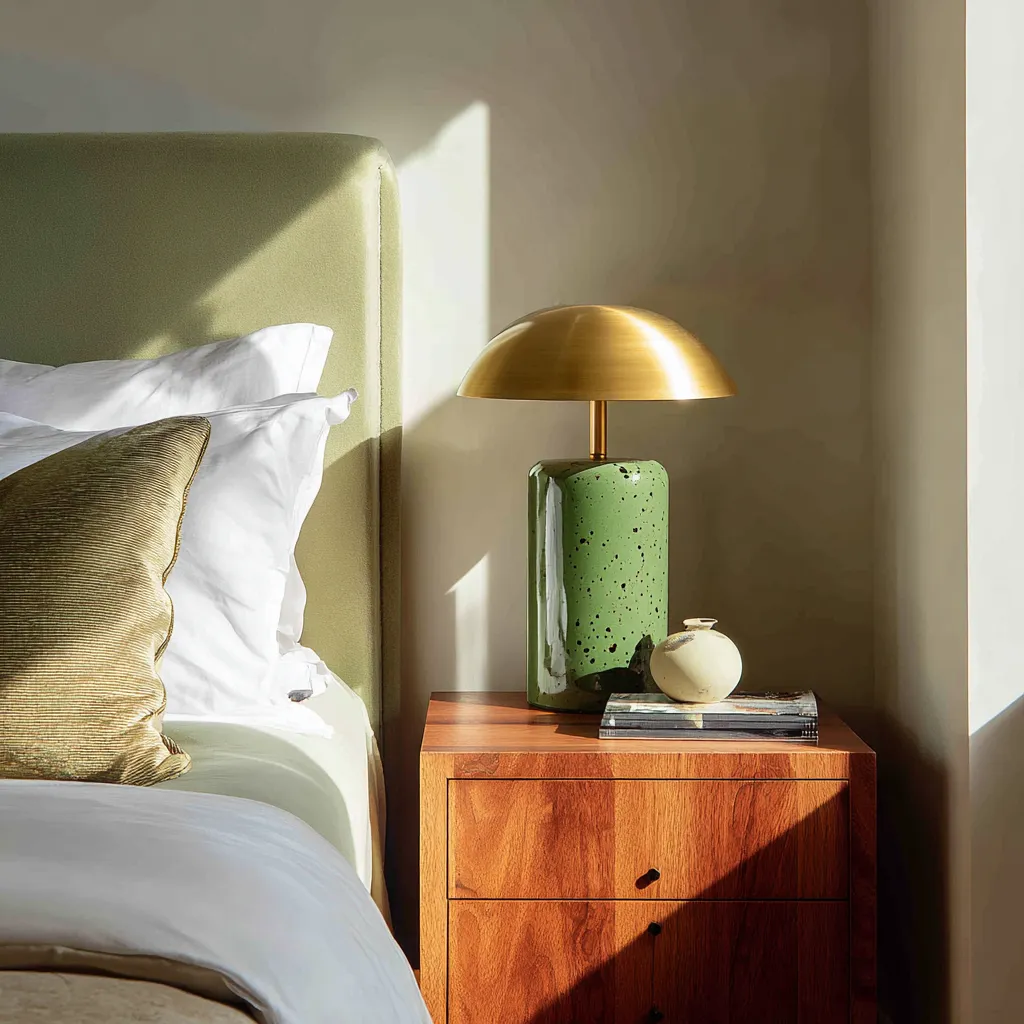
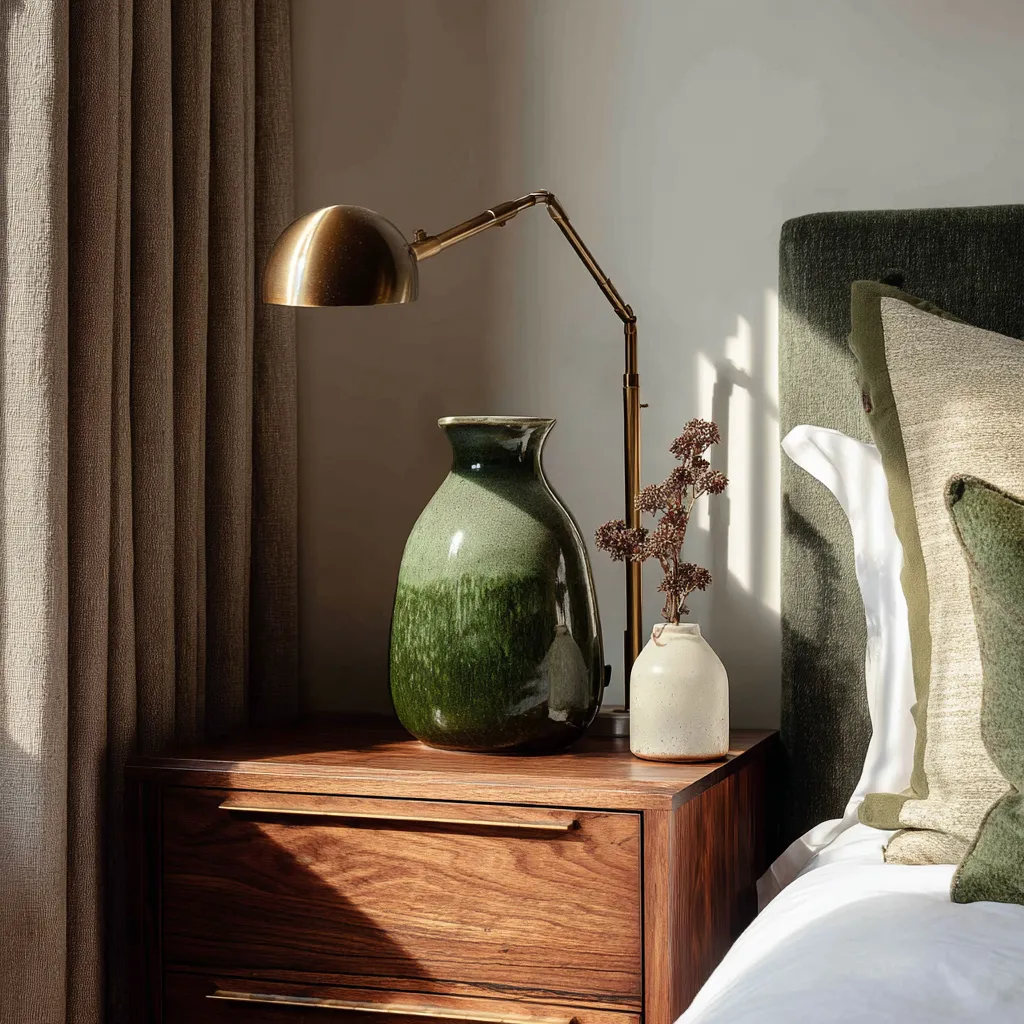
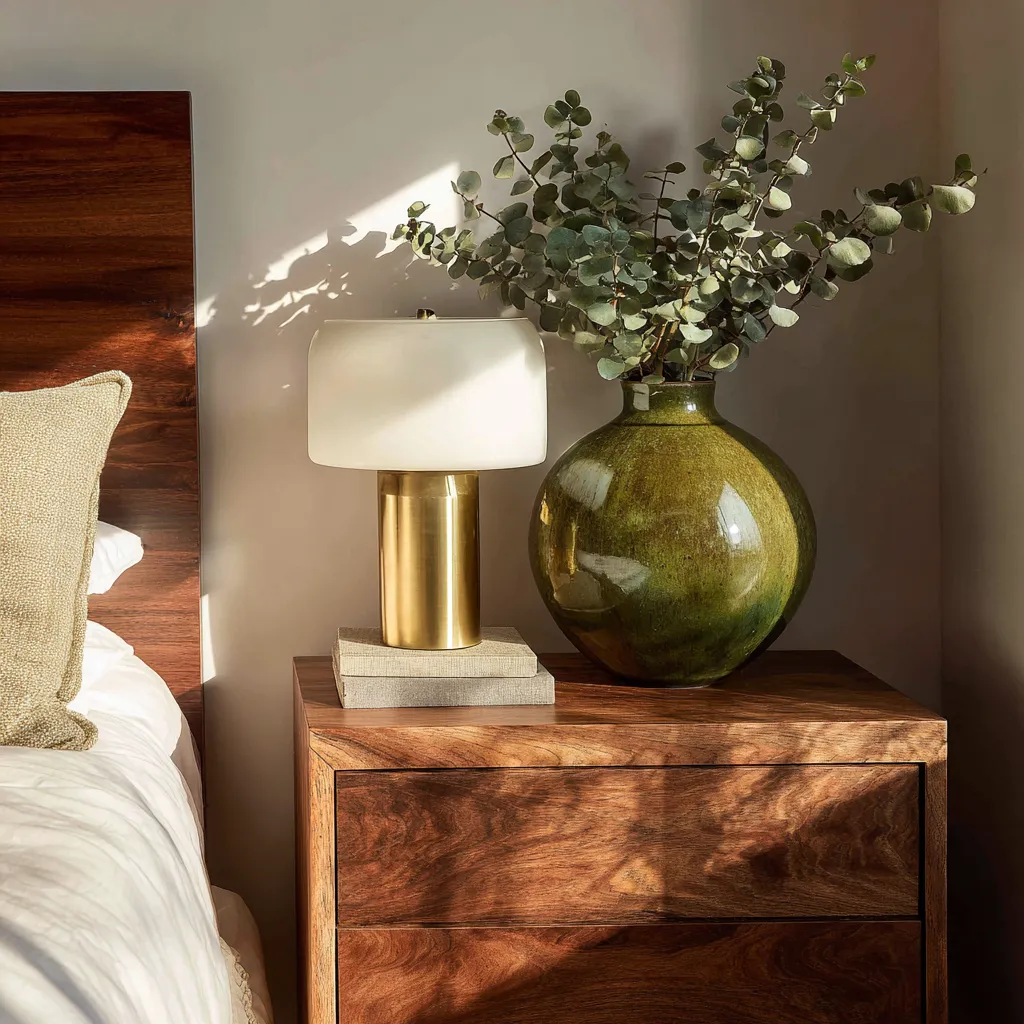
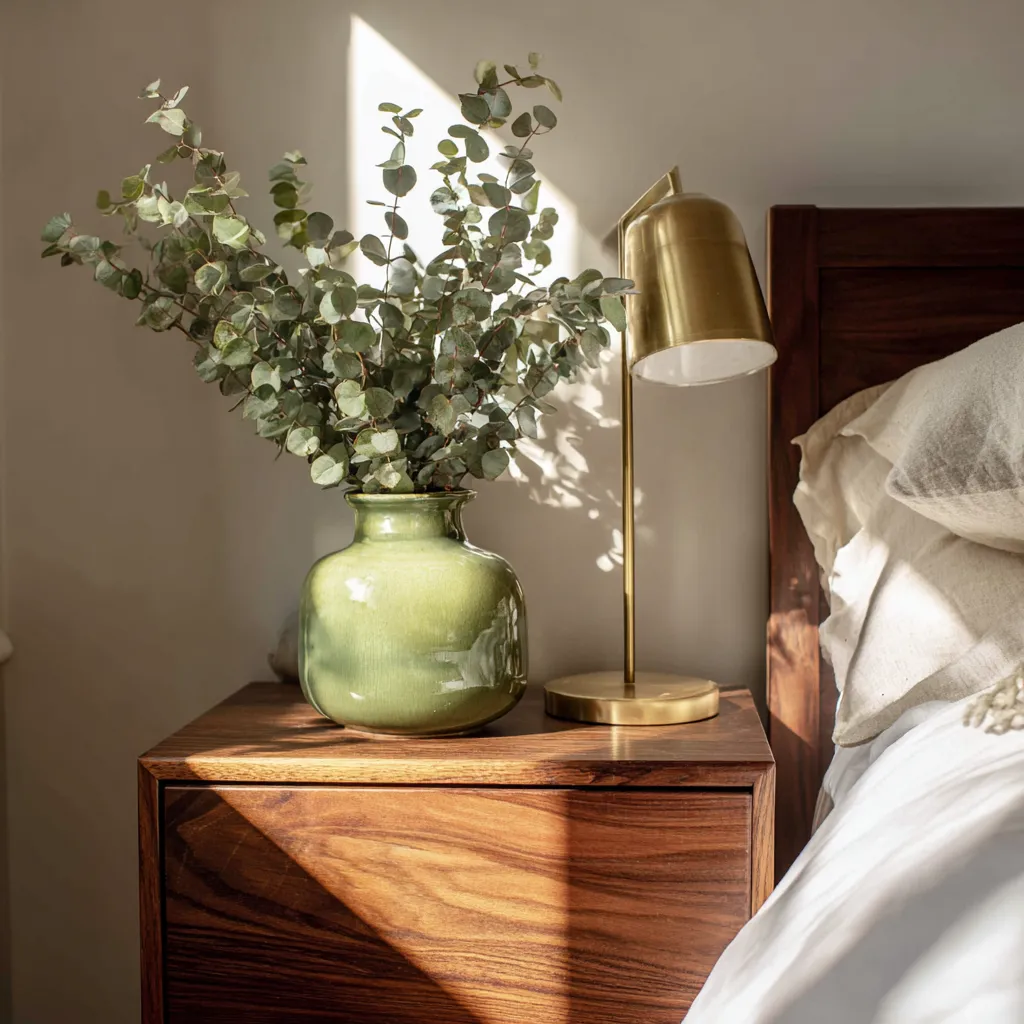
Lighting is arguably the most powerful tool for manipulating the mood of a calming bedroom, dictating how the warm eucalyptus and moss green are perceived throughout the evening. Overhead lighting should be used sparingly, if at all, as it tends to flatten the beautifully curated textures of the room. Instead, rely on a robust system of layered, low-level ambient lighting. Bedside lamps are functional necessities, but they also serve as vital sculptural elements. Consider fixtures crafted from living finishes, such as unlacquered brass or burnished bronze. These metals will naturally patina over time, developing a unique, muted glow that speaks to a quiet, enduring luxury. The warm, golden tones of the brass provide a breathtaking contrast against the earthy greens. Ensure that all light bulbs in the room are consistently rated at a warm color temperature, ideally between 2700K and 3000K, to cast a flattering, fireside-like glow that enhances relaxation.
When it comes to decorative objects and art, the philosophy must be one of strict editing and intentionality. A cluttered space instantly induces visual anxiety, defeating the purpose of a serene retreat. Choose fewer, higher-quality pieces that hold genuine significance or exceptional artisanal value. A single, perfectly proportioned moss green ceramic vessel, hand-thrown and featuring a matte, unglazed finish, can be infinitely more powerful than a shelf full of mass-produced trinkets. Place this vessel on a warm eucalyptus dresser to create a subtle, tone-on-tone vignette. For artwork, lean toward large-scale pieces that incorporate negative space and organic forms. Charcoal life drawings, abstract landscapes featuring muted earth tones, or heavily textured monochromatic canvases all complement the environment without demanding excessive mental energy to process.
Mirrors also serve a dual purpose in this final styling phase, acting as both decorative elements and tools to amplify natural light. A beautifully framed, oversized floor mirror resting against a wall can bounce morning light into darker corners of the room, illuminating the richness of the deep green textiles. However, placement is key; avoid positioning large mirrors directly across from the bed, as the constant reflection of movement can be subconsciously stimulating and disrupt sleep. By meticulously curating these final details—from the grain of the wood to the patina of the metal and the soft glow of a perfectly placed lamp—the room becomes a masterwork of cohesive design. The careful interplay of light, metal, and natural greens ultimately solidifies the space as a sophisticated, restorative haven built on principles of enduring quality and serene simplicity.
Bringing The Vision To Life
Curating an environment dedicated entirely to rest and rejuvenation is an incredibly worthwhile endeavor. By utilizing deeply natural hues, you establish a space that feels both infinitely sophisticated and profoundly comforting. The careful layering of high-quality, organic materials ensures the room appeals to all the senses, providing a tactile experience that promotes immediate relaxation. When these soft, muted greens are paired with warm woods and living metal finishes, the result is an elegantly understated sanctuary that offers a daily escape from the outside world.
Related Topics
FAQ
How do I incorporate technology into this space without ruining the serene atmosphere
What flooring options work best with this natural color palette
Can I use patterns with these specific shades of green
Complete guide
Bedroom Design Ideas That Actually Change How You Sleep, Feel and Live
Styles, colors, furniture, walls, layouts — 300+ ideas in one place
Complete guide
Green Home Color Ideas for Every Room and Every Shade
Sage, emerald, olive, mint — interiors, exteriors, gardens — all in one place