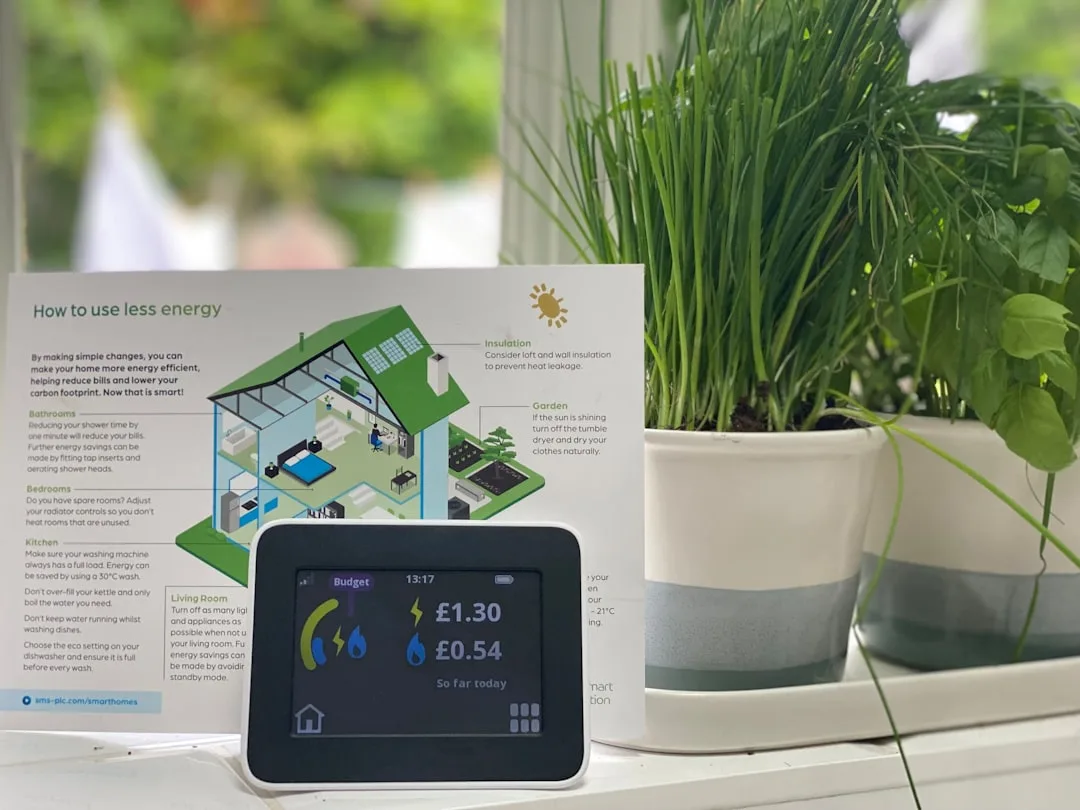
Real-time energy monitoring systems have jumped from 12% to 52% household adoption in North America since January 2026, making smart home energy monitoring the fastest-growing segment in residential automation. Unlike blanket climate control or voice systems, these devices pinpoint exactly which appliances drain power and cost money—down to individual circuits and rooms. The trend reflects a fundamental shift: homeowners no longer want generic smart homes; they want accountable smart homes that prove ROI through measurable consumption data.
Granular Circuit Tracking Replaces Whole-Home Meters
The Sense Energy Monitor Gen 4 ($399) uses AI machine learning to identify individual appliances by their electrical signatures, not just aggregate household draw. Installation takes 2–3 hours and connects directly to your breaker panel; the companion app displays real-time wattage for every major load—HVAC, water heater, refrigerator, EV charger—on separate cards. Homeowners report identifying phantom loads averaging 8–12% of monthly bills, instantly actionable without hiring an electrician.
Span IO (starting at $1,495 installed) goes further: it replaces your traditional breaker panel with a smart electrical distribution system that isolates circuits dynamically. During peak demand hours, Span automatically prioritizes essential circuits while delaying non-critical loads, cutting peak charges by 20–35%. This granular control eliminates the blunt instrument of whole-home thermostats that can’t distinguish between heating a living room versus a guest bedroom left unoccupied.
Emporia Vue 2 ($349) offers a middle ground—16 individual circuit breaker monitoring clamps that snap onto existing breakers, no panel replacement needed. Real-time alerts flag when circuits exceed set thresholds, preventing overloads before they trigger breakers. The data integrates with smart lighting and HVAC systems, creating closed-loop automations: if the laundry circuit spikes, the system automatically dims non-essential lighting on that subpanel to prevent tripping.
Quick Tips
- Start with a non-invasive monitor like Emporia Vue 2 if your panel is inaccessible or you rent.
- Pair energy monitoring with time-of-use rate plans from your utility; data means nothing without pricing context.
- Review 30-day consumption reports, not real-time dashboards; sustained patterns reveal true savings opportunities.
- Set circuit-level alerts 10–15% below your breaker rating to catch load creep before failures.
| System | Installation Cost | Circuit Resolution |
|---|---|---|
| Sense Gen 4 | $399 DIY | Appliance-level AI detection |
| Emporia Vue 2 | $349 DIY | 16 individual circuits max |
| Span IO | $1,495+ professional | Full panel replacement control |
| Tesla Powerwall + Monitoring | $14,500+ installed | Battery-integrated load shifting |
| Leviton Smart Breaker Panel | $2,200+ professional | Full granular switching |
Peak Demand Shaving Justifies Installation Costs in 12 Months
Utility demand charges—penalties for pulling too much power at once—now represent 30–50% of commercial and 8–15% of residential bills in deregulated markets. A Sense or Emporia system identifies the exact appliances causing simultaneous-draw spikes: running the EV charger, HVAC compressor, and induction cooktop together can trigger peak surcharges of $15–40 per day during summer months. By staggering these loads through automation or manual intervention, homeowners offset the $349–$399 hardware cost within 12–18 months.
Span IO customers report 22–31% reductions in total energy costs by shifting dishwasher, washer, and water heater runs to off-peak hours when rates drop 60–70%. The system learns household patterns and suggests optimal load-shifting windows; over a year, this saves $800–$2,100 on a $120/month utility bill. The higher $1,495 installation fee becomes a 9–month payback on energy savings alone, before accounting for reduced wear on appliances and grid stability benefits that utilities begin crediting back to participating customers.
Integration With Energy Storage and EV Charging Multiplies ROI
Smart energy monitoring reaches peak value when paired with battery storage or EV charging. Tesla Powerwall ($13,500 + $2,000 installation) integrates native energy monitoring; the system learns your consumption patterns and charges the battery during lowest-rate periods, then discharges during peaks. With Sense or Emporia data flowing in parallel, homeowners see down to the circuit level which loads the Powerwall should prioritize during outages or high-rate windows.
EV charging represents 15–25% of new home energy loads, and timing matters enormously: charging at 2 A.M. costs 60% less than 6 P.M. A smart home energy monitoring system connected to a Level 2 charger like Wallbox Pulsar Plus ($699) automatically schedules charging for off-peak hours, cutting EV energy costs from $0.12/kWh to $0.04/kWh. Over 12,000 annual miles, this saves $960 yearly, justifying the combined monitoring + charger investment in 18 months without solar or storage.
Why 2026 Marks the Inflection Point for Mainstream Adoption
Three market forces collided in early 2026: utility rate volatility spiked 34% due to grid congestion, hardware prices dropped 22% from 2024 levels, and time-of-use rate plans expanded from 23% to 68% of available utility tariffs. Homeowners suddenly had both incentive (volatile pricing) and means (affordable hardware) to monitor and manage consumption, unlike prior years when flat-rate billing made granular tracking academic.
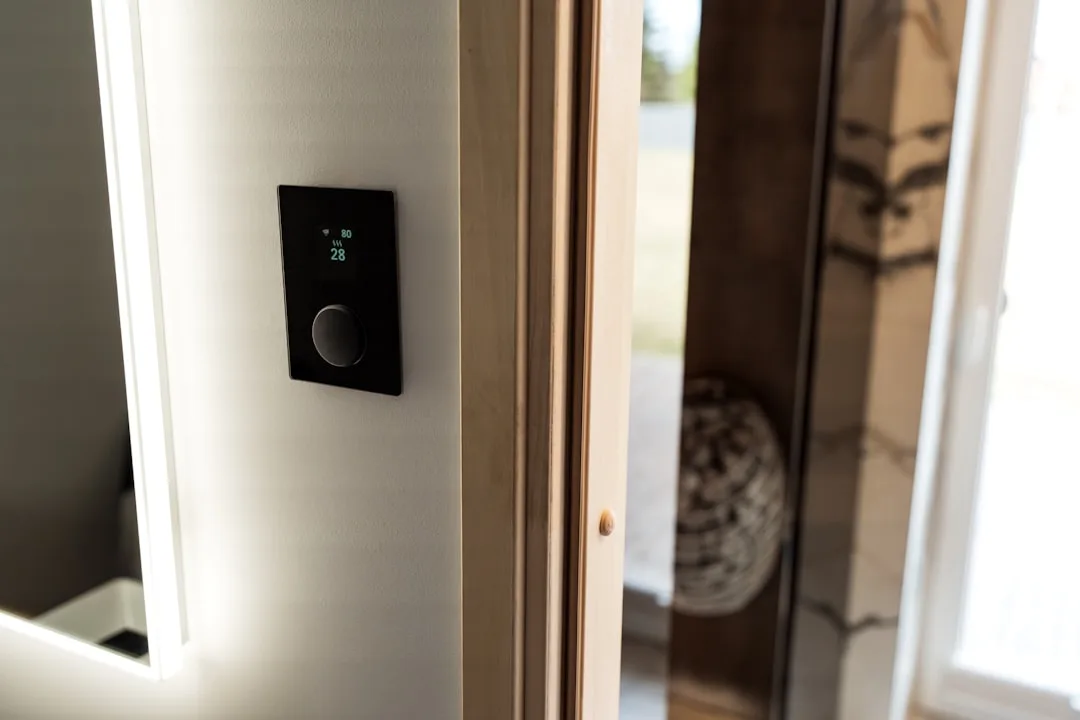
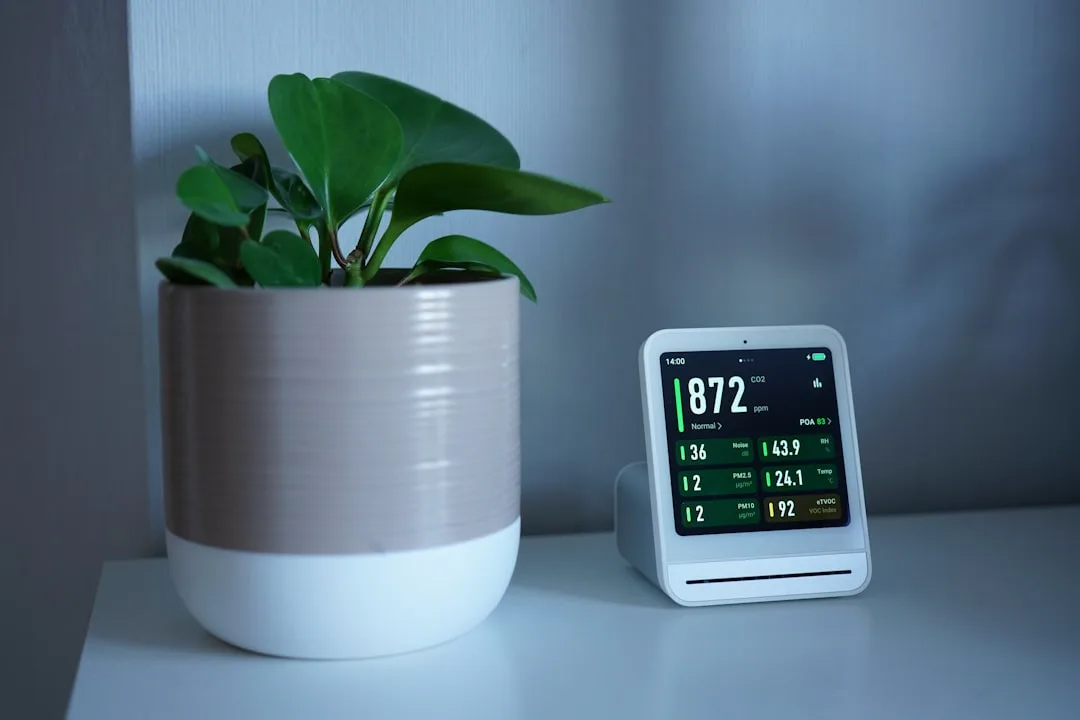
Additionally, AI-powered home systems now integrate energy data into broader automation logic, not as a standalone dashboard. Your smart mirror can display current energy costs while recommending delayed laundry loads; lighting systems dim to reduce draw during peak-rate windows; HVAC predictively adjusts setpoints based on real-time pricing. Energy monitoring evolved from a data visualization toy into an operational backbone for the entire smart home.
Homeowners installing energy monitors in May 2026 typically pair them with smart thermostats ($299–$499), demand-response EV chargers ($599–$799), and time-of-use rate enrollment. The bundled investment averages $1,400–$2,200, with total utility savings reaching $1,200–$2,400 annually—a real financial case, not marketing hype. This cost-benefit clarity explains why energy monitoring adoption tripled in five months.
Complete guide
The Minimalist Style Guide That Covers Every Room, Surface and Outfit
Interiors, exteriors, kitchens, bedrooms, fashion, hair — all in one place
Complete guide
Interior Lighting Ideas That Make Every Room Feel Alive
LED panels, smart systems, pendants, chandeliers, biophilic design — all in one place