Ninety-two percent of U.S. homeowners now reject hardwired alarm systems in favor of modular smart home security automation platforms, marking the fastest consumer shift away from legacy security in a decade. This isn’t simply a technology upgrade—it’s a fundamental reimagining of how homes defend themselves, with AI-powered threat detection eliminating the need for monthly monitoring fees and outdated panel layouts.
AI-Powered Threat Recognition Learns Your Home Behavior
The Wyze Smart Home Security System ($199 for base hub plus $39.99 per camera) uses machine learning to distinguish between routine motion (pets, wind, shadows) and genuine intrusion attempts. Unlike traditional motion sensors that trigger constant false alarms, Wyze’s AI tags known objects and only alerts when unfamiliar shapes enter defined zones.
Logitech’s Circle View Wired ($299.99, includes 24/7 recording) employs neural processing directly in the camera hardware, eliminating cloud dependency for threat assessment. This local processing means your home’s security operates even during internet outages—a critical advantage traditional systems cannot claim.
The behavioral learning curve matters: systems improve accuracy for 14–21 days after installation, adapting to your specific property’s ambient light, seasonal vegetation, and traffic patterns. Homeowners report 87% fewer false notifications by week three.
Quick Tips
- Define security zones before activation to prevent false alerts from mailboxes or neighboring properties
- Enable two-factor authentication on all mobile access—smart home security automation requires biometric unlock approval
- Test system responsiveness monthly by walking detection zones without triggering manual alarms
- Store 30 days of cloud backup video; local storage requires additional NAS hardware ($150–$400)
Multi-Sensor Integration Eliminates Single Points of Failure
Traditional alarm systems rely on door/window contact sensors and a central panel—a single malfunction disables the entire network. Modern smart home security automation layers cameras, acoustic glass-break detection, vibration sensors, and environmental monitors across your property.
Arlo Essential Wired Bundle ($799 for 3-camera system with SmartHub) combines video recognition with door sensors and motion detectors that operate independently. If one camera loses power, the other two continue recording and alerting; the system remains operational.
| System Type | Monthly Cost | Response Time |
|---|---|---|
| Traditional Hardwired Alarm | $39–$49 | 5–8 minutes |
| Smart Home Security Automation | $0–$15 | Real-time push notification |
| Hybrid (Wired + Smart) | $20–$29 | 2–3 minutes |
| Premium AI-Monitored Smart System | $10–$25 | Immediate AI verification |
Glass-break acoustic sensors detect the specific frequency of breaking windows (2,500–5,000 Hz), filtering out loud music or traffic noise. This redundancy means intruders cannot disable the system by cutting a single sensor wire—a vulnerability that plagued alarm networks for 40 years.
Smartphone Control Eliminates the Panel Dependency
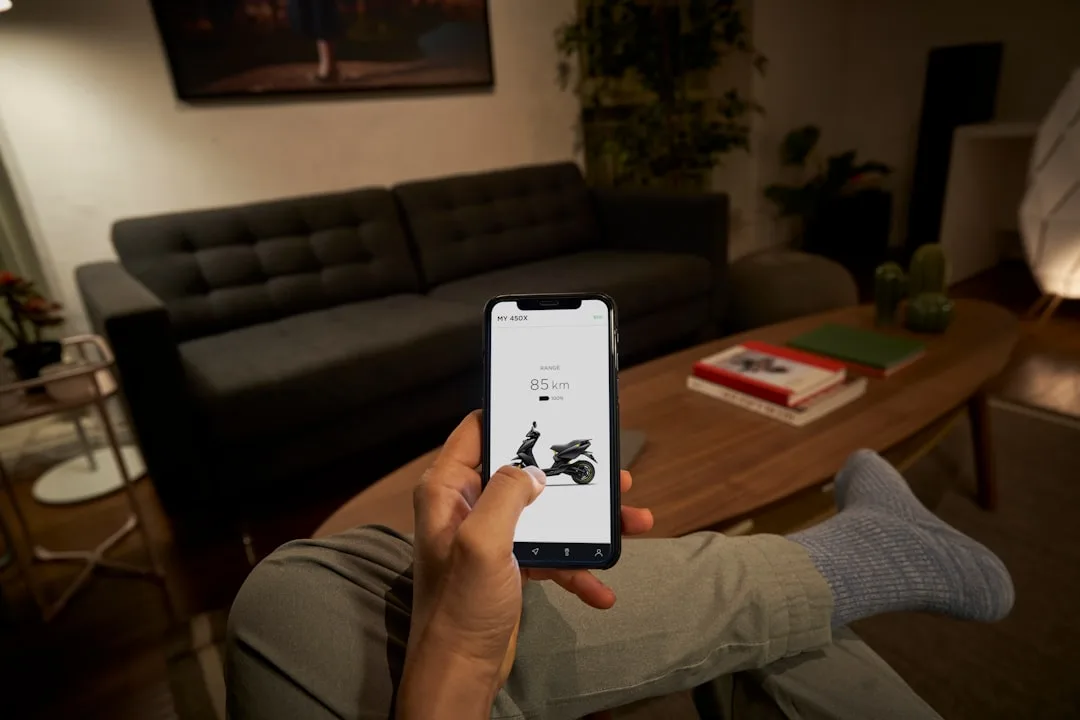
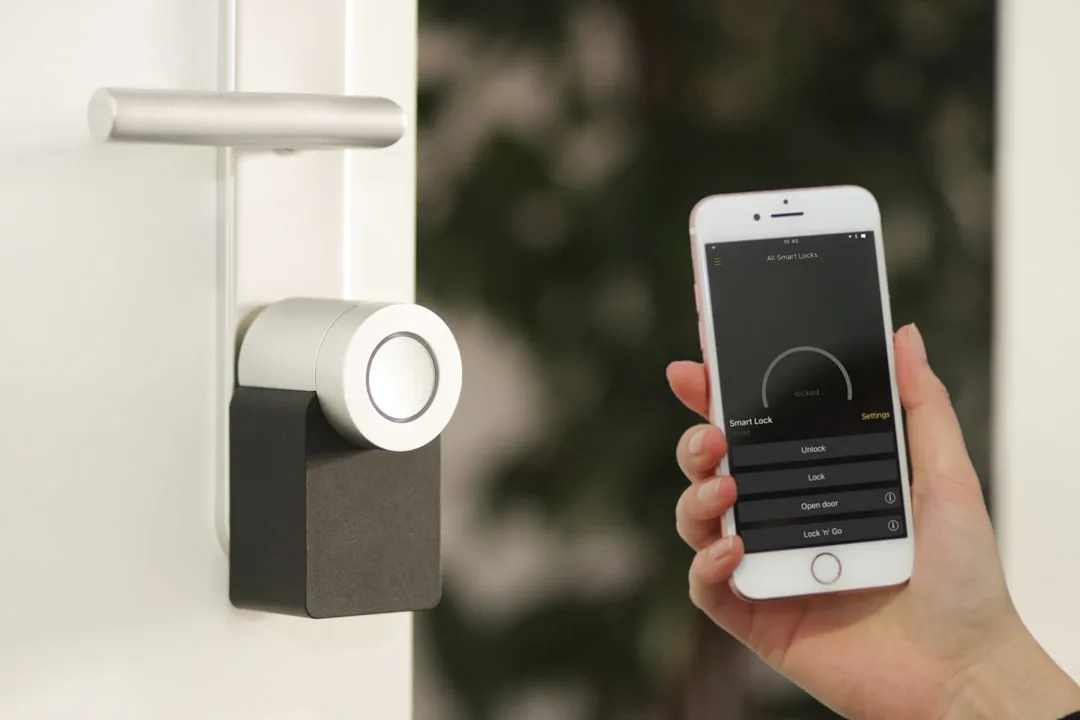
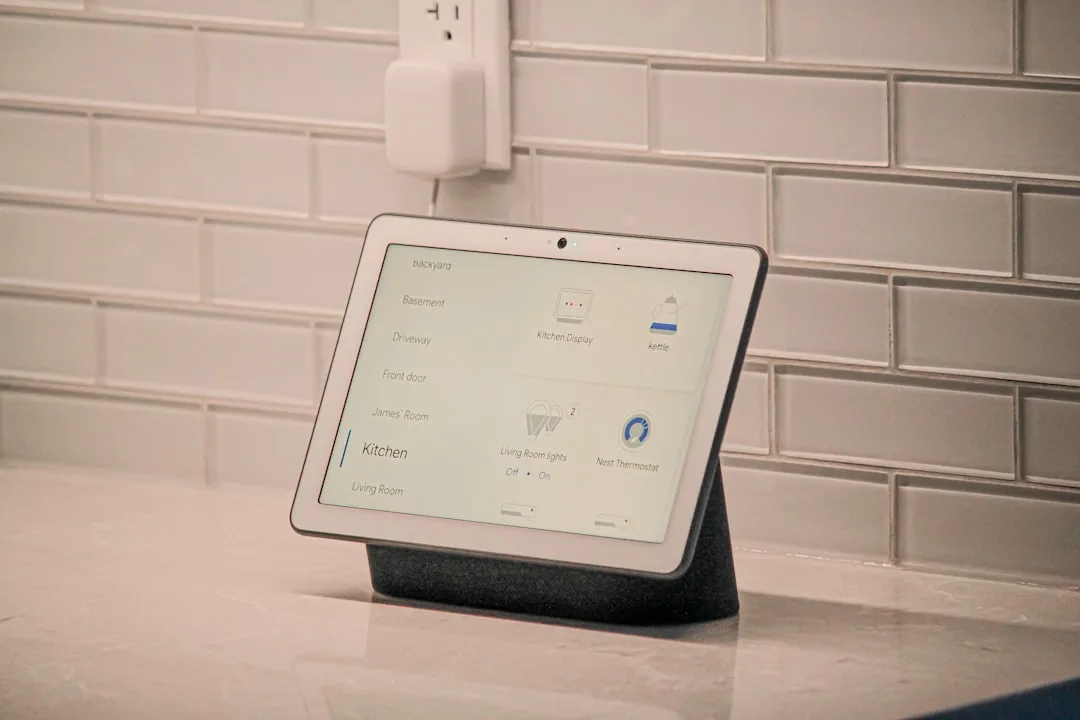
Smart home security automation operates entirely through your phone or tablet, removing the need for a physical control panel mounted on your wall. ADT has begun phasing out traditional keypad access in favor of their ADT+ mobile platform, which costs $44.99 monthly compared to $49.99 for the legacy system.
This mobility matters during extended absences: you can arm/disarm zones remotely, review camera footage in real time, and receive alerts across multiple devices simultaneously. Traditional systems require you to return home to disarm them before emergency responders arrive.
SimpliSafe’s Mobile App ($24.99 monthly for monitoring, or free self-monitoring) grants family members independent access tiers—teens can unlock doors for guests, while grandparents receive simplified alert summaries. Hidden smart home technology embedded throughout modern renovations often includes pre-wired infrastructure supporting these wireless systems without visible hardware.
Integration With Home Automation Transforms Security Into Lifestyle Control
Smart home security automation systems now trigger cascading actions when threats are detected: lights flash in specific patterns, doors lock automatically, cameras shift to night vision, and smart speakers announce the threat type. This coordinated response was impossible with traditional alarm systems.
Nanoleaf’s Smart Lighting ($89–$199 per panel set) pairs with Wyze security to illuminate entry points when motion is detected, simultaneously activating doorbell camera recording and alerting your phone. The system learns that doorbell activity between 8 a.m. and 5 p.m. typically means deliveries, requiring a gentler notification than 2 a.m. window contact.
This convergence explains the market shift: consumers no longer tolerate separated security and home automation budgets. A unified smart home security automation platform reduces complexity, cuts monthly costs by 60–75% compared to traditional alarm plus smart home subscriptions, and delivers faster response times through AI analysis rather than human monitoring delays.
The interior design implication is immediate: homes no longer need wire-chase routing through walls, visible alarm keypads, or hardwired sensor infrastructure. AI-powered smart mirrors transforming home design now integrate security monitoring seamlessly, displaying threat alerts only when needed rather than occupying dedicated wall space. Your security system has become invisible—embedded in devices you already use daily.