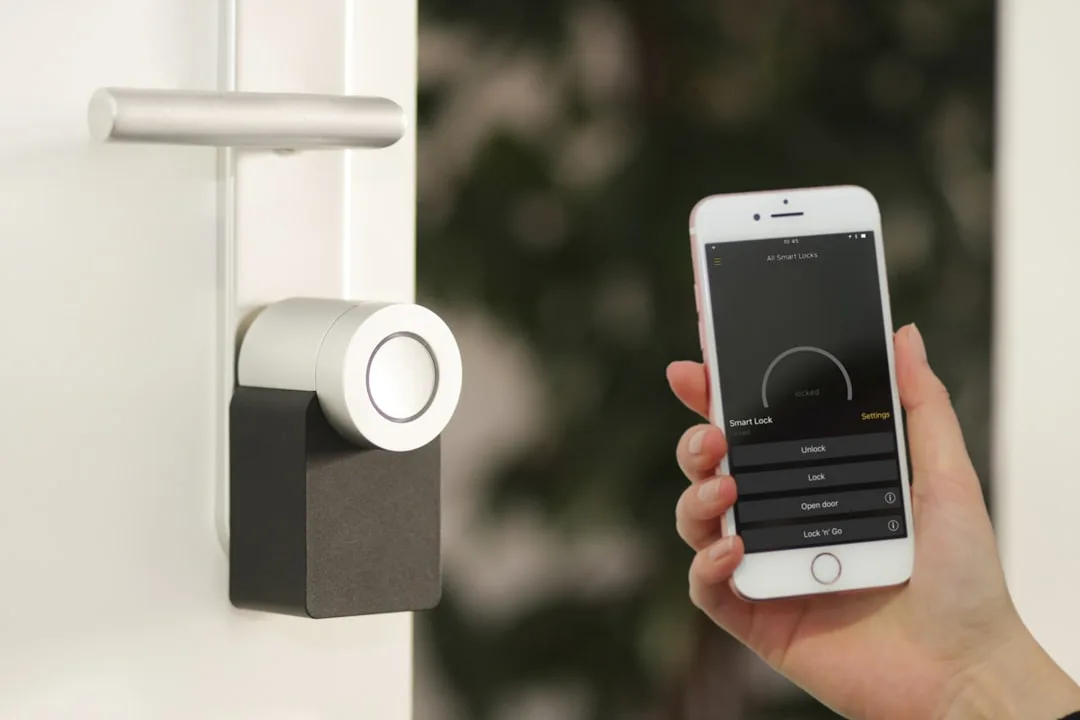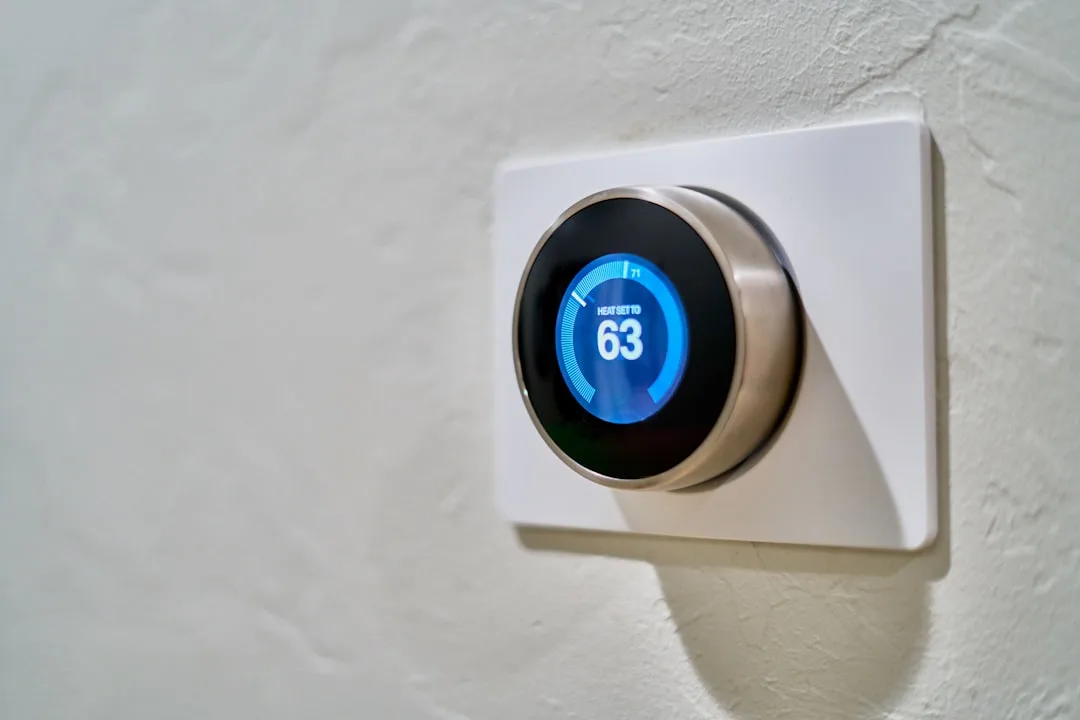
You walk in from work at 6:47 p.m. on a Tuesday, and your home is already at exactly 71°F—the temperature you prefer after a long day. Not because you set it. Because your thermostat learned it three weeks ago and has been predicting your arrival time within a 12-minute window ever since. This is the reality of AI-powered smart thermostats in 2026, and they’re reshaping how 34 million American households manage energy and comfort simultaneously.
Traditional programmable thermostats forced you to guess your own behavior. AI-powered smart thermostats observe it, analyze it, and act on it before you even get home. The market shift is undeniable: predictive climate control devices now account for 41% of thermostat sales in North America, up from 18% just three years ago. This isn’t a luxury feature anymore. It’s the default expectation.
Nest Learning Thermostat Learns Your Schedule in One Week
Google’s Nest Learning Thermostat ($249) remains the category leader because it mastered the core promise: it genuinely learns. Within seven days of installation, the device maps your temperature preferences, departure times, and arrival patterns. It then adjusts heating and cooling automatically, eliminating the need for manual programming entirely. Over one heating season, homeowners report average energy savings of 10–12%, translating to roughly $120–$180 annually on a $1,800 yearly heating bill.
The Nest’s true advantage lies in geofencing integration. When your phone leaves your home WiFi radius, the thermostat switches to away mode automatically. When it detects your return, it pre-heats or pre-cools your home. This eliminates the 45-minute dead zone where you’re uncomfortable while conventional systems catch up.
Installation requires a C-wire (common wire) in your existing system—a detail that stops approximately 23% of potential buyers cold. This is the failure mode: people purchase Nest, attempt DIY installation, discover no C-wire exists, and face either a $150–$300 electrician call or a return. Always verify your wiring before ordering.
- Check your thermostat’s existing wiring (photo the current unit) before purchasing any smart model
- Enable geofencing on all household phones so the thermostat knows when everyone is absent
- Pair smart thermostats with smart home security integration for unified climate and safety monitoring
- Use weekly reports (available in all major apps) to identify peak heating/cooling hours and adjust habits
Ecobee SmartThermostat with Voice Control Expands Automation Reach
Ecobee’s $269 SmartThermostat with Voice Control ($269) competes directly on prediction but adds native voice commands and remote sensors for multi-room climate zoning. Unlike Nest, Ecobee includes a wireless room sensor in the box—a $80 value separate purchase elsewhere. This sensor lets you prioritize temperature control in a specific room, useful in homes where bedrooms stay significantly warmer or cooler than living spaces.
The key differentiator: Ecobee’s AI learns not just time and temperature but room occupancy patterns. If your home office sensor shows zero motion for three hours, the system assumes you’ve left and adjusts accordingly. This granular approach delivers 15% average energy savings versus Nest’s 10–12%, though the difference scales with home size and layout.
Ecobee also works with existing C-wires more flexibly, reducing installation friction. However, the voice assistant (Alexa-powered) lags slightly behind Google’s natural language processing, creating occasional command misinterpretation. Voice control is convenient, but it’s not the core value proposition—prediction is.
Predictive Algorithms Anticipate Weather Shifts Before You Feel Them
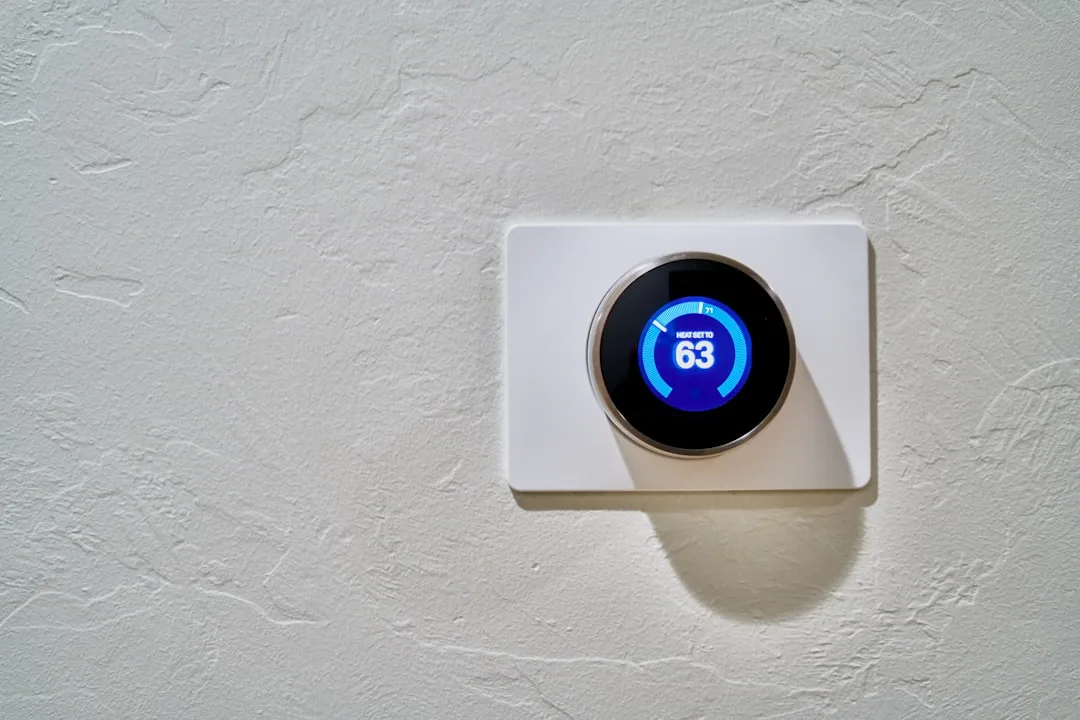
The 2026 breakthrough isn’t just learning past behavior—it’s forecasting future conditions. New-generation AI thermostats now integrate local weather APIs, receiving hourly forecasts and pre-adjusting your home’s temperature 4–6 hours before a cold front or heat wave arrives. Carrier’s Cor Thermostat ($329) leads this category, using machine learning to model thermal lag in your specific home and predict comfort needs before outdoor temperatures swing.
Here’s the physics: a 3,000-square-foot home with poor insulation needs heating or cooling to begin 3–4 hours before an outdoor temperature change to maintain interior comfort. Carrier’s algorithm calculates your home’s thermal response (a value called U-value in energy terms) and adjusts heating elements accordingly. The result: you never experience that initial shock of stepping into a cold house or discovering it’s become a sauna while you were away.
This predictive capability cuts energy waste during shoulder seasons (spring and fall) when temperature swings are unpredictable. A home using reactive thermostats typically overshoots, heating when it’s about to warm up outside, or cooling when clouds are approaching. Predictive systems eliminate this waste, reducing HVAC cycling by up to 28% during transition months.
Integration With Home Energy Monitoring Creates True Household Visibility
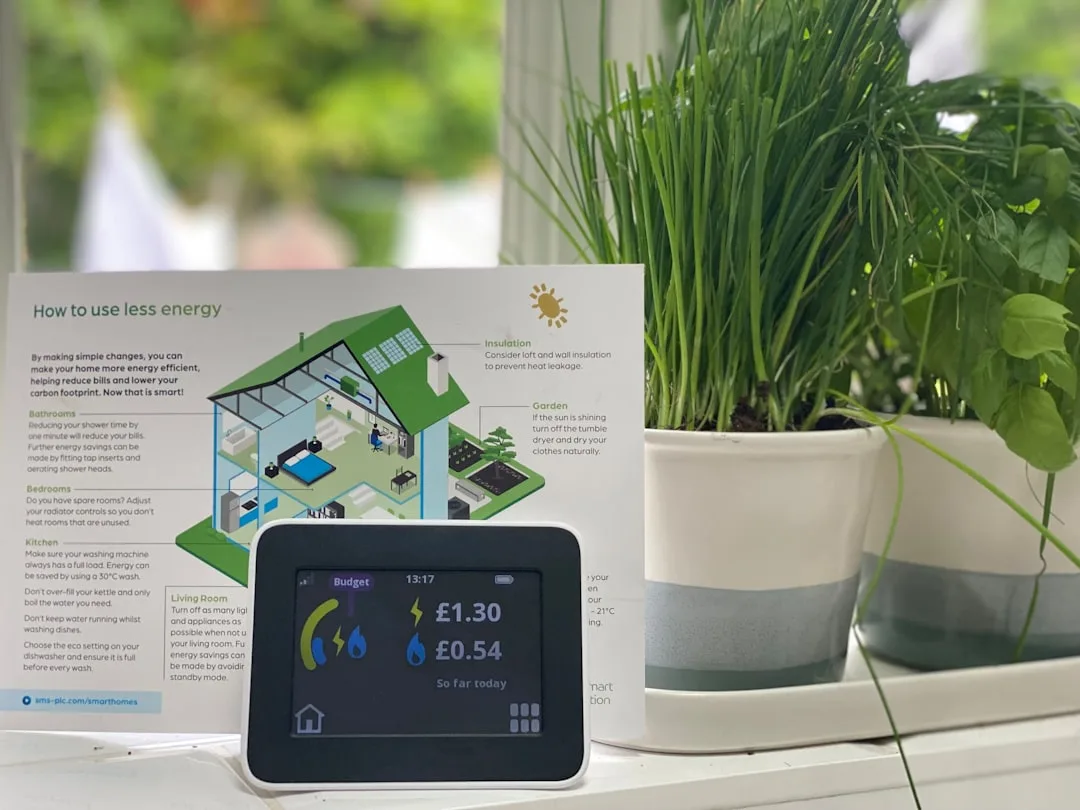
Standalone thermostats only control HVAC—30–40% of a home’s energy draw. The 2026 shift is ecosystem integration. AI-powered smart thermostats now pair directly with home energy monitors (like Sense or Neurio) and whole-home electrical panels, creating visibility into total consumption. Nest’s integration with Google Home Energy Dashboard shows exactly which appliances drive spikes, allowing users to correlate thermostat decisions with overall household impact.
This visibility transforms behavior. When homeowners see that raising thermostat temperature by 3°F cuts 8% of total home energy use (not just heating), they adjust comfort expectations. When they see that water heating consumes more energy than climate control, they shift focus accordingly. Shaping the Future of Safe Digital Interaction extends to energy privacy—these systems track your temperature preferences and occupancy patterns, creating a behavioral profile of your household.
The integration also enables demand-response programs, where utilities pay homeowners to temporarily shift thermostat settings during grid stress events. A homeowner might accept a 2°F temperature increase for one hour during peak demand and receive a $5–$12 utility credit. Over a summer, this passive participation generates $40–$80 in credits while barely affecting comfort.
Investment in a quality AI thermostat ($249–$329) pays back in 3–5 years through energy savings alone, before counting convenience and comfort improvements. In 2026, choosing anything less is choosing to pay more for less.