Quick Scan
- GREENGUARD Gold certification tests finished furniture for 10,000+ chemicals — it is the most important label to look for when buying kids room pieces.
- Zero-VOC or low-VOC paint is non-negotiable — standard latex paint off-gasses for months and is the top VOC source in most newly painted rooms.
- Avoid synthetic carpet, vinyl, and laminate flooring — they emit phthalates and trap VOCs; choose solid hardwood, cork, or bamboo instead.
- GOTS-certified organic cotton for bedding, rugs, and play surfaces cuts chemical exposure during the 10–14 hours children spend in their rooms daily.
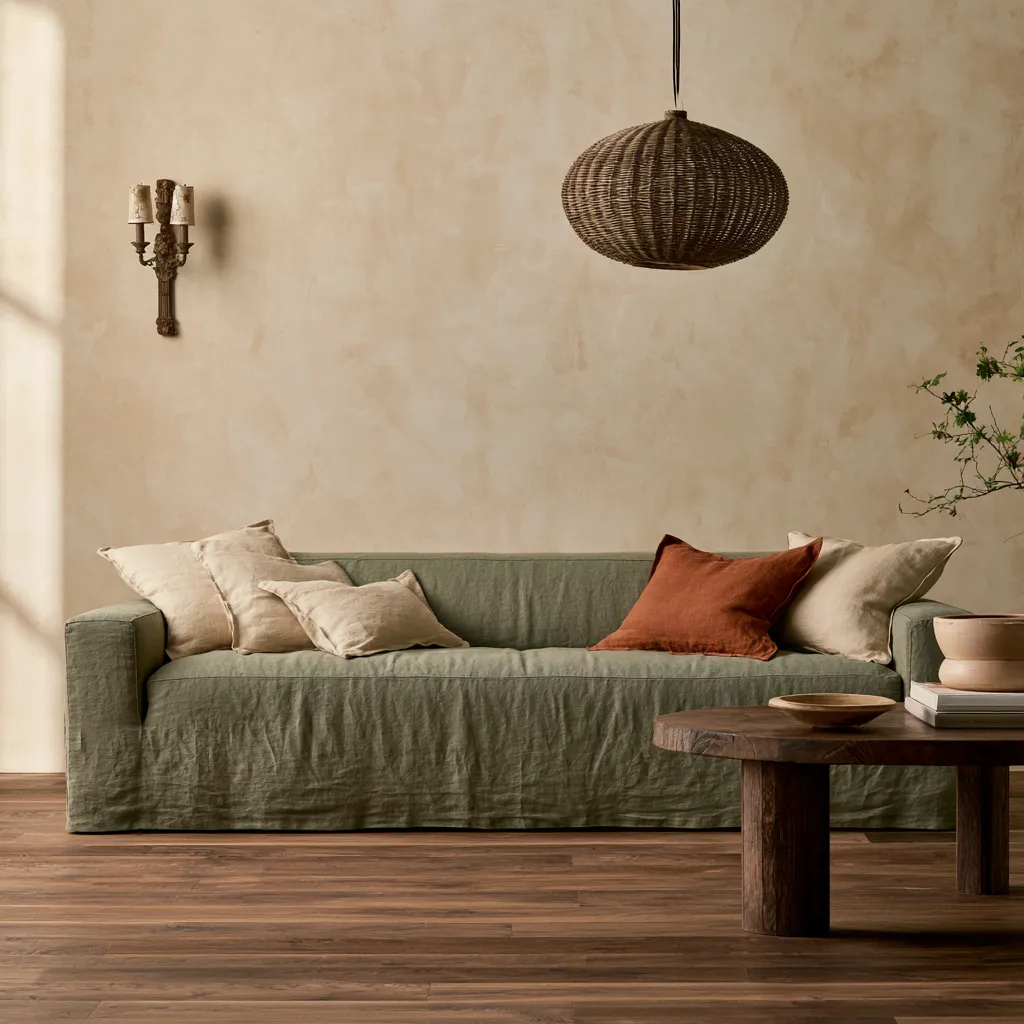
- The 2026 nature palette — sage green, warm taupe, soft ochre, earthy beige — pairs directly with natural wood tones and keeps the space calm rather than stimulating.
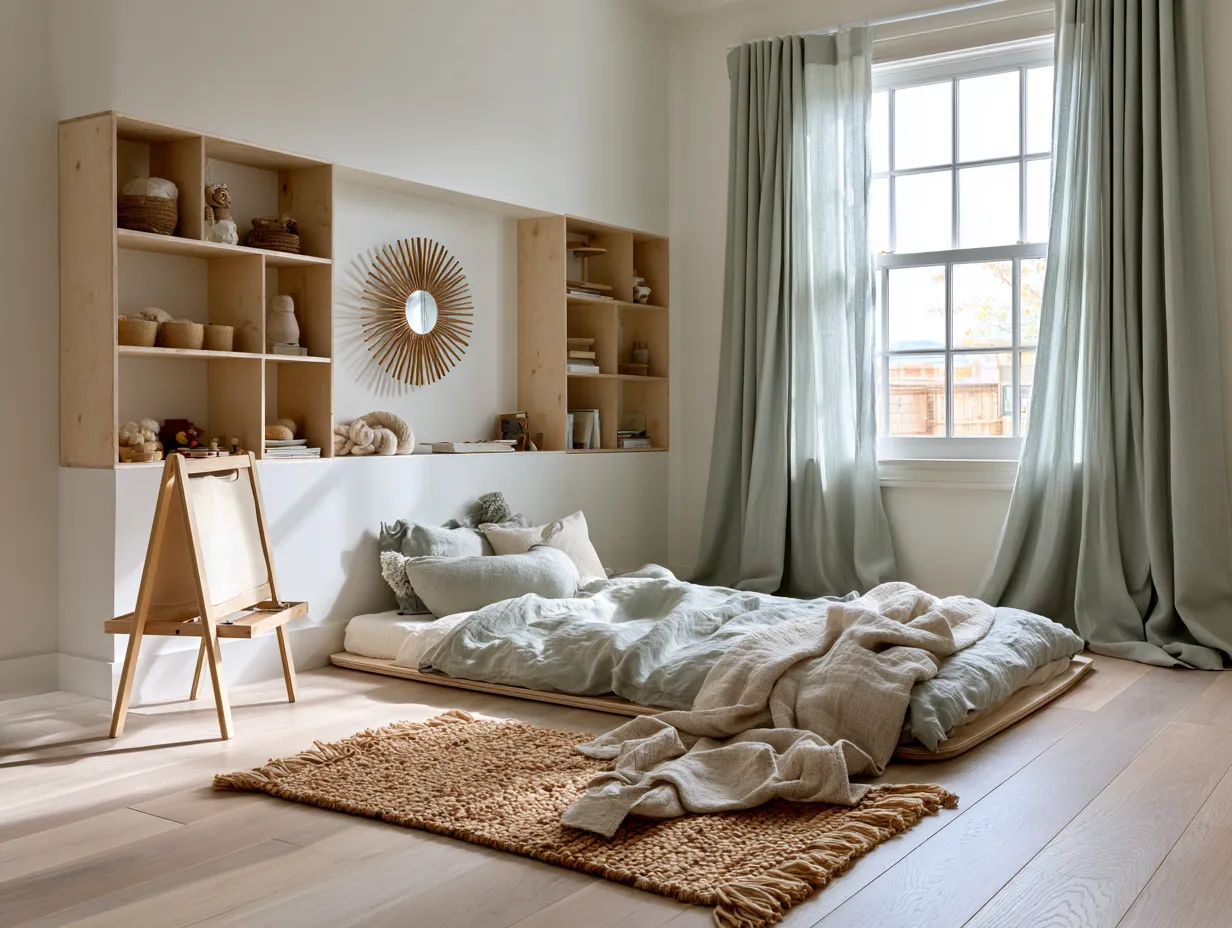
A nature-inspired kids room built with non-toxic materials is no longer a niche request — it is what parents are actively searching for and budgeting toward in spring 2026. Indoor air quality concerns have moved from background worry to front-of-mind priority, and the design world has responded with a wave of solid wood furniture, low-VOC paints, organic cotton bedding, and botanical decor that makes a child’s room feel like a calm clearing in a forest.
Natural Wood Furniture and Low-VOC Walls That Actually Change the Air Quality
The question most parents ask first is: which furniture is actually safe, not just marketed as safe? GREENGUARD Gold certification is your answer. It tests finished products for over 10,000 chemicals and more than 360 VOCs in controlled chamber conditions — with limits specifically designed for children’s spaces. That single label cuts through a lot of noise.
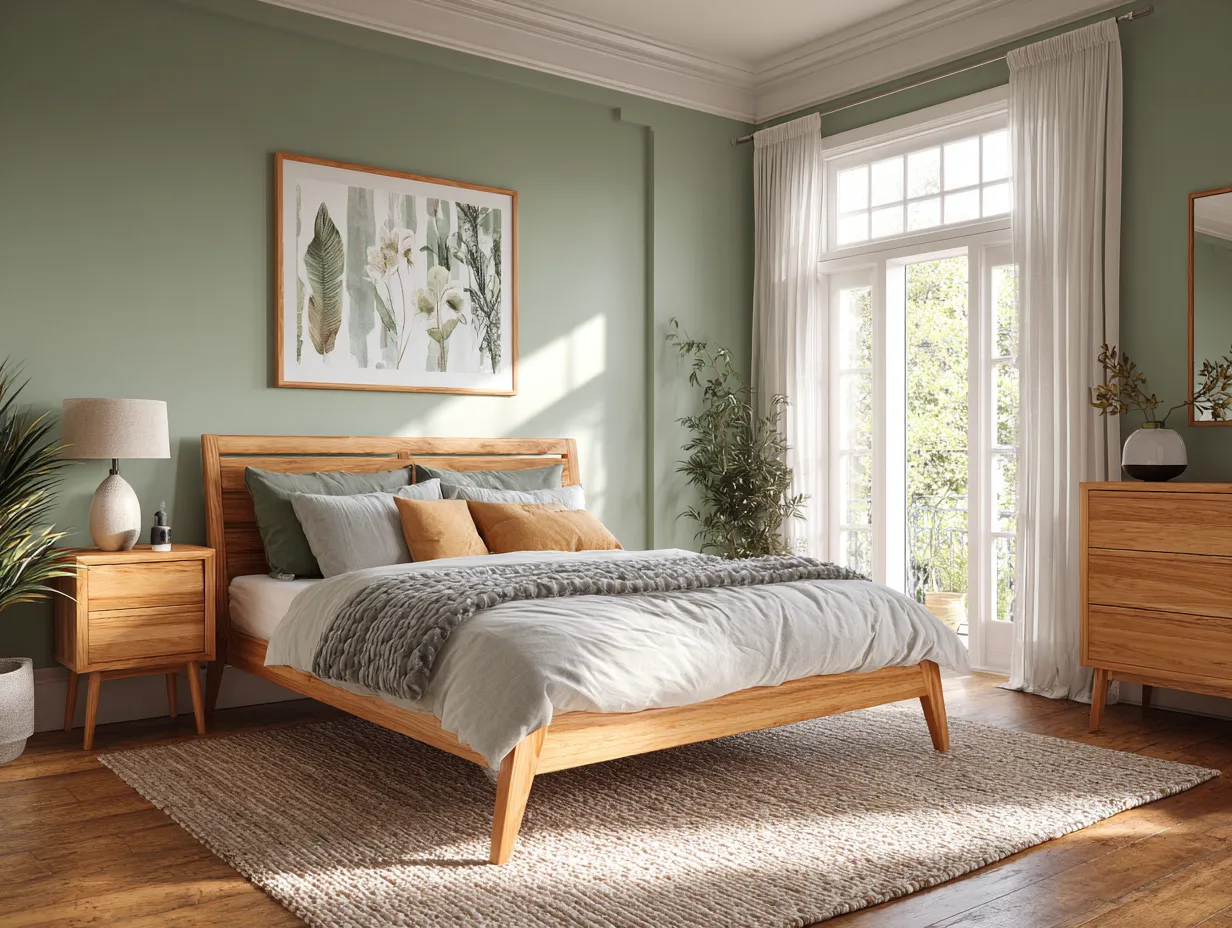
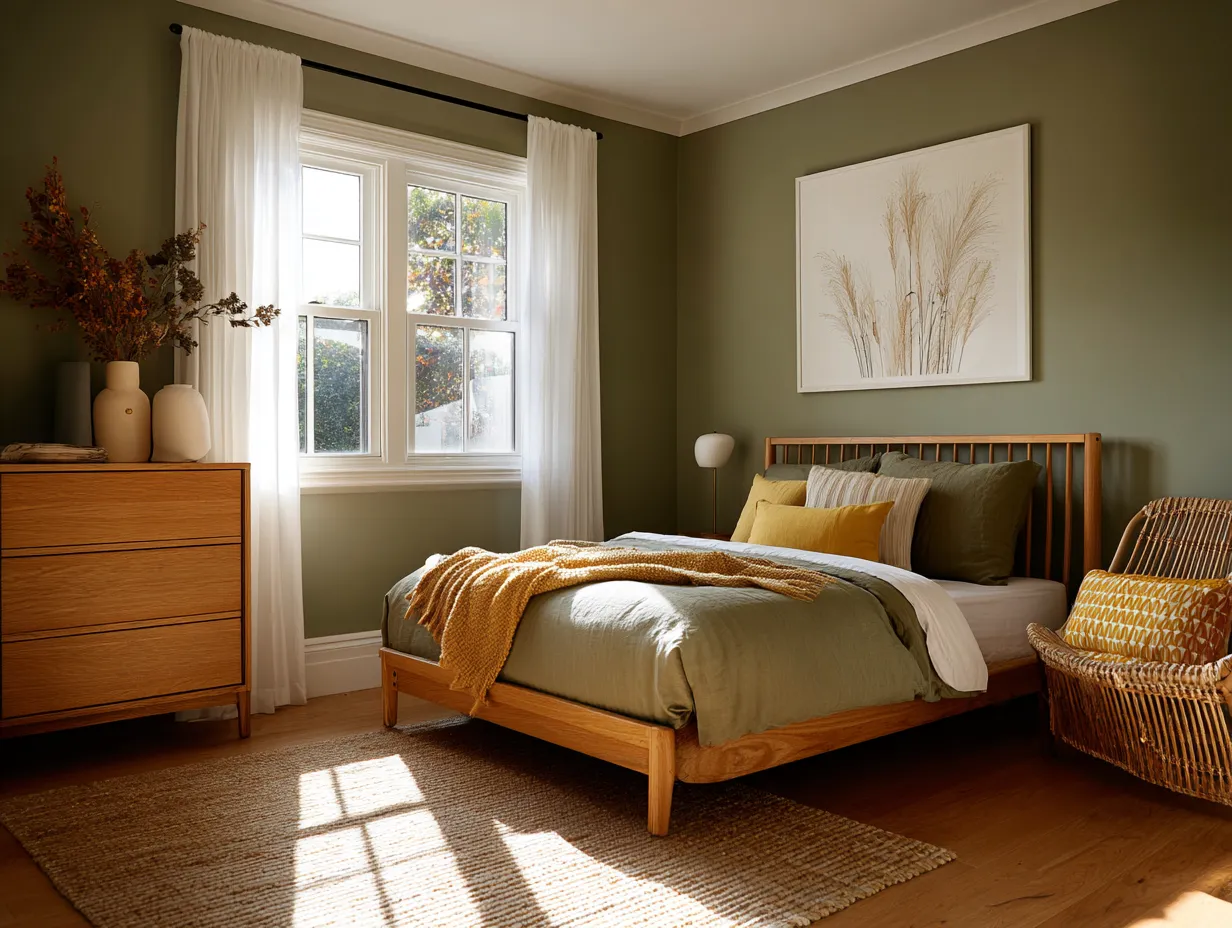
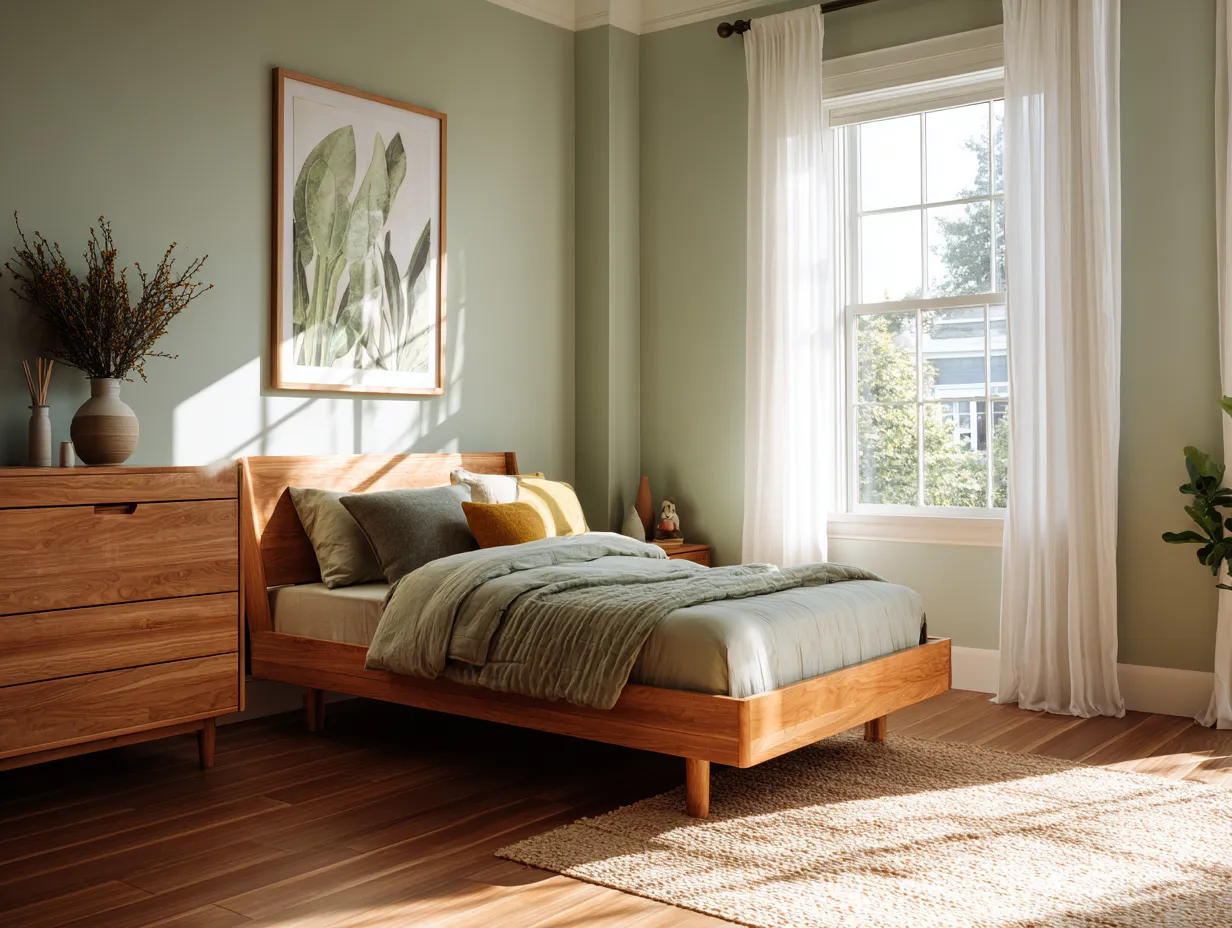
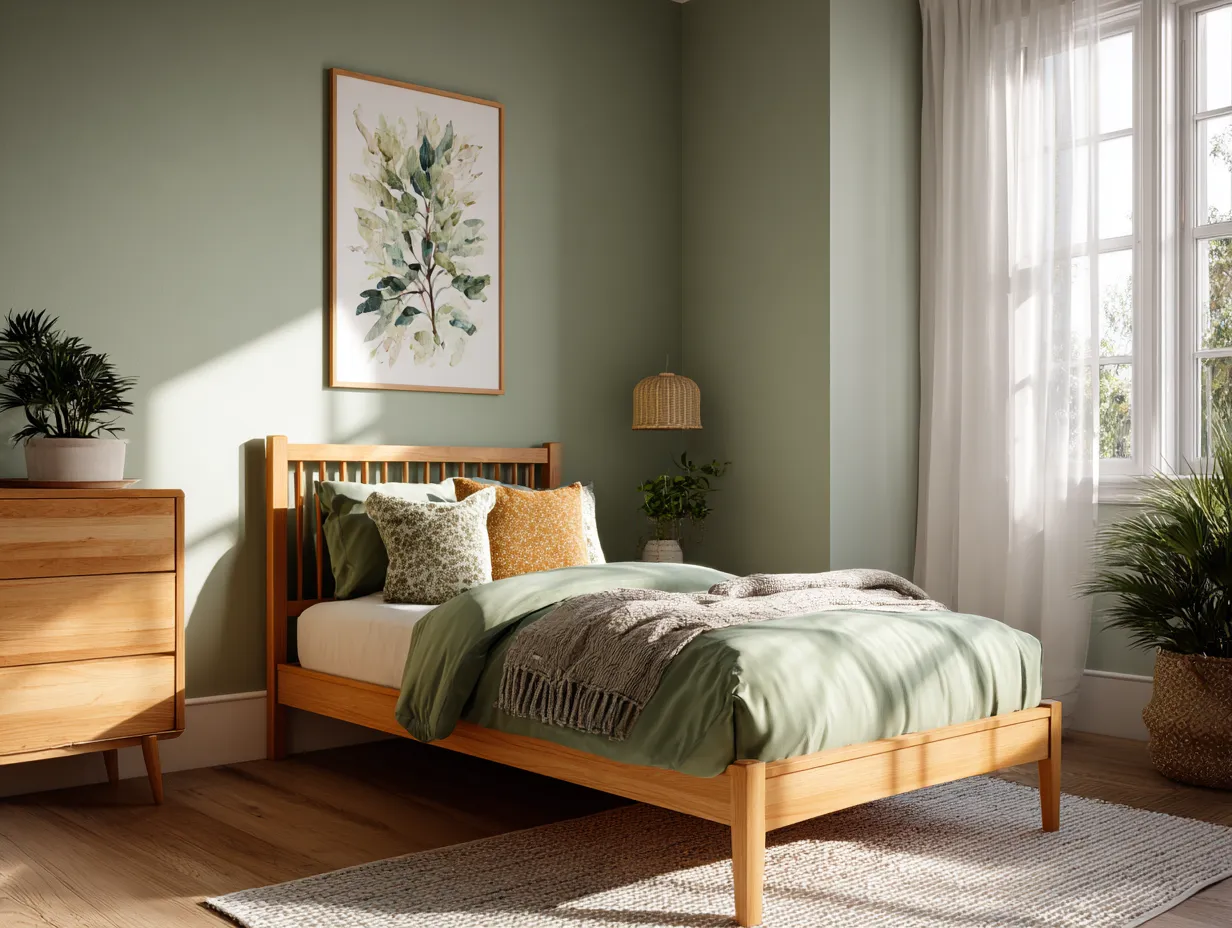
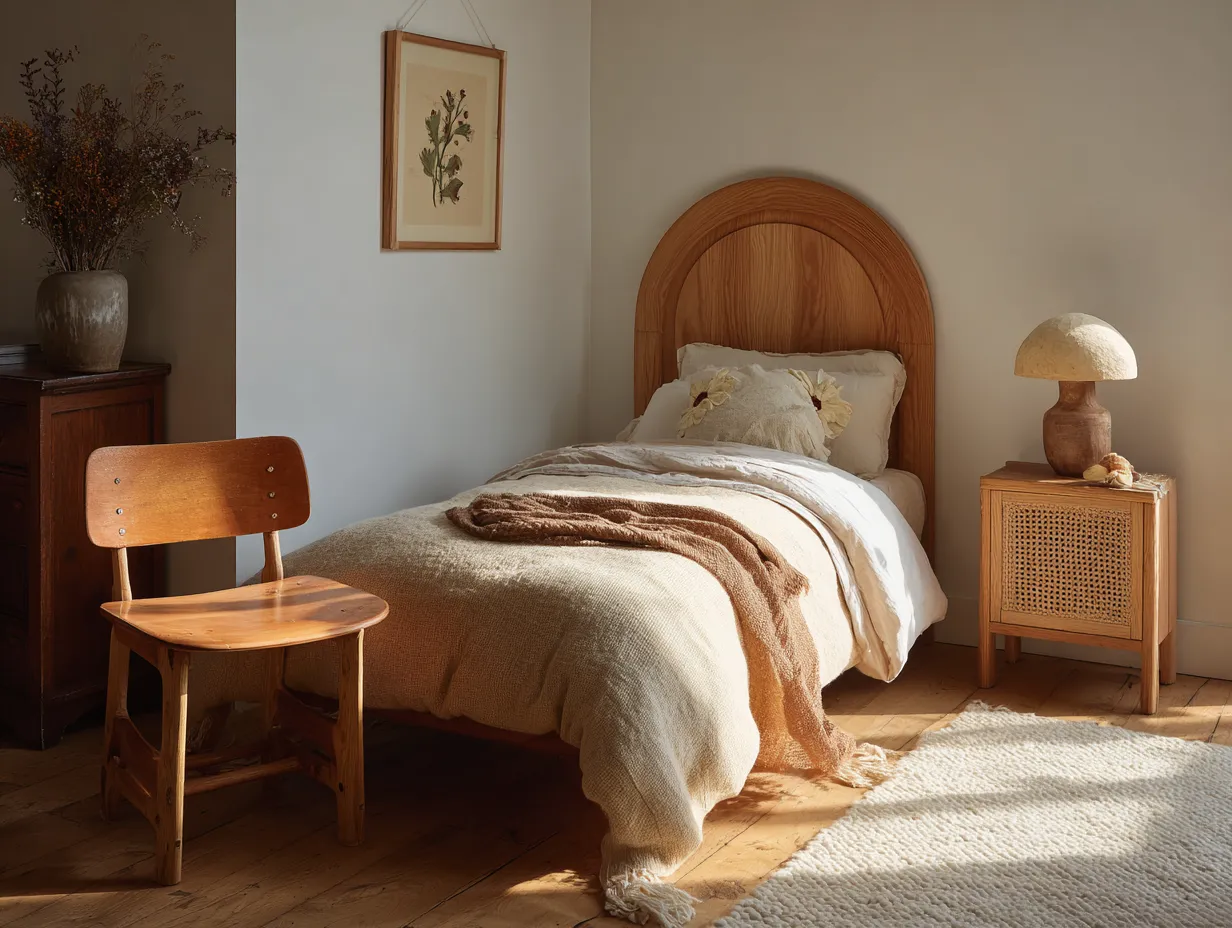
Babyletto is one of the most recognized names here. Their furniture uses solid New Zealand Pine and Poplar Hardwood, and 99% of their products carry GREENGUARD Gold certification — formaldehyde and phthalates are reported as undetectable. Avocado’s kids dressers use solid wood with non-toxic ECOS stains and Titebond glues, also GREENGUARD Gold certified. For a smaller-batch option, Piccalio designs Montessori-inspired pieces in Venice, California using sustainably sourced wood finished with low-VOC coatings extracted from cashews — less than 1% of returned goods reach a landfill. If budget is tight, IKEA’s Sniglar crib is 100% solid beechwood and retails for just $79, making it one of the most affordable certified non-toxic options available.
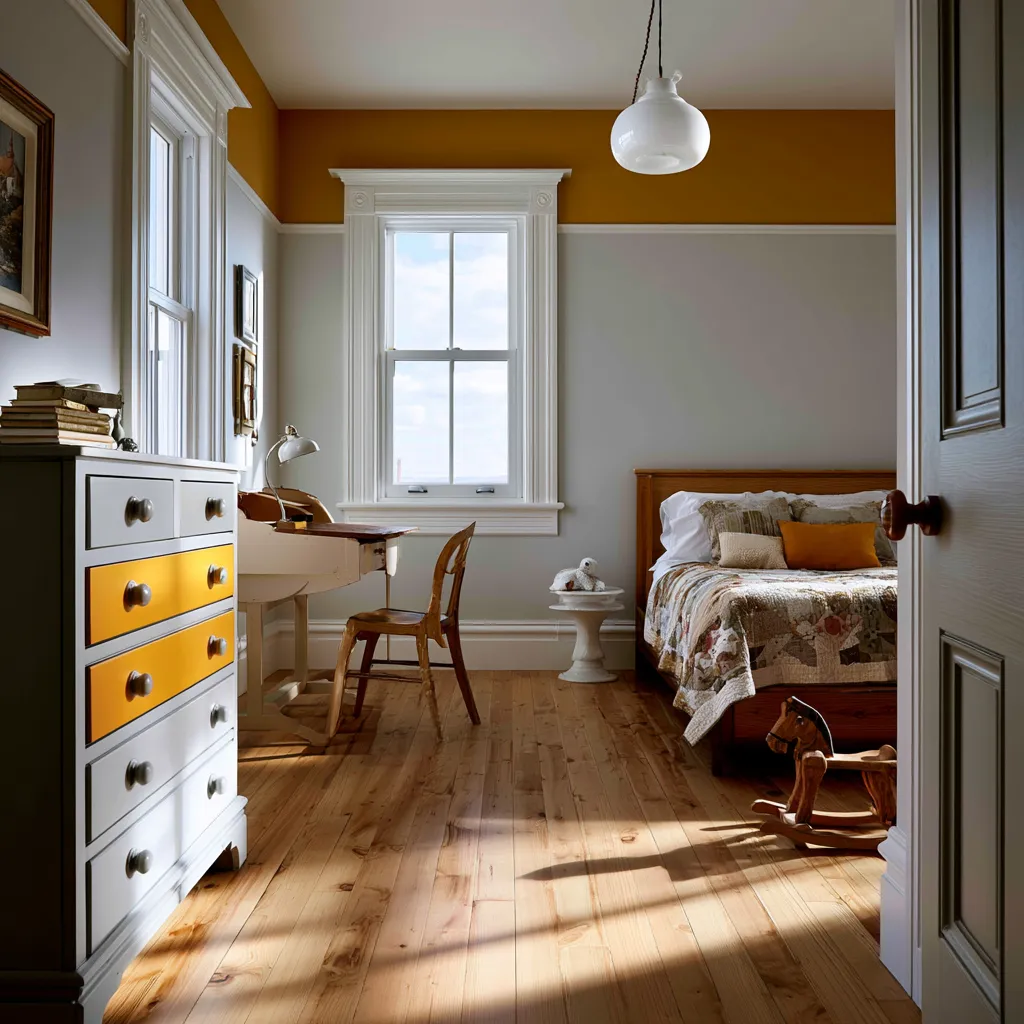
Don’t skip the walls. Paint is often the highest source of VOC off-gassing in a freshly decorated room, and the effects linger for months. Standard latex paints can release compounds long after they appear dry. Choose a zero-VOC or certified low-VOC paint in one of 2026’s leading nature palettes — muted sage green, warm terracotta, soft ochre, or earthy beige — and open windows during and after application for at least 48 hours.
If you love the look of pattern alongside natural color, there is a smarter path than bold wallpaper. Modern Geometric Wallpaper Spices Up a Vibrant Kids Room explores how geometric shapes layer onto a calm base without overwhelming the space — a useful reference if you want visual interest without heavy chemical adhesives. The key rule: never use standard PVC-backed wallpaper in a child’s room. It off-gasses plasticizers and traps moisture. Look for FSC-certified paper-based wallpapers with water-based inks instead.
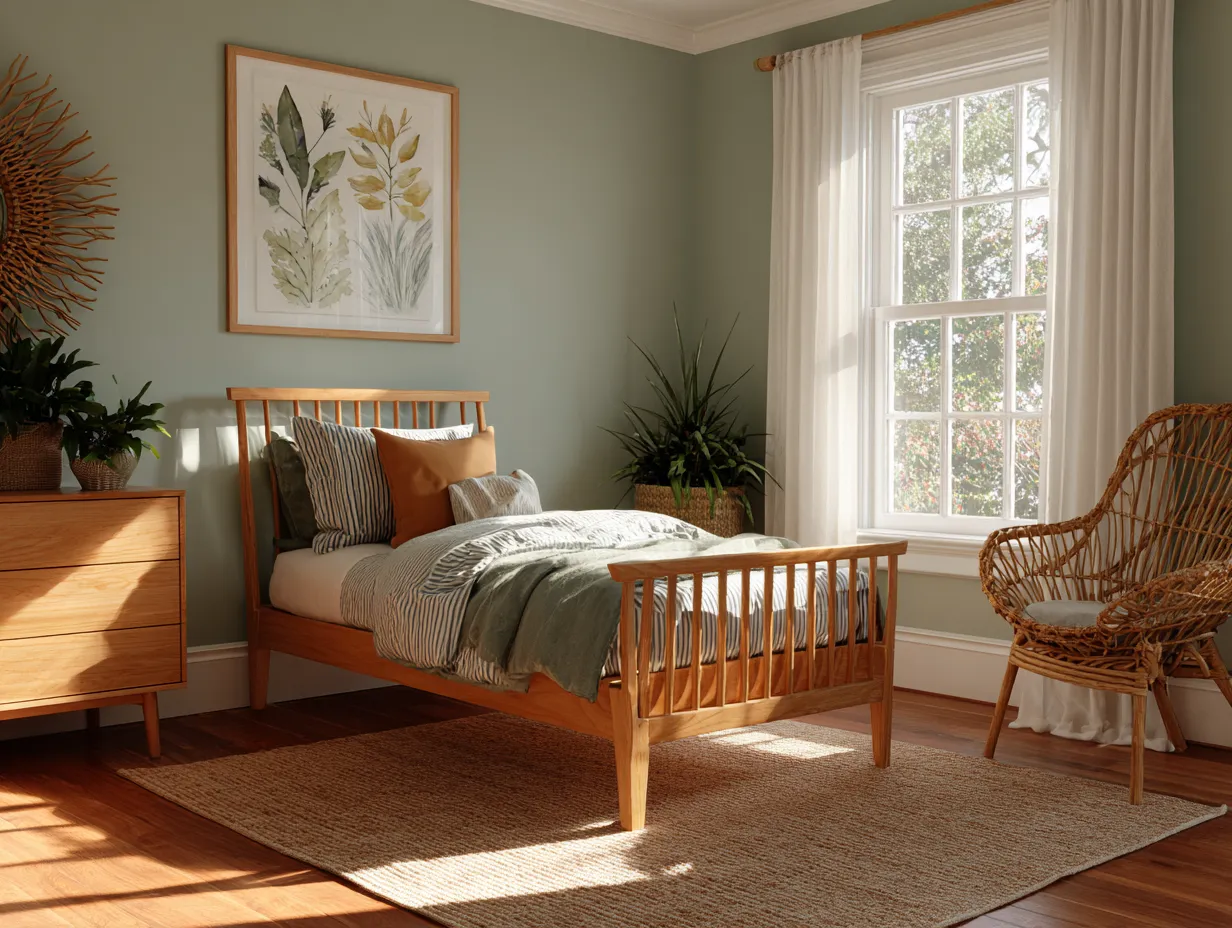
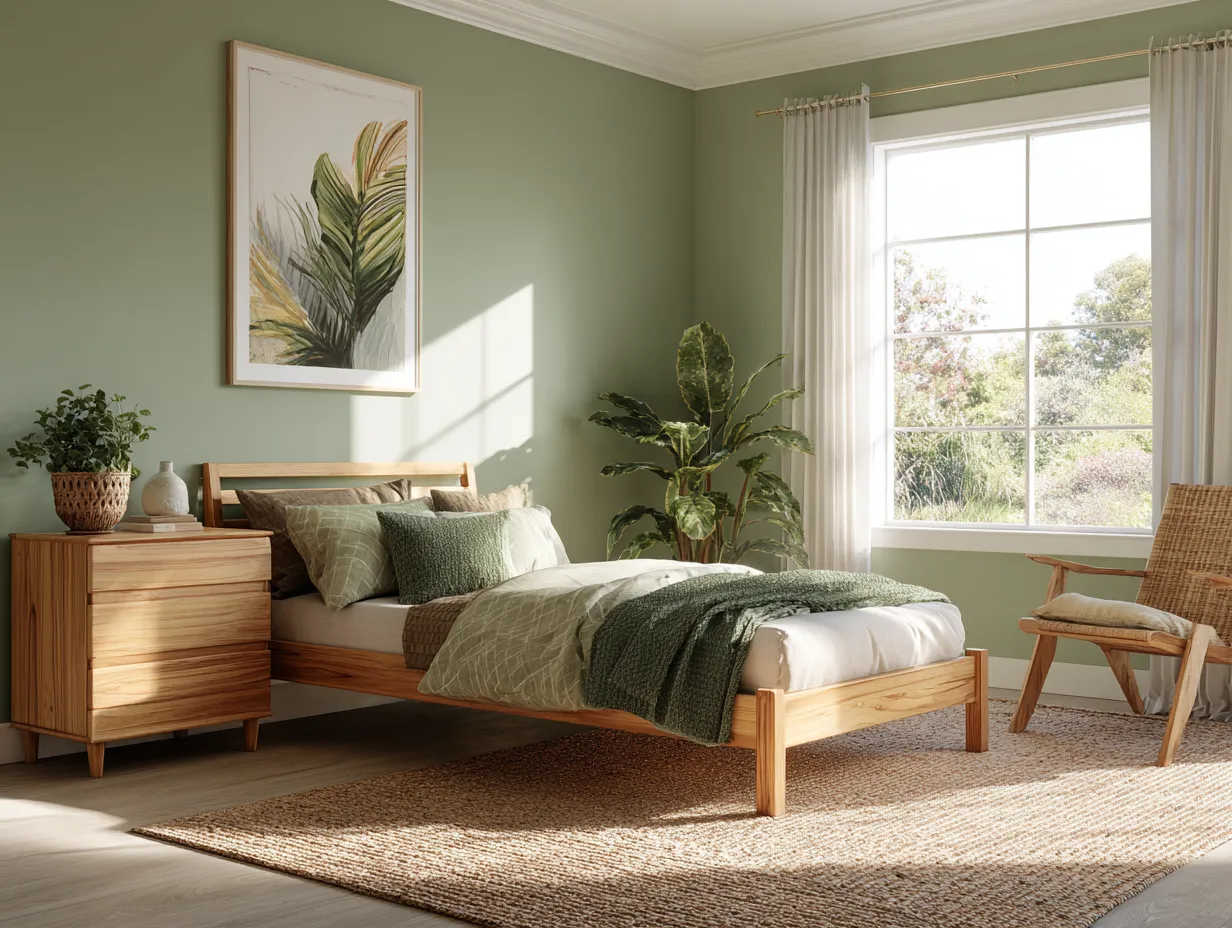
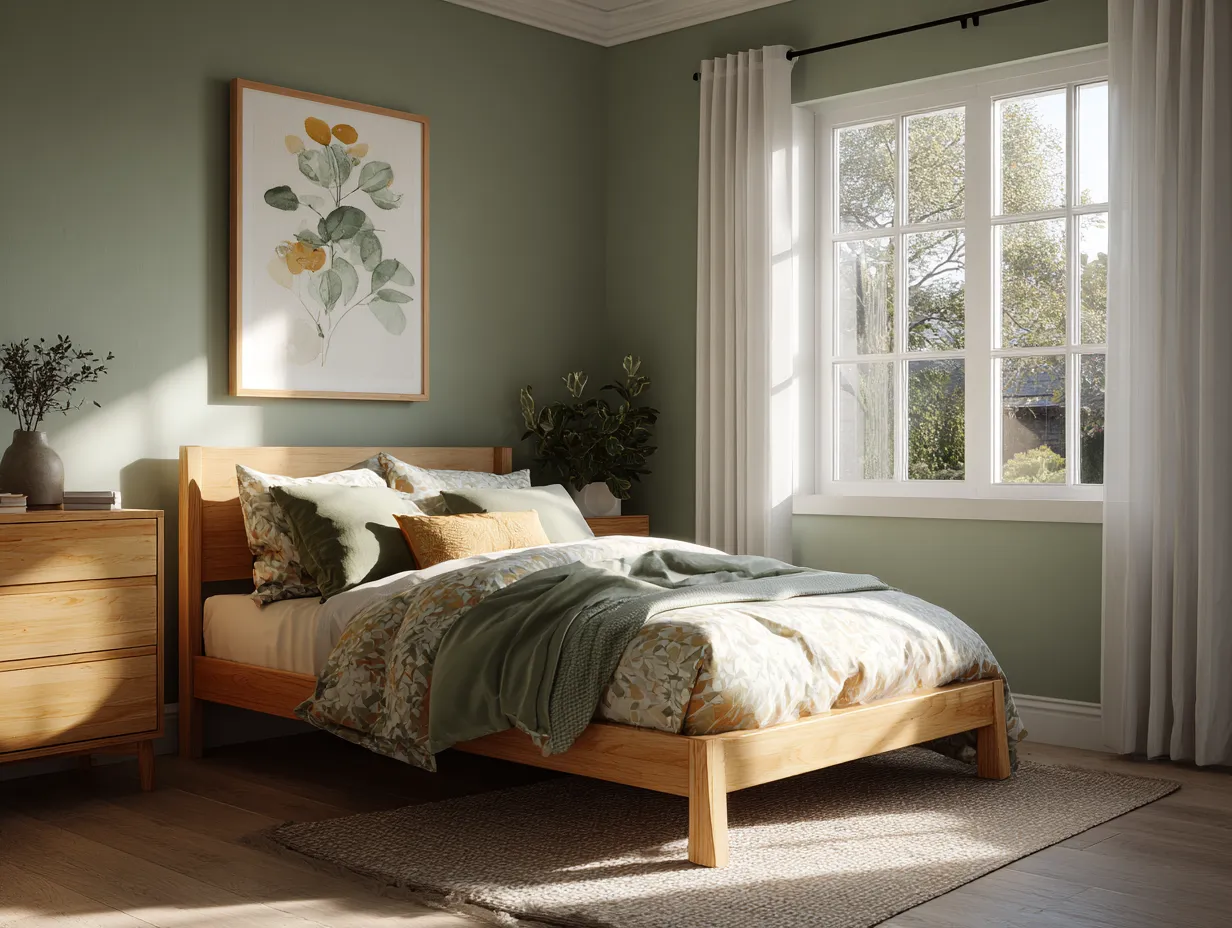
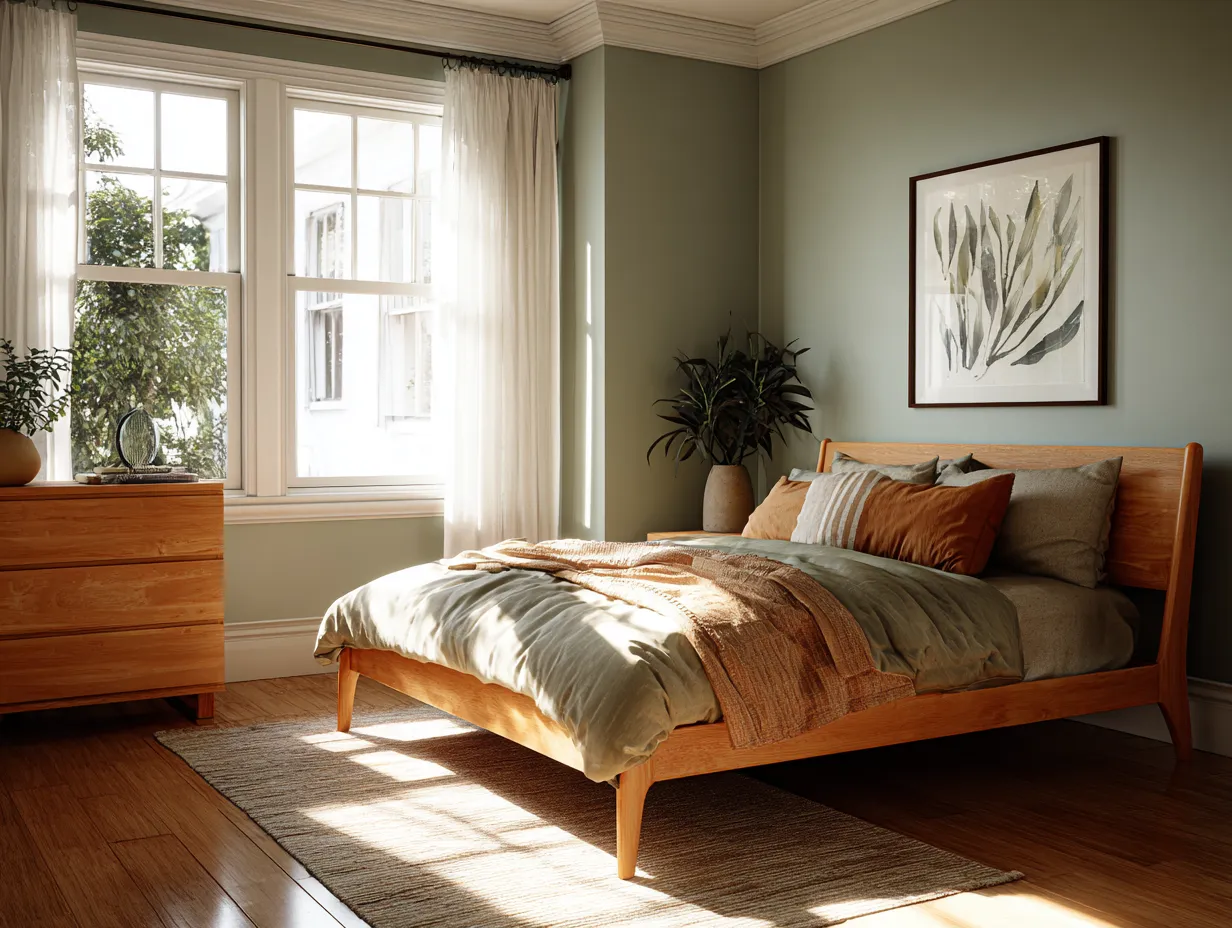
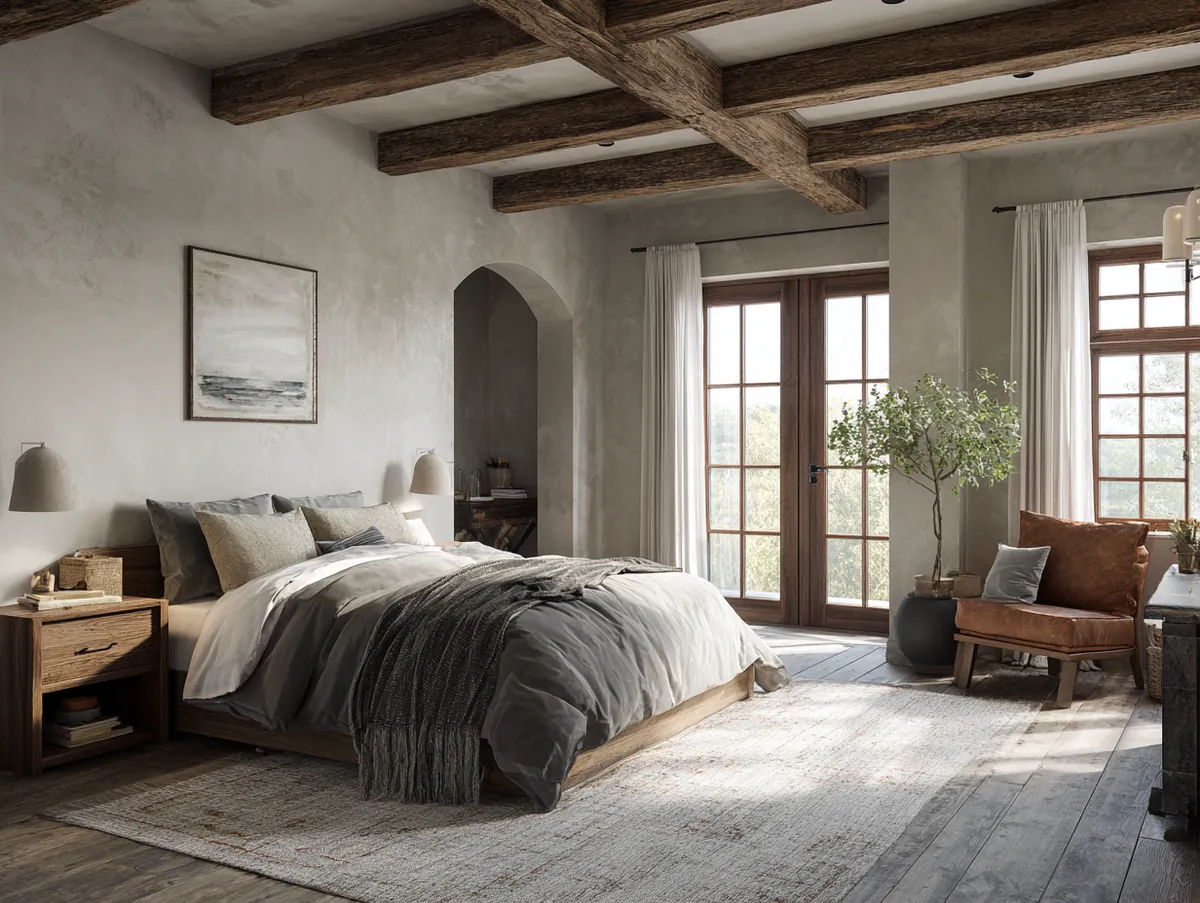
Flooring matters as much as furniture. Solid hardwood, natural cork, and bamboo are the safest choices for kids’ rooms. Vinyl, laminate, and synthetic carpet should be avoided entirely — they emit phthalates and actively trap VOCs already present in the room. Cork is especially underrated: it is naturally antimicrobial, soft underfoot, and warm-toned in a way that pairs directly with the earthy 2026 palette.
A real room comes together when the materials reinforce each other. Natural wood tones against sage green walls, a cork or bamboo floor, and zero-VOC paint in warm taupe — each element reduces the chemical load while also building the calm, forest-adjacent atmosphere that biophilic design is known for producing in children’s mood and sleep quality.
Don’t Do This
- Don't use PVC-backed wallpaper in a kids room — it off-gasses plasticizers and traps moisture behind walls, compounding air quality problems over time.
- Don't layer botanical prints on every surface — walls, bedding, rug, and curtains simultaneously creates visual chaos and undermines the calm that biophilic design is meant to produce.
- Don't assume 'natural-looking' furniture is non-toxic — pressed wood and MDF with decorative wood veneer can contain high levels of formaldehyde; always verify GREENGUARD Gold certification specifically.
- Don't overlook the rug — a large synthetic area rug is one of the most significant VOC sources in a kids room, off-gassing independently and absorbing additional chemicals from the air.
Organic Textiles and Botanical Decor That Build the Nature-Inspired Layer
Once the hard surfaces are sorted, textiles are where most of the remaining chemical load hides. Conventional mattress covers, play mats, and rugs are routinely treated with flame retardants and synthetic dyes that have no place in a space where children spend 10 to 14 hours a day. GOTS certification — Global Organic Textile Standard — is the equivalent of GREENGUARD Gold for fabrics. It covers the entire supply chain, not just the finished product.
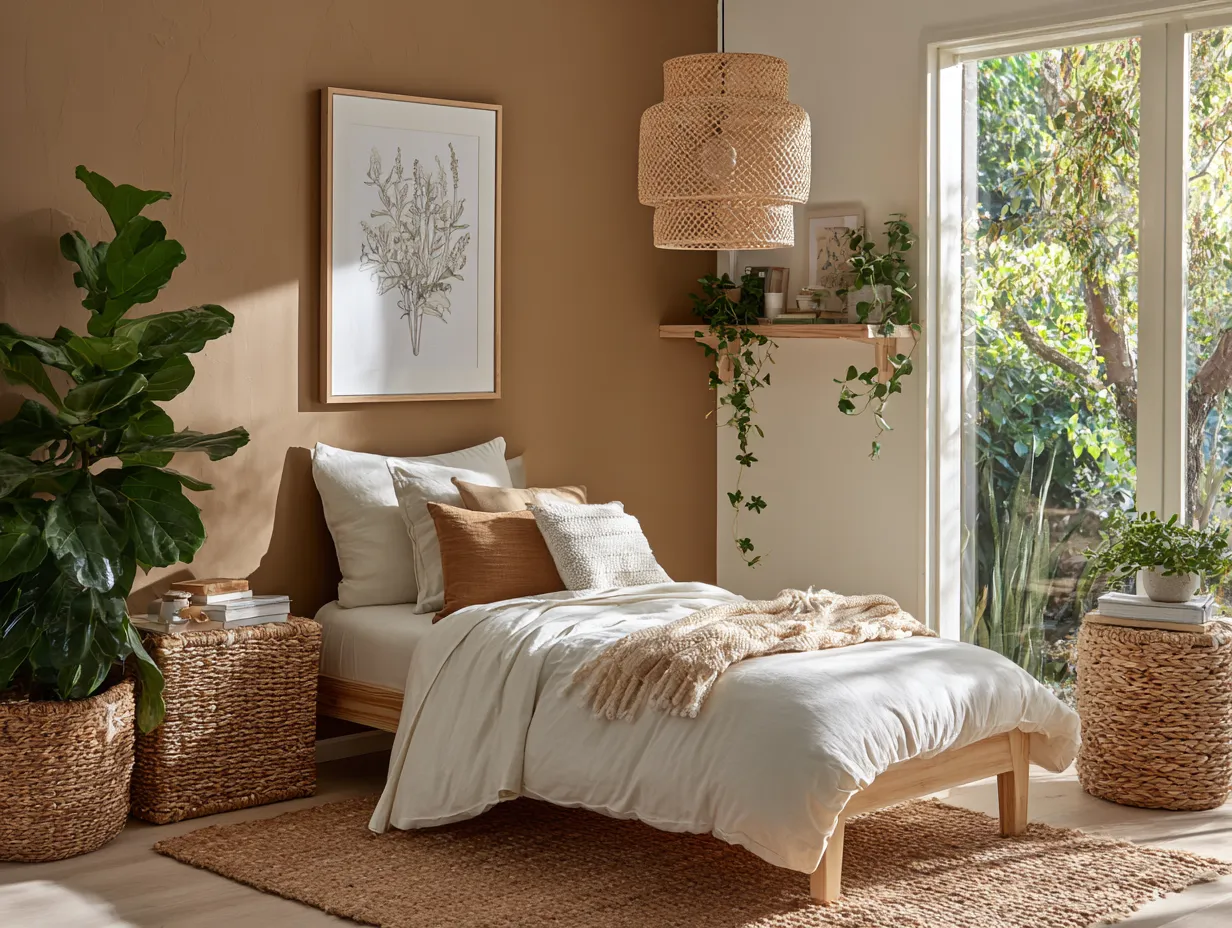
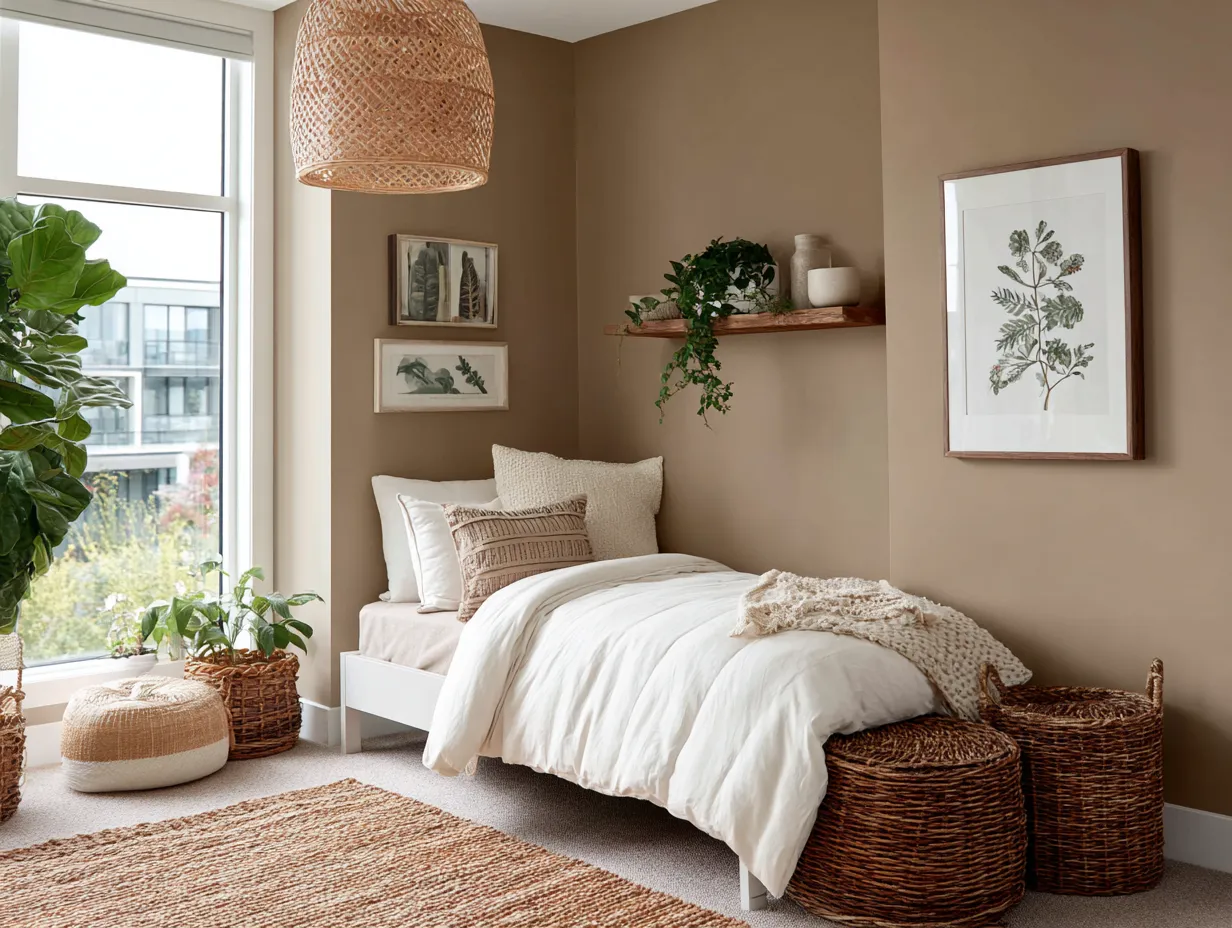
Toki Mats makes a non-toxic play couch at $195 using GOTS-certified organic cotton and REACH-compliant PU foam. The Nugget play couch, widely loved for its modular format, retails at $249 and is worth comparing on material specs before purchasing. Milton & Goose produces heirloom-quality children’s furniture in solid North American Maple and Birch with non-toxic finishes, with pieces ranging from $8 to $1,399 — the range is wide enough to work with most budgets.
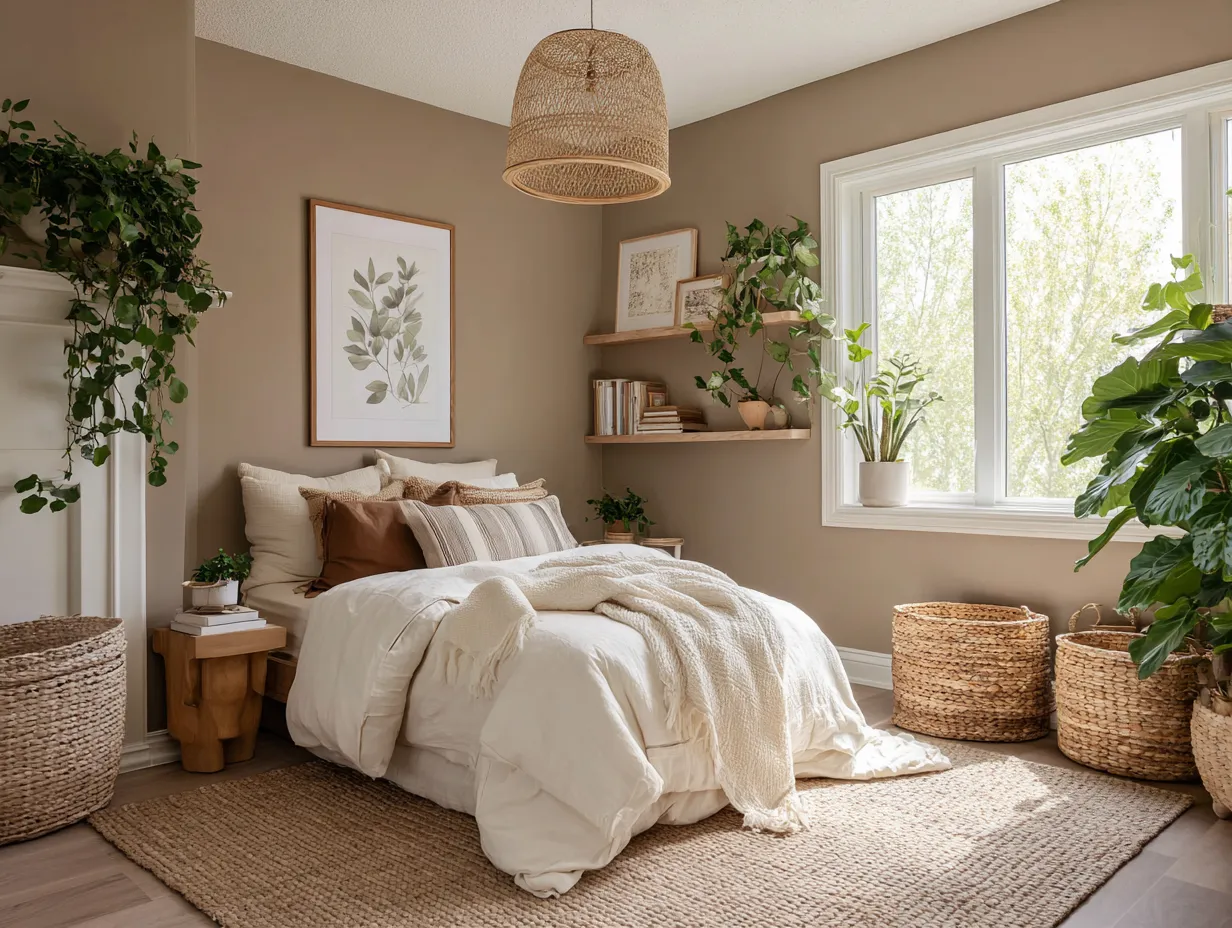
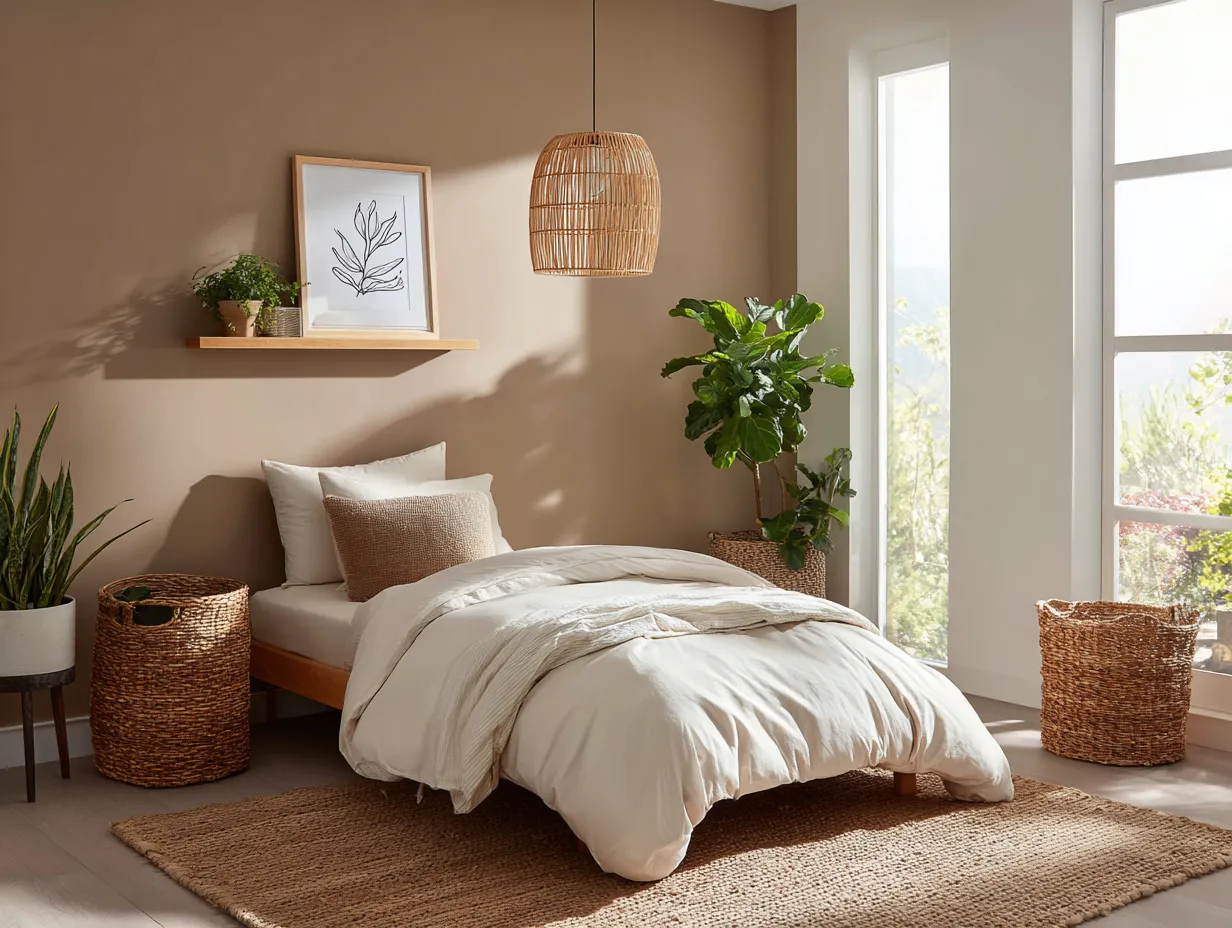
For bedding and curtains, organic cotton and linen in undyed or naturally dyed versions are the baseline. What many parents miss is the rug. A large synthetic area rug is one of the biggest VOC traps in a kids room — it off-gasses on its own and then absorbs additional chemicals from the air, releasing them when disturbed during play. A jute, wool, or organic cotton rug in a natural colorway eliminates that problem and adds the warm, grounded texture that 2026 nature-inspired rooms are built around.
Botanical decor is the finishing layer that makes the concept feel real rather than clinical. Leafy wallpaper panels, botanical print art, and a few strategically placed tough indoor plants — pothos, snake plants, or rubber trees — add natural motifs without requiring maintenance that overwhelms a busy parent. Whimsical Kids Room Shines with Geometric Wall Design in Wood shows how natural wood wall elements alone can transform a room’s atmosphere, which is a useful shortcut if you prefer decor over live plants.
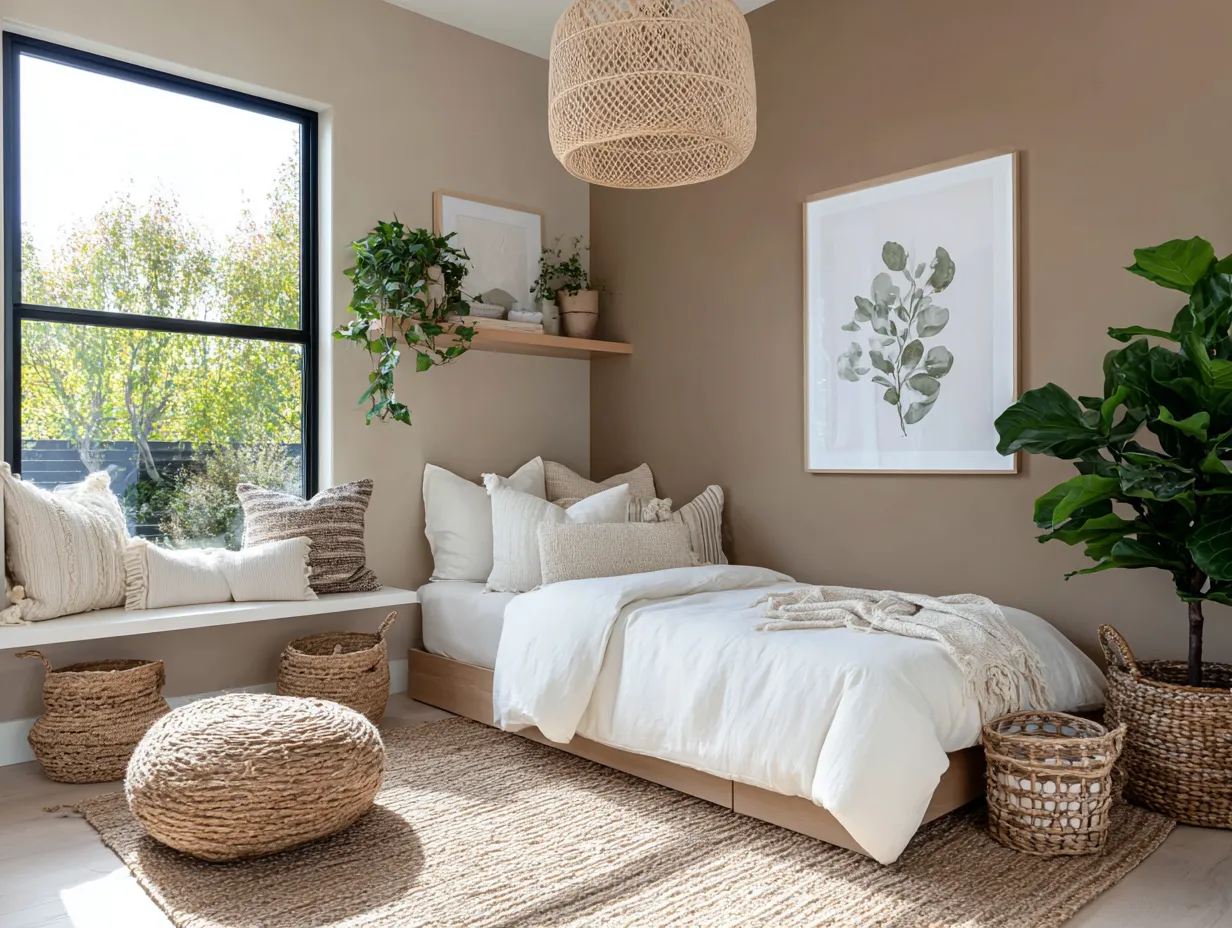
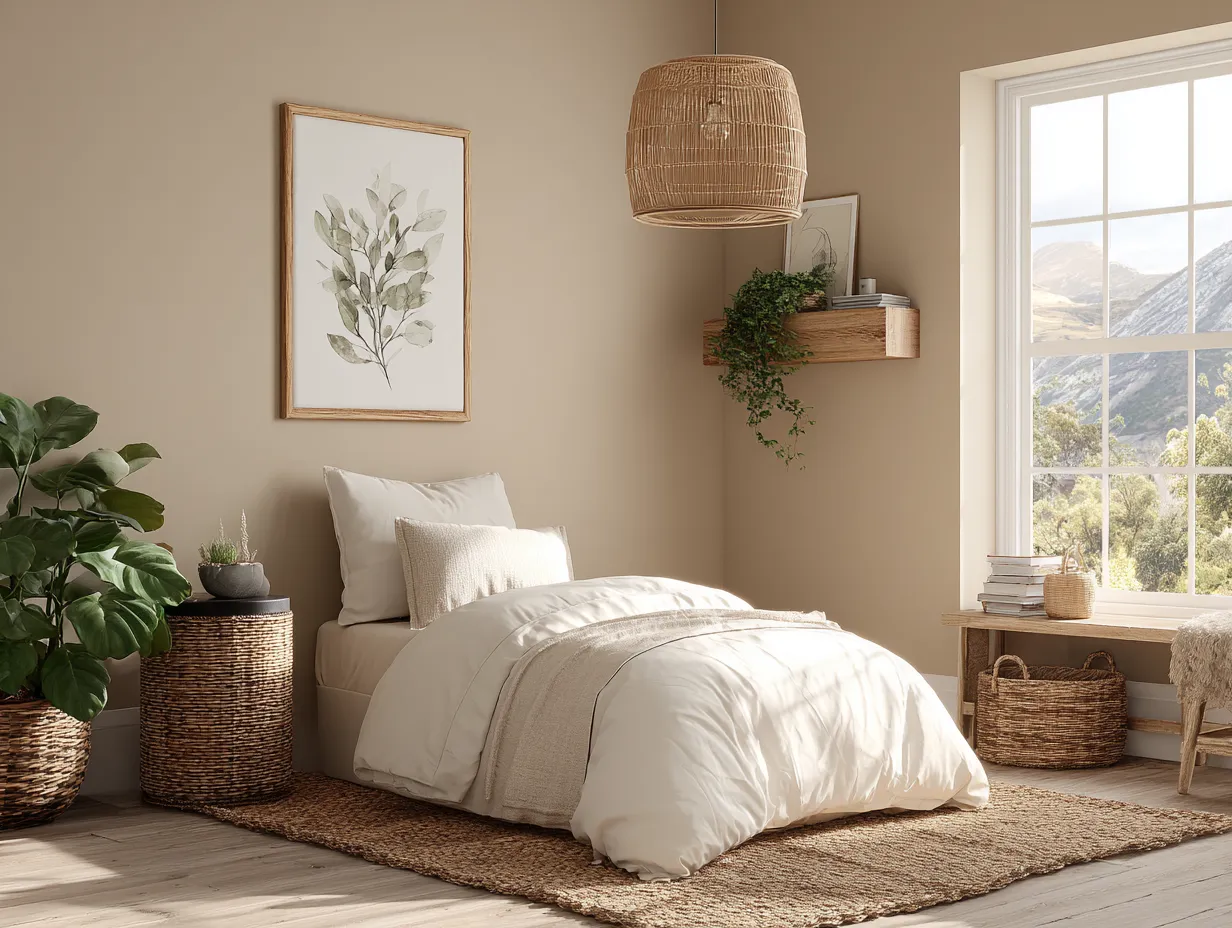
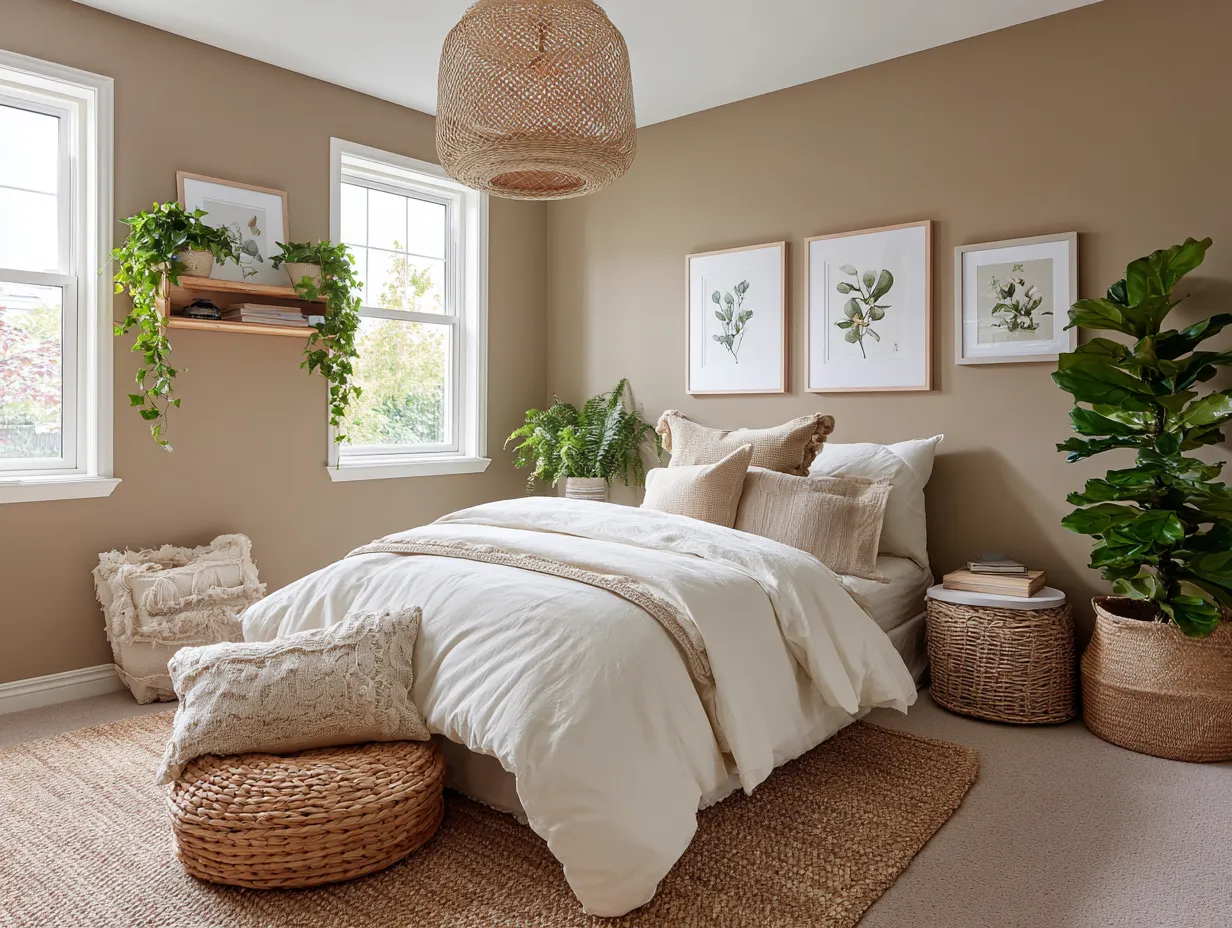
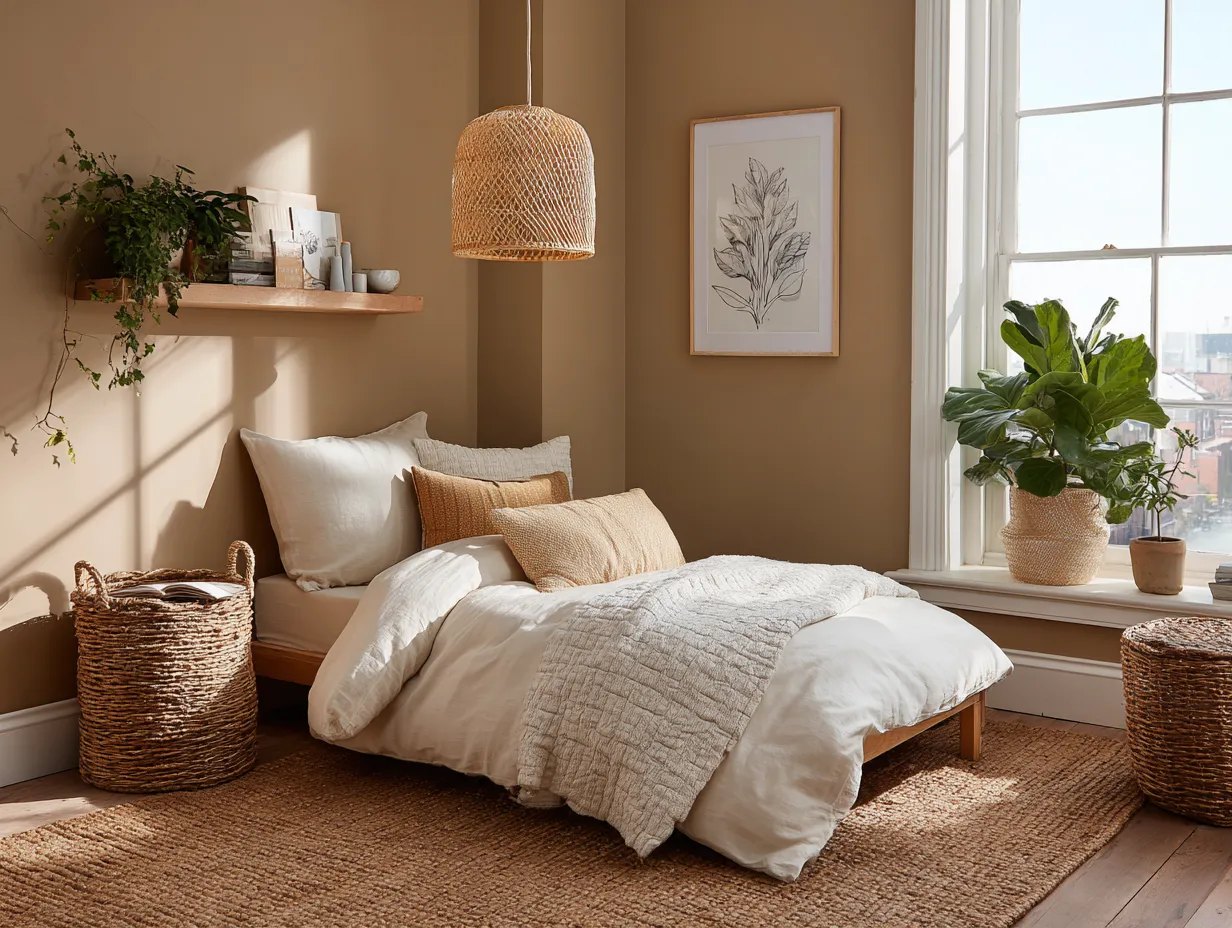
Bamboo, rattan, and jute accessories — a rattan pendant light, a bamboo bookshelf, a jute storage basket — add warmth and tactile variety without synthetic materials. They also photograph exceptionally well, which matters if you are designing a room that needs to grow with your child for several years rather than one season.
Don’t layer too many botanical prints at once. The look tips from calming into chaotic quickly when leaf motifs appear on the wall, the rug, the bedding, and the curtains simultaneously. Pick one or two surfaces for pattern — the rest should be solid natural tones. The eco-friendly furniture market is projected to reach $83.8 billion by 2030, and the parents driving that growth are choosing restraint over maximalism. The most effective nature-inspired rooms use negative space as deliberately as they use any material.
| Brand | Key Material | Certification / Price |
|---|---|---|
| Babyletto | Solid New Zealand Pine, Poplar Hardwood | GREENGUARD Gold — varies |
| IKEA Sniglar Crib | 100% Solid Beechwood | Non-toxic — $79 |
| Avocado Kids Furniture | Solid Wood, ECOS Stains | GREENGUARD Gold — varies |
| Toki Mats Play Couch | GOTS Organic Cotton, REACH-compliant foam | GOTS certified — $195 |
| Milton & Goose | Solid North American Maple & Birch | Non-toxic finishes — $8–$1,399 |
FAQ
what paint is safe for kids rooms in 2026
Zero-VOC and certified low-VOC paints are the safest options for a kids room. Brands like ECOS Paints and Benjamin Moore Natura carry third-party verified zero-VOC formulas. Apply with windows open and allow at least 48 hours of ventilation before the child sleeps in the room. Nature-inspired colors like sage green and warm taupe are available in these formulas.
is bamboo furniture safe for kids rooms
Yes — solid bamboo furniture is one of the safer options for kids rooms because it is a fast-growing natural material that does not require the adhesive-heavy manufacturing process used in MDF or particleboard. Look for pieces finished with water-based, low-VOC coatings. Avoid bamboo composite boards, which may contain formaldehyde-based binders similar to MDF.
what does GREENGUARD Gold certification mean for kids furniture
GREENGUARD Gold is a third-party emissions certification that tests finished furniture products for over 10,000 chemicals and 360 VOCs using stricter limits specifically calibrated for children's environments including bedrooms and nurseries. It is the most credible safety certification available for kids room furniture in 2026. Brands like Babyletto and Avocado carry it across most of their product lines.
what flooring is healthiest for a child's bedroom
Solid hardwood, natural cork, and bamboo are consistently rated the healthiest flooring options for kids rooms. Cork is especially beneficial — it is naturally antimicrobial, soft enough for floor play, and free of the phthalates and VOCs associated with vinyl and synthetic carpet. Avoid laminate and vinyl plank flooring, which are marketed as durable but off-gas chemicals that accumulate in low-ventilation rooms.
how do I add biophilic design to a kids room on a budget
Start with paint — a zero-VOC sage green or warm taupe wall costs the same as standard paint and immediately establishes the nature-inspired palette. Add a single botanical art print, one or two hardy indoor plants like a pothos or snake plant, and a jute or organic cotton rug. IKEA's Sniglar solid beechwood crib at $79 is one of the most budget-accessible non-toxic furniture entry points available.
what is the safest play mat for babies and toddlers
Look for play mats made with GOTS-certified organic cotton or natural rubber with no added foam layers containing chemical flame retardants. Toki Mats uses GOTS organic cotton and REACH-compliant foam in their play couches starting at $195. Avoid EVA foam mats, which are common but have been flagged for containing formamide, a chemical of concern in some European safety assessments.
Save this
A Nature-Inspired Kids Room Non-Toxic Materials Checklist Worth Keeping
The shift toward biophilic, non-toxic kids room design in 2026 is not a trend that will reverse — it is a direct response to documented concerns about indoor air quality and child health, and the material options available now are better, more affordable, and more beautiful than they have ever been. From Babyletto's GREENGUARD Gold certified pine furniture to Toki Mats' GOTS organic cotton play couches, specific certified products exist at nearly every price point.
Start with the surfaces that carry the highest chemical load — paint, flooring, and the largest furniture pieces — then layer in organic textiles and botanical decor as budget allows. Save this post.
📌 Save to PinterestComplete guide
Farmhouse Style Ideas for Every Room and Outdoor Space
Kitchens, bathrooms, bedrooms, exteriors, decor, outdoor — all in one place
Complete guide
Green Home Color Ideas for Every Room and Every Shade
Sage, emerald, olive, mint — interiors, exteriors, gardens — all in one place
Complete guide
Kids Room Ideas Every Parent Will Actually Use
Nurseries, toddler beds, teen spaces, storage, colors, Montessori setups — all in one place