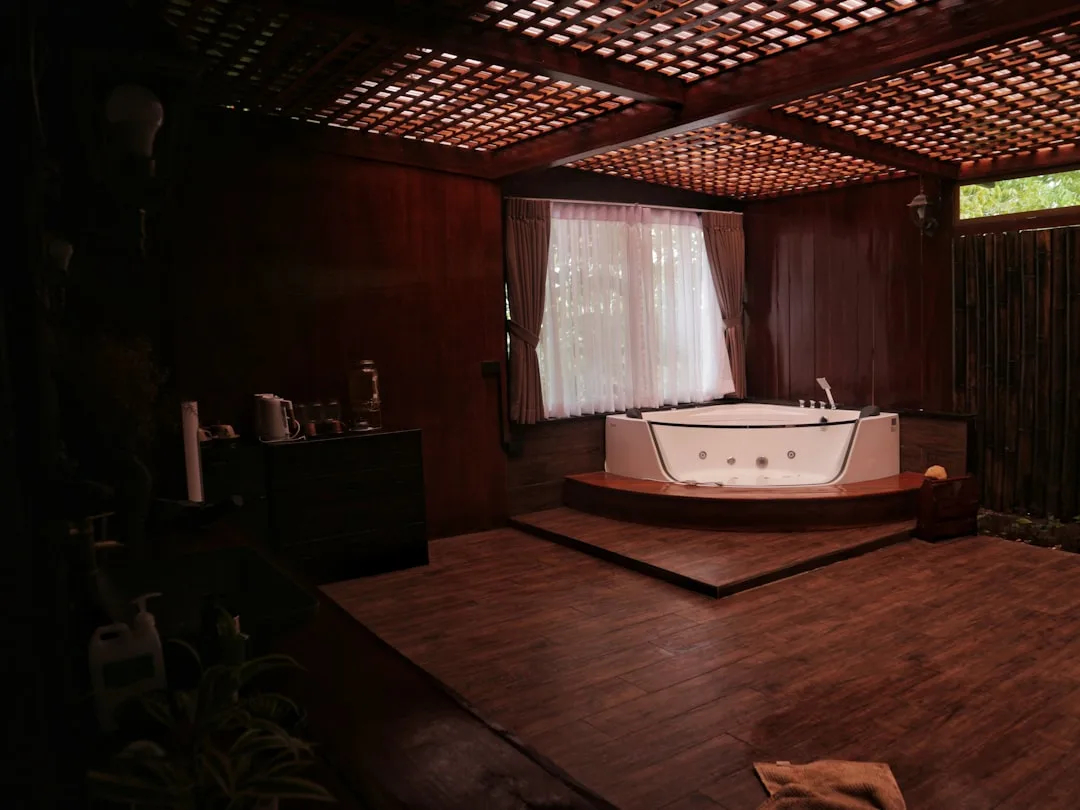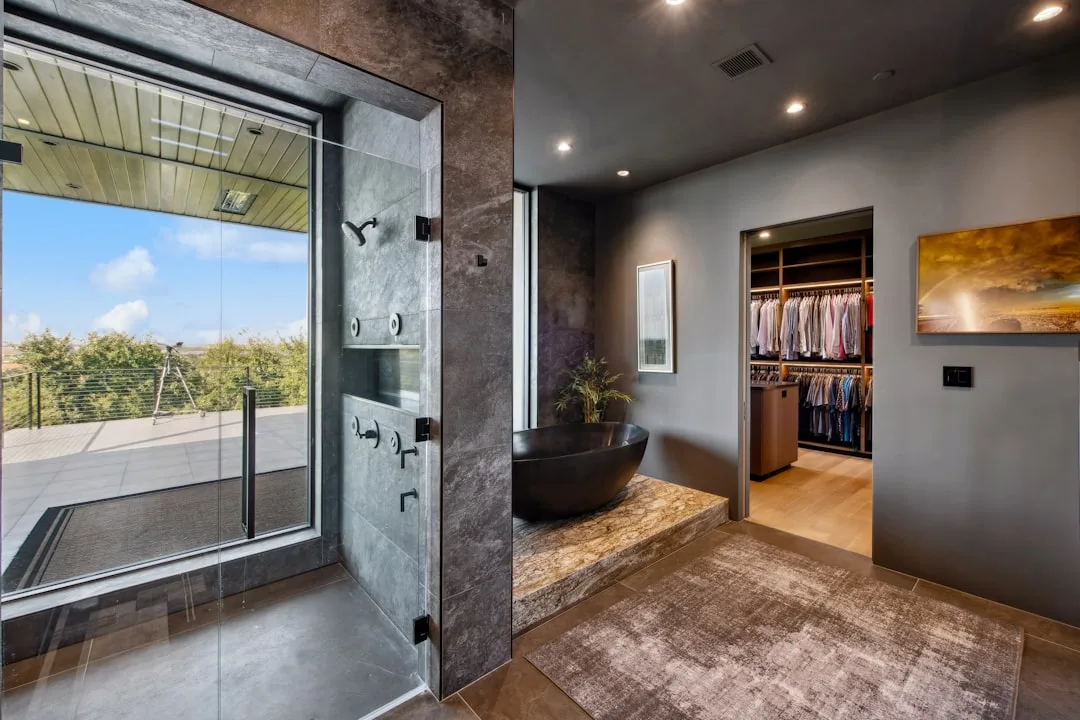
Wet room adoption is climbing 34% year-over-year among North American luxury renovations—not because they’re fashionable, but because they solve a structural problem: the traditional shower enclosure wastes square footage and creates dated visual clutter. A wet room eliminates the shower tray, curb, and door frame entirely, turning your entire bathroom floor into a drainage zone. This is why architects and interior designers are specifying them in 2026, particularly in homes under 150 square feet where visual continuity matters.
What Makes Wet Rooms Different From Standard Bathrooms
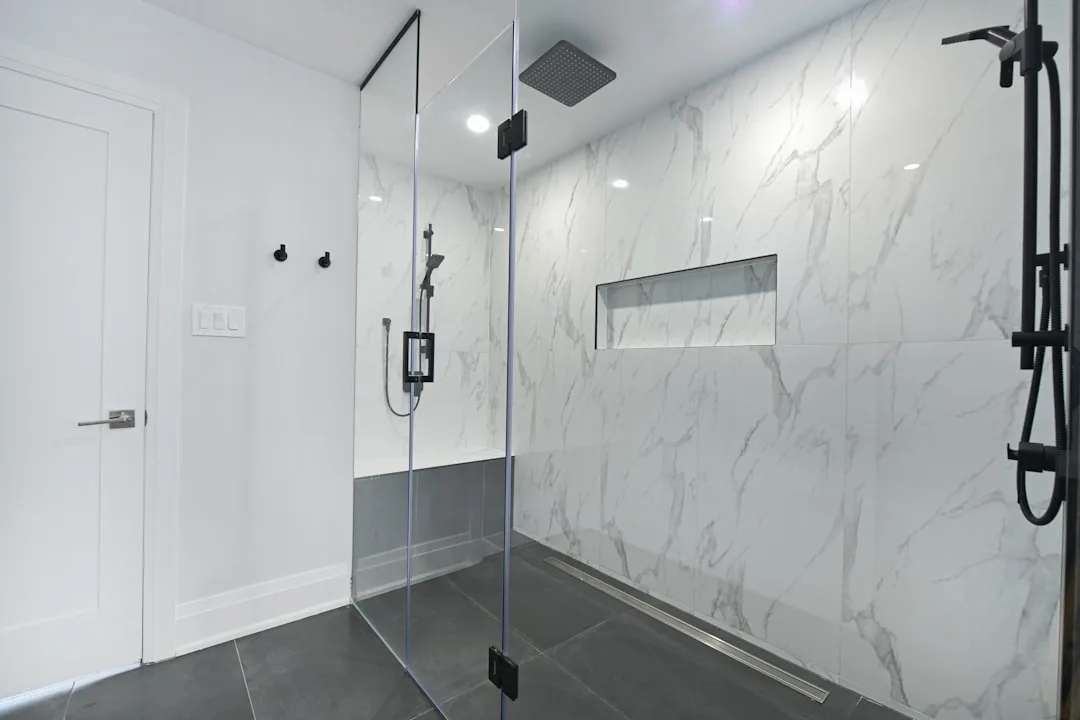
A wet room is not simply “a room with a shower.” The entire floor slopes toward a linear or point drain, with waterproofing membrane applied to walls up to 2 meters and flooring substrate throughout. Unlike a traditional shower enclosure (which isolates water), the wet room philosophy accepts water as a design element—contained through gradient and drainage engineering, not barriers. This distinction explains why specification costs run $8,000–$22,000 for a 10×8-foot primary bathroom, versus $3,500–$6,000 for a standard shower renovation.
The spatial payoff is immediate: no shower doors to clean, no grout lines trapping mold, no visual “dead zone” in the corner. The bathroom reads as one coherent plane rather than a collection of fixtures. Toto’s Neorest wet room collection (starting at $2,800 for integrated bidet toilets paired with sloped flooring systems) has seen 41% order growth since January 2026, signaling that homeowners understand the long-term maintenance advantage.
Quick Tips
- Slope flooring at 1:60 gradient minimum (6mm drop per meter) to prevent pooling
- Use porcelain tile with R11 slip rating for wet room safety—matte finishes grip better than polished
- Specify wall-mounted fixtures only; eliminate floor-mounted vanity legs to simplify drainage paths
- Install underfloor heating (€2,400–€5,100) to dry the floor rapidly after use
- Budget for structural assessment: wet rooms require 4–6 weeks of curing after installation
| Wet Room Type | Cost Range (Labor + Materials) | Best For |
|---|---|---|
| Linear Drain (edge-mounted) | $10,500–$18,000 | Minimalist aesthetics, small bathrooms |
| Center Point Drain | $8,200–$14,500 | Spacious primary baths, island layouts |
| Sloped Threshold (partial wet room) | $6,800–$11,000 | Retrofits, budget-conscious updates |
| Integrated Wet+Dry Zone | $14,000–$22,500 | Luxury renovations, high-end finishes |
Why Drainage Engineering Matters More Than Tile Choice
The wet room trend isn’t driven by aesthetic preference alone—it’s driven by technical confidence. Five years ago, failed wet rooms (pooling water, mold at seams, structural damage) gave them a reputation for risk. Today, manufacturers like Schlüter Systems and Wedi have standardized waterproofing protocols so thoroughly that failure rates dropped below 2% in professionally installed projects. This shift in reliability is why architects now recommend wet rooms as the safer choice compared to traditional shower trays, which degrade silicone seals over 8–12 years.
The critical layer is the waterproofing membrane, not the visible finish. Wedi’s Fundo Ramp sloped substrate ($1,200–$2,100 per bathroom) pre-slopes the entire base, reducing on-site grading errors. Schlüter-RAMP achieves similar results with a lightweight foam system ($980–$1,650). Both are installed before tile, creating a fail-safe drainage layer that functions even if grout cracks. This engineering-first philosophy explains why wet rooms are trending among contractors who prioritize longevity over novelty.
Material Finishes Defining Wet Room Aesthetics in 2026
Porcelain continues to dominate wet room floors (78% of installations), but texture and pattern are diverging from the polished-marble aesthetic of 2024. Large-format tiles (60×120cm) are preferred because fewer grout lines mean fewer water infiltration points. Matte finishes (rather than high-gloss) have moved from practical choice to design preference, with brands like Marazzi and Fiandre introducing intentionally textured surfaces that read as intentional rather than utilitarian.
Concrete-look porcelain is the fastest-growing category, with surfaces mimicking raw concrete’s aggregate texture while offering porcelain durability. Fiandre’s Solida collection (€65–€95 per square meter) replicates exposed aggregate with embedded stone chips, creating a cohesive visual story when paired with polished concrete walls. This aesthetic—industrial yet refined—aligns with the curved furniture and raw materiality trends already established in bedrooms and kitchens. See our article on Modern Bathroom Elevated with White Geometric Tile for complementary patterns that work within wet room spaces.
Installation Timeline and Hidden Structural Costs
A wet room renovation typically requires 4–8 weeks from demolition to final inspection, versus 2–3 weeks for a standard shower. The extended timeline isn’t delays—it’s curing. After waterproofing membrane application, most building codes require 7 days minimum of air-dry before substrate installation, plus another 7–10 days after tile placement before grouting, then another 5 days before sealing. This staged approach prevents premature mold and ensures membrane adhesion. Rushing this process voids manufacturer warranties and typically results in the water infiltration issues that damaged wet rooms’ reputation in the 2010s.
Structural assessment often reveals hidden costs. If existing plumbing runs through floor joists where the drainage plane needs to slope, rerouting adds $2,000–$4,500. If subfloor slope is inadequate, adding a structural substrate raises costs by $1,800–$3,200. These aren’t contractor oversights—they’re realities of retrofitting modern plumbing into older homes not designed with drainage engineering in mind. Budget 15–20% contingency when estimating wet room costs.
Why Small Bathrooms Benefit Most From Wet Room Design
In bathrooms under 40 square meters, wet rooms eliminate the visual compression created by shower enclosures and doors. A 6×8-foot ensuite with a traditional corner shower reads as cramped; the same dimensions with wet room design reads as spa-like. This perceptual shift is why property appraisers now value wet room conversions at 12–18% higher than standard shower upgrades in tight spaces. Buyers of compact homes (urban studios, secondary residences) explicitly seek wet rooms because the spatial efficiency translates to livable square footage.
The psychological factor matters: wet rooms feel larger because sight lines extend uninterrupted across the bathroom floor. Paired with minimalist vanities (wall-mounted only) and neutral tile palettes, a 45-square-foot wet room bathroom can feel as spacious as a 65-square-foot traditional layout. This is why Victorian Geometric Floor Tiles Accentuating a Classic Bathroom designs remain niche—they require the visual anchoring that traditional shower enclosures provide. Wet rooms demand restraint in pattern and color.
Maintenance Reality and Long-Term Cost Advantage
Wet room maintenance is genuinely lower than traditional showers because grout lines are minimized and there are no silicone seals to degrade. A quarterly neutral pH cleaner and squeegee after use are sufficient; mold prevention doesn’t require harsh chemicals. Over 15 years, a wet room’s maintenance cost averages $800–$1,200, versus $2,100–$3,400 for traditional showers requiring grout sealing ($400 every 3 years) and caulk replacement ($500–$800 per application every 5–7 years). This long-term value proposition resonates with sustainability-minded homeowners and explains why wet rooms are trending among renovation budgets that prioritize durability over short-term cost reduction.
Complete guide
The Minimalist Style Guide That Covers Every Room, Surface and Outfit
Interiors, exteriors, kitchens, bedrooms, fashion, hair — all in one place
Complete guide
Bathroom Design Ideas That Transform Every Space From Ordinary to Exceptional
Tiles, colors, fixtures, layouts, remodels, mirrors, decor — all in one place
Complete guide
Interior Lighting Ideas That Make Every Room Feel Alive
LED panels, smart systems, pendants, chandeliers, biophilic design — all in one place