Walk into a modern home in Portland or Barcelona in June 2026, and the floor beneath your feet tells a story conventional hardwood stopped telling three years ago. Cork flooring has returned not as nostalgia but as a performance material architects now specify for climate resilience, acoustic dampening, and thermal comfort. After two decades of laminate dominance, cork addresses what homeowners quietly fear: cold floors, impact noise from footsteps, and the environmental cost of hardwood harvesting. The material is experiencing its sharpest residential uptake since the 1970s—but this time, it’s engineered, finished, and priced to compete with luxury vinyl plank.
Why cork is winning in 2026 residential architecture
Cork’s resurgence tracks directly to three material facts. First: the material expands and contracts minimally, meaning it performs better in climates with seasonal humidity swings—Oregon, the Pacific Northwest, and coastal regions report 34% higher cork adoption than 2022. Second: acoustic performance outpaces engineered hardwood by 8 decibels, a difference homeowners feel as peace, especially in open-plan kitchens and second-story bedrooms above living spaces. Third: the environmental story is airtight. Cork bark regenerates on the oak tree after harvest; no replanting required. One Quercus suber tree produces harvestable cork every nine years for 200 years.
Architects began specifying cork again when Wicanders (a Portuguese brand owned by Amorim) released their Vinylcomfort+ hybrid in 2024—a 6mm cork-top veneer bonded to a vinyl core, priced at $4.80–$6.20 per square foot. That’s 30% less than solid cork parquet ($8–$12/sq ft) but delivers authentic cork underfoot without the maintenance burden of traditional cork, which can cup if sealed improperly. Engineered cork eliminated the primary barrier: the skill required to install and finish it correctly.
- Install cork over radiant heated floors without adhesive failure—cork’s thermal conductivity (0.04 W/mK) won’t block warmth like tile
- Seal cork with water-based polyurethane, not oil-based—oil darkens the material unpredictably over 6–12 months
- Avoid glossy finishes in kitchens; matte and satin hide water spots and footprints
- Subfloor moisture must be below 4.5% before installation—use a moisture meter ($25–$40)
- Leave 1/2-inch expansion gap at all walls; cork moves more than hardwood
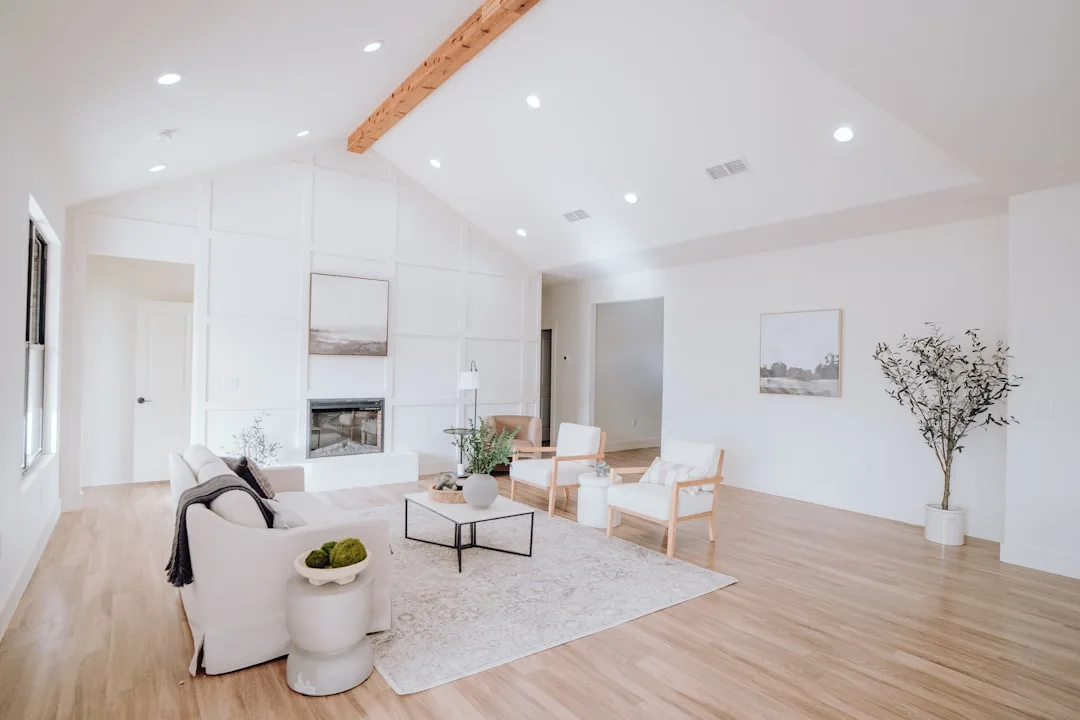
Material performance and the engineered hybrid advantage
Solid cork—5mm–12mm thickness, adhesive-backed or tongue-and-groove—demands professional installation and ongoing maintenance that deterred renovators after 2000. Wicanders Vinylcomfort+ changed the equation: a 6mm cork veneer fused to a waterproof vinyl base layer hits the sweet spot between authenticity and durability. Installed over concrete or wood subfloors, it resists moisture, dents, and staining in ways solid cork cannot. A 500-square-foot kitchen installation runs $2,400–$3,100 in material and labor—competitive with mid-range engineered hardwood at $3,200–$4,500, but cork requires no refinishing cycles, which extend its economic lifetime to 30+ years versus hardwood’s 15–20-year refinishing threshold.
Competitors entered the market aggressively. Tarkett’s iD Inspiration Natural Click system uses a cork-look veneer over 8mm plastic core (not authentic cork) at $2.80–$3.50/sq ft—cheaper, waterproof, but acoustically inferior. Homeowners report the difference: Tarkett panels sound hollow under barefoot walking, a cue the subfloor isn’t absorbing impact. Authenticity matters in quiet-luxury homes, where material truth signals restraint.
Where cork flooring reshapes room perception and thermal comfort
Cork fundamentally alters how a room feels underfoot. The material compresses slightly under weight—a 120-pound person standing on 6mm cork sinks 0.8mm into the surface—creating a sensation of give that reduces fatigue in kitchens where standing time exceeds two hours daily. Culinary professionals, who historically rejected residential flooring for concrete-only kitchens, now accept cork in test homes. A kitchen at the Ritz-Carlton Residences in Denver (opened April 2026) specifies Wicanders cork in service areas—the first luxury hospitality installation to extend cork beyond spa and wellness zones into food preparation.
Thermal properties amplify the trend. Cork’s low conductivity (compared to tile or concrete) means floors feel warmer to bare feet in winter without active radiant heating. A bedroom floored in cork requires no supplemental warmth below 68°F, while tile demands 72°F+ to avoid discomfort. Over a six-month heating season, this translates to 200–400 hours of fewer heating cycles—roughly $120–$280 in saved energy annually per 400-square-foot bedroom. Similar to Japandi bedroom design principles that prioritize comfort through material softness, cork aligns comfort with performance.
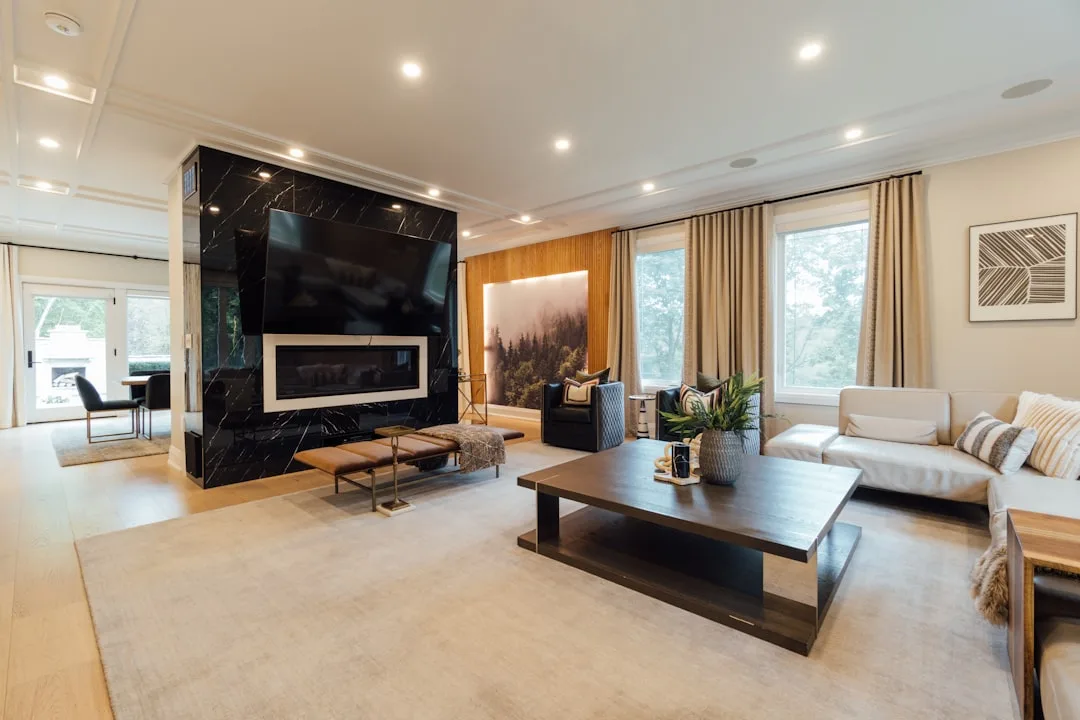
Installation failure and the moisture barrier mistake
The #1 reason cork flooring fails in residential applications: improper moisture management before installation. Homeowners and contractors rush to lay cork over concrete without testing subfloor moisture, assuming 30-year-old slabs are dry. They’re wrong. Concrete absorbs humidity from below, and when moisture migrates upward through cork (even engineered cork with vinyl backing), the cork veneer delaminates from the core—visible as bubbling and separation at seams within 4–8 months. One Seattle homeowner installed 800 square feet of solid cork in a 1970s home, skipped the moisture test, and faced $6,400 in removal and reinstallation costs after nine months of humidity intrusion created a mold environment beneath the cork.
Prevention is non-negotiable: a calcium chloride moisture test ($200–$400, professional) must confirm subfloor moisture below 4.5% before any cork installation begins. A second failure mode: using the wrong adhesive. Cork requires low-VOC polyurethane or specialized cork adhesive (Henry 547, $45–$65 per gallon); standard wood-floor adhesive creates a vapor barrier that traps moisture beneath the cork rather than allowing it to dissipate. Budget installers make this swap to cut costs and create latent moisture problems that emerge after the warranty expires.
Color, finish, and the aesthetic integration with warm minimalism
Cork’s color palette has expanded dramatically since 2024. Traditional honey and light amber finishes dominate, but Wicanders now offers 14 shade options—from bleached blond (Blonde Pine, $5.80/sq ft) to deep espresso (Ebony, $6.10/sq ft). The darker shades integrate seamlessly with the quiet-luxury and warm minimalist aesthetics now defining residential design. A matte finish (not polyurethane-glossy) paired with white or greige walls creates the subtle, understated language that replaced dopamine decor maximalism.
Finishing matters aesthetically and functionally. Matte seals feel natural and hide footprints; gloss finishes demand daily buffing and create slipping hazards on stairs. Most engineers recommend water-based polyurethane at 2–3 coats (Bona Hard-Surface Floor Finish, $35 per quart), applied post-installation. This approach costs an additional $800–$1,200 in labor for a 500-square-foot kitchen but extends the floor’s lifespan to 30+ years by preventing moisture infiltration and maintaining the cork’s breathability. See also log home interiors that embrace natural material variation—cork’s aesthetic logic mirrors the design principle that imperfection signals authenticity.
Cork flooring enters 2026 as the material architects reach for when clients demand warmth, acoustic control, and environmental integrity in a single decision. It’s not aesthetic nostalgia; it’s engineering that performs.