My daughter’s first wardrobe was a $40 IKEA shelf unit with a tension rod screwed in sideways. It held six dresses and two jackets before the rod bent. That’s when I learned that kids wardrobe designs aren’t just about looking cute in a Pinterest photo. They need to survive daily yanking, shoe avalanches, and a four-year-old who thinks folding means crushing.
I’ve tested built-in setups, freestanding kids cupboard units, and modular systems across two bedrooms and one shared playroom. Some cost under $200. One custom piece ran close to $1,400. Not all of them were worth the money.
Below are 22+ kids room wardrobe layouts I actually recommend. You’ll see what worked for storage-heavy families, what flopped in tight spaces, and which budget picks held up after two years of daily abuse. Skip the ones that don’t match your room size and zoom in on the ones that do.
Quick Scan: What You’ll Find Here
✔ 22+ real kids wardrobe designs sorted by room type and size
✔ Budget picks under $300 vs custom built-in setups
✔ Space-saving kids room wardrobe ideas for bedrooms under 120 sq ft
✔ Kids cupboard layouts that combine storage with study areas
✔ What to avoid: door types, materials, and color combos that fail fast
Colorful Kids Wardrobe Designs for Playrooms
In the realm of interior design, children’s playrooms present a unique opportunity to merge functionality with whimsy. Central to this concept is the wardrobe, a staple furniture piece that often sets the tone of the room. The evolution of wardrobe designs has seen a significant shift, especially in catering to the modern, vibrant aesthetics of a child’s playroom. Today’s modern wardrobe designs for children’s rooms are not just about storage; they are about creating an inviting, imaginative, and organized space that resonates with the energy of childhood.


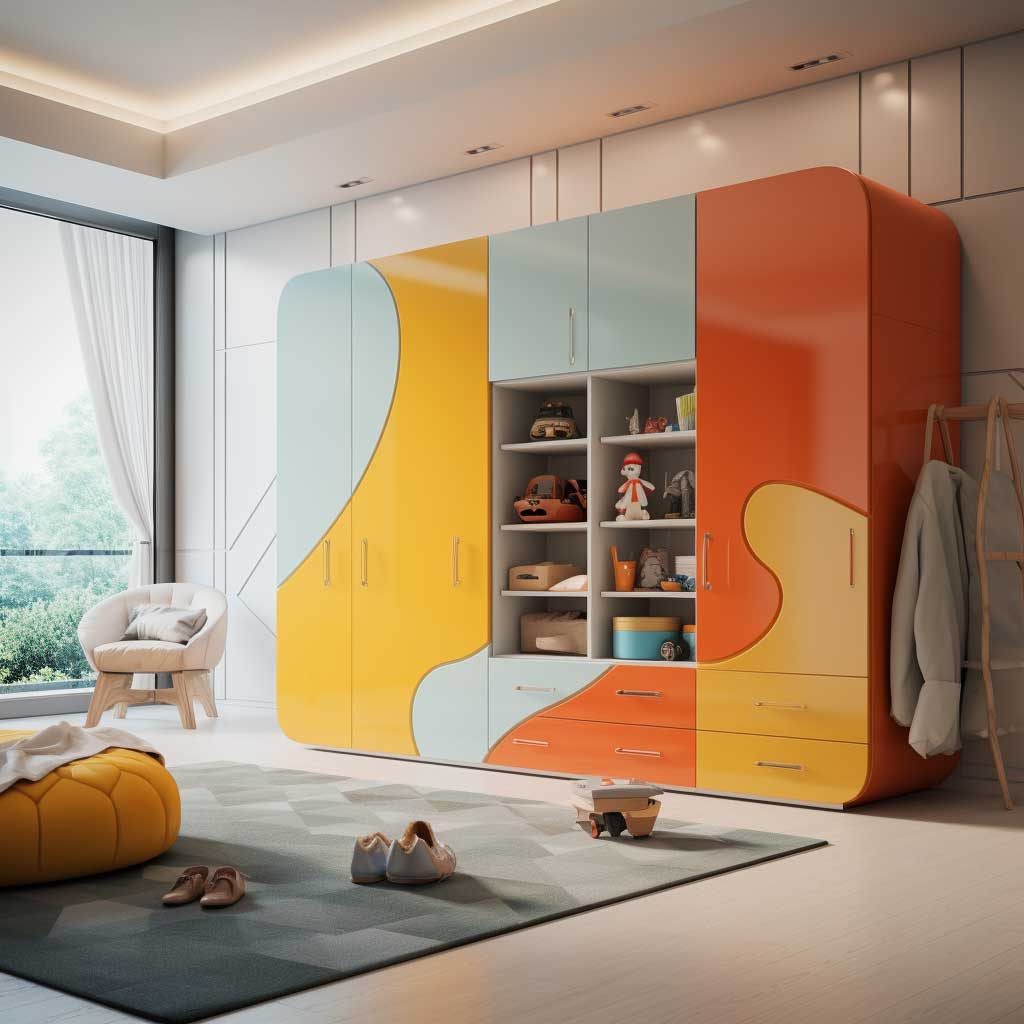
The modern wardrobe in a child’s playroom is no longer just a utilitarian piece; it is a statement of style and practicality. Designers are increasingly focusing on creating wardrobes that are sleek in design yet vibrant enough to capture a child’s imagination. The use of bold colors, innovative shapes, and playful themes has become prevalent. These wardrobes are designed to be at the child’s level, both physically and aesthetically, encouraging independence and self-expression.
Color plays a pivotal role in these modern designs. Bright hues and pastel shades are often used to stimulate a child’s sensory experience, making the act of choosing outfits or putting away toys an enjoyable activity. The vibrancy of the wardrobe becomes an art piece in itself, adding character to the playroom.
IKEA’s SMÅSTAD line starts at $185 for a basic frame and goes up to $415 with drawers and soft-close hinges. Not cheap. But my neighbor bought a no-name Amazon wardrobe for $120 and the door fell off within four months. The soft-close mechanism on the SMÅSTAD actually works. You can hear the difference at bedtime when your kid isn’t slamming doors at 9 PM.
Two-tone color combos beat single-color finishes every time. A white body with mint or coral doors hides fingerprints better than solid pastels. I tested a full lemon-yellow wardrobe from Wayfair and returned it within a week. Looked incredible in the listing photo. In real life it turned the whole room into a highlighter. Pair a bold door color with neutral sides and you get personality without the headache.
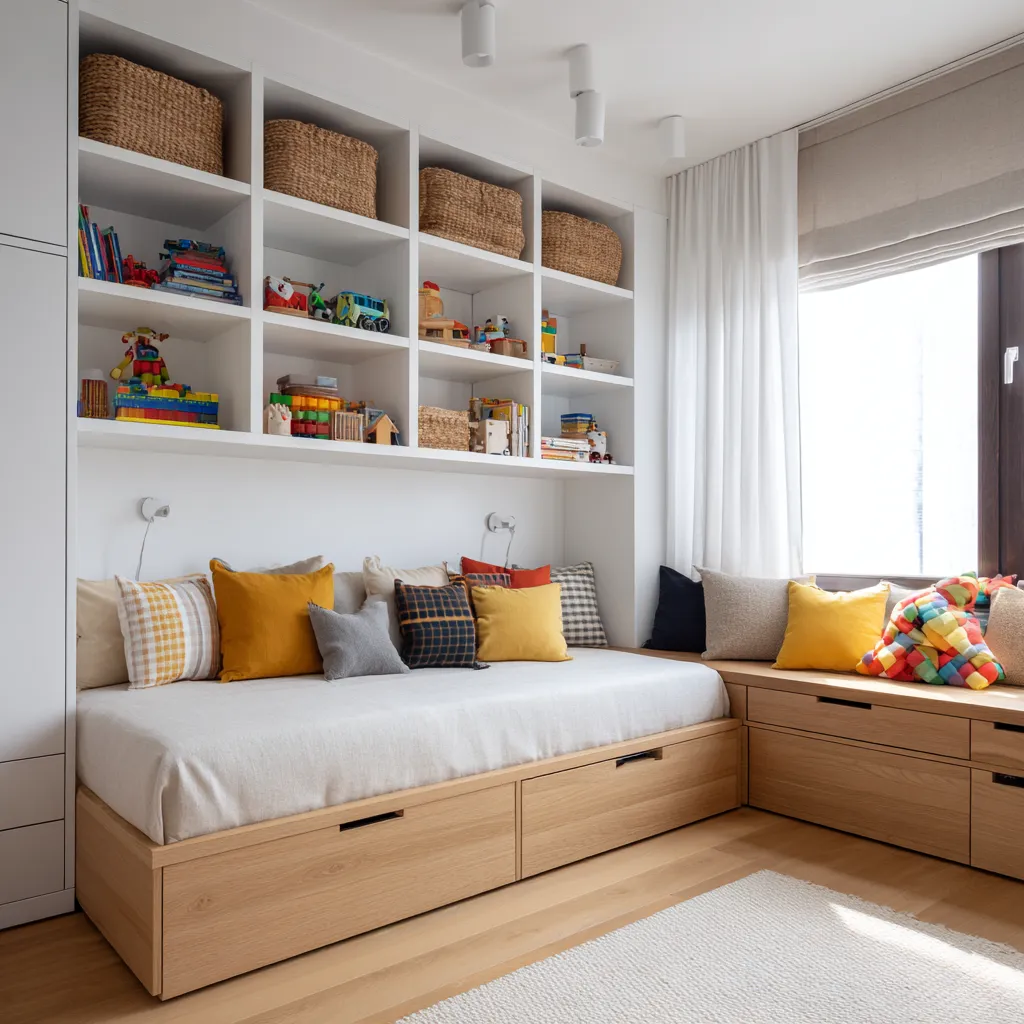
Functionality is equally crucial. Modern wardrobes in children’s rooms are designed with various compartments, shelves, and hanging spaces, tailored to accommodate different types of items, from clothing to toys and books. This organizational aspect instills a sense of order and responsibility in children, teaching them to maintain their space from an early age.


Material choice is another essential aspect. Sustainable, durable, and safe materials are often the preferred choices for children’s wardrobes. Designers are leaning towards eco-friendly woods, non-toxic paints, and robust hinges and handles that ensure safety and longevity. The modern wardrobe thus becomes an investment in both the room’s aesthetic and the child’s well-being.
Customization is a trend that has gained momentum in modern wardrobe designs for children’s rooms. Personalized wardrobes that reflect a child’s personality, interests, or favorite themes add a personal touch to the playroom. This customization can range from custom color choices to themed door knobs and unique shapes, making each wardrobe unique to the child it belongs to.
Integration of technology has also started to appear in modern wardrobe designs. LED lighting systems, soft-close doors, and even interactive elements like small screens or sound systems add a futuristic touch to the wardrobe, making it an exciting part of the child’s play area.
The impact of a well-designed modern wardrobe in a child’s playroom goes beyond aesthetics and organization. It plays a subtle yet significant role in a child’s development. Such wardrobes can inspire creativity, encourage orderliness, and even aid in the development of a child’s autonomy.
The modern wardrobe in a child’s playroom is a testament to how functional furniture can be transformed into an element of play and learning. It blends sleek, vibrant designs with practicality, creating a space that is both organized and stimulating. As we continue to reimagine children’s spaces, the modern wardrobe stands out as a focal point of innovation, reflecting the ever-evolving landscape of interior design for children’s rooms.
Space-Saving Kids Room Wardrobe Ideas for Small Bedrooms
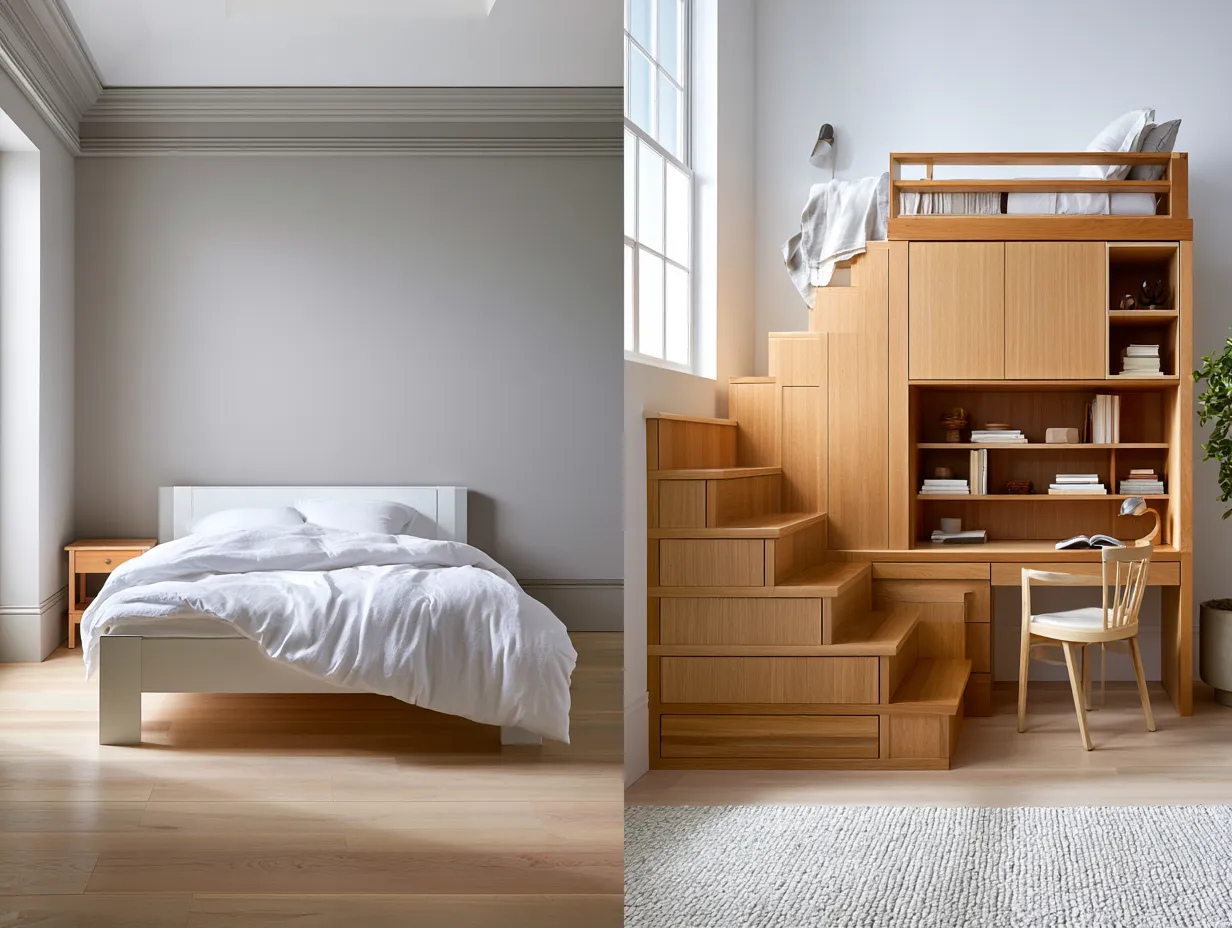
The modern children’s bedroom is a hub of creativity, play, and rest, and the space within it is often at a premium. This is where innovative, space-saving wardrobe designs come into play, offering a blend of style and practicality. Pairing a compact wardrobe with a loft bed doubles your usable floor area instantly. In today’s world, where efficiency and smart design are valued, modern wardrobe designs for children’s rooms have evolved to meet these needs. These wardrobes are not just about storing clothes; they are about maximizing space, enhancing room aesthetics, and adapting to the changing needs of growing children.


Space-saving wardrobes in children’s rooms represent the pinnacle of smart design. These modern pieces of furniture are often multifunctional, incorporating elements such as foldable desks, hidden storage compartments, and built-in bookshelves. This multifunctionality allows for a more efficient use of space, especially important in compact living environments or for families with multiple children.
The design of these wardrobes often focuses on maximizing vertical space. Tall units with multiple compartments and adjustable shelving make it easy to store a variety of items. This vertical approach not only saves floor space but also makes the wardrobe a central visual element in the room, contributing to its modern aesthetic.
Customizability is a key feature of these modern wardrobe designs. The ability to adjust shelves, add or remove components, and change the layout of the wardrobe as the child grows is invaluable. This adaptability ensures that the wardrobe continues to serve its purpose effectively over the years, adapting to the changing storage needs of children as they transition from toddlers to teens.


Innovative design features such as sliding doors or rotating compartments also contribute to the space-saving functionality. These features minimize the wardrobe’s footprint, making it easier to fit into tight spaces without compromising on accessibility or style.
Sliding doors save roughly 24 inches of clearance space compared to swing-out doors. That’s the difference between fitting a reading chair in the room or not. I measured. The tradeoff is you can only access half the wardrobe at a time, which drives some parents crazy during morning rush. If your kid picks their own clothes, go with sliding. If you’re the one digging for matching socks at 7 AM, stick with hinged doors and just make sure you have the swing clearance.
Corner wardrobes are the most underrated option for small rooms. They eat up dead space that would otherwise collect dust bunnies and forgotten toys. A built-in L-shaped kids cupboard in my son’s 9×10 room freed up enough floor area for a small play mat. Custom corner units cost more than rectangular ones, but the space payoff is real.
| Feature | Freestanding Wardrobe | Built-In Wardrobe | Modular System (IKEA SMÅSTAD) |
|---|---|---|---|
| Price Range | $120–$500 | $800–$2,500+ | $185–$600 |
| Best For | Renters, temporary setups | Homeowners, odd-shaped rooms | Growing kids, budget flexibility |
| Adjustable Shelves | Sometimes | Yes | Yes |
| Grows With Child | No | Yes | Yes |
| Safety Anchoring | Must add yourself | Built into wall | Included, wall mount required |
| Durability (Years) | 2–5 | 10–20+ | 5–10 |
The choice of materials and colors in modern wardrobes is also a reflection of their utility and appeal in a child’s room. Lightweight yet durable materials are preferred for easy movement and long-lasting use. The color palette often includes bright, playful hues or soft, calming tones, aligning with the room’s overall theme and enhancing its ambiance.
The ergonomic design of these wardrobes is particularly important. Handles, drawers, and compartments are designed to be easily accessible by children, fostering independence and self-reliance. This ergonomic approach also ensures safety, with features like soft-closing mechanisms and rounded corners to prevent injuries.
Beyond storage, these modern wardrobes often become an integral part of the room’s learning and play environment. By incorporating design elements that resonate with a child’s imagination, these wardrobes can become a backdrop for playtime adventures or a quiet nook for reading and study.
Space-saving wardrobes in modern children’s bedrooms are a testament to the ingenuity and creativity of contemporary furniture design. These wardrobes do more than save space; they enhance the functionality and aesthetic appeal of the room. As a blend of practicality and modern style, they offer an intelligent solution for organizing and beautifying children’s spaces, adapting to the needs of growing children and the demands of modern living.
Don’t Do This
✘ Full-mirror wardrobe doors in a toddler room. They look luxurious for about a week. Then fingerprints, smudges, and the inevitable toy thrown at the reflection. Cleaning becomes a daily chore.
✘ Free-standing wardrobes without wall anchoring. A 4-year-old climbing the shelves can tip an unanchored 80-pound unit. This is not a style choice. It’s a safety issue.
✘ Dark walnut or espresso finishes in rooms under 100 sq ft. They shrink the space visually and show every scratch. Light wood or white laminate hides damage better and keeps the room feeling open.
Kids Bedroom Wardrobe Setups That Double as Study Zones
In the contemporary design landscape, children’s rooms are no longer just for sleep and play; they have evolved into dynamic spaces that foster learning and creativity. A key element in this evolution is the integration of elegant, modern wardrobes that complement and enhance the study area. These modern wardrobe designs for children’s rooms are crafted not only to store clothing and belongings but also to create an environment conducive to learning and growth. This essay explores how modern wardrobes blend seamlessly with study areas, contributing to a structured and inspiring space for children.


The fusion of a wardrobe with a study area in a child’s room is a reflection of modern design principles – where functionality meets sophistication. The modern wardrobe in this setting is thoughtfully designed to harmonize with the study space, often sharing similar design elements and color schemes. This continuity ensures that the room remains cohesive, serene, and conducive to concentration and learning.
Elegance in these wardrobes is often achieved through minimalistic designs, clean lines, and a subtle color palette. Such designs contribute to a calm and focused atmosphere, necessary for a study area. The use of materials like smooth wood finishes, matte surfaces, and tempered glass add a touch of sophistication while ensuring durability and safety.
Space optimization is crucial in combining wardrobes with study areas. Designers are increasingly incorporating integrated storage solutions within the wardrobe, such as built-in bookshelves, pull-out study tables, and discreet compartments for school supplies. This not only saves space but also keeps the study area organized and clutter-free, promoting a more efficient learning environment. If your child’s room is under 100 square feet, check out these bedroom designs for small children’s rooms for more layout tricks that pair well with wardrobe-desk combos.


Ergonomics play a significant role in these modern designs. The height of shelves, the depth of drawers, and the positioning of the study area are all tailored to suit the age and needs of the child. Such ergonomic considerations ensure comfort and accessibility, making the study experience more enjoyable and less strenuous.
Pull-out desks built into wardrobe units sound amazing in theory. In practice, they wobble. I’ve seen three different brands and none of them felt stable enough for a kid leaning on them while writing. A better move is a wall-mounted drop-leaf desk installed right next to the wardrobe. Costs about $35–$60 at most hardware stores and holds up to 50 pounds when properly anchored. Your kid gets a real work surface that folds flat when not in use.
Overhead lighting inside the wardrobe is a game-changer nobody talks about. A $12 rechargeable LED strip from Amazon lasts about three weeks per charge and means your kid can actually see what they’re grabbing in the morning. Built-in LED systems that come with high-end wardrobes run $80–$150 extra. Not worth it when a stick-on strip does the same job.
Lighting is another vital aspect. Many modern wardrobes in children’s rooms include integrated lighting solutions that provide adequate illumination for both the wardrobe and the study area. This thoughtful addition not only enhances functionality but also adds a warm, inviting ambiance to the space.
Customization options in modern wardrobes allow for personalization, which is especially important in a child’s study area. From choosing door designs that reflect a child’s interests to selecting handles and knobs that are easy for small hands to use, these personalized touches make the wardrobe-study area more appealing and relatable to the child.
The aesthetic appeal of these wardrobes extends beyond their physical appearance. They often serve as a visual and physical boundary, subtly demarcating the study area from the rest of the room. This distinction helps in establishing a mental separation between play and study, aiding in focus and discipline.
Modern wardrobes in children’s rooms, especially those enhancing study areas, are a brilliant amalgamation of style, functionality, and thoughtfulness. These designs not only cater to the practical needs of storage and organization but also contribute significantly to the creation of a conducive learning environment. By blending elegance with ergonomics and integrating smart storage solutions, these wardrobes become an essential element in a child’s journey of growth and discovery.
FAQ
What is the best wardrobe size for a child's bedroom?
Should I buy a freestanding wardrobe or a built-in for my kid's room?
How do I make a kids wardrobe safe?
What wardrobe color works best in a small kids room?
At what age should a child have their own wardrobe?
Your Kid’s Wardrobe Doesn’t Need to Be Perfect. It Needs to Work.
I’ve spent two years swapping doors, rearranging shelves, and learning that the best kids wardrobe designs are the ones your child can actually use without your help. Forget the showroom look. Pick a frame that fits the room, add adjustable shelves, and let your kid claim it with stickers and chaos. That’s the real design.
If any of these ideas saved you from a bad purchase or sparked a layout change, pass it along. Someone in your group chat is measuring a bedroom right now.