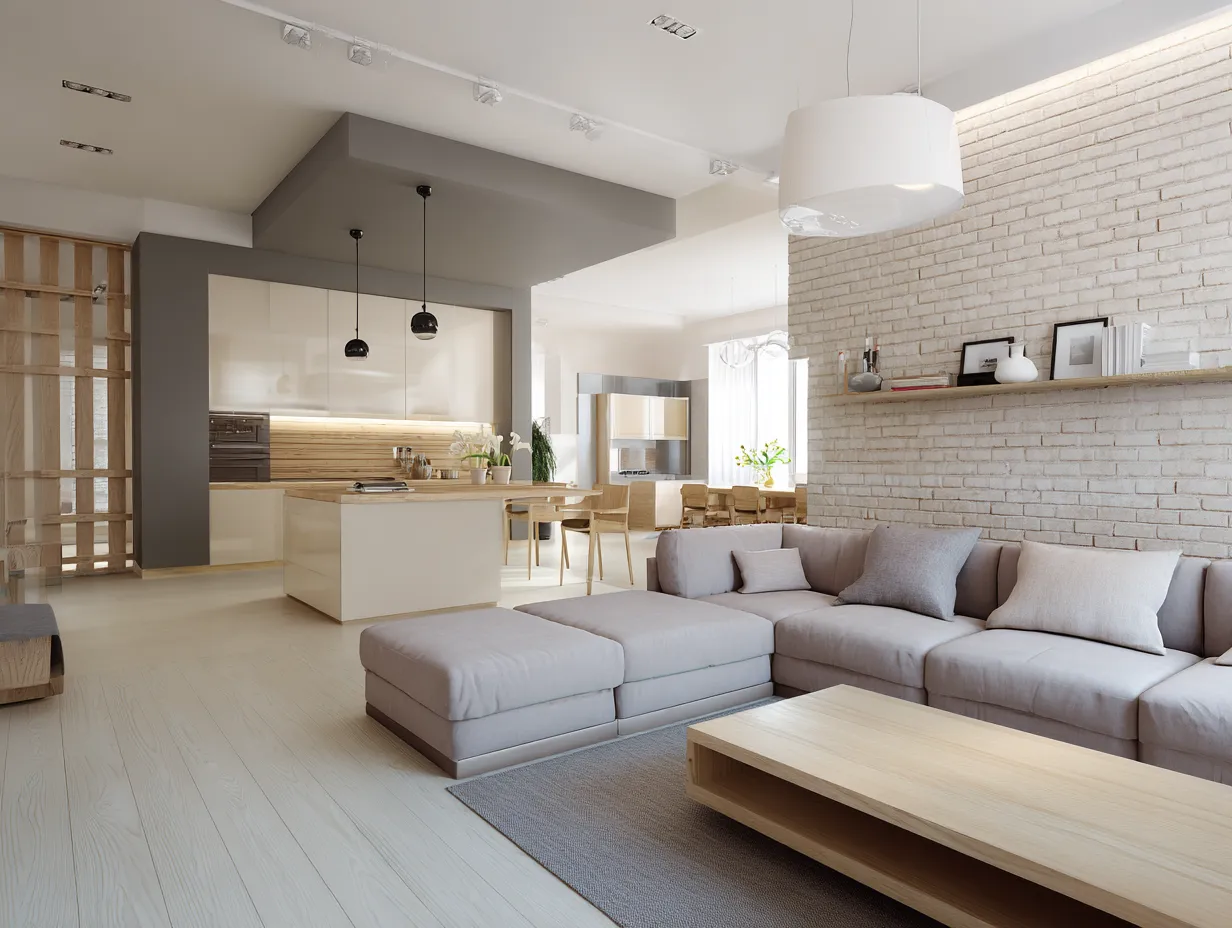
I repainted my living room four times in one year. Four. The first attempt was a warm cream that turned yellow under LED bulbs. Then a greige that looked like dirty dishwater by 3 PM. Minimalist interiors punish bad color choices harder than any other style because there’s nowhere to hide. No gallery wall to distract from it, no busy curtains.
Three colors survive the minimalist test every single time: pure white, soft gray, and black accents. Not all whites are the same — Benjamin Moore Chantilly Lace and Sherwin-Williams Pure White sit at opposite ends of the undertone spectrum. Same goes for gray. Pick wrong and your $200-a-gallon paint job looks like a hospital corridor.
Below are the three palettes I’ve landed on after too much trial, too many paint samples stuck to walls, and a few arguments at the hardware store. Each one works. Each one has a trap you need to dodge.
Quick Summary
Best white: Benjamin Moore Chantilly Lace OC-65 (LRV 92, near-zero undertone). Avoid warm whites in north-facing rooms.
Best gray: Sherwin-Williams Repose Gray SW 7015 (true greige, ~$55/gal). Always test in afternoon light.
Best black accent approach: Black on verticals, light tones on horizontals. Matte finish only — glossy shows every fingerprint.
Budget swap: Replace all hardware in one room with matte black pulls and plates. Under $120, looks like a full renovation.
Why White Still Wins for Minimalist Home Interiors
Benjamin Moore Chantilly Lace OC-65 is my go-to white. LRV of 92, barely any undertone. It sits on the wall like a blank sheet of printer paper — which is exactly what you want when your furniture has to carry the room. Sherwin-Williams Alabaster looks gorgeous in Instagram photos, then pulls yellow in any north-facing room. Learned that the expensive way.
Your biggest enemy with all-white minimalist rooms isn’t dirt. It’s boredom. Every surface reads the same. Fix that with exactly one warm texture — a jute rug, an oak side table, or linen cushion covers. Not all three. Two warm textures look intentional. Four warm textures look like you panicked. The sweet spot sits at one or two, max.
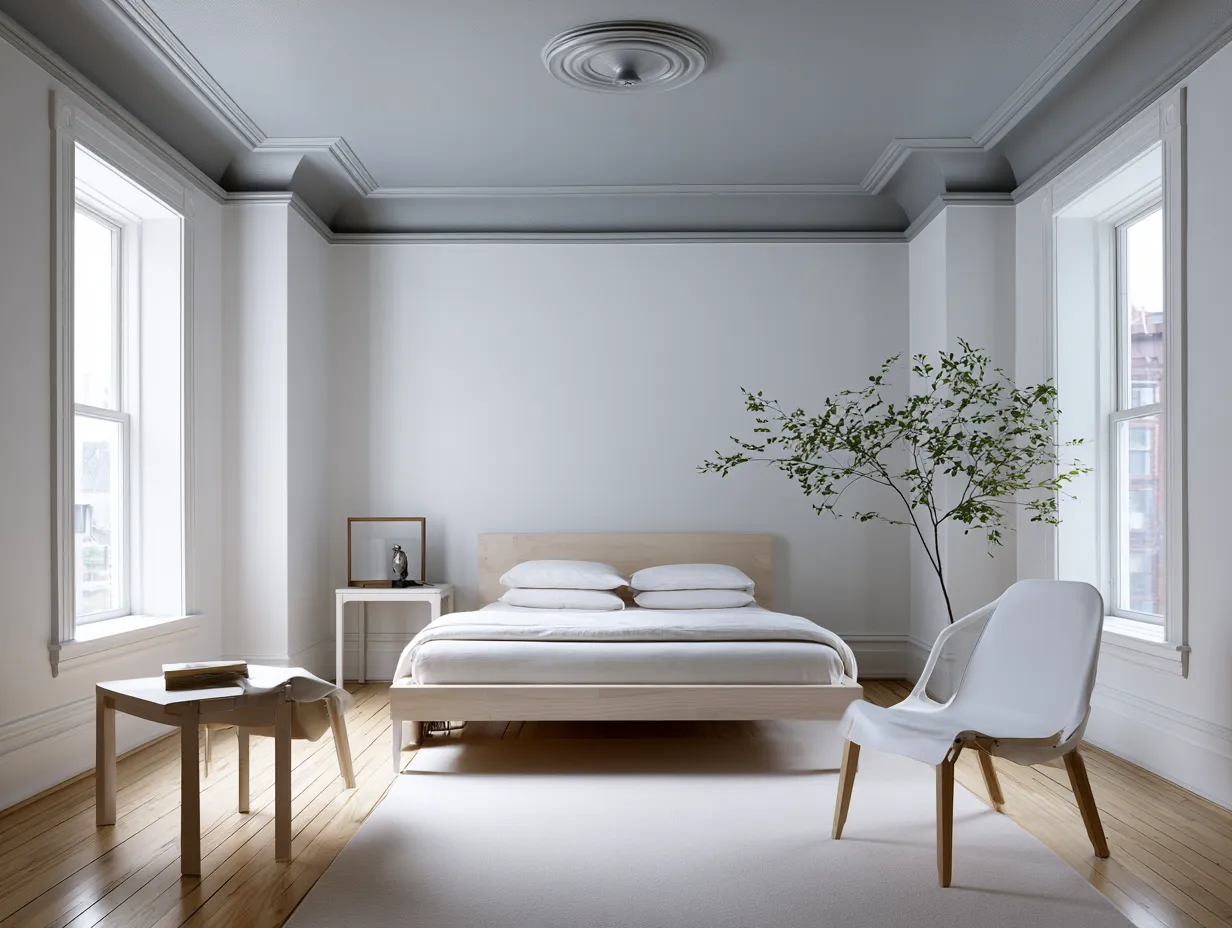
Don’t skip the ceiling. Most people slap the same white on the walls and ceiling and call it done. Bad move. If your walls are Chantilly Lace, paint the ceiling a half-shade warmer like White Dove OC-17. The difference is invisible until someone walks in and says “this room feels expensive” without knowing why. That micro-contrast between wall and ceiling creates depth like a drop shadow in real life.
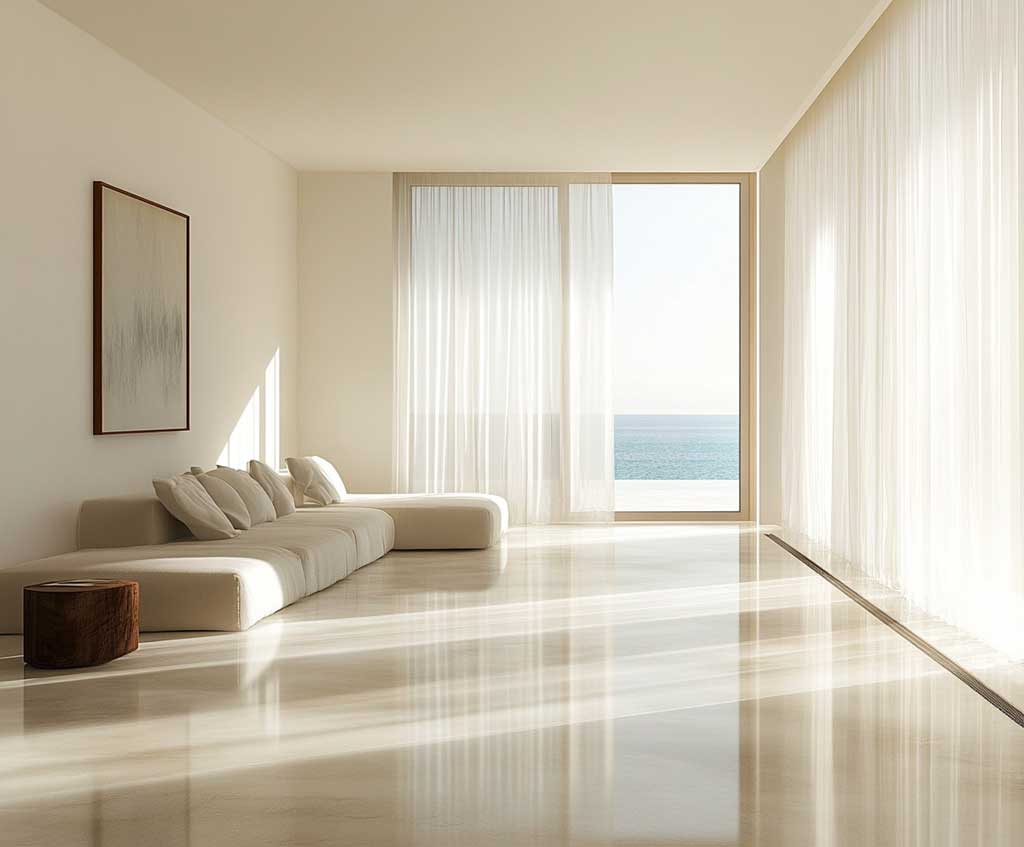
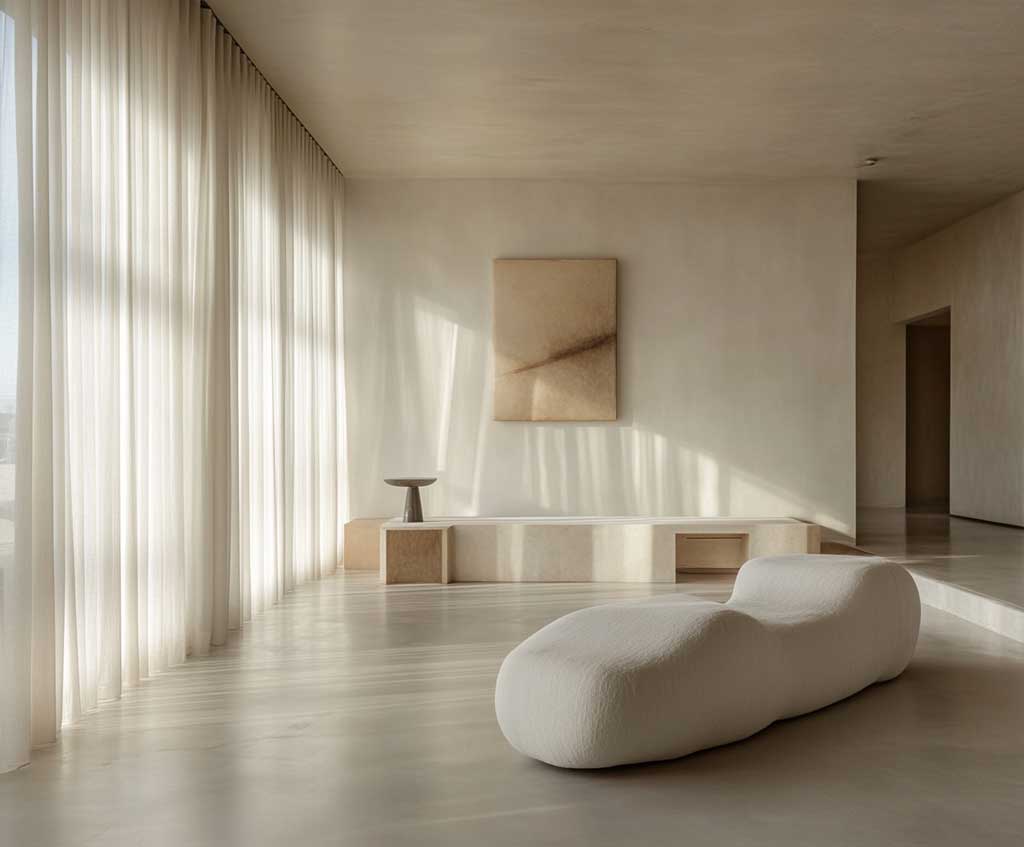
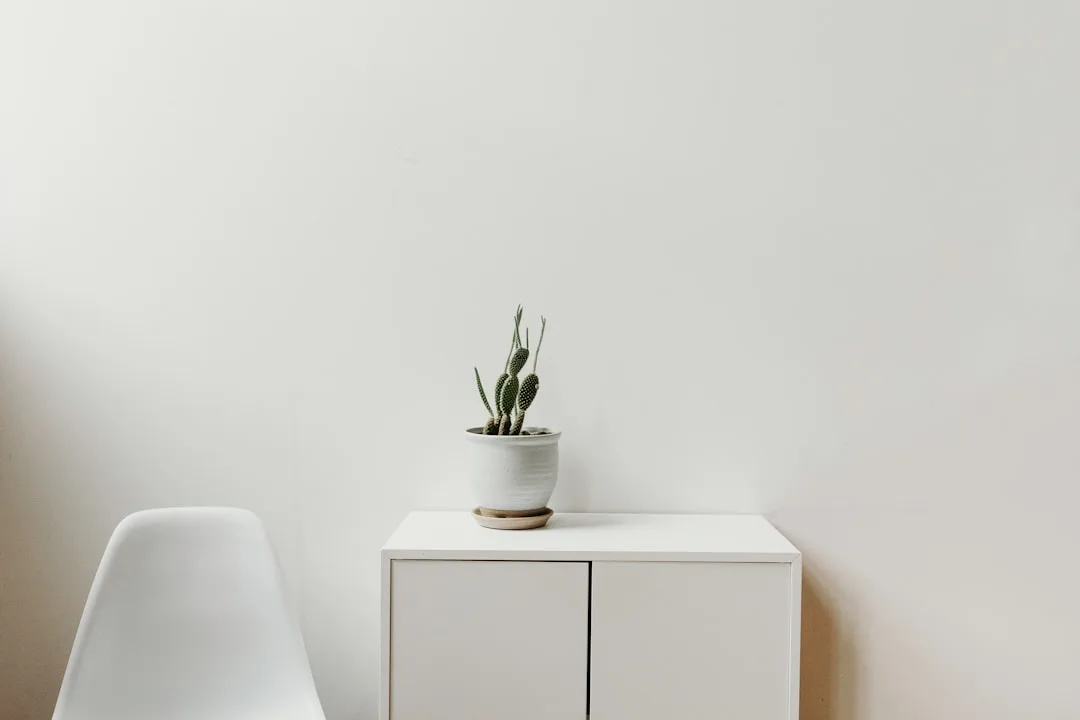
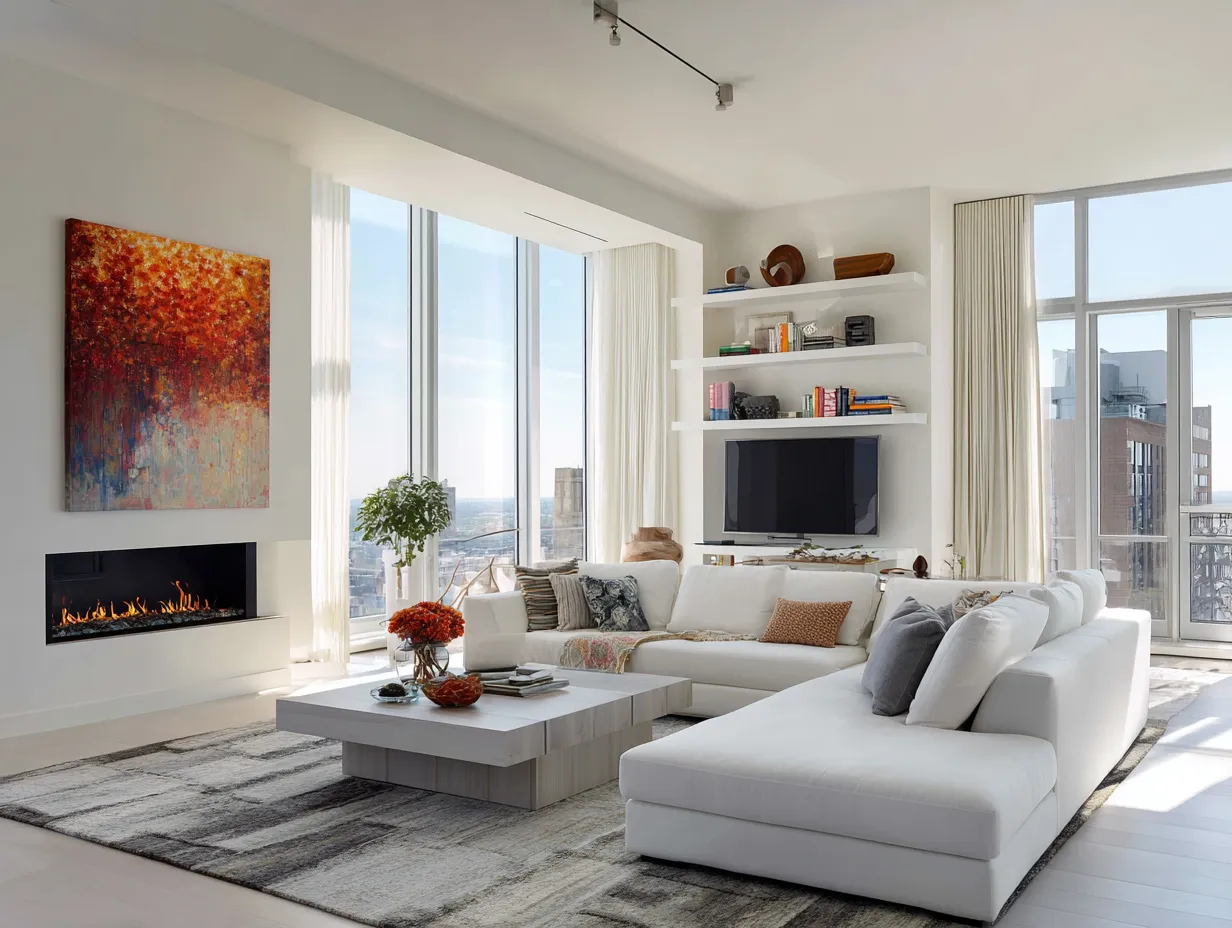
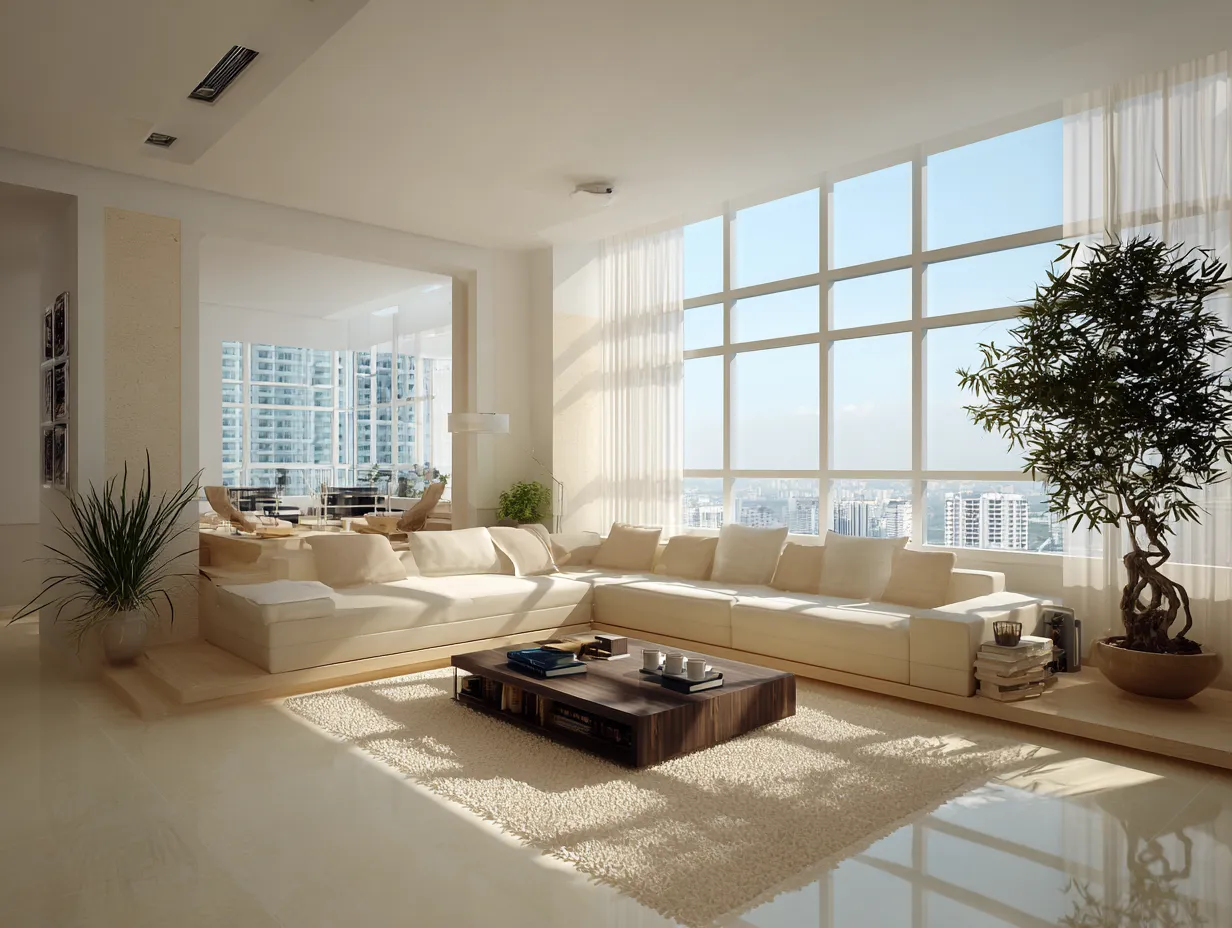
White remains one of the most favored choices when considering the best color for home interior designs, especially in modern minimalist homes. This shade offers an open, airy feel, creating an illusion of larger spaces and embracing simplicity. White allows natural light to reflect off surfaces, enhancing brightness and highlighting clean architectural lines without distractions. It is an ideal base color for a minimalist home, providing flexibility in styling and accents.
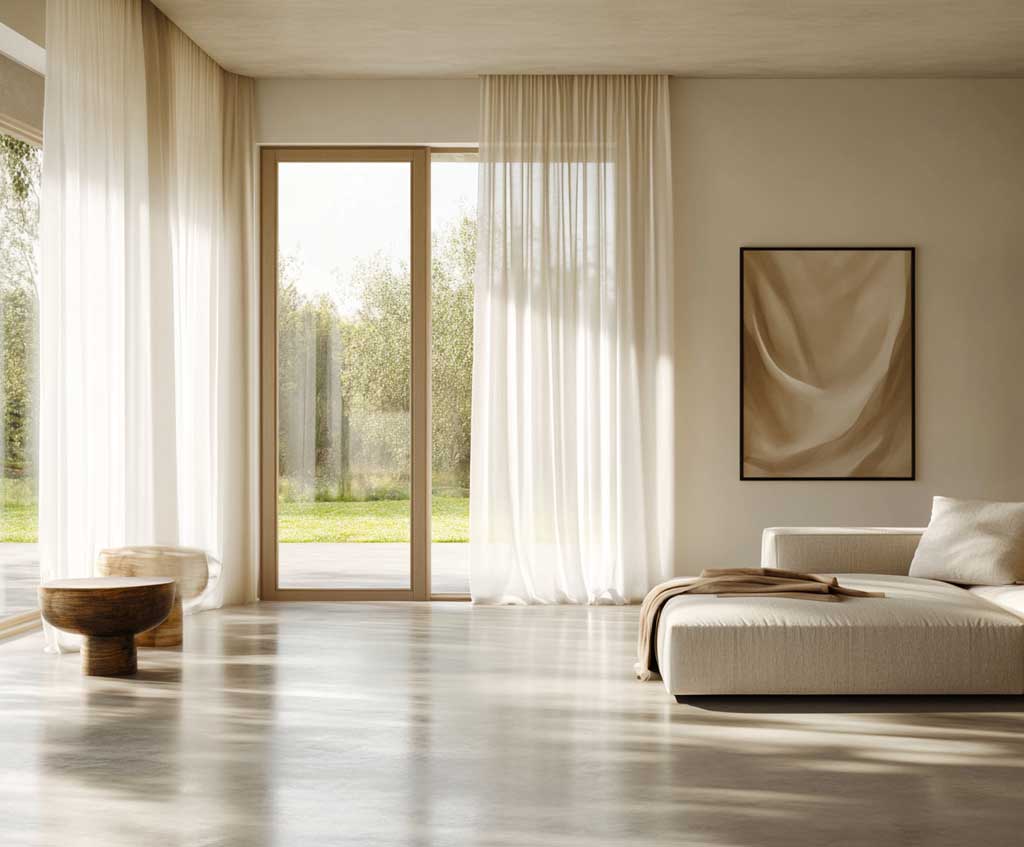

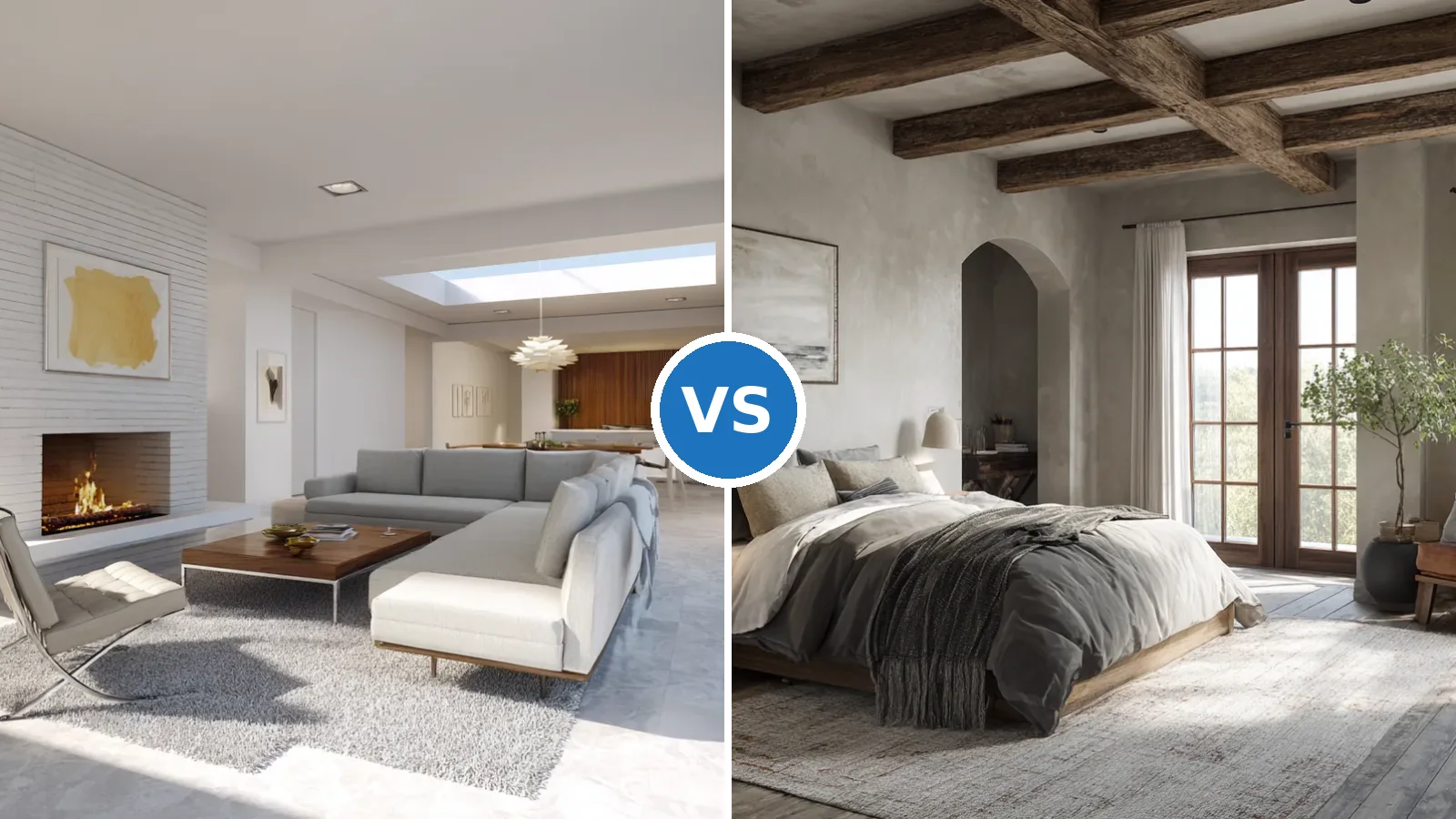
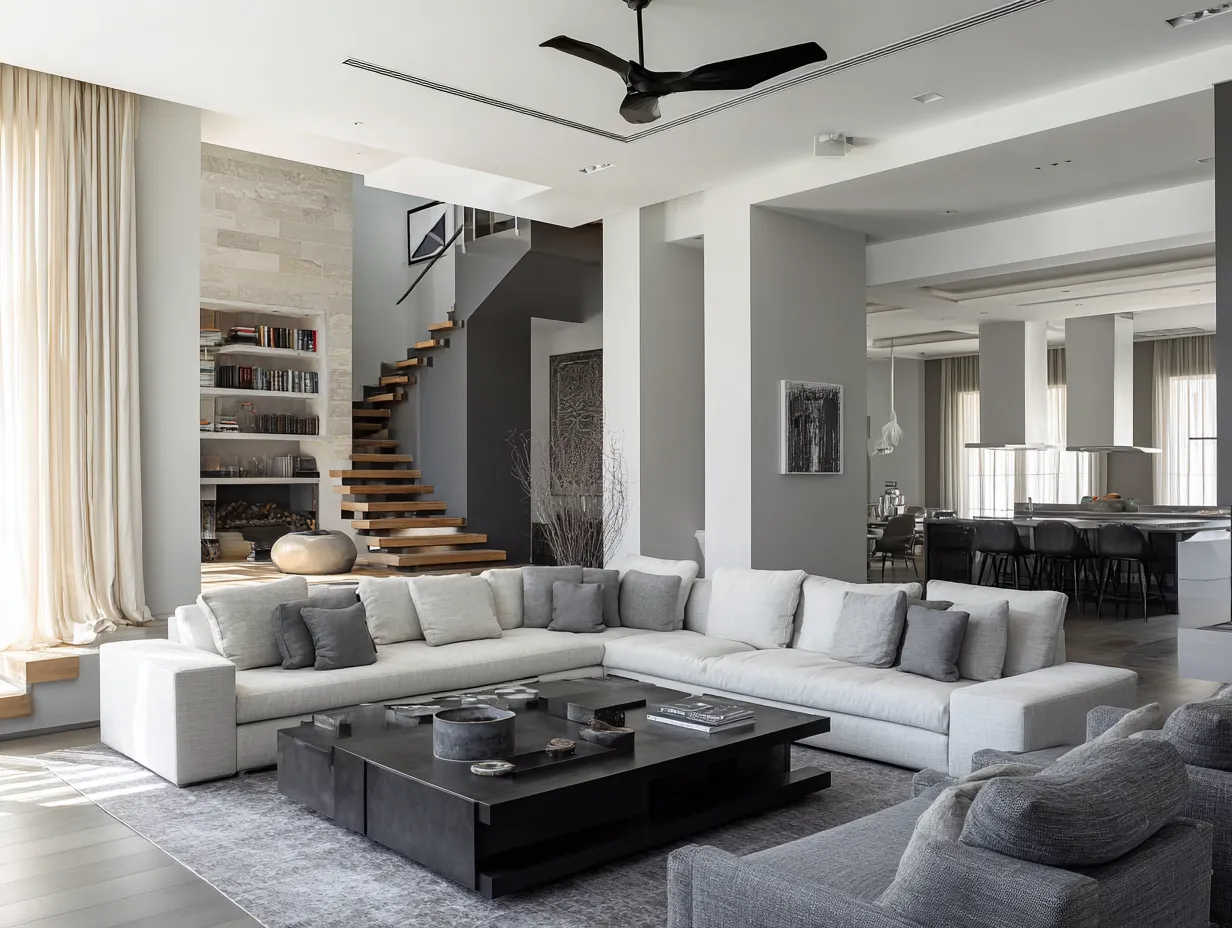
In a minimalist living room with white walls, you can achieve a calming and serene atmosphere by keeping the furnishings minimal. A light-colored sofa paired with natural elements like wooden or concrete accents helps maintain the organic feel that minimalism often embraces. Adding a set of Amazon Basics Faux Linen Throw Pillow Covers in White keeps textures layered without introducing competing colors — about $12 for a two-pack. The key to making white work for a minimalist space lies in its ability to create a blank canvas where textures and materials shine. Soft fabrics, sleek metals, or wood tones contrast beautifully against a white backdrop, adding warmth and depth.
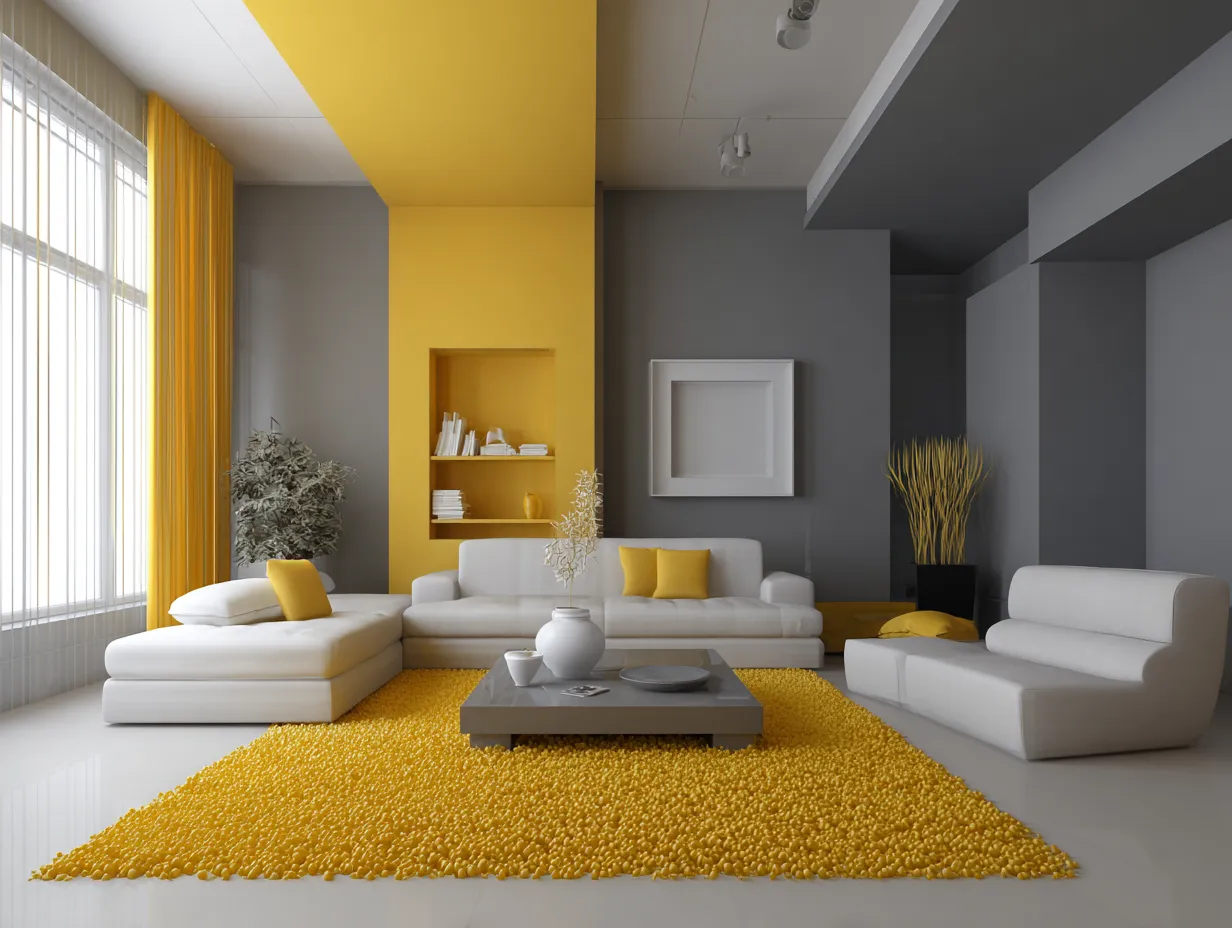
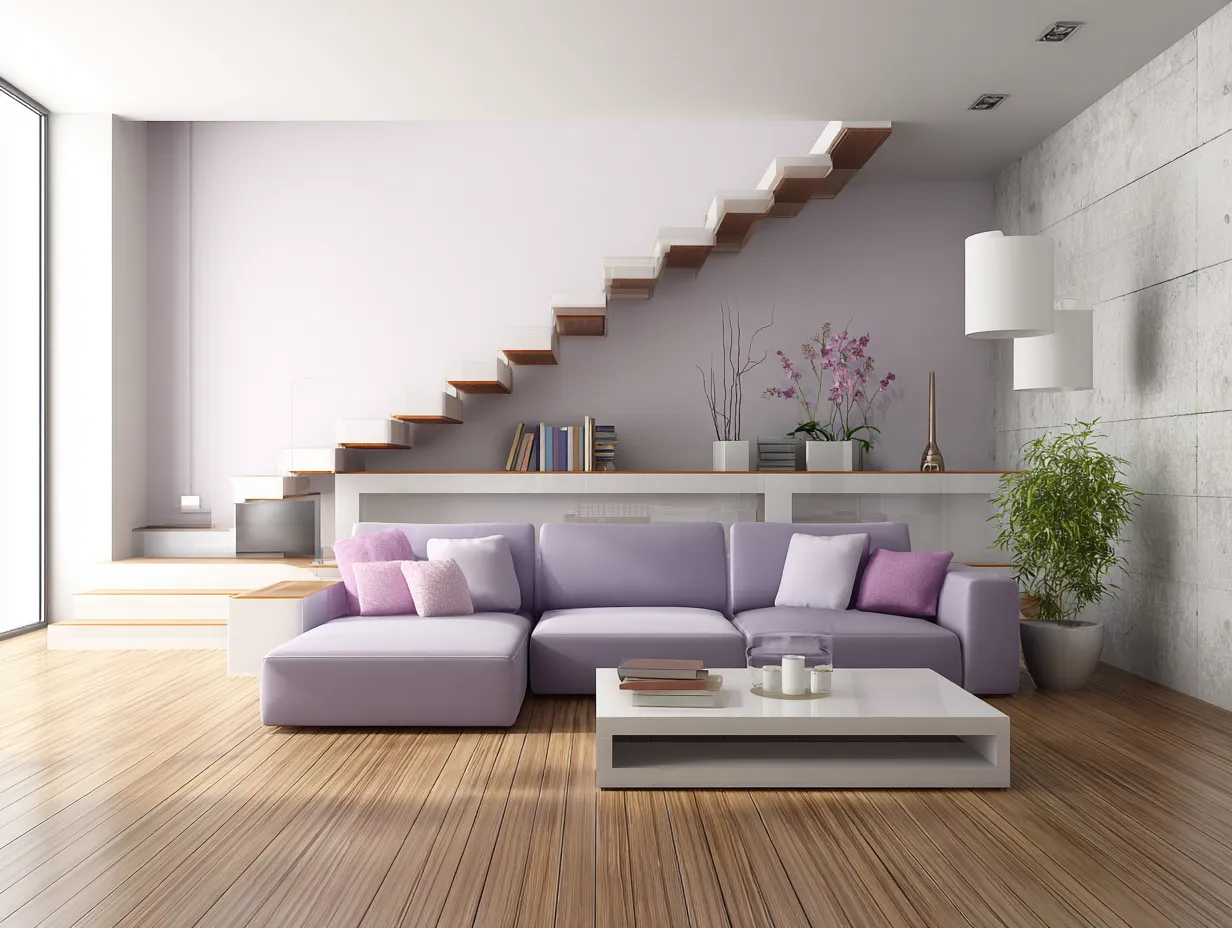
White also provides versatility in styling. It pairs well with neutral shades or subtle pops of color, giving homeowners the freedom to refresh their decor without needing a complete overhaul. According to House Digest, the ideal minimalist palette centers on whites, creams, and pastel accents — with walls typically staying pure white while color enters through furniture and accessories. Whether opting for an all-white room or using it as a base for subtle accent colors, this hue remains an enduring choice for those seeking a peaceful and sophisticated space. This makes it one of the best color for home interior ideas, perfect for modern minimalism.
How to Choose the Right Minimalist Paint Color
Pick a wall color that works with your lighting, furniture, and floor — not the one that looked good on a screen. Five steps, one afternoon, zero regrets.
Tools you need:
- Peel-and-stick paint samples (Samplize or similar)
- Painter’s tape
- Phone camera for comparison shots
Identify your room’s dominant light direction
North-facing rooms need warmer undertones. South-facing rooms can handle true whites. Check which direction your largest window faces before buying any samples.
Order 3–4 peel-and-stick samples
Samplize sells 12×12-inch samples for about $6 each. Get at least three whites or grays in the same family. Screens lie about undertones — physical samples don’t.
Stick samples on two different walls
Place one sample next to the window and another on the opposite wall. Same paint will look like two different colors. If you like it in both spots, it’s the right pick.
Check the sample at 10 AM, 3 PM, and 8 PM
Morning light is warm and forgiving. Afternoon light exposes undertones. Evening artificial light changes everything again. One viewing is never enough.
Photograph each sample against your floor and furniture
Hold your phone at eye level, no flash. Compare shots side by side. The sample that disappears into the room — rather than fighting it — is your winner.
| Color | Best For | Undertone Risk | Approx. Cost/Gallon |
|---|---|---|---|
| Pure White | South-facing rooms, galleries, open plans | Can look sterile under cool LED | $50–$75 |
| Soft Gray | Bedrooms, hallways, low-light rooms | Turns lavender or green in afternoon light | $45–$60 |
| Black Accents | Kitchens, bathrooms, furniture hardware | Glossy finish shows fingerprints and water spots | $30–$55 |
Soft Gray: The Minimalist Color That Hides Everything
Gray is the most forgiving minimalist color and the easiest to mess up at the same time. Too blue and the room feels like a dental office. Too warm and it slides into beige territory. The sweet spot is a true greige — Sherwin-Williams Repose Gray SW 7015 nails it. Around $55 a gallon at most retailers. Worth every cent compared to the $40 options that fade to purple after six months.
Test gray paint in the afternoon, not the morning. Morning light flatters everything. Afternoon light — especially from a west window — shows you the real undertone. I’ve seen people paint entire bedrooms in what they thought was a cool gray, only to discover it turns lavender at 4 PM. Two sample patches, two different walls, two different times of day. Non-negotiable.
Gray bedrooms work best when you match your linens one shade lighter than the walls. Not white — that contrast is too harsh for a sleep space. A soft silver or dove tone keeps the eye relaxed. Ikea’s DVALA sheet set in light gray costs about $15 and looks like it belongs in a $300-a-night hotel room. The trick is nobody expects cheap sheets to match the walls that precisely.
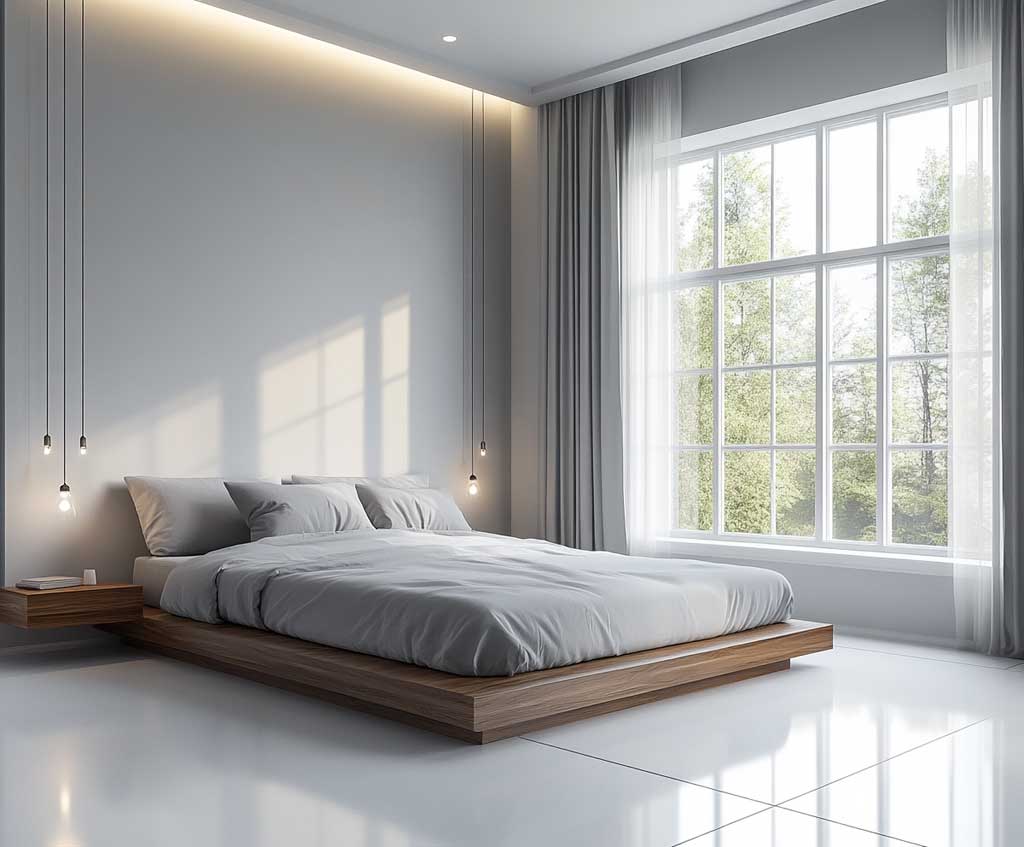
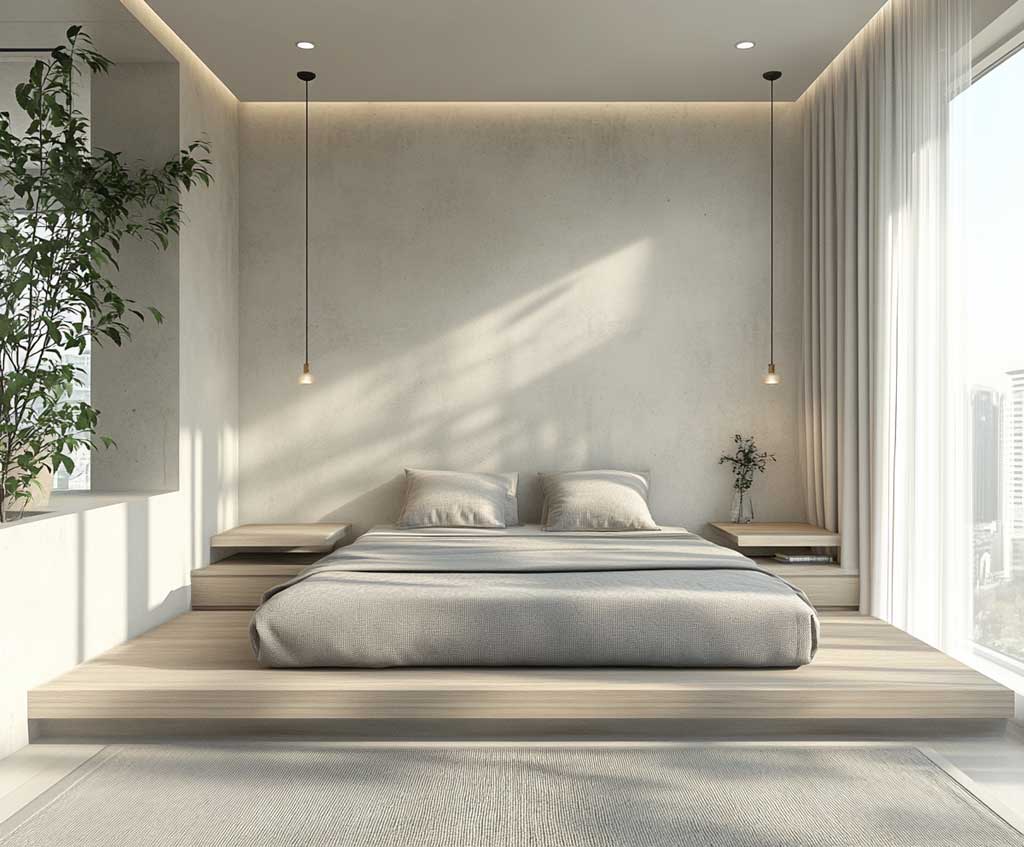
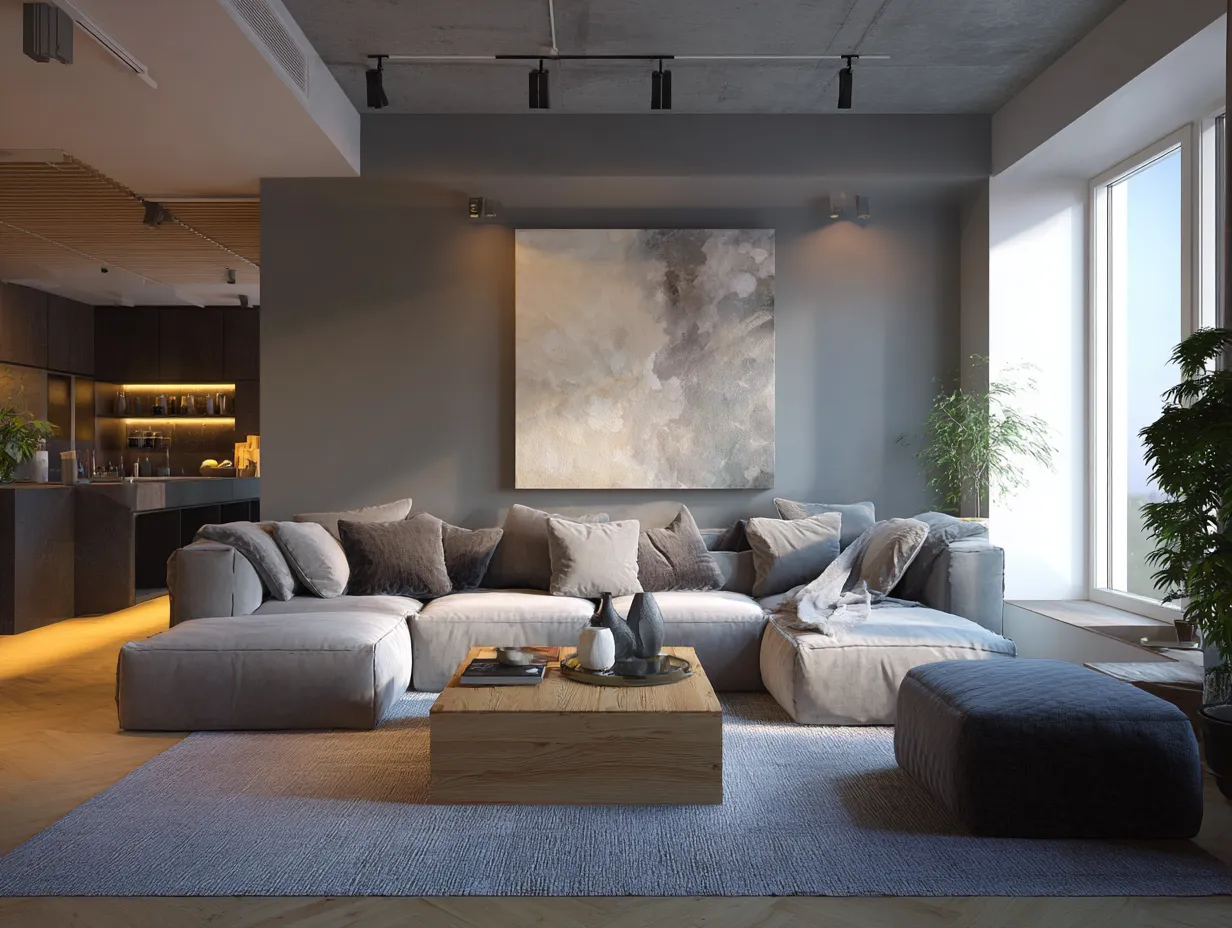
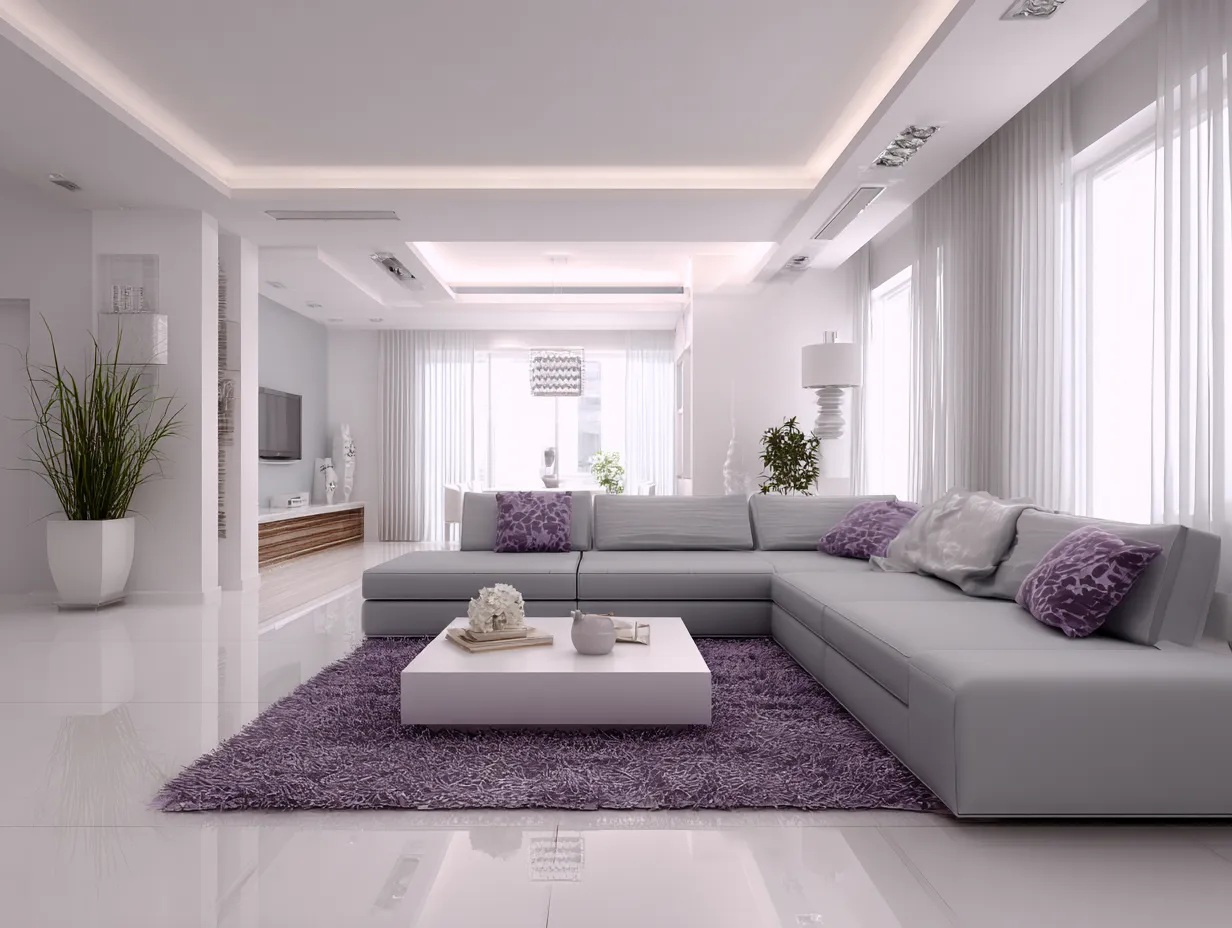
Soft gray is another popular choice for the best color for home interior designs, especially in minimalist settings. Gray has the power to create a peaceful ambiance, offering a muted yet sophisticated backdrop that enhances the sleekness of a minimalist space. The neutrality of gray allows it to work well across different rooms, from living areas to bedrooms, giving the home a cohesive and calm atmosphere.
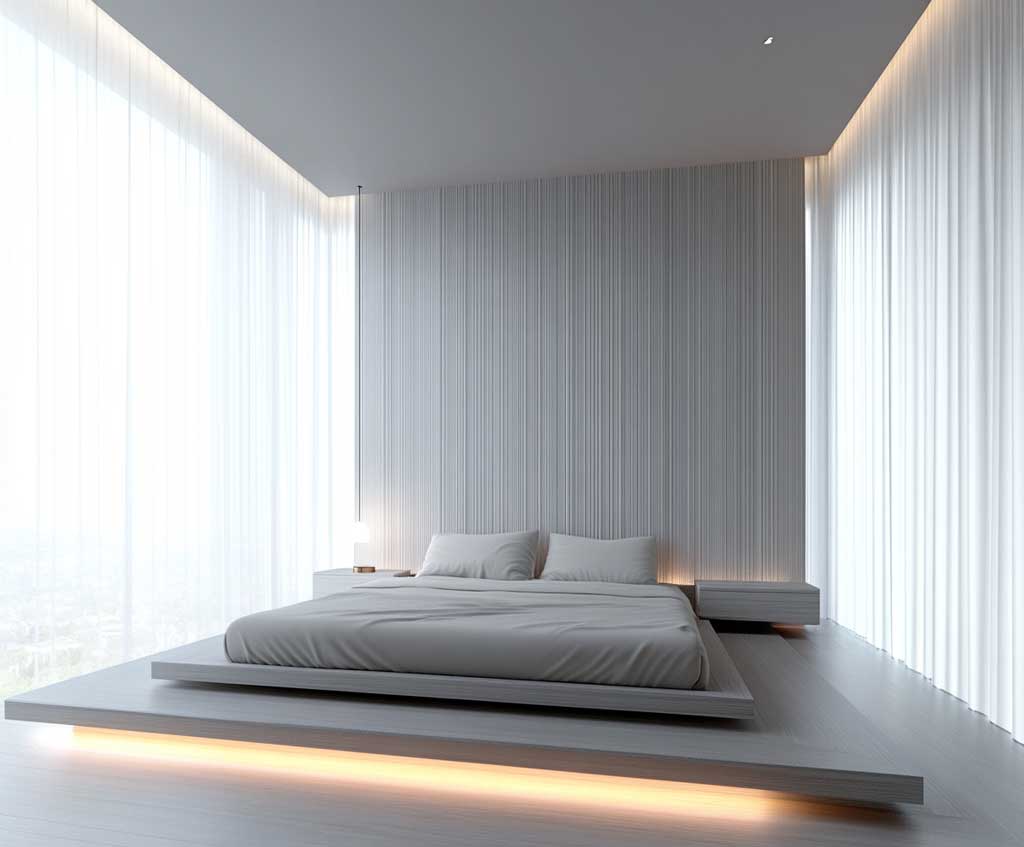
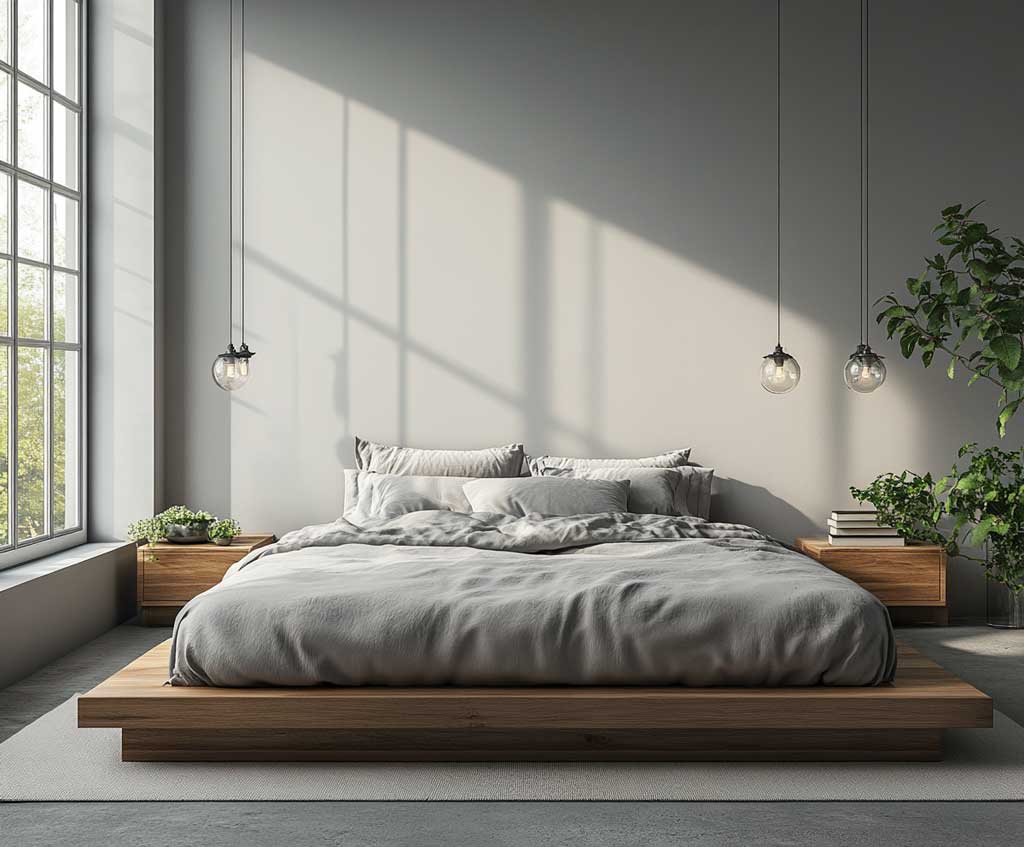
In a minimalist bedroom, soft gray walls are an excellent way to promote relaxation without overwhelming the senses. Gray serves as a soothing neutral that complements the clean lines and simplicity of minimalist bedroom furniture. Opting for light gray bed linens and simple, uncluttered nightstands maintains the room’s minimalist essence while adding warmth and subtle texture. The key to making gray work in a modern space lies in balancing its cool tones with warm materials such as wood or soft textiles.
What makes soft gray stand out as one of the best color for home interior spaces is its flexibility. It pairs effortlessly with white, black, or even metallic accents, offering plenty of opportunities to play with texture while keeping the space minimal. A fixture like the Artika Bloom Matte Black LED Pendant Light against gray walls creates the kind of contrast that makes a room look professionally designed for under $50. Its understated elegance ensures that the focus remains on the architectural beauty and functionality of the space, making gray a highly adaptable and stylish option for modern minimalist homes.
Black Accents That Make Minimalist Rooms Look Expensive
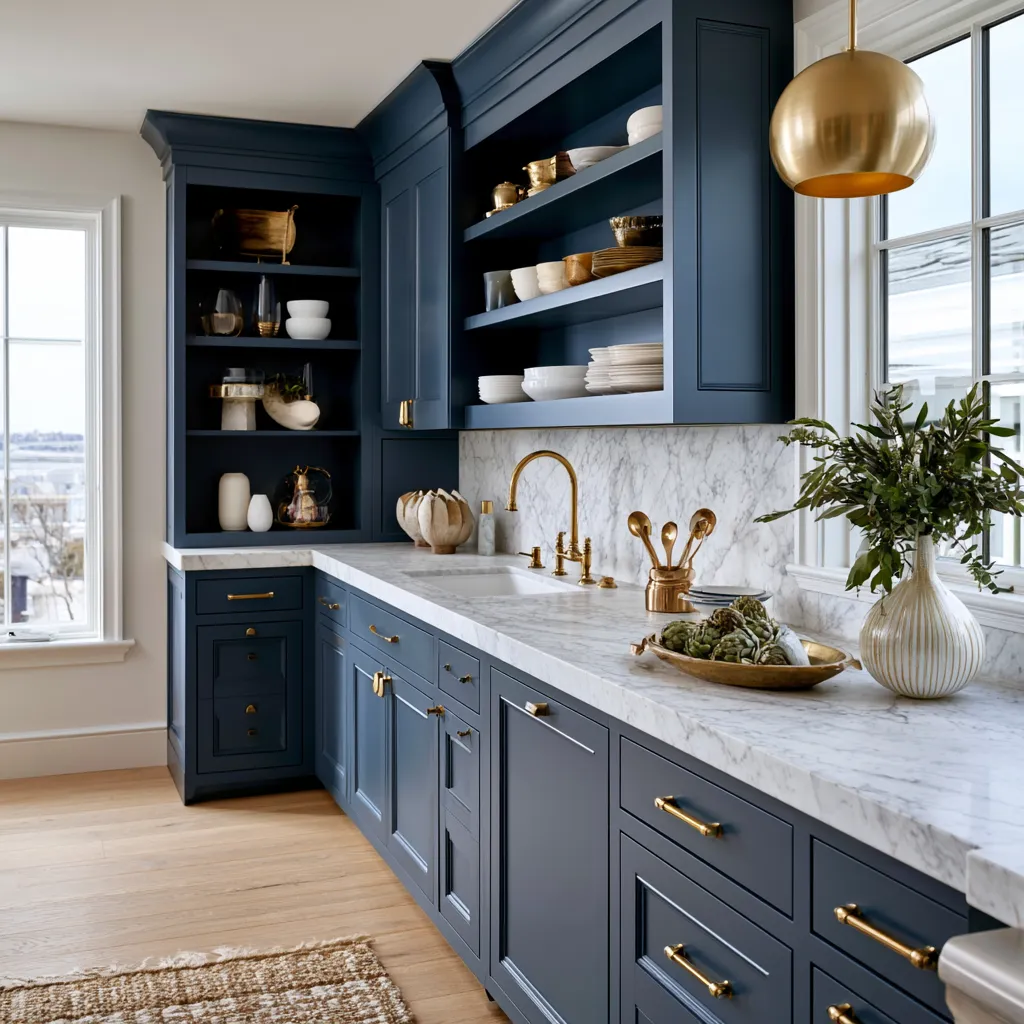
Black in a minimalist kitchen scares people. Shouldn’t. The rule is simple: black on verticals, white or light tones on horizontals. Black upper cabinets with a white countertop. Black island base with a light stone top. Flip that ratio and the room feels like a cave. Watched a friend install matte black countertops on black cabinets. Had to redo the counters within eight months because the space felt like a bunker at noon.
Matte finishes only. Glossy black in a minimalist home screams showroom, not home. Matte absorbs light instead of bouncing it around, and fingerprints vanish — huge deal in a kitchen. One problem: matte black shows water spots. Keep a microfiber cloth within arm’s reach of the sink. It takes five seconds after doing dishes. Skip it for a week and every splash mark turns into a white ring.
Black hardware is the cheapest high-impact swap in any room. Cabinet pulls, light switch plates, curtain rods — replace all of them at once and the room looks like it got a $5,000 renovation. Total cost runs about $80–$120 for a standard kitchen. Amazo Basics sells 25-packs of matte black cabinet pulls for under $20. Do them all in one afternoon.
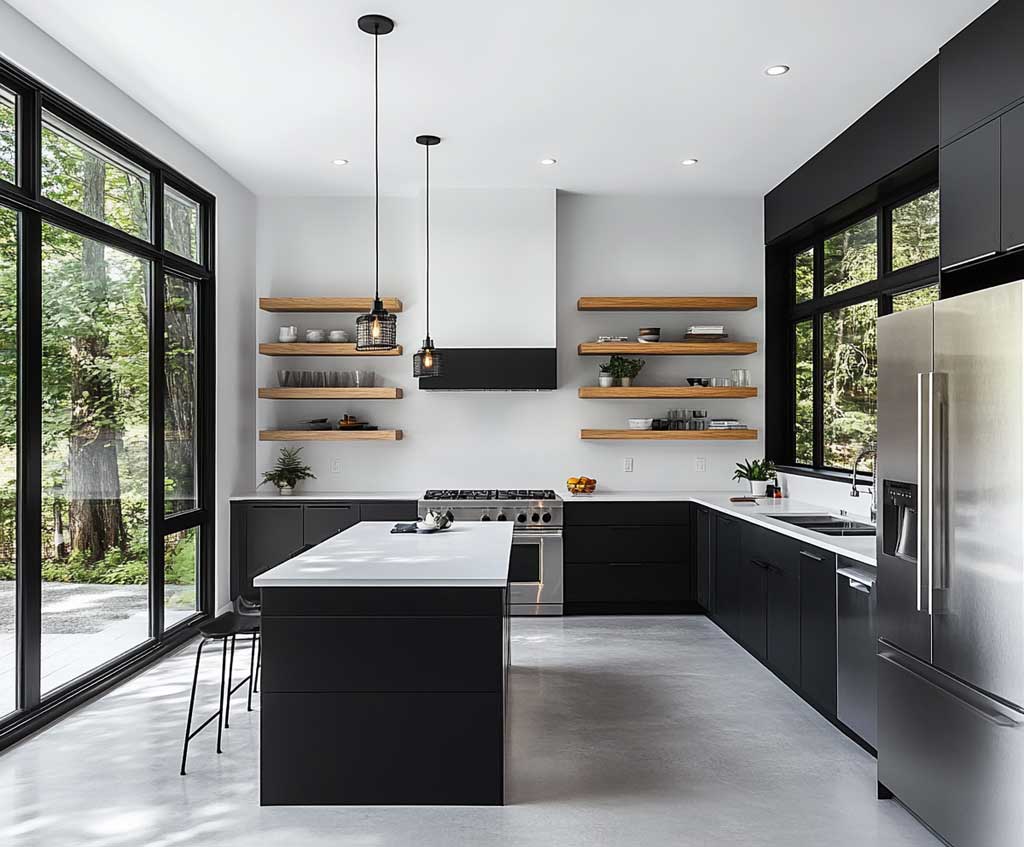
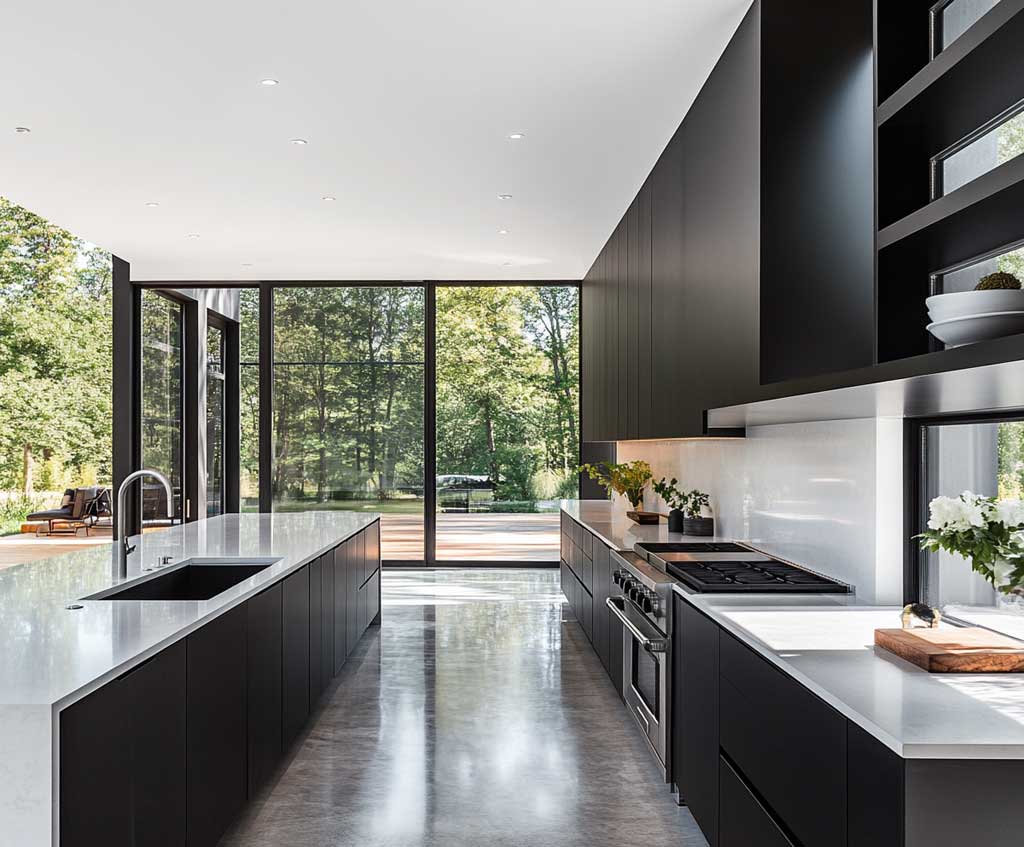
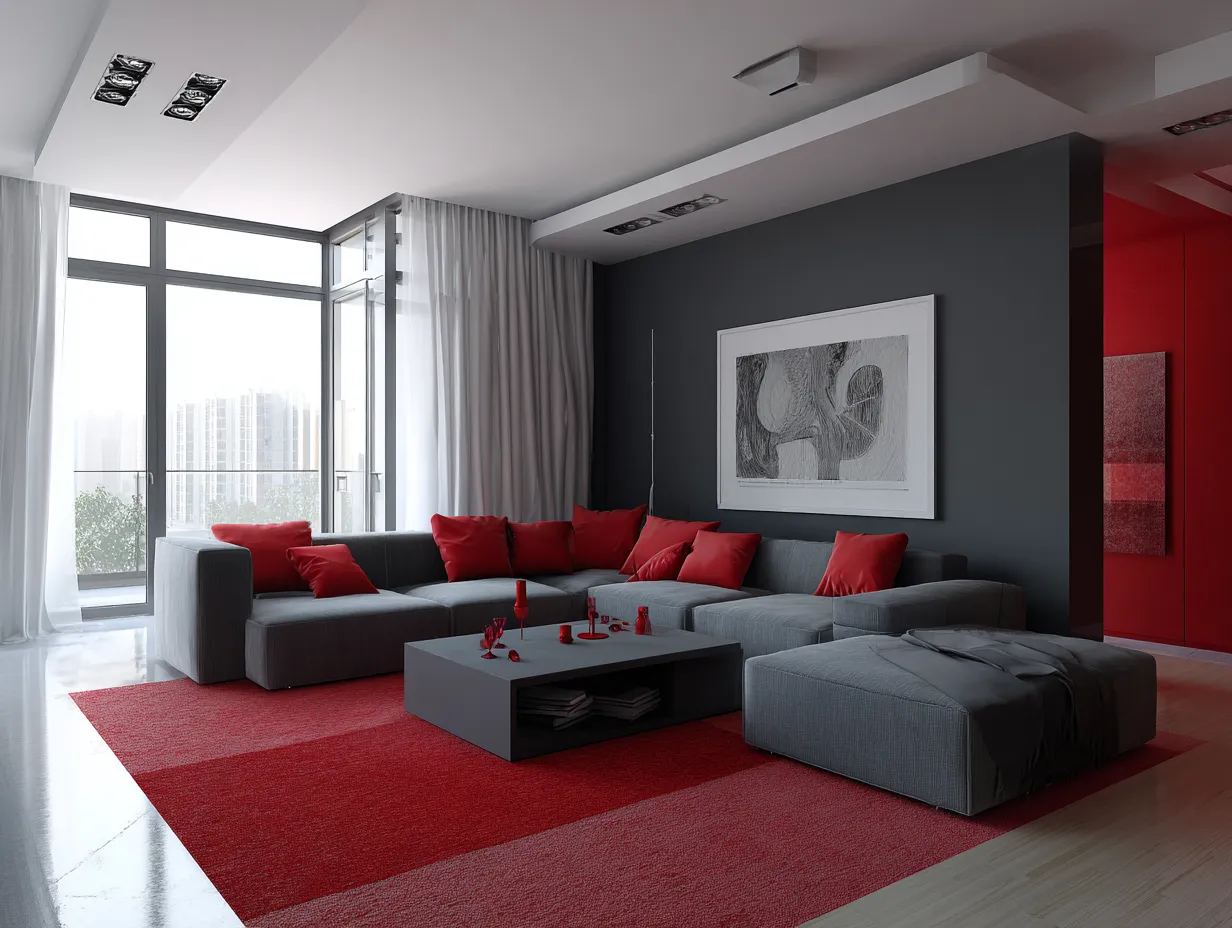
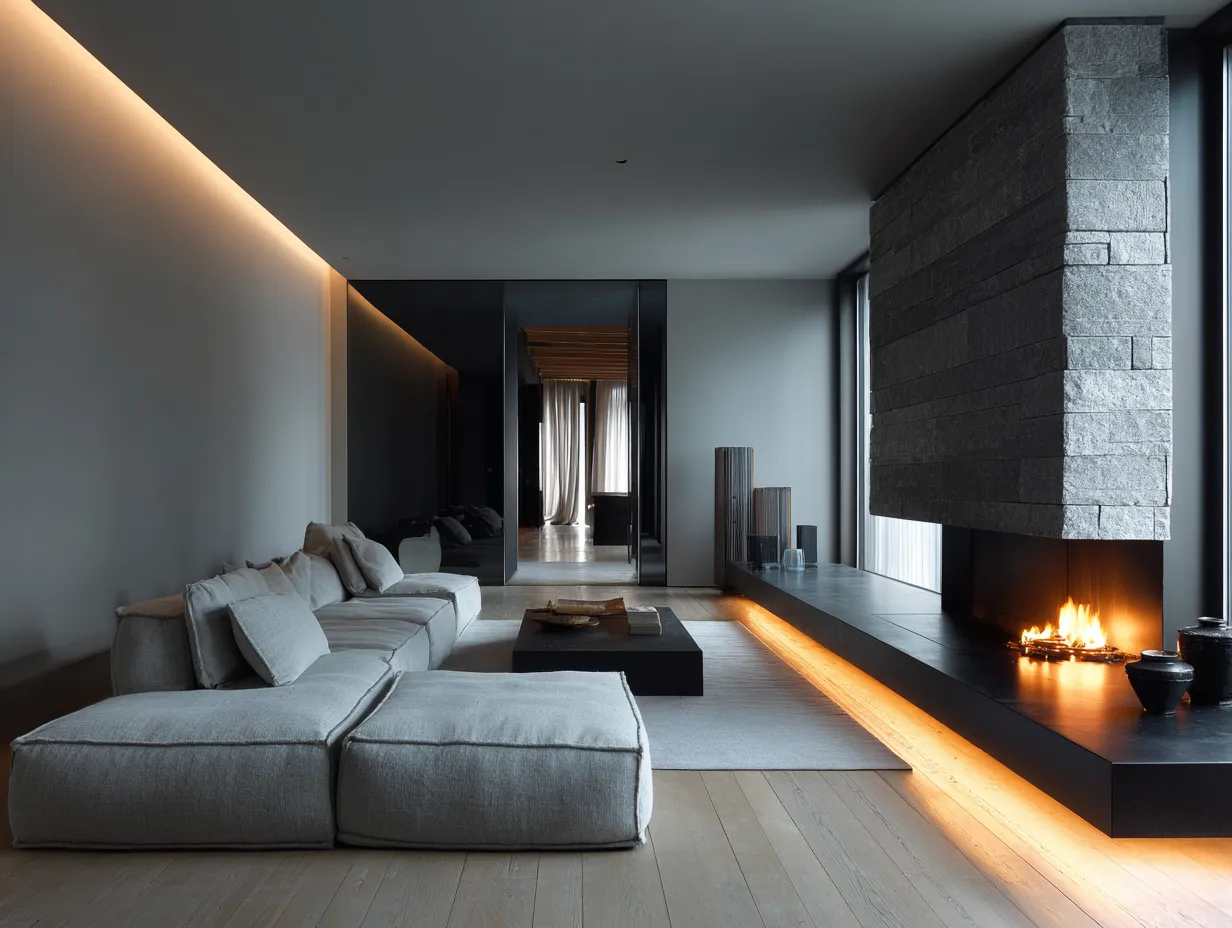
While minimalism often revolves around light, neutral tones, incorporating bold black accents can take the look further, making it one of the best color choices for home interiors. Black, when used thoughtfully, adds drama and depth without overwhelming the space. It works exceptionally well in kitchens or bathrooms, where sleek, functional design is paramount, and pairs beautifully with schemes seen in minimalist black and white interior design. It can also be introduced into living rooms or bedrooms for striking visual contrast.
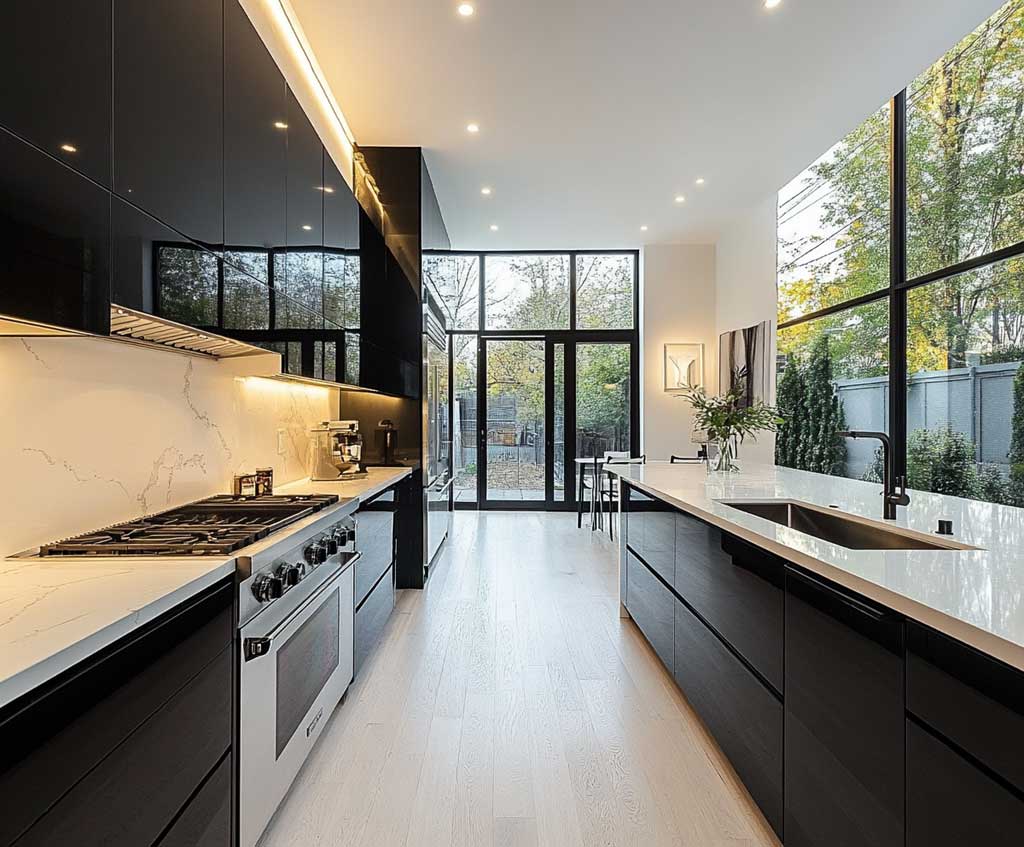
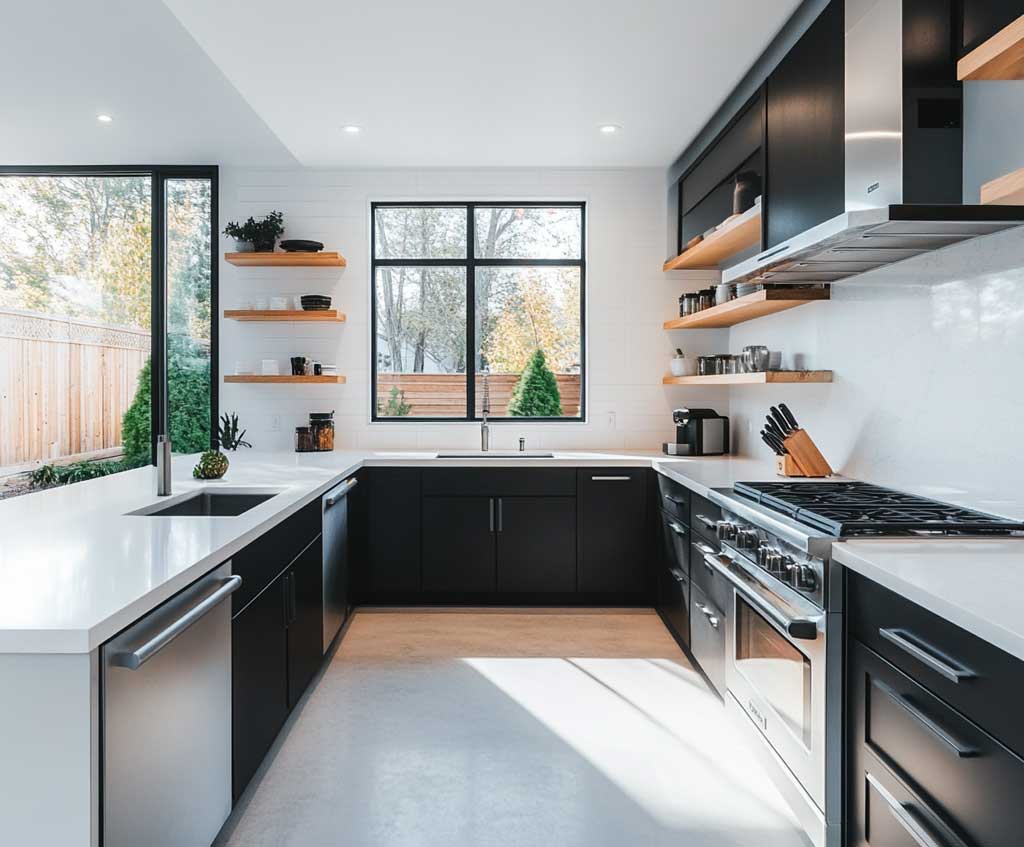
In a minimalist kitchen, black cabinetry against white walls creates a sophisticated contrast, enhancing the clean lines and sharp angles that are characteristic of modern minimalist design. Black brings an element of boldness while maintaining simplicity, and when paired with stainless steel appliances and streamlined decor, it enhances the overall functionality of the space. The key to using black effectively in a minimalist interior is balance—ensuring that the darker tones don’t overpower the space but instead create focal points that draw the eye to the room’s clean, simple structure.
Another reason black works so well as a color accent in minimalist spaces is its versatility. It pairs beautifully with a range of materials, from natural wood to polished stone, allowing you to create interesting contrasts without adding visual clutter. This makes black one of the best color for home interior choices, particularly for homeowners seeking to introduce a bit of modern edge to their minimalist design without straying from the principles of simplicity.
Three Colors, Zero Clutter
White, gray, and black cover about 90% of what any minimalist room needs. The remaining 10%? A single warm material — wood, linen, or leather — to keep the space from feeling clinical. Pick one palette per room and commit. Mixing two of these schemes in the same space works if you keep the ratio at 70/30. Going 50/50 just looks indecisive.
Skip trendy accent colors. Sage green and terracotta look great for about eight months, then you’re repainting. White, gray, and black don’t expire. Buy the best paint you can afford — $50+ per gallon — and you won’t touch a roller again for five to seven years. That’s the real minimalist math.