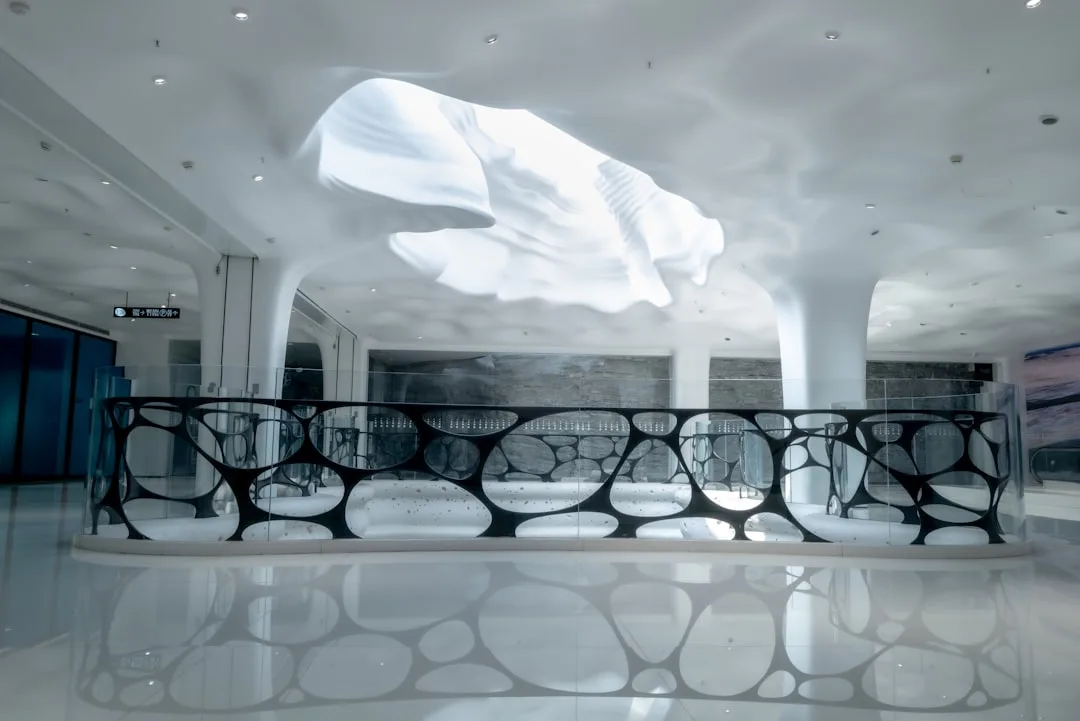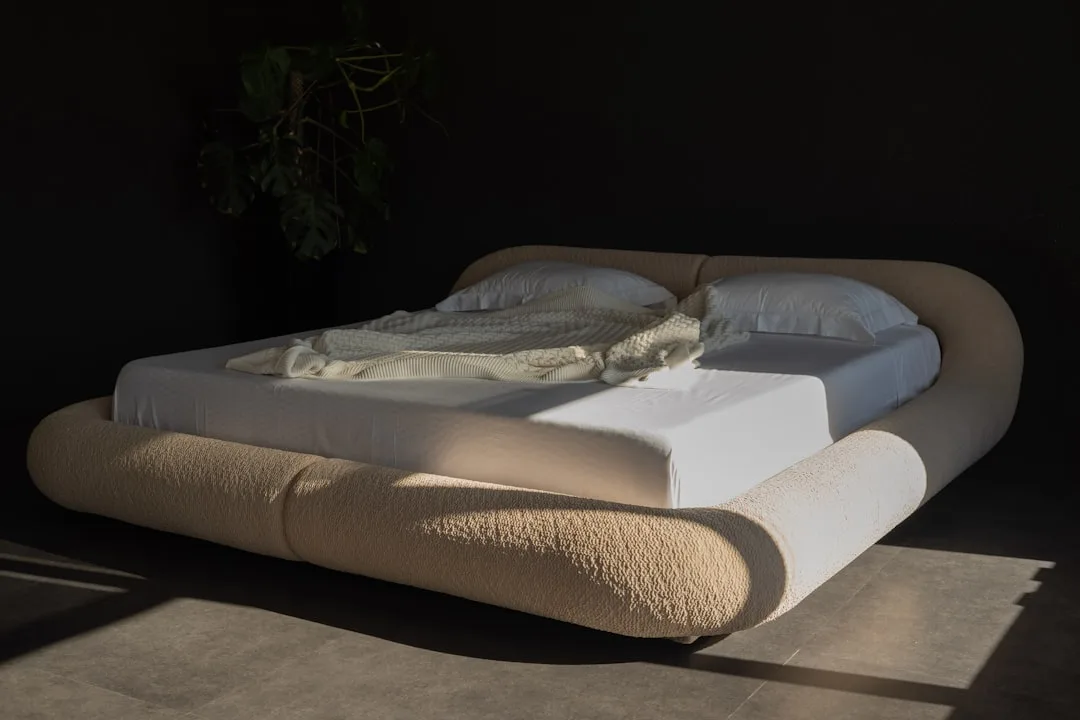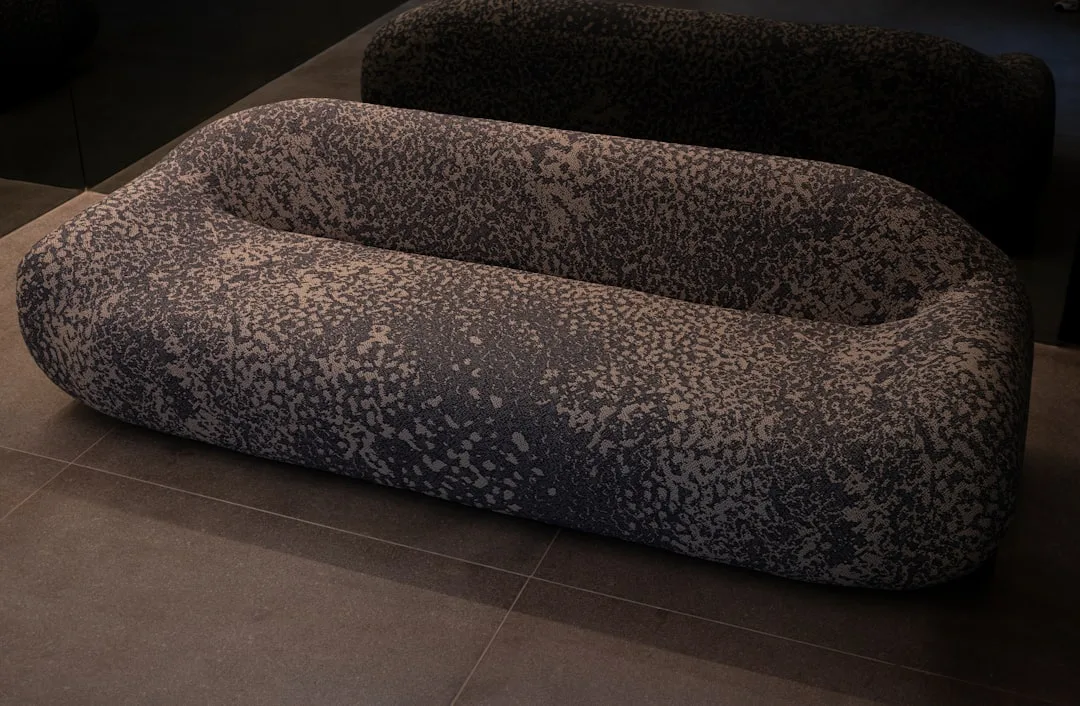
Curved furniture interiors have overtaken 58% of high-end residential design projects launched in Q1 2026, according to the Interior Design Association’s spring market report. Sharp angles, once synonymous with minimalism and Scandinavian efficiency, are being systematically replaced by organic, rounded forms that soften living spaces and reduce visual tension. This shift represents a decisive pivot away from the austere geometry that dominated the past five years.
Why Curved Lines Dominate Design Right Now
Curved furniture interiors respond directly to what designers call “angle fatigue”—the psychological stress induced by living in environments dominated by ninety-degree corners and linear edges. Neuroscience research from the University of Vienna (2025) demonstrates that rounded forms activate the brain’s reward centers more intensely than sharp lines, lowering cortisol levels by up to 12% in residential settings.
The trend also stems from a practical rejection of the rigid minimalism that defined quiet luxury interiors in 2024-2025. Curved furniture interiors allow homeowners to maintain sophistication while introducing warmth, comfort, and human-scaled proportions that feel lived-in rather than gallery-like.
Manufacturers have responded aggressively. Production of curved upholstered pieces increased 340% year-over-year, with lead times dropping from 18 weeks to 8-10 weeks as suppliers in Vietnam, Italy, and North Carolina scaled capacity.
Quick Tips
- Start with curved seating: sofas and sectionals create the visual anchor; accent chairs follow
- Mix curved with straight: a rounded sofa paired with a rectangular console table maintains design balance
- Round coffee tables under curved sofas: reinforces cohesion without redundancy
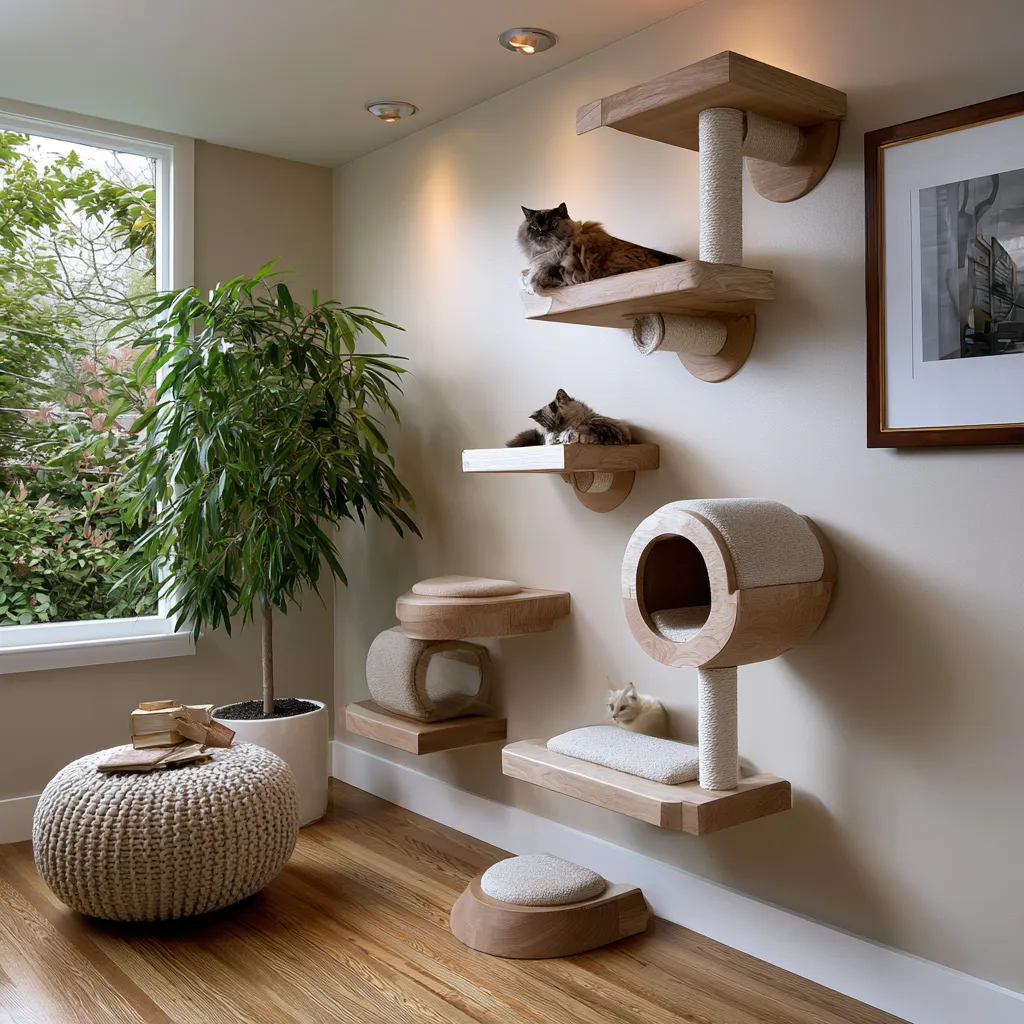
- Curved wall-mounted shelving: echoes furniture lines and maximizes corner utility
Top Curved Furniture Brands and Pricing
Restoration Hardware’s Cloud Collection modular sofa ($4,895–$8,950 depending on configuration) set the luxury benchmark in early 2026, with its mathematically computed cloud-shaped profile now copied by 40+ retailers. The piece combines Italian-milled steel frames with European down-wrapped cushioning, arriving in 10-12 weeks.
West Elm’s Slope Petite Sectional ($1,999–$2,799) addresses the mid-market, using solid oak frames with curved arms and a 48-inch depth that fits standard apartment layouts. This model launched in February 2026 and backorders currently extend to August, indicating genuine demand rather than hype-driven scarcity.
Article’s Sven Chair ($599–$749) demonstrates how curved furniture interiors reach accessible price points without sacrificing form. Its molded plywood shell, inspired by mid-century Scandinavian design, delivers the silhouette at roughly 15% the cost of designer equivalents.
Deco Home Italia’s Elisabetta Sofa ($6,200–$7,800), hand-built in Milan with walnut-stained beech and genuine leather, represents artisanal production where artisan-made furniture is replacing mass-market design. Lead time is 16 weeks; each piece is custom-curved to client specifications.
| Brand & Model | Price Range | Lead Time |
|---|---|---|
| Restoration Hardware Cloud | $4,895–$8,950 | 10–12 weeks |
| West Elm Slope Sectional | $1,999–$2,799 | 8–12 weeks |
| Article Sven Chair | $599–$749 | 4–6 weeks |
| Deco Home Italia Elisabetta | $6,200–$7,800 | 14–16 weeks |
How to Apply Curved Furniture Interiors to Your Space
Begin by assessing your room’s natural focal point—usually the window or fireplace. Position a curved sofa or sectional to face this anchor, allowing the rounded lines to frame the view rather than fight it. A 78-inch curved sectional requires roughly 120 square feet of clear floor space to avoid cramping the sightline.
Pair curved seating with straight architectural elements: a linear bookcase, rectangular console, or geometric mirror creates visual tension that prevents rooms from feeling overly soft or undifferentiated. The contrast between curved and angular objects is what prevents curved furniture interiors from devolving into visual monotony.
Flooring and curved furniture work bidirectionally. Light oak or white oak hardwood amplifies the softness of curved forms; dark walnut grounds them. Rugs should echo the furniture’s geometry—round or oval rugs under curved sofas reinforce the theme without becoming formulaic. A 9×12-foot oval jute rug (approximately $340–$480 from brands like Ruggable) anchors most living rooms effectively.
Material Considerations for Curved Pieces
Curved furniture interiors demand robust frame construction because bending increases structural stress on joints. Hardwood frames (walnut, oak, beech) perform better than plywood under curved stress; expect to pay 18–22% more for genuine hardwood frames than composite alternatives.
Upholstery selection matters significantly. Performance fabrics like Crypton and Sunbrella hold curved seams more securely than linen or linen-blend; loose weaves migrate over time on rounded surfaces, creating visible creasing. Italian manufacturers typically use 100% linen because their factories employ hand-stitching techniques that stabilize the fabric at stress points. Mass-market producers should default to synthetic blends or performance fabrics to maintain curved lines through years of use.
Leather on curved furniture interiors behaves differently than on straight pieces. Full-grain leather stretches infinitesimally around curves, creating imperceptible settling that occurs within the first 8–12 weeks of ownership. Plan for this minor adjustment when selecting finishes.
What Curved Furniture Interiors Signal About Design Evolution
This trend reflects a broader cultural shift toward biophilia—designing spaces that echo natural, organic forms rather than human-imposed geometry. Curved furniture interiors acknowledge that nature contains almost no ninety-degree angles, and our nervous systems respond physiologically to this familiarity.
The movement also corrects a decade-long overcorrection toward sterility in residential design. Curved furniture interiors reintroduce comfort and playfulness without sacrificing the visual cleanliness that appeals to contemporary sensibilities. This is not maximalism or dopamine-driven eclecticism; it is sophistication that permits softness.
Manufacturers and designers see curved furniture interiors as a five-to-seven-year dominant trend, not a passing microtrend. Investment in these pieces now positions your home ahead of the curve while ensuring relevance through 2032.