
In the world of contemporary architecture, the purest beauty often lies in restraint. Against a backdrop of wild natural landscapes or urban precision, monolithic shapes rise with silent strength. Polished concrete floors reflect light like calm water surfaces, lending interiors a grounded yet ethereal feeling. In homes where geometry leads the conversation, every corner whispers of intention, simplicity, and a quiet reverence for material truth. Today, we step into spaces where weight and lightness coexist, where the solidity of concrete and the fluidity of open interiors craft a new rhythm of living.




The Quiet Power of Monolithic Shapes in Modern Architecture
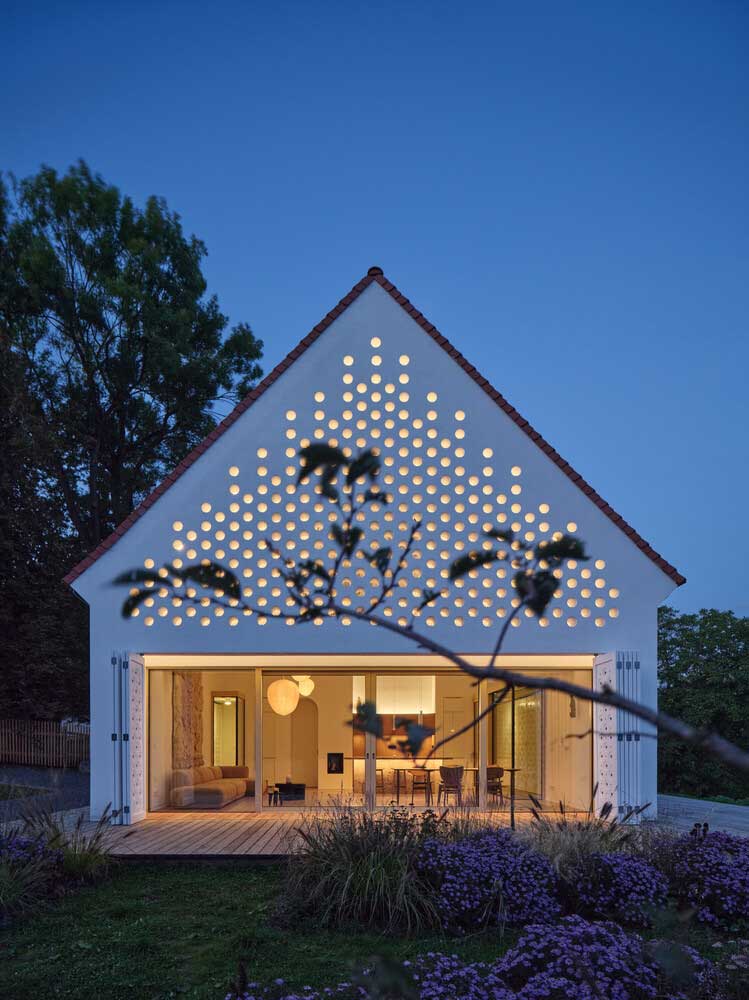
Monolithic shapes create homes that feel carved from a single block, much like ancient sculptures hewn from stone. They carry a timeless, enduring character that speaks to permanence rather than trend. Walls rise seamlessly from the earth, geometric yet softened by the passage of light across their surfaces. The absence of ornamentation directs all attention to the mass, to the shadow play, and to the small, deliberate openings that let the outside world in. In these structures, every façade feels essential, every plane heavy with meaning.
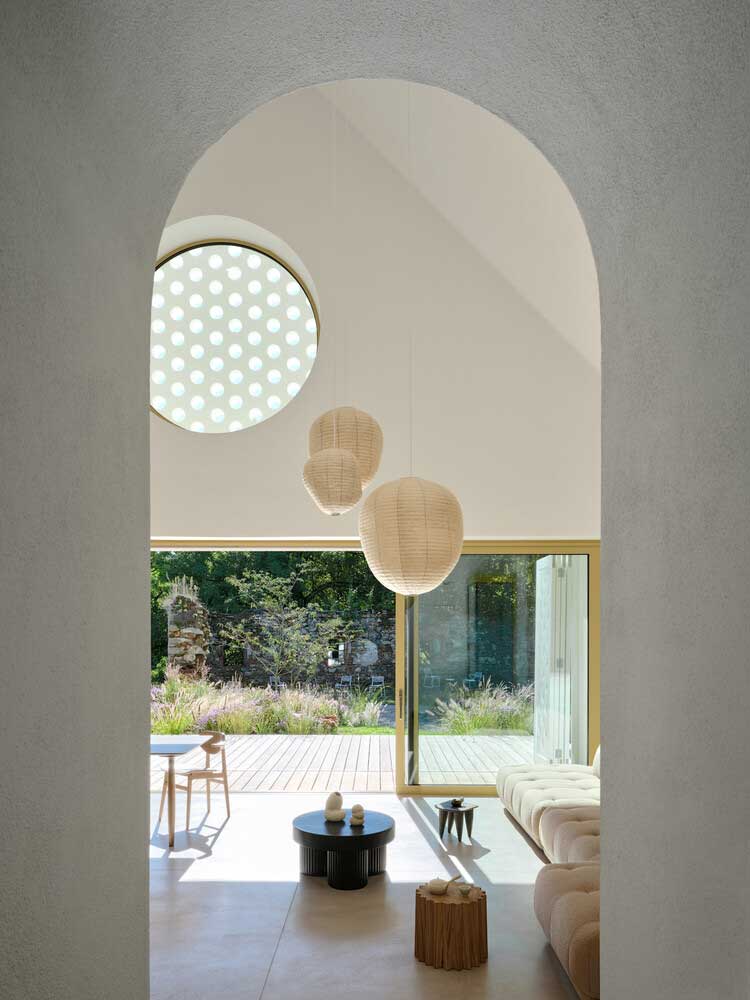
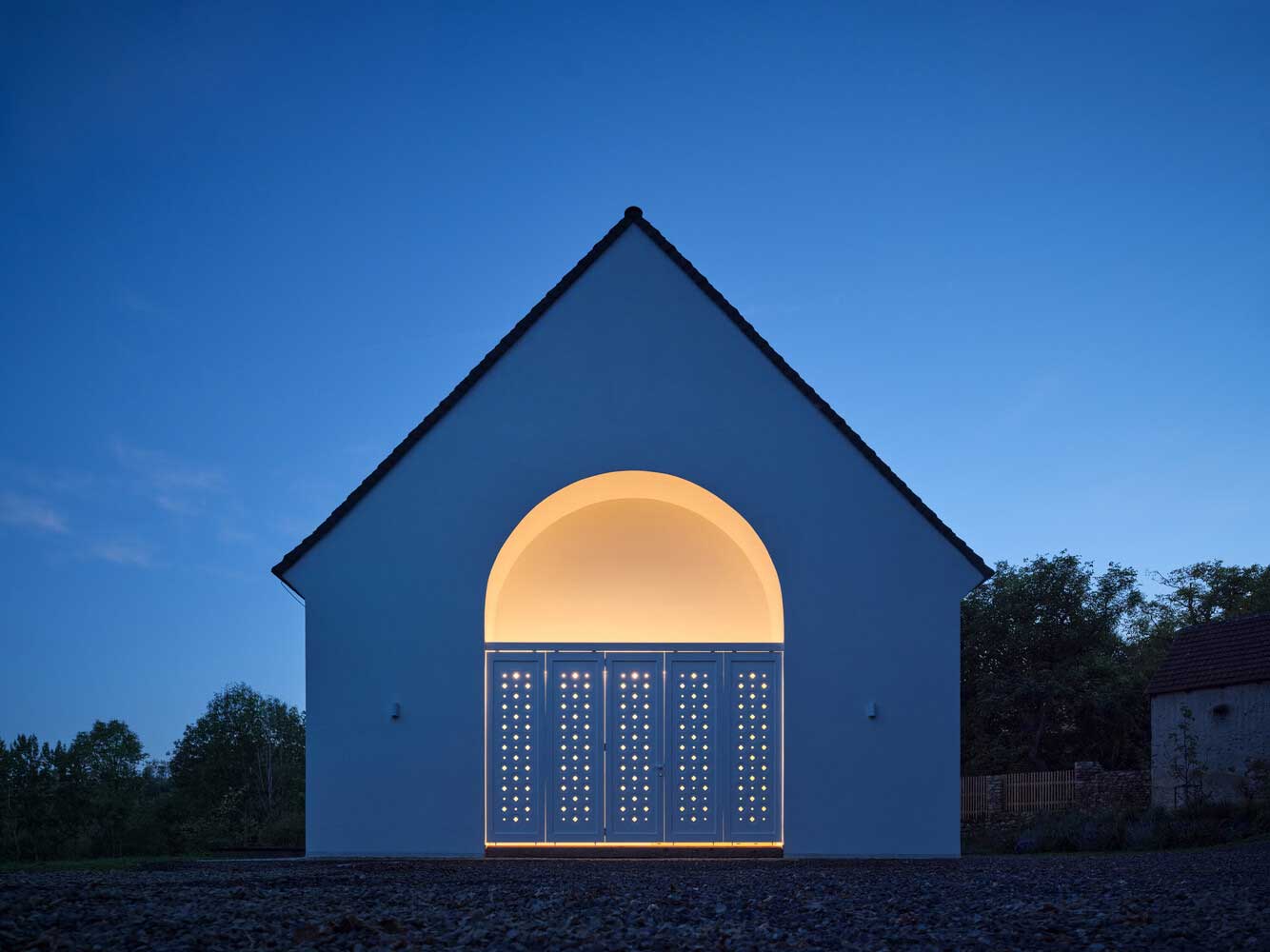
At the House Oskar, monolithic design is not merely aesthetic but deeply atmospheric. The building appears as a solid volume from the outside, yet it breathes with life through its internal courtyards and framed vistas. The clarity of the form instills a sense of protection and groundedness, an architectural embrace against the world’s clamor. In the shifting hours of the day, sunlight moves across the flat facades like a silent storyteller, reminding the observer that even the most massive forms are never entirely still.
In these contemporary homes, simplicity is anything but simplistic. Monolithic shapes allow architects to create bold statements without unnecessary complexity. The visual strength of a singular, unified form enhances the emotional resonance of the space. They become spaces of meditation, of quiet creativity, inviting a deeper connection to the structure and to oneself. Material, shadow, and scale become the language of experience.
The monolithic approach often transcends architectural styles, finding a home in brutalism, minimalism, and modernism alike. Its power lies in its honesty. A home shaped this way stands unapologetically in its context, not pretending, not embellishing — simply existing with strength and sincerity.

Elevating Everyday Living with Polished Concrete Floors
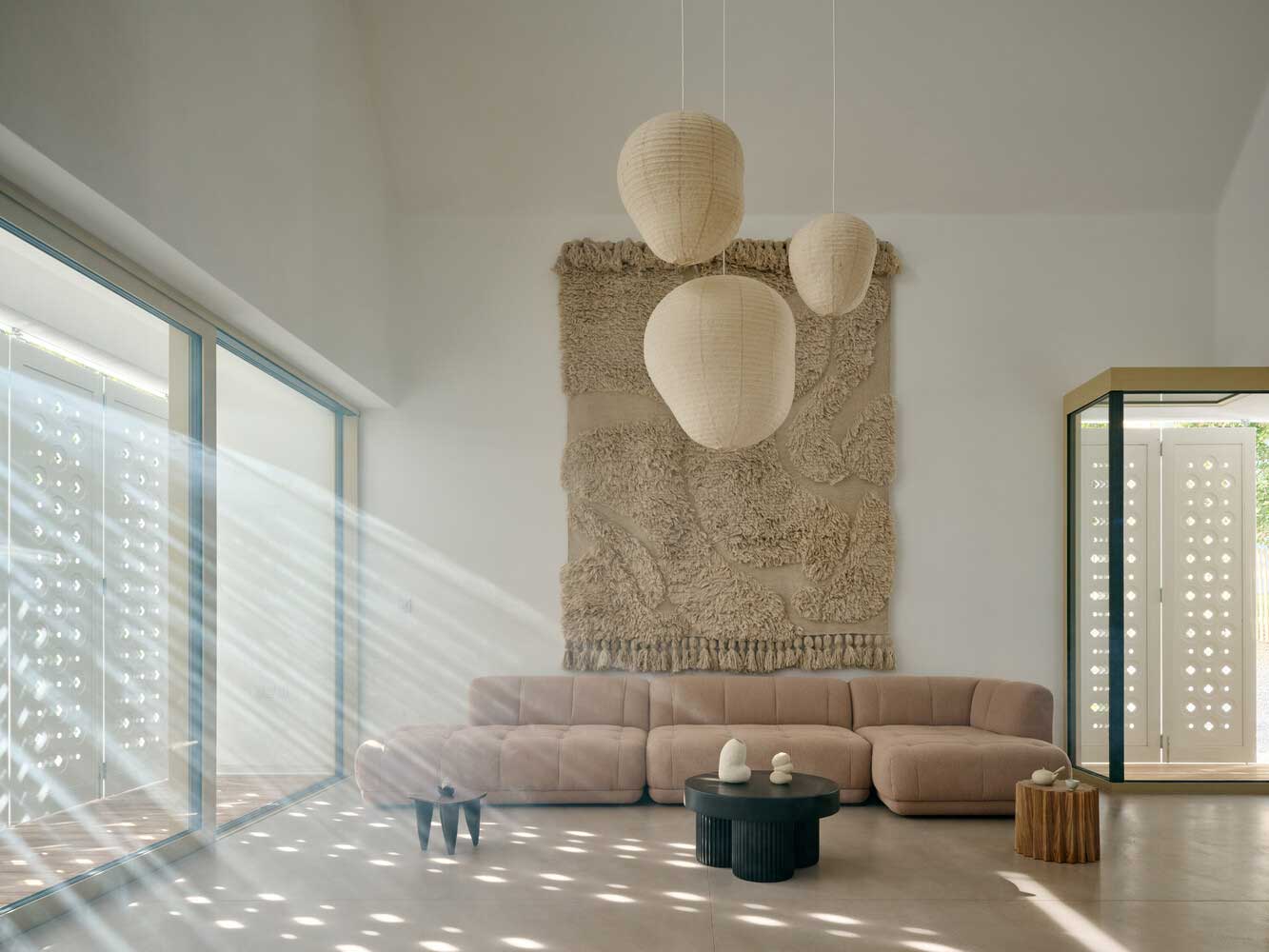
Polished concrete floors add a luminous depth to interiors that few other materials can replicate. Their smooth, reflective surface expands space visually, capturing glimpses of the outside world and casting them gently across the rooms. Underfoot, the cool, reassuring weight of concrete grounds daily life, balancing the lofty openness of modern layouts.
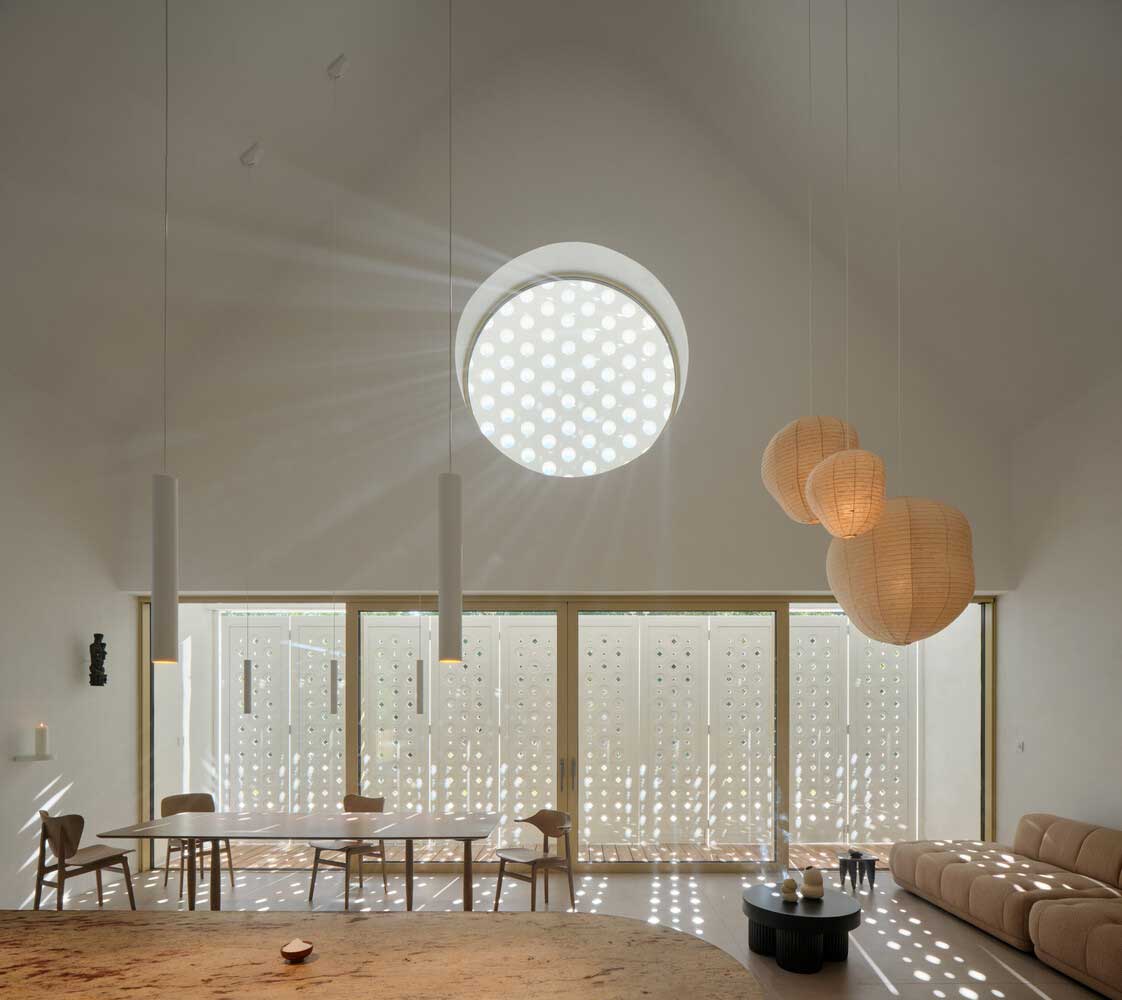
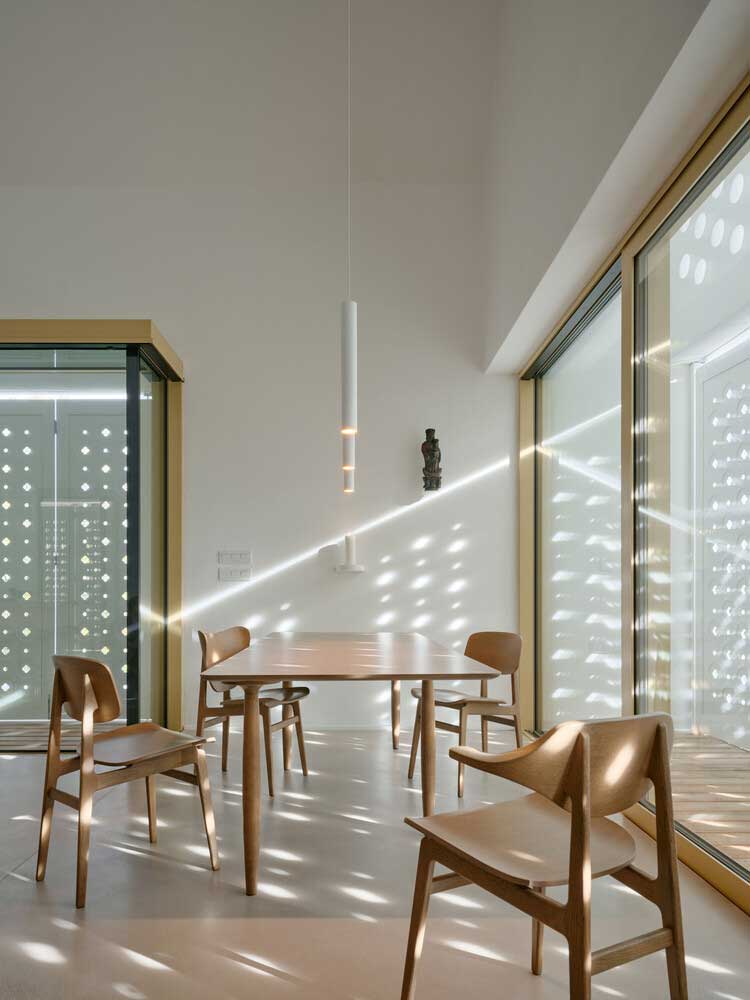
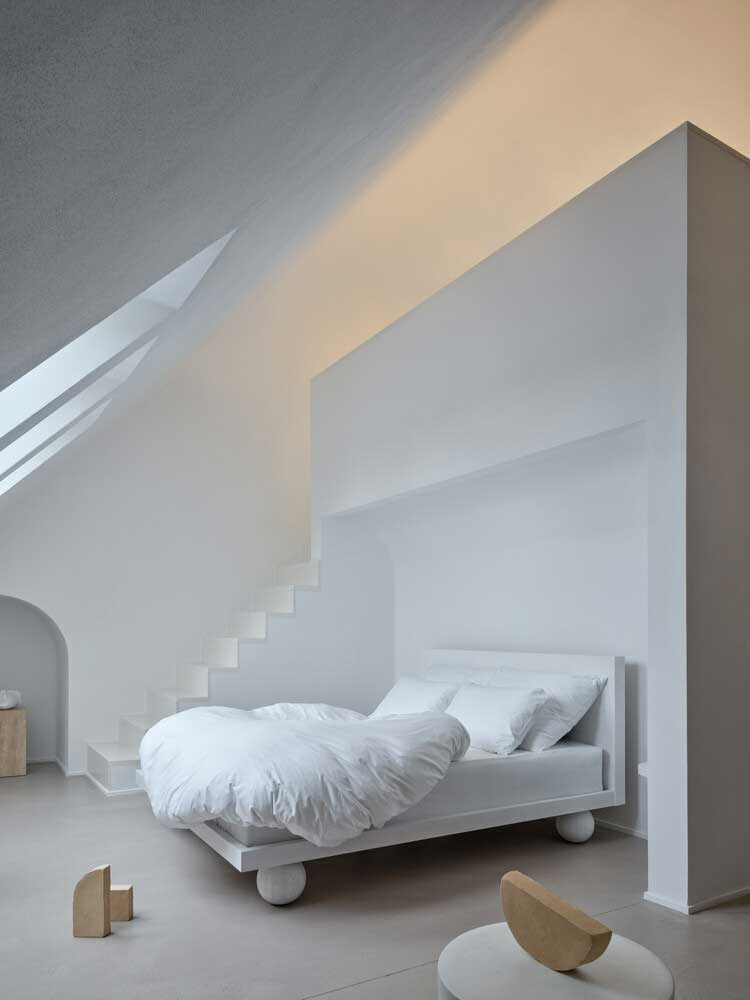
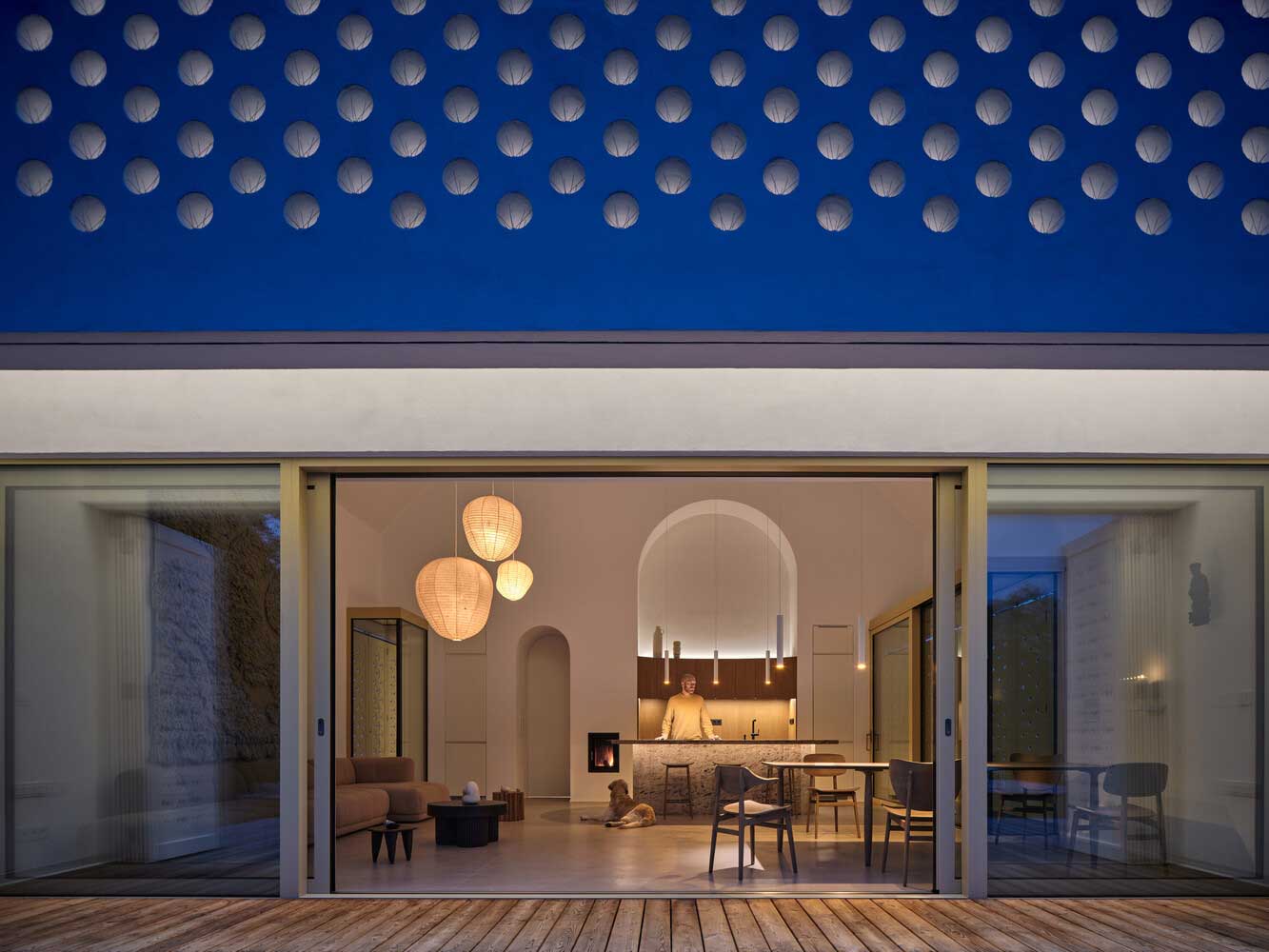
In the interiors captured within the project, the polished concrete floors shimmer faintly under natural light, creating a dynamic, ever-changing canvas. Every step on the surface feels deliberate, every reflection a fleeting piece of art. The floors connect each room without interruption, letting the furniture and inhabitants flow naturally from one space to another, unburdened by thresholds or seams.
The tactile experience of polished concrete floors contrasts beautifully with the rawness of the material itself. While concrete may suggest industrial coldness, its polished version invites barefoot wandering, offering a velvety texture to touch and a quiet acoustical comfort. The natural imperfections — the soft swirls, the tiny fissures — tell the story of the material’s origins, grounding the modern home in the earth’s own narrative.
Choosing polished concrete floors is not just a design decision but a philosophy. It embraces durability, sustainability, and authenticity. Instead of layering coverings over structures, homeowners celebrate the material’s integrity. It becomes an act of honesty — and beauty — honoring what lies beneath.

Framing Light and Views with Monolithic Design
One of the most poetic effects of monolithic architecture is how it frames light and landscape. The solid volumes, while appearing heavy, carve delicate compositions through their precise openings. Sunbeams pour through narrow vertical slits or wide panoramic windows, painting moving pictures across the polished concrete floors below.
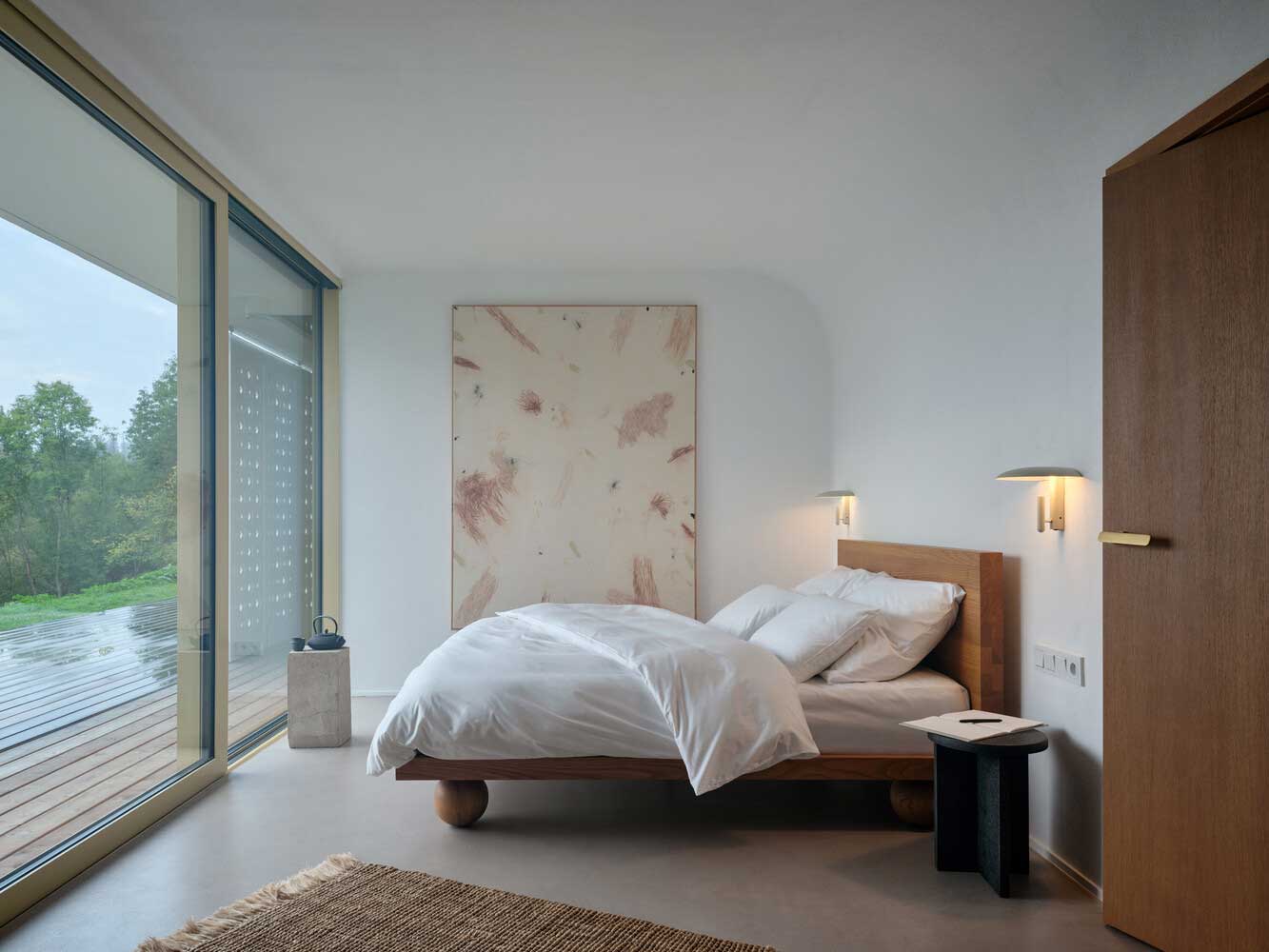
At House Oskar, the balance between enclosure and exposure is masterful. The heavy monolithic walls yield only in carefully chosen places, allowing interiors to drink in the surrounding greenery without feeling vulnerable. Inside, the framed views become living artworks, constantly shifting with the seasons and times of day, yet always cradled within the sheltering embrace of concrete walls.
The interplay between thick, impenetrable masses and ephemeral, glowing light is where the soul of such homes reveals itself. Heavy shapes do not block nature out; rather, they honor its rhythms by offering a curated lens. Here, a small square window becomes a meditative focus. There, a full-height glass wall reveals a sudden, breathtaking connection to the vast outdoors.
The polished concrete floors enhance this dialogue between light and form. Reflections of greenery and sky drift across their surface, multiplying the landscape within. It is as if the earth, the house, and the heavens perform a silent, endless dance, witnessed only by those who pause to see.
The Harmonious Blend of Raw and Refined Materials
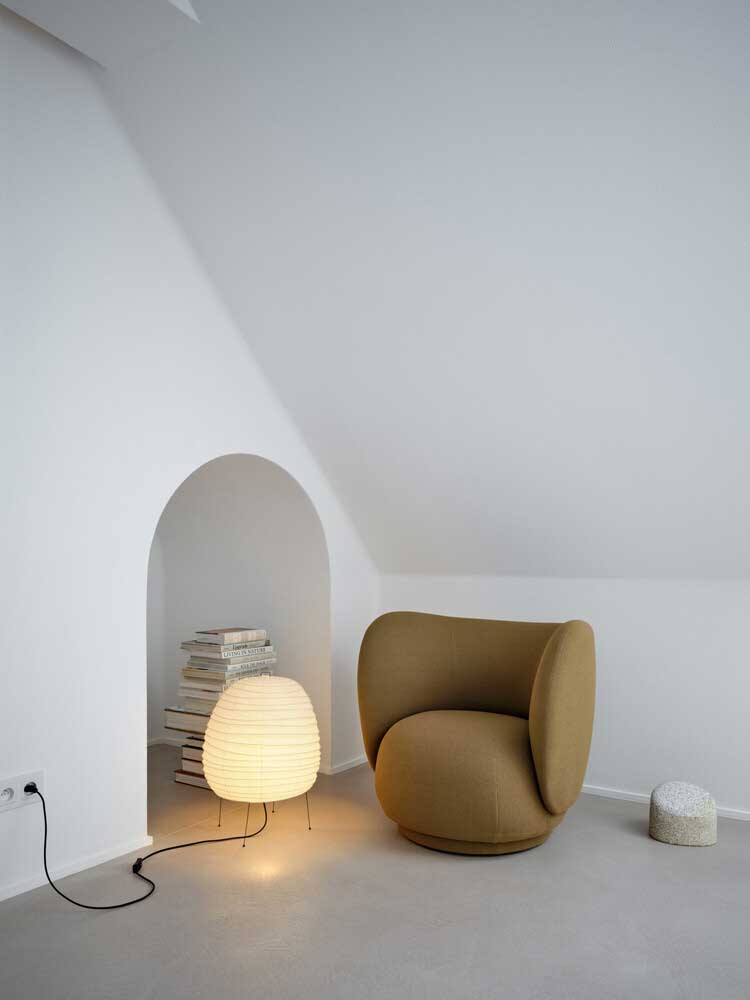
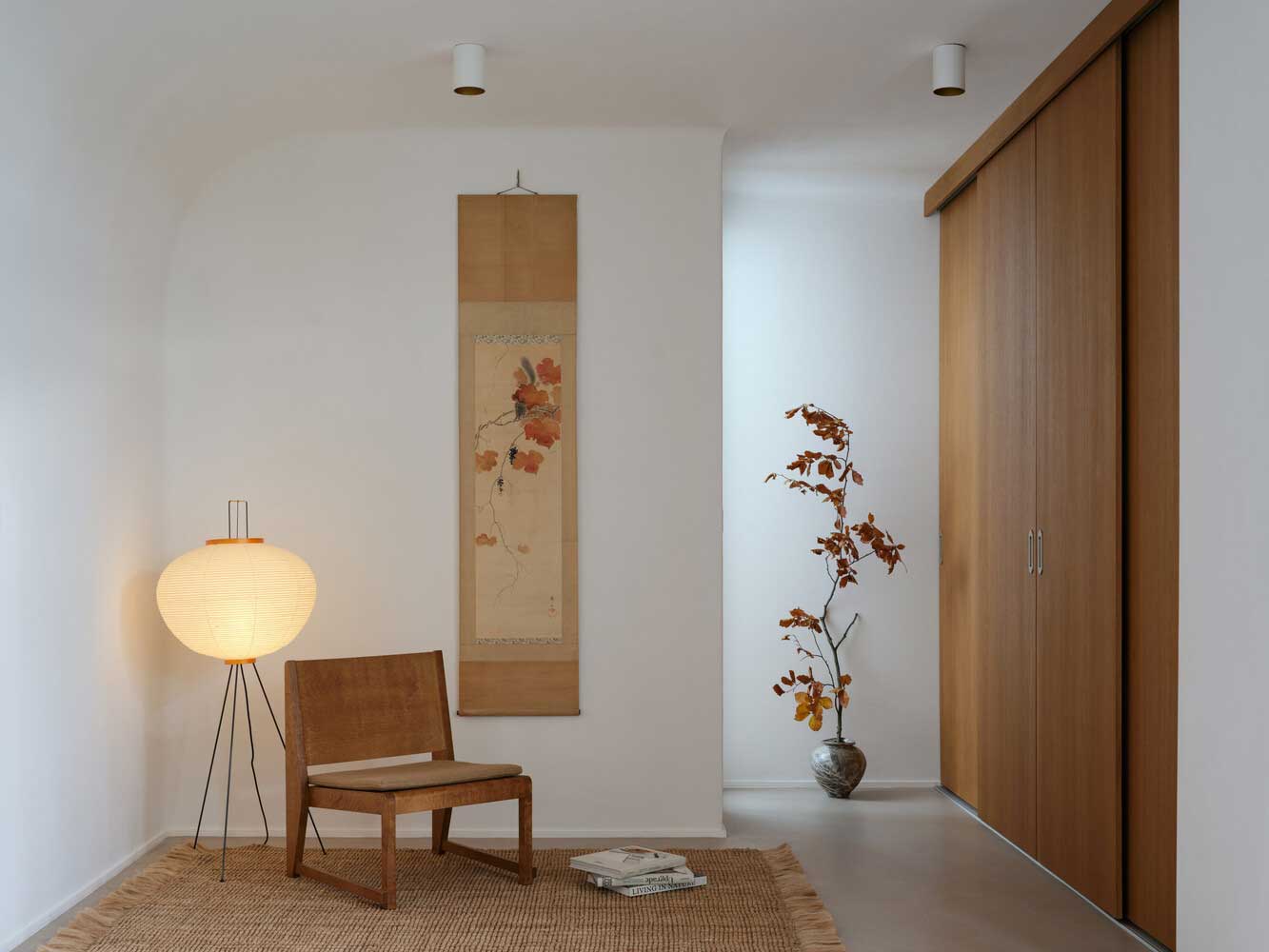
When monolithic shapes meet polished concrete floors, an exquisite tension is created — a balance between raw structure and refined detail. Heavy walls anchor the home visually and emotionally, while the gleaming floors soften the experience, elevating daily life to quiet elegance. It is a material symphony where every note is intentional.
The rawness of concrete is never fully concealed; even when polished, its earthy authenticity remains palpable. Slight tonal shifts, faint textures, and natural markings lend the floor a soulfulness that synthetic materials cannot mimic. It holds the history of its making — poured, set, and patiently finished — within every molecule.
Interior details at the House Oskar echo this philosophy. Exposed ceilings, minimal detailing, and slim metal frames align in an orchestration of simplicity. The polished concrete floors do not merely serve a functional role; they act as the gravitational field of the space, tying rooms together and giving the home a serene, cohesive identity.
Living within such an environment feels both grounded and elevated. Life’s clutter fades away, replaced by the pure pleasure of material authenticity. In this setting, morning light slanting across a polished concrete floor feels like an event, a silent celebration of craft, patience, and beauty.
Homes that embrace monolithic shapes and polished concrete floors embody a rare kind of poetry — one that speaks softly yet leaves a lasting imprint. They invite us to slow down, to listen to the language of space and material, and to find grace in simplicity. In these shelters, strength does not roar; it whispers through shadows, light, and the satisfying texture beneath our feet. The quiet drama of monolithic architecture and the gentle elegance of polished concrete offer a path to a life of profound, everyday beauty.
| Architects | http://www.janzaloudekarchitekt.cz/ |
| Images | www.boysplaynice.com |
You Might Also Like


Related Topics