I’ve spent the last three years photographing bedroom interior design projects across four countries. Most of them looked nothing like the Pinterest boards that inspired them. The gap between a mood board and a finished bed room design is brutal — wrong paint shade, oversized nightstand, lighting that makes you look like a corpse at 6 AM. These 20 ideas close that gap. You’ll find simple bedroom design setups that cost under $500, bold color rooms that actually photograph well without a ring light, and high-tech layouts where the wiring doesn’t ruin the wall. Every room interior design example here includes what went wrong on the first attempt. Skip the fluff. Steal what works.
Quick Summary
This article covers 20 bedroom interior design ideas across three styles: simple minimalist layouts, bold color and texture rooms, and high-tech smart bedrooms. Each section includes specific product names, price ranges, and common mistakes.
Best budget move: Layered lighting system ($50–$150 total) beats any furniture upgrade.
Biggest waste of money: Matching bedroom furniture sets and smart mattresses.
Time to redesign a bedroom: One weekend for paint + lighting. Two weekends for a full room reset.
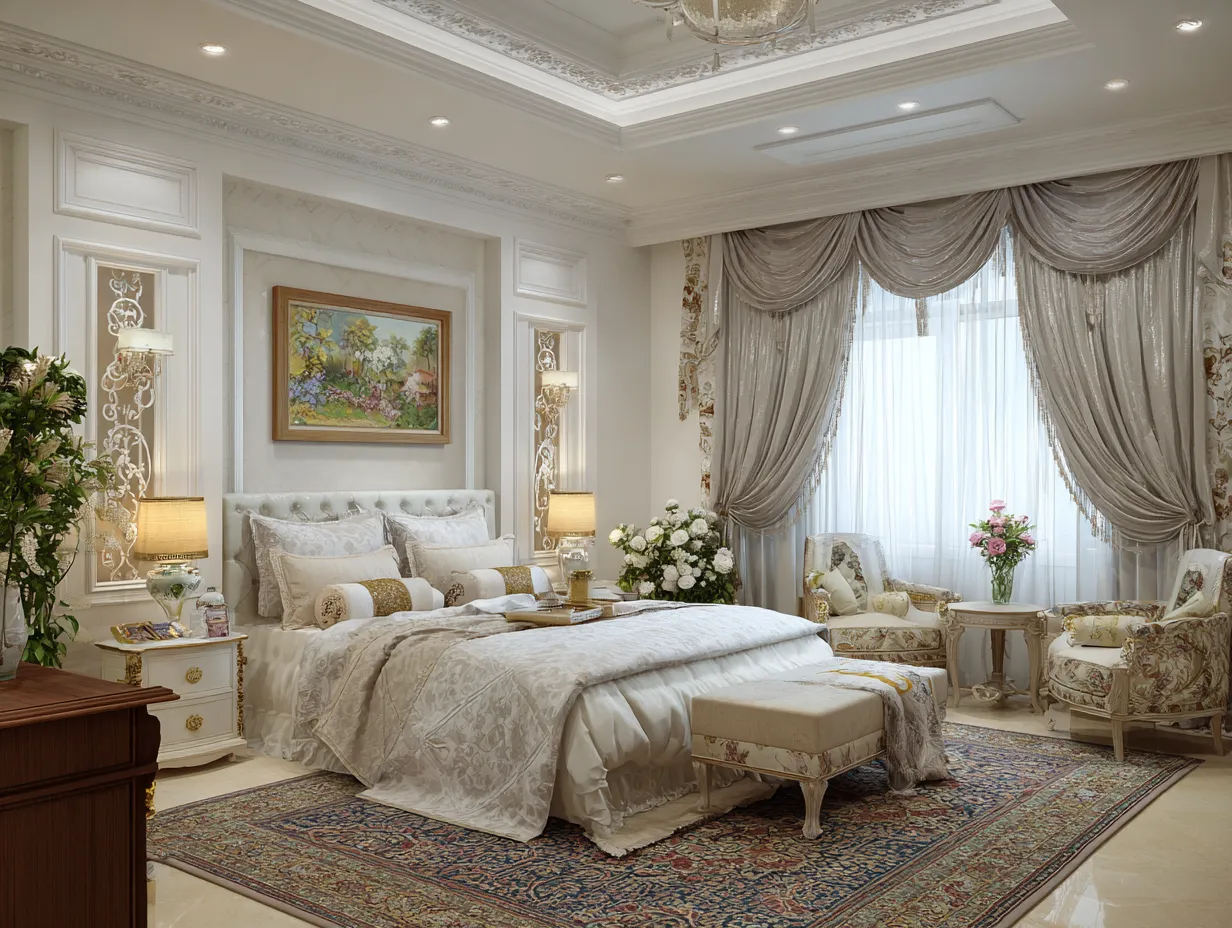
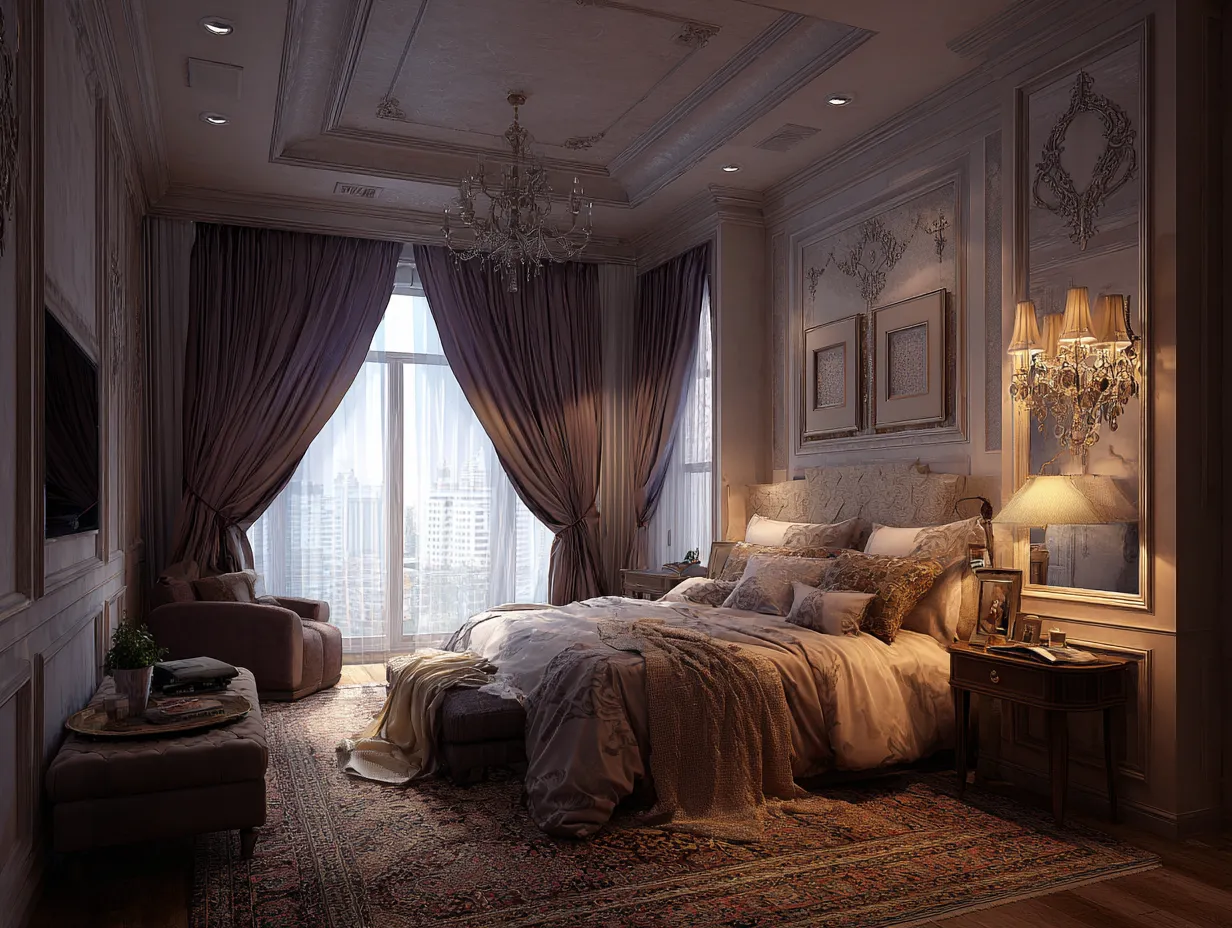
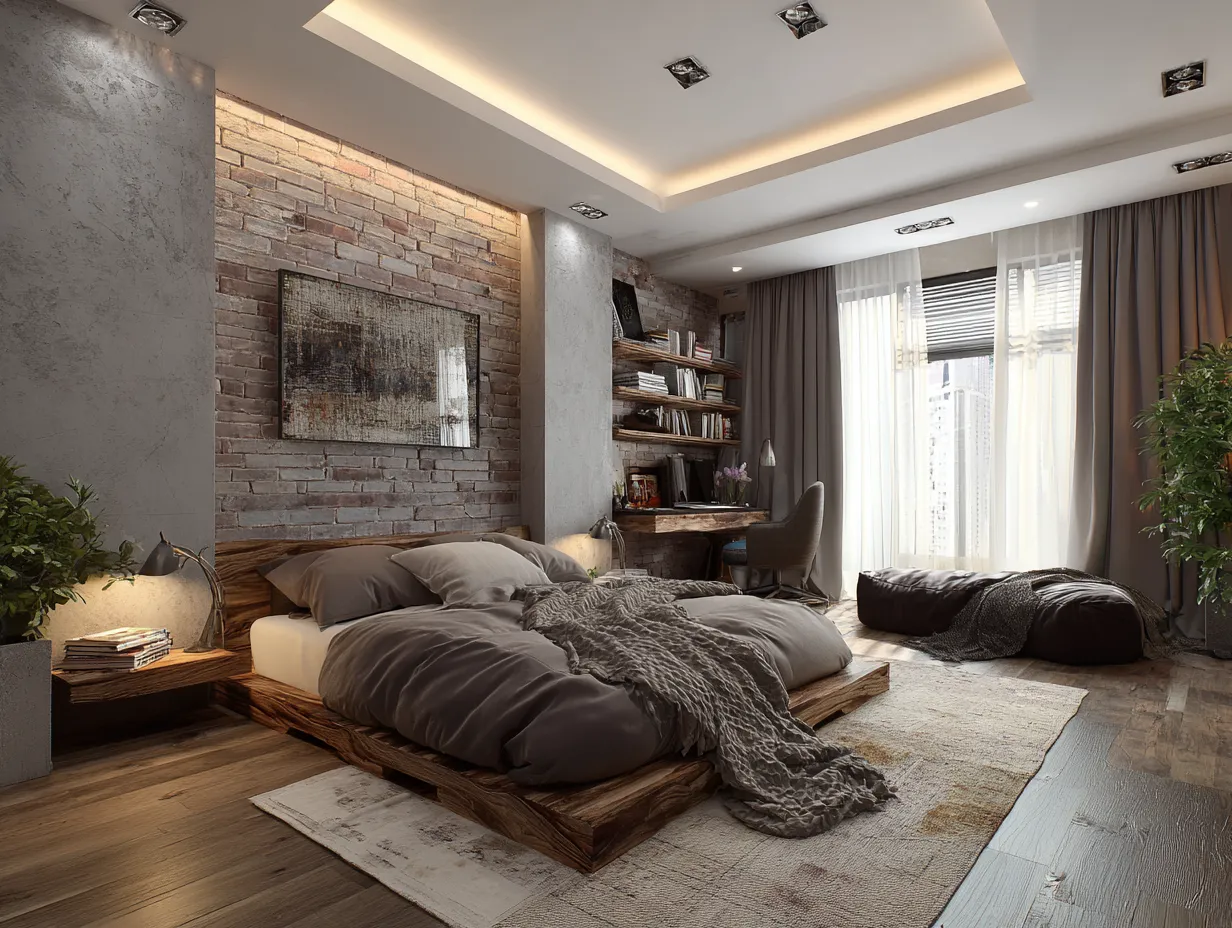
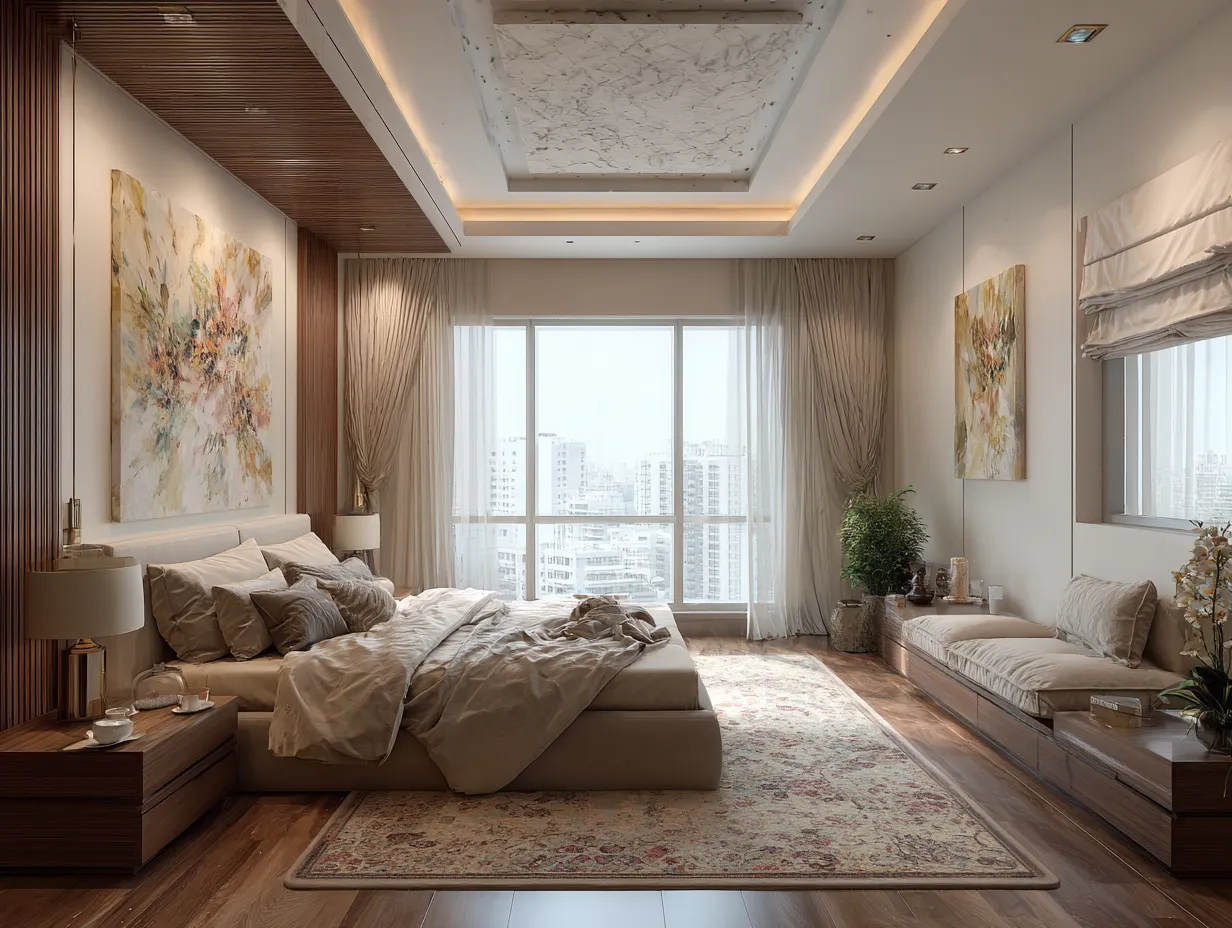
| Style | Budget Range | Best Single Upgrade | Avoid | Time to Complete |
|---|---|---|---|---|
| Simple Minimalist | $300–$800 | Linen duvet cover + 2 accent pillows | Matching 6-piece bedroom sets | 1 weekend |
| Bold Color & Texture | $500–$1,500 | One accent wall in dark paint | Velvet headboards (maintenance nightmare) | 1–2 weekends |
| High-Tech Smart | $400–$2,000 | Motorized blackout blinds | Smart mattresses ($2,000+ and unreliable) | 2–3 weekends |
| Biophilic / Natural | $200–$600 | 3 low-light plants + planter shelf | Real moss walls (mold risk in humid rooms) | 1 weekend |
Simple Bedroom Interior Design: Minimalist Ideas That Don’t Feel Empty
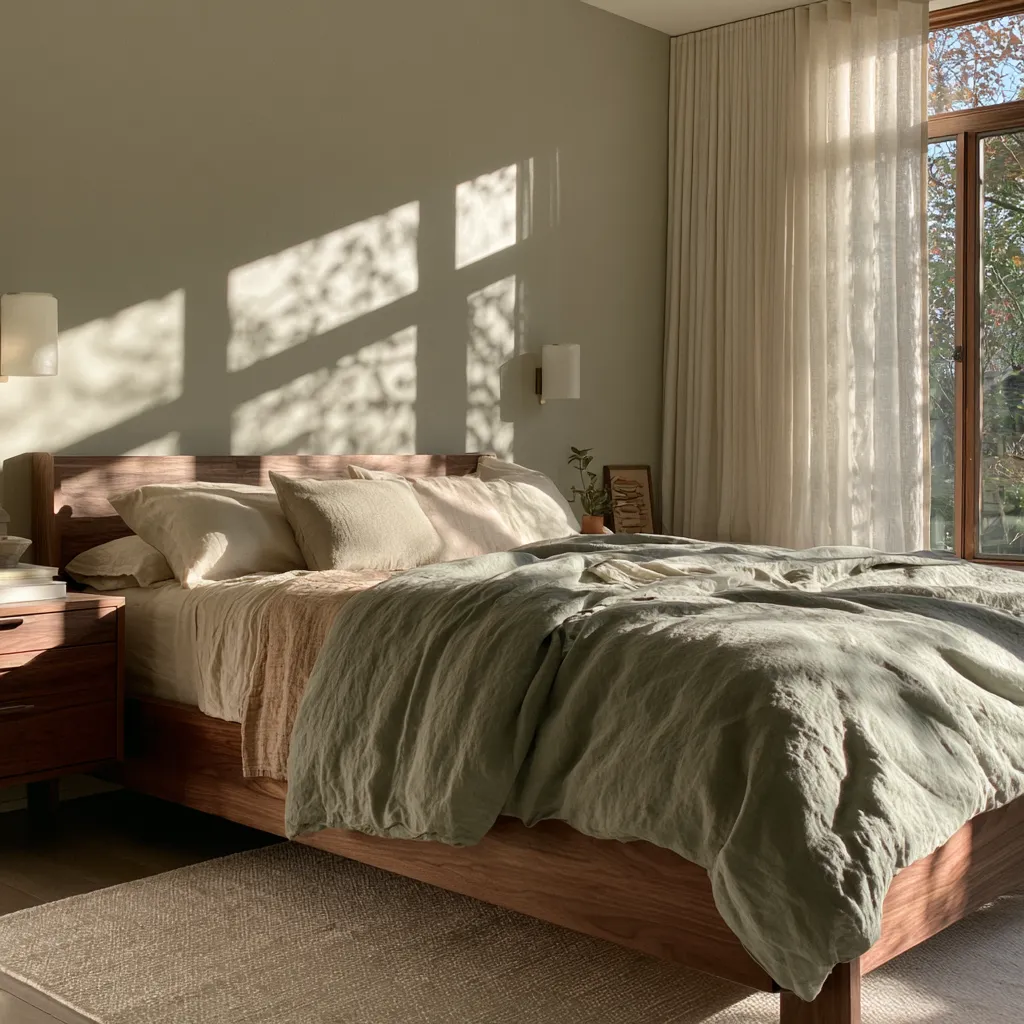
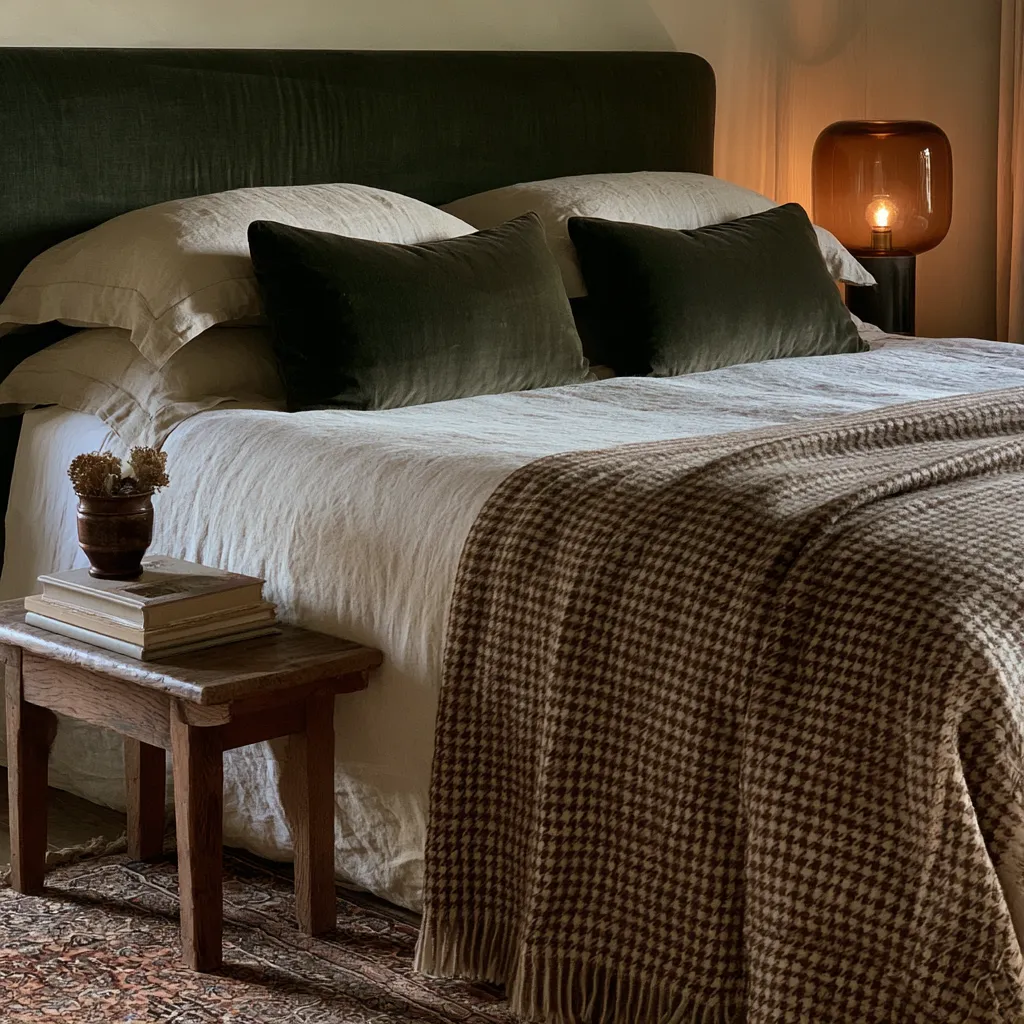
I bought an IKEA MALM bed frame in white oak for $249 three years ago. Still looks brand new. The trick nobody tells you about minimalist bed room interior design? Spend 70% of your budget on the mattress and bedding, 30% on furniture. Cheap furniture in a minimalist room is invisible. Cheap sheets are not.
The biggest mistake in simple room design is going too neutral. I painted one bedroom Sherwin-Williams Alabaster (SW 7008) and it looked like a hospital ward until I threw in a single olive-green linen pillow from H&M Home ($19). One accent object per surface. That’s the rule. More than that and you’re decorating, not designing.
Skip the matching bedroom set from Wayfair. Every room interior design project I’ve seen with a six-piece matching set looks like a hotel you wouldn’t review on TripAdvisor. Buy the bed frame from one brand, nightstands from another, and a dresser from a thrift store if the wood grain looks decent. Mismatched furniture is what makes simple bedroom design feel lived-in instead of staged.
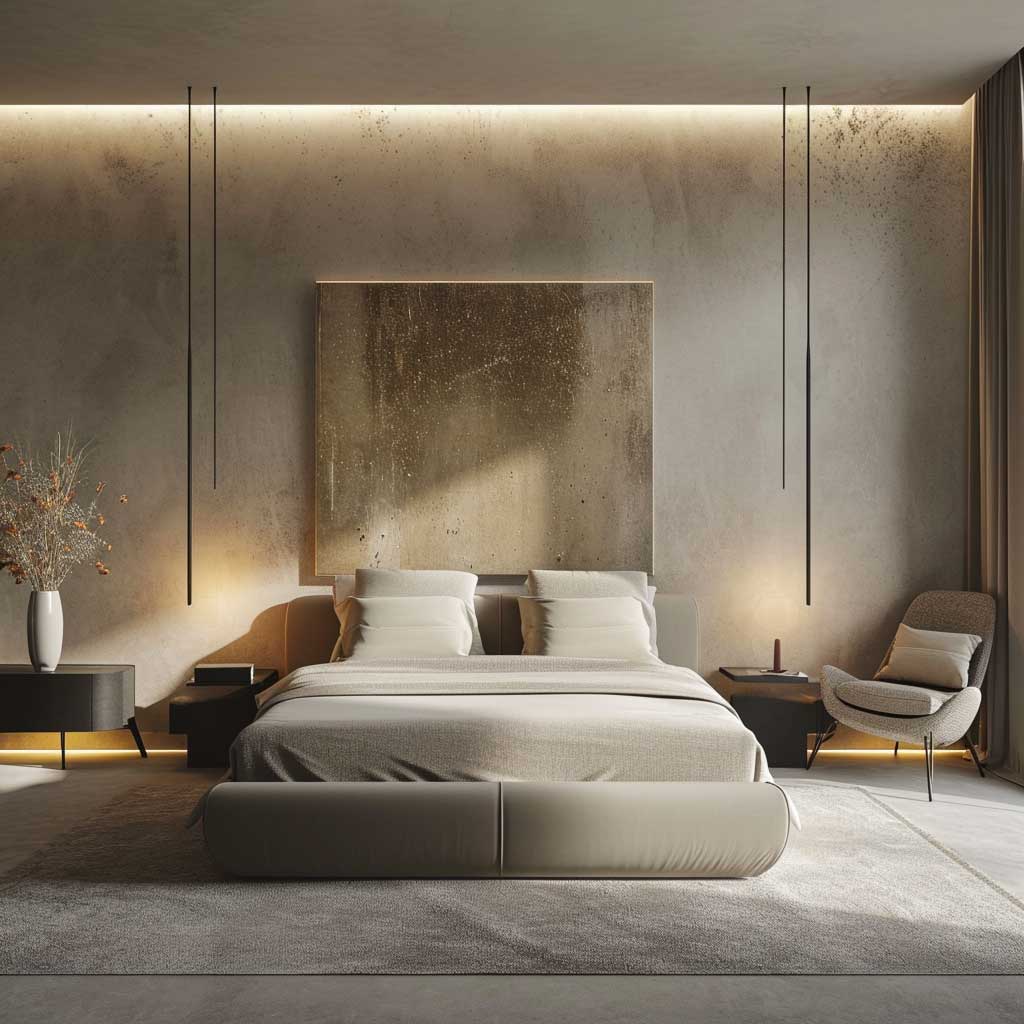
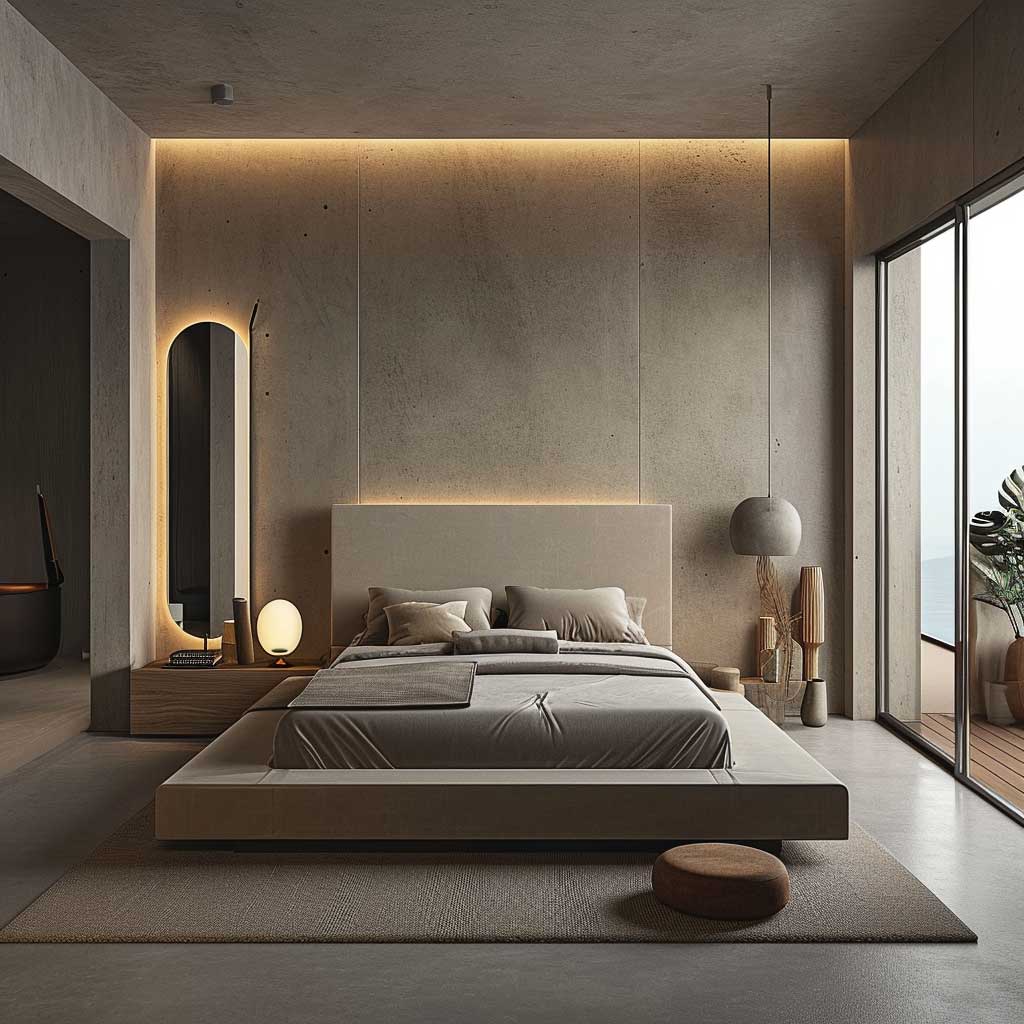


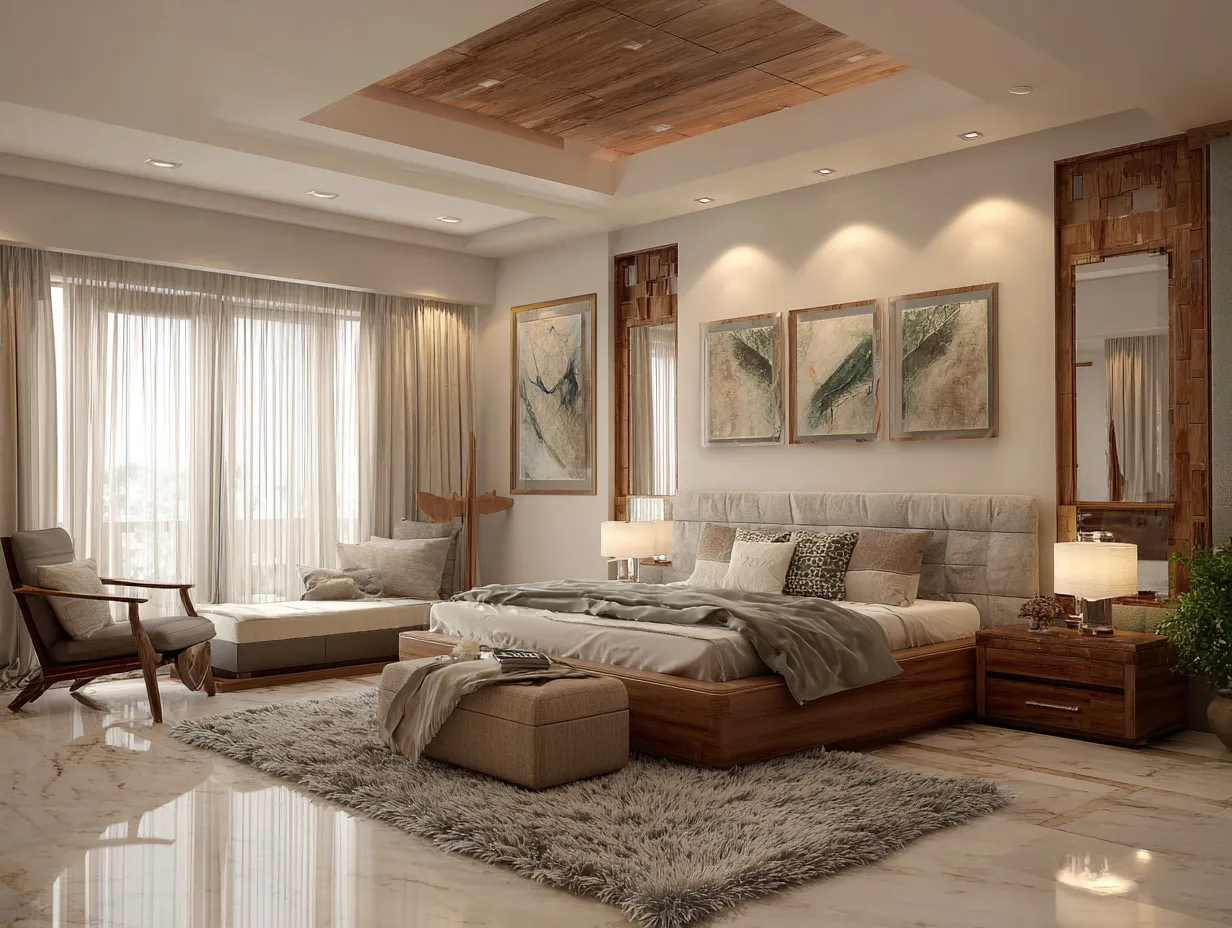
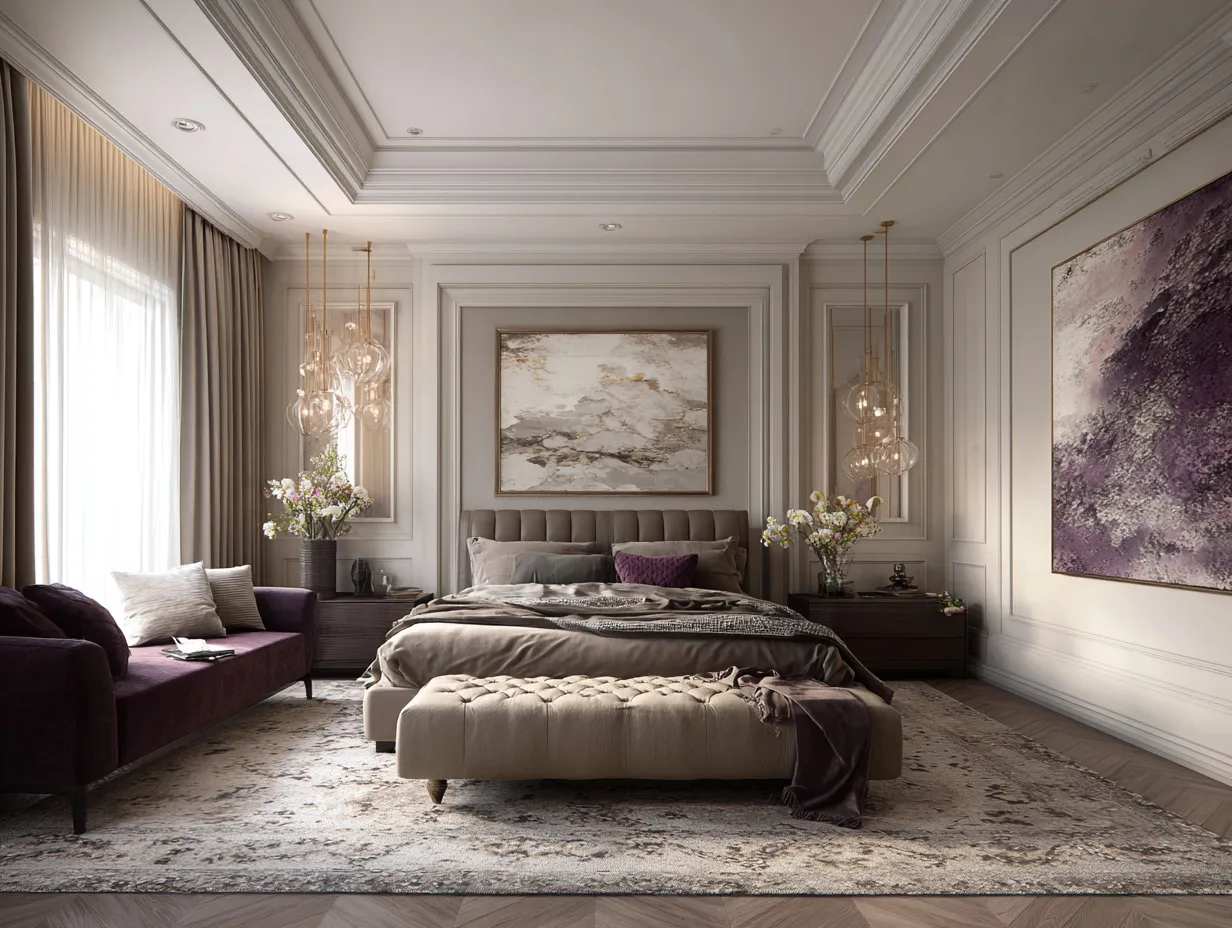
In the world of latest bedroom interior design, minimalist elegance has emerged as a predominant trend. This style, characterized by its simplicity and focus on functionality, brings a sense of calm and order to the bedroom, which is increasingly appreciated in today’s fast-paced lifestyle. Minimalist design in bedrooms is not just about having fewer items; it’s about selecting elements that are both aesthetically pleasing and practical, creating a space that is both serene and efficient.
The minimalist bedroom is defined by clean lines, a monochromatic color palette, and a lack of clutter. The furniture is often sleek and unobtrusive, with simple shapes and a focus on utility. This doesn’t mean that the space lacks character or warmth; rather, the careful selection of a few key pieces can create a room that is both inviting and reflective of personal style. If you’re working with a compact layout, a minimalist bedroom look built on these same principles can make even a small room feel twice its size.
An essential aspect of minimalist design is the use of space. Every item in a minimalist bedroom has a purpose and a place. Storage is smartly designed to be as inconspicuous as possible, often built into the walls or furniture. This approach not only saves space but also creates a streamlined look that is visually appealing and easy to maintain.
Color plays a crucial role in minimalist bedrooms. Neutral colors, such as whites, beiges, and greys, are commonly used to create a tranquil and airy atmosphere. These colors also have the advantage of reflecting light, making the room appear larger and more open. However, minimalism doesn’t mean the absence of color. Accents in bolder hues can be used strategically to add depth and interest to the room without overwhelming it.
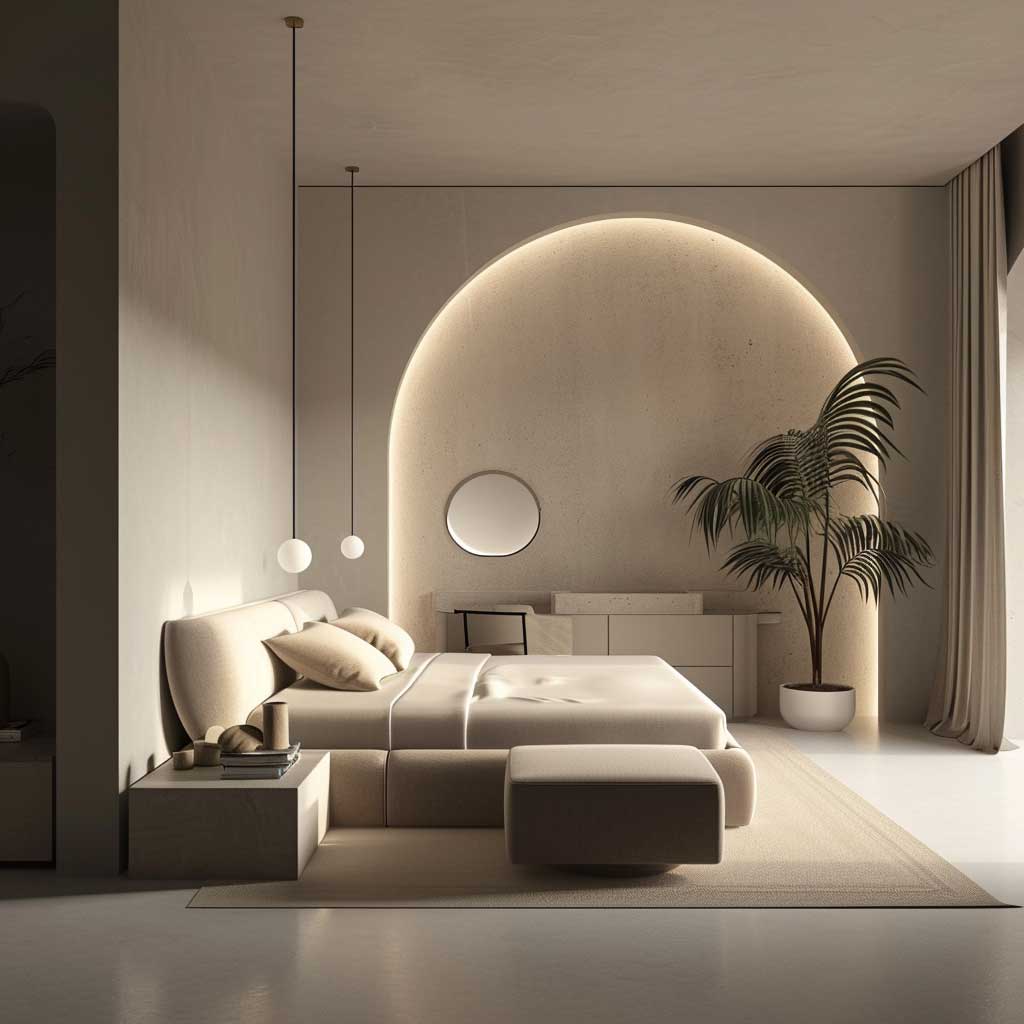
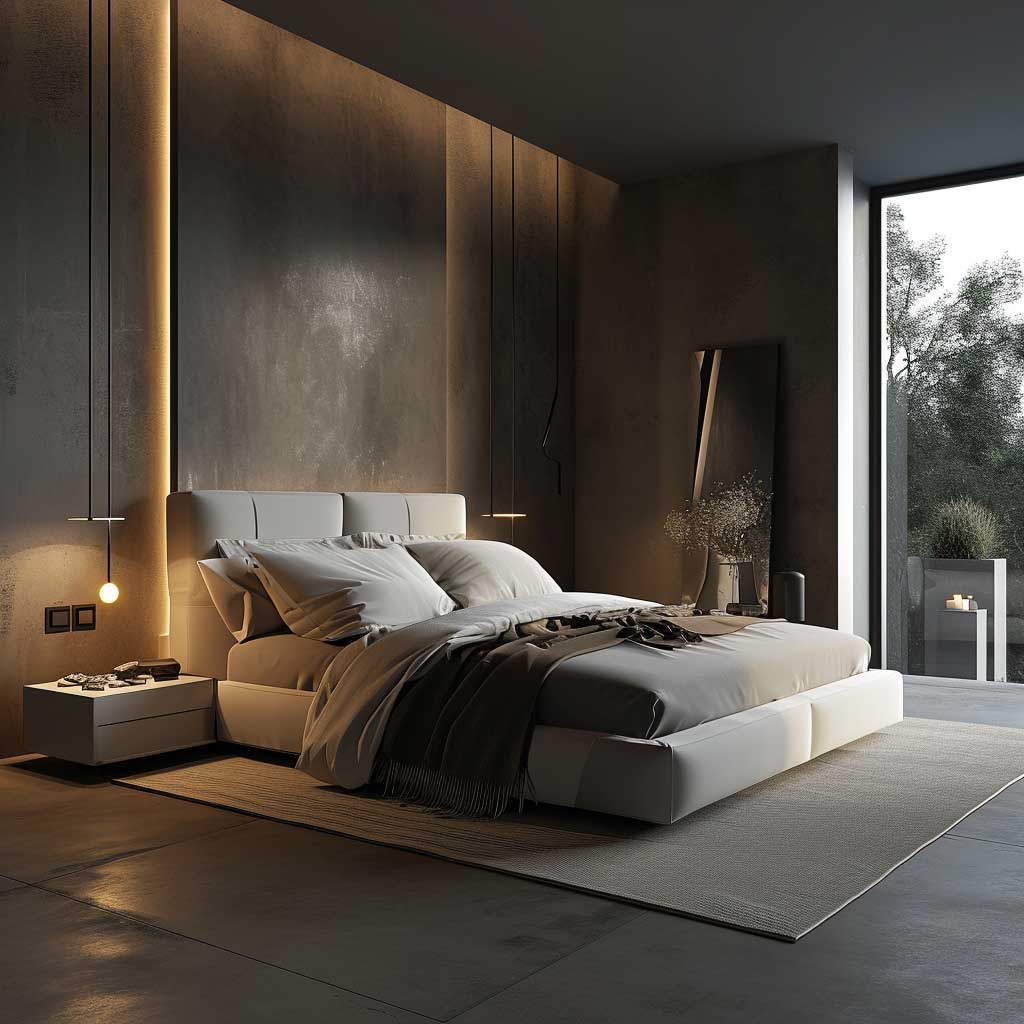
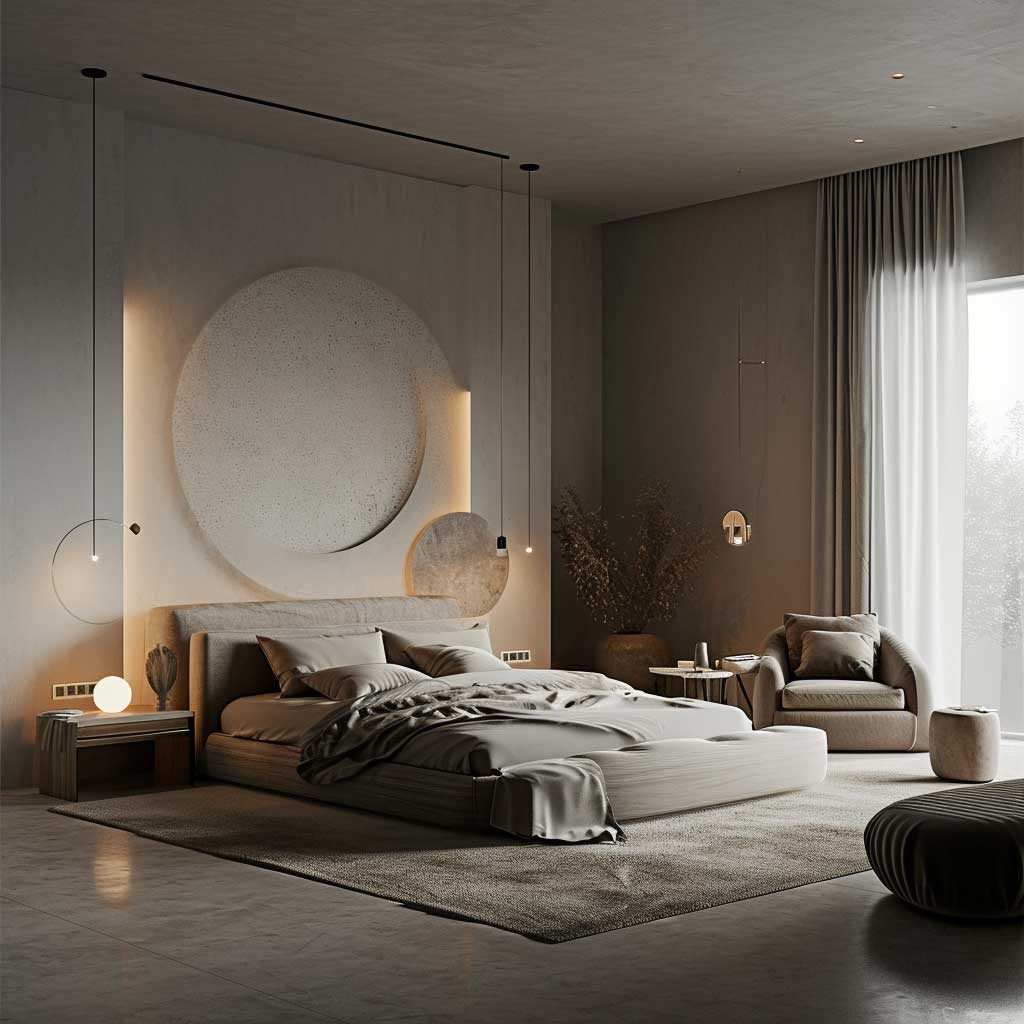

Lighting is another critical element in minimalist bedroom design. Natural light is maximized to enhance the sense of space and openness. For artificial lighting, fixtures are often simple and functional, with clean lines that complement the room’s design. The use of dimmers and layered lighting can help create different moods in the room, from bright and energizing to soft and relaxing.
In terms of decor, minimalist bedrooms often feature a select few pieces of art or decoration that have personal significance. These items are chosen carefully to ensure they contribute to the room’s overall sense of harmony and balance. Decorative elements are used sparingly, ensuring that each piece makes a statement without causing visual clutter.
The choice of textiles in minimalist bedrooms also reflects the overall design philosophy. Bedding is typically high-quality and in neutral colors, complementing the room’s color scheme. Textures play an important role here, adding layers of comfort and luxury without compromising the room’s clean aesthetic.
The minimalist bedroom is not just a design choice; it’s a lifestyle choice. It promotes a sense of peace and tranquility, essential for rest and rejuvenation. The uncluttered space is conducive to relaxation and can help in reducing stress and anxiety. In a world where constant stimulation is the norm, a minimalist bedroom can serve as a sanctuary of calm and simplicity.
In summary, minimalist elegance in the latest bedroom interior design represents a deliberate move towards simplicity and functionality. It’s about creating a space that is not only beautiful and modern but also practical and calming. This design trend reflects a growing desire for tranquility and order in our personal spaces, making it a popular choice for contemporary bedrooms.
Bold Bed Room Design Ideas: Colors, Textures, and What to Avoid
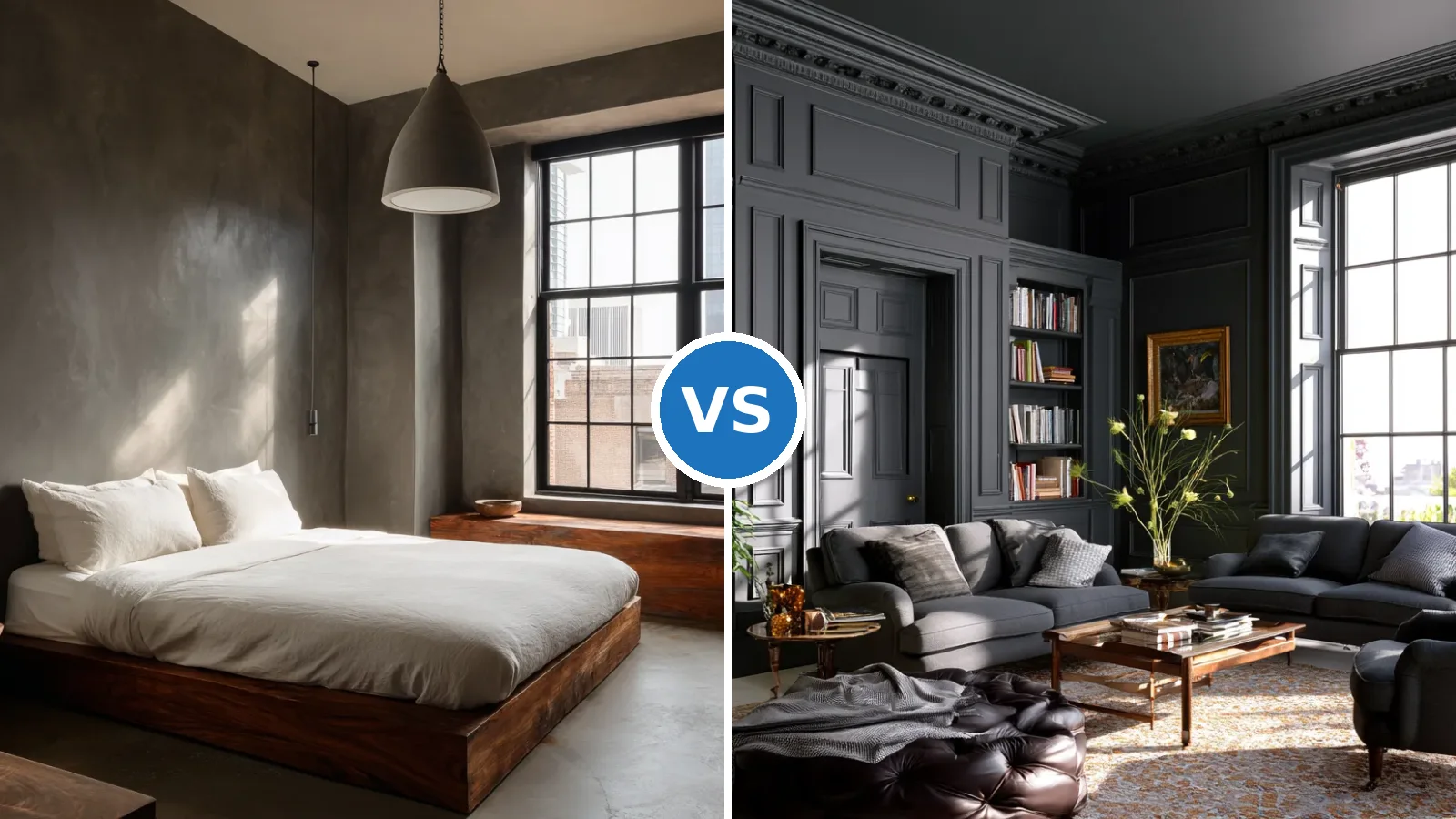
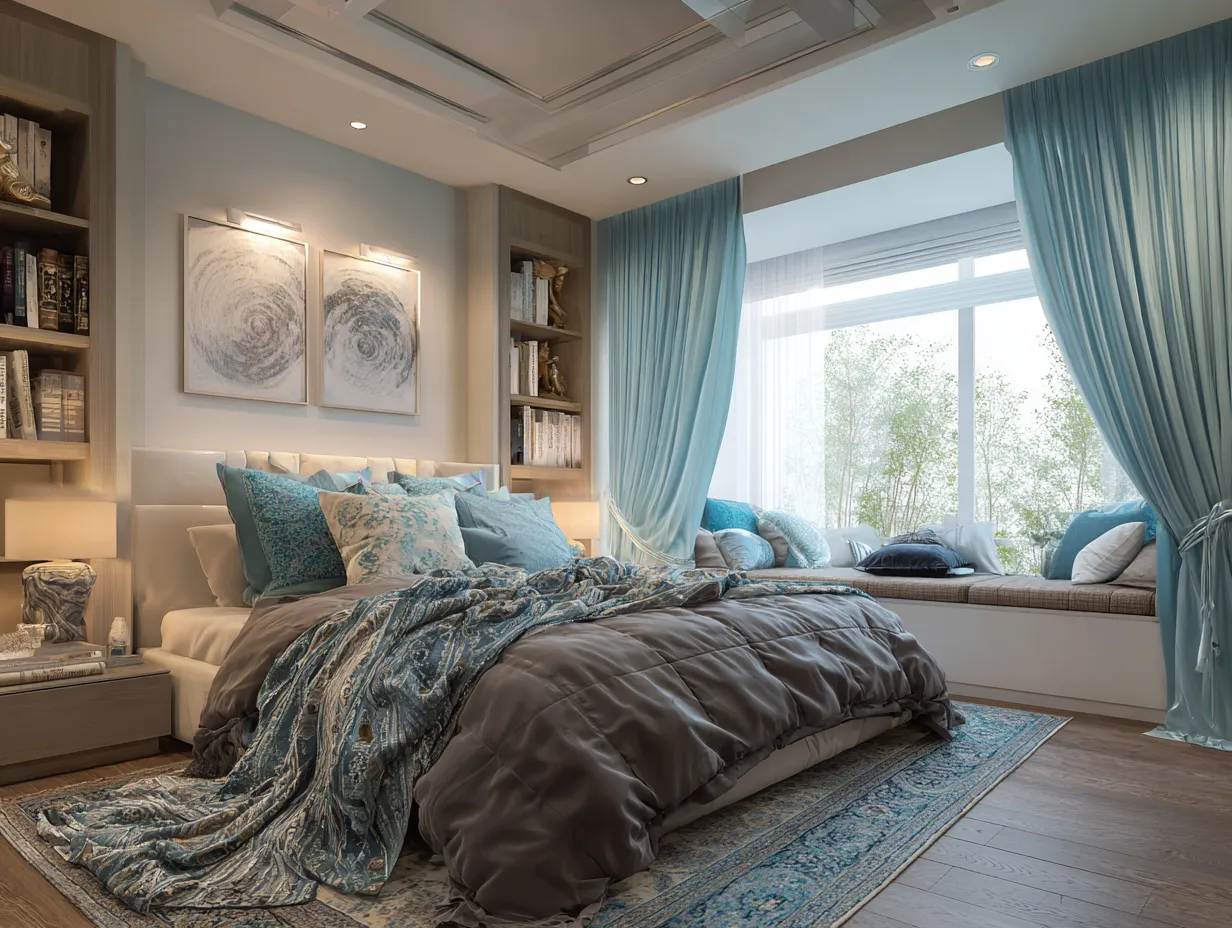
Farrow & Ball Hague Blue ($115/gallon) is the best dark paint I’ve used for a bedroom accent wall. Benjamin Moore Gentleman’s Gray is a close second at roughly $80. Don’t buy Behr’s dark blues for an accent wall — they dry chalky and need three coats minimum. I learned that after wasting an entire Saturday.
Velvet headboards look incredible for about eight months. Then cat hair, dust, and body oil turn them into a science experiment. If you want texture behind the bed, try a wood slat panel instead. IKEA’s MANDAL headboard was discontinued years ago, but the knockoffs on Amazon ($60–$90) do the same job without the dry cleaning bills.
The one bold bed room design move that costs nothing? Remove the top sheet. European-style duvet-only bedding with a thick linen cover in terracotta or navy makes any room look like it belongs in an Architectural Digest spread. Your mom will hate it. Your bedroom will look twice as expensive.
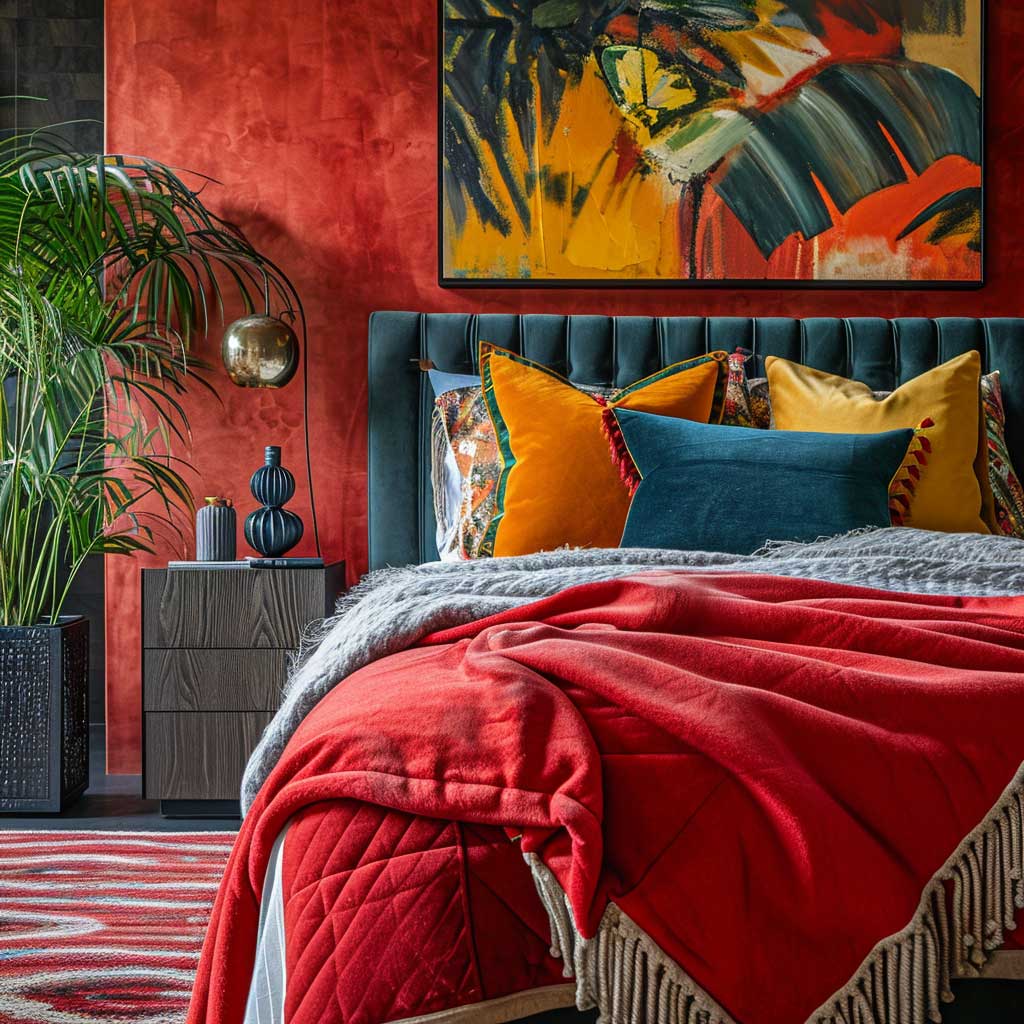
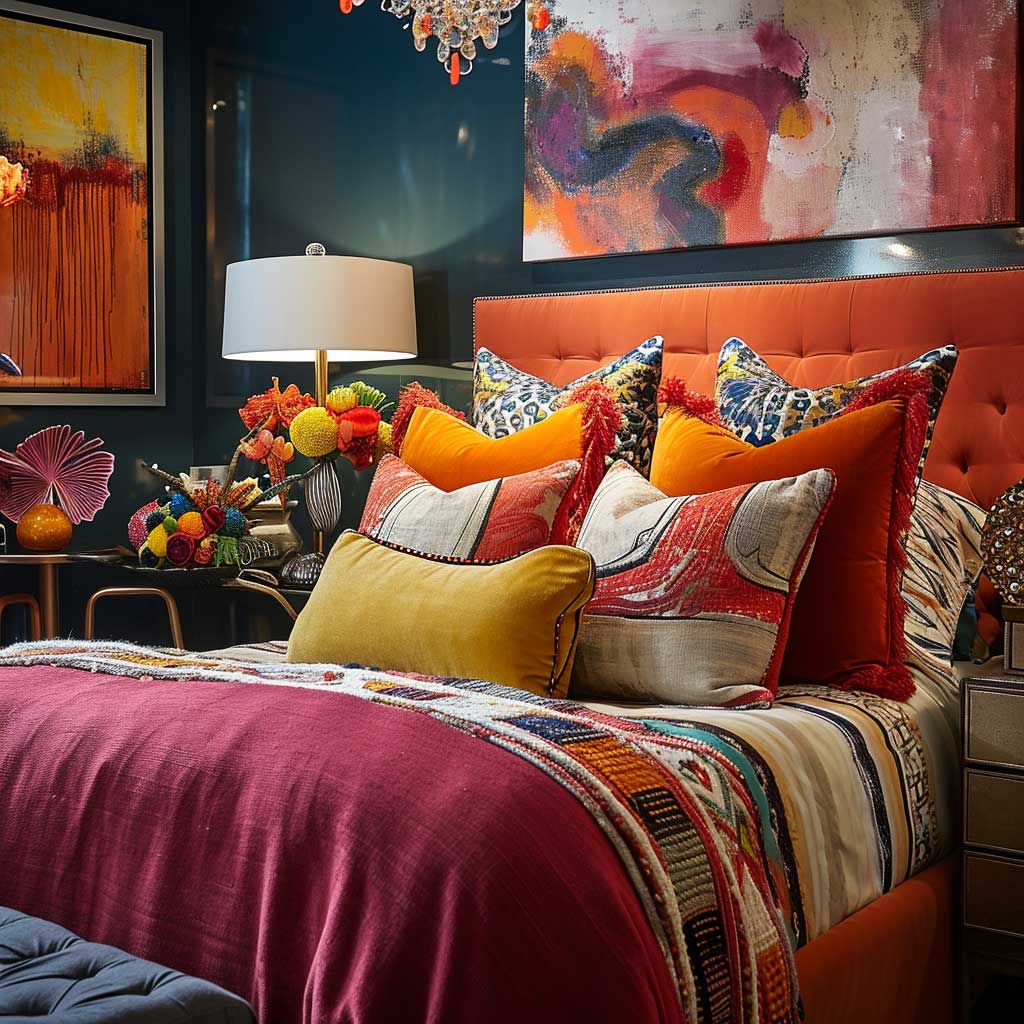
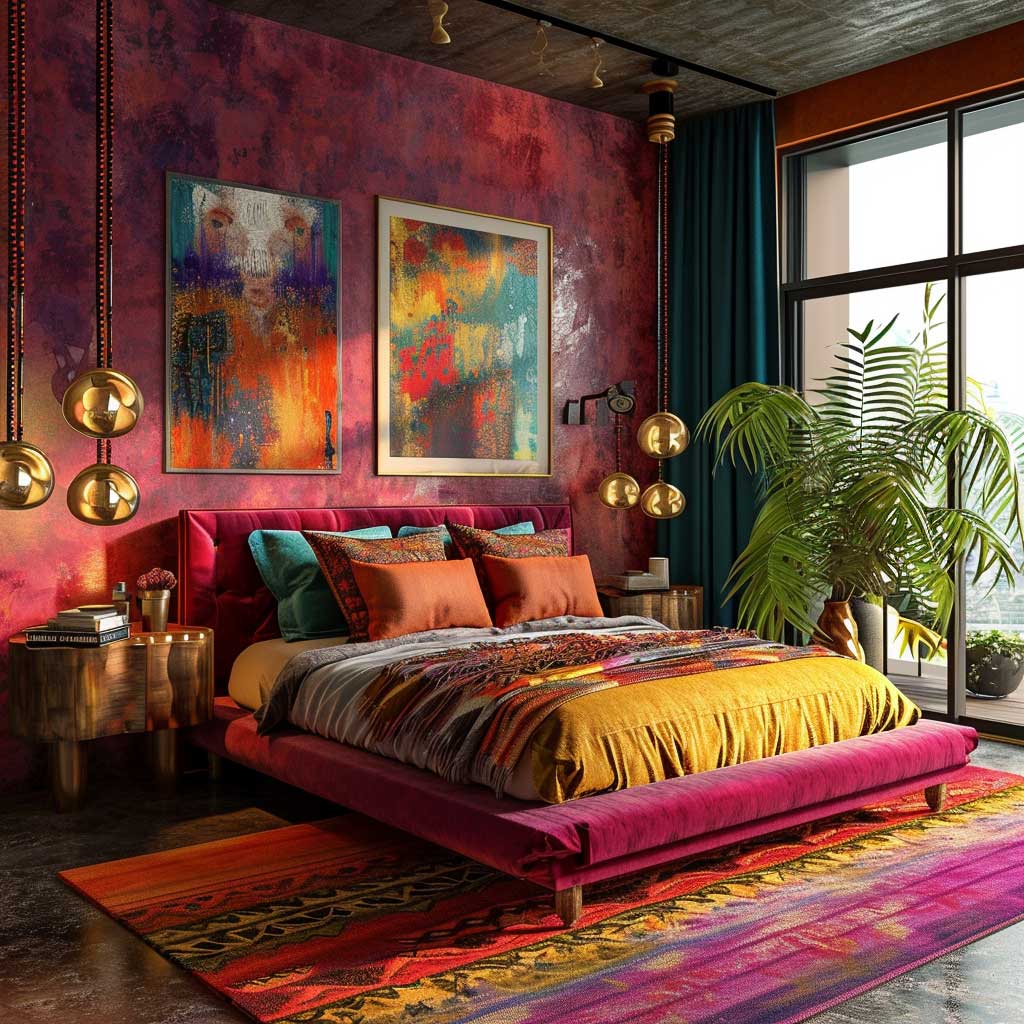
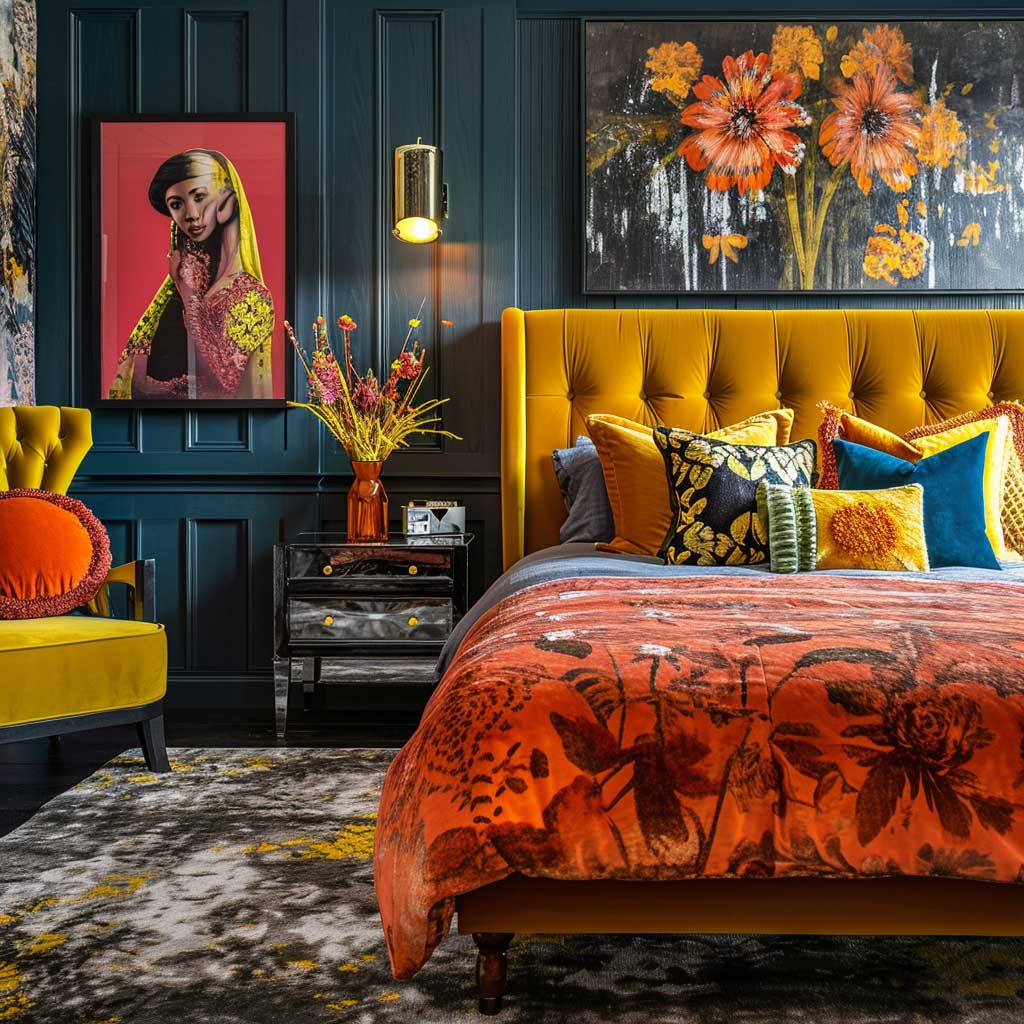
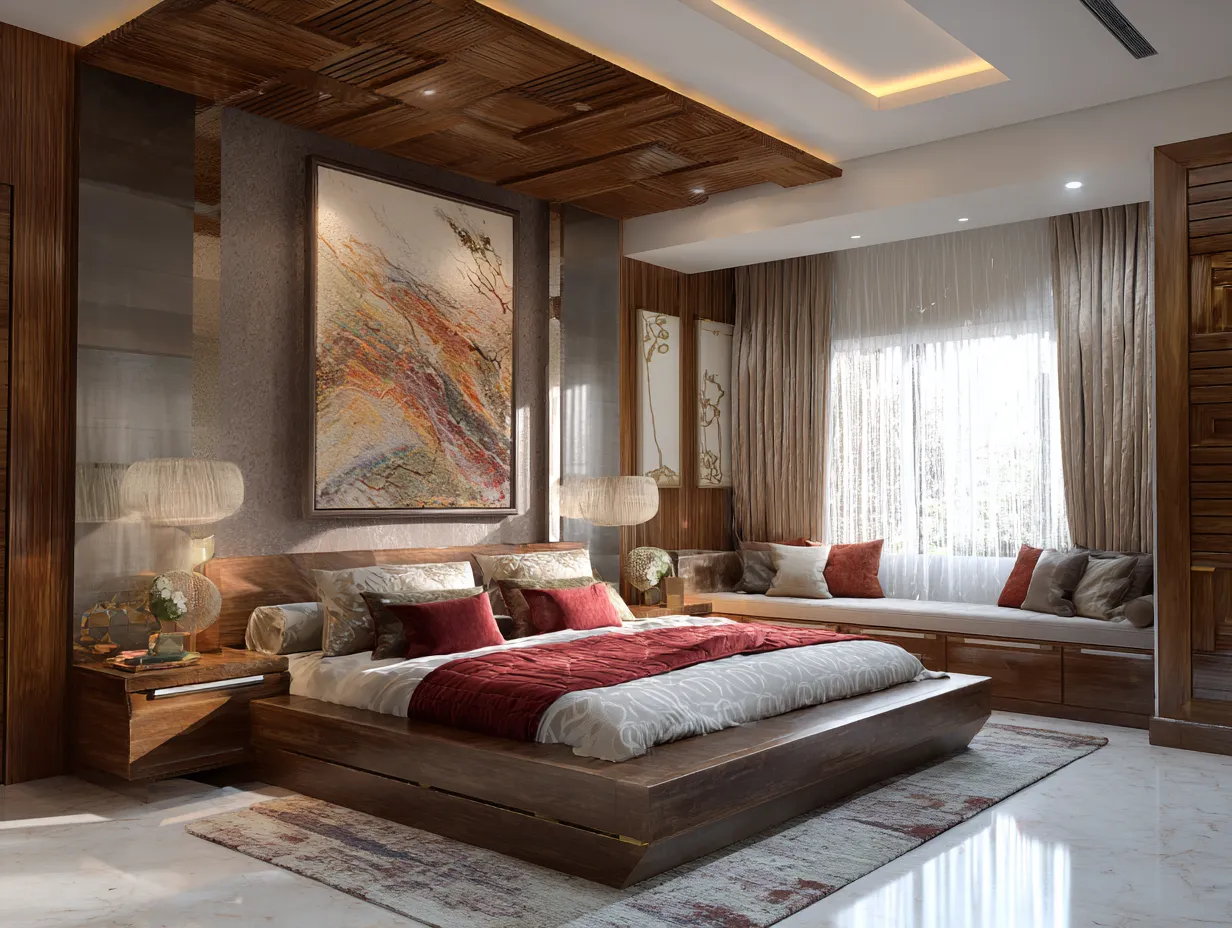
The latest trends in bedroom interior design are embracing a bolder approach, where vibrant colors and rich textures come together to create dynamic and expressive spaces. This shift marks a departure from the more muted and minimalistic styles, offering a fresh perspective on how bedrooms can be transformed into energetic and personalized havens. The use of bold colors and textures in modern bedroom designs reflects a desire for individuality and creative expression, making each bedroom a unique statement of personal style.
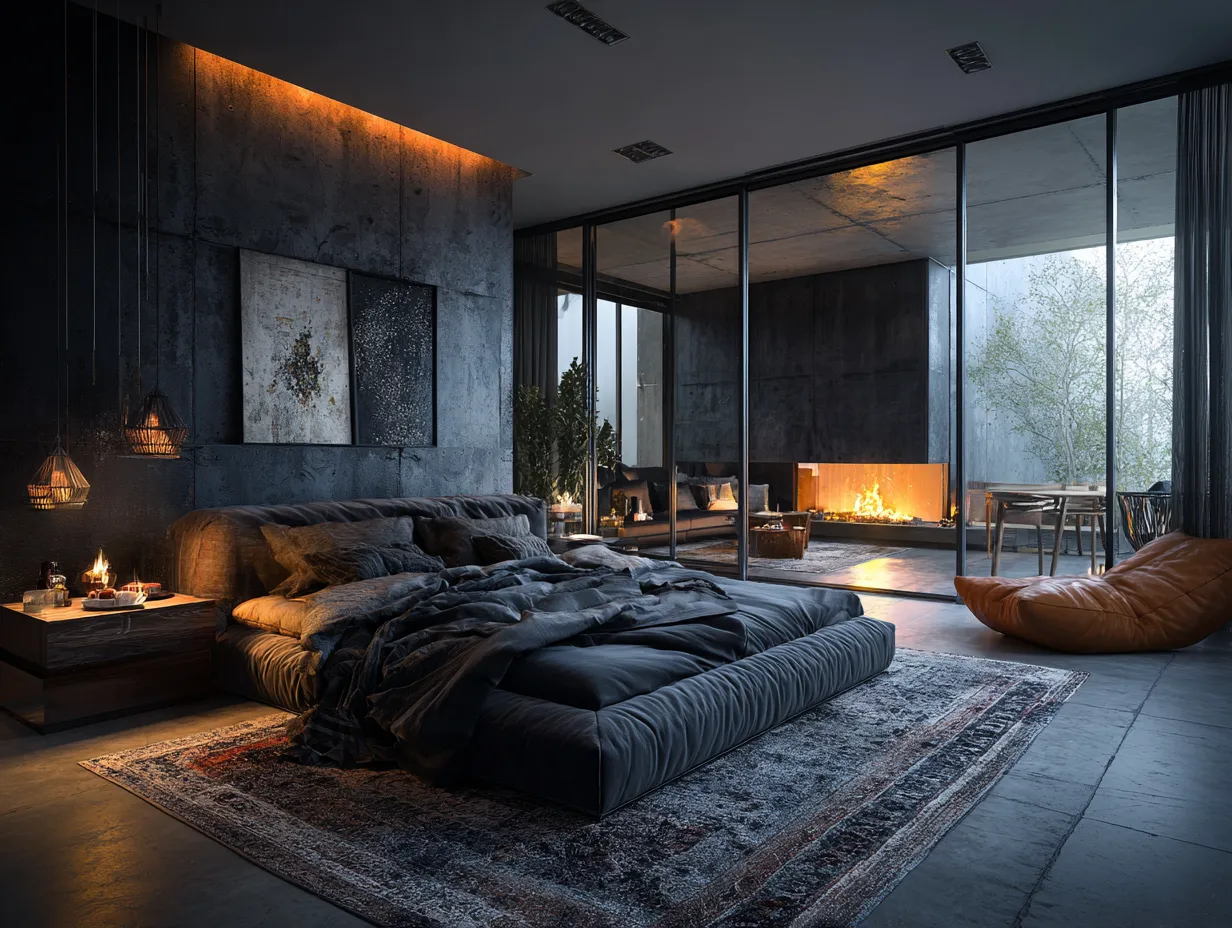
Incorporating bold colors into a bedroom’s design immediately alters the room’s energy. Vivid hues such as deep blues, bright reds, or lush greens can serve as focal points or be used to accentuate specific areas. These colors can be applied through paint, wallpaper, or through key pieces of furniture and decor. The choice of a bold color palette brings life and vibrancy to the space, reflecting the occupant’s personality and tastes. For a monochromatic take on bold contrast, black and white bedroom ideas with metal accents deliver drama without the commitment of a full color overhaul.
Textures play an equally important role in adding depth and interest to the bedroom. The interplay of different materials such as velvet, silk, wool, or linen can create a rich tapestry of sensations. Textured wall coverings or rugs can add a tactile dimension to the room, making it more inviting and comfortable. The combination of various textures can also help to balance out the boldness of the colors, ensuring that the room remains harmonious and pleasing to the eye.
The integration of bold colors and textures in bedroom design is not just about aesthetic appeal; it also impacts the room’s atmosphere. Colors can evoke different moods and emotions, from the calming effect of cool blues to the energizing impact of warm reds. Textures add a layer of coziness and comfort, essential for a space meant for relaxation and rejuvenation.

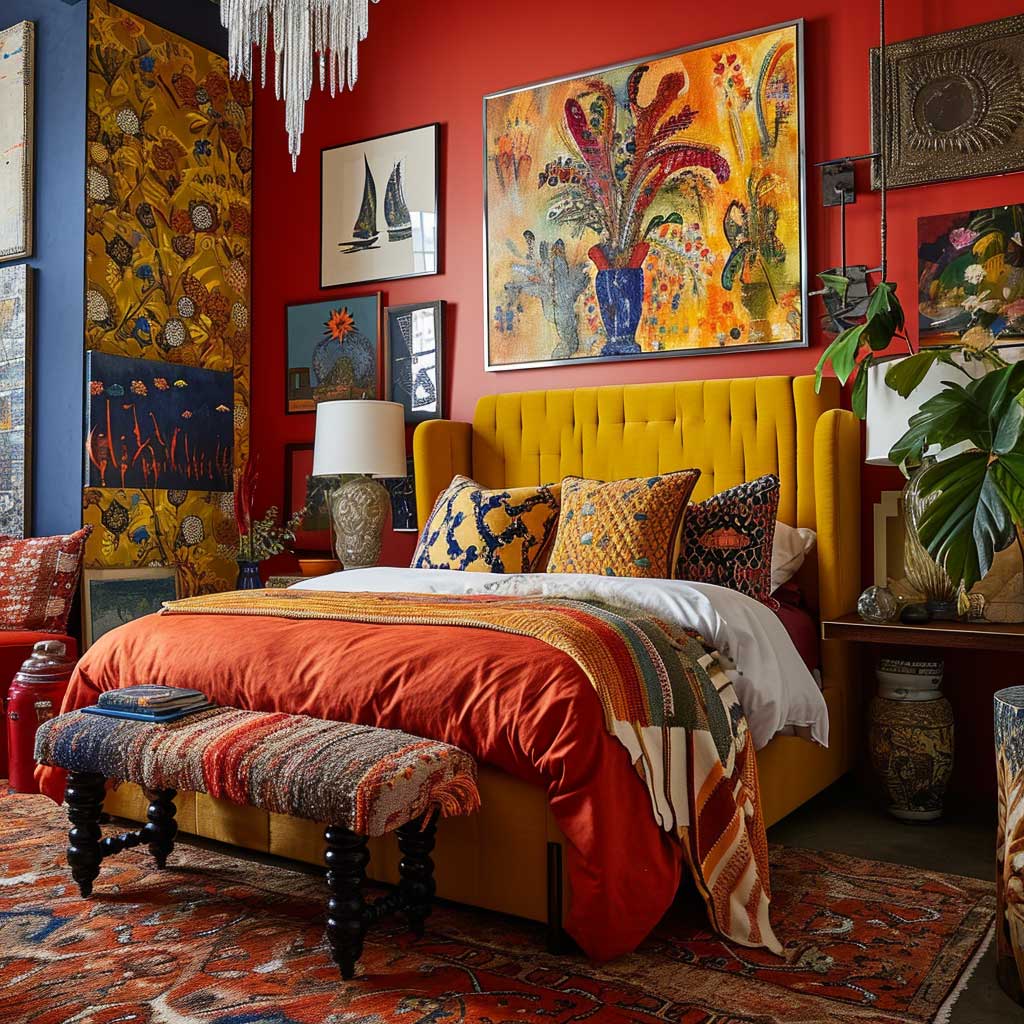
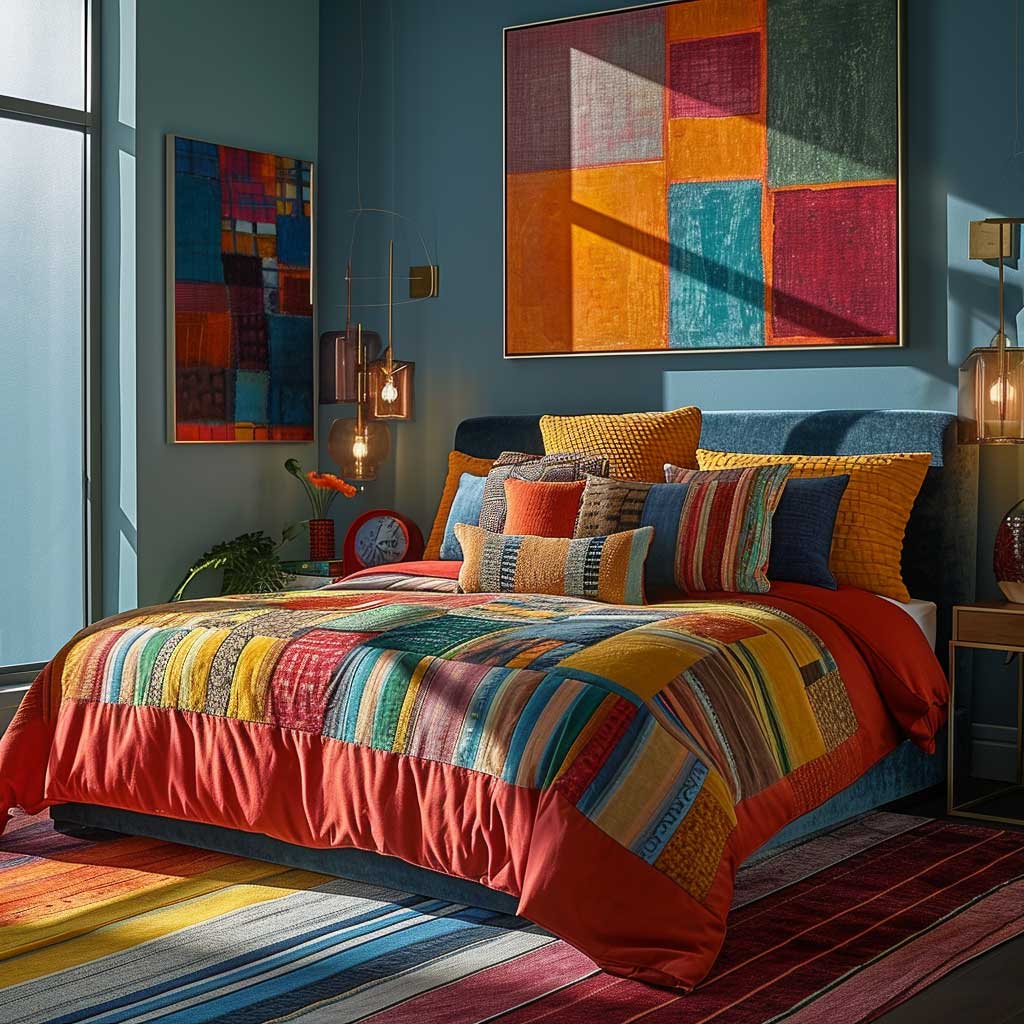
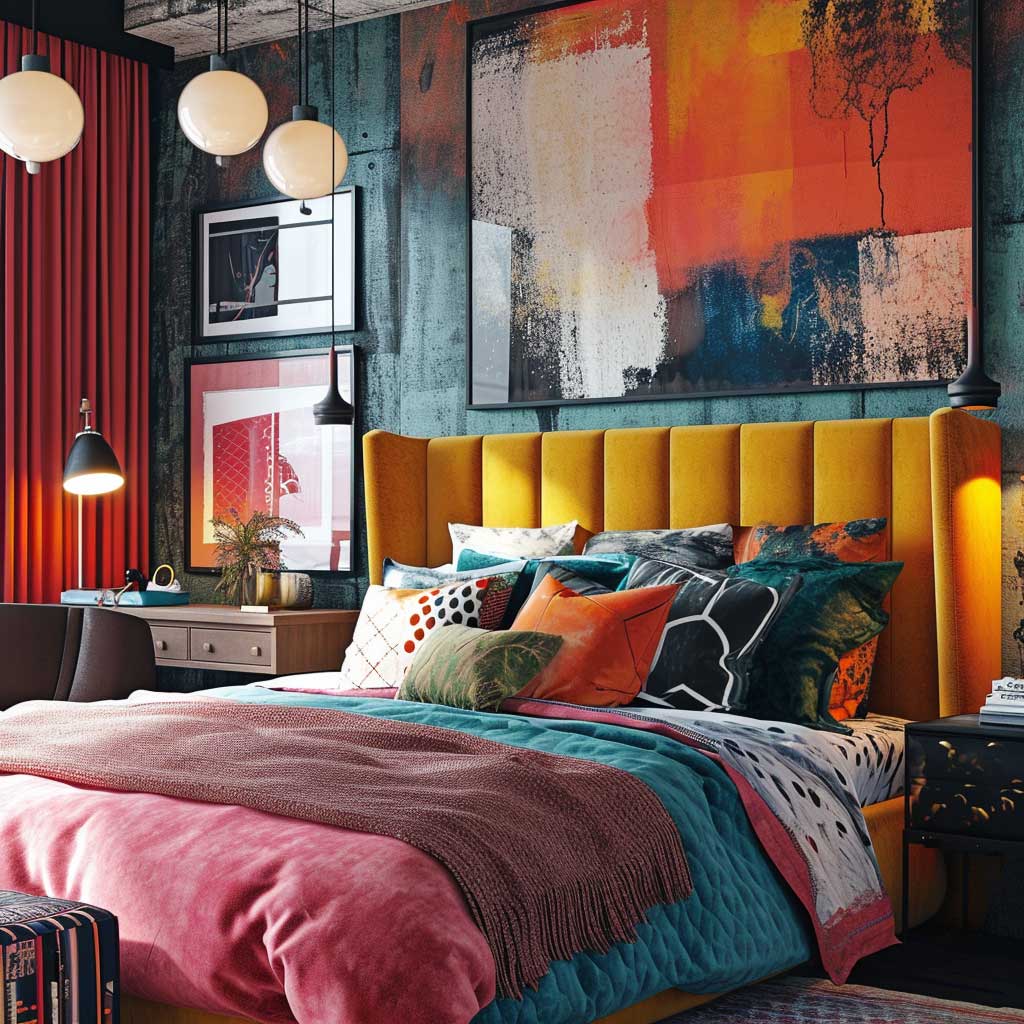
Furnishings in these boldly designed bedrooms are chosen not just for their functionality but for their ability to complement the room’s overall theme. Statement pieces, whether a uniquely designed bed frame or an eye-catching dresser, can serve as art pieces in their own right. The furniture becomes an integral part of the room’s design narrative, contributing to the overall aesthetic and feel of the space.
Accessorizing a bedroom with bold colors and textures offers endless possibilities. Artwork, cushions, throws, and curtains can all be used to introduce these elements into the room. These accessories allow for flexibility, as they can be easily changed to update the room’s look or to suit changing tastes.
Lighting is a critical component in these bedrooms, as it can significantly impact how colors and textures are perceived. The right lighting can enhance the vibrancy of the colors and bring out the richness of the textures. Layered lighting, combining ambient, task, and accent lights, can be used to create different moods and highlight various aspects of the room’s design.
The trend of using bold colors and textures in bedroom design is a reflection of a broader movement towards more personalized and expressive interior design. It allows individuals to create spaces that are not just functional but also deeply reflective of their personalities and lifestyles. These bedrooms are not just places to sleep; they are personal sanctuaries that inspire and energize.
In conclusion, the latest trends in bedroom interior design are moving towards a more daring and individualistic approach. Bold colors and rich textures are being used to create spaces that are dynamic, expressive, and deeply personal. This approach to bedroom design not only enhances the visual appeal of the space but also enriches the living experience, making the bedroom a true reflection of the individual’s style and preferences.
Smart Bedroom Interior Design: High-Tech Features Worth the Money
Philips Hue starter kits run about $130 for three bulbs and a bridge. Worth every cent for bedroom interior design. Set the lights to 2700K warm white at 40% brightness after 9 PM and your melatonin production doesn’t get wrecked. The Govee strip lights ($25 on Amazon) behind a headboard give you 90% of the same effect at 20% of the price.
Don’t buy a smart mattress. I tested the Sleep Number 360 for six months. The air chambers deflated twice, the app crashed weekly, and the “auto-adjust” feature woke me up more than my toddler. A regular Tuft & Needle Original ($595 for queen) with a separate Oura Ring ($299) gives you better sleep data and a mattress that actually stays inflated.
Motorized blackout blinds from IKEA (FYRTUR, around $130–$170 per window) are the single best investment for any bedroom design. Manual blinds bunch up, cord blinds are a child safety hazard, and curtains collect dust like they’re getting paid for it. The FYRTUR rolls up flush to the ceiling and pairs with any smart home system. Mine have run daily for two years without a single jam.
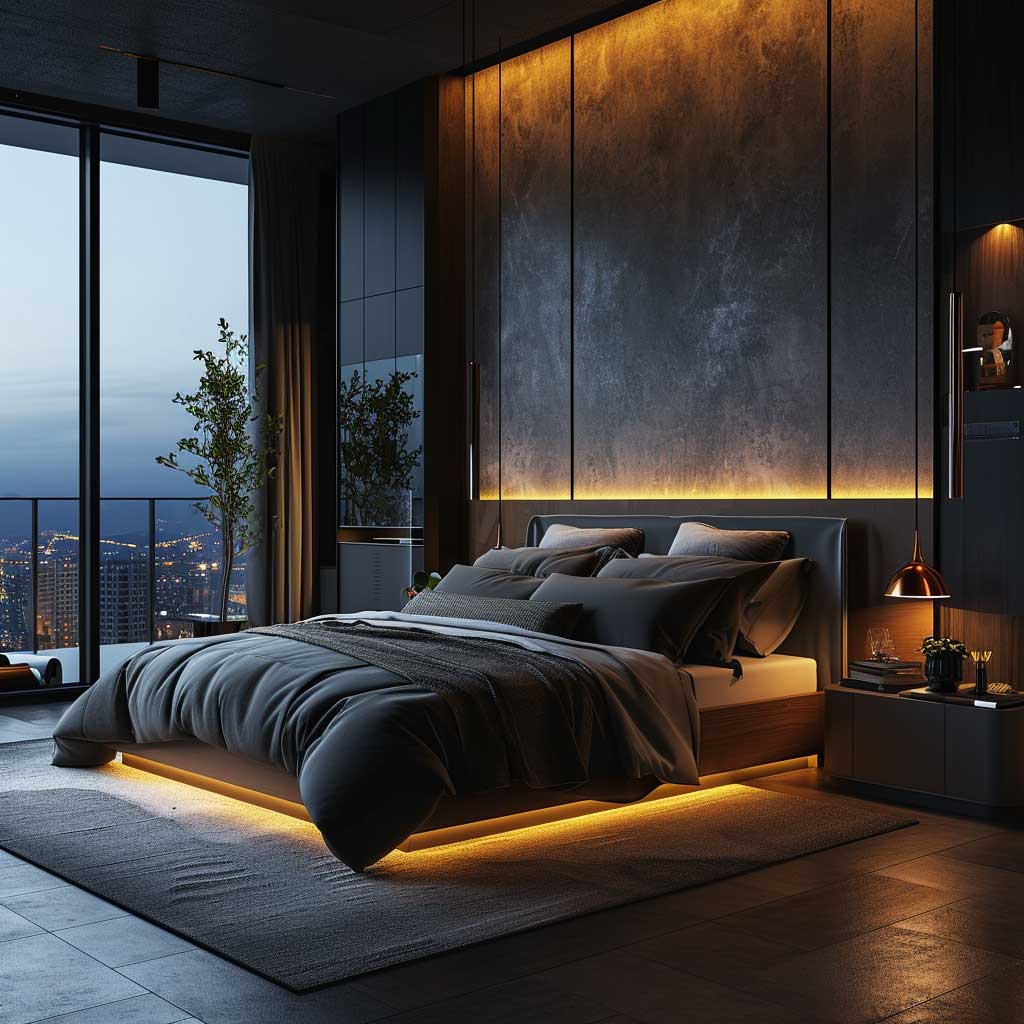

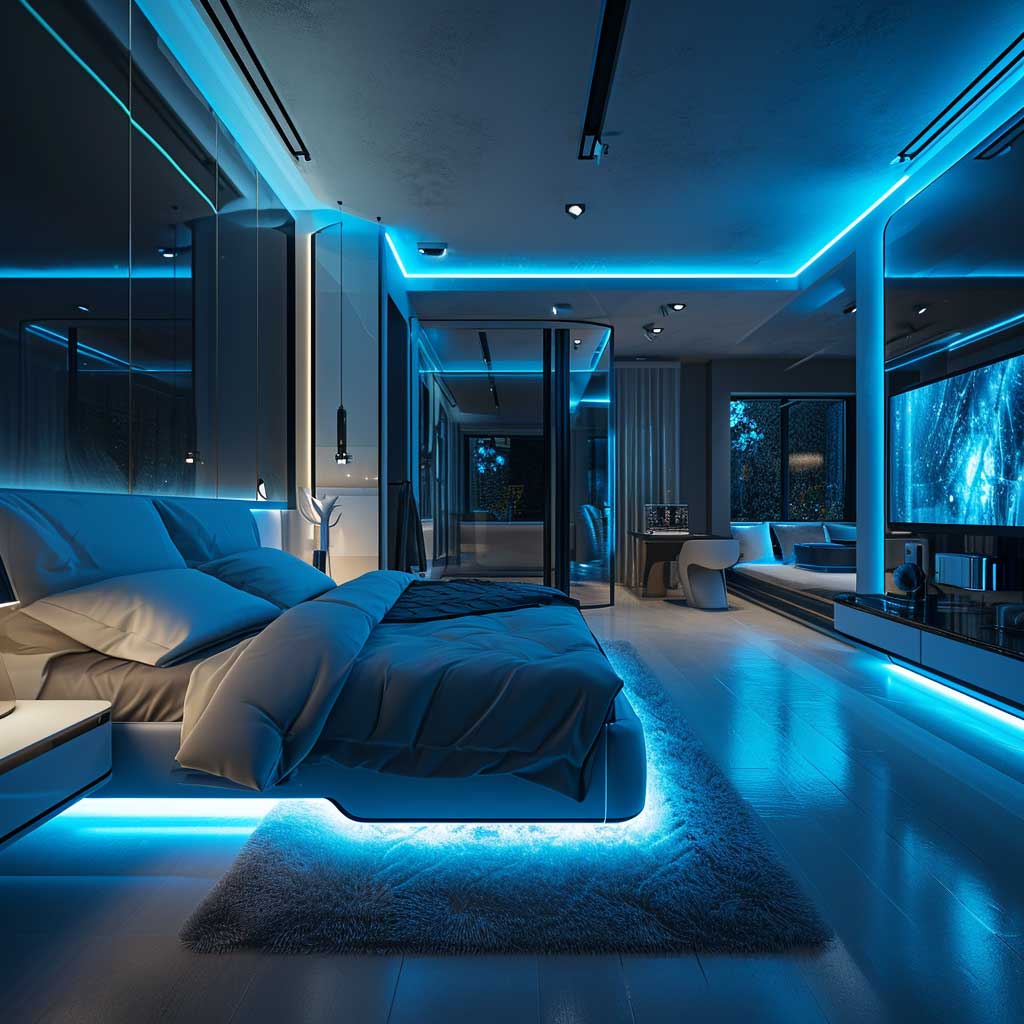

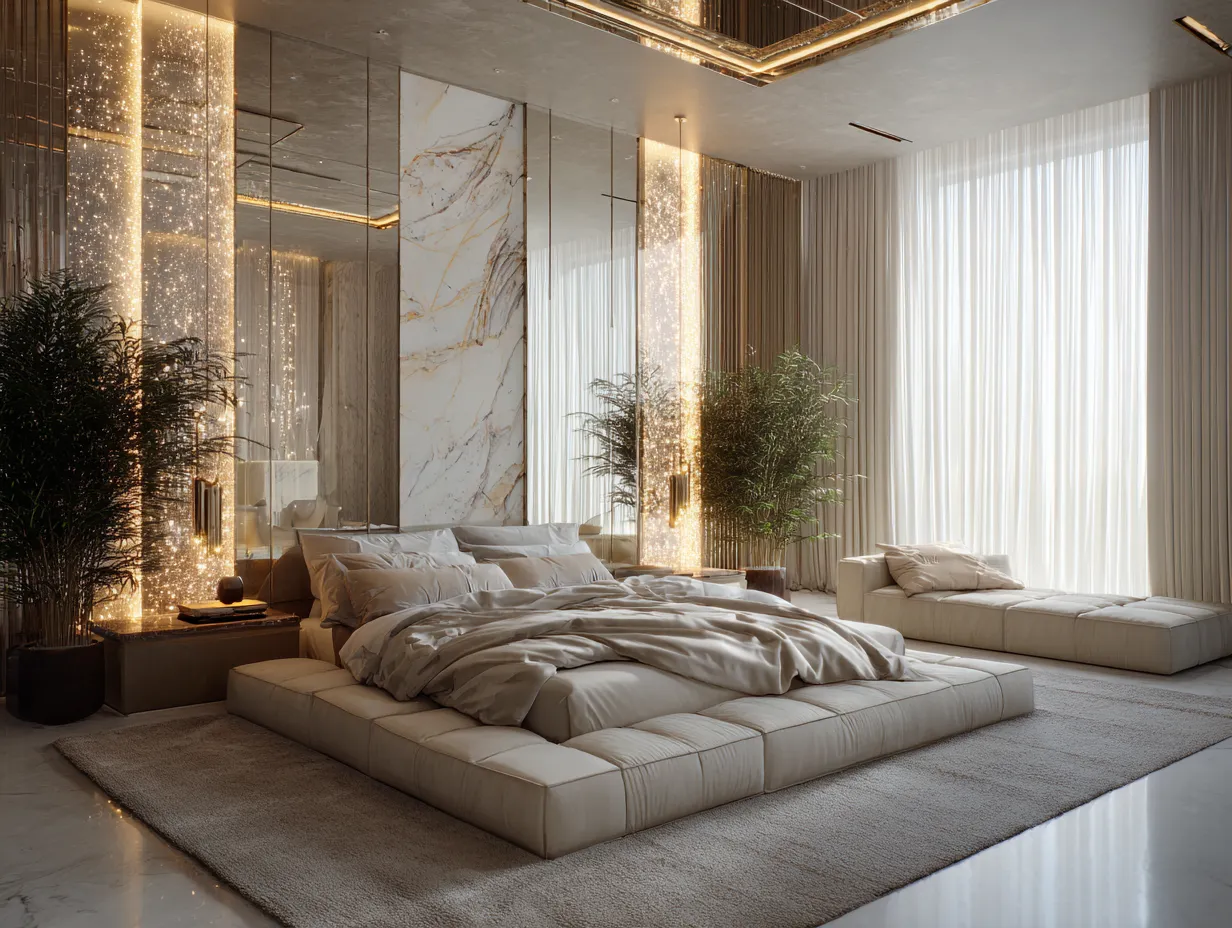
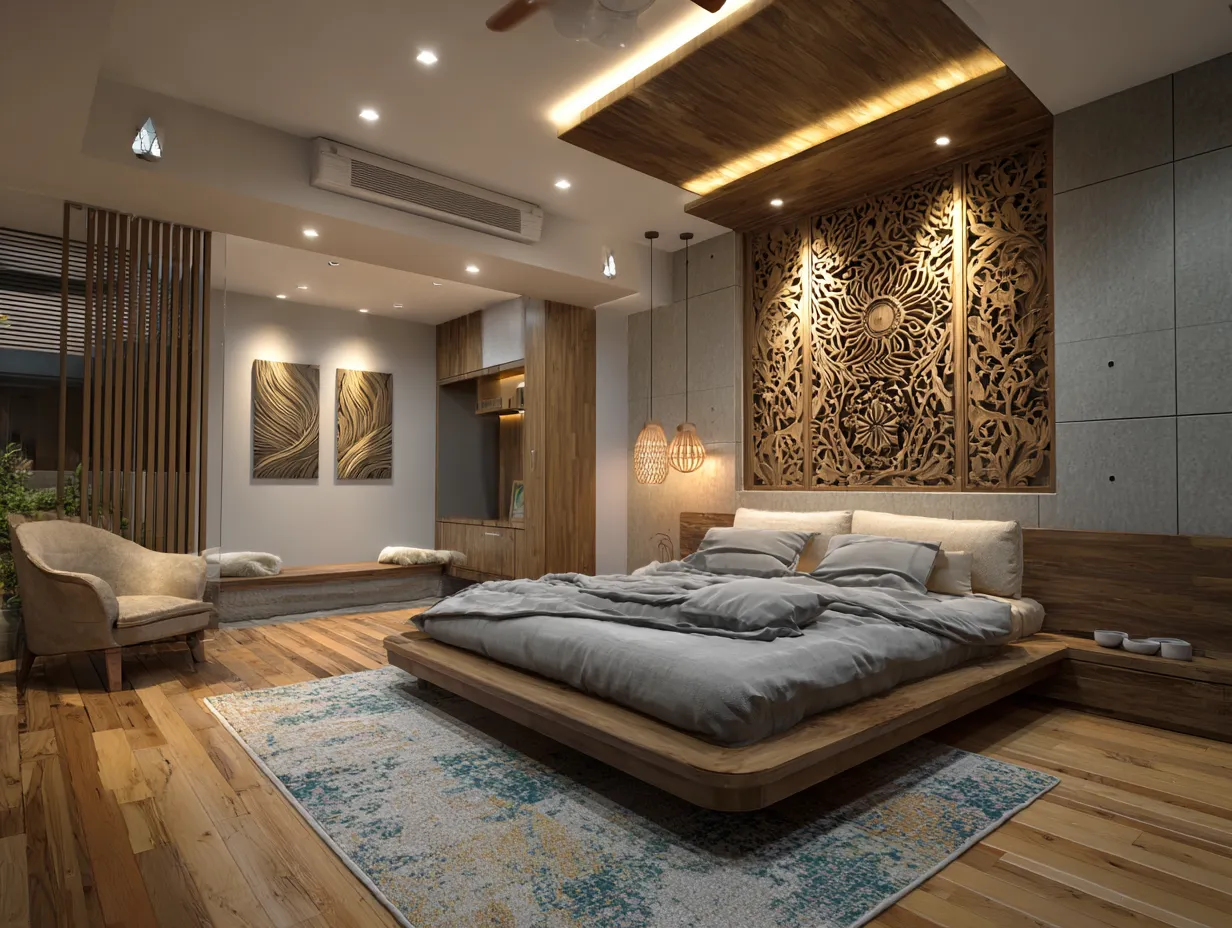
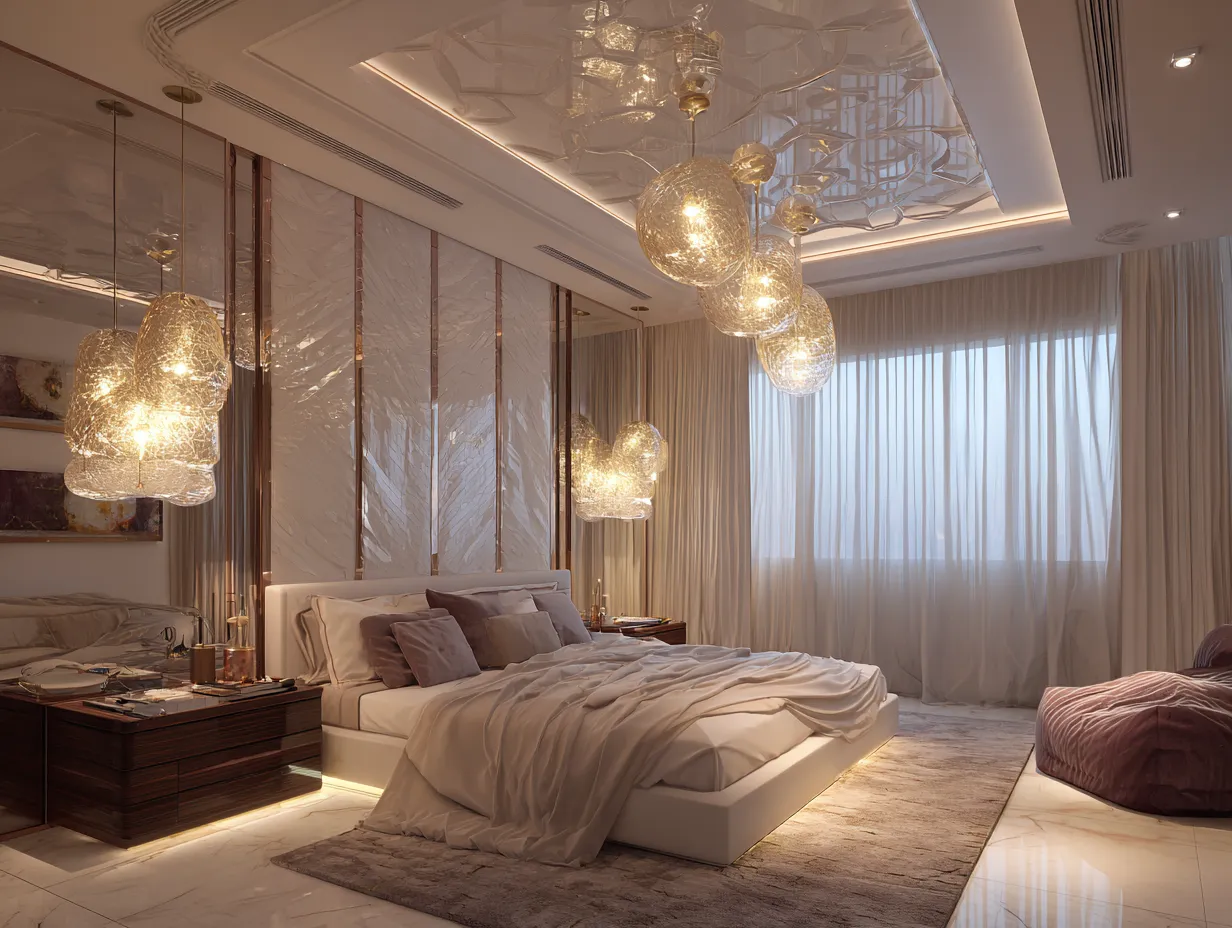
The integration of high-tech features in contemporary bedroom interior design is a testament to how technology is shaping our living spaces. In the latest bedroom designs, technology is not just an add-on but a fundamental component that enhances both the functionality and aesthetics of the room. These high-tech features range from smart lighting systems to advanced climate controls, all seamlessly blended into the bedroom’s design to create a space that is not only modern and stylish but also highly responsive to the occupant’s needs.
Smart lighting systems are a cornerstone of high-tech bedrooms. These systems allow for the customization of lighting based on time, mood, or activity. With smart lighting, one can easily adjust the brightness, color temperature, and even the color of the lights, all through a smartphone or voice command. This level of control transforms the bedroom into a dynamic space that can adapt to various needs, whether it’s a bright, energizing morning light or a soft, soothing glow for the evening. According to Homes & Gardens’ 2026 bedroom trends report, color drenching and atmospheric lighting are the two changes driving most bedroom redesigns this year.
Climate control is another high-tech feature that is becoming increasingly popular in modern bedrooms. Advanced systems can maintain the perfect temperature throughout the night, ensuring a comfortable and uninterrupted sleep. Some systems even allow for the bedroom’s climate to be controlled remotely, so one can adjust the temperature before even entering the room.
The inclusion of automated window treatments in contemporary bedroom designs adds another layer of convenience and comfort. These systems allow for the control of blinds or curtains through automated mechanisms, enabling the regulation of natural light and privacy with ease. Whether it’s waking up to natural sunlight or ensuring complete darkness for a restful sleep, automated window treatments provide a practical and luxurious touch.

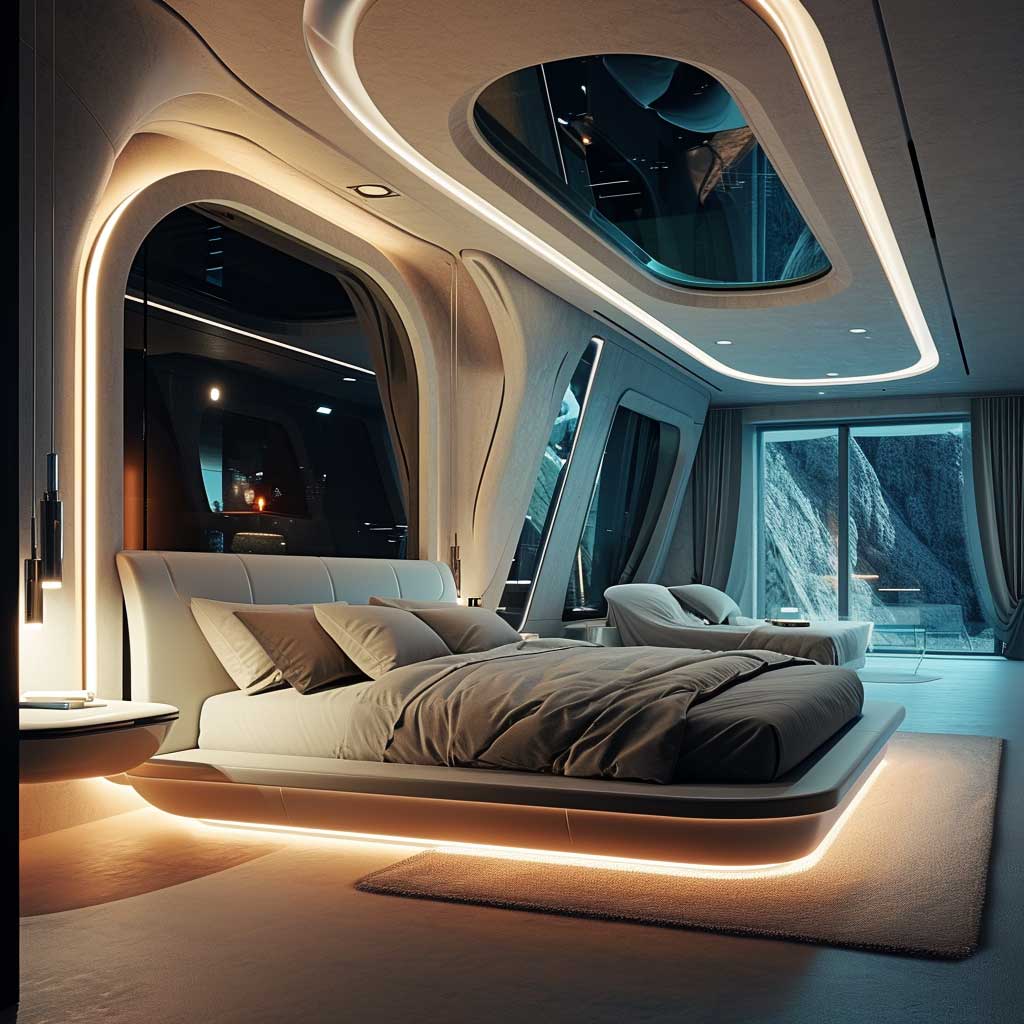
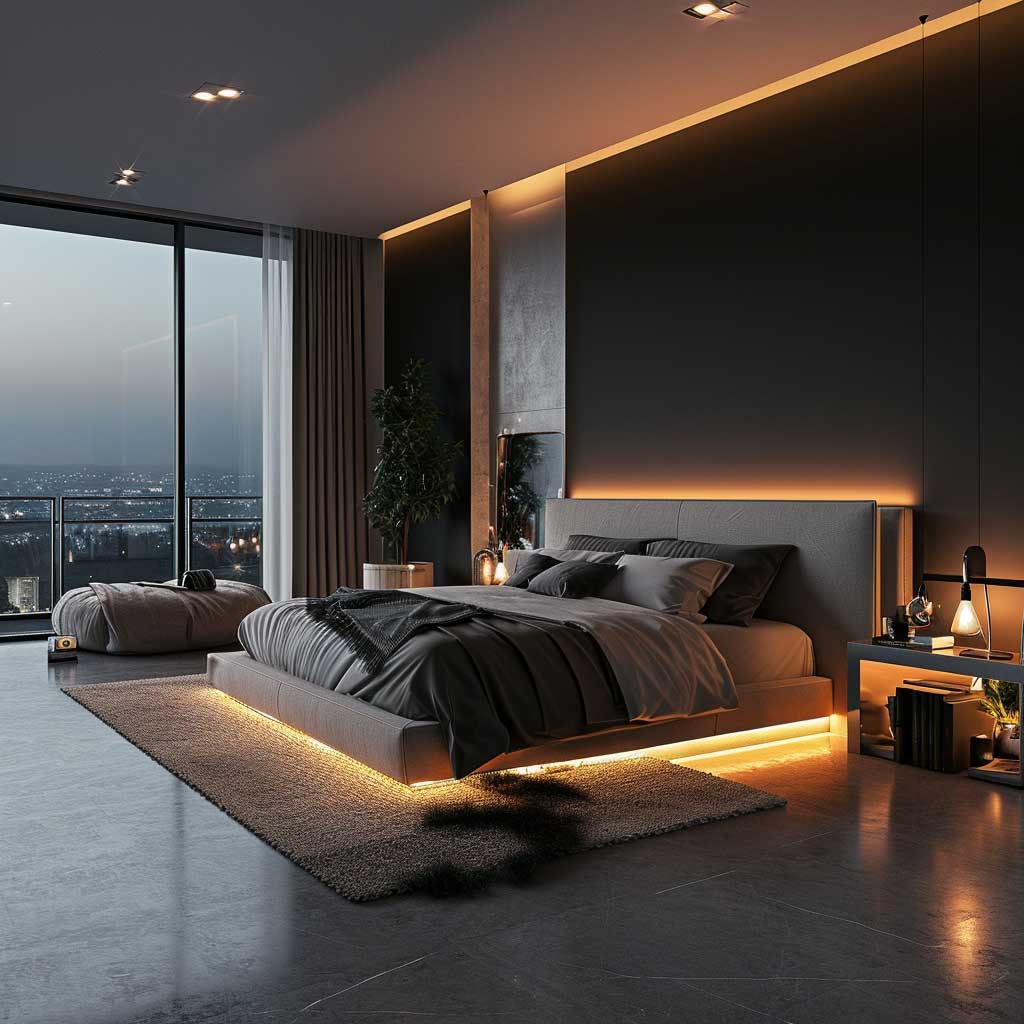

Entertainment and connectivity are also key aspects of high-tech bedrooms. Integrated sound systems and hidden televisions that emerge at the touch of a button are examples of how technology can be harmoniously incorporated into the room’s design. These features provide entertainment and connectivity without disrupting the room’s aesthetics, maintaining a clean and uncluttered look.
Sleep technology is an emerging field that is becoming an integral part of modern bedroom design. From smart mattresses that adjust to one’s sleeping position to sleep trackers that monitor sleep quality, technology is being used to enhance the quality of rest. These innovations are transforming the bedroom into a space that actively contributes to health and wellbeing.
The design aesthetics of high-tech bedrooms are often sleek and minimalistic, with a focus on clean lines and unobtrusive technology. The technology is integrated in such a way that it complements rather than overwhelms the room’s design. The result is a space that feels contemporary and sophisticated, with technology subtly embedded into its fabric.
In conclusion, the incorporation of high-tech features in contemporary bedroom interior design represents a convergence of technology and comfort. These features are transforming bedrooms into spaces that are not just for rest, but for enhanced living experiences. They provide convenience, entertainment, and wellbeing, all within the confines of a stylish and modern bedroom. As technology continues to evolve, it is clear that it will play an increasingly significant role in shaping our personal living spaces, making them more responsive to our needs and lifestyles.
How to Design a Simple Bedroom Interior in One Weekend
A step-by-step bed room design process that covers paint, lighting, bedding, and layout — no contractor needed.
Tools & Materials:
- Paint roller and tray
- Painter’s tape
- Dimmer switch and screwdriver
- Tape measure
Clear the room and measure
Remove all furniture, decor, and bedding. Measure the room dimensions and note window and door placements. Sketch a rough floor plan on paper or use the free RoomSketcher app.
Paint one accent wall
Pick the wall behind the bed. Use painter’s tape on edges and ceiling line. Apply two coats of your chosen color — Sherwin-Williams Alabaster for minimal, Benjamin Moore Hague Blue for bold. Let each coat dry 4 hours.
Install layered lighting
Replace the ceiling fixture switch with a dimmer ($12). Add two bedside reading lamps. Run one LED strip behind the headboard for ambient glow. Total cost: $50–$80.
Set up the bed and bedding
Position the bed centered on the accent wall. Use a linen duvet cover in a contrasting neutral. Add two accent pillows max. Skip the decorative pillow pile — nobody maintains it past week two.
Add one statement piece and stop
Pick one item that makes the room feel like yours — a framed print, a plant, a vintage lamp. Place it on the wall opposite the bed so it’s the first thing you see when you enter. Done. Resist the urge to keep adding.
Simple Bed Room Design Starts With One Decision
Pick one wall. Paint it. That single move changes the entire bedroom interior design more than a new bed frame, a rug, or a $400 throw pillow ever will. Every room in this list started with one bold call — a color, a piece of furniture, a lighting swap — and built outward. You don’t need a designer. You need a paint roller and a weekend. Start ugly. Edit later. The best bed room interior design I’ve ever photographed was a disaster on Day 1.
FAQ
How can smart glass technology be used to modernize bedroom privacy and light control?
What role does hidden integrated furniture play in the latest bedroom design trends?
How are sustainable biophilic elements being innovatively incorporated into modern bedroom interiors?
What is the most impactful single change you can make to modernize a bedroom on a budget?
How do you balance high-tech features with a warm, inviting bedroom atmosphere?
Complete guide
Bedroom Design Ideas That Actually Change How You Sleep, Feel and Live
Styles, colors, furniture, walls, layouts — 300+ ideas in one place