My bedroom TV sat on a $40 IKEA shelf for two years. Looked awful. The cables hung like spaghetti and the wall behind it was just bare drywall with screw holes from a previous mount. I finally committed to a proper panel setup last fall and the difference was immediate — the room felt finished for the first time.
This page breaks down three types of bedroom TV unit panel designs I keep coming back to. Minimalist flat panels with hidden storage. Warm wood-accented walls that make a 55-inch screen feel like part of the furniture. And LED-backlit setups that turn a plain wall into something you’d see in a hotel suite. Each style has trade-offs. I’ll tell you which materials held up, which ones looked cheap after six months, and what I’d skip entirely.
Quick Summary
Best for small bedrooms: Minimalist wall-mounted panel with matte white or gray laminate — opens up floor space and hides cables behind a single flat surface.
Best for warm aesthetics: Walnut veneer or Baltic birch plywood panel — costs $180 to $500 depending on material and covers 30–40 sq ft.
Best for modern/hotel look: LED-backlit panel with Govee RGBIC strips at 6500K color temperature — runs about $25 and installs in 20 minutes.
Biggest mistake: High-gloss panel finishes that show every fingerprint and cheap no-name LED strips that fail within three months.
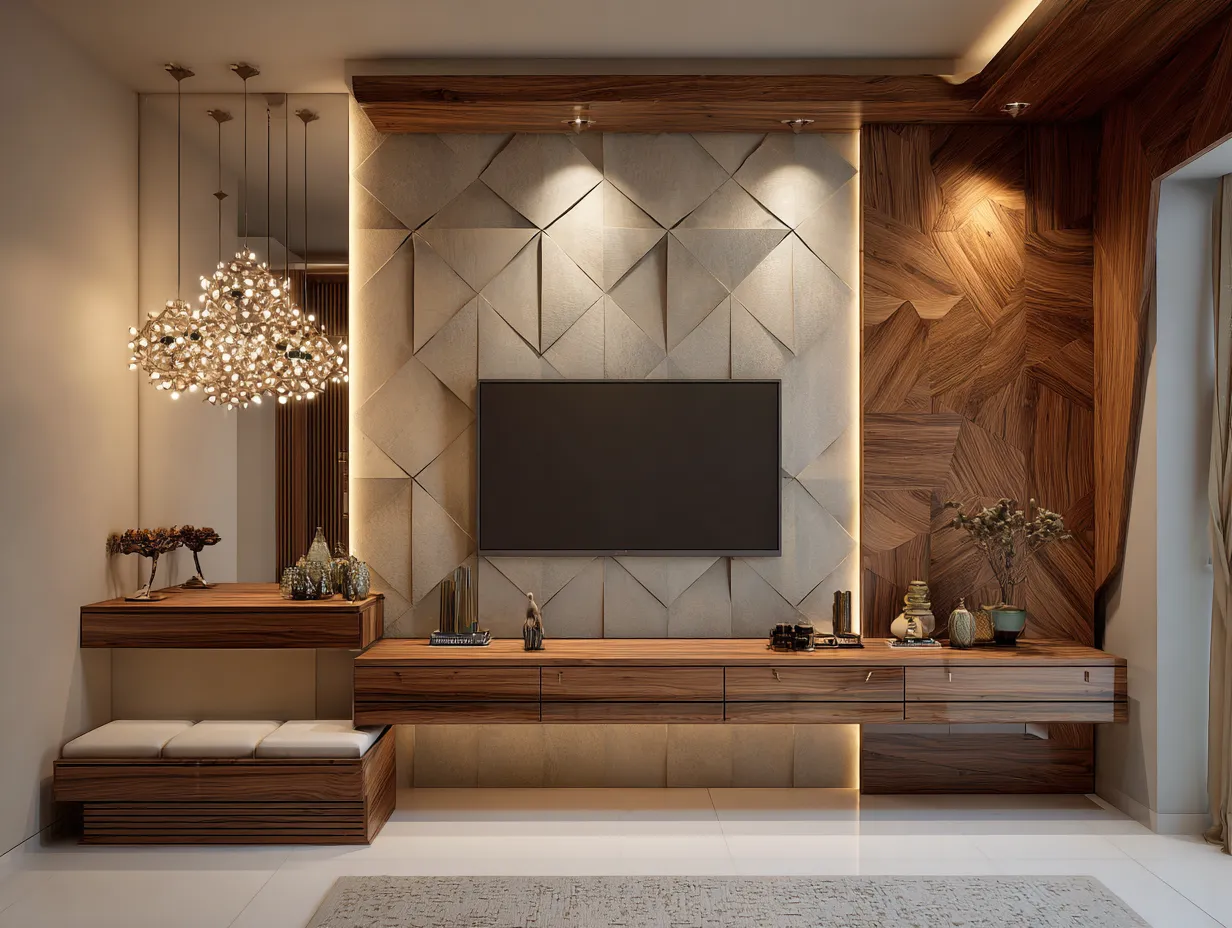
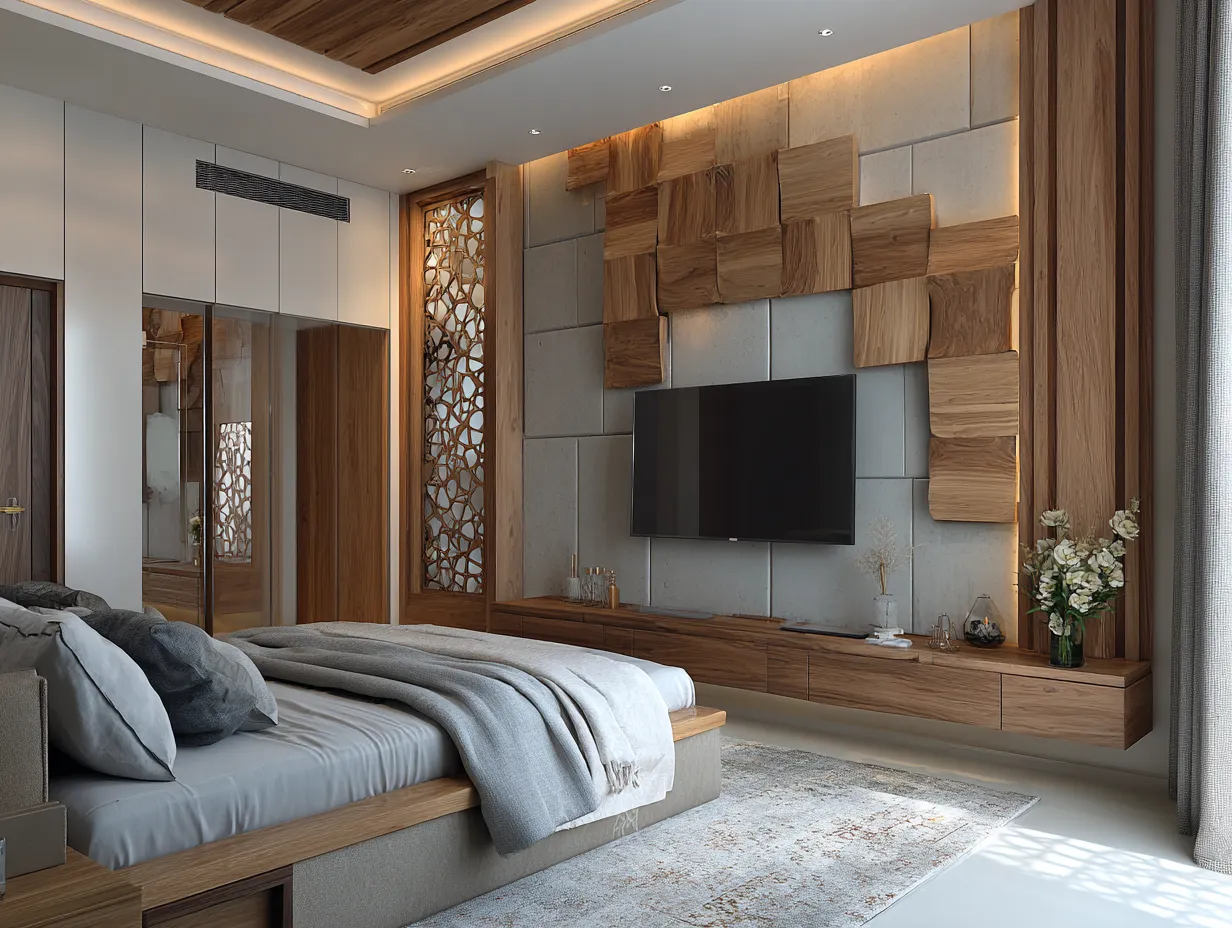
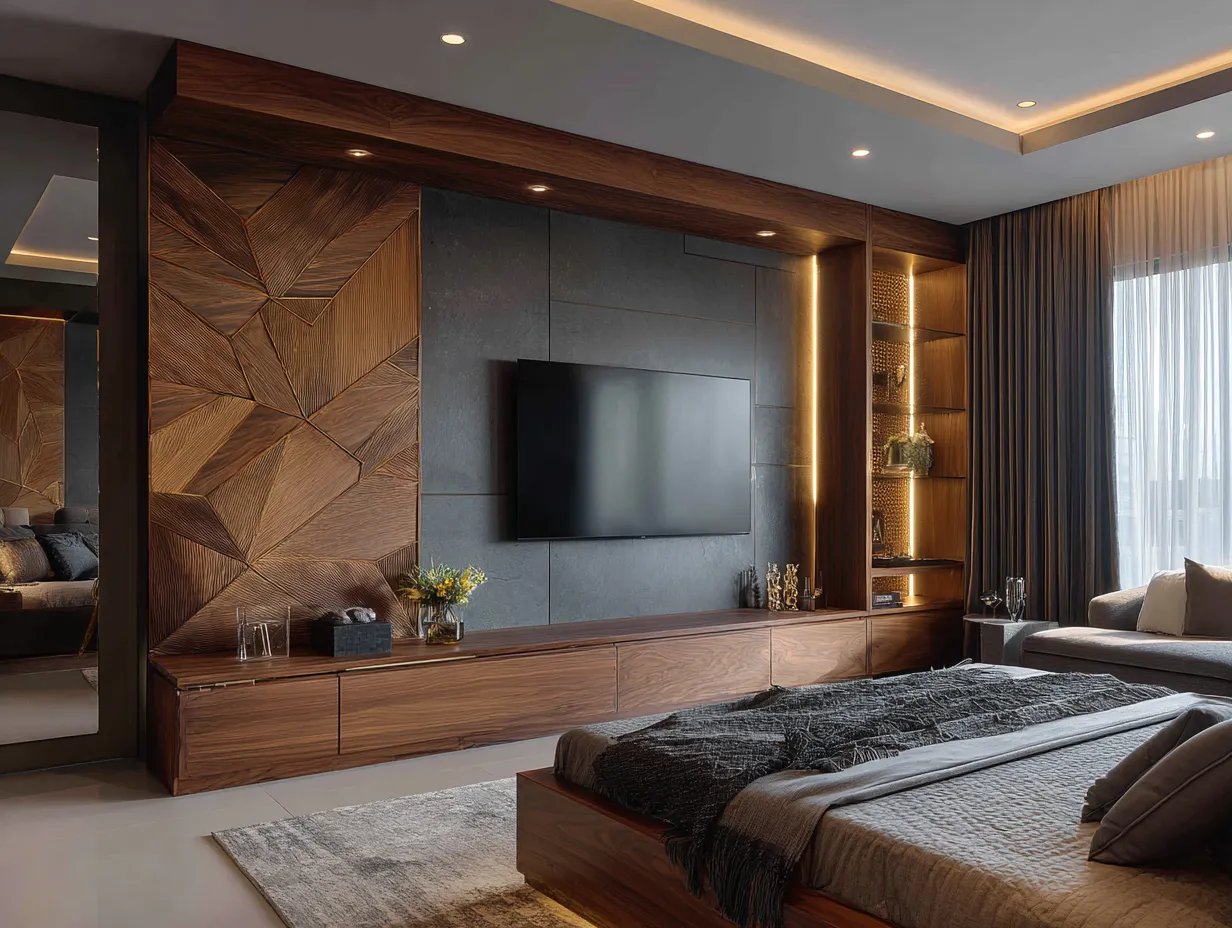
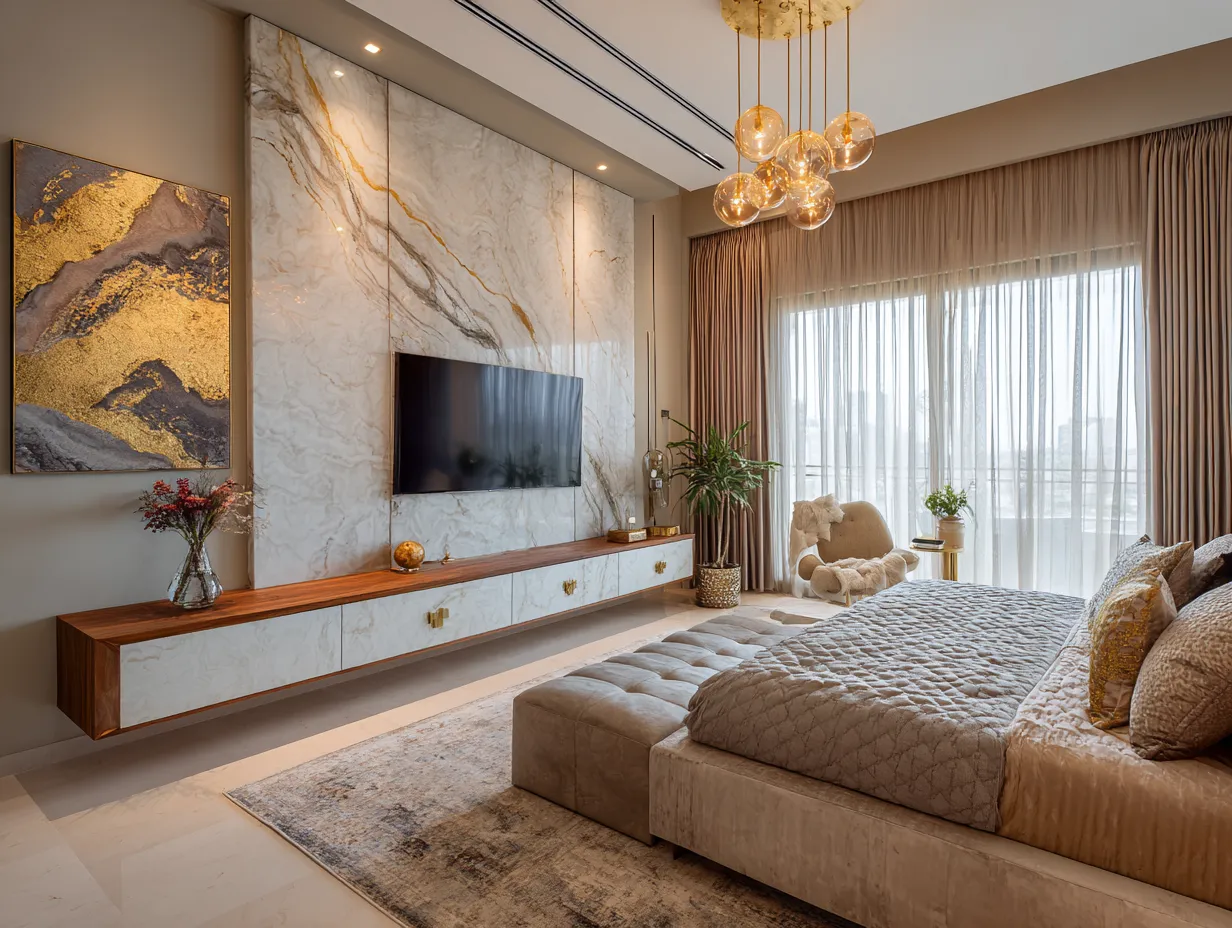
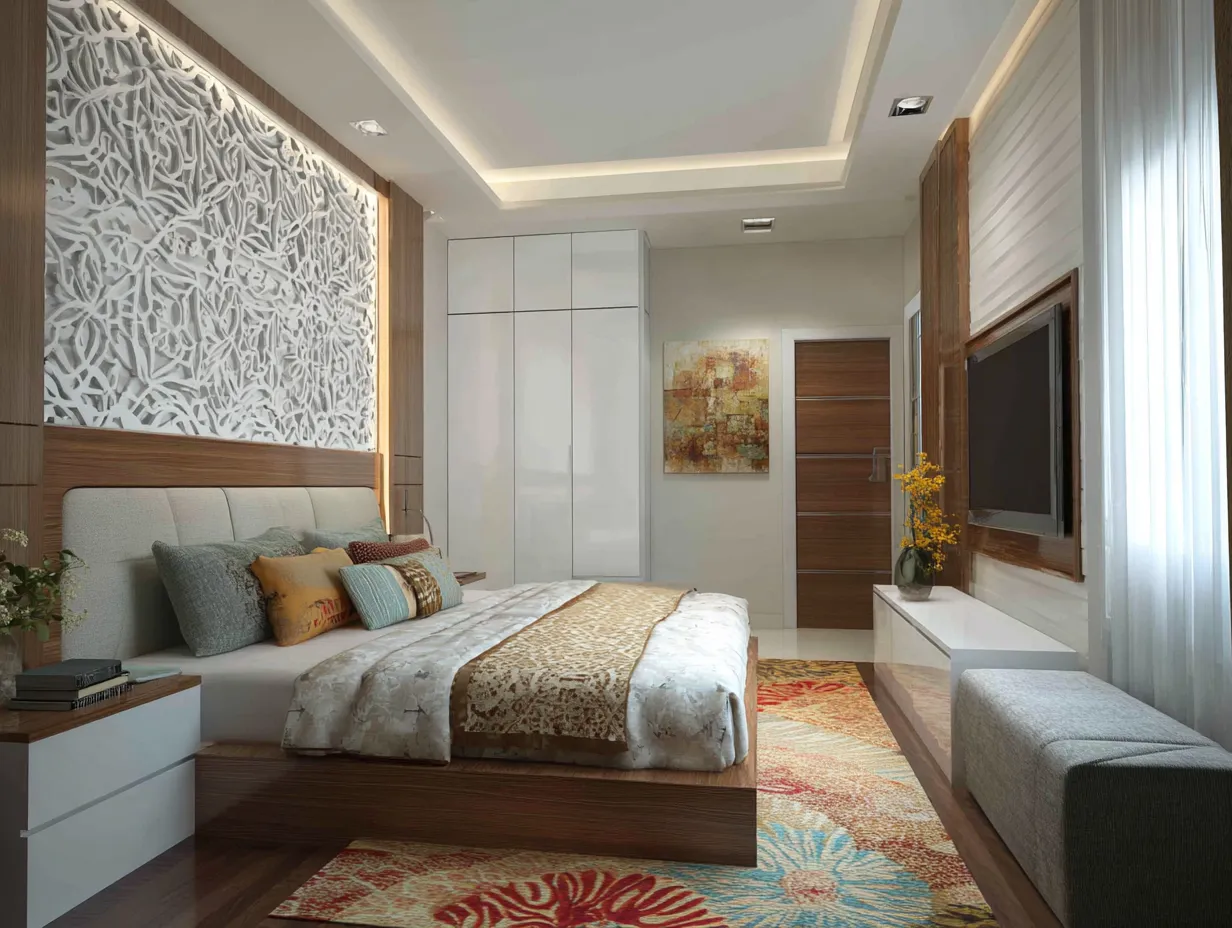
Minimalist Bedroom TV Panels With Clean Lines and Hidden Storage
I bought a high-gloss white panel from a local custom shop for about $320. Looked incredible the first week. Then fingerprints. Every single touch showed up like a forensic crime scene. My friend went matte laminate instead — $180 cheaper and still looks clean eight months later. Skip the gloss unless you enjoy wiping down furniture every other day.
Wall-mounted panels free up floor space, sure. But measure twice. My first attempt left a 3-inch gap between the panel edge and the ceiling because I eyeballed it. That gap collected dust like a shelf I never asked for. A flush-to-ceiling install costs about $50 more in lumber and it’s worth every penny.
Cable management is the part nobody wants to deal with. I’ve tried adhesive cable clips, raceways, and in-wall routing. The raceways from D-Line ($12 for a pack on Amazon) are the fastest fix. Paint them to match your panel and they disappear. In-wall routing looks cleaner but requires cutting drywall — not a weekend project if you’ve never done it.
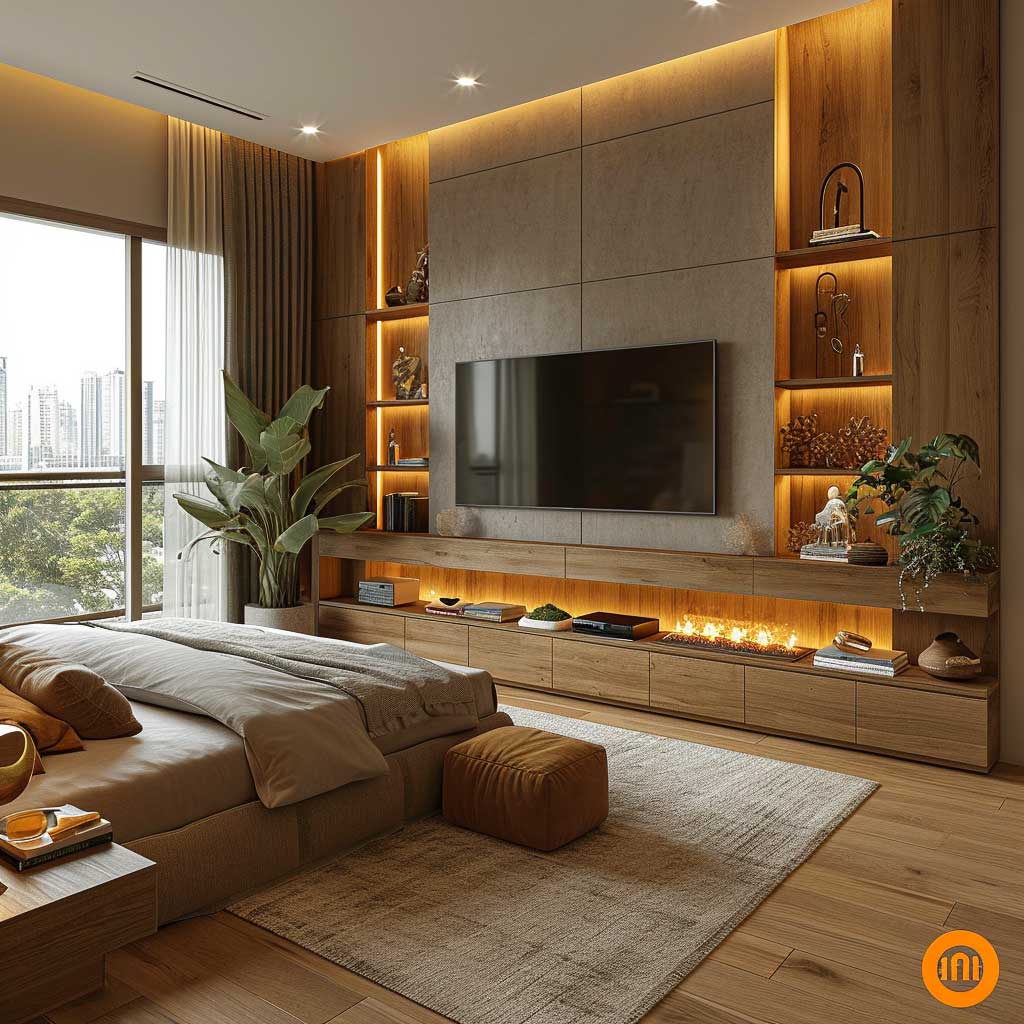
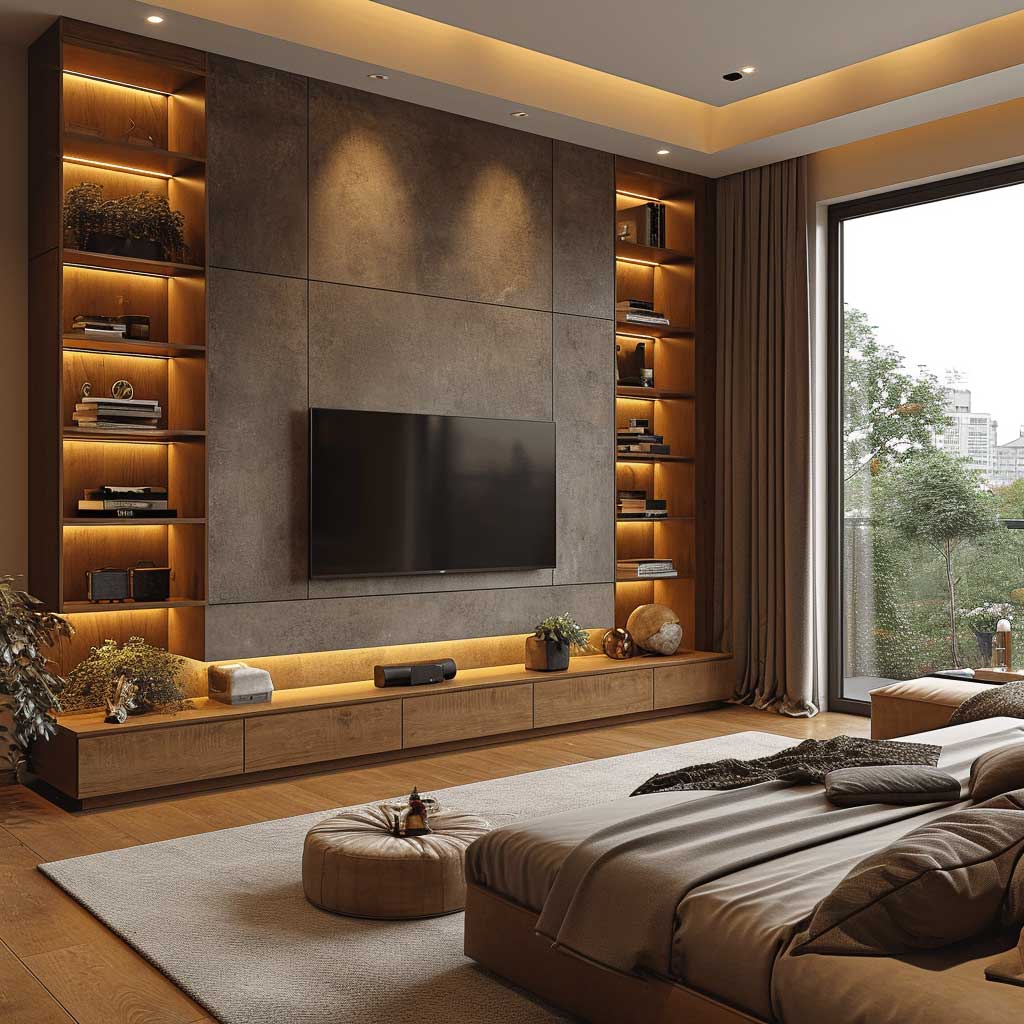

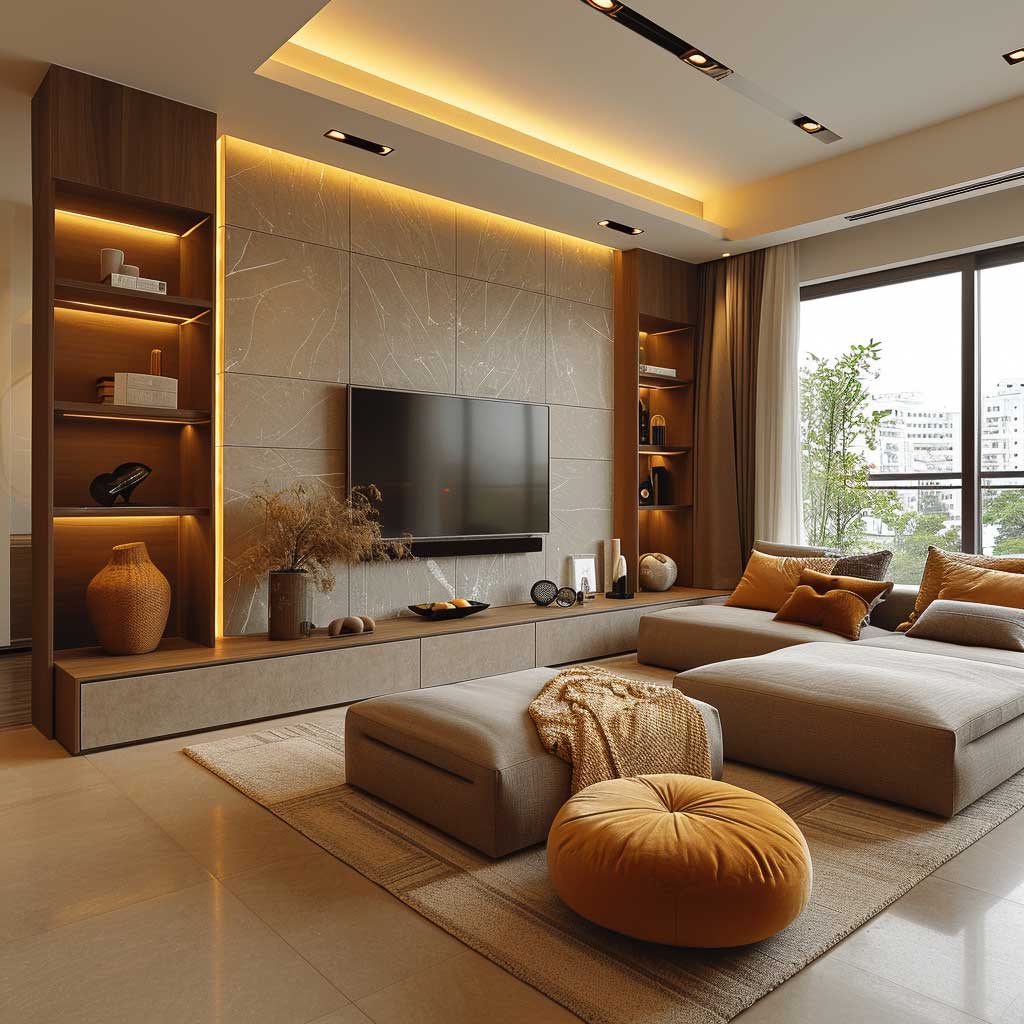
In the realm of interior design, the concept of ‘less is more’ often leads to some of the most visually stunning and functionally efficient spaces. This principle is perfectly embodied in minimalist bedroom TV unit panel designs, where sleek lines and a restrained color palette create an atmosphere of tranquility and elegance. These minimalist designs are not just about subtracting clutter but about adding harmony and sophistication to the bedroom.
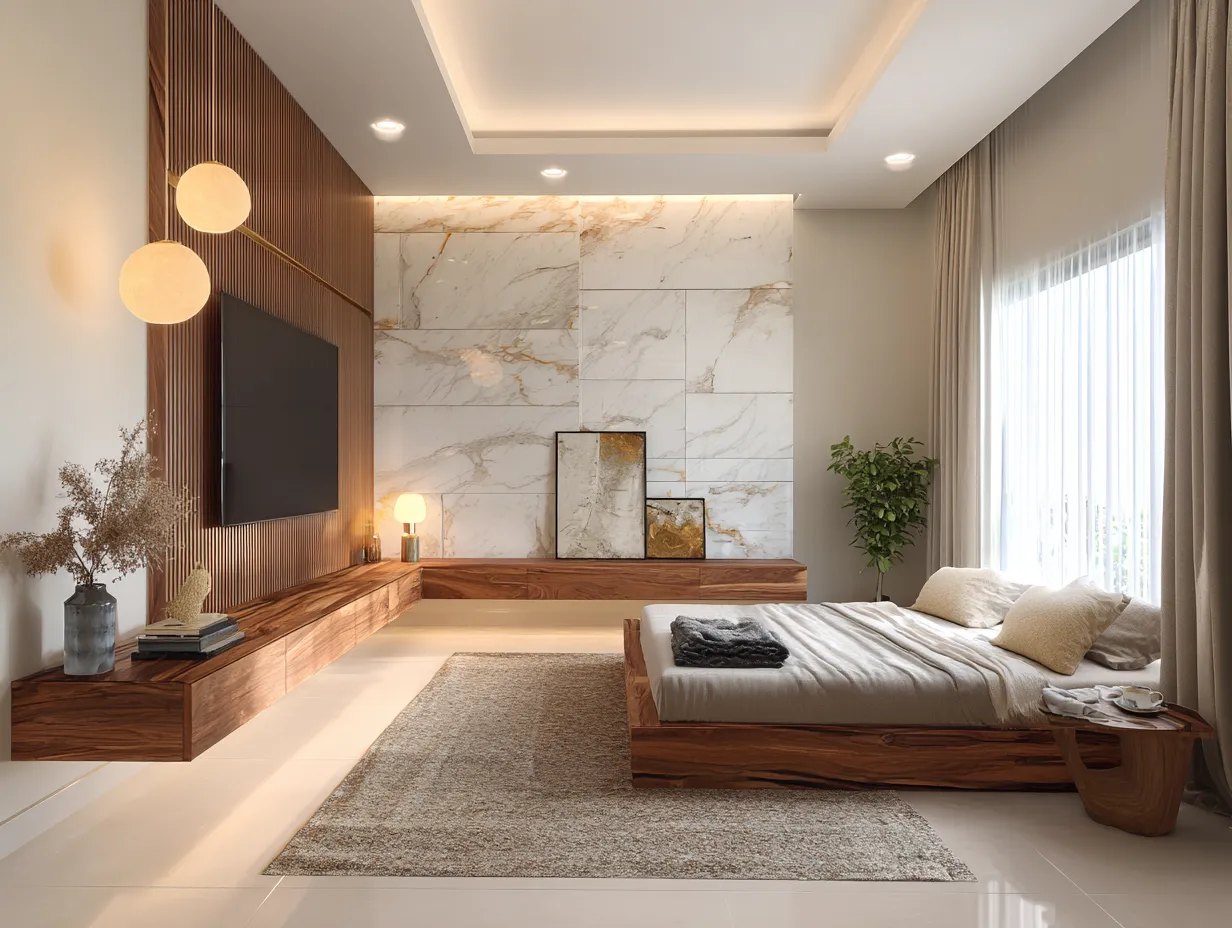
A minimalist bedroom TV unit panel design is characterized by its clean, uncluttered lines, which lend a sense of calm and order to the bedroom space. The simplicity of the design draws attention to the essentials, making the TV unit both a focal point and an integrated part of the room’s overall aesthetic. This approach is particularly effective in modern bedrooms, where the emphasis is on creating a serene and uncluttered environment conducive to relaxation and comfort.
The color scheme in minimalist TV unit panel designs usually revolves around neutral shades. Whites, beiges, and grays are popular choices, as they provide a soft backdrop that enhances the room’s airy and spacious feel. The simplicity of these colors allows for greater flexibility in integrating the TV unit with the rest of the bedroom’s decor, ensuring a seamless aesthetic flow. The absence of bright colors or busy patterns ensures that the focus remains on the simplicity and functionality of the design.
Material selection plays a significant role in these designs. Minimalist TV units often utilize materials like high-gloss finishes, glass, or metal, which contribute to the clean and sleek look. These materials are not only aesthetically pleasing but are also practical for cleaning and maintenance. The reflective surfaces of glass and high-gloss finishes can also help to bounce light around the room, contributing to a sense of openness and space. If you’re considering PVC as a low-cost alternative, take a look at sleek PVC panel designs to enhance your LED TV setup.

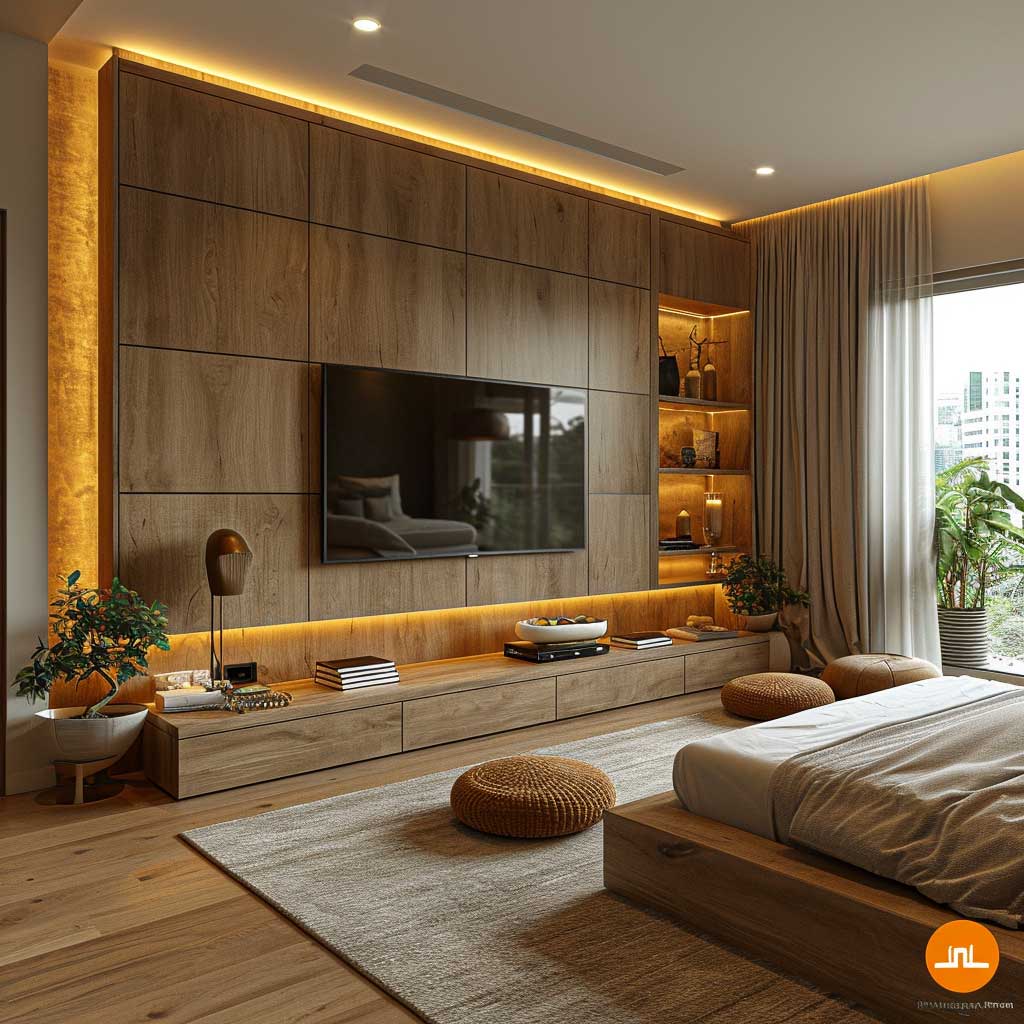
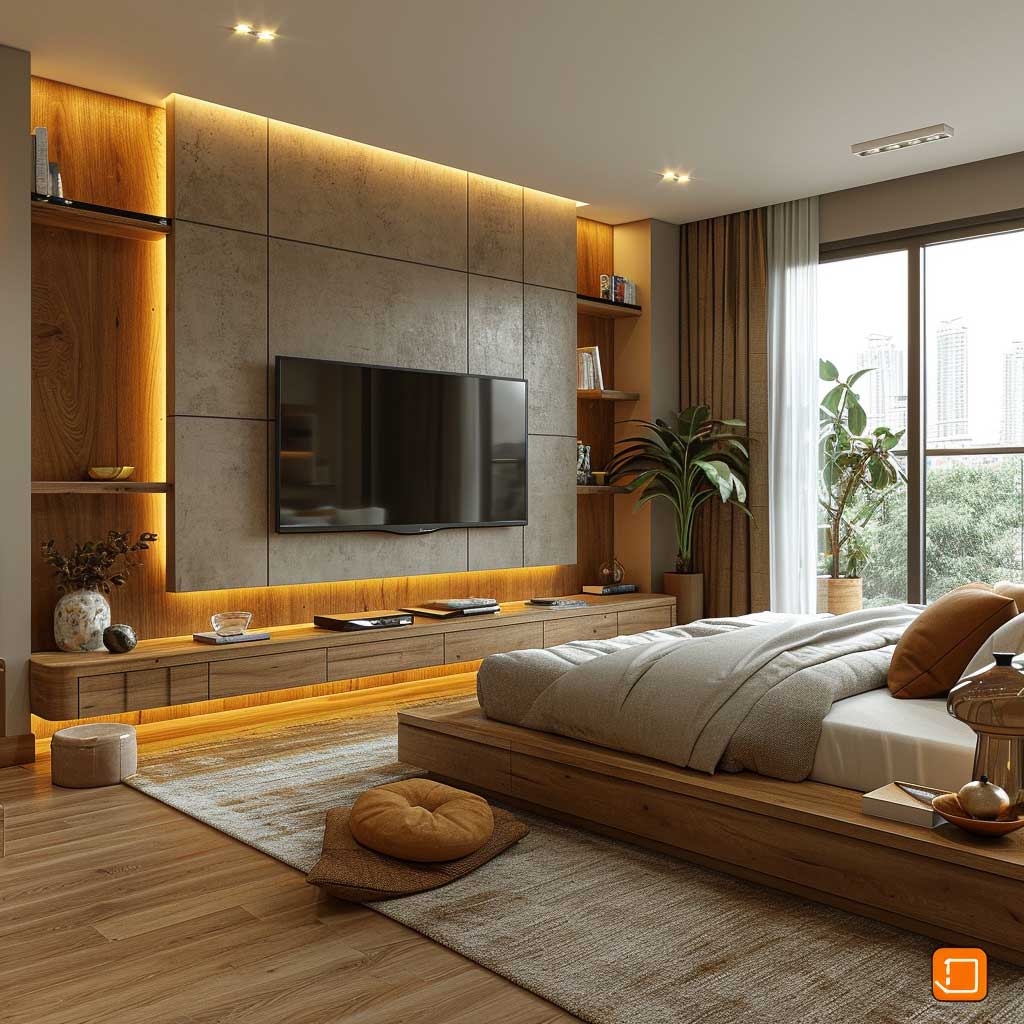
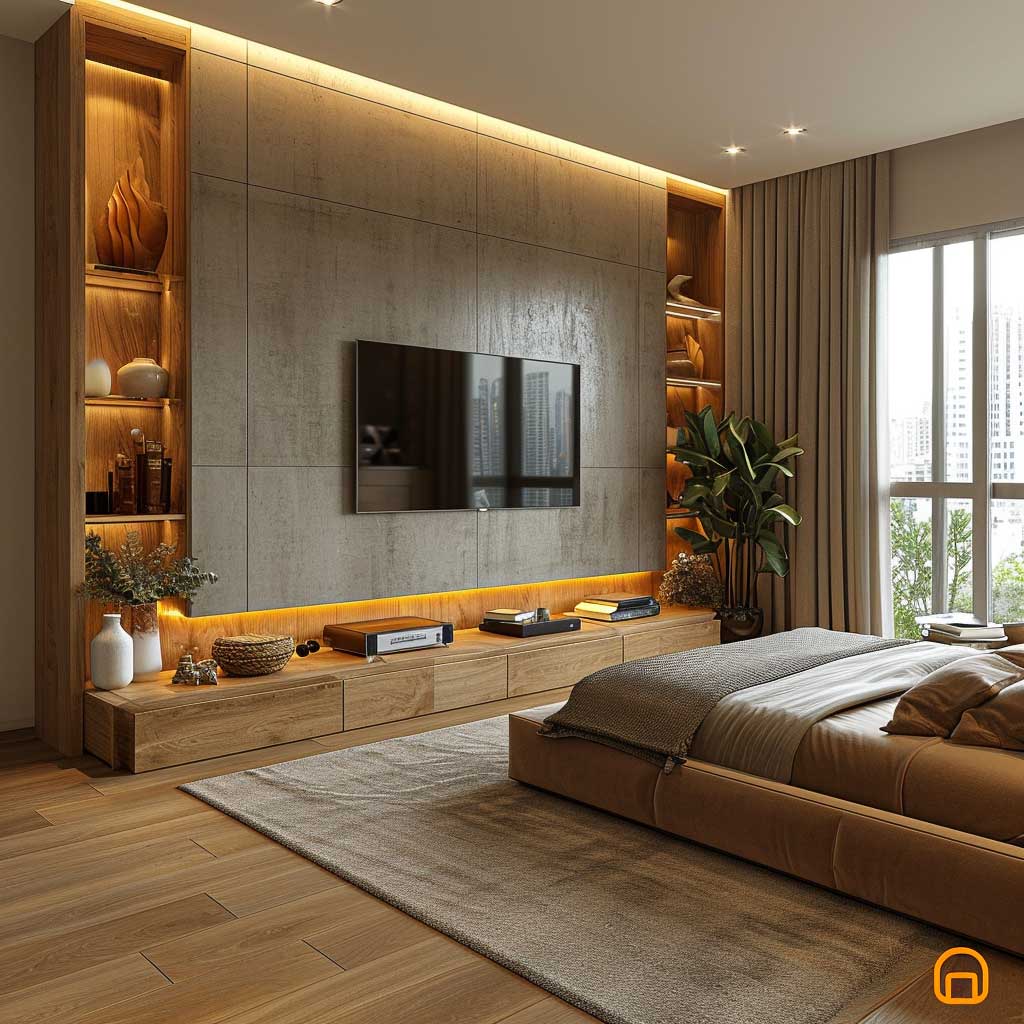
Functionality is a key component of minimalist design, and bedroom TV unit panels are no exception. The design often includes smart storage solutions, such as hidden compartments or streamlined shelving, which allow for the convenient placement of electronic devices and media accessories without contributing to visual clutter. Cable management systems are also seamlessly integrated, maintaining the clean lines and uncluttered appearance of the unit.
The installation of a minimalist TV unit panel often involves a thoughtful consideration of space. Wall-mounted units are a popular choice, as they free up floor space and contribute to the minimalist look. The positioning of the TV unit is also crucial – it should be placed at a comfortable viewing height and angle, enhancing the room’s functionality without disrupting its minimalist charm.
In conclusion, a minimalist bedroom TV unit panel design is much more than a trendy choice; it’s a reflection of a lifestyle that values simplicity, functionality, and elegance. This design approach transforms the TV unit into an integral part of the bedroom’s decor, offering a sleek and sophisticated way to incorporate technology into the space. The result is a bedroom that exudes tranquility and order, a perfect sanctuary for relaxation and rejuvenation.
| Feature | Minimalist Panel | Wood-Accented Panel | LED-Backlit Panel |
|---|---|---|---|
| Cost Range | $150 – $400 | $180 – $600 | $200 – $700 |
| Best Material | Matte laminate, glass | Walnut veneer, Baltic birch | High-gloss + LED strips |
| Maintenance | Low (matte) / High (gloss) | Medium — needs resealing yearly | Low panel / Medium LEDs |
| Install Difficulty | Easy — wall mount + brackets | Medium — cutting, sanding, sealing | Medium — electrical routing needed |
| Best For | Small bedrooms, renters | Warm, Scandi or mid-century rooms | Modern, hotel-style bedrooms |
| Biggest Downside | Can look flat and boring | Warped boards if using reclaimed | Cheap LEDs fail in 3 months |
Wood-Accented TV Panel Designs That Warm Up a Cold Bedroom
Walnut veneer runs about $8 to $14 per square foot depending on thickness. Real walnut planks? Triple that. For a bedroom TV panel you’re covering maybe 30 to 40 square feet, so veneer keeps you under $500. I used walnut veneer panels from a local mill and sealed them with Osmo Polyx-Oil. Two coats. Took an afternoon.
Birch plywood is the budget move. A 4×8 sheet of Baltic birch runs about $60 at most lumber yards. Sand it, hit it with a clear matte finish, and it reads Scandinavian-modern without the Scandinavian price tag. I’ve seen people stain birch to mimic walnut and it never looks right — the grain pattern gives it away immediately. Pick one wood tone and commit.
Reclaimed wood sounds romantic until you find out half the boards are warped. I sourced barn wood from a salvage yard in upstate New York — $3 a board foot. Out of 20 boards, maybe 12 were usable after I planed them flat. The rest became firewood. Budget extra material if you go reclaimed, at least 30% more than you think you need.
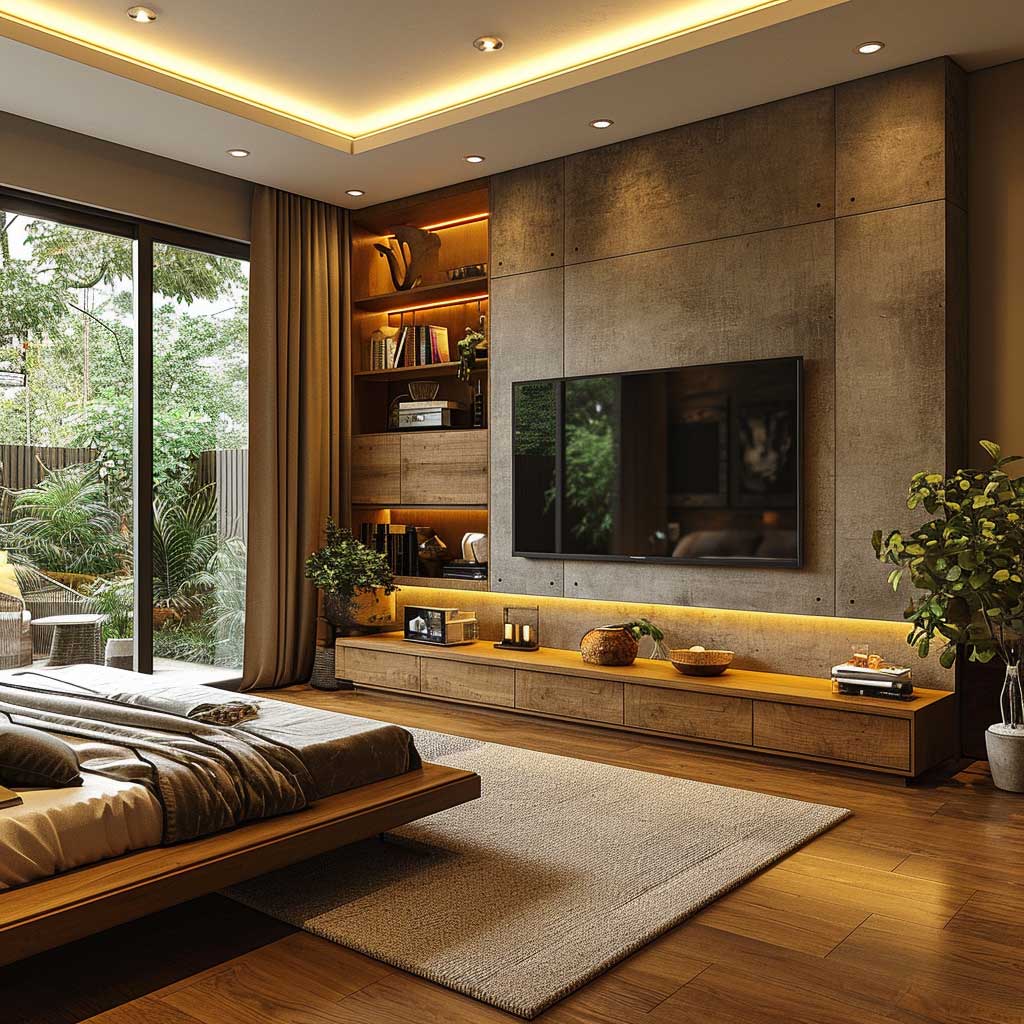
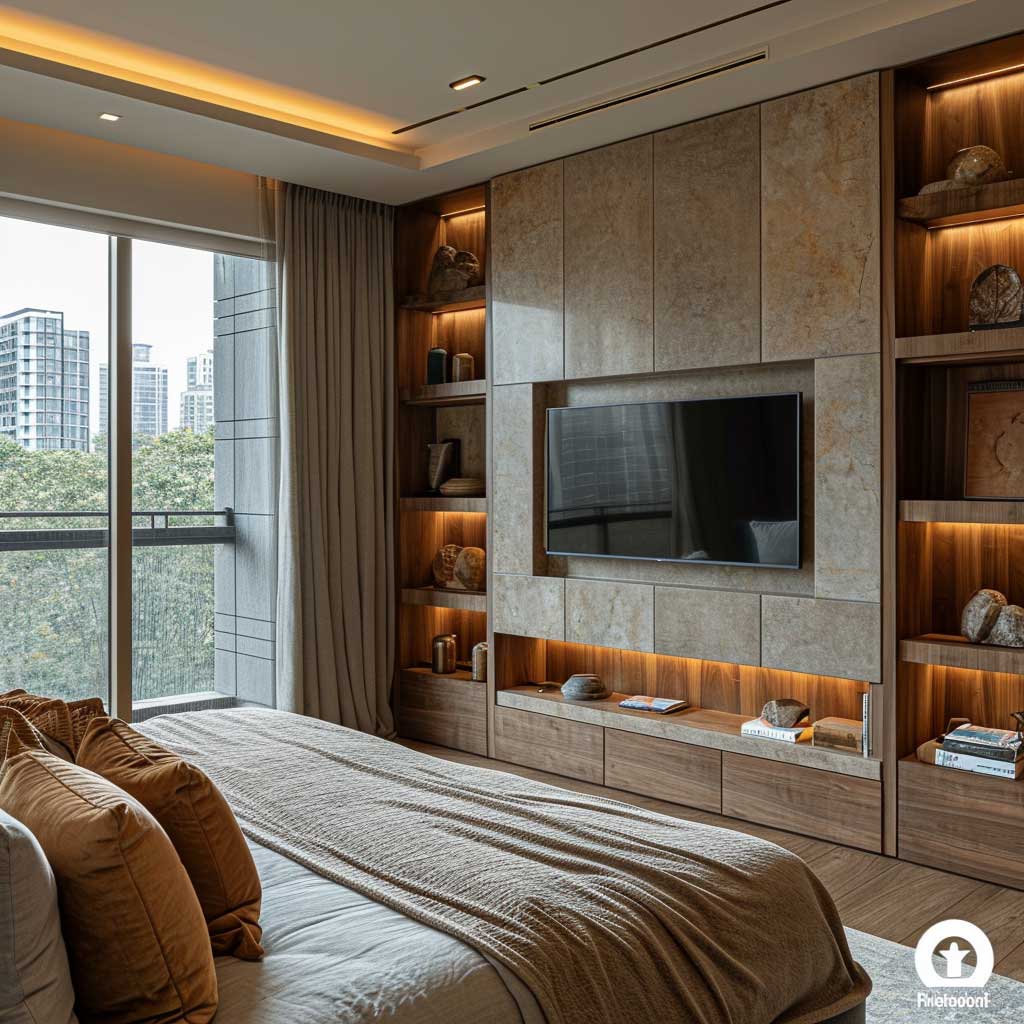

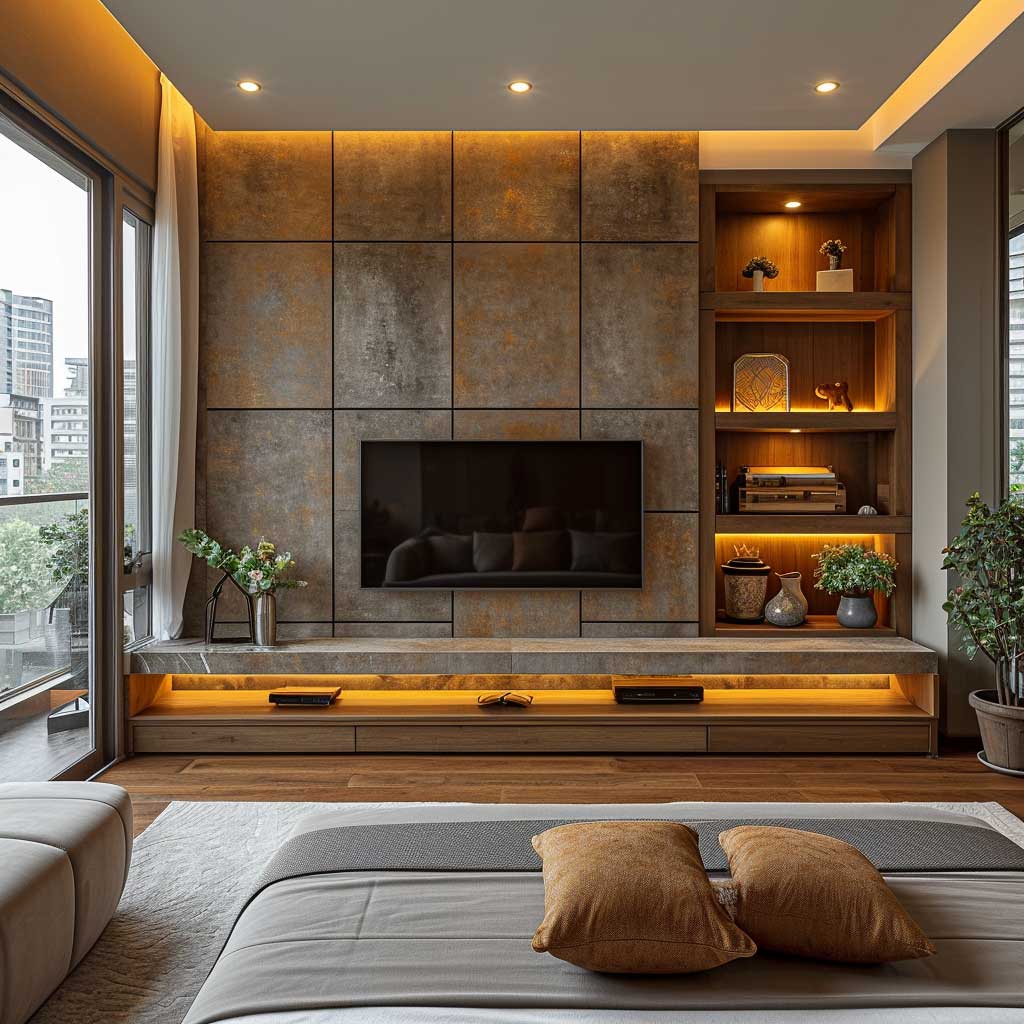
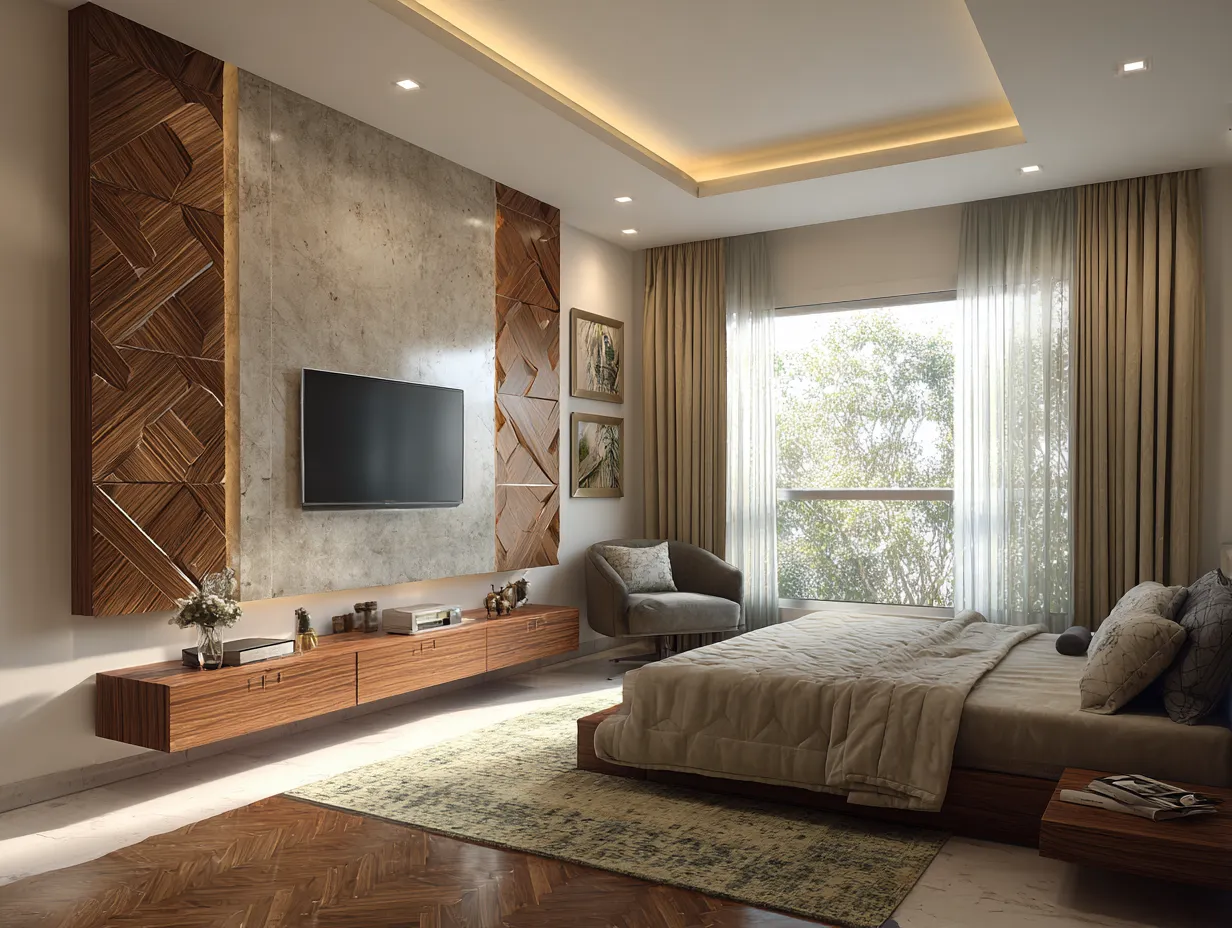
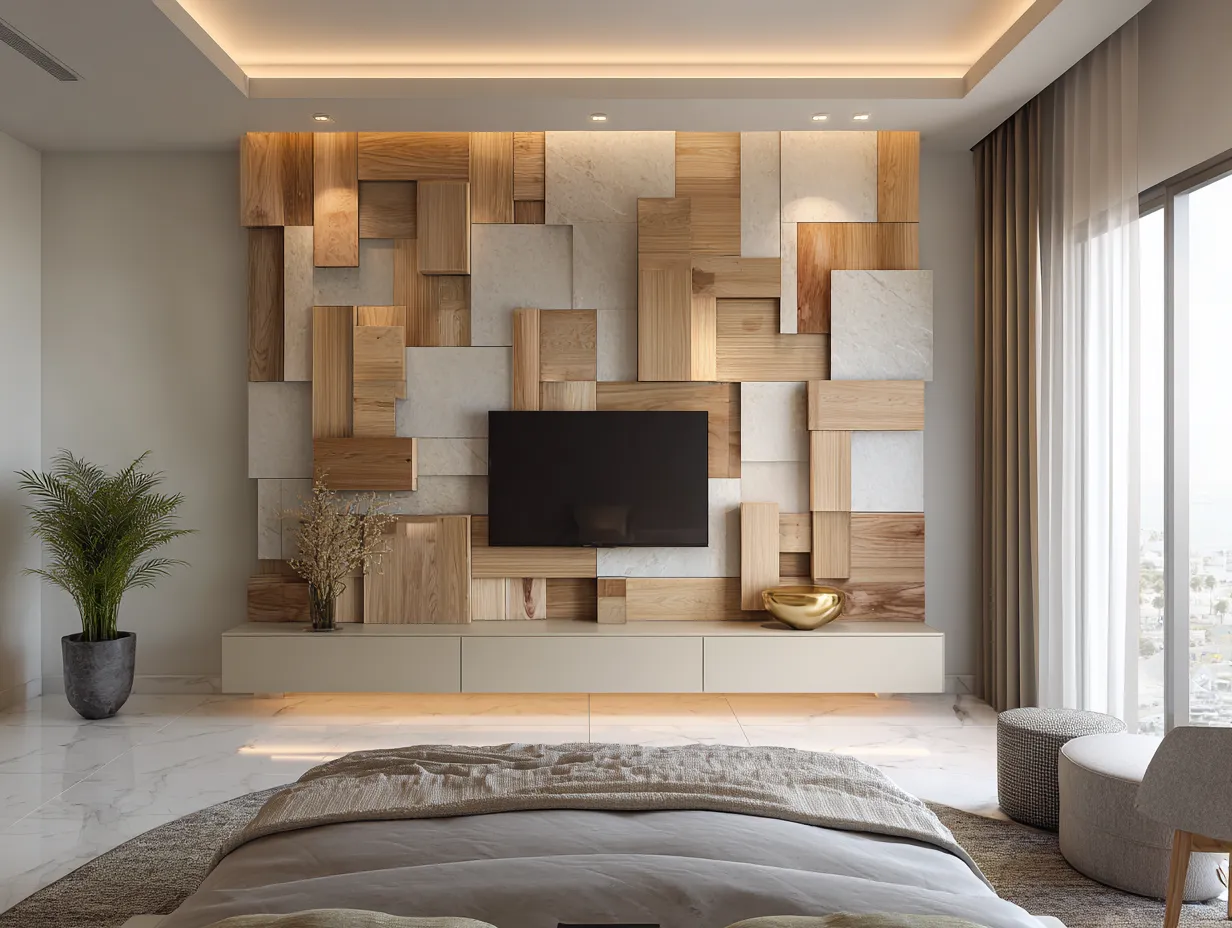
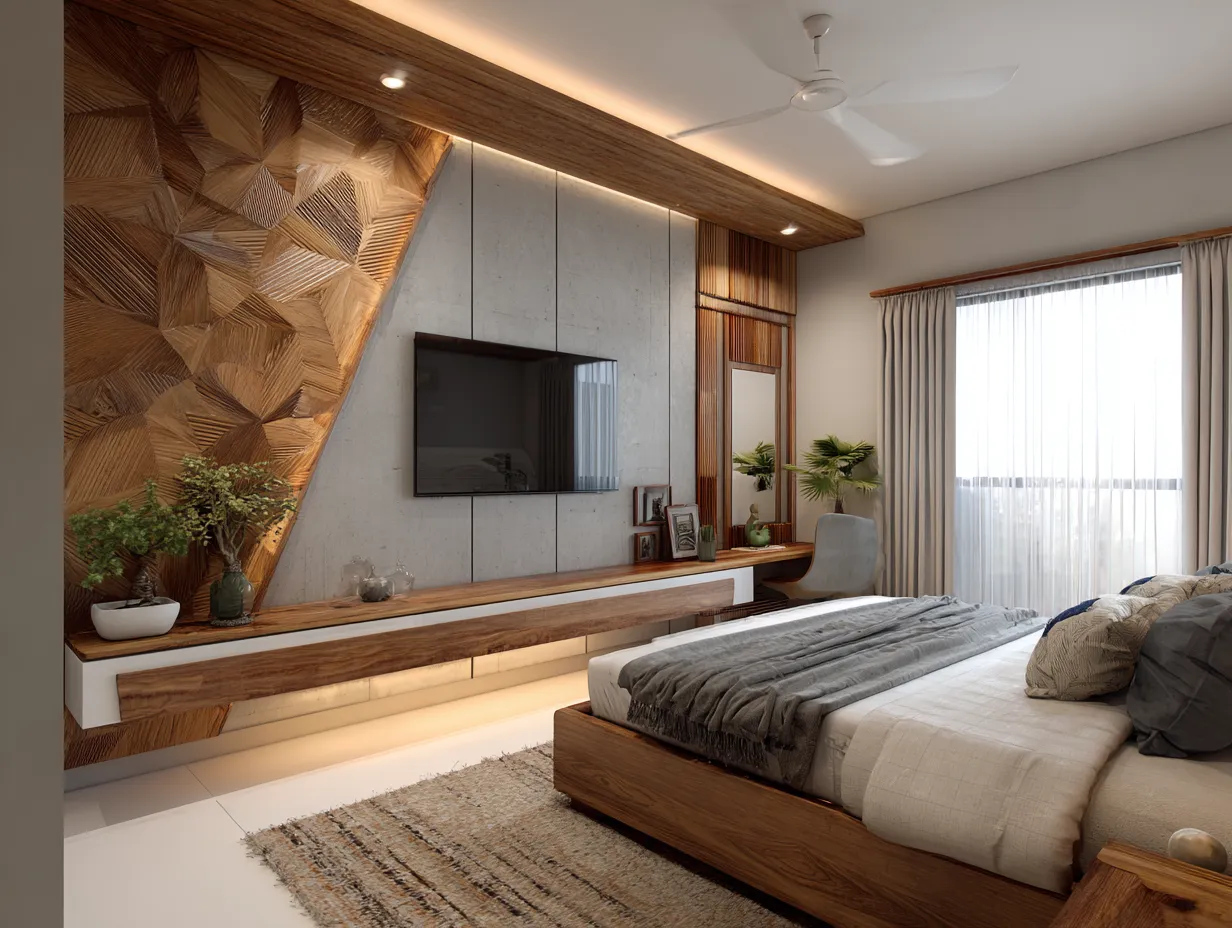
The integration of wooden accents in sleek bedroom TV unit panel designs is a trend that beautifully bridges the gap between modern functionality and natural aesthetics. In the contemporary bedroom, where technology and comfort converge, a TV unit panel that incorporates wood brings a touch of warmth and organic character to the space. This design approach not only enhances the visual appeal of the bedroom but also adds a layer of texture and depth, enriching the overall ambiance.
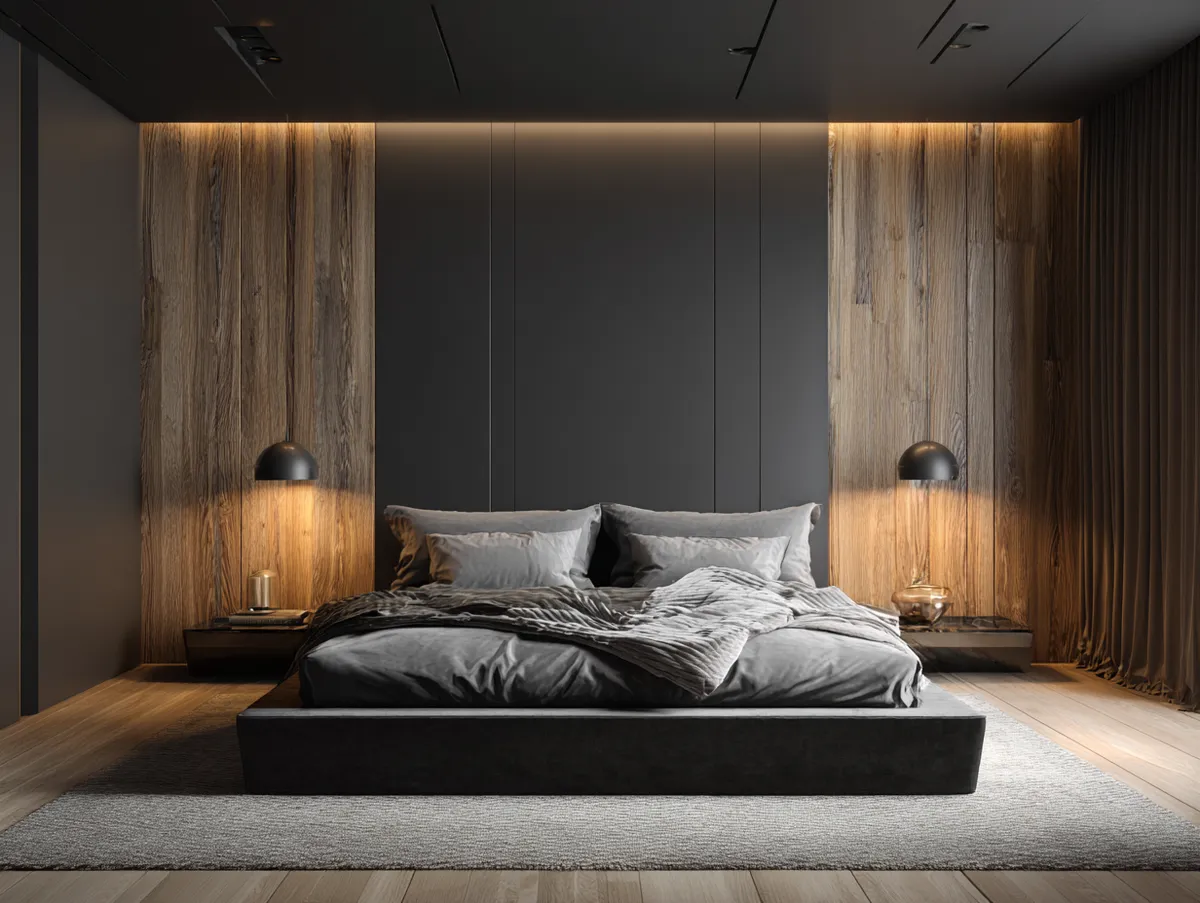
Incorporating wooden elements into a bedroom TV unit panel design aligns with the growing desire for natural materials in home interiors. Wood, with its varied grains, tones, and textures, offers a unique way to introduce an element of the natural world into the bedroom. Whether it’s a dark, rich walnut for a sophisticated look or a light, Scandi-inspired birch for a more minimalistic feel, wood can transform the aesthetic of a TV panel from purely functional to a statement piece of decor.
The appeal of wooden accents in TV unit panels lies in their versatility. Wood can be used in a multitude of ways, from a full-panel backdrop for the TV to subtle trims and shelving that add a hint of organic charm. This flexibility allows for a customized approach to bedroom design, where the TV unit can be tailored to complement the room’s existing decor and the homeowner’s personal style.
In sleek bedroom designs, the contrast between the modern lines of the TV panel and the natural form of wood creates a visually striking effect. This juxtaposition adds a dynamic quality to the room, breaking the monotony of conventional materials and bringing a sense of balance to the space. The warmth of wood also helps to soften the often stark appearance of modern technology, making the TV area feel more integrated into the bedroom’s relaxing atmosphere.
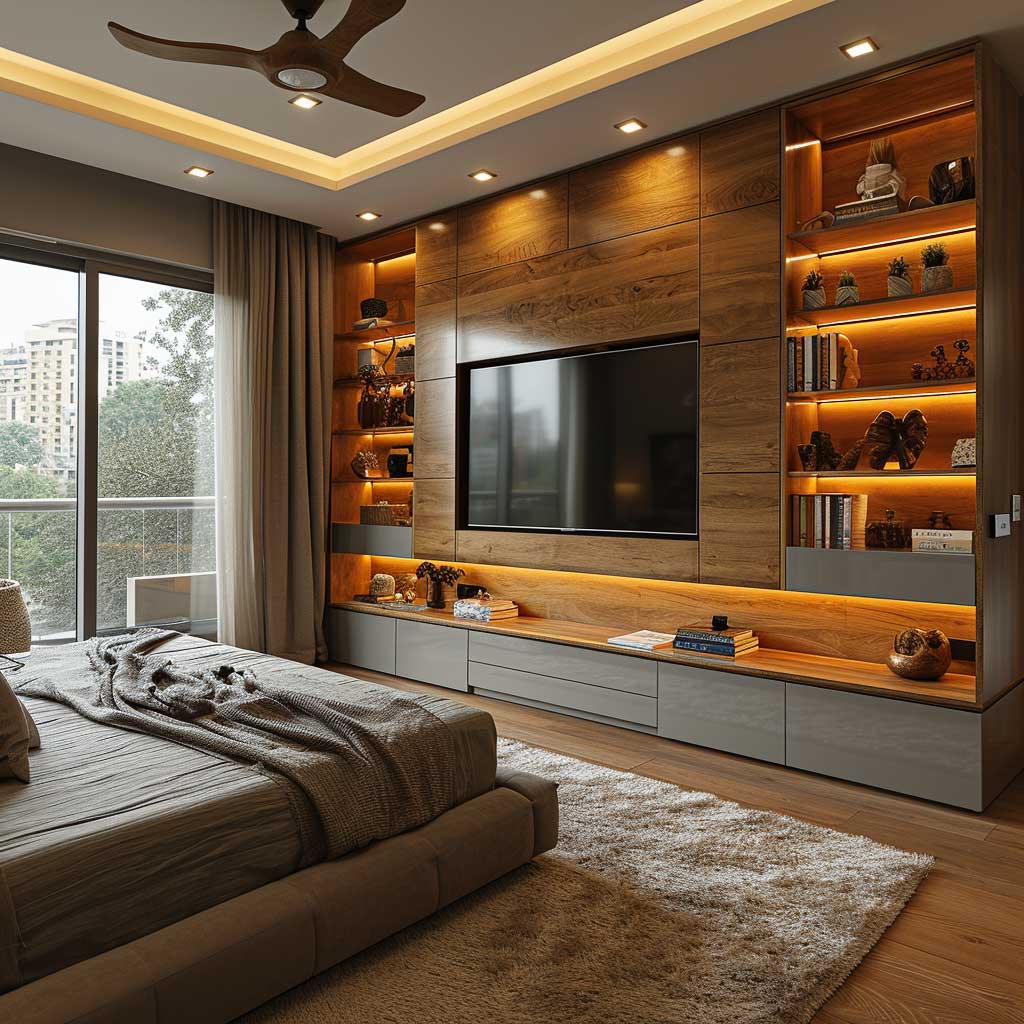
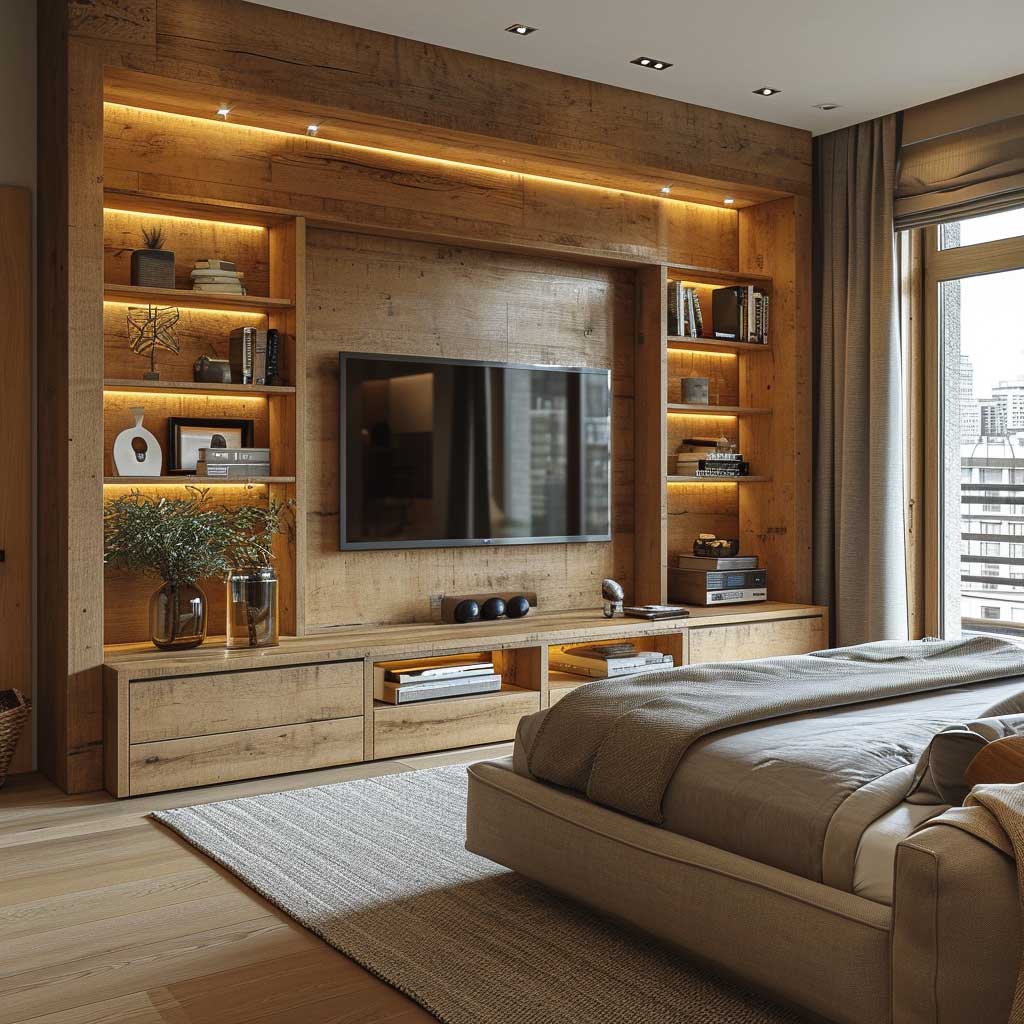
Functionality remains a key consideration in these designs. Modern TV unit panels with wooden accents often incorporate smart storage solutions, such as hidden drawers or built-in shelves, providing practical spaces for storing media devices, books, or decorative items. The design can also include features like cable management systems and ventilation for electronic equipment, ensuring that the unit is as practical as it is aesthetically pleasing.
The sustainability of materials is an important aspect of modern interior design. Choosing eco-friendly or reclaimed wood for the TV unit panel not only contributes to the visual appeal but also reflects a commitment to environmentally responsible design. This consideration resonates well with contemporary homeowners who are increasingly looking for ways to incorporate sustainable practices into their home decor.
In conclusion, wooden accents in sleek bedroom TV unit panel designs offer an elegant solution that harmonizes modernity with the warmth of nature. This design trend caters to the growing preference for natural materials in home interiors, providing a stylish and functional focal point in the bedroom. The result is a space that feels both contemporary and inviting, a perfect reflection of the modern homeowner’s desire for a bedroom that is both a technological hub and a tranquil retreat.
LED-Backlit TV Panels That Make Your Bedroom Look Like a Hotel
Govee’s RGBIC LED strip ($25 for 16 feet on Amazon) is my go-to for TV backlighting. Sticks directly to the back of the panel with 3M adhesive. The warm white mode at 6500K is what you want for movie nights — anything warmer turns the wall orange and anything cooler makes the room feel like a dentist’s office.
Cheap LED strips from no-name brands fail within three months. I’ve burned through two sets from AliExpress before learning that lesson. The adhesive gives out first, then the LEDs start flickering at the solder joints. Govee and Philips Hue strips actually hold up. You pay $15 to $25 more but you’re not re-sticking them to your wall every quarter.
Dimming matters more than color options. Most people set their LEDs to one warm tone and never touch the color wheel again. What you actually need is a smooth dimmer so the light doesn’t blast you at full brightness when you’re watching something dark at 11 PM. The Govee app handles this fine. Philips Hue gives you better granular control but costs twice as much for the bridge setup.
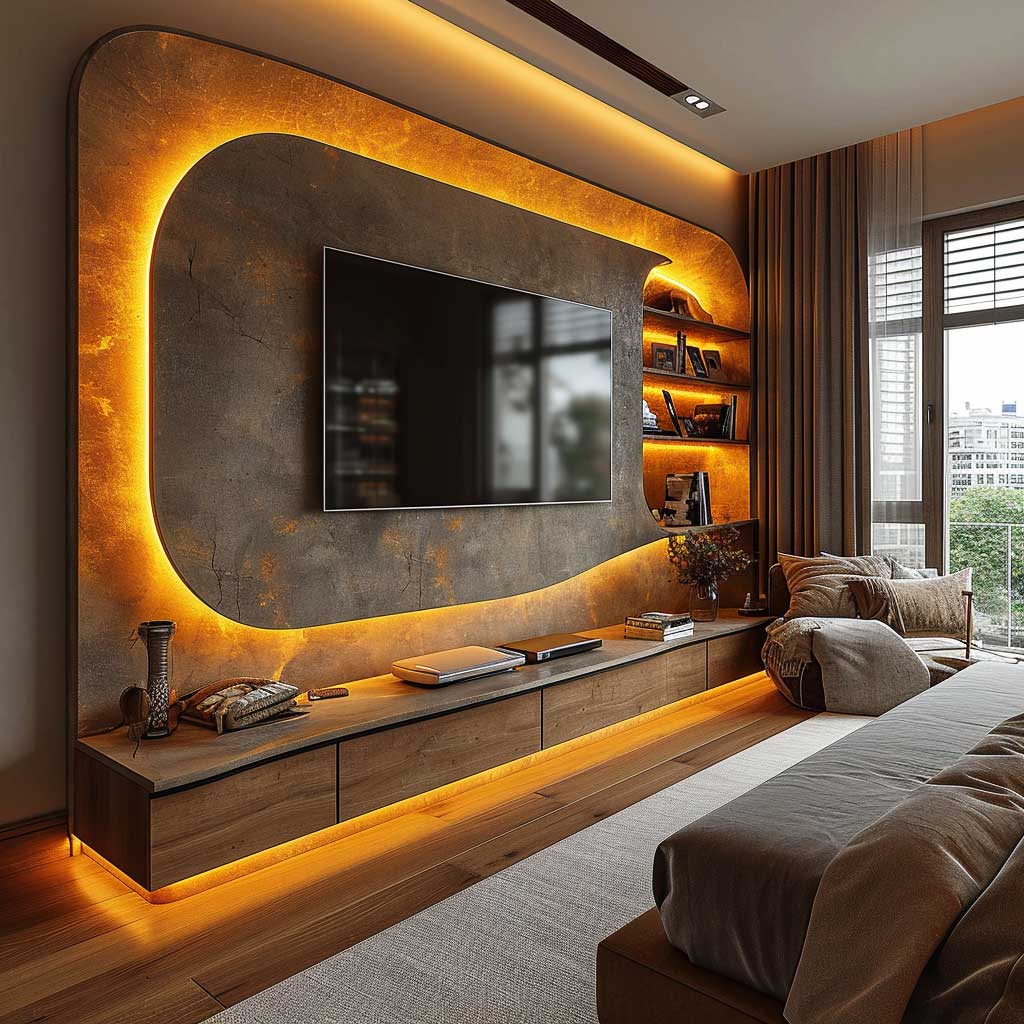
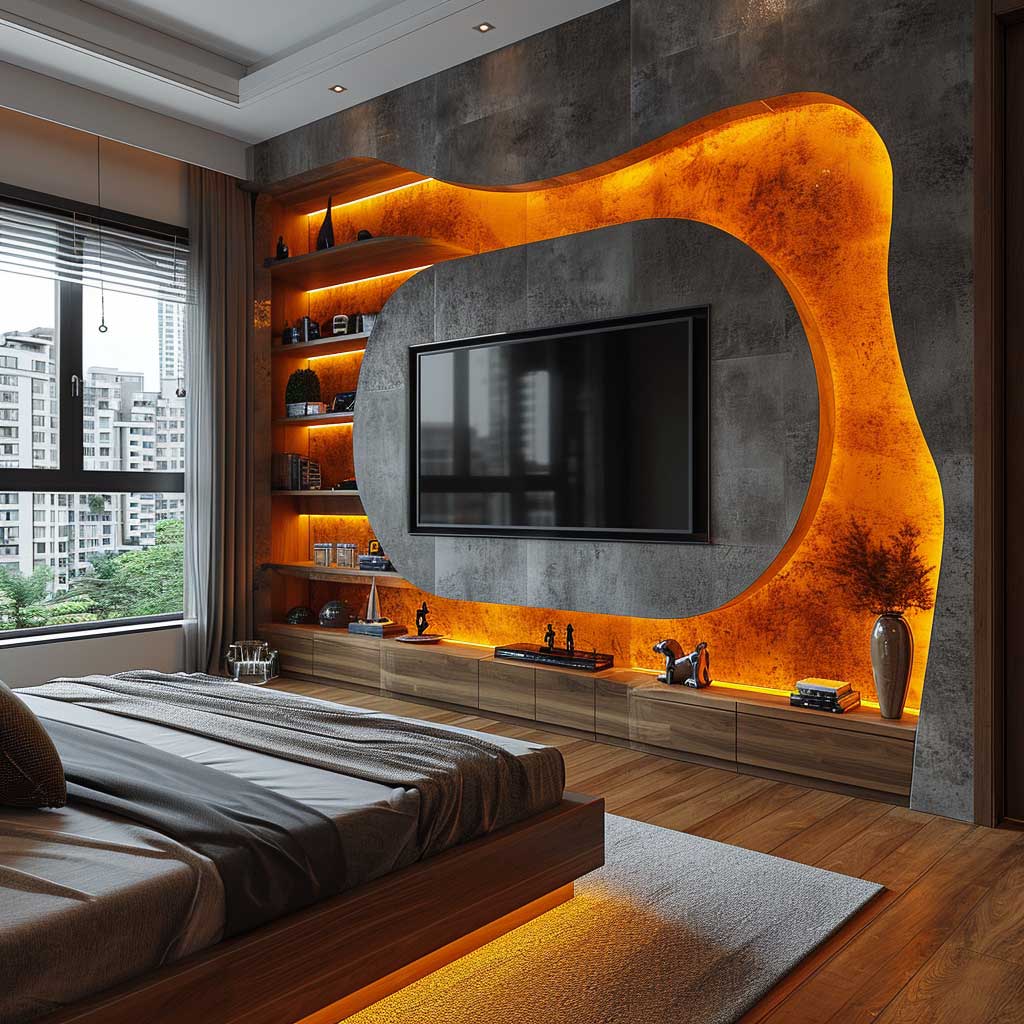


Embracing the future of interior design, the incorporation of integrated lighting in bedroom TV unit panel designs stands at the forefront of innovation. This futuristic approach melds technology with aesthetics, offering an immersive viewing experience while enhancing the overall ambiance of the bedroom. These cutting-edge designs not only serve as a home for entertainment systems but also act as a dynamic element of decor, contributing significantly to the modernity and sophistication of the space.
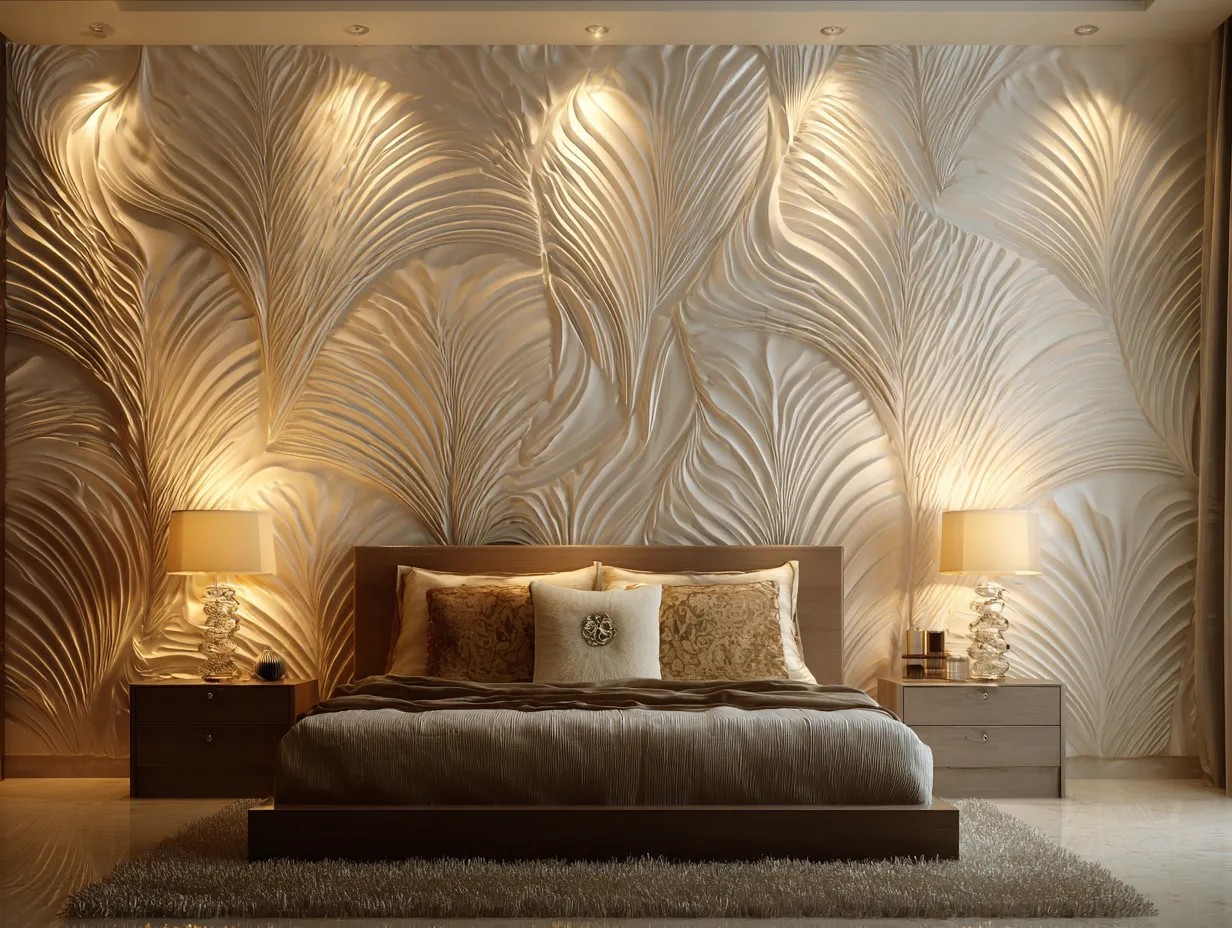
The concept of integrated lighting in a bedroom TV unit panel is about more than just illumination; it’s about creating an atmosphere. LED lighting, with its versatility and energy efficiency, is often the preferred choice for such designs. It can be configured in various ways, from subtle backlighting that adds a soft glow to the entire unit, to more intricate arrangements that highlight specific areas or create patterns. The color and intensity of the lighting can often be adjusted, allowing for customization based on mood or activity. For more LED panel ideas beyond the bedroom, check out futuristic modern LED TV wall panel designs for your living room.
This type of TV unit panel design aligns perfectly with contemporary bedroom themes that lean towards sleek, high-tech environments. The lighting not only adds a visual interest but also enhances the functionality of the space. It can serve as a nightlight, a mood setter for movie nights, or even as a practical light source for finding remotes and other gadgets. The integration of lighting transforms the TV unit from a mere furniture piece to an interactive part of the bedroom’s design. According to BenQ’s research on bias lighting, placing soft light behind a screen reduces the brightness contrast your eyes have to process, which helps prevent fatigue during long viewing sessions.
The aesthetics of a futuristic TV panel with integrated lighting are characterized by clean lines, smooth surfaces, and a minimalist approach. The design often incorporates materials like glass, metal, or high-gloss finishes, which complement the sleekness of the lighting. The overall look is one of sophistication and forward-thinking design, making the TV unit panel a statement piece in the bedroom.


In addition to their visual appeal, these futuristic TV units are designed with practicality in mind. They often include features like hidden storage compartments, cable management systems, and easy access to electronic components. This functionality ensures that the unit is not only a visually striking element in the bedroom but also a convenient and user-friendly part of the living space.
The installation of a TV unit panel with integrated lighting requires careful planning and execution. It is essential to consider factors like the placement of electrical outlets, the arrangement of the lighting elements, and the overall size and layout of the unit in relation to the room. Professional installation may be necessary to ensure that the lighting is correctly and safely integrated into the design.
In conclusion, a futuristic bedroom TV unit panel with integrated lighting represents the intersection of technology and design in modern home interiors. This innovative approach not only enhances the viewing experience but also contributes significantly to the aesthetic and ambiance of the bedroom. It reflects a shift towards more interactive and multifunctional design in furniture, catering to the evolving needs and preferences of contemporary homeowners. The result is a bedroom that is not just a place for rest but a space of technological advancement and stylistic expression.
How to Install an LED-Backlit TV Panel in Your Bedroom
A step-by-step process for mounting a TV panel with integrated LED backlighting. No electrician needed for basic LED strip setups.
Tools needed:
- Tape measure
- Level
- Drill with wall anchors
- Scissors or utility knife
- Cable raceway kit
Measure the wall and mark panel position
Hold the panel against the wall and mark its top edge with a pencil. Use a level to keep the line straight. Leave zero gap at the ceiling if possible — any gap collects dust and looks unfinished.
Mount the panel or backing board to the wall
Drill into studs using 3-inch screws or use heavy-duty wall anchors rated for at least 50 lbs. Attach a French cleat system for easy removal later. Check level again before tightening everything down.
Apply LED strips to the back of the panel
Peel off the 3M adhesive backing and press the LED strip along the panel’s rear perimeter, 2 to 4 inches from the edge. Don’t place strips right at the edge — the light needs room to diffuse against the wall.
Route cables and connect power
Run the LED power cable down behind the panel into a cable raceway. Plug the USB connector into the TV’s USB port or a separate USB adapter in the nearest outlet. Test all zones before mounting the TV.
Mount the TV and adjust LED brightness
Hang the TV on its bracket centered on the panel. Set the LED strip to 6500K warm white and dim to about 10% of the TV’s max brightness. Too bright and the image on screen looks washed out. Too dim and you lose the ambient effect entirely.
Bottom Line on Bedroom TV Panels
Minimalist panels with matte laminate finish hold up better than high-gloss and cost less. Wood veneer over plywood gives you the warmth of real timber at a third of the price — walnut and birch are the safest picks. LED backlighting from Govee or Philips Hue at 6500K reduces eye strain and makes a $400 panel look like a $2,000 custom install.
The three things that ruin a good TV panel: visible cables, a gap between panel and ceiling, and cheap LED strips that flicker after two months. Fix those and the rest is personal taste.