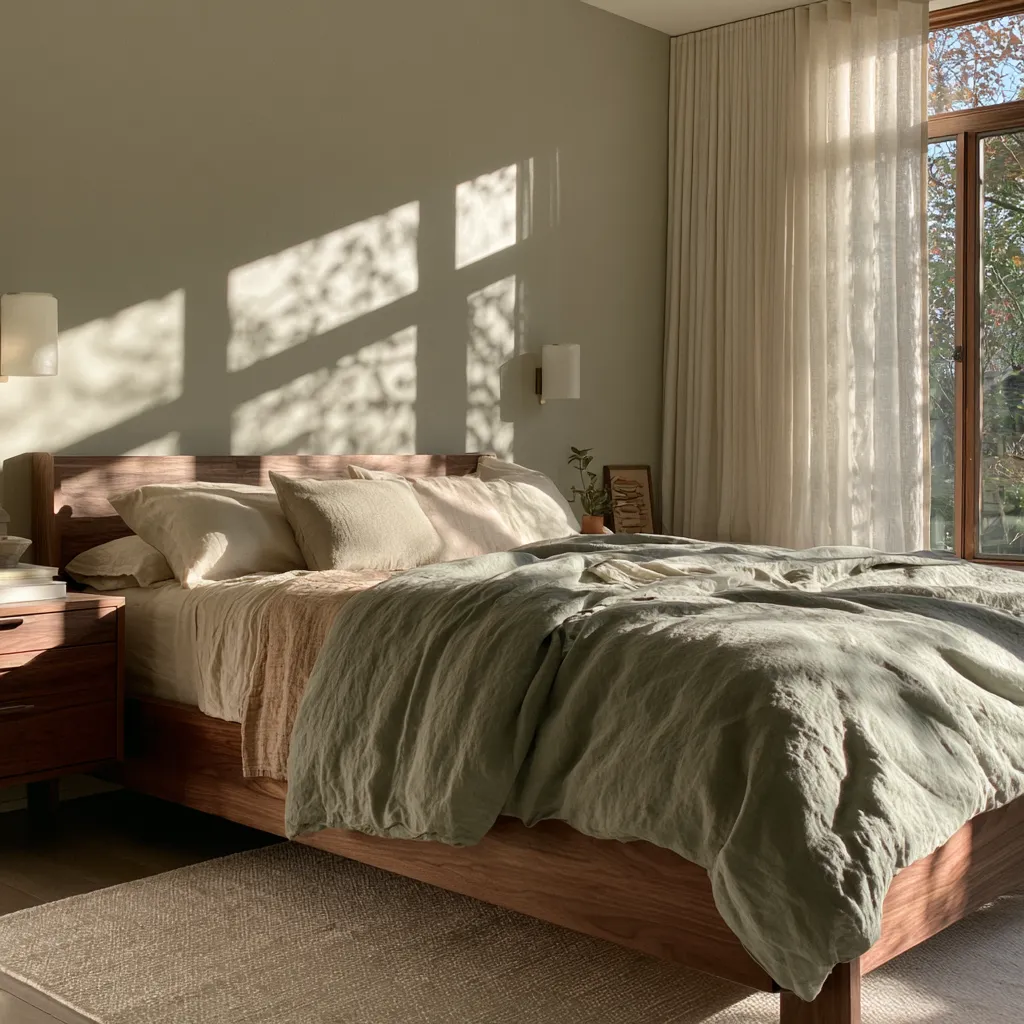
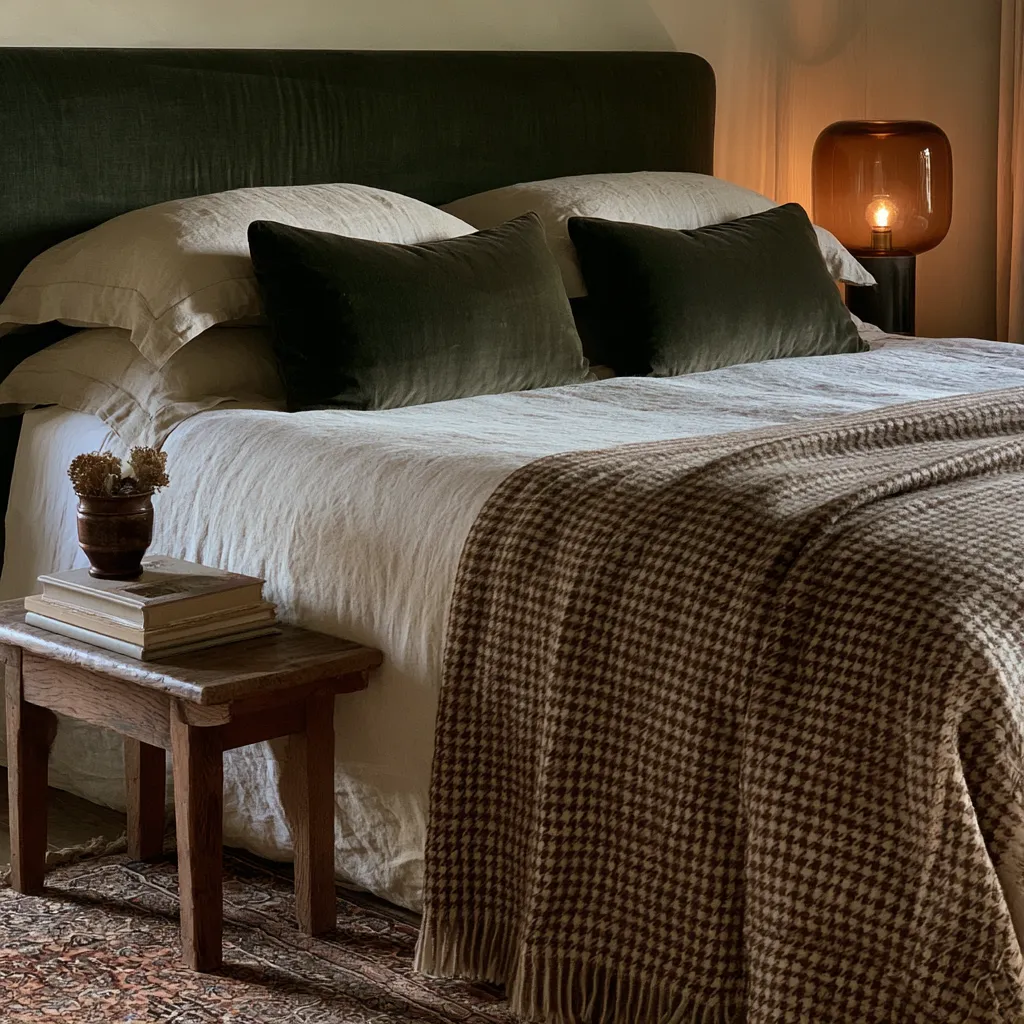
A hamptons style bedroom delivers soft light, natural textures and a calm that feels like a sea breeze without leaving home. It works best when the palette stays tight, the bed becomes the quiet center and every surface avoids visual noise. Start with whites, soft blues and warm sand, then add linen, wood and jute only where they serve rest.
Skip heavy patterns and dark walls. The look succeeds through restraint: one strong headboard, layered bedding in similar tones and light that filters rather than floods. Rooms built this way invite sleep the moment you walk in.
Use the same logic for furniture and finishes. Natural materials ground the space while sheer window treatments keep air moving. The result is a retreat that feels intentional rather than decorated.
- Keep the palette to white, soft blue and warm sand only.
- Choose a linen or cotton headboard as the single focal point.
- Layer three distinct bed textures: smooth sheet, medium duvet, coarse throw.
- Floor the room with jute, sisal or seagrass—never shag.
- Filter light through sheer linen; avoid blackout linings.
- Limit accessories to three coastal pieces maximum.
Soft Neutrals That Define a Hamptons Style Bedroom
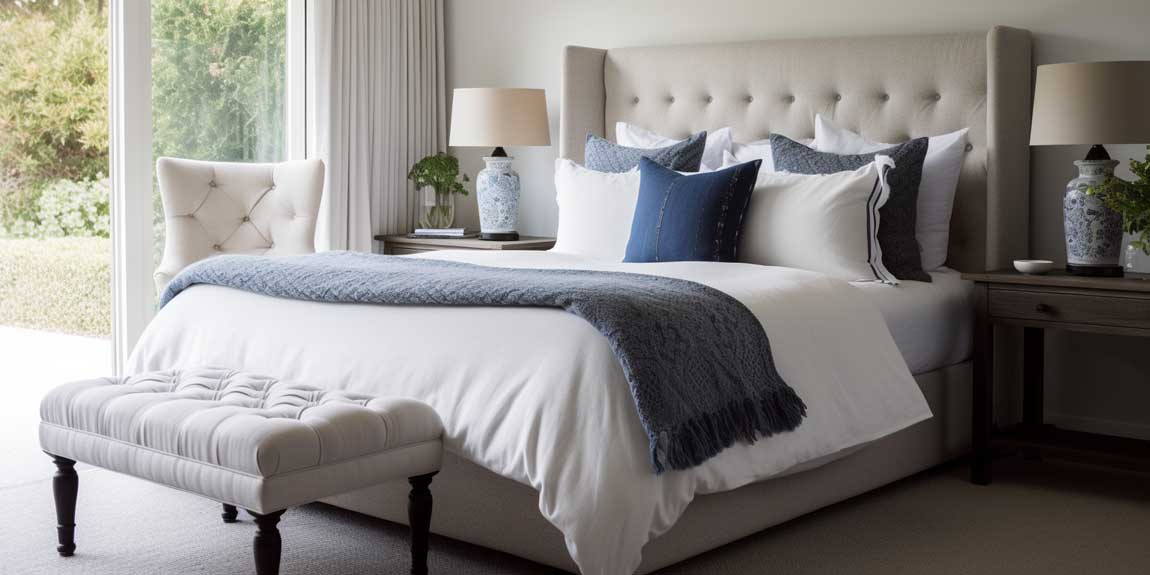
Soft neutrals form the backbone of every successful hamptons style bedroom. White, cream and warm sand act like open sky, while muted blue or green accents echo shallow water. Paint choices such as Sherwin-Williams Sea Salt (LRV 63) shift gently with daylight and keep the room feeling open rather than cold.
Why do saturated colors fail here? They compete with the calm the style promises. Stick to one secondary coastal tone and let textiles carry the rest. Average mid-range linen duvet sets run $250–$400, enough to shift the entire mood without new furniture.
Treat the walls as a quiet canvas. A single soft blue throw pillow or pale green plant then reads as deliberate, not decorative. The metaphor is a clear horizon: nothing blocks the view.

The Bed as Quiet Anchor
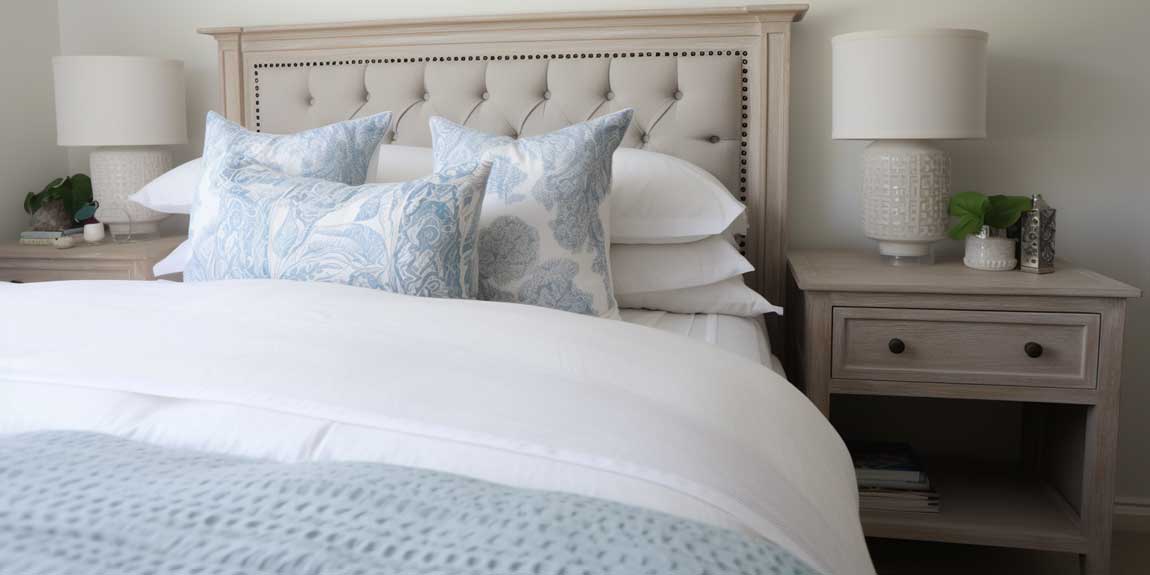
The bed anchors every hamptons style bedroom idea. Choose a wood or rattan frame with clean lines, then dress it in white or soft-blue linen. Mid-tier solid-wood king frames average $1,200–$2,400 and repay the investment through years of daily use.
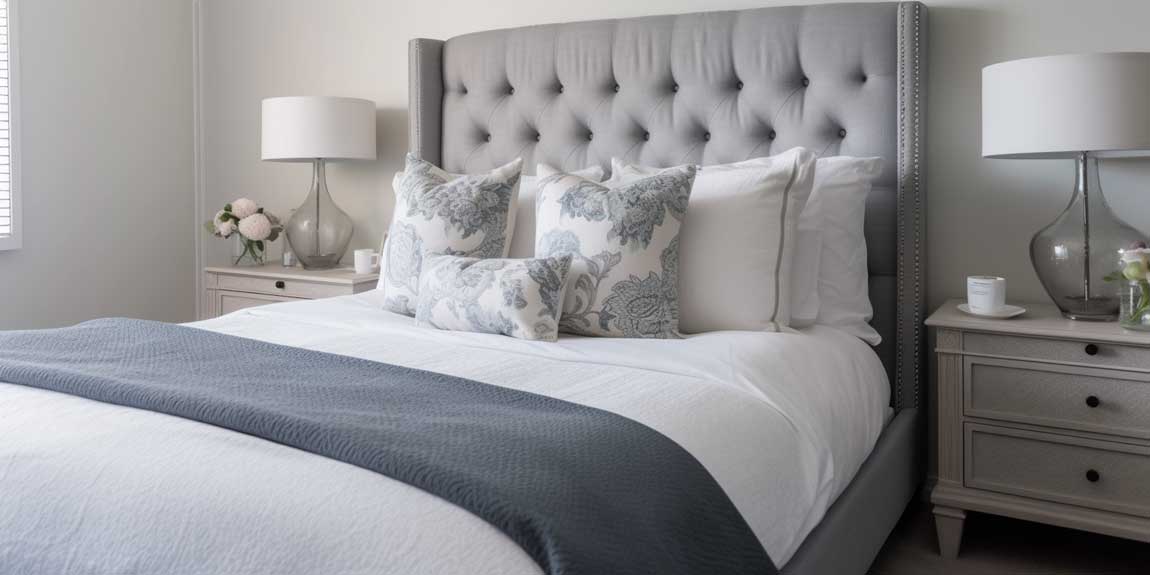
How many pillows are enough? Three to five in graduated sizes create depth without clutter. Avoid matching sets that look staged. One anti-tip: never upholster the headboard in velvet or leather; linen or cotton keeps the surface breathable and true to coastal logic.
Think of the bed as a low dune—solid base, soft surface, nothing sharp. Layer a crisp fitted sheet, a washed-linen duvet and one knobby throw. That sequence alone delivers the tactile contrast the style relies on.

Natural Materials That Bring the Shore Inside
Natural materials turn a plain room into a coastal hamptons style bedroom. Wood, rattan, linen and jute supply warmth that paint alone cannot. Seagrass or sisal rugs in the $150–$400 range ground the floor without trapping heat or visual weight.
What happens when synthetics replace them? The space loses the irregular texture that feels lived-in. Choose one solid wood nightstand and one woven basket; that pairing already signals outdoor connection. Plants in simple ceramic pots finish the link to the landscape.
Imagine the room as a weathered dock—strong structure, soft edges. Keep surfaces uncluttered so the materials themselves become the decoration. A full refresh of bedding plus rug often lands between $600 and $2,000 for most homes.

Lighting That Softens the Entire Room
Layered lighting completes the hamptons style bedroom without harsh spots. Rope-wrapped or driftwood-base lamps, linen shades and a simple ceiling fixture create gentle pools of light. Bedside pairs in the $120–$200 range each deliver enough task light for reading while keeping the overall glow warm.
Should overhead light stay bright? Rarely. Dim everything to a soft amber after dark so the room feels like evening on the water. One clear anti-move: avoid crystal or high-gloss metal that reflects like a mirror and breaks the calm.
Treat light as mist rather than spotlight. Ambient, task and a single accent source are all that is required. The result is a space that settles the nervous system the moment the switches flip.

Window Treatments That Keep Air Moving
Sheer linen or cotton curtains define the light quality of a hamptons style bedroom. They filter sunlight into a diffuse wash instead of blocking it. Panels priced around $80–$120 each perform the job without bulk.
Why avoid blackout linings? They turn the room into a cave and kill the breezy character the style needs. Plantation shutters or woven shades work as secondary options if privacy demands them, yet keep the primary layer light. One practical test: stand at the window at noon—if the light still feels soft, the choice is correct.
Windows become the lungs of the room. Open them when possible and let fabric move with any draft. The effect is the same quiet motion found on a screened porch.

Accessories Kept to a Quiet Minimum
A few well-chosen pieces finish a coastal hamptons style bedroom without tipping into theme. One framed seascape, a single ceramic vase and a woven tray are enough. Average quality coastal art prints run $50–$150 and carry more weight when left alone on a wall.
What belongs on the nightstand? Only the lamp, a book and perhaps one small object. Anything more creates visual static. The anti-rule is clear: no rope knots, no anchor motifs, no collections of shells that read as souvenir shop.
Think of each accessory as a single pebble on the shore—noticeable, not piled. For deeper material ideas see the key elements of coastal Hamptons interiors that expand the same restraint across the whole house.

Texture Layers That Create Real Comfort
Texture is the silent language of every hamptons style bedroom. Smooth cotton sheets, medium-weight linen and a coarse knit throw supply three distinct hand-feels on the bed alone. Quality chunky throws average $90–$150 and complete the sequence without looking seasonal.
Can patterns join the mix? Only if they stay within the neutral family and remain secondary. Stripes in soft blue work; busy florals do not. One common mistake is matching every fabric weight—contrast is what makes the layers readable.
Picture the bed as a shoreline of different grains of sand. Each layer registers under the hand and keeps the eye moving gently. That tactile range is what separates a hotel look from a lived-in coastal retreat.

Classic Versus Modern Approaches Compared
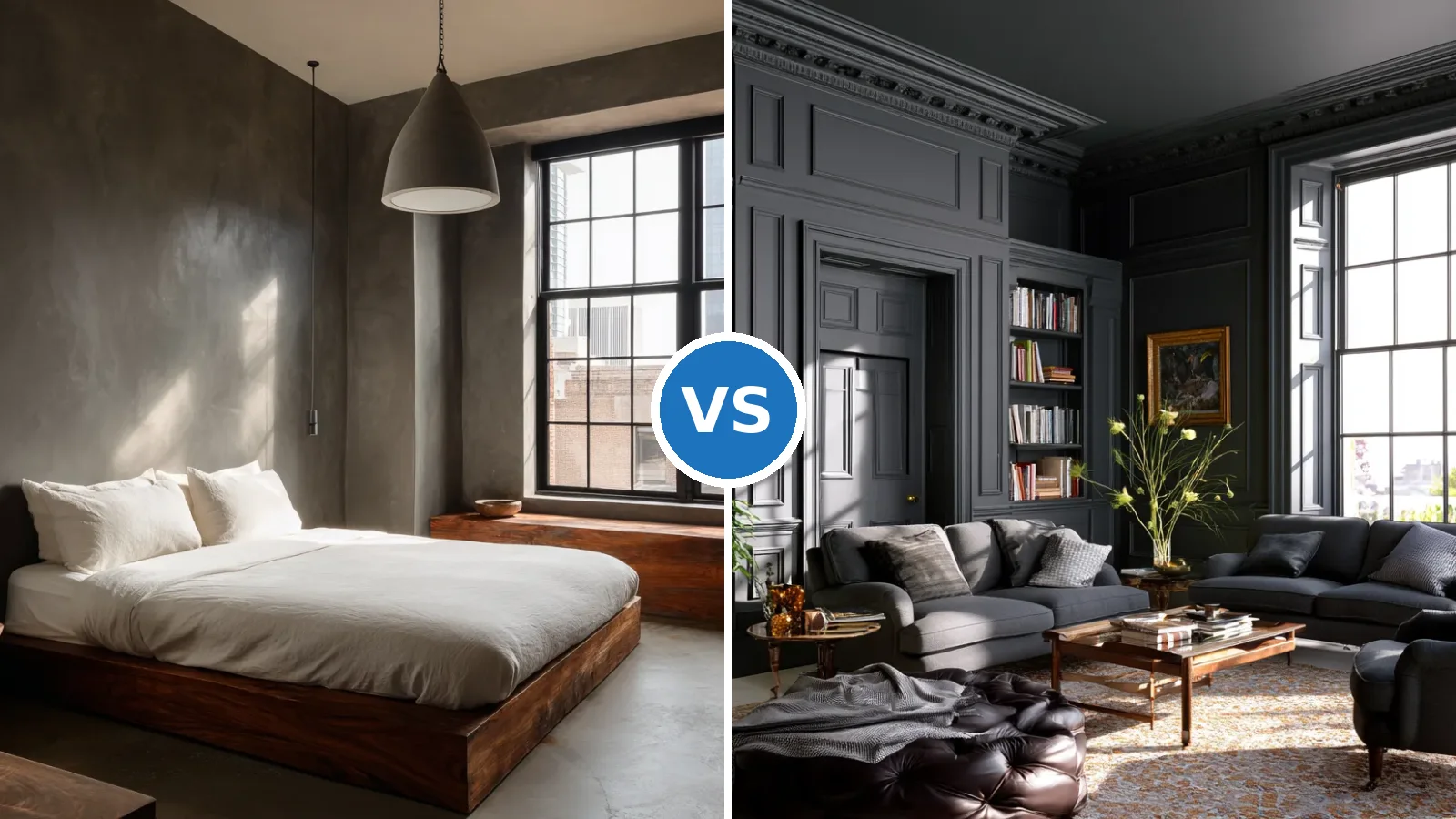
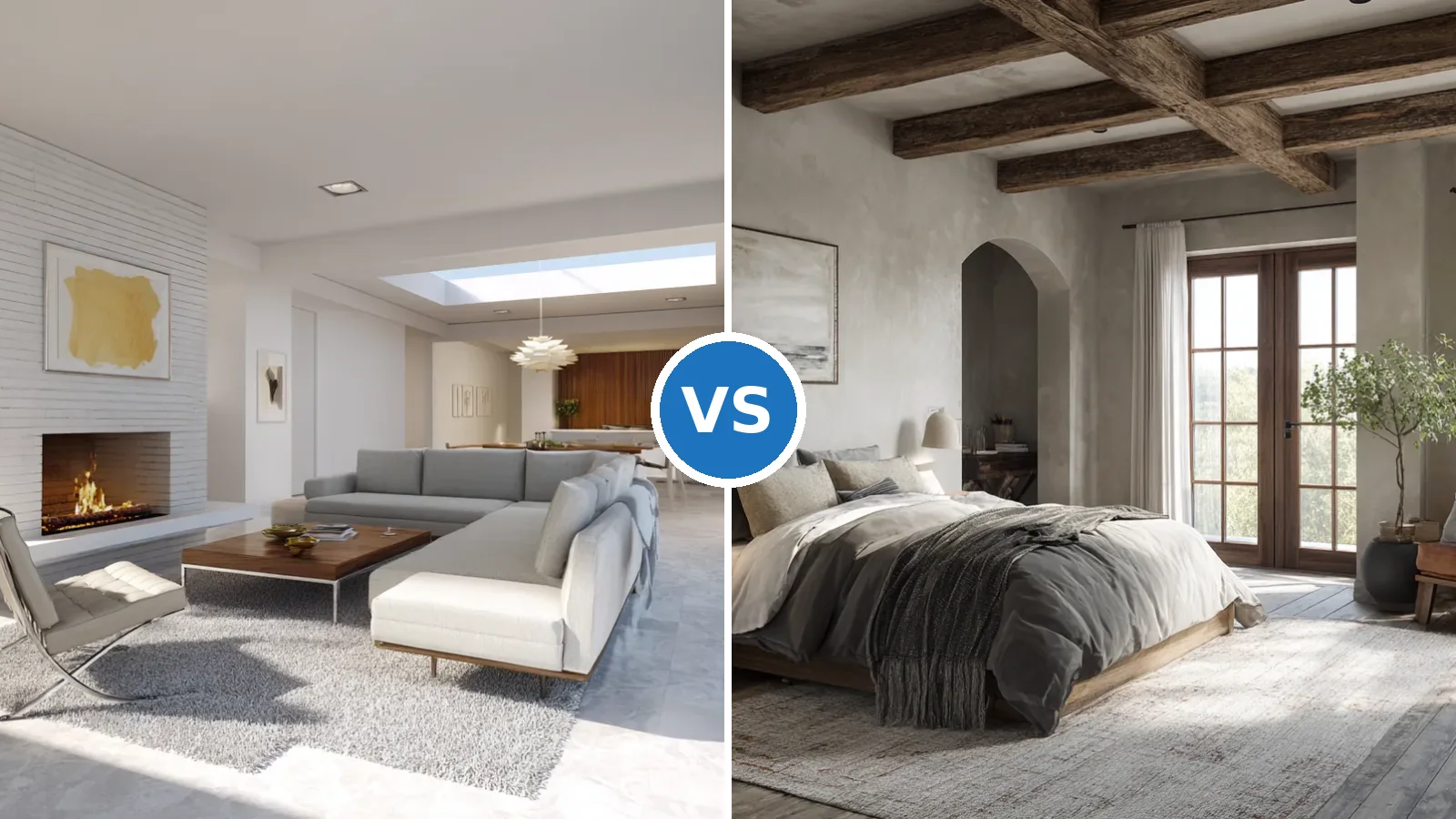
Two clear paths exist for a hamptons style bedroom. Classic leans on more blue, white-painted wood and formal symmetry. Modern pulls in softer greys, darker natural timber and greater negative space. Both share linen, jute and restrained accessories.
| Element | Classic Path | Modern Path |
|---|---|---|
| Wall color | Soft white or pale blue | Warm grey or soft beige |
| Furniture finish | White-painted wood | Natural or blackened oak |
| Blue use | Headboard and pillows | Accents only, often muted |
| Rug | Seagrass or light jute | Sisal or darker jute |
| Overall feel | Formal coastal | Quieter, less thematic |
Choose one path and hold it. Mixing both in the same room dilutes the identity and leaves the space looking undecided. Real-room examples of both directions appear in three chic Hamptons bedroom designs that show the principles in practice.

Artwork That Supports the Mood
Coastal-inspired art belongs on the walls of a hamptons style bedroom only when it stays quiet. Soft seascapes, abstract water movement or pale photography work best. Frames in light timber keep the weight low; dark frames pull the eye too hard.
How large should a single piece be? One 24-by-36-inch print centered above the bed is usually enough. Gallery walls fragment the calm. Average framed coastal prints cost $80–$200 and perform better when left as the sole wall statement.
Art should feel collected, not themed. Avoid anything with literal boats or rope. The goal is the same soft horizon the palette already suggests.
Scent and Sound as Final Layers
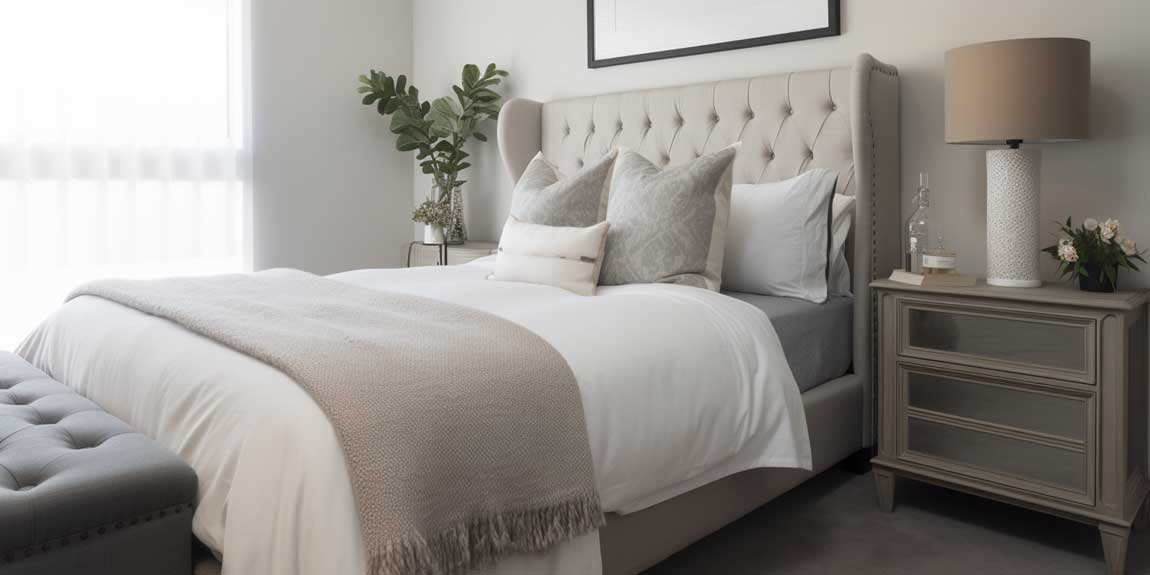
Subtle scent finishes the sensory picture of a hamptons style bedroom. Lavender, eucalyptus or light sandalwood in a diffuser or candle support rest without overpowering. One candle or reed diffuser is the practical limit.
Should ocean sound machines stay on all night? Only if they truly help sleep; otherwise silence or soft white noise is cleaner. The anti-advice is simple: never add fragrance that competes with clean linen or fresh air from an open window.
Treat scent like background weather—present but never the main event. A single low-cost diffuser under $30 already delivers the coastal calm most people seek.

Don’t Do This
- Mirrored furniture that reflects every light source
- Navy accent walls that shift the room into preppy territory
- Rope, anchors or literal nautical motifs
- Matching furniture sets that feel staged
- Heavy blackout curtains that seal the room
- Shag or synthetic rugs that trap visual weight

Practical Sequence for Building the Look
Start with paint and flooring, then move to the bed, then textiles, then light and accessories. A mid-range full redesign of furniture and décor typically falls between $2,000 and $6,000 according to current design cost data. Smaller refreshes of bedding and rug alone stay under $1,000.
Which single change delivers the fastest shift? New linen bedding plus a natural-fiber rug. Those two items rewrite the tactile and visual story of the room in one afternoon. External guidance on coastal paint performance appears in reviews of Sherwin-Williams Sea Salt at Homes and Gardens.
Work in that order and the room coheres. Skip steps and the style fragments into a collection of nice pieces that never settle into one calm whole.
Coastal Calm That Lasts
A well-built hamptons style bedroom rewards daily life more than special occasions. The same soft palette, natural materials and filtered light keep working year after year because they rest on simple rules rather than trends.
Hold the palette tight. Layer three textures on the bed. Filter the light. Leave surfaces mostly empty. Those four moves already produce the quiet elegance the style promises.
Choose one clear path—classic or modern—and stay with it. The room then feels intentional instead of assembled. Sleep arrives more easily when every surface supports rest rather than visual competition.
Begin with the bed and the floor. Everything else follows from those two decisions. The result is a retreat that feels like coastal air even on inland nights.