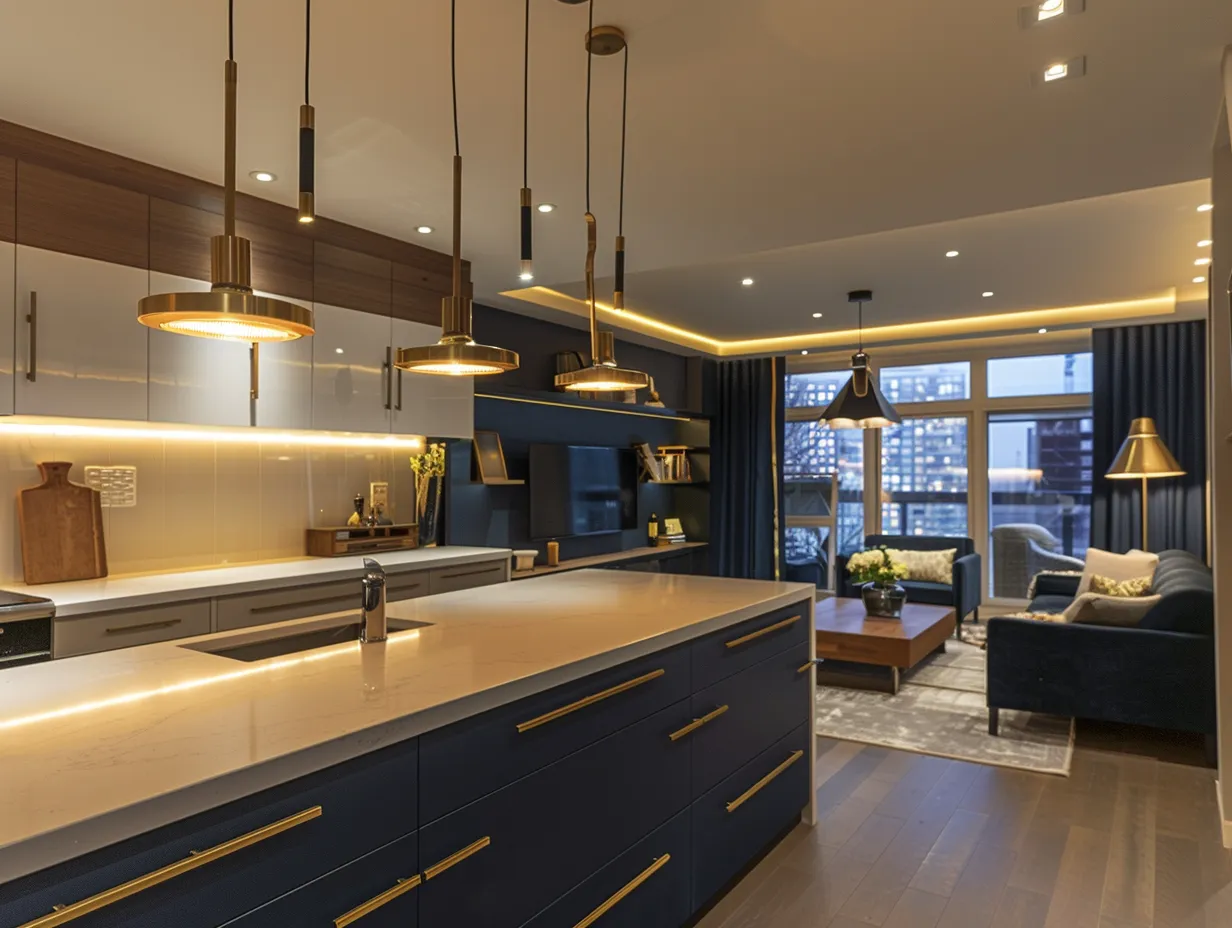
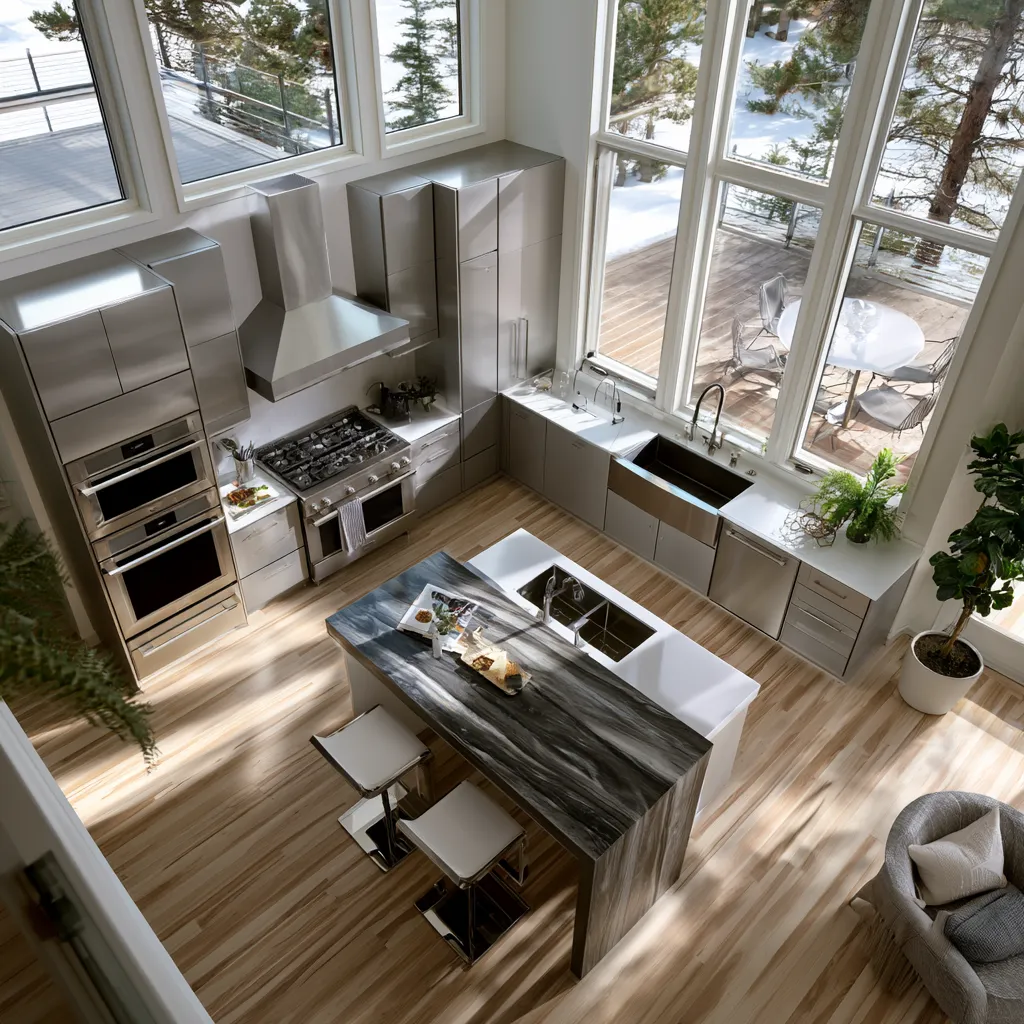
A modern Hamptons style kitchen mixes classic coastal calm with clean contemporary lines so the room feels bright, practical, and quietly luxurious. It works when you keep the bones traditional—shaker cabinets, light surfaces, natural light—and update the details with minimal hardware, open flow, and durable materials that handle daily use. Homeowners choose this look because it delivers the relaxed coastal Hamptons atmosphere without turning the kitchen into a themed set piece.
The style succeeds in both beach houses and inland homes. Soft whites, pale blues, and natural wood create visual air, while modern appliances and smart storage keep the space efficient. Expect a mid-size remodel to land between $55,000 and $95,000 depending on cabinet quality and countertop choice, according to current project ranges for similar coastal kitchens.
Skip the heavy nautical props. Focus on light, texture, and a few well-chosen materials and the kitchen reads authentic rather than staged.
Quick Scan
- White or soft-gray shaker cabinets remain the foundation of every successful modern Hamptons style kitchen.
- Quartz or honed quartzite at $80–$130 per sq ft installed outperforms marble for daily cooking.
- Natural light through large windows or skylights does more for the coastal feel than any accessory.
- Texture layers—beadboard, wood stools, woven pendants—prevent the space from looking flat.
- Indoor-outdoor flow via sliding doors turns the kitchen into a year-round gathering zone.
- Avoid rope pulls, anchor motifs, and full-wall shiplap; they date the room fast.


Coastal Hamptons Style Kitchen Foundations That Still Work
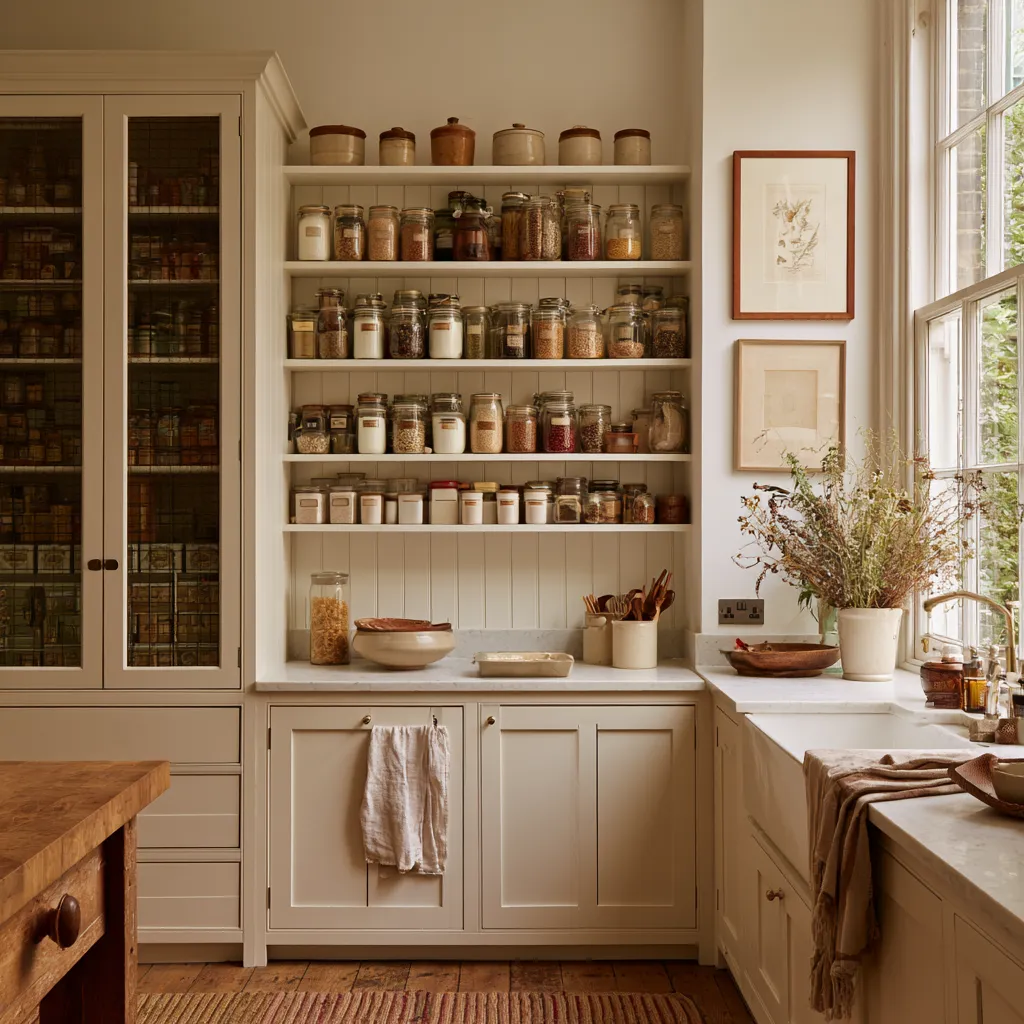
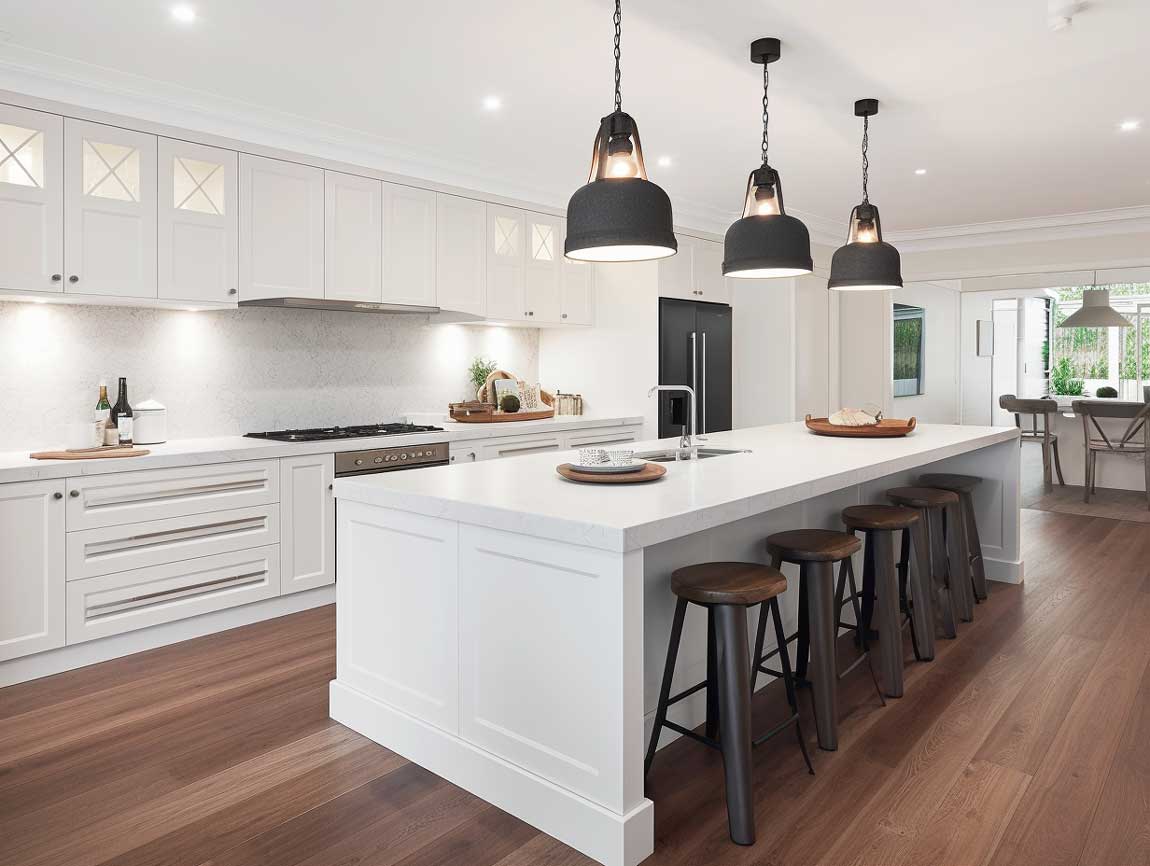
Coastal Hamptons style kitchen design starts with shaker cabinets painted in crisp white or soft greige. The simple recessed panel gives just enough detail without visual noise. Semi-custom shaker runs typically cost $200–$450 per linear foot installed, while fully custom painted versions push past $600. Pair them with a light quartz countertop and the room already feels open.
Why does this combination hold up? The cabinets act as a quiet backdrop so natural light and texture can do the heavy lifting. Avoid high-gloss finishes—they show every fingerprint and reflect light harshly. Matte or soft eggshell keeps the surface calm. A practical move is to keep upper cabinets simple and invest storage budget in deep drawers and pull-outs below.
Think of the cabinet run as the shoreline: steady, clean, and ready to support whatever comes next. Add beadboard or horizontal shiplap on one wall only if the room needs extra texture; covering every surface turns the kitchen into a wooden box.


How Modern Details Refresh the Classic Look
Modern Hamptons style kitchen updates arrive through hardware, appliances, and layout rather than dramatic style shifts. Slim bar pulls in brushed brass or matte black replace bulky cup handles. Integrated or stainless appliances keep the lines clean while still reflecting light. Open floor plans and larger islands improve circulation without losing the coastal calm.
Does a full modern overhaul erase the Hamptons character? Not if the core materials stay warm and natural. One useful reference is the detailed material and layout guidance in modern coastal kitchen ideas with practical cabinet and countertop choices. That resource shows exactly where to spend and where to hold back.
Anti-advice: do not chase every current trend at once. A black island, brass everything, and open shelves full of ceramics quickly feel busy. Choose one modern move—hardware finish or appliance integration—and let the rest stay classic.


Materials That Balance Luxury and Daily Use
Classic foundations with a contemporary edge rely on materials that look refined yet survive real cooking. Quartz in a soft Calacatta or Brittanicca pattern costs roughly $110–$130 per square foot installed and needs almost no maintenance. Honed quartzite sits in a similar range and offers natural variation with better durability than marble.
Marble remains tempting for its veining, but it etches and stains with lemon or wine. Use it only if you accept the patina or limit it to a low-traffic baking station. Butcher block works as a short accent run at $40–$70 per square foot, yet it demands regular oiling. Porcelain slabs provide another low-maintenance option at $60–$100 per square foot.
Treat countertops the way a boat builder treats the deck: choose the surface that will still look good after years of salt, water, and hard use. The table below ranks common options for a modern Hamptons style kitchen.
| Material | Installed Cost | Coastal Fit | Maintenance |
|---|---|---|---|
| Quartz (Cambria Brittanicca style) | $110–$130/sq ft | Excellent | Low – wipe clean |
| Honed Quartzite | $90–$140/sq ft | Excellent | Medium – seal yearly |
| Marble (Calacatta) | $100–$180/sq ft | Good visually | High – etches and stains |
| Butcher Block | $40–$70/sq ft | Good for accents | High – oil regularly |
| Porcelain Slab | $60–$100/sq ft | Very good | Low |


Color Choices Beyond the Expected Blue and White
The color palette for a coastal Hamptons kitchen no longer has to stay locked in pure white and navy. Soft greige, warm sand, and muted sage expand the range while keeping the room airy. A single deeper blue or charcoal island can anchor the space without darkening the whole kitchen.
What happens when you push color too far? Multiple saturated blues plus patterned tile and dark floors collapse the light that defines the style. Keep walls and most cabinets light, then add one accent surface. Paint quality matters—cabinet-grade enamel in a satin sheen holds up better than standard wall paint under steam and cleaning.
Imagine the palette as tide lines on wet sand: subtle shifts in tone rather than sharp contrasts. Test samples under both daylight and evening LED to avoid surprises.


Accessories That Add Character Without Clutter
Accessories in a modern Hamptons style kitchen should feel collected rather than staged. A few woven trays, clear glass canisters, and one or two ceramic vessels on open shelves carry the coastal note. Overdoing nautical motifs—rope, anchors, starfish—makes the room look temporary.
Limit open shelving to a short run so everyday items stay behind doors. Hardware finish should match the overall metal story: brushed brass or satin nickel reads warmer than polished chrome. Pendant lights above the island work best in simple drum or clear glass shapes rather than heavy lanterns.
Think of accessories as seasoning: a light hand improves the dish; too much overwhelms it. Edit the counters weekly and the kitchen stays calm.

Natural Light as the Real Design Driver
Natural light defines a modern Hamptons style kitchen more than any finish. Large windows over the sink, glass doors to a patio, or a well-placed skylight change the entire atmosphere. Rooms that lack daylight never fully achieve the coastal effect no matter how white the cabinets.
If structural changes are limited, maximize what exists: keep window treatments minimal, use reflective surfaces, and layer under-cabinet LED task lighting at 3000K. Skylights typically run $1,600–$4,200 installed and deliver more usable light per dollar than many other upgrades.
Light acts like the tide that refreshes the room every morning. Protect it by avoiding heavy upper cabinets that block windows and by choosing finishes that bounce rather than absorb daylight.
Texture Layers That Keep the Room From Feeling Flat
Texture gives a coastal Hamptons kitchen depth. Beadboard paneling, a natural fiber rug under the island, wood bar stools, and a woven pendant create contrast against smooth quartz and painted cabinets. Without these layers the space can read sterile.
How much texture is enough? Aim for three distinct materials that the eye can register in a quick scan. More than that and the room starts to feel busy. A practical pair of resources for seeing texture done well appears in coastal modern kitchens that focus on material rather than decoration.
Anti-advice: do not wrap every wall in the same wood cladding. One textured surface—island face or a single wall—creates focus; four walls erase it.

Indoor Outdoor Flow That Matches the Lifestyle
Indoor-outdoor living sits at the heart of the Hamptons ideal. Sliding glass doors that open to a patio or outdoor kitchen extend the room in warm months and still frame views year-round. Even a simple step-out to a small deck improves the experience.
Plan the threshold carefully: continuous flooring or a minimal level change keeps the connection smooth. Outdoor cooking zones work best when they share sight lines with the indoor island so conversation continues. Lighting both spaces to the same warm color temperature helps the transition feel intentional after dark.
Treat the outdoor edge like a second shoreline—something the kitchen reaches toward rather than a separate destination. A well-placed door does more for daily enjoyment than another decorative object.

Function That Supports the Everyday Routine
Functionality meets sophistication when storage, appliances, and layout serve real cooking habits. Deep drawers for pots, pull-out trash, and a landing zone next to the refrigerator reduce friction. A work triangle or efficient work zones still matter even in open plans.
Choose appliances that perform and disappear visually—panel-ready or clean stainless. A quality range and refrigerator package often lands between $8,000 and $20,000 for mid-to-upper tiers. Soft-close hardware and full-extension slides cost little extra yet improve daily use dramatically.
A kitchen that looks beautiful but frustrates the cook fails the test. Prioritize reach, storage, and cleaning ease first; the coastal atmosphere follows.

Don’t Do This
- Do not fill the room with rope-wrapped pulls, anchor art, or porthole mirrors—they turn a refined kitchen into a themed restaurant.
- Do not cover every wall in shiplap or beadboard; one textured surface is enough.
- Do not choose polished marble for high-use counters unless you accept etching and staining as part of the look.
- Do not block natural light with heavy upper cabinets or dark window treatments.
Putting the Coastal Hamptons Kitchen Together
A modern Hamptons style kitchen succeeds when classic proportions meet practical contemporary choices. White or soft-tone shaker cabinets, durable light countertops, generous natural light, and restrained texture create a room that feels both coastal and livable. The style rewards restraint more than accumulation of decorative objects.
Budget realistically: mid-size projects commonly fall between $55,000 and $95,000 once cabinets, surfaces, and labor are included. Spend first on the elements that affect daily use—cabinets, counters, and light—then refine hardware and accessories.
Keep the palette calm, protect the daylight, and edit the accessories. The result is a kitchen that works hard and still feels like a quiet coastal retreat.

Ready to Build the Look
The strongest modern Hamptons style kitchens feel intentional rather than decorated. They rely on clean cabinetry, light-reflecting surfaces, and real natural light to carry the coastal mood.
Start with the cabinet profile and countertop material—these two decisions set the tone for everything else. Protect or expand daylight next. Add texture and a few carefully chosen accessories last.
Measure your space, set a clear budget band, and choose one primary material upgrade that will still look good in ten years. The rest of the coastal character follows from those practical choices.